





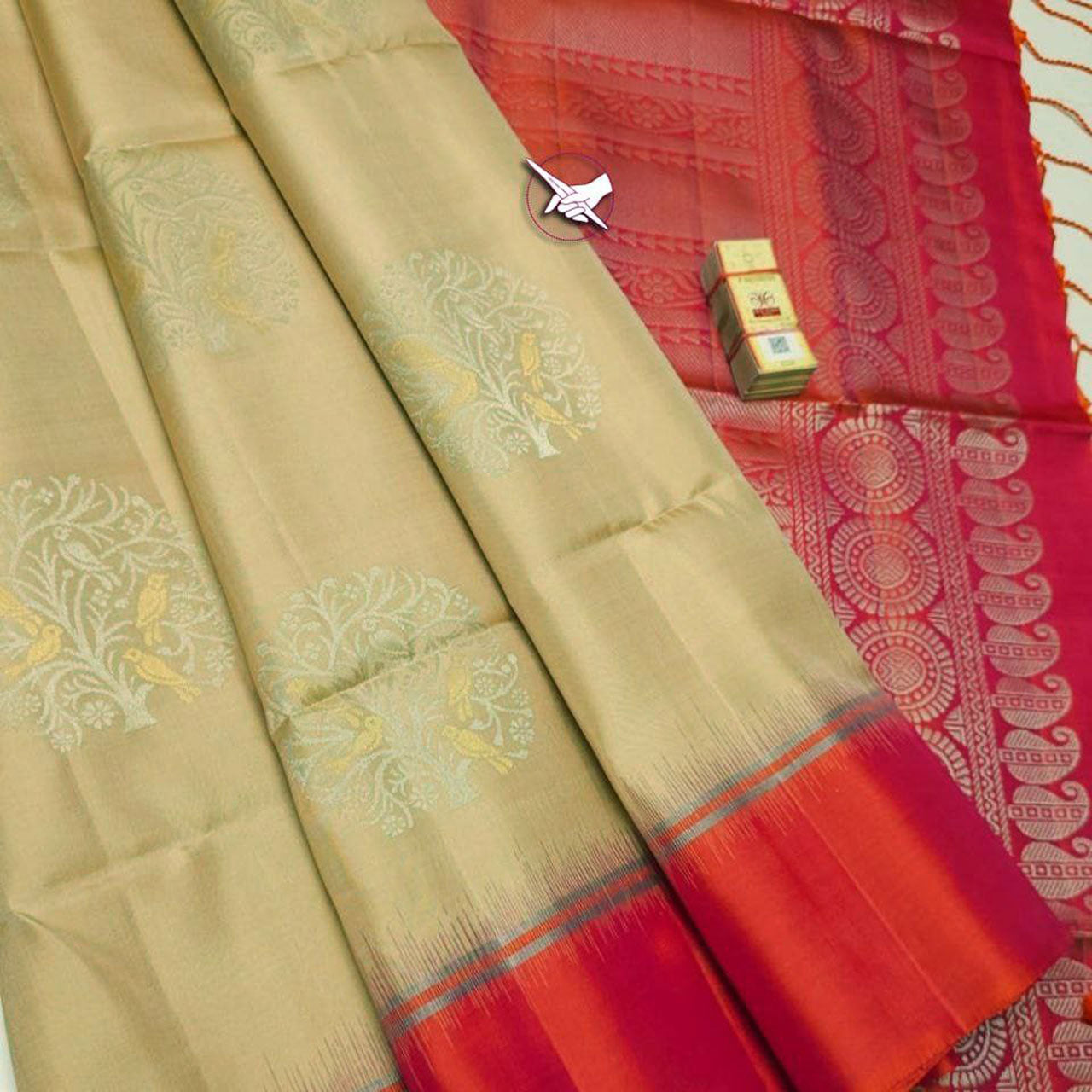


What Makes Pure Mysore Silk So Special? | Premvastra
What Makes Pure Mysore Silk So Special? Everything You Need to Know
There are fabrics. And then there is Pure Mysore Silk.
If you have ever held a Mysore silk saree in your hands, you already know — there is something quietly extraordinary about it. The way it catches the light. The way it drapes like water. The way it feels cool against your skin even on a warm afternoon. It is the kind of fabric that doesn't need to announce itself. Its presence does the talking.
But what exactly makes Pure Mysore Silk so special? Why has it held its throne as one of India's most beloved and prestigious silk fabrics for centuries? And why do connoisseurs, brides, and textile lovers keep coming back to it, generation after generation?
At Premvastra, we believe every woman who wears Mysore silk deserves to know the full story behind the fabric she carries. So let's unfold it — thread by thread.
Royal Legacy: The History of Mysore Silk
The story of Mysore silk begins in the royal courts of Karnataka. It was Hyder Ali, the 18th-century ruler of Mysore, who first introduced sericulture — the cultivation of silk — to the region. His son Tipu Sultan further expanded it, recognising silk as a symbol of royal prestige and economic strength.
But it was under the reign of Krishnaraja Wadiyar IV in the early 20th century that Mysore silk truly flourished. He established the Mysore Silk Weaving Factory in 1912, which became the backbone of organised silk production in the region. What began as a royal initiative gradually became a cultural identity — and today, Mysore silk is not just a fabric. It is a legacy.
This rich heritage is part of what makes every Pure Mysore Silk saree feel like more than just a purchase. It feels like an inheritance.
The GI Tag: India's Seal of Authenticit
In 2005, Pure Mysore Silk received the prestigious Geographical Indication (GI) tag — one of the first Indian textiles to do so. This is a legal certification that confirms the fabric can only be called "Pure Mysore Silk" if it is:
- Produced in the Mysore region of Karnataka
- Made using pure mulberry silk yarn
- Woven with a minimum of 65% pure silk content and finished with genuine zari (gold or silver thread)
- Manufactured by the Karnataka Silk Industries Corporation (KSIC) or registered weavers under its umbrella
This GI tag is not just a label — it is a promise. When you buy a certified Pure Mysore Silk saree, you are guaranteed authenticity, craftsmanship, and traceability. At Premvastra, every Mysore silk saree in our collection is sourced with this commitment to genuineness in mind.
What Makes Pure Mysore Silk Unique? The Key Qualities
Let's get to the heart of it. Here is what truly sets Pure Mysore Silk apart from every other fabric in the world:
1. Unmatched Softness and Texture
Pure Mysore Silk is woven from the finest mulberry silk threads, which come from silkworms fed exclusively on mulberry leaves. This controlled diet produces a thread that is extraordinarily fine, smooth, and lustrous. The resulting fabric has a softness that is immediately noticeable — almost like a second skin.
2. The Signature Crepe-Like Finish
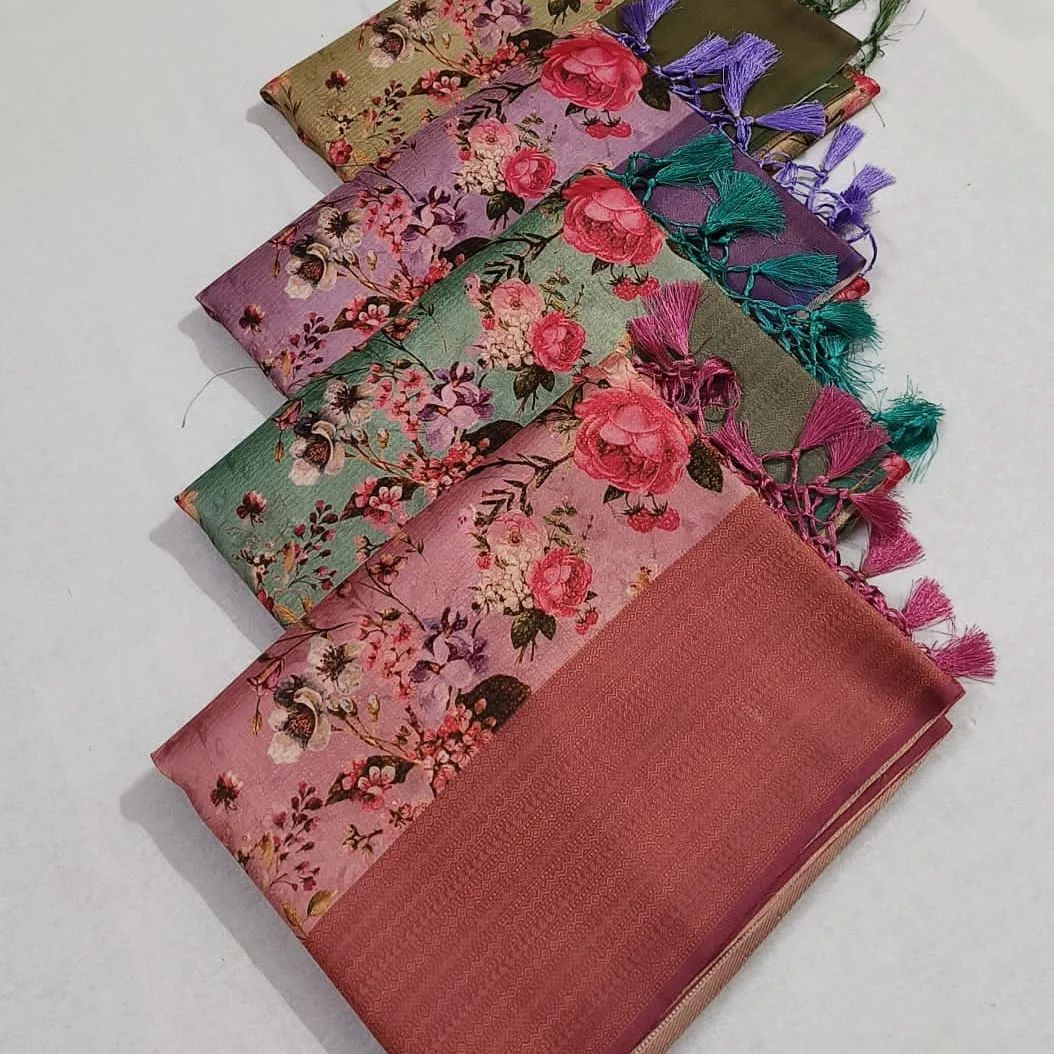
Unlike many other Indian silks, Mysore silk has a distinctive semi-matte, crepe-like texture on one side and a gentle sheen on the other. This gives it a refined, understated elegance rather than an overpowering shine — making it perfect for both grand occasions and sophisticated everyday wear.
3. Durability That Lasts Generations
One of the most remarkable qualities of Pure Mysore Silk is its exceptional durability. A well-maintained Mysore silk saree can last 20, 30, even 50 years — and often gets passed from mother to daughter as a treasured heirloom. This longevity makes it one of the smartest investments in a woman's wardrobe.
4. Natural Temperature Regulation
Silk is a naturally breathable and temperature-regulating fabric. Pure Mysore Silk keeps you cool in summer and warm in winter — an extraordinary quality that synthetic fabrics simply cannot replicate. This makes it a practical choice across seasons and climates.
5. Rich, Deep Colour Absorption
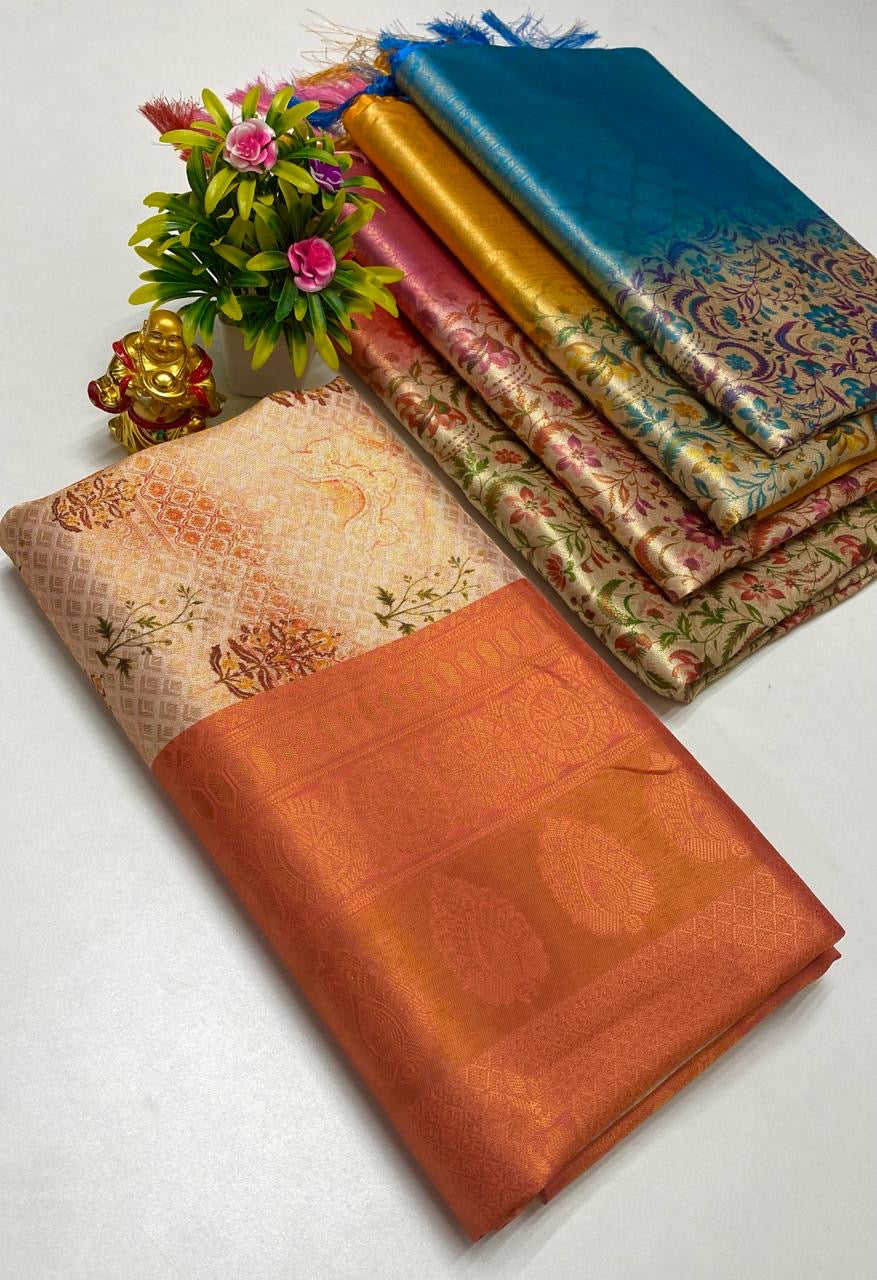
The pure mulberry silk thread used in Mysore silk has an exceptional ability to absorb dyes, resulting in colours that are vivid, deep, and long-lasting. Whether it is a jewel-toned royal blue, a warm turmeric yellow, or a classic peacock green — Mysore silk holds colour like no other fabric.
6. The Zari Borders and Pallus
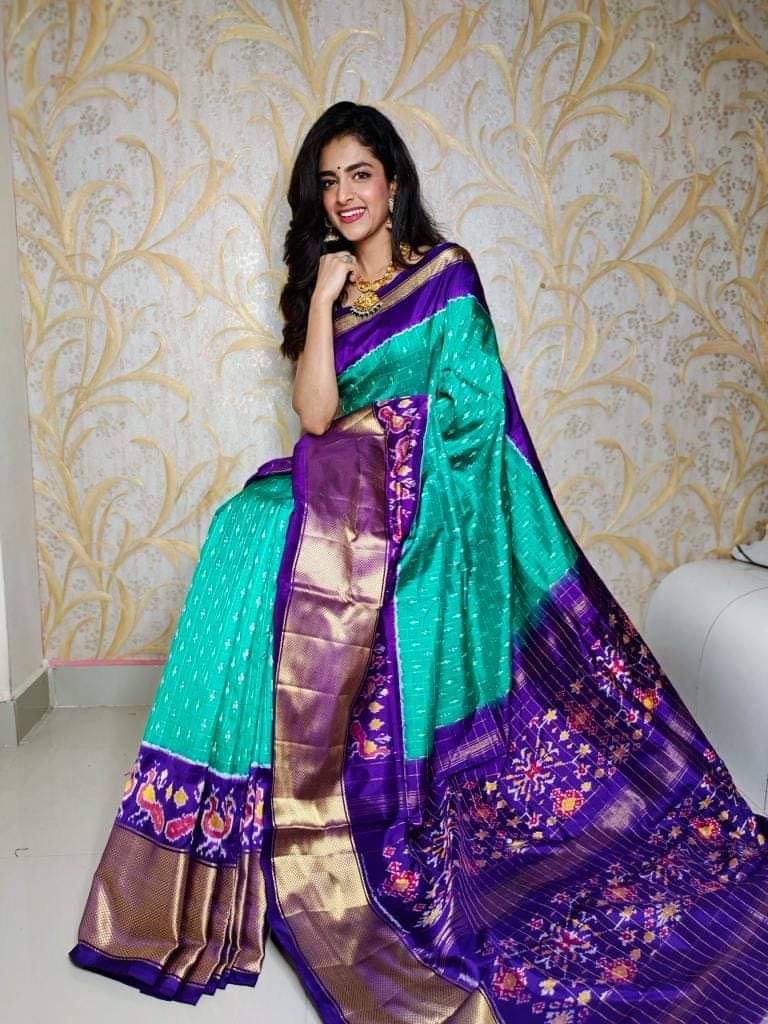
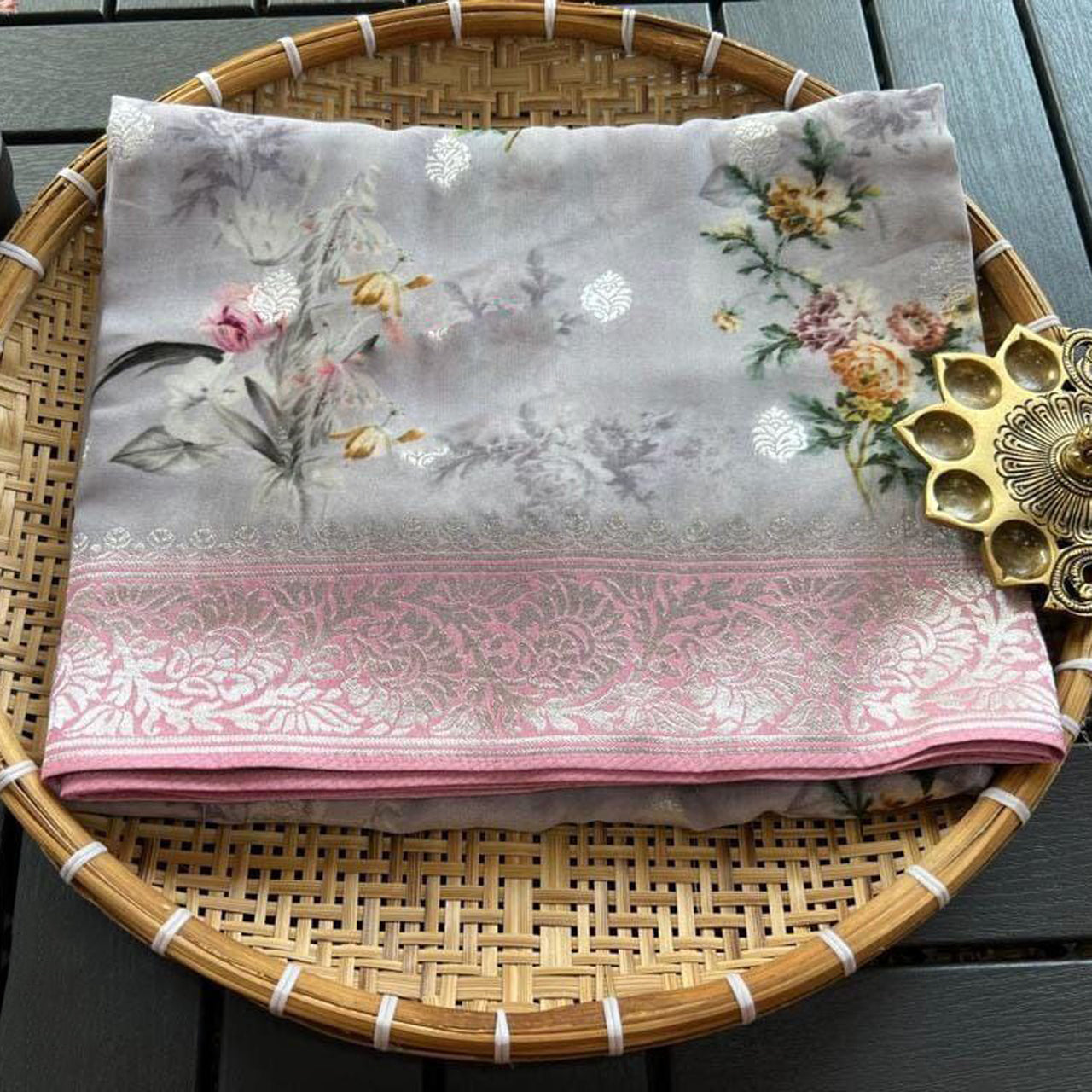
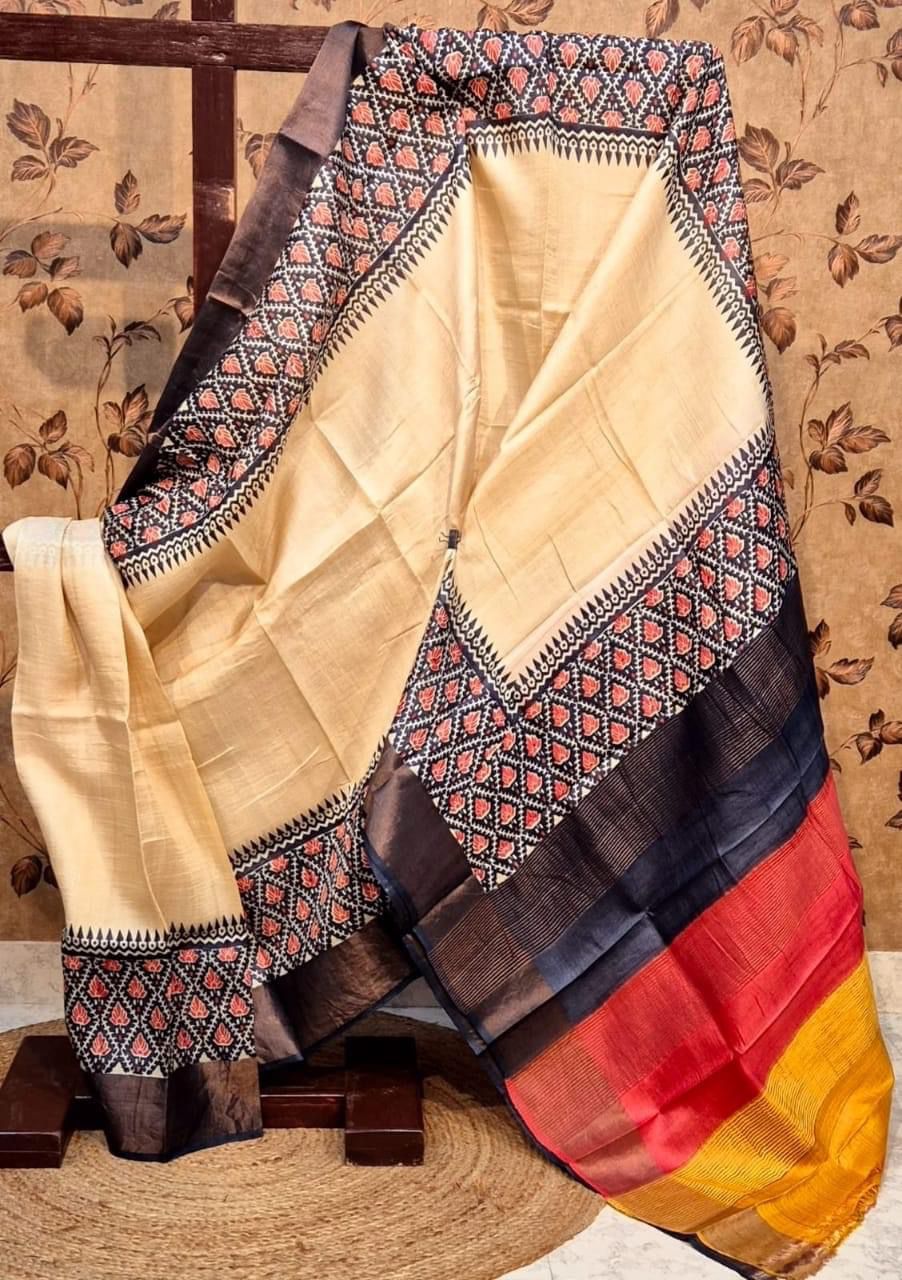
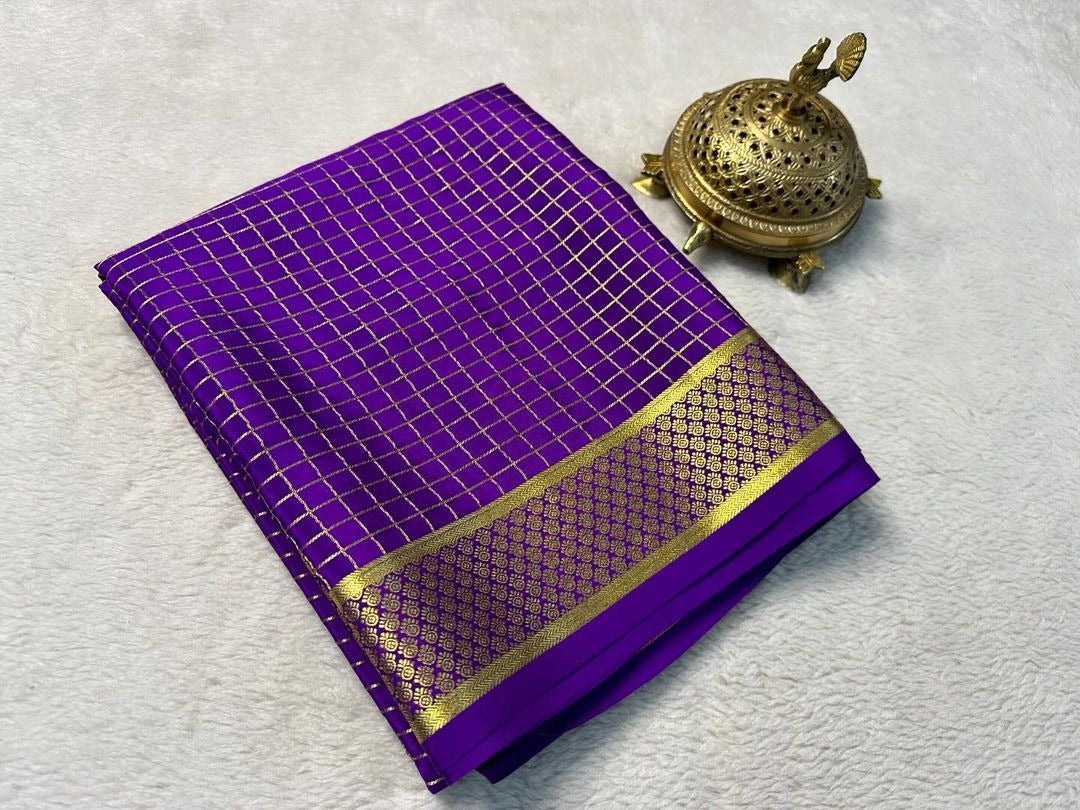
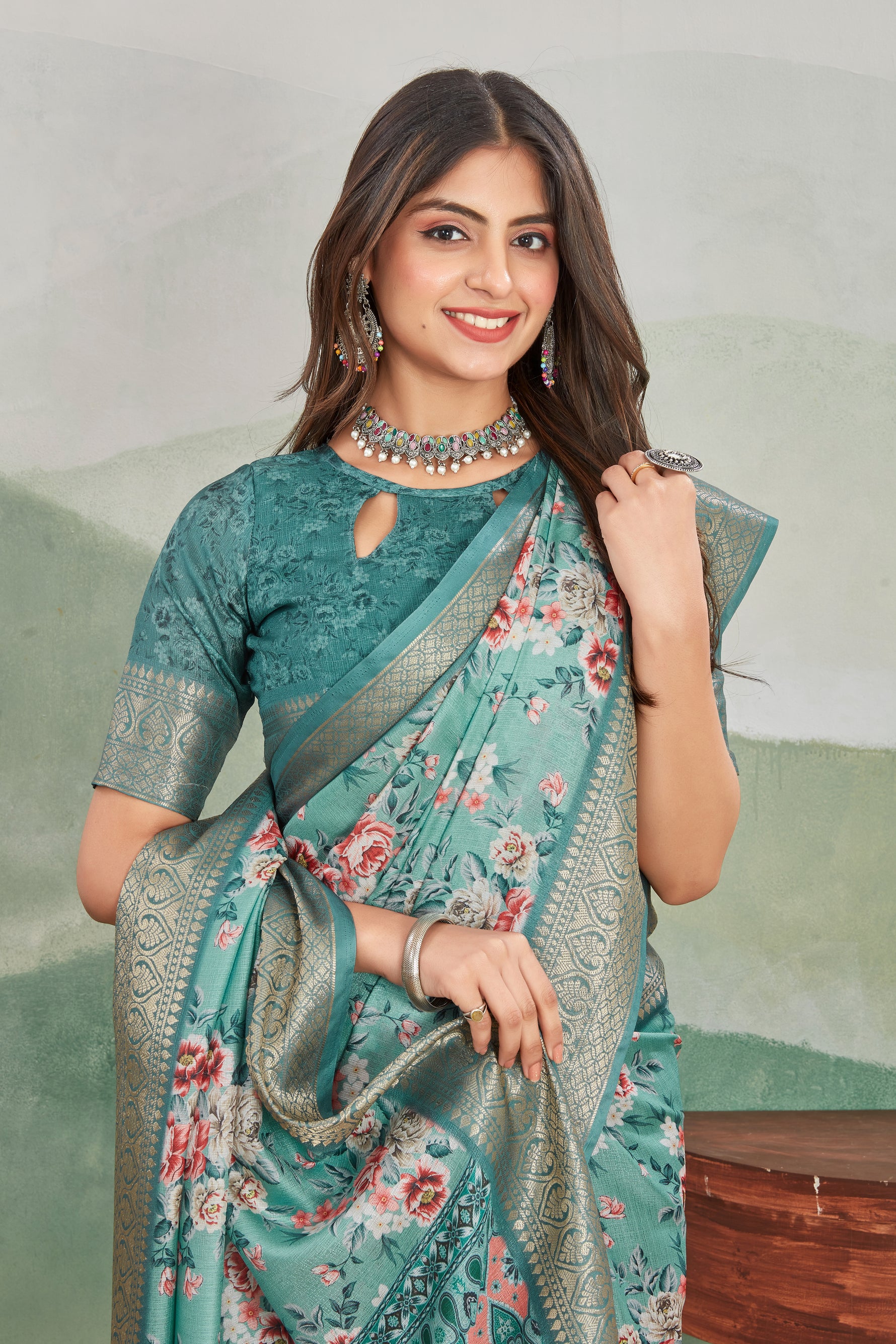
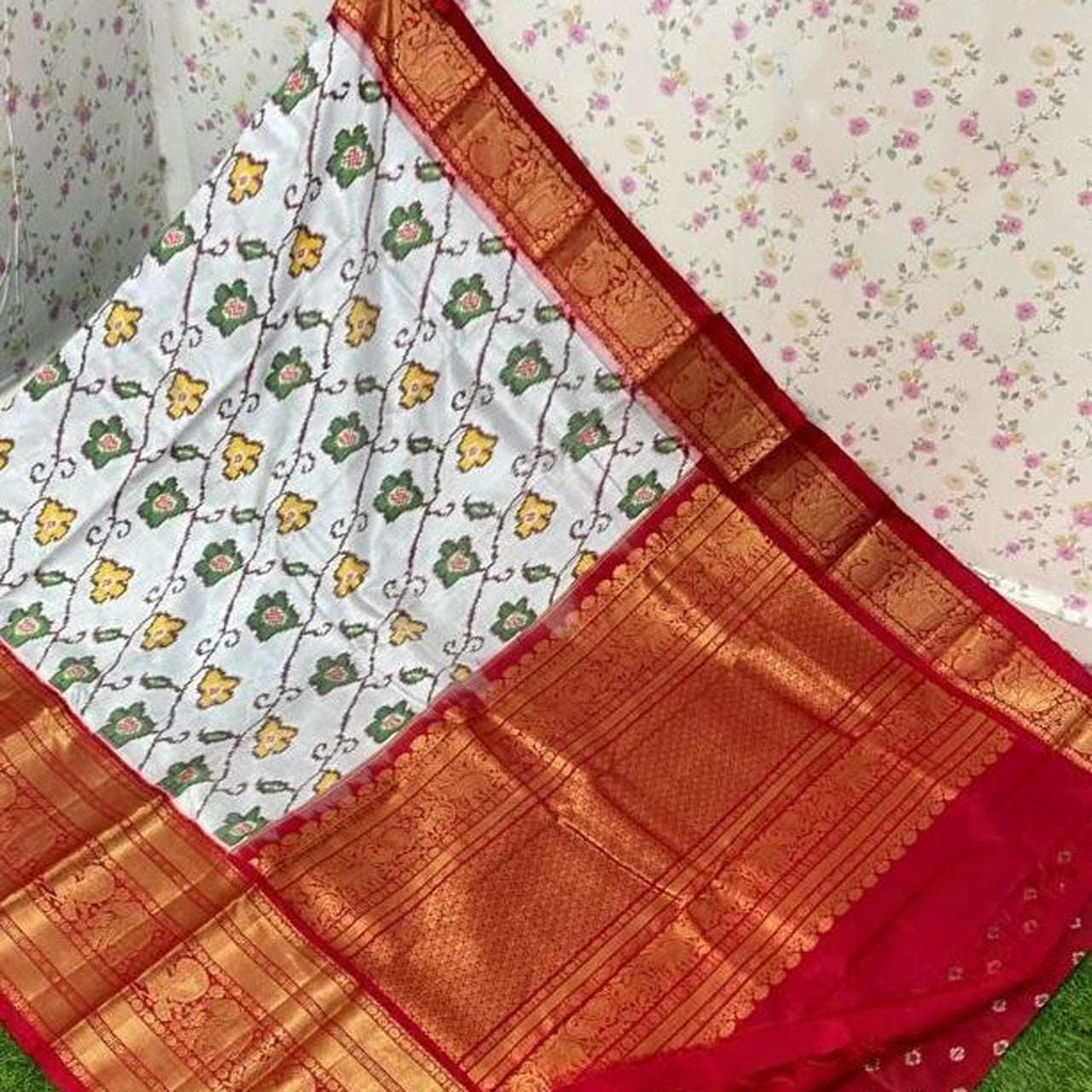
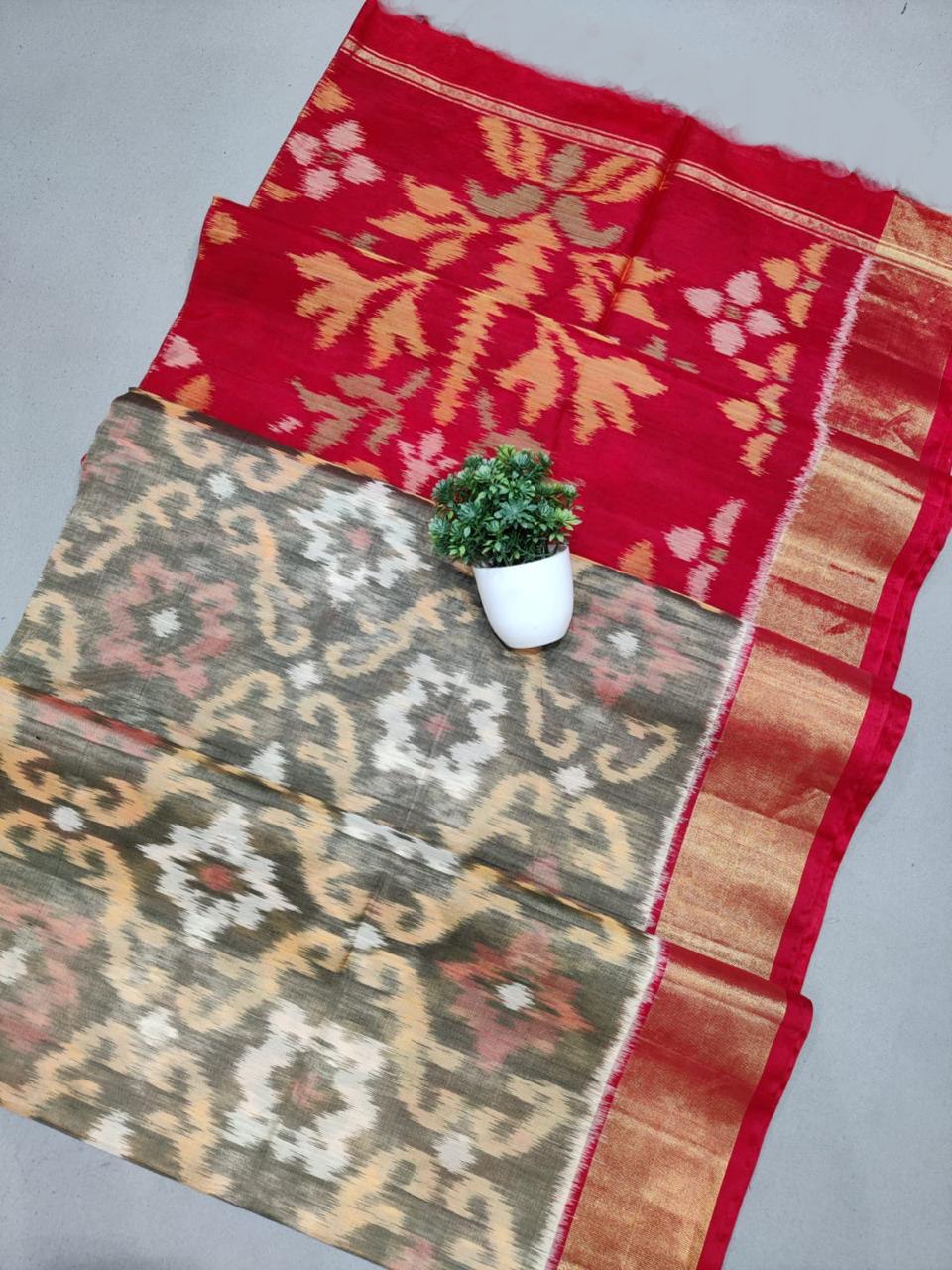
Authentic Pure Mysore Silk sarees are characterised by their real zari — gold or silver thread woven into the border and pallu. Traditional motifs like elephants, peacocks, lotuses, and temple patterns adorn these sections, adding a layer of artistry that makes each saree a wearable work of art.
How Pure Mysore Silk Is Made: The Weaving Process
Understanding the making of Mysore silk deepens your appreciation for every single saree. Here is a simplified look at the journey from cocoon to drape:
- Sericulture: Silkworms are carefully cultivated and fed mulberry leaves until they spin their cocoons.
- Reeling: The cocoons are immersed in hot water to loosen the thread, which is then carefully reeled onto spools.
- Twisting and degumming: Multiple threads are twisted together for strength, then treated to remove natural gum and enhance softness.
- Dyeing: The yarn is dyed using high-quality colourants that bond deeply with the silk fibre for lasting vibrancy.
- Weaving: Skilled weavers work on handlooms or semi-automatic looms, interlacing silk with real zari to create the saree body, border, and pallu.
- Finishing and quality check: Each saree is inspected, finished, and — if meeting GI standards — certified and stamped.
This process is slow, skilled, and deeply intentional. It is why no two Pure Mysore Silk sarees are ever completely identical, and why each one carries within it the fingerprints of the artisan who made it.
Pure Mysore Silk vs. Other Indian Silks: How Does It Compare?
India is home to many magnificent silk traditions. Here's how Pure Mysore Silk stands apart:
| Feature | Mysore Silk | Banarasi Silk | Kanjivaram Silk | Tussar Silk |
|---|---|---|---|---|
| Texture | Soft, crepe-like | Heavy, structured | Heavy, crisp | Rough, natural |
| Sheen | Subtle, refined | High shine | High shine | Matte |
| Occasion | Versatile | Weddings, grand events | Weddings, festivals | Casual, ethnic wear |
| Zari Work | Real gold/silver zari | Real zari, heavy | Real zari, bold | Minimal |
| Weight | Light to medium | Heavy | Heavy | Light |
| Durability | Exceptional | High | High | Moderate |
Mysore silk sits in a unique space — it is lighter than Kanjivaram, more refined than Tussar, and more versatile than Banarasi — which is why it suits such a wide range of occasions and women.
When and How to Wear Pure Mysore Silk
One of the greatest gifts of Pure Mysore Silk is its effortless versatility. Here is how you can style it across different occasions:
- Festive and religious occasions: Choose rich jewel tones with traditional zari borders and temple motifs
- Weddings (as a guest or family member): Opt for classic colours like deep red, emerald green, or royal blue with broad zari pallus
- Cultural events and classical performances: Mysore silk complements classical Indian dance forms like Bharatanatyam beautifully
- Office and formal gatherings: Lighter shades with minimal zari work offer a sophisticated, professional look
- Gifting: A Pure Mysore Silk saree is one of the most thoughtful and prestigious gifts for mothers, mothers-in-law, and brides
(Internal link suggestion: Link to a styling guide or gifting guide blog on Premvastra)
How to Identify an Authentic Pure Mysore Silk Saree
With imitations flooding the market, knowing what to look for is essential:
- Look for the KSIC silk mark or GI certification label
- The fabric should feel cool and smooth to the touch, never stiff or rough
- Hold it up to light — genuine silk has a natural, soft iridescence, not a plastic-like shine
- The zari borders should feel slightly heavier than the body of the saree
- Burn test (for fabric samples): real silk burns slowly, smells like burnt hair, and leaves ash — synthetic silk melts and smells like plastic
Always purchase from trusted, transparent sources. At Premvastra, authenticity is never compromised.
Caring for Your Pure Mysore Silk Saree
A Mysore silk saree is an investment — treat it like one:
- Dry clean for best results; if hand washing, use cold water with a very mild detergent
- Never wring or twist — gently press out excess water in a soft towel
- Dry in shade, never under direct sunlight, to protect colour and lustre
- Store wrapped in a clean muslin or cotton cloth, not plastic
- Refold periodically to avoid permanent crease lines along fold marks
- Keep away from perfume and deodorant — chemicals can stain or weaken silk fibres
Conclusion: Some Fabrics Are Timeless for a Reason
Pure Mysore Silk has survived centuries of changing trends, fashion revolutions, and the rise of synthetic fabrics — and it has emerged not just intact, but more beloved than ever. Because some things simply cannot be replicated: the softness, the story, the soul.
When you choose a Pure Mysore Silk saree, you choose craftsmanship over convenience, heritage over hype, and beauty that does not fade with the season.
At Premvastra, we are honoured to be your trusted companion in this journey. Our curated collection of Pure Mysore Silk sarees brings you the finest, most authentic pieces — so that you can wear history, and make it your own.
👉 Explore Premvastra's Pure Mysore Silk Collection — Because You Deserve the Real Thing.
Frequently Asked Questions (FAQs)
Q1. What is Pure Mysore Silk made of?
Ans:-Pure Mysore Silk is made from 100% pure mulberry silk yarn, produced by silkworms cultivated in Karnataka. Authentic sarees also include real zari (gold or silver thread) in the borders and pallu, and carry a GI certification confirming their origin and quality.
Q2. Why is Pure Mysore Silk so expensive?
Ans:-The price reflects the craftsmanship, time, and rarity of the materials involved. From cultivating silkworms and reeling threads to handloom weaving with real zari, every step is labour-intensive and skill-driven. Additionally, the GI tag ensures the saree meets strict quality standards — you are paying for authenticity, not just fabric.
Q3. How do I know if my Mysore silk saree is genuine?
Ans:- Look for the KSIC silk mark or GI tag on the saree. Genuine Mysore silk feels cool and smooth, has a soft natural sheen (not plastic-like shine), and the zari borders feel slightly heavier than the rest of the fabric. Always buy from reputable, certified retailers like Premvastra.
Q4. Can Pure Mysore Silk sarees be worn in summer?
Ans:- Absolutely. In fact, silk's natural temperature-regulating properties make Mysore silk surprisingly comfortable in warm weather. It is breathable, lightweight, and keeps you cool — which is one of the reasons it has been loved across seasons for centuries.
Q5. Is Pure Mysore Silk a good gift option?
Ans:- It is one of the finest gifts you can give. A Pure Mysore Silk saree is timeless, deeply cultural, and carries immense emotional value. It is a popular choice for weddings, baby showers, housewarmings, and festive gifting — something the recipient will treasure for decades.
Q6. How long does a Pure Mysore Silk saree last?
Ans:- With proper care, a Pure Mysore Silk saree can last 20 to 50 years — and sometimes even longer. Many families pass them down as heirlooms across generations. This longevity makes it not just a purchase, but a long-term investment in beauty and culture.
- #Authentic Silk Saree
- #Bridal Sarees India
- #Classic Saree Collection
- #Festive Wear Saree
- #GI Tagged Silk
- #Handcrafted Sarees
- #Handloom Silk
- #Heritage Fabrics India
- #Indian Ethnic Wear
- #Indian Silk Sarees
- #Karnataka Silk
- #KSIC Silk
- #Luxury Sarees India
- #Mulberry Silk
- #Mysore Silk History
- #Mysore Silk Saree
- #Premium Silk Sarees
- #Pure Mysore Silk
- #Saree Styling Guide
- #Silk Saree Care
- #Silk Saree Guide
- #Sustainable Fashion India
- #Timeless Indian Fashion
- #Traditional Indian Textiles
- #Zari Work Saree
Share