

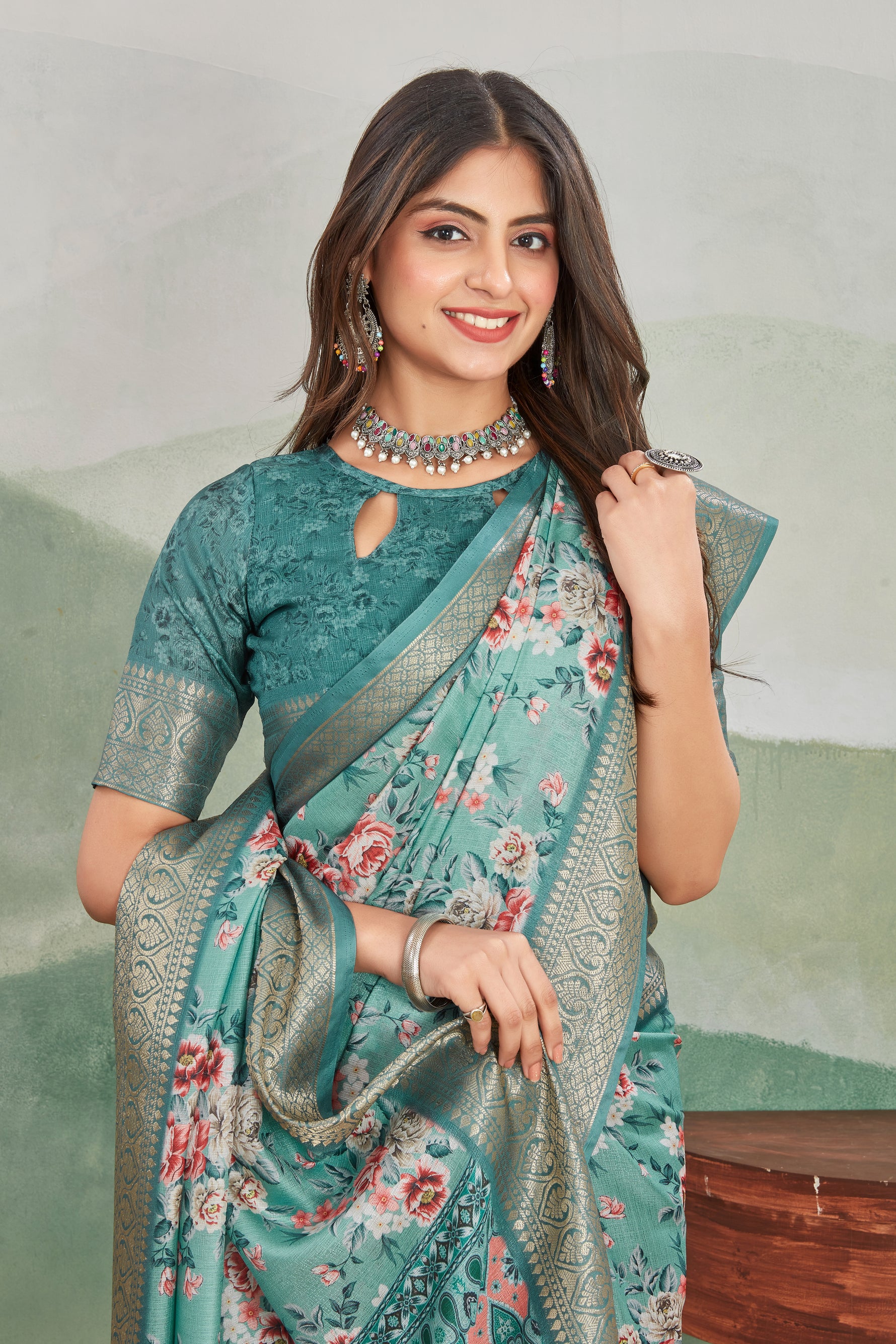

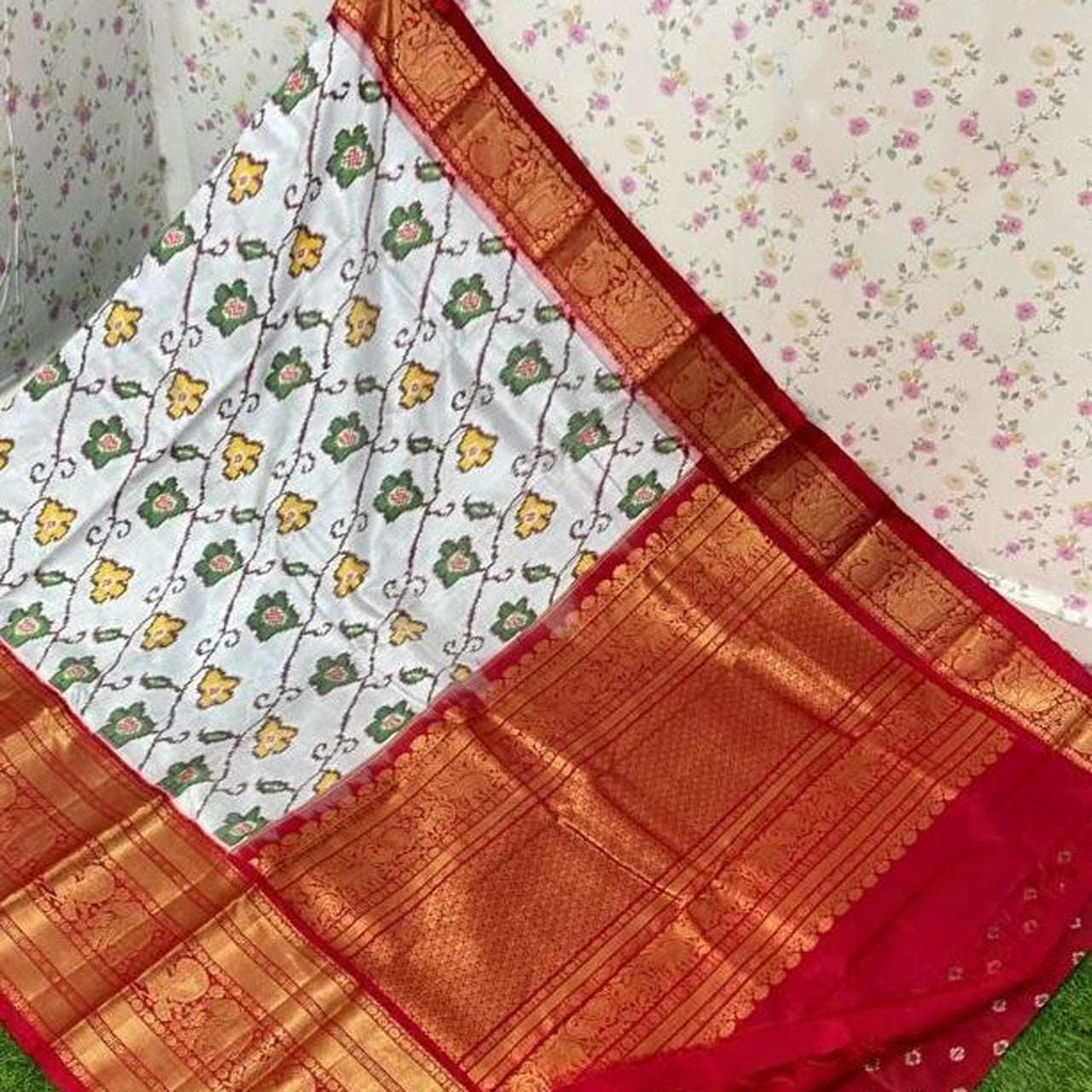
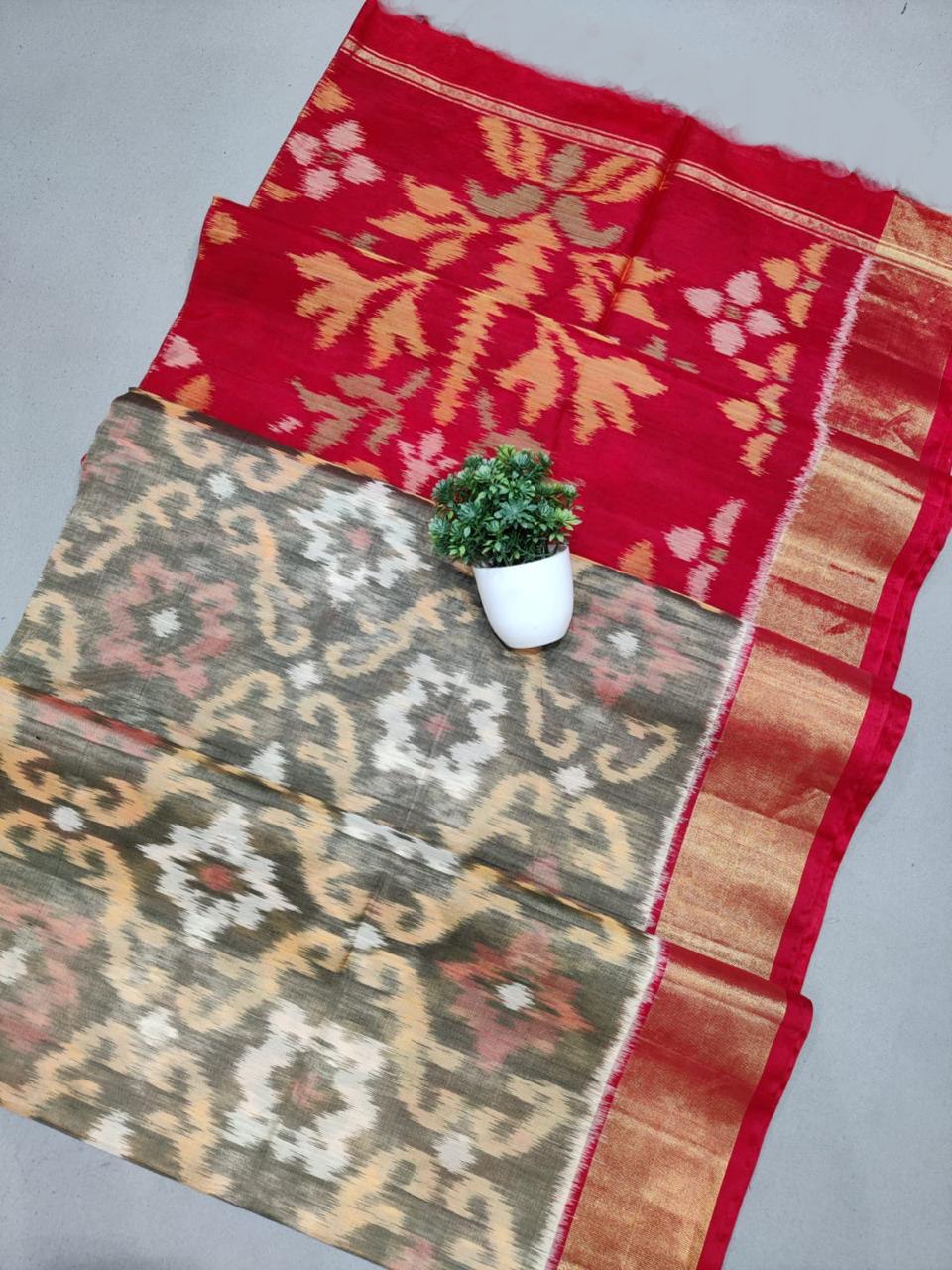

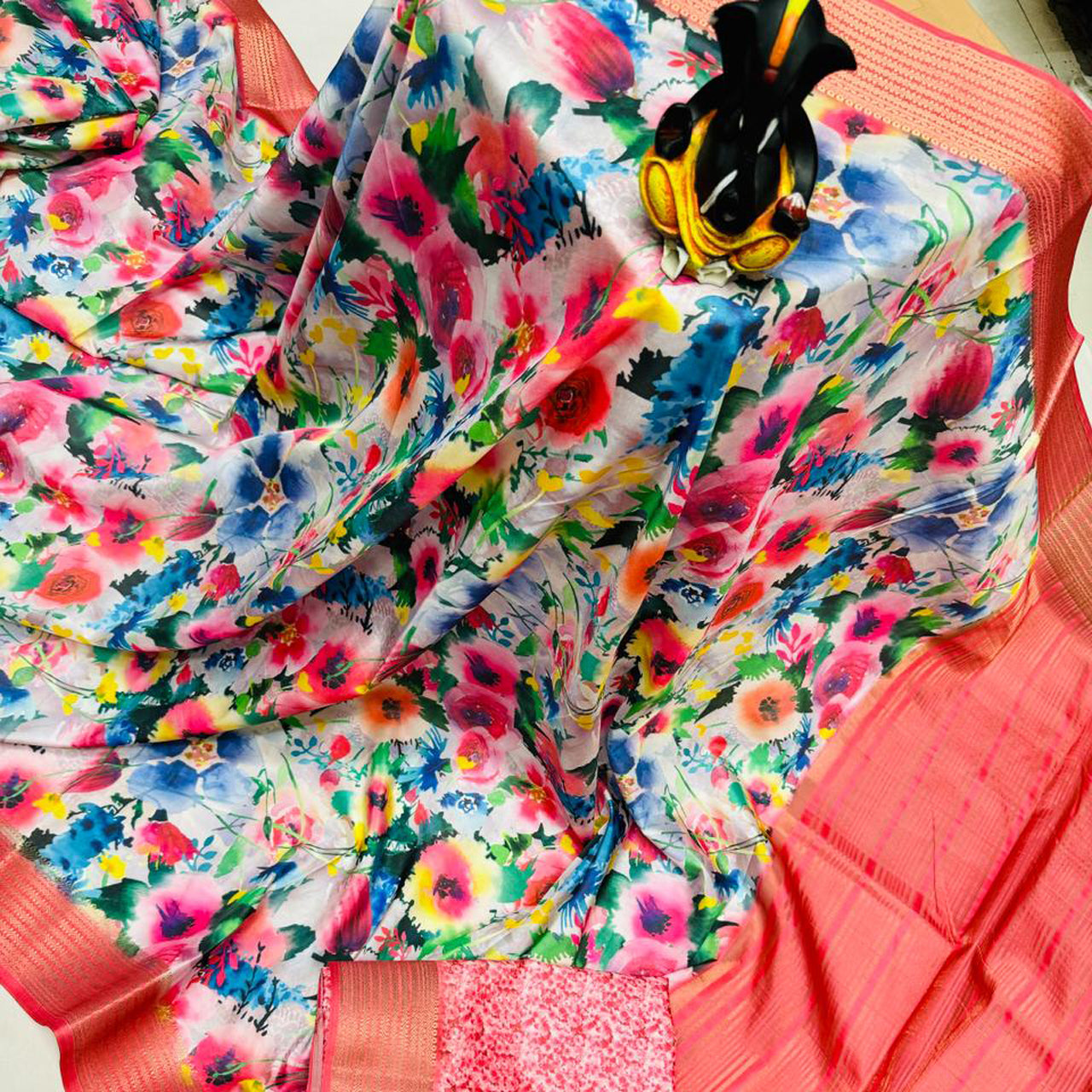


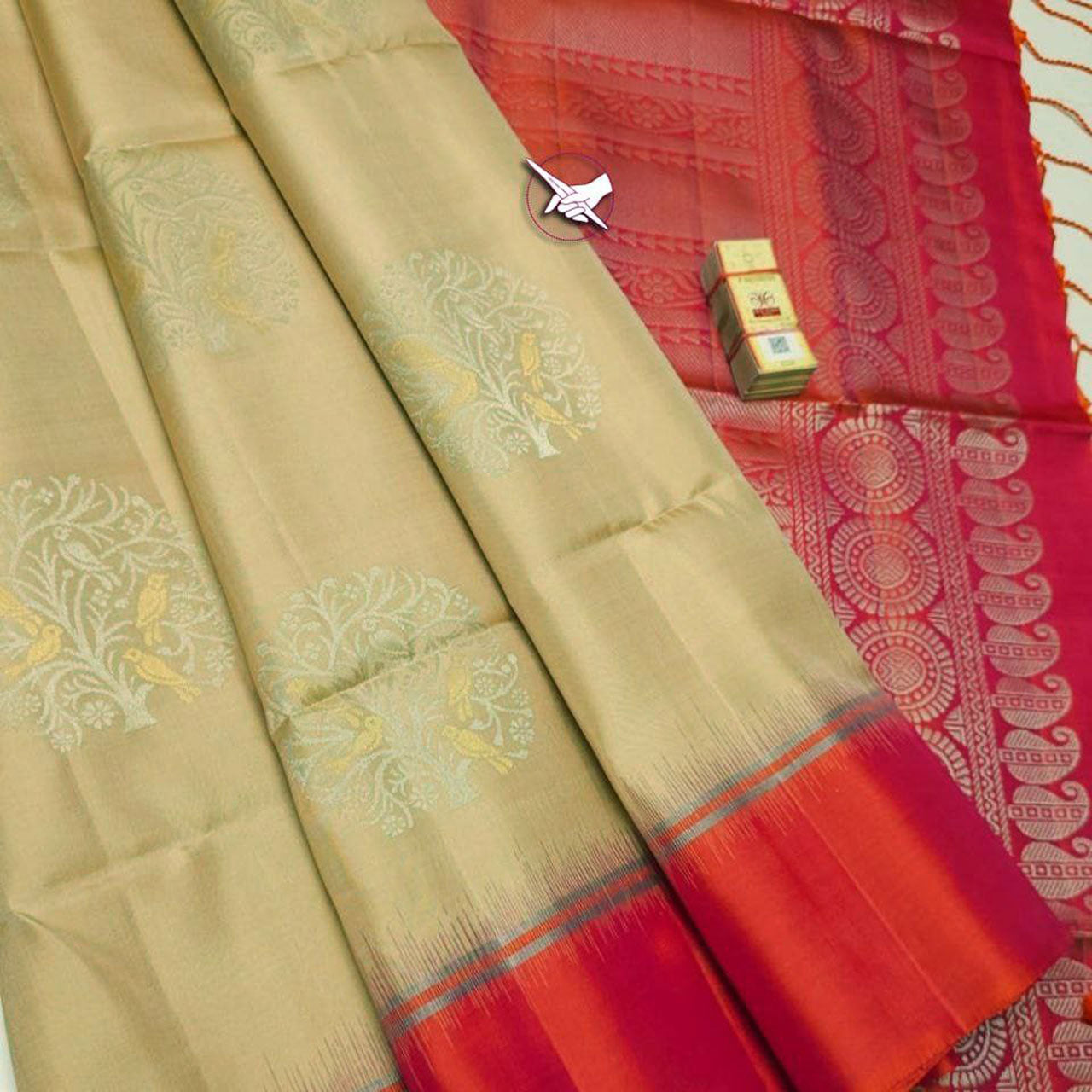


Why Some Printed Sarees Last Longer Than Others | Saree Quality Guide
Have you ever wondered why one printed saree remains vibrant and beautiful for years while another starts fading after only a few washes? The answer lies in a combination of factors including fabric quality, printing techniques, dye selection, craftsmanship, and maintenance practices.
Printed sarees are among the most popular choices in women's ethnic fashion because they offer endless design possibilities, comfort, and versatility. However, not all printed sarees are created equal. Some are designed to withstand years of regular wear, while others may show signs of fading, color bleeding, or fabric deterioration much sooner.
Understanding what determines a saree's longevity can help you make smarter purchasing decisions and get better value for your investment. In this comprehensive guide, we'll explore the key reasons why some printed sarees last longer than others and how you can choose durable sarees that maintain their beauty over time.
What Determines the Lifespan of a Printed Saree?
Several elements work together to influence how long a printed saree will remain attractive and wearable.
The most important factors include:
- Fabric quality
- Printing technique
- Dye quality
- Finishing processes
- Stitching and construction
- Frequency of use
- Washing and storage methods
When these factors are carefully managed, a printed saree can remain beautiful for many years.
Fabric Quality: The Foundation of Durability
The fabric itself is one of the biggest determinants of longevity.
Even the best printing technique cannot compensate for poor-quality fabric.
Cotton Sarees
High-quality cotton offers:
- Excellent durability
- Breathability
- Easy maintenance
Premium cotton sarees often last for years when cared for properly.
Linen Sarees
Linen is known for:
- Strong fibers
- Long lifespan
- Elegant texture
Good-quality linen sarees tend to become softer and more comfortable over time.
Silk Sarees
Printed silk sarees can remain stunning for decades if maintained correctly.
Their durability largely depends on silk quality and storage conditions.
Georgette and Crepe Sarees
High-grade georgette and crepe fabrics provide:
- Good resistance to wear
- Excellent drape
- Long-lasting appeal
However, lower-quality synthetic versions may deteriorate more quickly.
The Role of Printing Techniques
The printing method significantly affects how well the design survives repeated washing and use.
Digital Printing
Digital printing has revolutionized saree design.
Advantages
- High detail
- Vibrant colors
- Complex artwork
Durability
When combined with quality dyes and fabrics, digital prints can remain vivid for many years.
However, low-cost digital printing may fade more quickly if inferior inks are used.
Screen Printing
Screen printing remains one of the most reliable printing techniques.
Benefits
- Excellent color penetration
- Strong durability
- Consistent results
Many screen-printed sarees retain their appearance even after repeated washing.
Block Printing
Traditional block printing creates timeless handcrafted designs.
Durability depends largely on:
- Dye quality
- Artisan skill
- Fabric preparation
Properly produced block prints can remain beautiful for years.
Sublimation Printing
Often used on synthetic fabrics.
When performed correctly, sublimation creates highly durable prints because the dye becomes part of the fabric structure.
Dye Quality Matters More Than Most People Realize
Even a beautiful print will not last if poor-quality dyes are used.
High-Quality Dyes
Premium dyes offer:
- Better colorfastness
- Improved wash resistance
- UV protection
- Reduced fading
Low-Quality Dyes
Inferior dyes may result in:
- Rapid fading
- Color bleeding
- Uneven discoloration
This is one reason inexpensive sarees often lose vibrancy more quickly.
Fabric Preparation Before Printing
Professional manufacturers invest considerable effort in fabric preparation.
This process may include:
- Cleaning
- Bleaching
- Pre-treatment
- Surface stabilization
Proper preparation helps dyes bond effectively with the fabric.
Poor preparation can reduce print longevity regardless of printing quality.
The Importance of Color Fastness
Color fastness refers to a fabric's ability to retain color when exposed to:
- Washing
- Sunlight
- Friction
- Moisture
Sarees with excellent color fastness remain vibrant for longer periods.
Premium brands often conduct color-fastness testing before releasing products to market.
Thread Count and Fabric Density
For woven fabrics such as cotton and linen, thread count can influence durability.
Higher-quality fabrics often feature:
- Stronger fibers
- Better weaving
- Enhanced stability
These characteristics help the saree maintain its appearance over time.
Craftsmanship and Manufacturing Standards
Quality craftsmanship extends beyond printing.
Well-made sarees typically feature:
- Neat finishing
- Strong edges
- Balanced construction
- Careful quality control
Attention to detail often translates into longer product life.
Why Expensive Sarees Often Last Longer
Price is not always a guarantee of quality, but premium sarees frequently offer advantages such as:
- Better fabrics
- Superior dyes
- Advanced printing techniques
- Higher manufacturing standards
These factors contribute to greater longevity.
Environmental Factors That Affect Saree Lifespan
Even high-quality sarees can deteriorate if exposed to unfavorable conditions.
Sunlight Exposure
Ultraviolet rays gradually weaken dyes and fibers.
Direct sunlight is one of the most common causes of color fading.
Humidity
Excess moisture can lead to:
- Fabric damage
- Mold growth
- Fiber weakening
Heat
Prolonged heat exposure may accelerate aging of both fabric and print.
Washing Habits Make a Huge Difference
Two identical sarees may age differently depending on care practices.
Gentle Washing
Recommended methods include:
- Hand washing
- Mild detergents
- Cold water
These preserve both fabric and print quality.
Harsh Washing
Frequent machine washing, hot water, and strong detergents can significantly shorten a saree's lifespan.
The Impact of Drying Methods
How a saree is dried affects its longevity.
Shade Drying
The safest option for preserving colors.
Direct Sunlight
May cause:
- Color fading
- Fiber weakening
- Print deterioration
Regular shade drying can extend a saree's life considerably.
Storage Practices That Preserve Sarees
Proper storage is often overlooked.
Best Practices
- Store in breathable cotton bags
- Keep away from sunlight
- Avoid excessive moisture
- Refold periodically
These simple habits help maintain both color and fabric quality.
Why Natural Fibers Often Last Longer
Natural fabrics generally offer greater durability and comfort.
Examples include:
- Cotton
- Linen
- Silk
These fibers often age more gracefully than low-quality synthetic alternatives.
Signs of a Long-Lasting Printed Saree
Before purchasing, look for these indicators:
Clear Print Definition
Sharp, well-defined patterns often indicate quality printing.
Consistent Color Distribution
Uneven colors may signal poor production standards.
Strong Fabric Feel
Quality fabrics feel substantial without being overly stiff.
Reputable Manufacturer
Established brands typically maintain higher quality standards.
Common Reasons Printed Sarees Wear Out Quickly
Avoid sarees that show signs of:
- Weak fabric construction
- Poor dye quality
- Inconsistent printing
- Excessive color bleeding
- Rough finishing
These issues often indicate limited durability.
How to Make Your Printed Sarees Last Longer
Follow these simple practices:
- Wash gently
- Use mild detergent
- Avoid hot water
- Dry in shade
- Store properly
- Minimize unnecessary washing
- Follow care instructions
Small habits can significantly extend saree lifespan.
Frequently Asked Questions
Which printed sarees last the longest?
High-quality cotton, linen, silk, and premium georgette printed sarees generally offer excellent durability.
Is digital printing durable?
Yes. High-quality digital printing combined with premium dyes and fabrics can remain vibrant for many years.
Why do some sarees fade after only a few washes?
Poor dye quality, weak fabric preparation, harsh washing methods, and low manufacturing standards are common causes.
Does fabric quality matter more than printing quality?
Both are important, but fabric quality provides the foundation for long-term durability.
How can I tell if a printed saree is high quality?
Look for strong fabric construction, clear print details, color consistency, and reputable manufacturing.
Conclusion
The reason some printed sarees last longer than others comes down to a combination of quality materials, advanced printing techniques, superior dyes, skilled craftsmanship, and proper care. While two sarees may appear similar at first glance, significant differences in production standards can dramatically affect how they perform over time.
Investing in well-made printed sarees often results in better value, as they retain their beauty, color vibrancy, and structural integrity for years. By understanding the factors that influence durability and following proper maintenance practices, you can build a saree collection that continues to look elegant and stylish long after purchase.
When choosing your next printed saree, remember that longevity isn't just about appearance—it's about quality at every stage, from fabric selection to everyday care.
- #digital print sarees
- #durable printed sarees
- #Ethnic Wear
- #Fabric Quality
- #Fashion Guide
- #Long Lasting Printed Sarees
- #long-lasting sarees
- #Printed saree quality
- #Printed Sarees
- #Saree Buying Guide
- #Saree Care
- #Saree Care Tips
- #Saree Durability
- #saree fabric quality
- #Saree Maintenance
- #screen print sarees
- #Why Some Printed Sarees Last Longer Than Others
- #Women's Fashion
Share