








Why Handpainted Kalamkari Sarees Are Considered Wearable Art (Complete Guide)
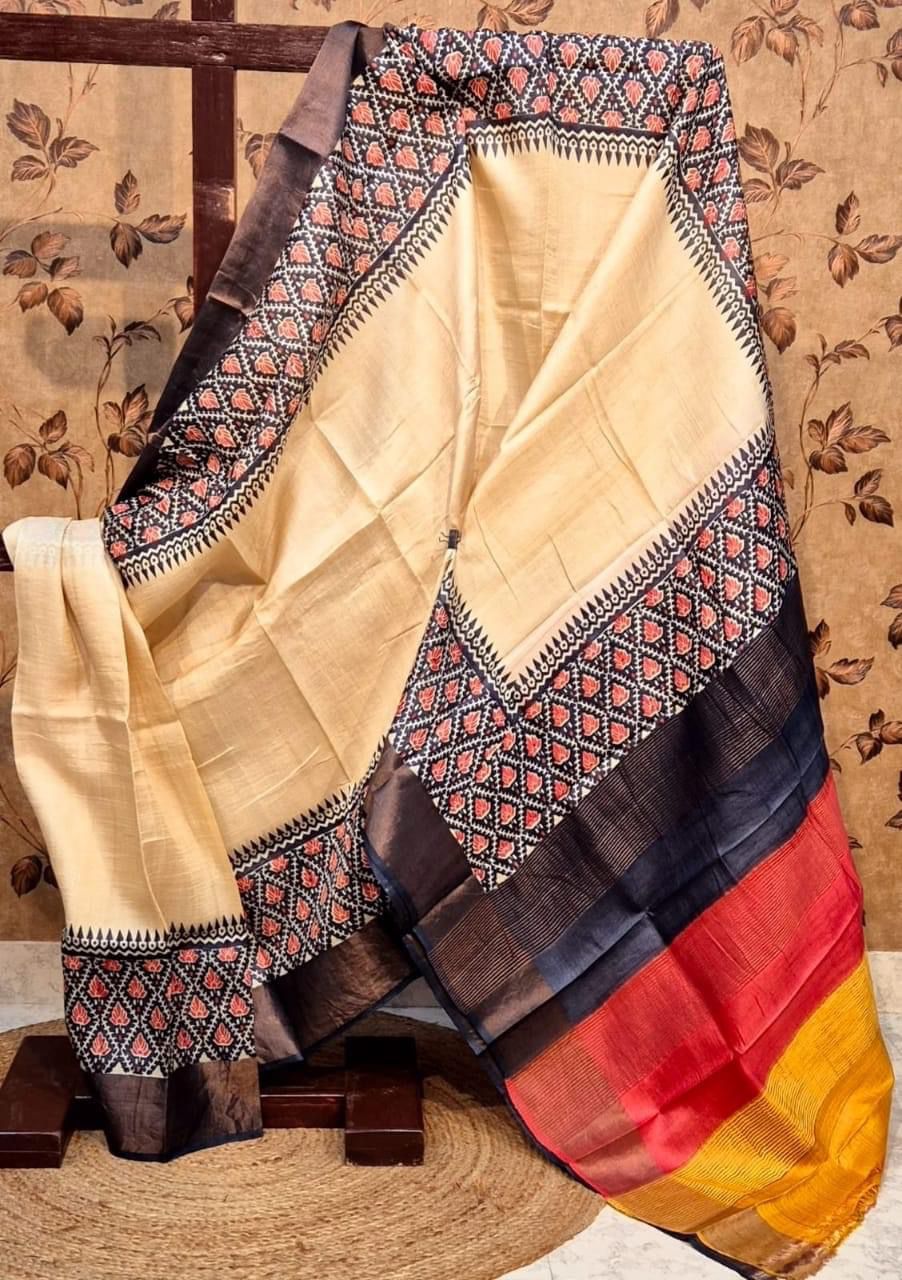
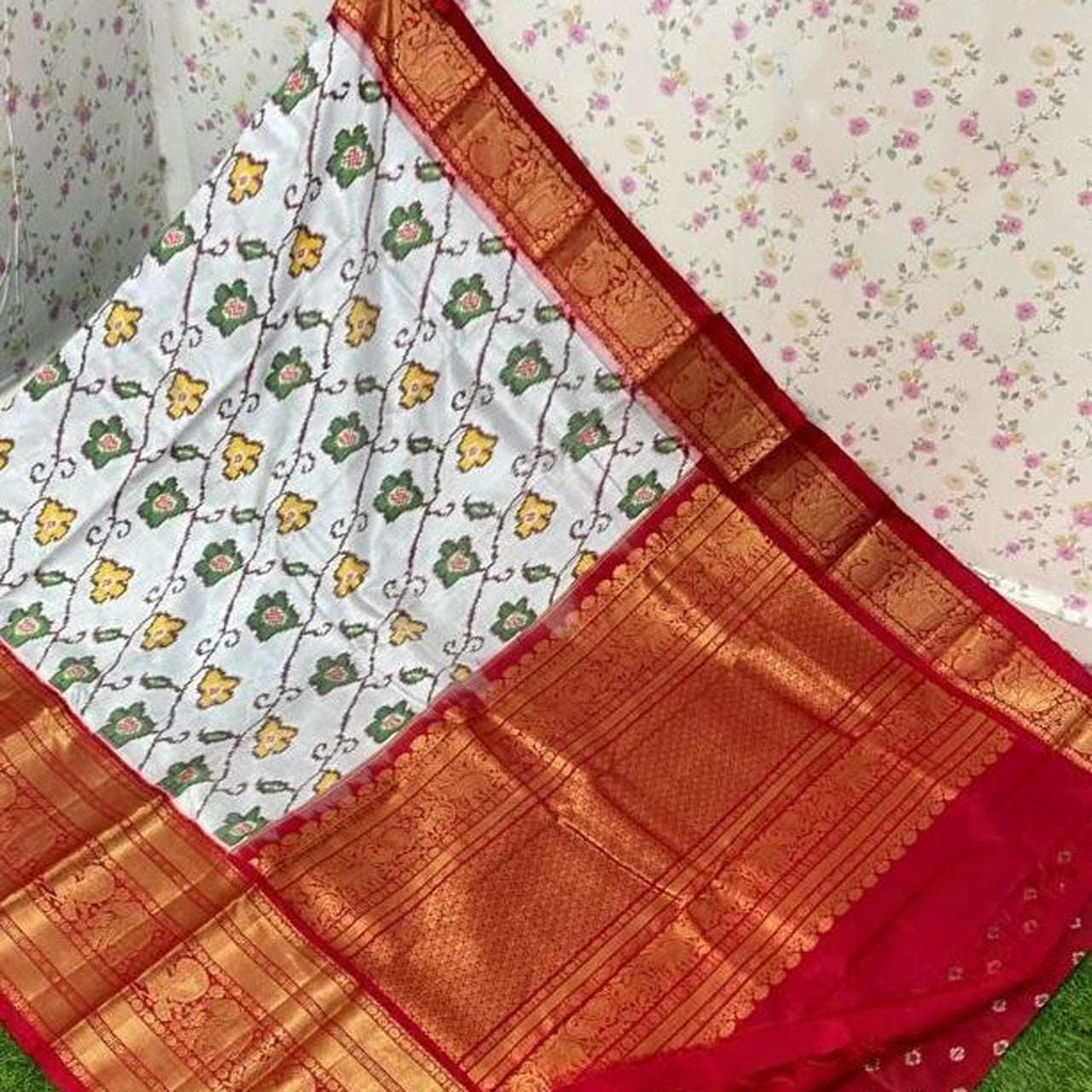
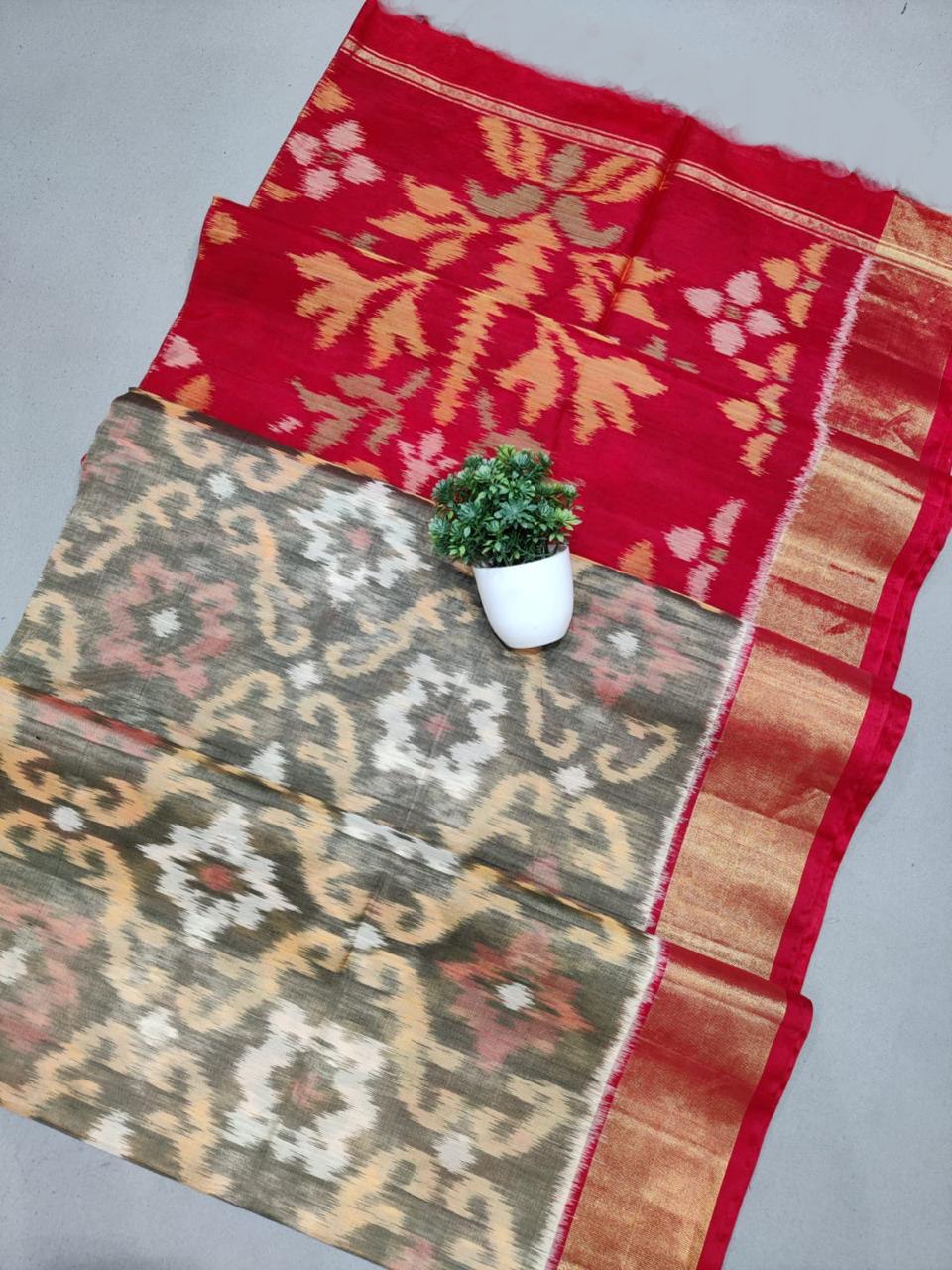
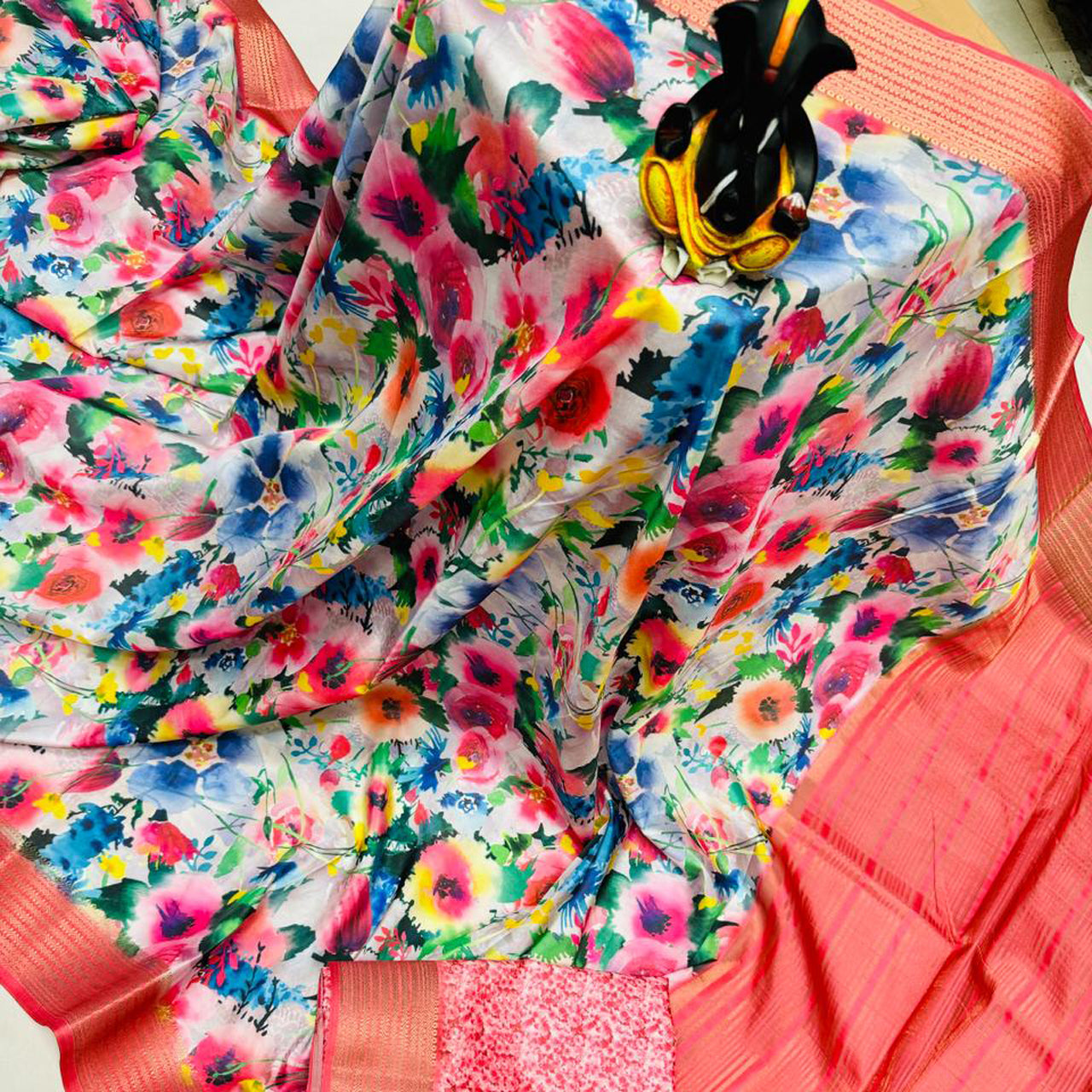
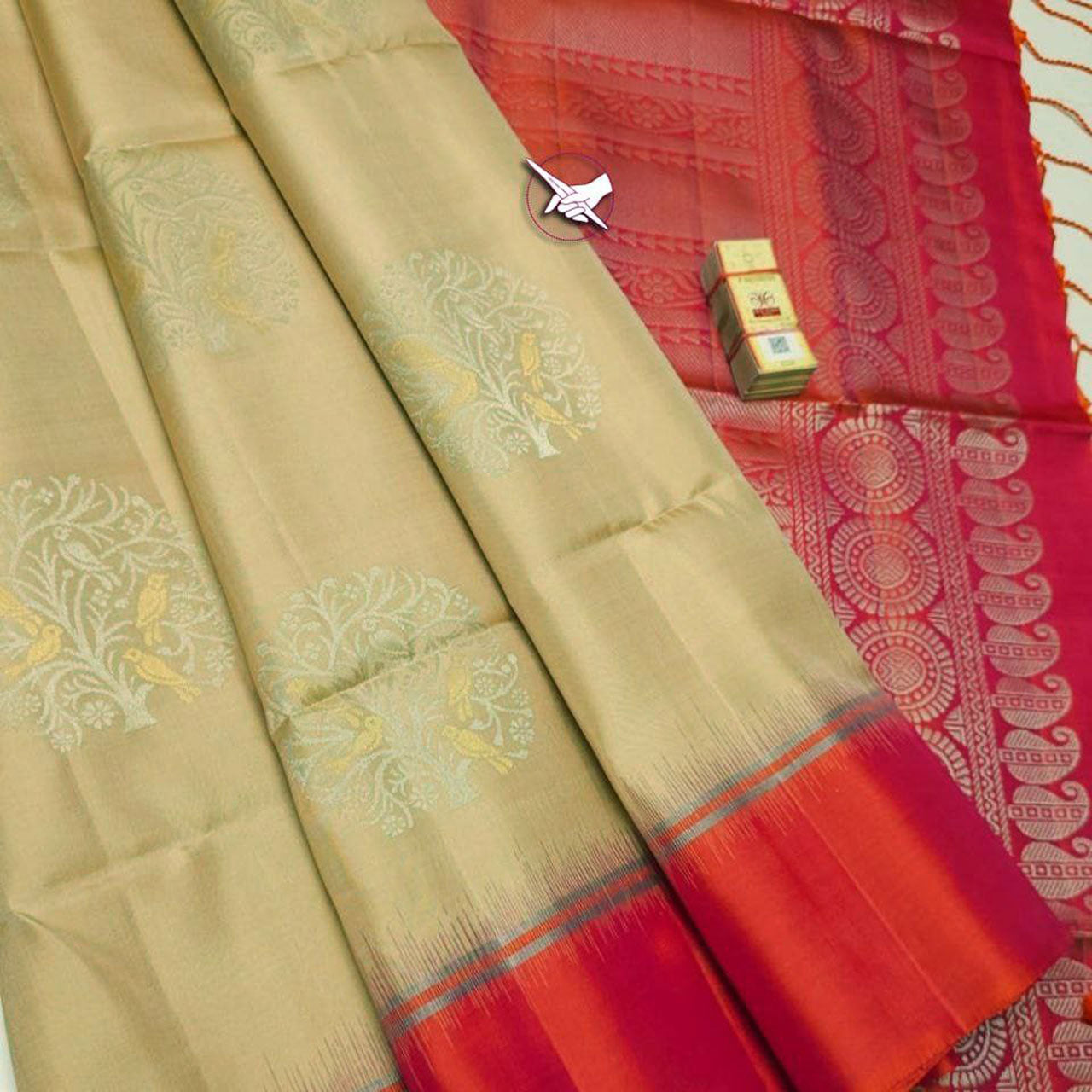
Some sarees are admired for their luxurious silk, others for their intricate weaving or rich embroidery. But handpainted Kalamkari sarees occupy a special place in India's textile heritage because each one is more than just a garment—it's a hand-created work of art.
Unlike machine-printed fabrics that can be reproduced thousands of times, every authentic handpainted Kalamkari saree is individually crafted by skilled artisans. Every brushstroke, floral motif, mythological scene, and intricate border reflects hours—or even weeks—of careful artistic work.
This is why Kalamkari sarees are often described as wearable art. They beautifully combine storytelling, painting, history, and traditional craftsmanship in a form that can be cherished and worn for generations.
Let's explore what makes these remarkable sarees so unique.
What Is Kalamkari?
The word Kalamkari comes from two Persian words:
- Kalam meaning pen
- Kari meaning craftsmanship or work
Together, Kalamkari literally means "pen work."
As the name suggests, this ancient textile art is created using hand-drawn designs made with a bamboo or date-palm pen and natural dyes.
The tradition has flourished for centuries in the Indian states of Andhra Pradesh and Telangana, where artisan families continue to preserve techniques passed down through generations.
A Rich History That Spans Centuries
Kalamkari is believed to have originated more than 2,000 years ago, making it one of India's oldest surviving textile art forms.
Before printed books became common, artisans painted stories from Indian epics onto cloth.
These included scenes from:
- Ramayana
- Mahabharata
- Bhagavata Purana
- Temple legends
- Nature-inspired themes
The painted fabrics were used in temples, royal courts, and cultural performances, allowing people to experience stories through art.
Over time, these elaborate paintings found their way onto sarees, transforming traditional clothing into artistic masterpieces.
Two Distinct Styles of Kalamkari
Although both forms belong to the same artistic tradition, they differ significantly.
1. Srikalahasti Style
This is the famous handpainted Kalamkari.
Artists create every motif entirely by hand using a pen and natural dyes.
Each saree becomes a unique original artwork.
2. Machilipatnam Style
This style uses hand-carved wooden blocks for printing repeating patterns before finishing the designs with hand detailing.
Both styles are highly respected, but handpainted Srikalahasti Kalamkari is especially prized for its artistic individuality.
Why Every Handpainted Kalamkari Saree Is Unique
One of the biggest reasons these sarees are considered wearable art is that no two pieces are ever exactly alike.
Unlike digital printing, hand painting naturally creates subtle variations.
These include:
- Brushstroke textures
- Color intensity
- Artistic detailing
- Motif placement
- Fine line work
These differences aren't flaws—they're proof of genuine hand craftsmanship.
Owning a handpainted Kalamkari saree means owning a one-of-a-kind creation.
Natural Dyes Make Kalamkari Even More Special
Traditional Kalamkari relies on plant-based and mineral-based dyes rather than synthetic chemical colors.
Common natural ingredients include:
- Indigo
- Turmeric
- Pomegranate rind
- Iron solution
- Madder root
- Myrobalan
These dyes create soft, earthy tones that mature beautifully over time.
The use of natural colors also reflects the craft's deep connection with nature and sustainability.
The Making of a Handpainted Kalamkari Saree
Creating an authentic Kalamkari saree is a lengthy and highly skilled process.
Step 1: Preparing the Fabric
The fabric is carefully washed and treated to remove impurities.
Step 2: Sketching
The artist outlines the design freehand using a bamboo pen.
Step 3: Hand Painting
Every flower, leaf, figure, and decorative element is painted individually.
Step 4: Dyeing
Natural dyes are applied layer by layer, with repeated washing and drying between stages.
Step 5: Finishing
The completed saree is washed, dried, and carefully inspected before reaching the customer.
Depending on the complexity, this entire process may take several days or even weeks.
Kalamkari Is Storytelling Through Fabric
Many handpainted Kalamkari sarees depict narratives rather than simple decorative patterns.
Popular themes include:
- Lord Krishna's life
- Ramayana scenes
- Tree of Life
- Lotus flowers
- Peacocks
- Elephants
- Temple architecture
- Floral vines
Each motif carries symbolic meaning and reflects India's rich cultural heritage.
Wearing a Kalamkari saree is like carrying a beautiful story with you.
Why Fashion Designers Love Kalamkari
Kalamkari has become increasingly popular in contemporary fashion.
Designers appreciate it because it offers:
- Authentic hand craftsmanship
- Timeless appeal
- Sustainable production
- Artistic individuality
- Rich cultural heritage
Modern collections combine Kalamkari with:
- Silk
- Linen
- Cotton
- Organza
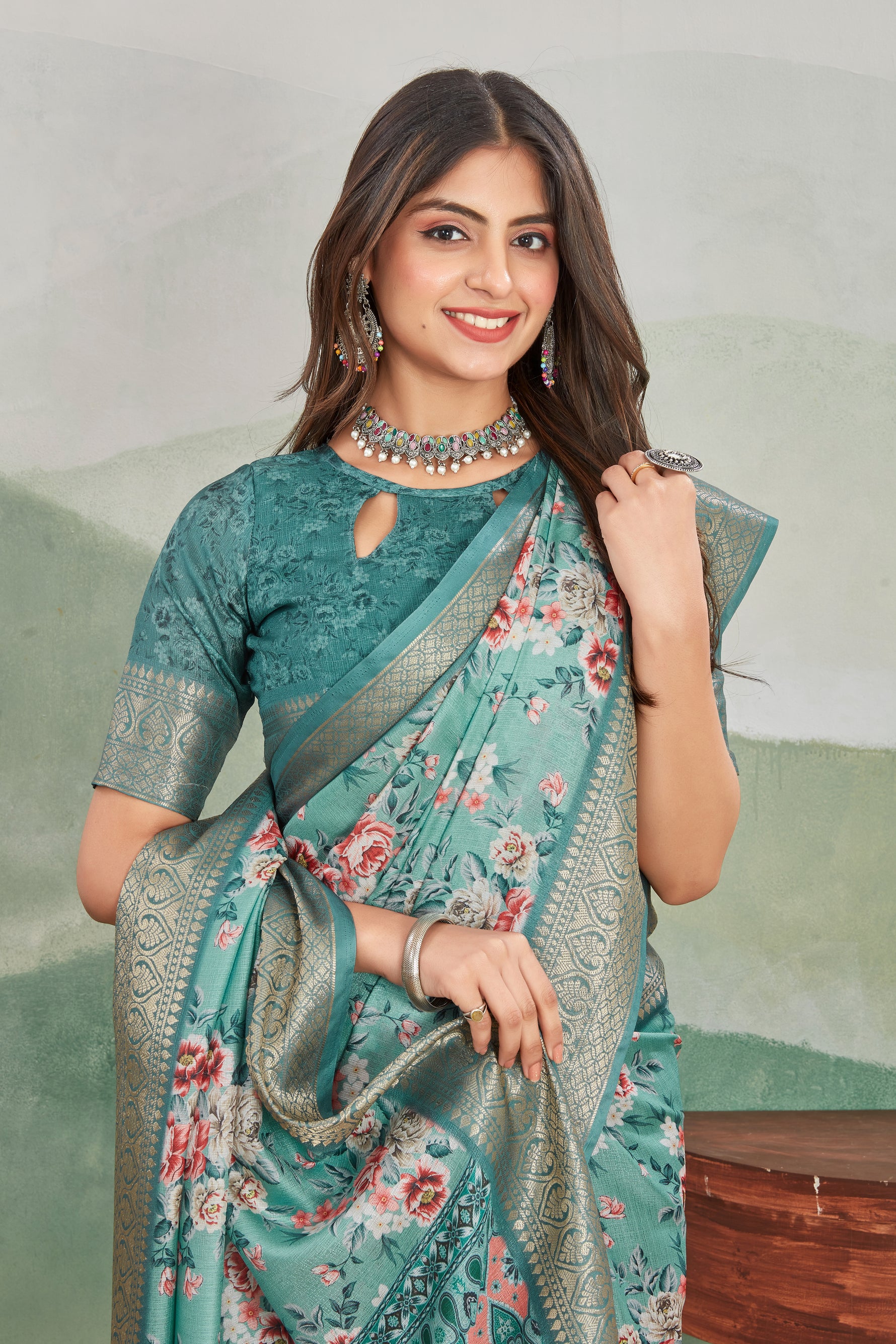
- Contemporary blouse designs
This fusion allows the art form to remain relevant while respecting its traditions.
A Sustainable Fashion Choice
As more people embrace slow fashion, Kalamkari has gained renewed appreciation.
Unlike mass-produced textiles, authentic Kalamkari promotes:
- Handmade craftsmanship
- Natural dyes
- Reduced industrial production
- Artisan livelihoods
- Long-lasting quality
Choosing handpainted Kalamkari supports both sustainability and traditional Indian craftsmanship.
How to Identify an Authentic Handpainted Kalamkari Saree
When shopping, look for these signs:
Visible Brushstrokes
Tiny irregularities indicate genuine hand painting.
Natural Color Palette
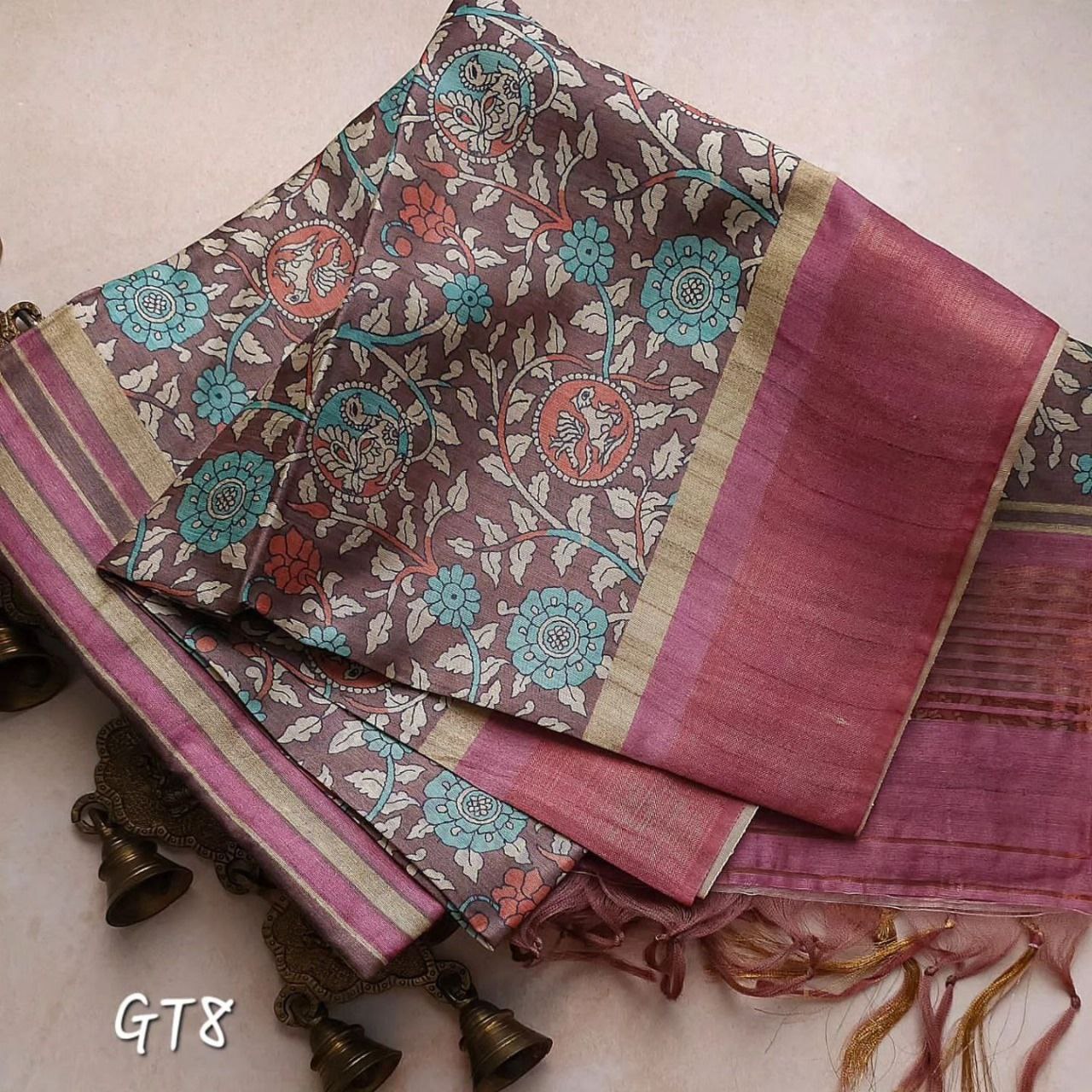
Traditional Kalamkari often features earthy reds, blues, blacks, greens, and mustard tones.
Intricate Detailing
Hand-painted motifs display remarkable precision and artistic depth.
Slight Variations
Perfect uniformity usually suggests machine printing rather than hand painting.
Artisan Information
Trusted sellers often provide details about the craft, region, or artisan community.
How to Care for Handpainted Kalamkari Sarees
Because these sarees use natural dyes, proper care is essential.
Recommended Care
- Dry clean when needed.
- Store in breathable cotton bags.
- Avoid prolonged direct sunlight.
- Refold every few months.
- Keep away from moisture.
Proper care helps preserve both the artwork and the fabric.
Why Kalamkari Sarees Make Meaningful Gifts
A handpainted Kalamkari saree is more than a fashion purchase.
It represents:
- Indian heritage
- Handmade artistry
- Cultural storytelling
- Sustainable craftsmanship
This makes it a thoughtful gift for weddings, anniversaries, milestone celebrations, and collectors of traditional textiles.
Frequently Asked Questions
Why are handpainted Kalamkari sarees called wearable art?
Because each saree is individually painted by skilled artisans, making every piece a unique work of art rather than a mass-produced textile.
How long does it take to make a Kalamkari saree?
Depending on the design's complexity, it may take several days or even weeks to complete.
Are Kalamkari sarees hand painted or printed?
There are two traditions. Srikalahasti Kalamkari is hand painted, while Machilipatnam Kalamkari primarily uses hand-carved wooden blocks for printing.
Are natural dyes used in Kalamkari?
Yes. Traditional Kalamkari uses plant-based and mineral-based natural dyes that create beautiful earthy colors.
Can Kalamkari sarees be worn for modern occasions?
Absolutely. They pair beautifully with contemporary blouses and accessories while retaining their timeless artistic charm.
Conclusion
Handpainted Kalamkari sarees are much more than beautiful garments—they are living expressions of India's artistic and cultural heritage. Every brushstroke reflects the patience, creativity, and dedication of artisans who have preserved this extraordinary craft for generations.
From their ancient origins and natural dyes to their intricate storytelling and sustainable production methods, these sarees embody the perfect harmony of fashion and fine art. When you wear an authentic handpainted Kalamkari saree, you're not simply wearing fabric—you're wearing centuries of tradition, craftsmanship, and creativity.
In a world increasingly shaped by mass production, Kalamkari remains a reminder that true beauty often lies in the human touch, making every saree a timeless masterpiece worthy of being called wearable art.