





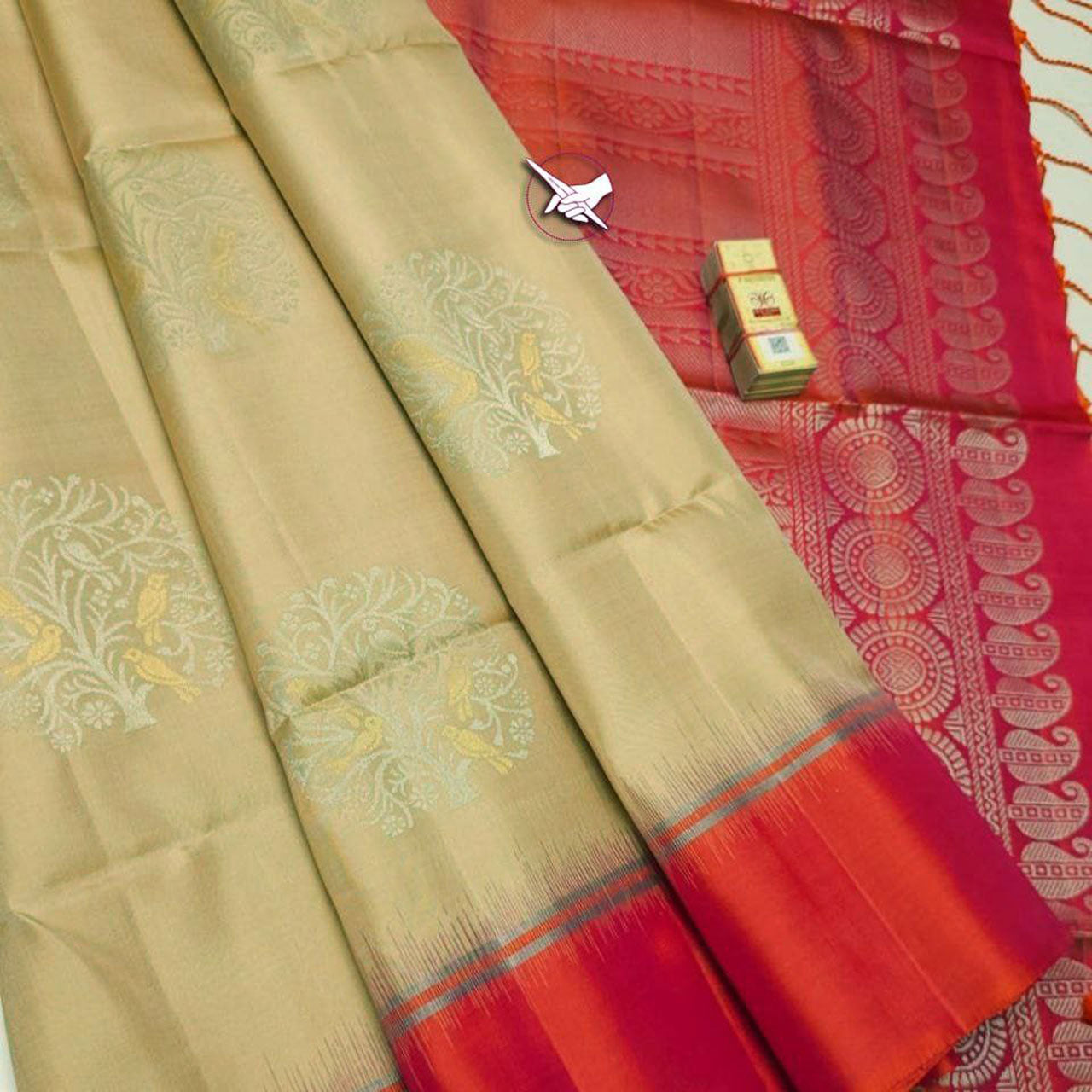


Why Handmade Sarees Feel Different: The Craftsmanship You Can Actually See
The first time you hold an authentic handmade saree, you notice something that's difficult to describe—but impossible to ignore. It doesn't just look beautiful; it feels alive. The fabric has character, the texture has depth, and every motif carries a sense of individuality that machine-made textiles often struggle to replicate.
This difference isn't accidental. It's the result of countless hours of skilled craftsmanship, traditional weaving techniques, and generations of knowledge passed down through artisan families. Every handmade saree reflects the patience, precision, and creativity of the person who made it.
While machine-made sarees focus on speed and uniformity, handmade sarees celebrate artistry and authenticity. That's why they continue to be treasured by collectors, brides, and saree enthusiasts around the world.
Let's explore what makes handmade sarees feel so different—and why that difference matters.
Handmade Means More Than Made by Hand
A handmade saree is not simply fabric woven without machines. It represents a complete process where skilled artisans remain involved at nearly every stage.
Depending on the tradition, this may include:
- Yarn preparation
- Dyeing
- Designing motifs
- Loom setup
- Hand weaving
- Zari work
- Finishing
Each stage contributes to the saree's final appearance and feel.
Every Thread Is Carefully Guided
Unlike automated looms that operate at high speed, handloom weavers guide every movement.
The artisan controls:
- Thread placement
- Weaving tension
- Pattern alignment
- Border consistency
- Motif formation
This careful attention creates remarkable precision while allowing subtle natural variations that make every saree unique.
The Texture Tells a Story
One of the easiest ways to recognize a handmade saree is through its texture.
Instead of feeling perfectly uniform, handwoven fabrics often have:
- Gentle irregularities
- Natural softness
- Rich depth
- Organic drape
These characteristics develop because the fabric is created slowly rather than mass-produced.
Many saree lovers appreciate these textures because they reflect authentic craftsmanship.
Small Variations Are Signs of Authenticity
Many first-time buyers mistake tiny irregularities for defects.
In reality, slight differences in:
- Thread thickness
- Motif spacing
- Weaving tension
- Color transitions
are often evidence that the saree has been woven by hand.
These subtle variations make every handmade saree one of a kind.
No two pieces are ever completely identical.
Time Creates Quality
A machine may produce several sarees in a single day.
A handmade saree often requires:
- Days
- Weeks
- Sometimes several months
depending on the complexity of the weave.
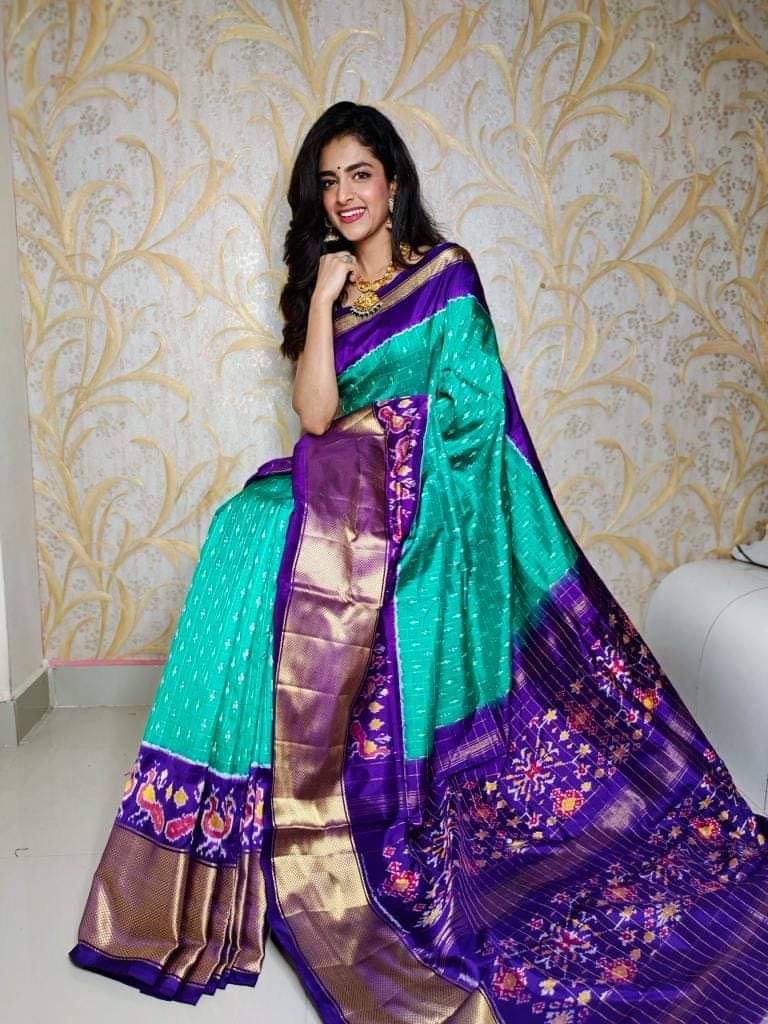
Whether it's an intricate Banarasi brocade, a Kanjivaram silk, a Patola double Ikat, or a Jamdani masterpiece, time allows artisans to focus on precision rather than speed.
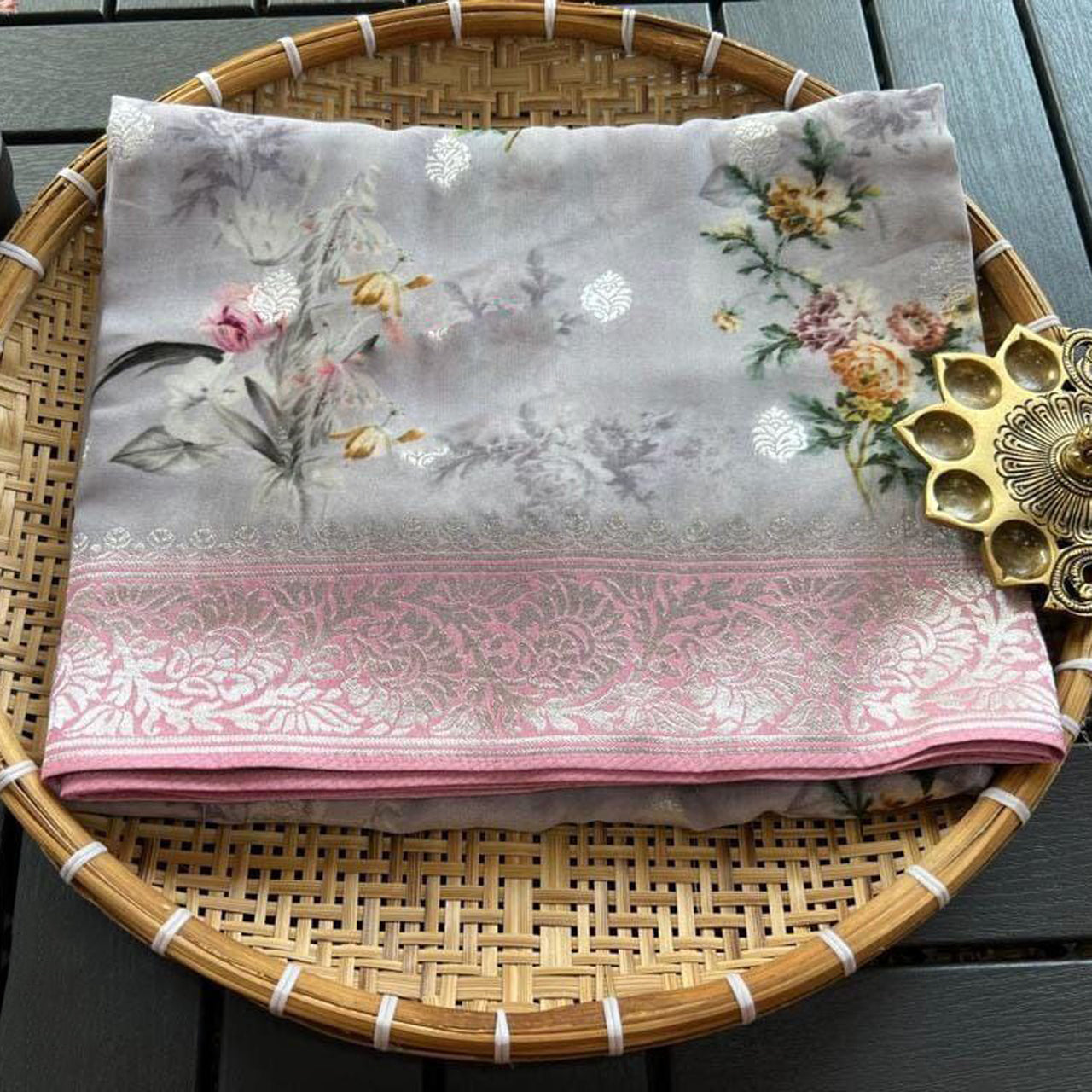
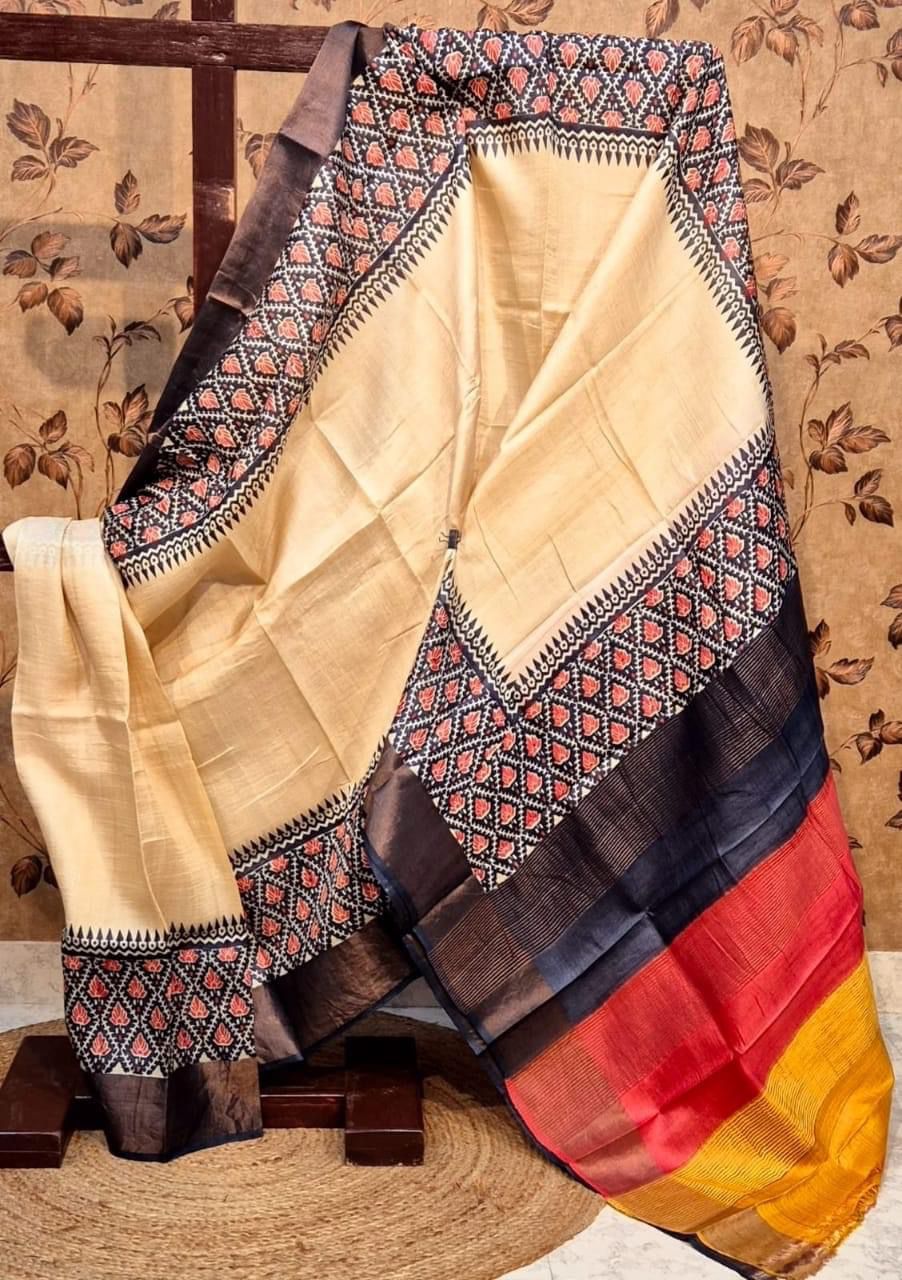
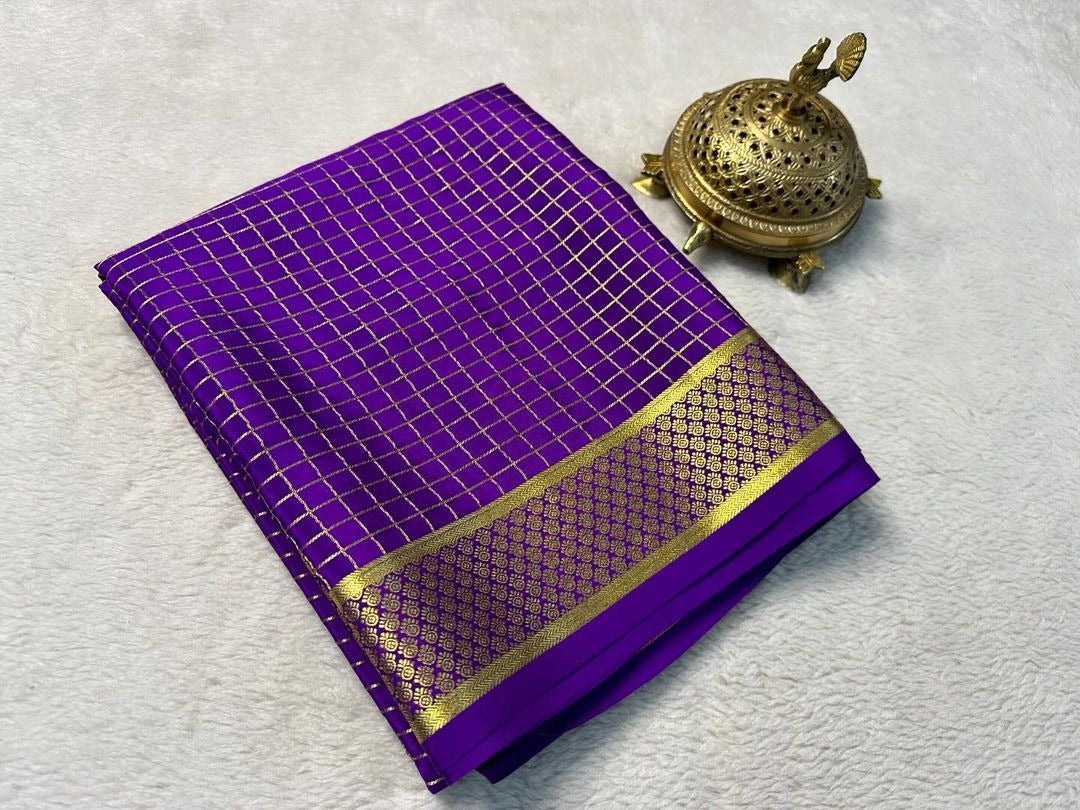
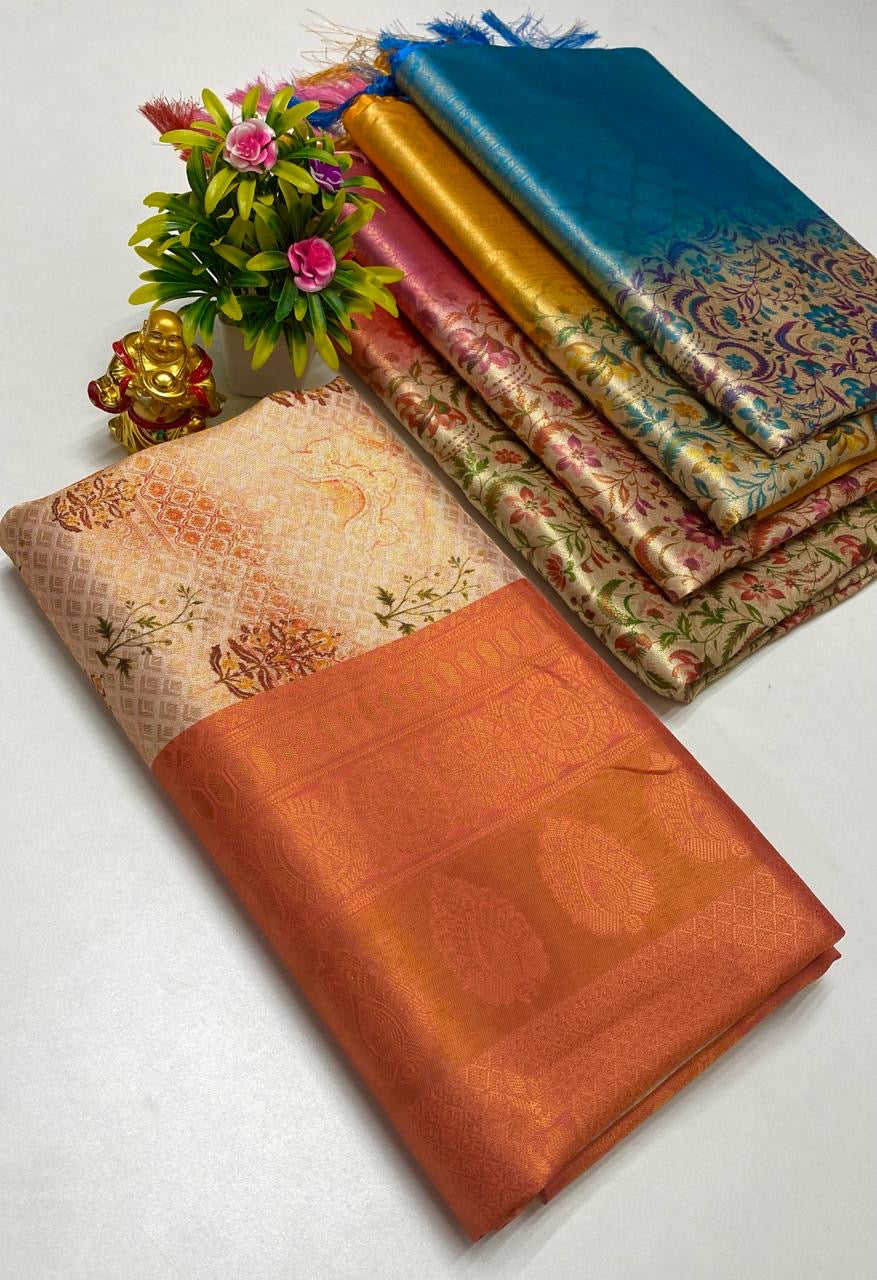
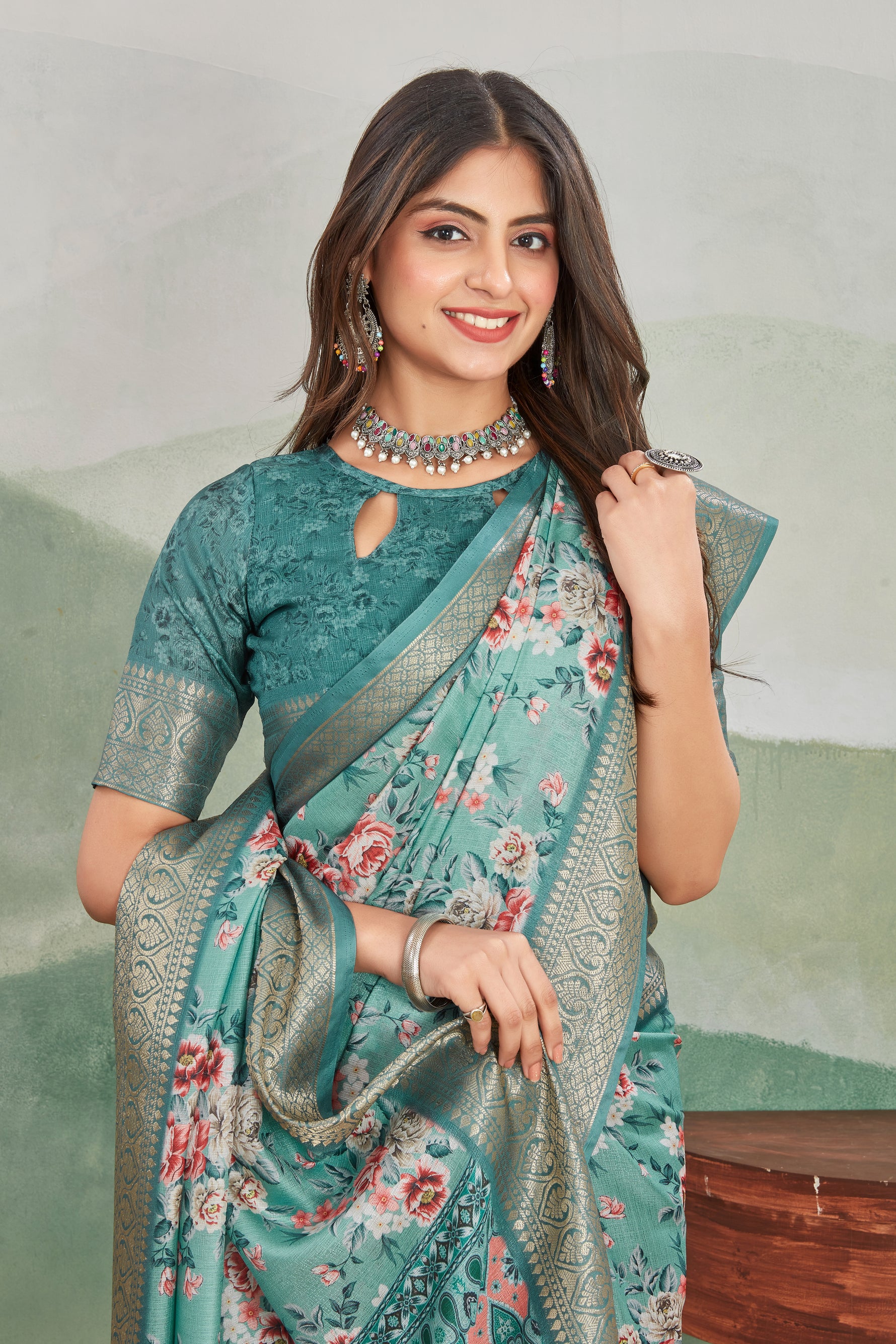
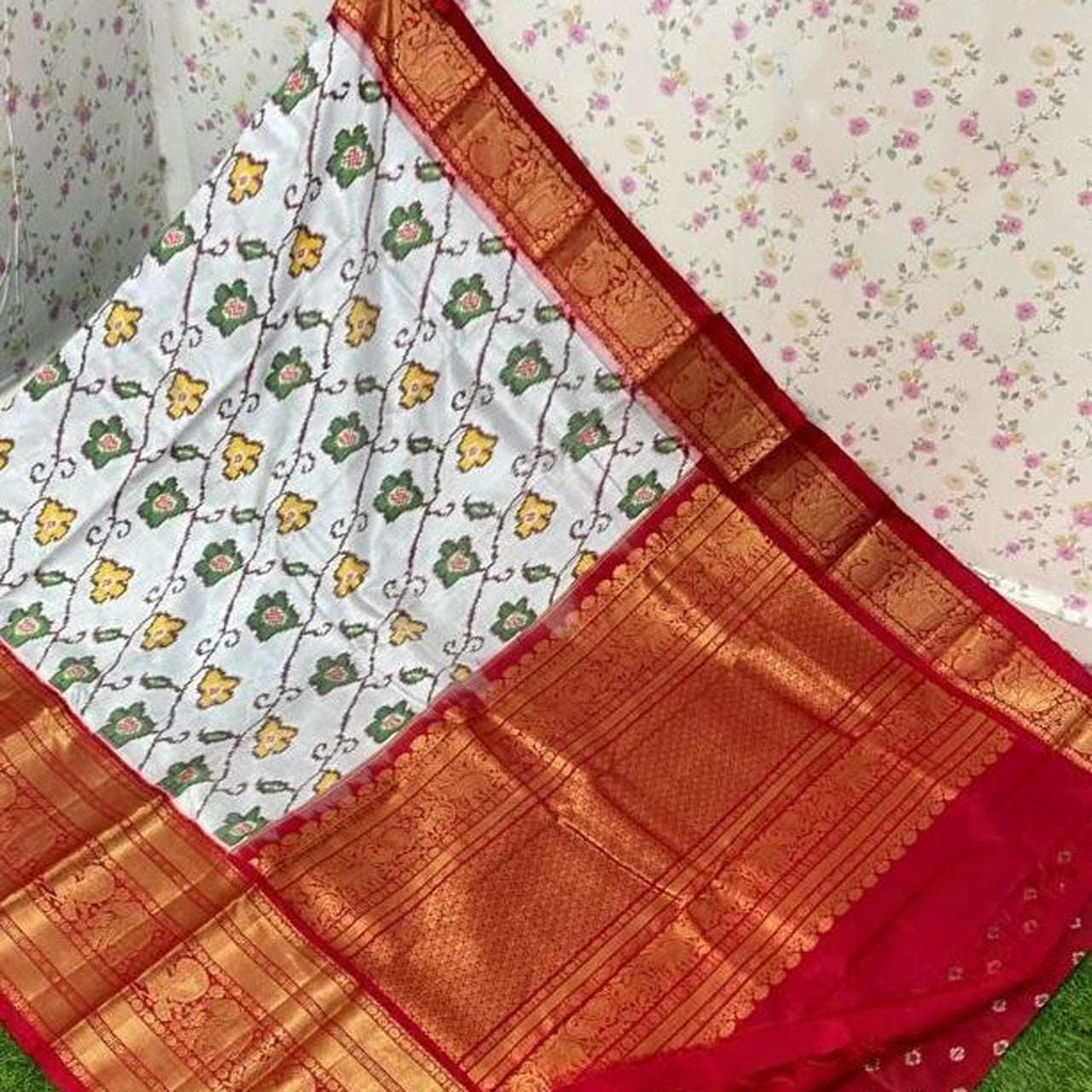
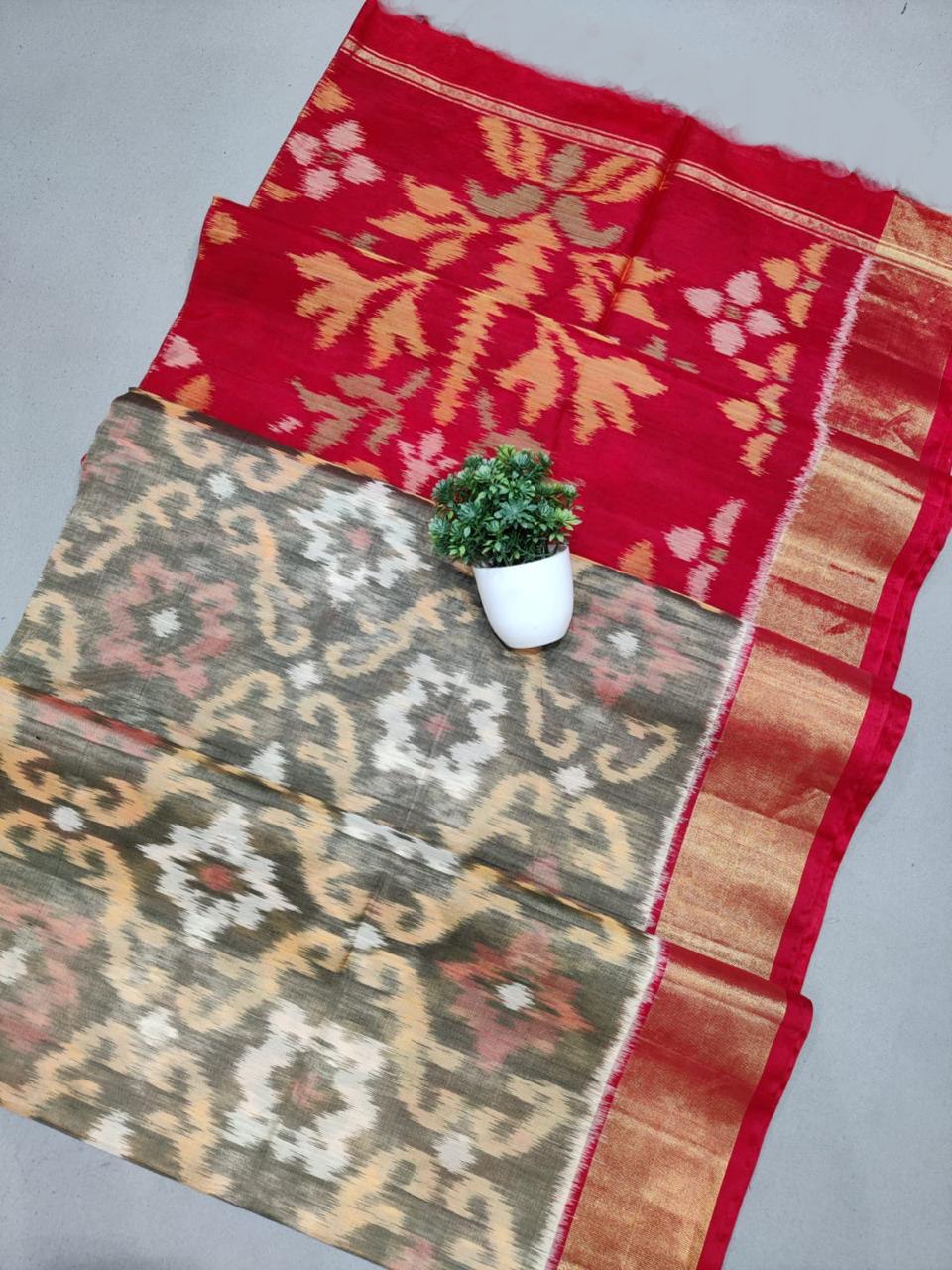
Craftsmanship You Can Actually See
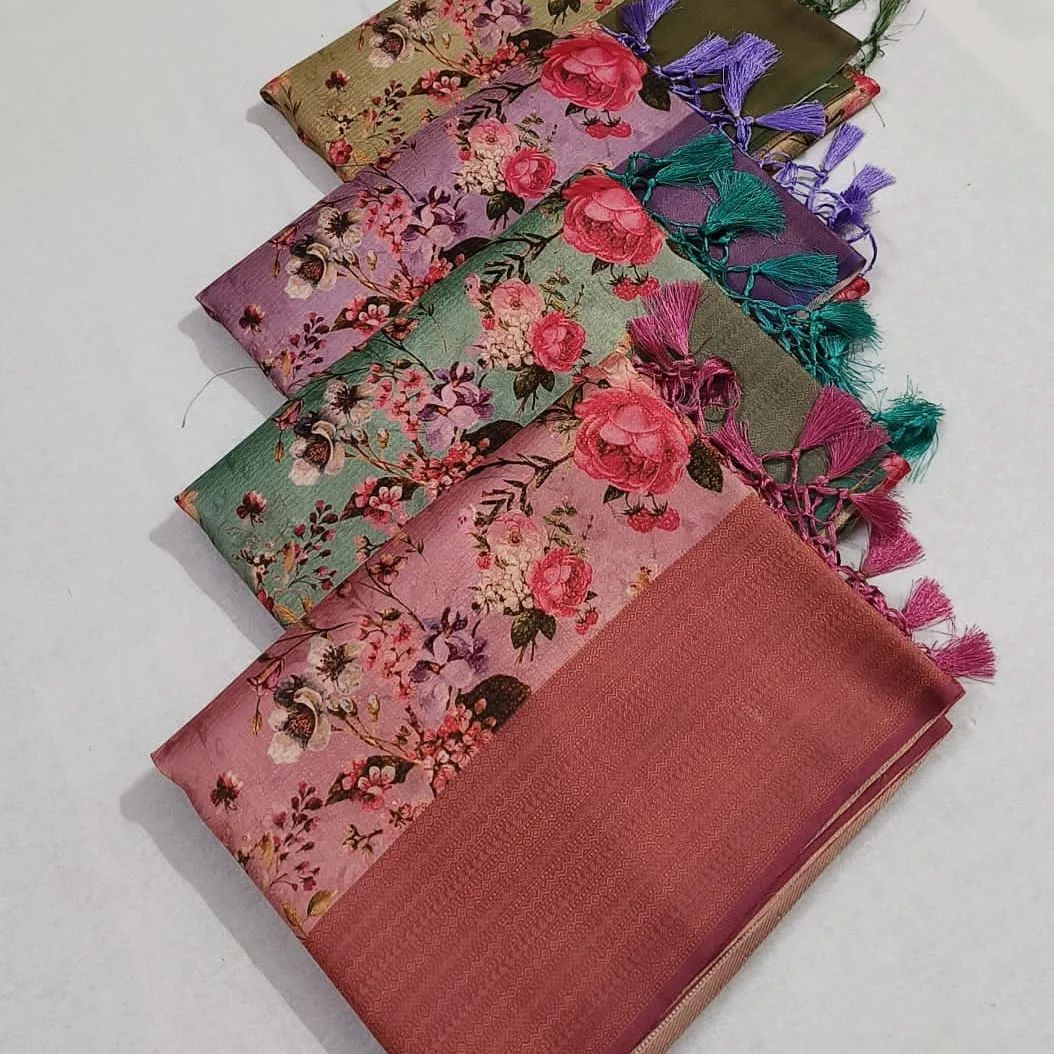
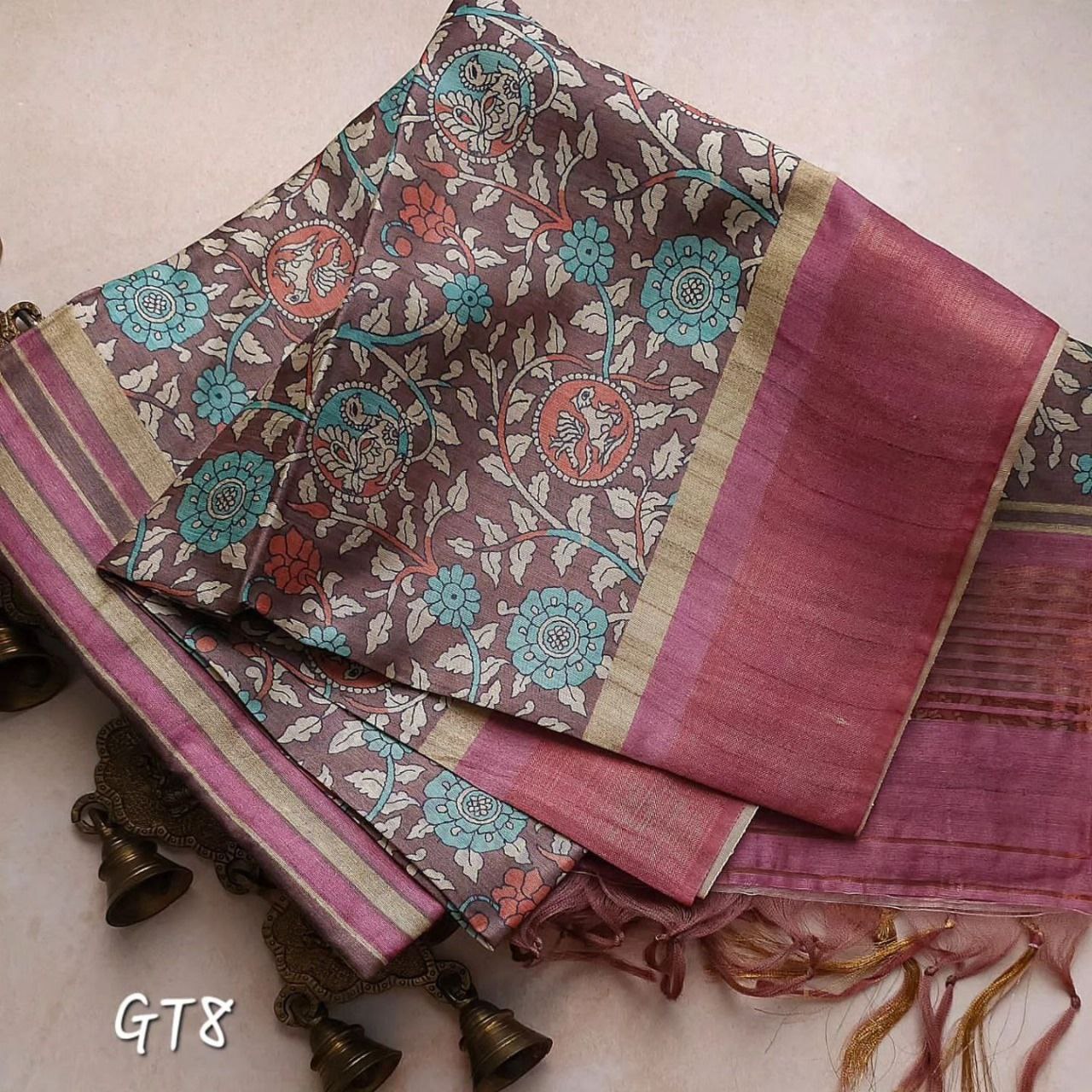
The beauty of handmade sarees becomes visible when you examine the details.
Look closely and you'll notice:
Intricate Borders
Handwoven borders often display exceptional clarity and precision.
Rich Motifs
Floral, paisley, temple, and geometric patterns appear woven into the fabric rather than simply printed on it.
Beautiful Zari Work
Authentic zari blends naturally into the weave, creating depth and elegance.
Graceful Drape
Handmade fabrics often fall more naturally because of their carefully balanced weave.
Every Saree Carries Human Creativity
Machines repeat patterns exactly.
Artisans bring creativity to every piece.
Even when weaving the same design repeatedly, individual craftsmanship influences:
- Thread rhythm
- Motif execution
- Finishing touches
- Artistic balance
These human elements give handmade sarees their distinctive personality.
Handmade Sarees Age Beautifully
Quality handmade sarees are designed to last.
With proper care, many remain beautiful for decades.
Over time they often develop:
- Softer texture
- More graceful drape
- Greater sentimental value
Instead of becoming outdated, they frequently become treasured heirlooms.
Supporting Skilled Artisan Communities
Buying a handmade saree does more than enhance your wardrobe.
It supports:
- Traditional weaving families
- Rural artisan communities
- Cultural preservation
- Heritage crafts
- Sustainable livelihoods
Each purchase helps keep centuries-old textile traditions alive.
Handmade and Sustainable Go Hand in Hand
Many handmade sarees naturally align with the principles of sustainable fashion.
They often involve:
- Smaller production batches
- Lower energy consumption
- Longer garment life
- Repairability
- Timeless designs
Choosing handmade encourages quality over quantity.
Handmade vs Machine-Made: The Key Differences
| Feature | Handmade Sarees | Machine-Made Sarees |
|---|---|---|
| Production | Handwoven by artisans | Industrial manufacturing |
| Texture | Natural and unique | Uniform and consistent |
| Motifs | Individually woven | Often printed or mechanically repeated |
| Time Required | Days to months | Hours |
| Individuality | Every saree is unique | Nearly identical copies |
| Longevity | Often lasts generations | Depends on manufacturing quality |
Neither option is inherently "better" for every buyer, but handmade sarees offer a level of craftsmanship that machines cannot fully replicate.
How to Identify an Authentic Handmade Saree
When shopping, pay attention to these details:
Natural Variations
Minor irregularities indicate genuine hand craftsmanship.
Woven Motifs
Designs should feel integrated into the fabric rather than sitting on the surface.
Rich Texture
Handmade fabrics often have a distinctive softness and depth.
Fine Finishing
Borders, pallus, and zari should display careful workmanship.
Buy from Trusted Sellers
Choose reputable brands that provide transparent information about weaving techniques and artisan involvement.
Frequently Asked Questions
Why do handmade sarees feel different?
Because every thread is carefully woven by skilled artisans, creating natural texture, depth, and individuality that machine-made fabrics often lack.
Are small irregularities normal?
Yes. Slight variations are a hallmark of genuine handmade craftsmanship.
Why are handmade sarees more expensive?
They require extensive manual labor, years of expertise, premium materials, and significantly longer production times.
Do handmade sarees last longer?
With proper care, high-quality handmade sarees can remain beautiful for decades and are often passed down through generations.
Are handmade sarees sustainable?
Many are. Their long lifespan, artisan production, and timeless appeal align closely with the principles of slow and sustainable fashion.
Conclusion
A handmade saree is more than a piece of clothing—it's the visible result of patience, artistry, and generations of traditional craftsmanship. Every carefully woven thread, subtle variation, and intricate motif reflects the human touch that no machine can truly replicate.
While mass production delivers speed and uniformity, handmade sarees offer something far more meaningful: authenticity, individuality, and a connection to India's rich textile heritage. Their unique texture, graceful drape, and enduring beauty make them garments that are not only worn but appreciated, preserved, and passed down through generations.
When you choose a handmade saree, you're investing in more than timeless elegance. You're supporting skilled artisans, preserving centuries-old weaving traditions, and owning a creation where the craftsmanship is not just something you feel—it is something you can truly see.