





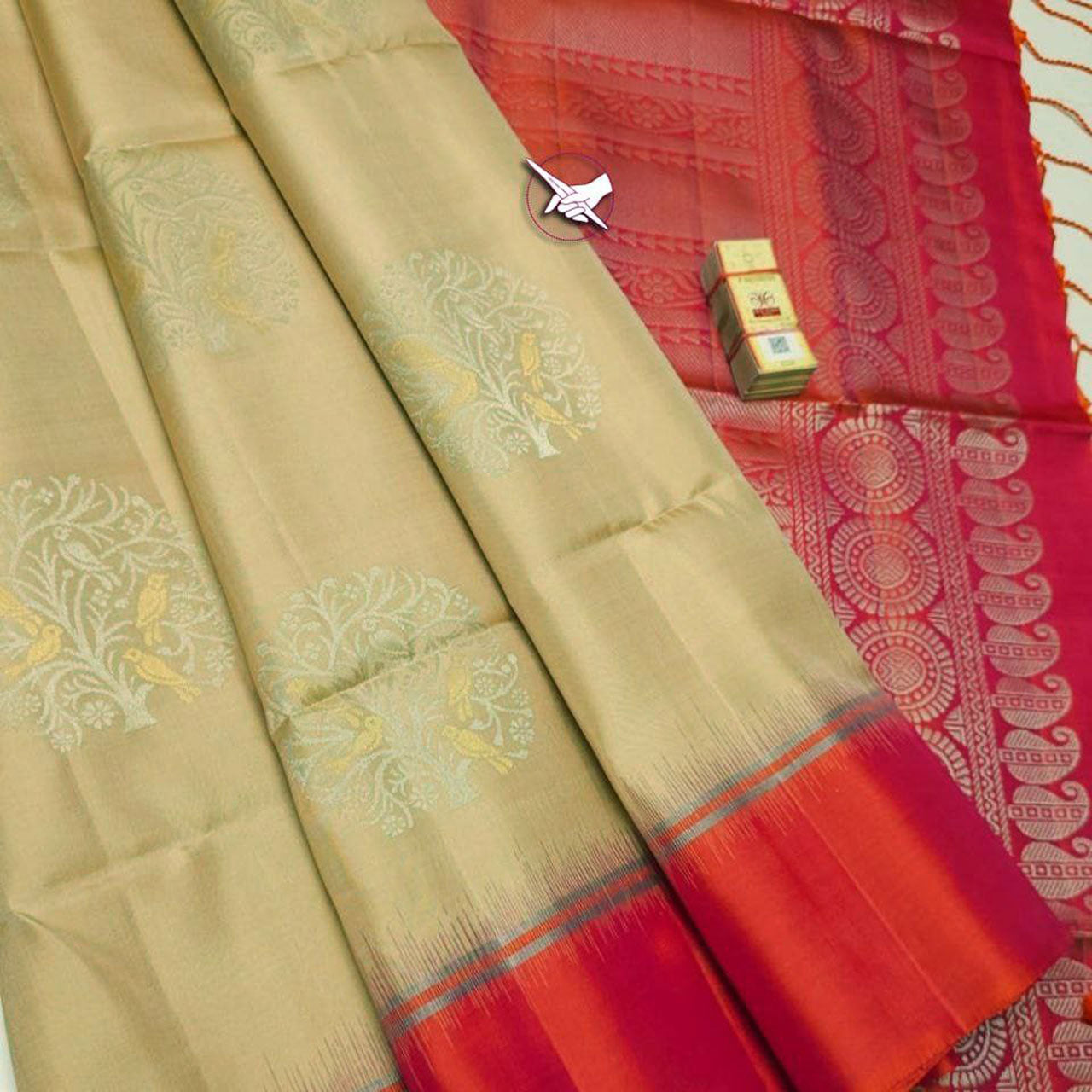


Why Handloom Sarees Are Becoming More Valuable Every Year
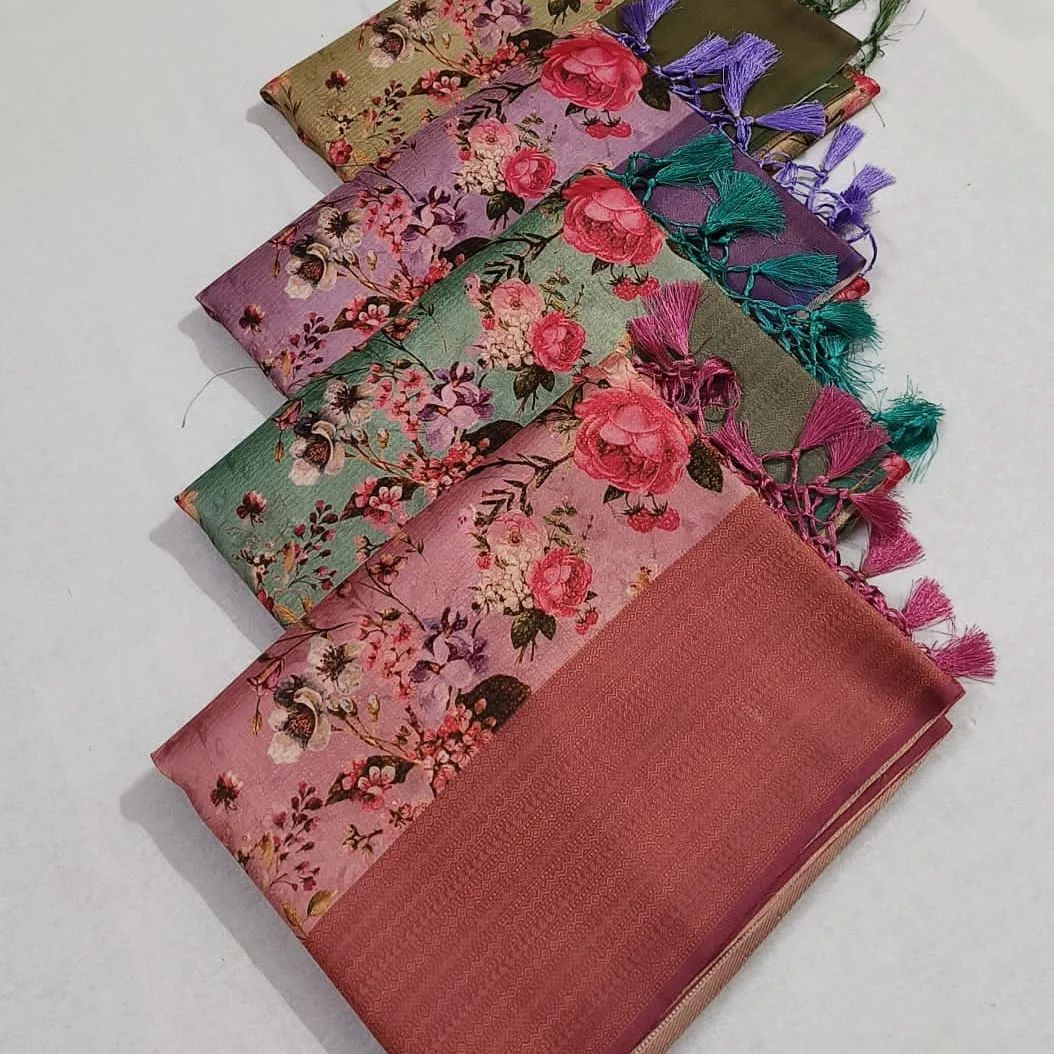
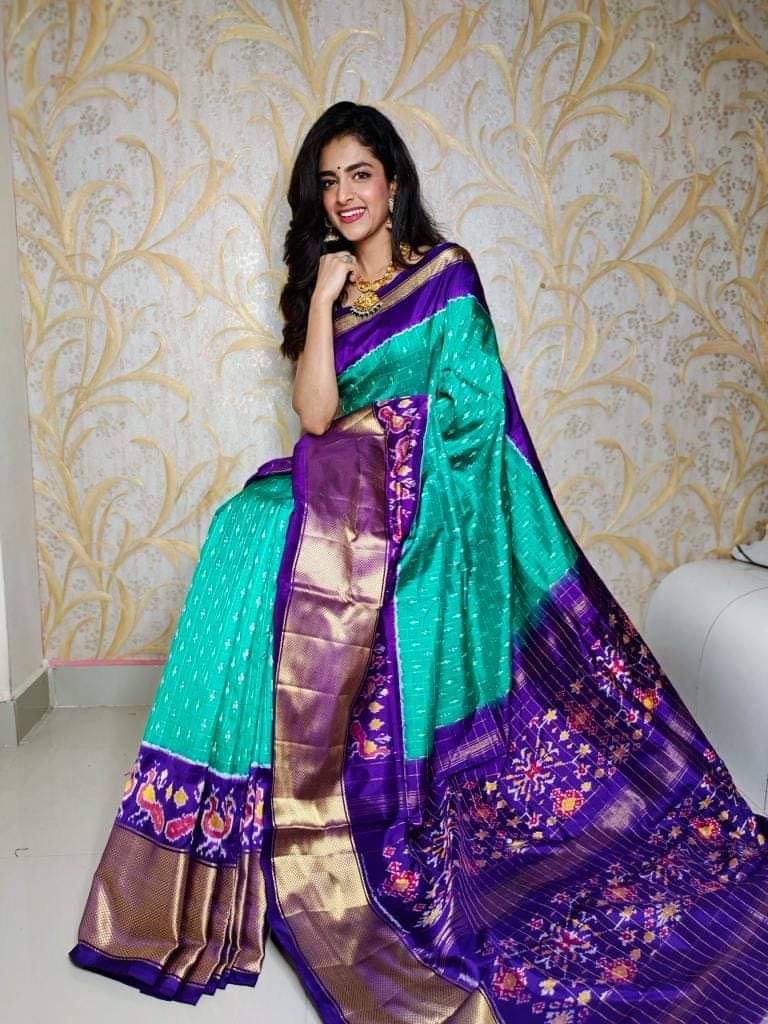
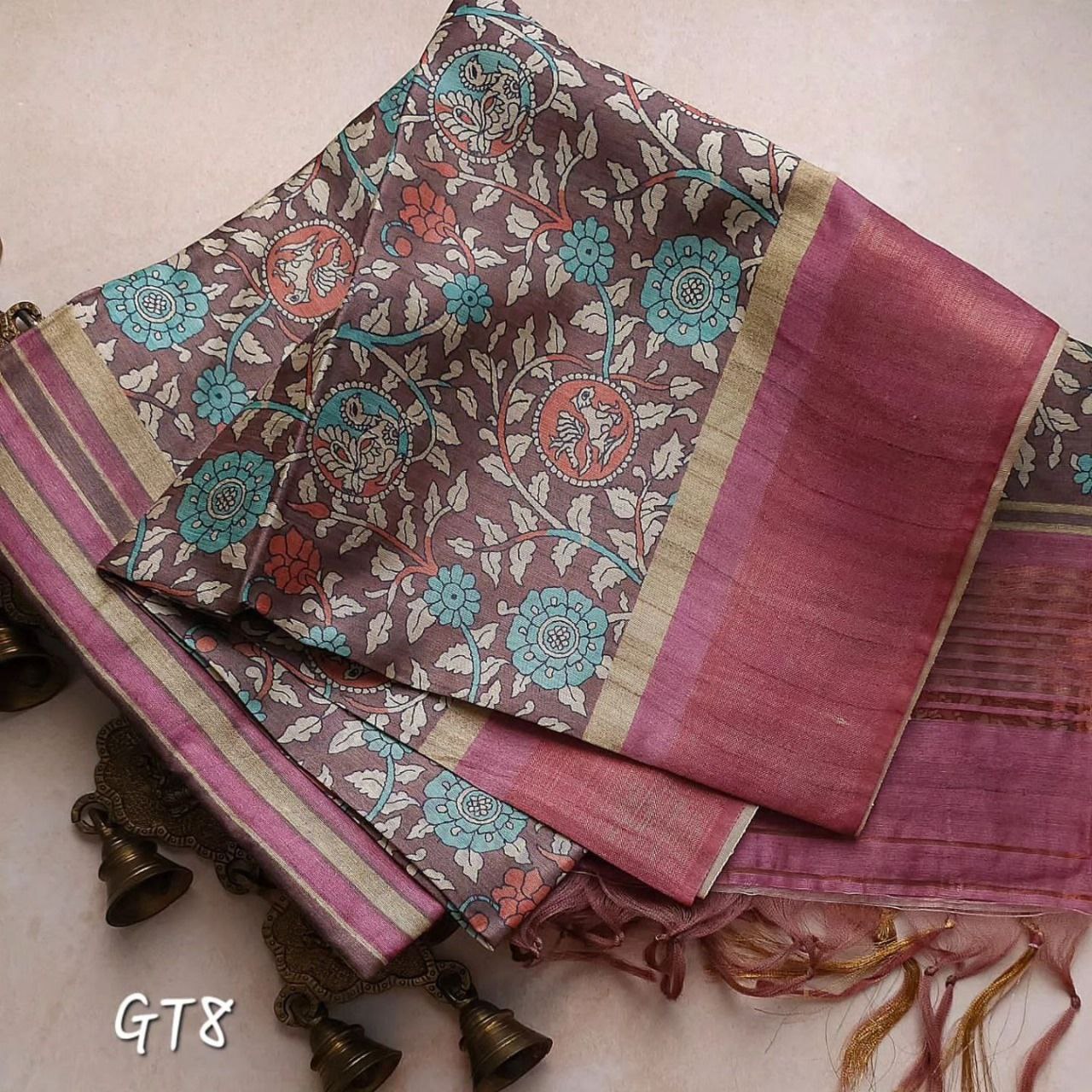
For generations, handloom sarees have represented India's rich textile heritage, artistic excellence, and timeless elegance. Today, these handcrafted masterpieces are becoming even more valuable—not only because of their beauty but also because of their rarity, craftsmanship, and growing appreciation worldwide.
Unlike machine-made fabrics that can be produced in thousands every day, every handloom saree requires patience, skill, and countless hours of dedicated work. Behind every weave is the story of an artisan who has spent years mastering techniques passed down through generations.
As consumers increasingly value authenticity, sustainability, and quality over mass production, handloom sarees have evolved from traditional garments into treasured investments.
Let's explore why their value continues to rise year after year.
1. Every Handloom Saree Is Truly Unique
One of the biggest reasons handloom sarees command higher value is exclusivity.
No two handwoven sarees are ever exactly identical.
Even when artisans follow the same design, you'll notice subtle differences in:
- Thread placement
- Motif alignment
- Border detailing
- Weaving rhythm
These natural variations aren't flaws—they're proof of genuine craftsmanship.
Owning a handloom saree means owning a piece that cannot be perfectly duplicated.
2. Skilled Craftsmanship Is Becoming Rarer
Traditional weaving is a highly specialized skill that often takes years to master.
Master artisans learn:
- Thread preparation
- Loom setting
- Motif creation
- Border weaving
- Color coordination
- Precision finishing
As fewer young artisans choose weaving as a profession, authentic craftsmanship becomes increasingly rare.
Scarcity naturally increases value.
3. Production Takes Time
Modern textile machines can produce hundreds of sarees in a short period.
A genuine handloom saree may require:
- Several days
- Multiple weeks
- Sometimes months
depending on the complexity of the weave.
Luxury weaves such as Banarasi, Kanjivaram, Jamdani, and Patola often involve thousands of carefully woven threads, making each saree a remarkable achievement.
4. Premium Natural Fabrics Increase Value
Most premium handloom sarees are crafted using high-quality natural fibers such as:
- Pure Silk
- Cotton
- Linen
- Tussar Silk
- Muga Silk
- Eri Silk
These fabrics provide:
- Superior comfort
- Excellent durability
- Elegant drape
- Long-lasting beauty
Natural fibers continue to be highly valued by discerning buyers.
5. Growing Demand for Sustainable Fashion
Fashion trends are changing.
More consumers now prefer:
- Slow fashion
- Ethical production
- Handmade products
- Eco-conscious choices
- Long-lasting garments
Handloom weaving aligns naturally with these values because many traditional looms rely on manual craftsmanship rather than energy-intensive industrial production.
This shift has increased global appreciation for authentic handloom textiles.
6. Rich Cultural Heritage
Every region in India has its own weaving tradition.
Some of the most celebrated include:
- Banarasi
- Kanjivaram
- Patola
- Chanderi
- Maheshwari
- Sambalpuri
- Jamdani
- Paithani
These sarees represent centuries of artistic heritage.
When you purchase a handloom saree, you're preserving a living cultural tradition rather than simply buying fabric.
7. Superior Durability
Quality handloom sarees are designed to last.
With proper care, they often remain beautiful for decades.
Many families continue to wear sarees inherited from:
- Mothers
- Grandmothers
- Great-grandmothers
This remarkable longevity makes them valuable not only emotionally but also financially.
8. Handloom Sarees Hold Their Elegance Over Time
Fashion trends come and go.
Classic handloom sarees rarely go out of style.
Their timeless appeal allows them to be worn for:
- Weddings
- Festivals
- Religious ceremonies
- Family celebrations
- Formal occasions
Instead of becoming outdated, they often become more cherished as the years pass.
9. Supporting Artisan Communities
Every handloom saree supports an entire ecosystem of skilled professionals.
A single saree may involve:
- Silk farmers
- Yarn processors
- Dyers
- Designers
- Loom technicians
- Weavers
- Zari artisans
- Finishers
Choosing handloom products helps preserve rural livelihoods and encourages future generations to continue these remarkable traditions.
10. Collectors Are Investing in Handloom Sarees
Many collectors now view premium handloom sarees as wearable works of art.
Rare weaving styles, limited-production collections, and exceptional craftsmanship often become increasingly sought after over time.
Certain heritage weaves are appreciated not only for their beauty but also for their cultural and historical significance.
Handloom vs Machine-Made Sarees
| Feature | Handloom Sarees | Machine-Made Sarees |
|---|---|---|
| Production | Handwoven by artisans | Mass produced |
| Uniqueness | Every piece is unique | Uniform appearance |
| Craftsmanship | High | Standard |
| Production Time | Days to months | Hours |
| Sustainability | Eco-friendly production | Industrial manufacturing |
| Longevity | Often generations | Depends on quality |
How to Identify a Valuable Handloom Saree
When shopping, look for these characteristics:
Fine Weaving
Patterns should appear sharp and balanced.
Rich Texture
Natural fibers create depth and softness.
Handmade Variations
Minor irregularities indicate genuine craftsmanship.
Elegant Drape
Premium handloom sarees fall naturally and hold beautiful pleats.
Trusted Sellers
Buy from brands that clearly explain the weaving process, fabric composition, and artisan involvement.
Is a Handloom Saree Worth the Investment?
For many buyers, absolutely.
A quality handloom saree offers:
- Exceptional craftsmanship
- Long-lasting durability
- Timeless style
- Cultural significance
- Better sustainability
- Emotional value
Unlike trend-based fashion, handloom sarees continue to appreciate in both sentimental and artistic value.
Frequently Asked Questions
Why are handloom sarees becoming more expensive?
Handloom sarees require skilled manual craftsmanship, premium materials, longer production times, and involve fewer artisans than mass-produced textiles.
Do handloom sarees last longer?
Yes. With proper care, authentic handloom sarees can remain beautiful for decades and are often passed down as family heirlooms.
Are handloom sarees a good investment?
Many buyers consider premium handloom sarees a worthwhile investment because of their craftsmanship, durability, timeless appeal, and cultural significance.
Why is every handloom saree slightly different?
Since every saree is woven by hand, small variations naturally occur. These differences are considered signs of authenticity rather than defects.
How can I identify an authentic handloom saree?
Look for detailed weaving information, natural texture, fine craftsmanship, subtle handmade variations, and purchase from trusted sellers who provide transparent product details.
Conclusion
Handloom sarees are becoming more valuable every year because they represent something increasingly rare in today's world—authentic craftsmanship, patience, and timeless artistry. Every handwoven saree carries the dedication of skilled artisans, the richness of India's textile heritage, and the beauty of traditions that have survived for centuries.
While machine-made fabrics offer speed and uniformity, handloom sarees provide individuality, exceptional quality, and lasting value that cannot be replicated by mass production. Whether you're purchasing one for a wedding, a festival, or to build a meaningful collection, a genuine handloom saree is more than a garment. It is an investment in culture, sustainability, and craftsmanship that can be admired and treasured for generations.