

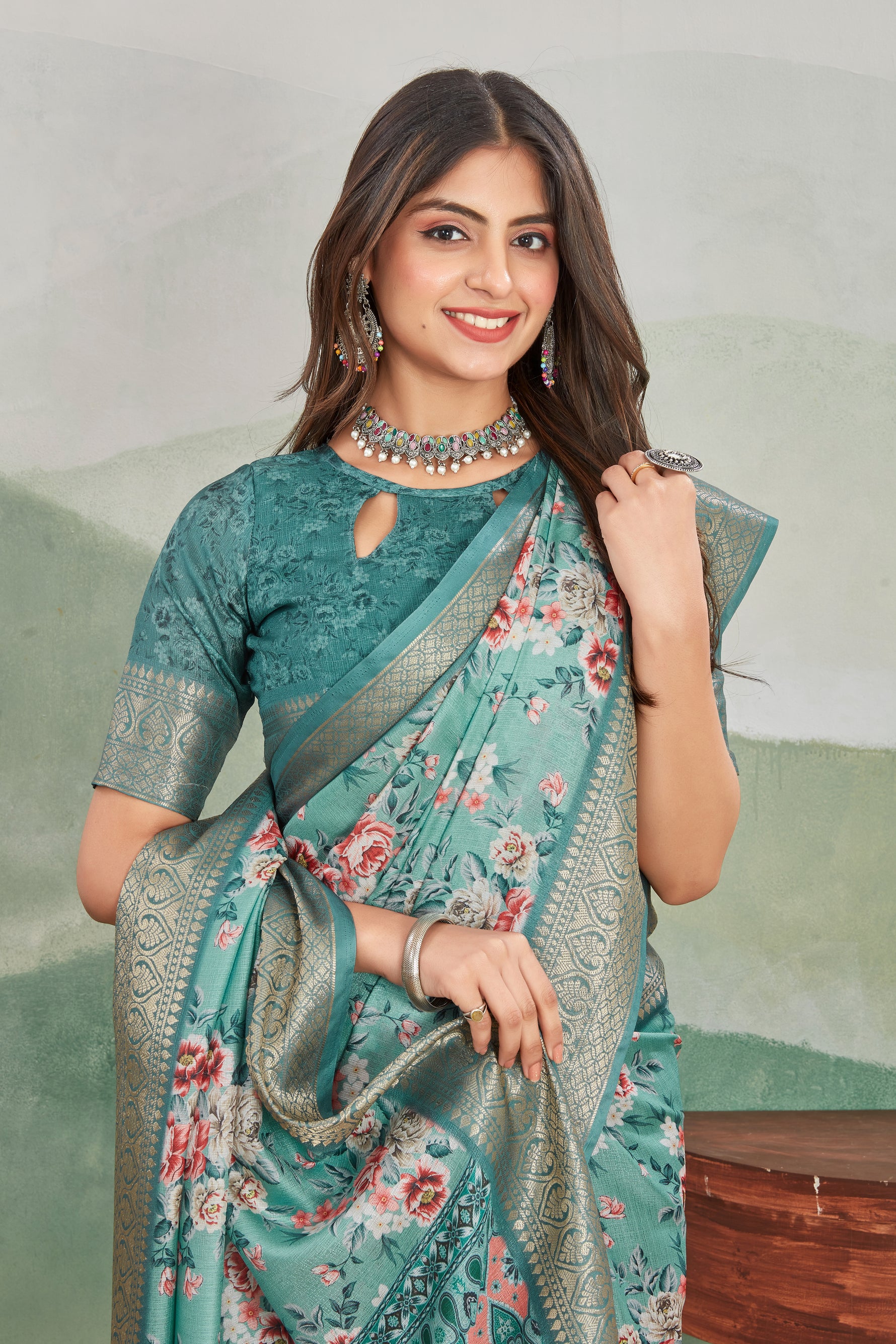

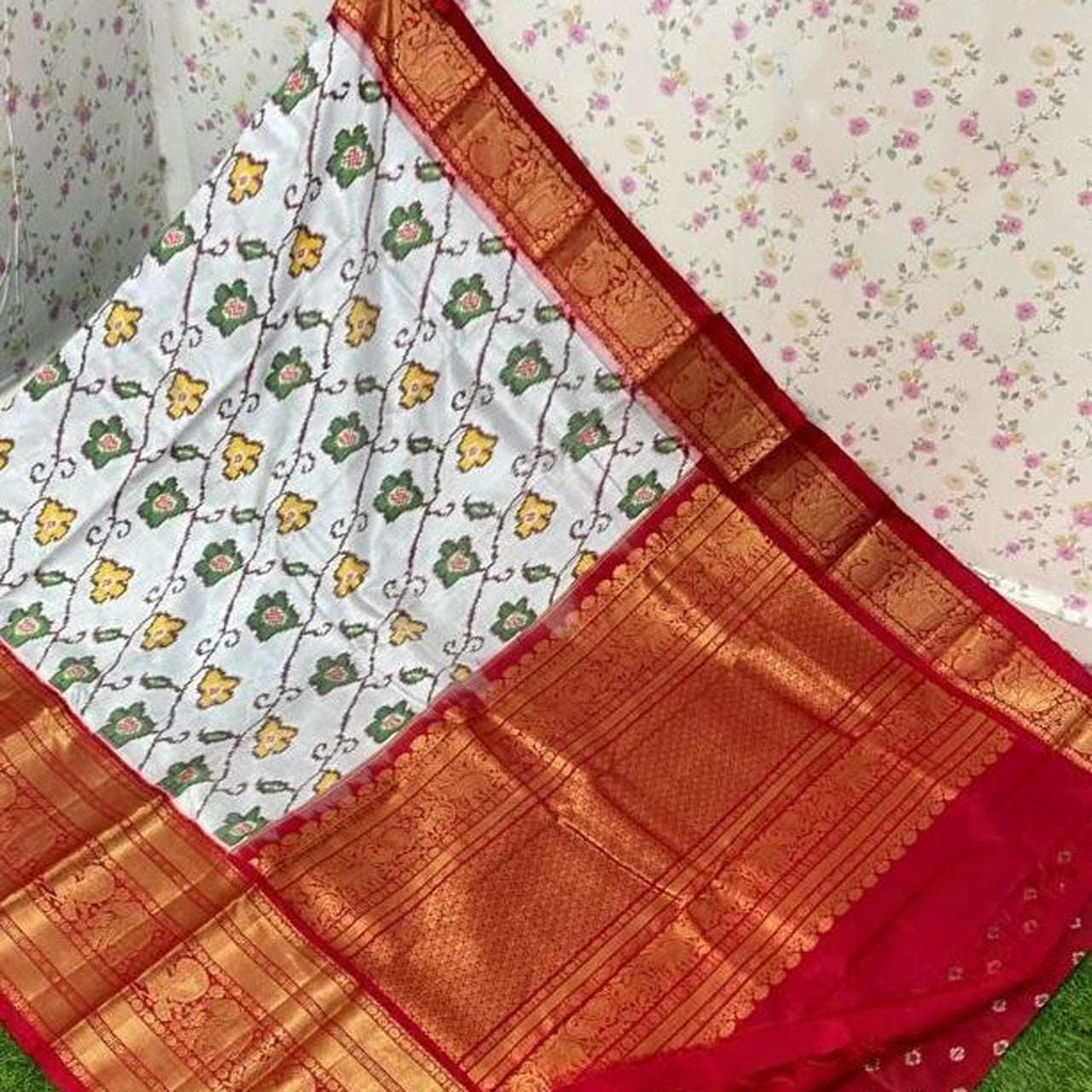
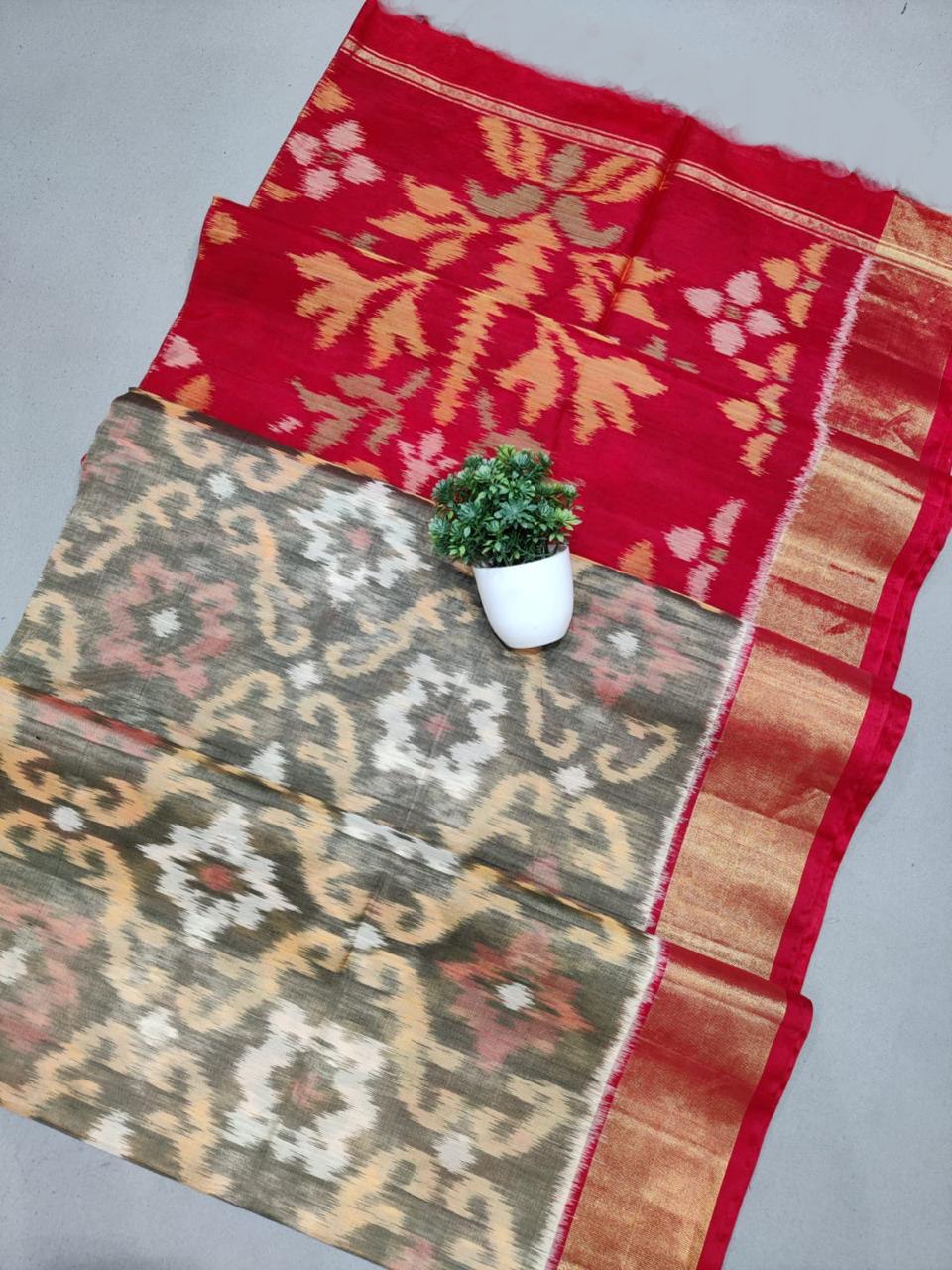

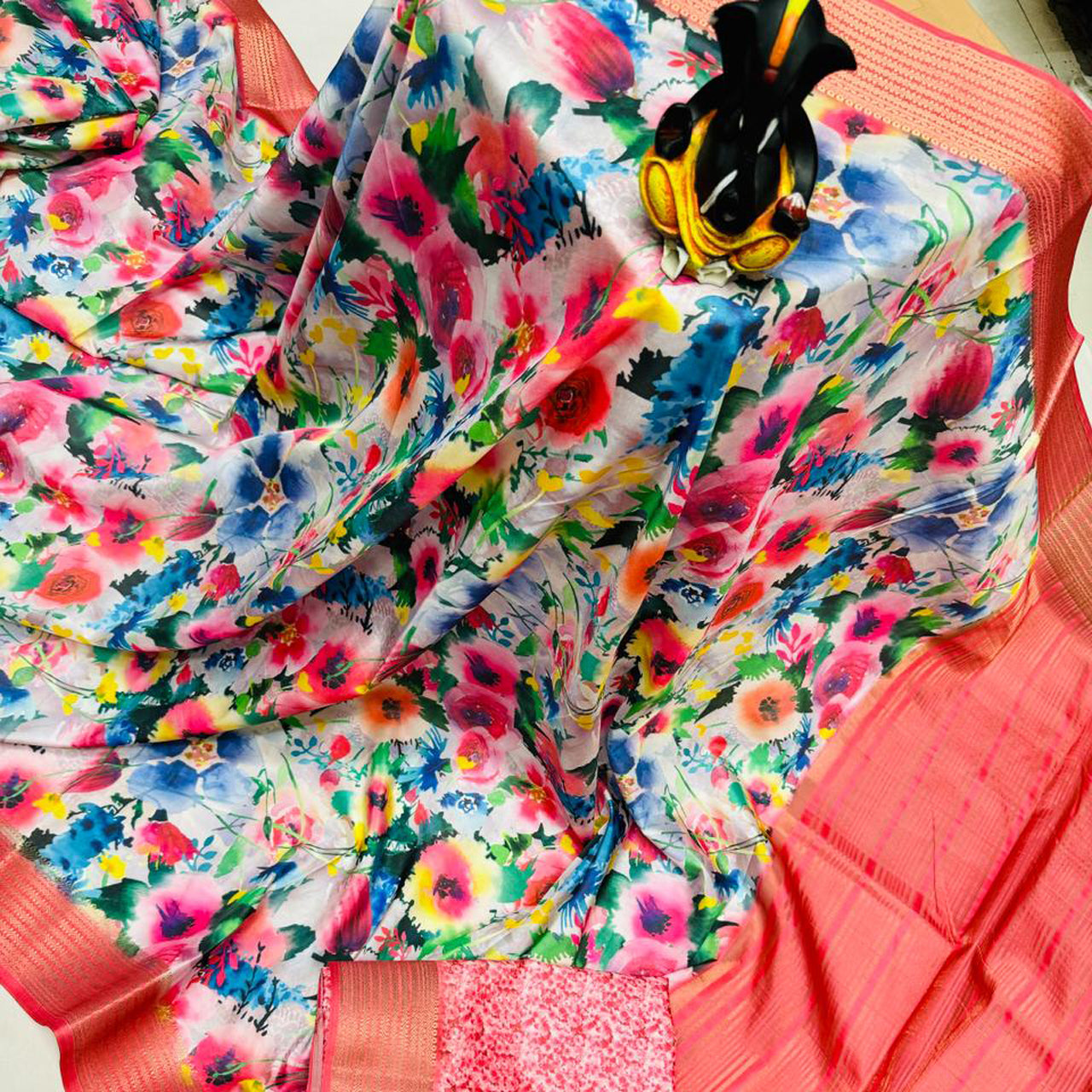


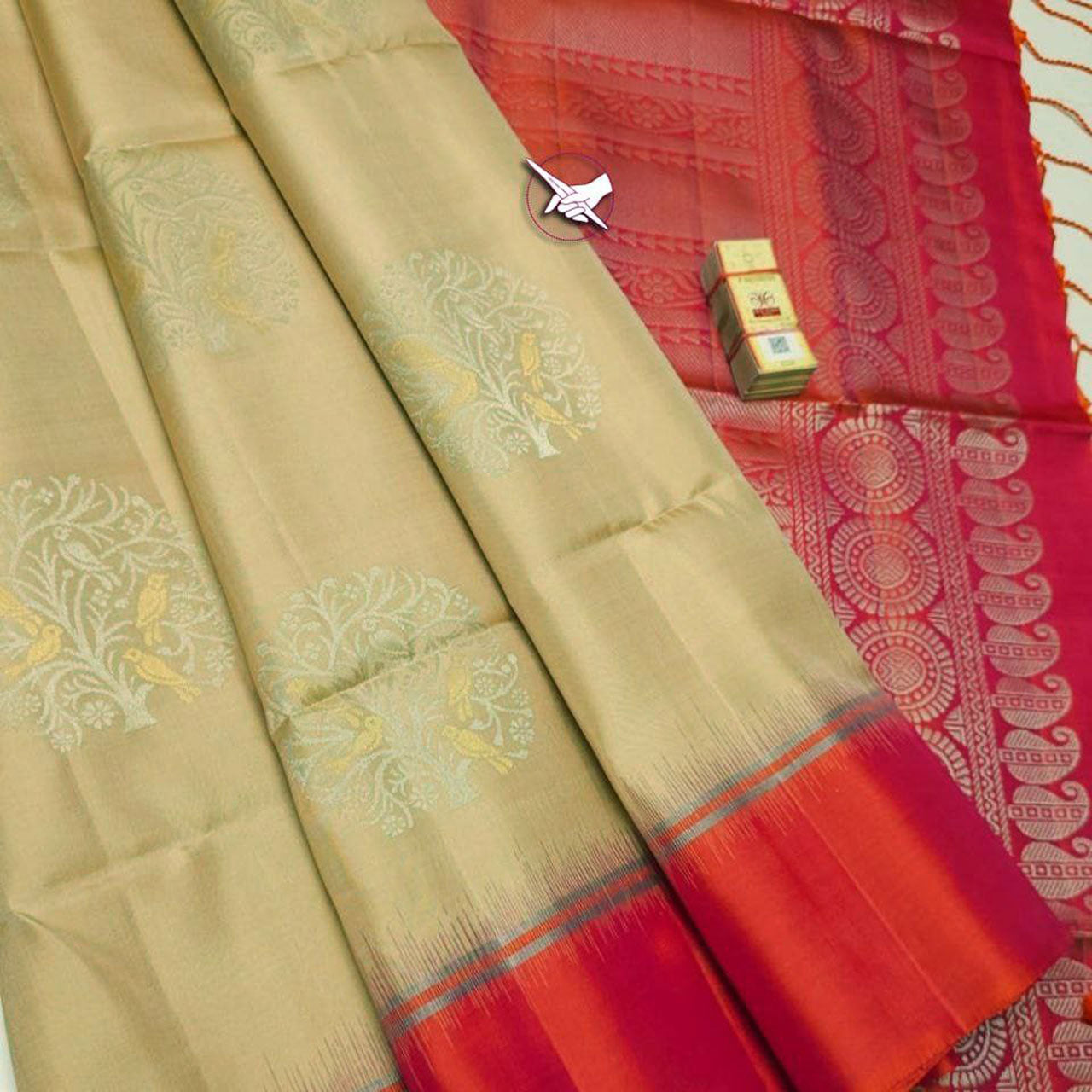


What Makes Tussar Silk Sarees Different from Regular Silk Sarees?
Silk sarees have been a timeless symbol of elegance, luxury, and tradition in India for centuries. Whether worn during weddings, festive celebrations, or special occasions, silk sarees continue to hold a special place in every woman's wardrobe. Among the many varieties of silk available, Tussar silk sarees have gained immense popularity for their unique texture, natural beauty, and distinctive appeal.
However, many shoppers often wonder: What exactly makes Tussar silk sarees different from regular silk sarees? While both belong to the silk family, they differ significantly in terms of origin, texture, appearance, durability, pricing, and styling versatility.
In this comprehensive guide, we'll explore everything you need to know about the differences between Tussar silk sarees and regular silk sarees so that you can make an informed purchase decision.
Understanding Tussar Silk
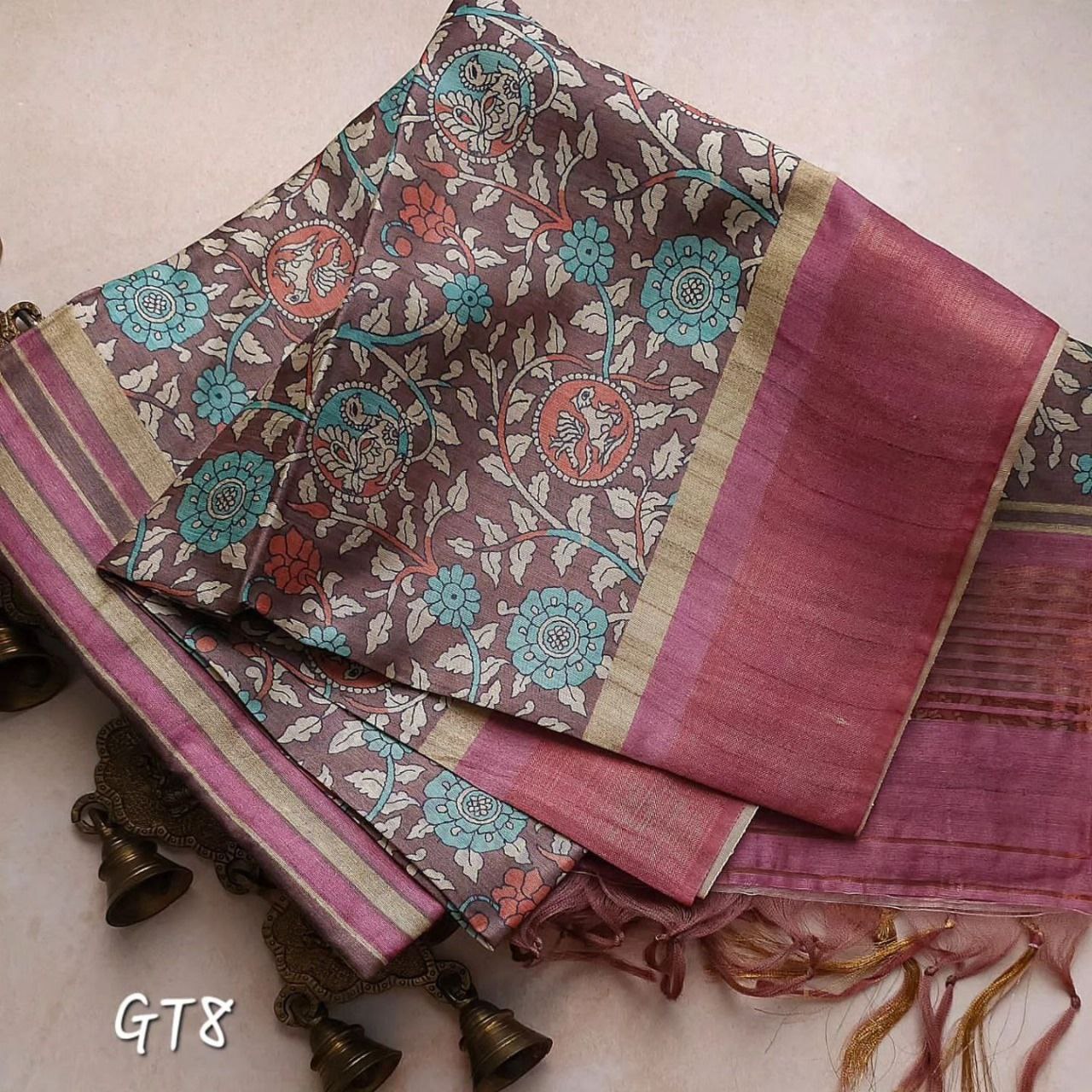
Tussar silk, also known as Kosa silk, is a type of wild silk produced by silkworms that feed on natural forest trees such as Arjun, Sal, and Asan. Unlike cultivated mulberry silk, Tussar silk is harvested from silkworms living in natural environments.
The fabric is highly valued for its rich texture, natural golden sheen, and breathable nature. States such as Jharkhand, Bihar, Chhattisgarh, Odisha, and West Bengal are known for producing some of India's finest Tussar silk.
What Is Regular Silk?
When people refer to "regular silk," they usually mean Mulberry Silk, which is the most common and commercially produced silk variety in the world. Mulberry silk comes from silkworms that feed exclusively on mulberry leaves under controlled farming conditions.
This type of silk is renowned for its smooth texture, high shine, and luxurious feel, making it a preferred choice for bridal wear and formal occasions.
Key Differences Between Tussar Silk Sarees and Regular Silk Sarees
1. Source of Production
Tussar Silk
- Produced by wild silkworms.
- Harvested from natural forest habitats.
- Considered eco-friendly and sustainable.
Regular Silk (Mulberry Silk)
- Produced by domesticated silkworms.
- Raised under controlled conditions.
- Mass-produced on a larger scale.
The natural production process gives Tussar silk its distinctive characteristics and earthy appeal.
2. Texture and Feel
One of the easiest ways to identify Tussar silk is through its texture.
Tussar Silk Sarees
- Slightly coarse texture.
- Rich and organic feel.
- More breathable and airy.
Regular Silk Sarees
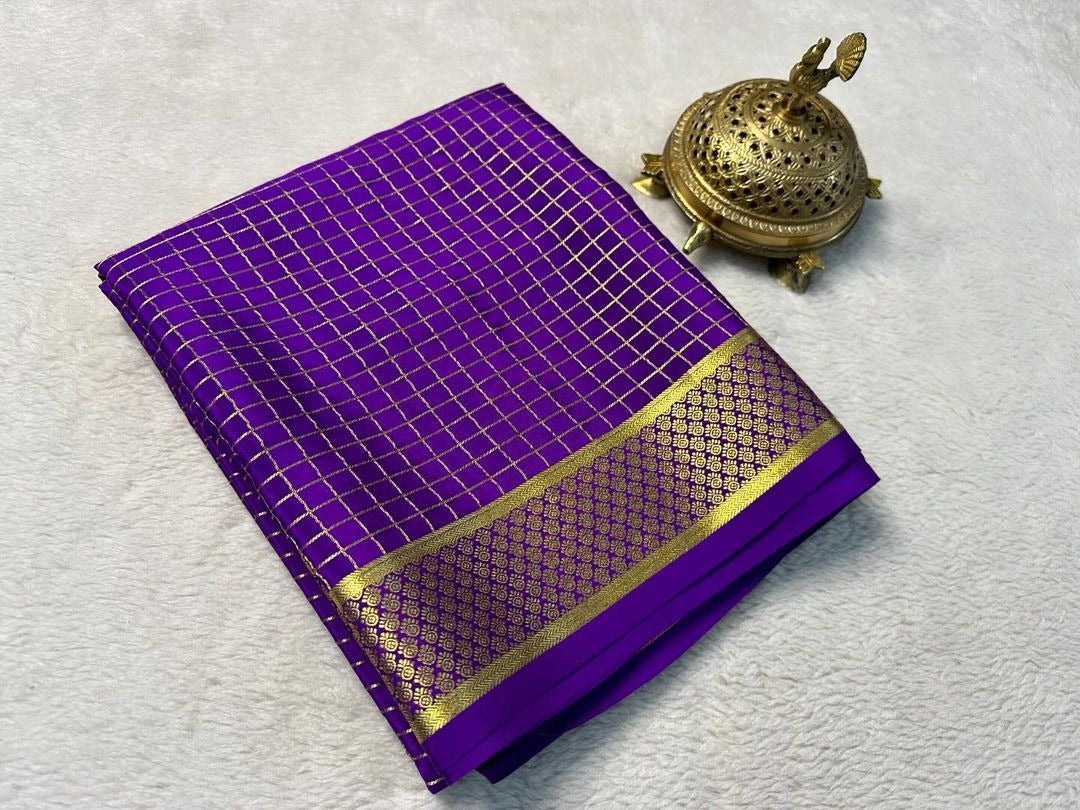
- Extremely smooth and soft.
- Glossy surface.
- Luxurious and polished finish.
Women who appreciate handcrafted and artisanal fabrics often prefer the unique texture of Tussar silk.
3. Appearance and Shine
The visual appeal of both fabrics is significantly different.
Tussar Silk
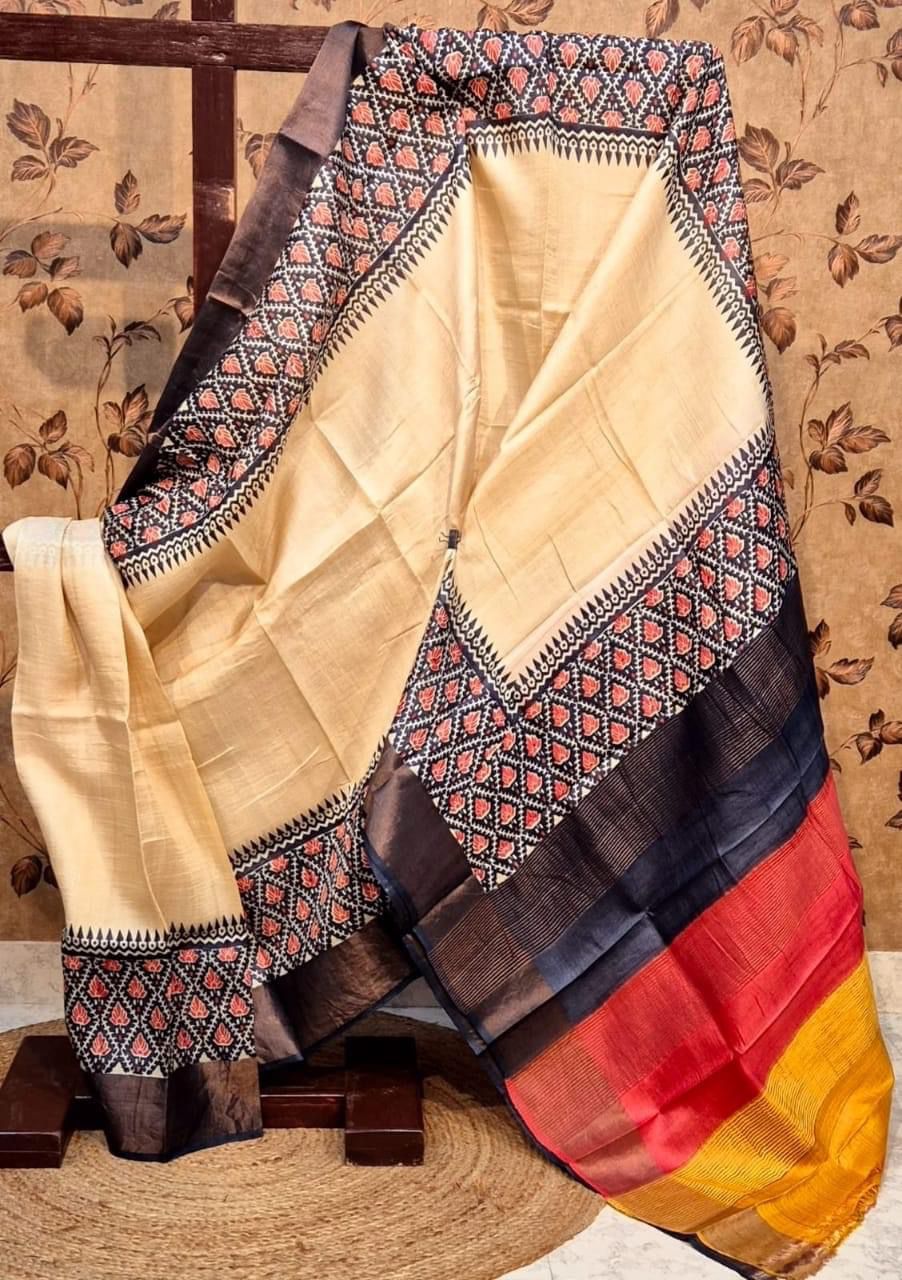
- Natural golden glow.
- Matte elegance.
- Earthy and sophisticated look.
Regular Silk
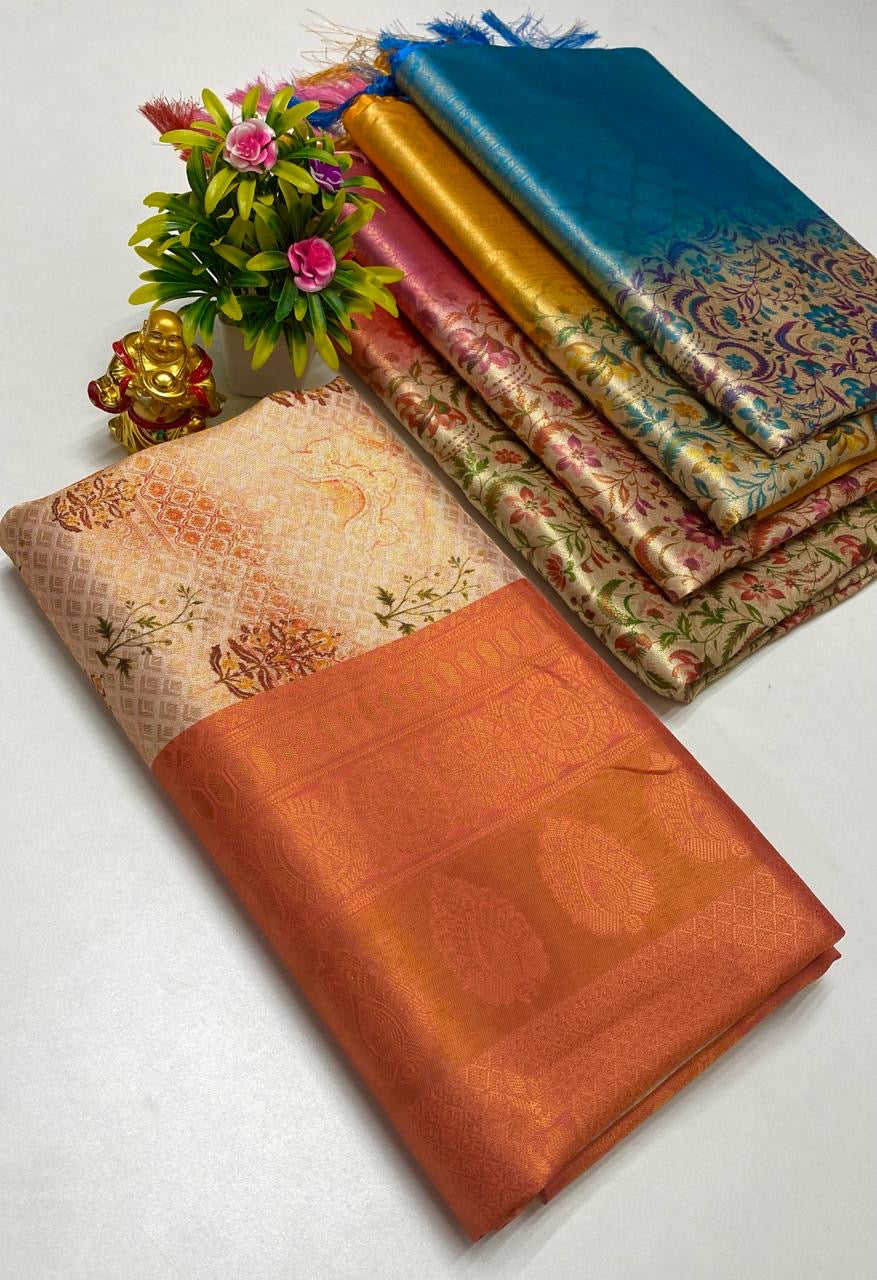
- High glossy shine.
- Reflective surface.
- Rich and formal appearance.
Tussar silk appeals to those who appreciate understated luxury, while regular silk attracts those seeking a more glamorous look.
4. Breathability and Comfort
Comfort is a crucial factor when choosing a saree.
Tussar Silk Sarees
- Lightweight and breathable.
- Suitable for long hours of wear.
- Comfortable in warm climates.
Regular Silk Sarees
- Slightly heavier.
- Can feel warmer during extended wear.
- Better suited for ceremonial occasions.
For all-day events and summer celebrations, Tussar silk often provides greater comfort.
5. Durability
Both fabrics are durable, but they age differently.
Tussar Silk
- Strong natural fibers.
- Develops character over time.
- Maintains texture for years with proper care.
Regular Silk
- Durable but delicate.
- Requires careful maintenance.
- Sensitive to moisture and rough handling.
Proper storage and dry cleaning can significantly extend the lifespan of both types.
6. Dye Absorption and Colors
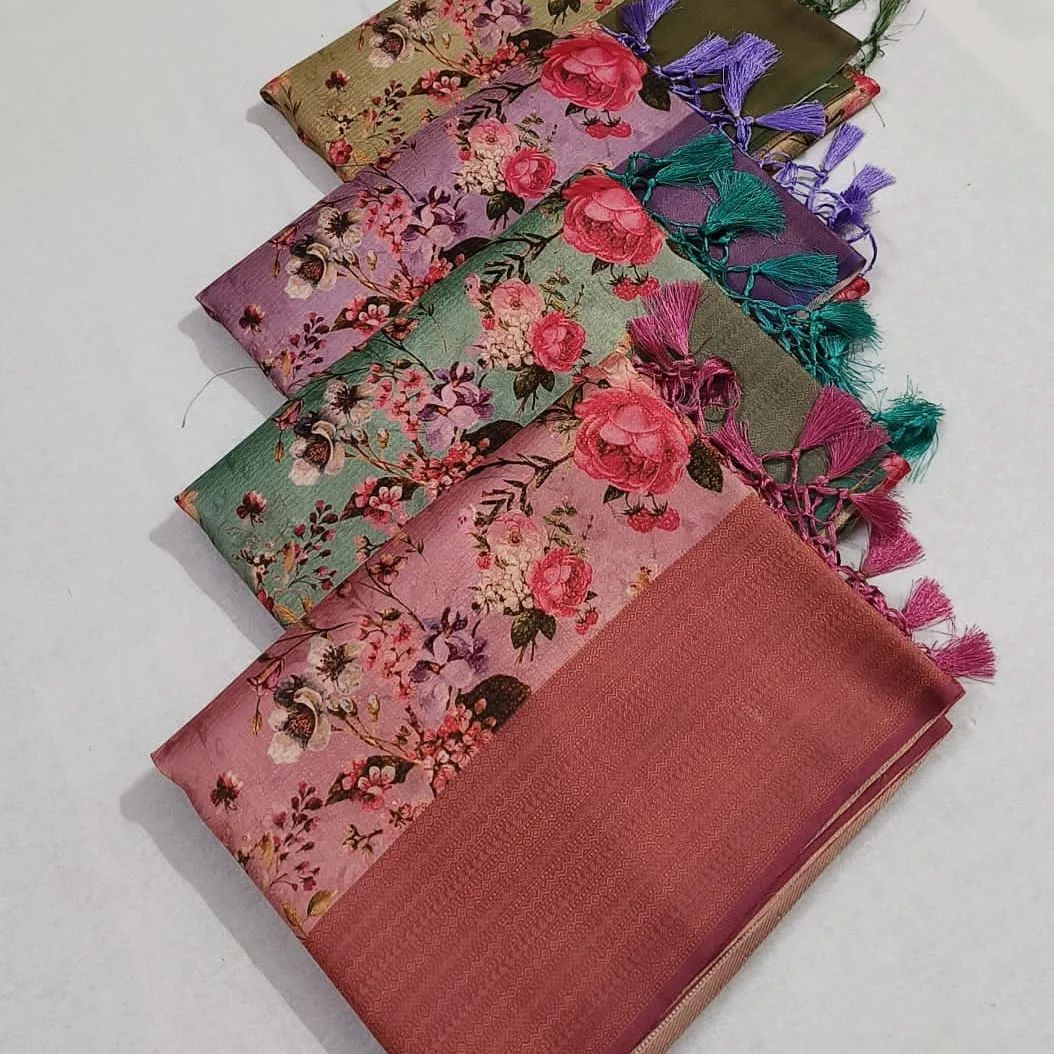
Tussar silk is known for its excellent dye absorption.
Tussar Silk Sarees
- Rich earthy shades.
- Vibrant hand-dyed designs.
- Excellent for artistic prints and hand-painted motifs.
Regular Silk Sarees
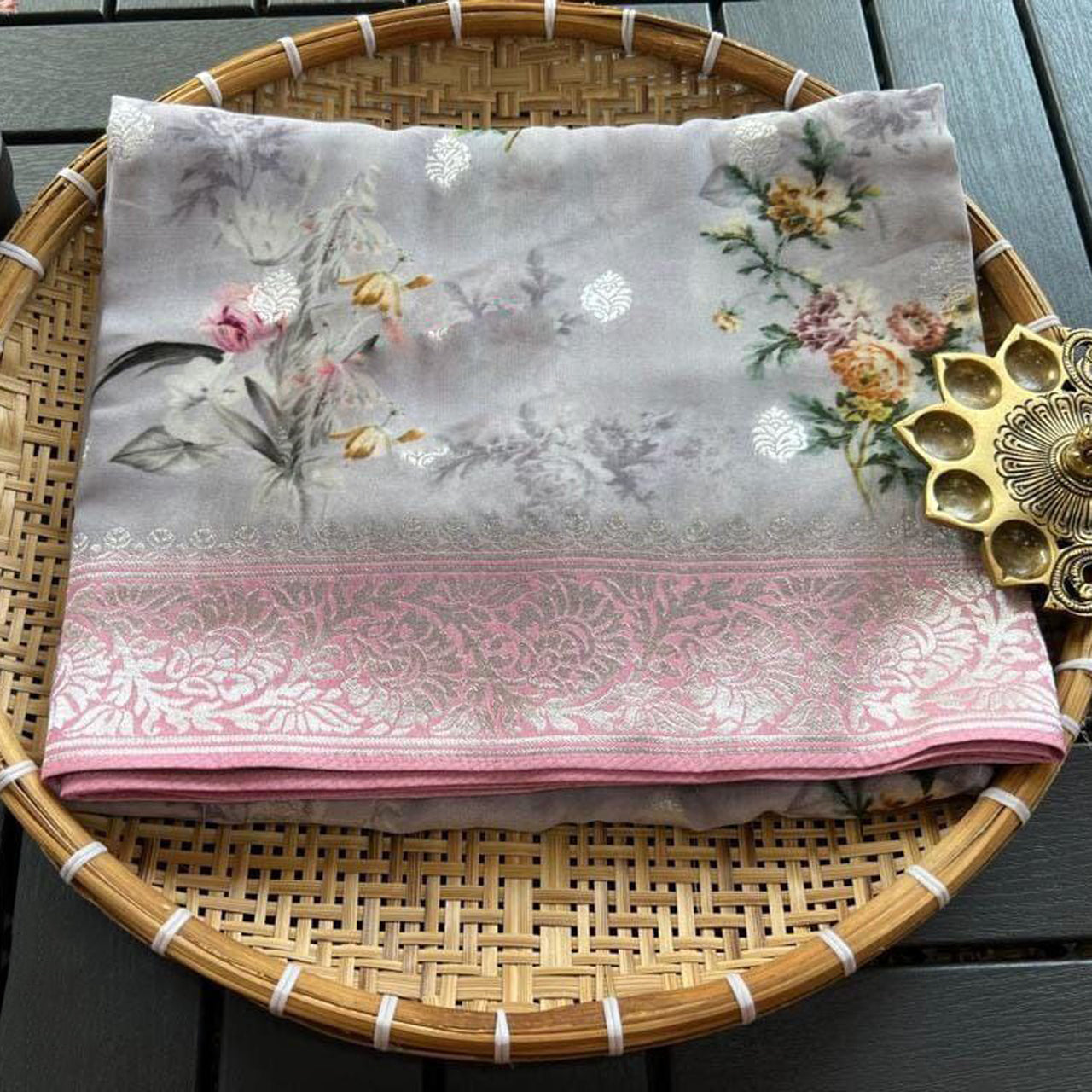
- Bright and vivid colors.
- Uniform finish.
- Ideal for traditional bridal palettes.
This makes Tussar silk a favorite among designers experimenting with contemporary and handcrafted aesthetics.
7. Price Difference
Pricing varies based on craftsmanship, weaving techniques, and purity.
Tussar Silk Sarees
- Generally more affordable than premium mulberry silk.
- Excellent value for handcrafted luxury.
Regular Silk Sarees
- Premium varieties can be expensive.
- Bridal and designer collections command higher prices.
Handwoven Tussar silk sarees often offer a balance between affordability and exclusivity.
8. Styling Versatility
Tussar silk sarees have become increasingly popular among modern women because of their versatility.
Tussar Silk Styling
- Office wear.
- Festive occasions.
- Cultural events.
- Contemporary fashion styling.
Regular Silk Styling
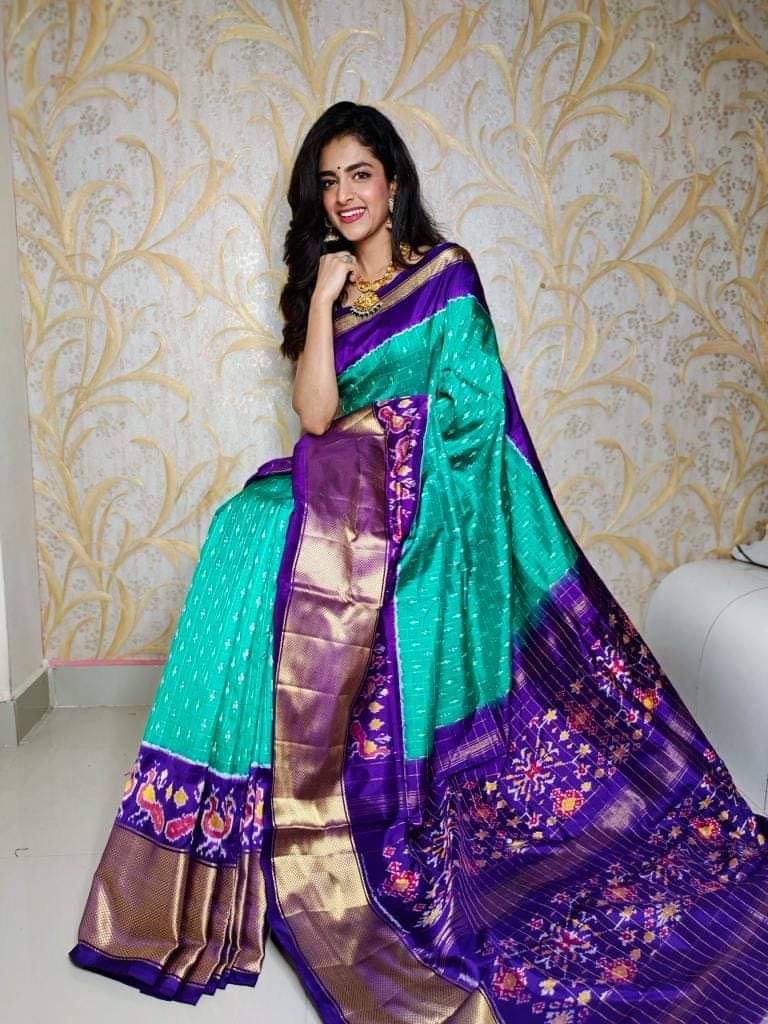
- Weddings.
- Religious ceremonies.
- Grand celebrations.
- Traditional functions.
Tussar silk effortlessly bridges traditional and modern fashion preferences.
Why Fashion Enthusiasts Love Tussar Silk Sarees
Today's consumers are increasingly drawn toward sustainable fashion and authentic craftsmanship. Tussar silk sarees perfectly align with these values because they offer:
- Natural elegance.
- Sustainable production.
- Unique handcrafted appeal.
- Lightweight comfort.
- Timeless aesthetic value.
Many fashion-conscious women appreciate the individuality of Tussar silk, as no two pieces are exactly alike.
How to Identify Genuine Tussar Silk Sarees
When shopping for a Tussar silk saree, look for:
- Natural uneven texture.
- Soft golden sheen.
- Slight irregularities in weaving.
- Lightweight drape.
- Authentic silk certification where available.
Avoid products that appear overly glossy or synthetic, as they may contain artificial blends.
Which One Should You Choose?
The choice depends on your personal style and occasion.
Choose Tussar Silk Sarees if:
- You prefer subtle elegance.
- You value comfort and breathability.
- You love handcrafted textiles.
- You want versatile styling options.
Choose Regular Silk Sarees if:
- You want a luxurious glossy finish.
- You are shopping for weddings.
- You prefer traditional ceremonial attire.
- You enjoy vibrant rich colors.
Frequently Asked Questions
Is Tussar silk pure silk?
Yes, Tussar silk is a natural and pure silk variety produced by wild silkworms.
Is Tussar silk more expensive than regular silk?
Generally, premium mulberry silk can be more expensive, though handcrafted Tussar silk sarees can also command high prices depending on the artistry involved.
Can Tussar silk sarees be worn in summer?
Yes. Tussar silk is breathable and comfortable, making it suitable for warmer climates.
Does Tussar silk last long?
With proper care and storage, Tussar silk sarees can remain beautiful for many years.
Is Tussar silk suitable for weddings?
Absolutely. Designer Tussar silk sarees are increasingly chosen for wedding functions, receptions, and festive celebrations.
Conclusion
Tussar silk sarees stand apart from regular silk sarees because of their natural texture, earthy elegance, breathability, and artisanal charm. While regular silk offers unmatched shine and ceremonial grandeur, Tussar silk delivers a unique blend of sophistication, comfort, and sustainable luxury.
For women seeking timeless fashion with a touch of authenticity, Tussar silk sarees remain one of the most versatile and beautiful choices available today. Whether you're attending a festive gathering, cultural event, or formal celebration, a well-crafted Tussar silk saree can make a lasting impression while showcasing India's rich textile heritage.
- #Designer Sarees
- #Ethnic Wear
- #Handwoven Sarees
- #handwoven Tussar silk sarees
- #Indian Sarees
- #Indian Textile Heritage
- #Pure Silk Sarees
- #pure Tussar silk sarees
- #Saree Shopping Guide
- #Silk Fabric
- #silk saree comparison
- #Silk Sarees
- #Sustainable Fashion
- #traditional Indian sarees
- #Traditional Sarees
- #Tussar Silk
- #Tussar silk fabric
- #Tussar silk saree benefits
- #Tussar Silk Sarees
- #Tussar silk vs regular silk
- #Women's Fashion
Share