





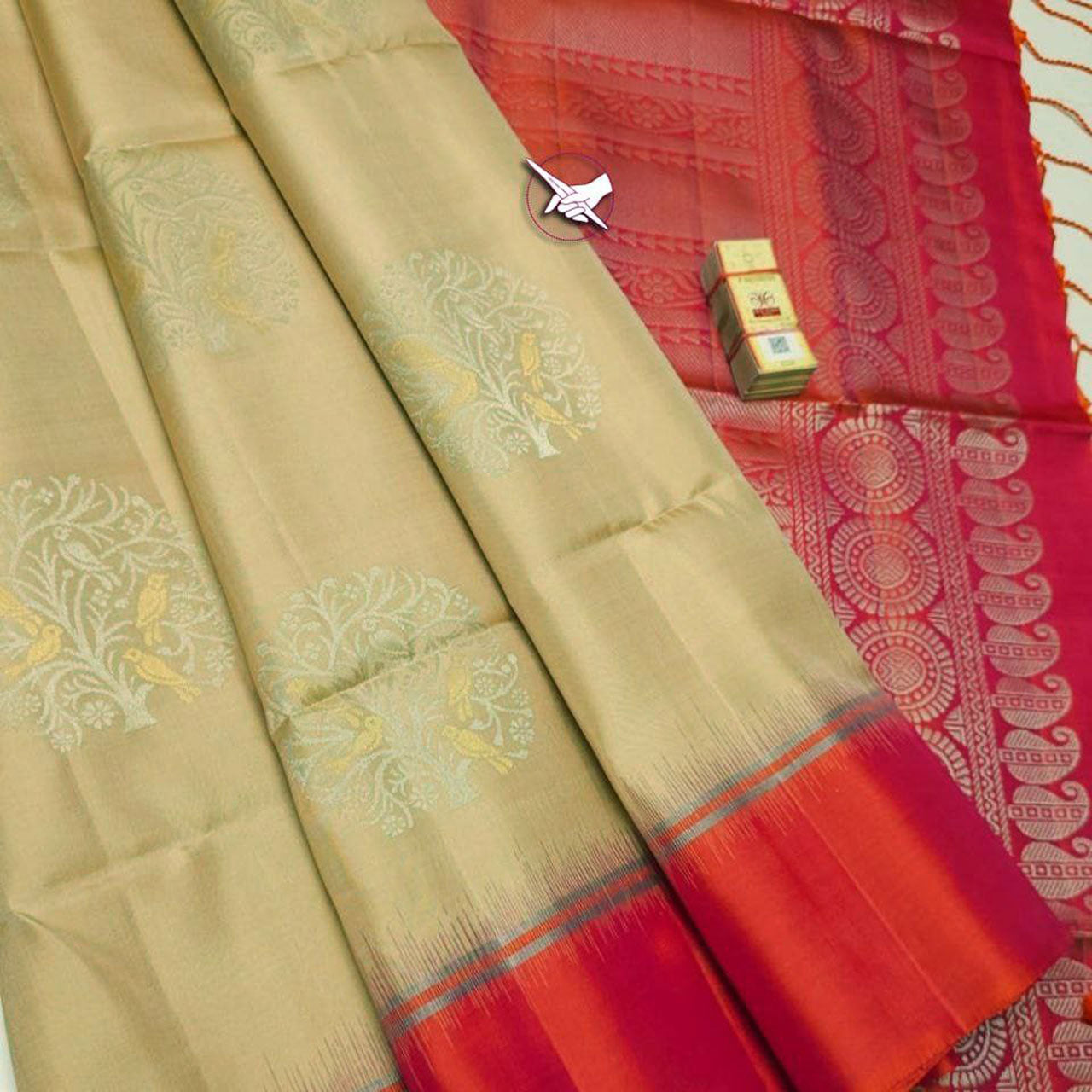


Traditional vs Contemporary Sarees: What's Trending Today in 2026?
The saree has remained one of India's most iconic and beloved garments for centuries. Despite the rapid evolution of fashion, sarees continue to hold a special place in every woman's wardrobe. What makes the saree truly remarkable is its ability to evolve with changing times while preserving its cultural roots.
Today, women have more choices than ever before. From timeless handwoven masterpieces passed down through generations to modern designer drapes inspired by global fashion trends, the saree has transformed into a versatile fashion statement suitable for every age group and occasion.
This evolution has created an interesting debate among fashion enthusiasts: Traditional sarees or contemporary sarees—which style is trending today?
The answer isn't as simple as choosing one over the other. Modern fashion is witnessing a beautiful blend of heritage craftsmanship and contemporary innovation, allowing women to embrace both worlds.
In this article, we'll explore the key differences between traditional and contemporary sarees, examine current trends, and discover which styles are capturing the attention of fashion-conscious women in 2026.
Understanding Traditional Sarees
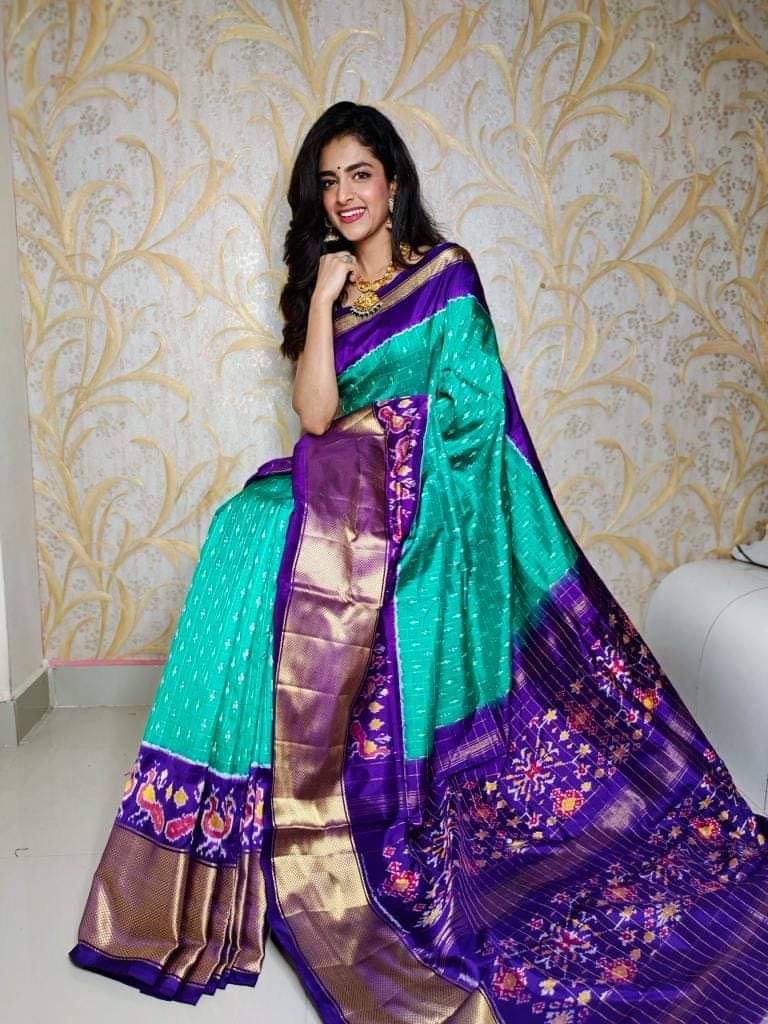
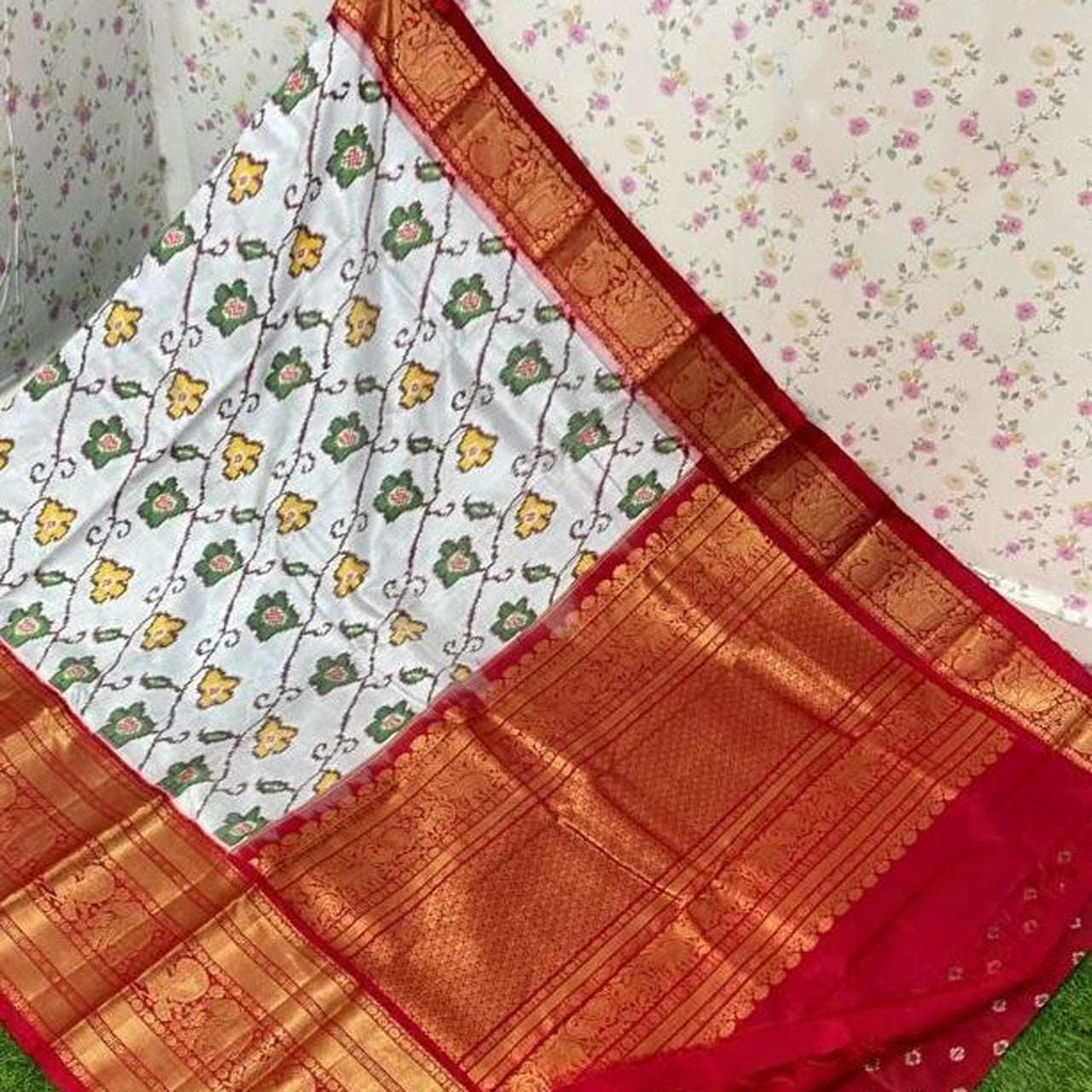
Traditional sarees represent India's rich textile heritage and centuries-old weaving traditions. These sarees often showcase regional craftsmanship, cultural symbolism, and handcrafted artistry.
Characteristics of Traditional Sarees
Traditional sarees are known for:
- Handwoven craftsmanship
- Heritage weaving techniques
- Cultural motifs
- Classic color palettes
- Timeless appeal
- Artisanal detailing
Unlike fast-changing fashion trends, traditional sarees retain their relevance across generations.
Popular Traditional Saree Types
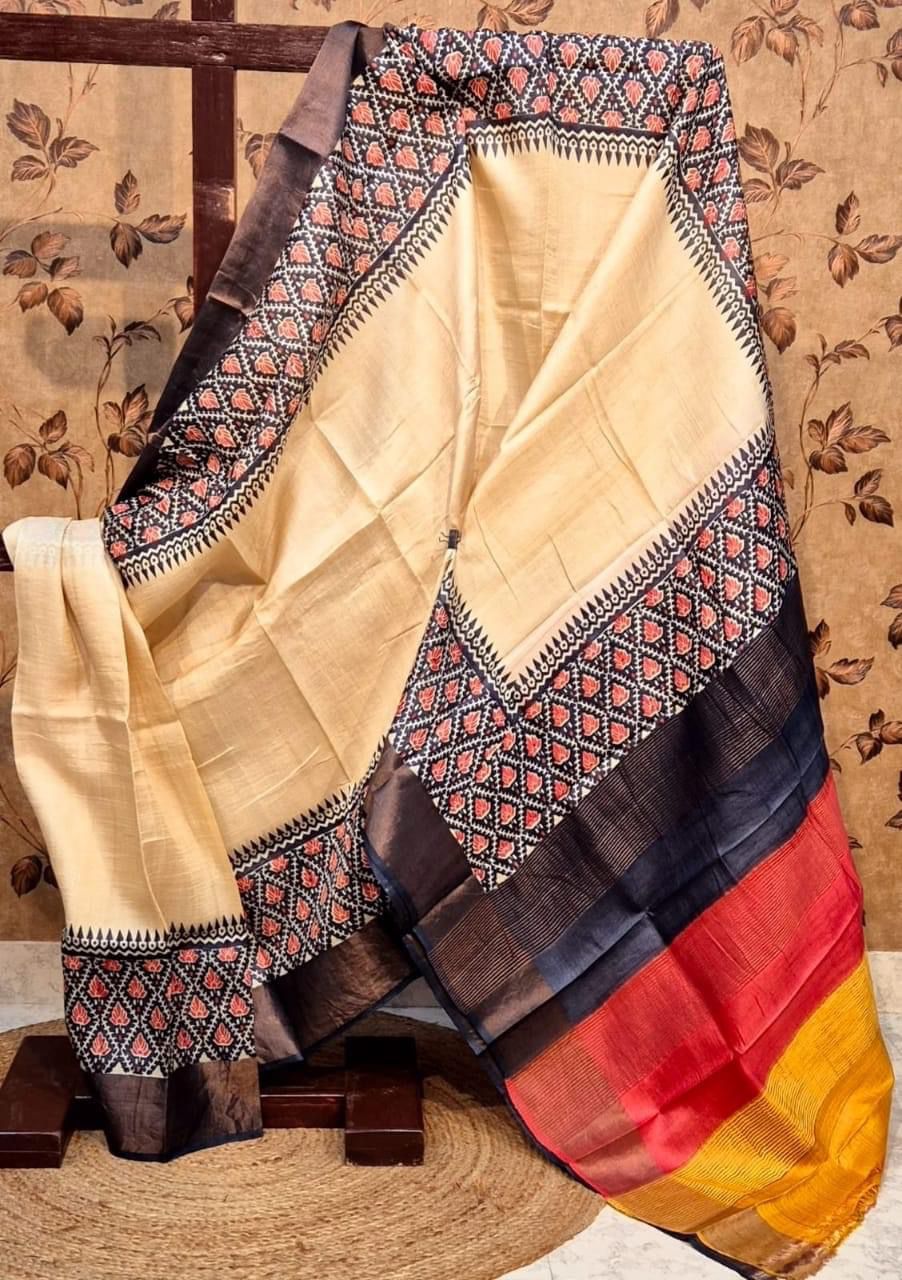
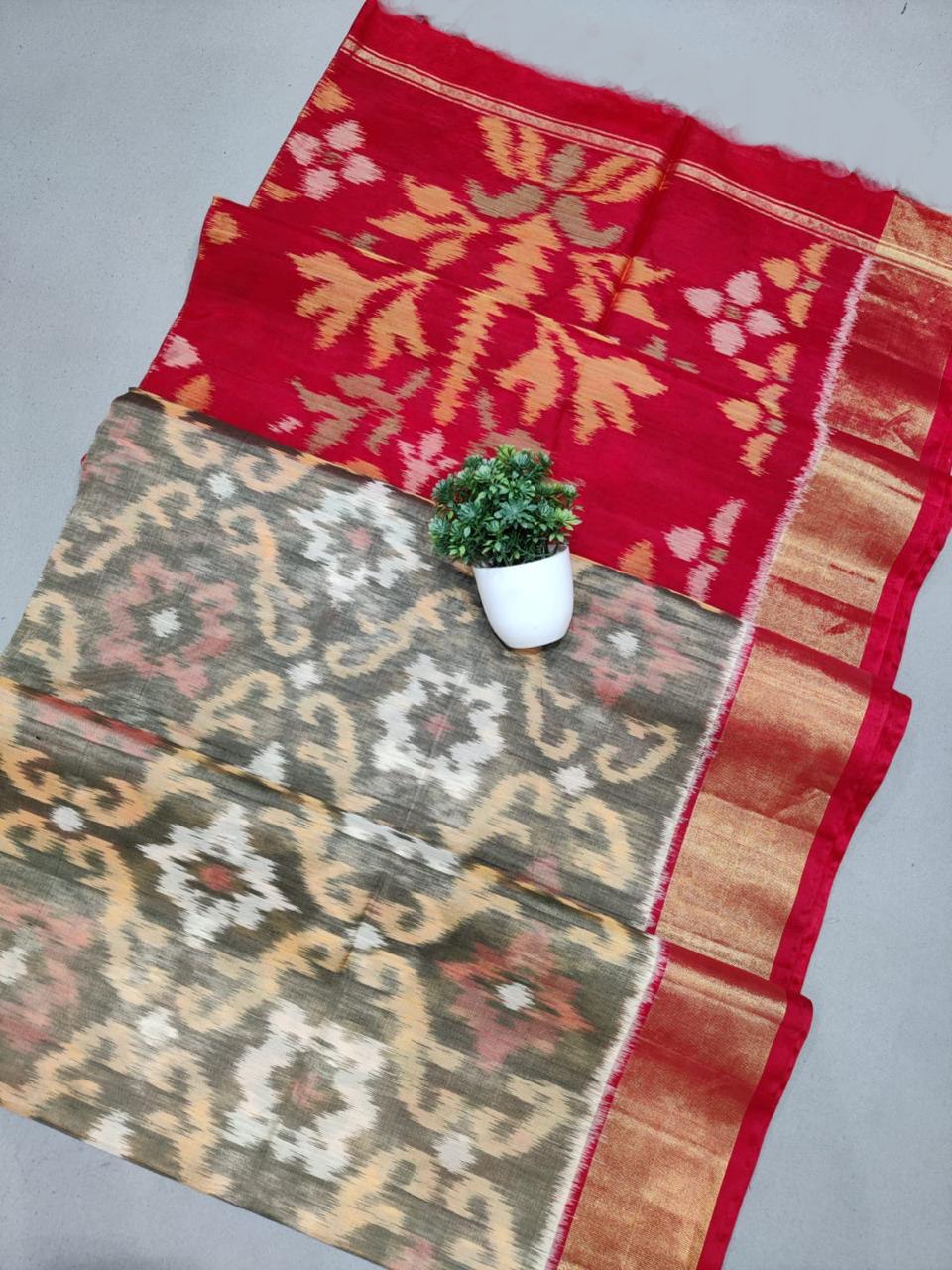
Tussar Silk Sarees
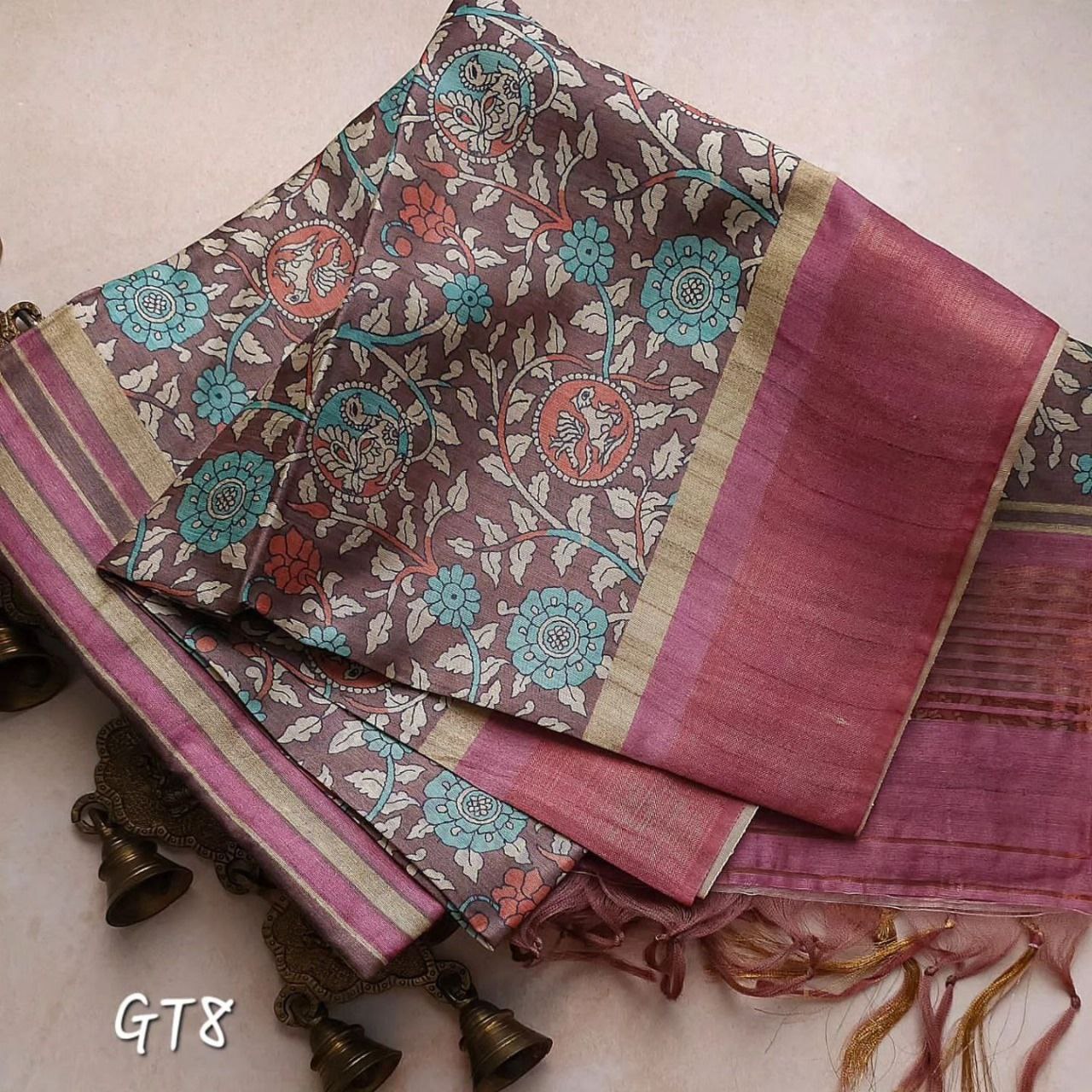
Known for their natural golden sheen, textured weave, and handcrafted elegance, Tussar silk sarees remain among the most sought-after traditional sarees today.
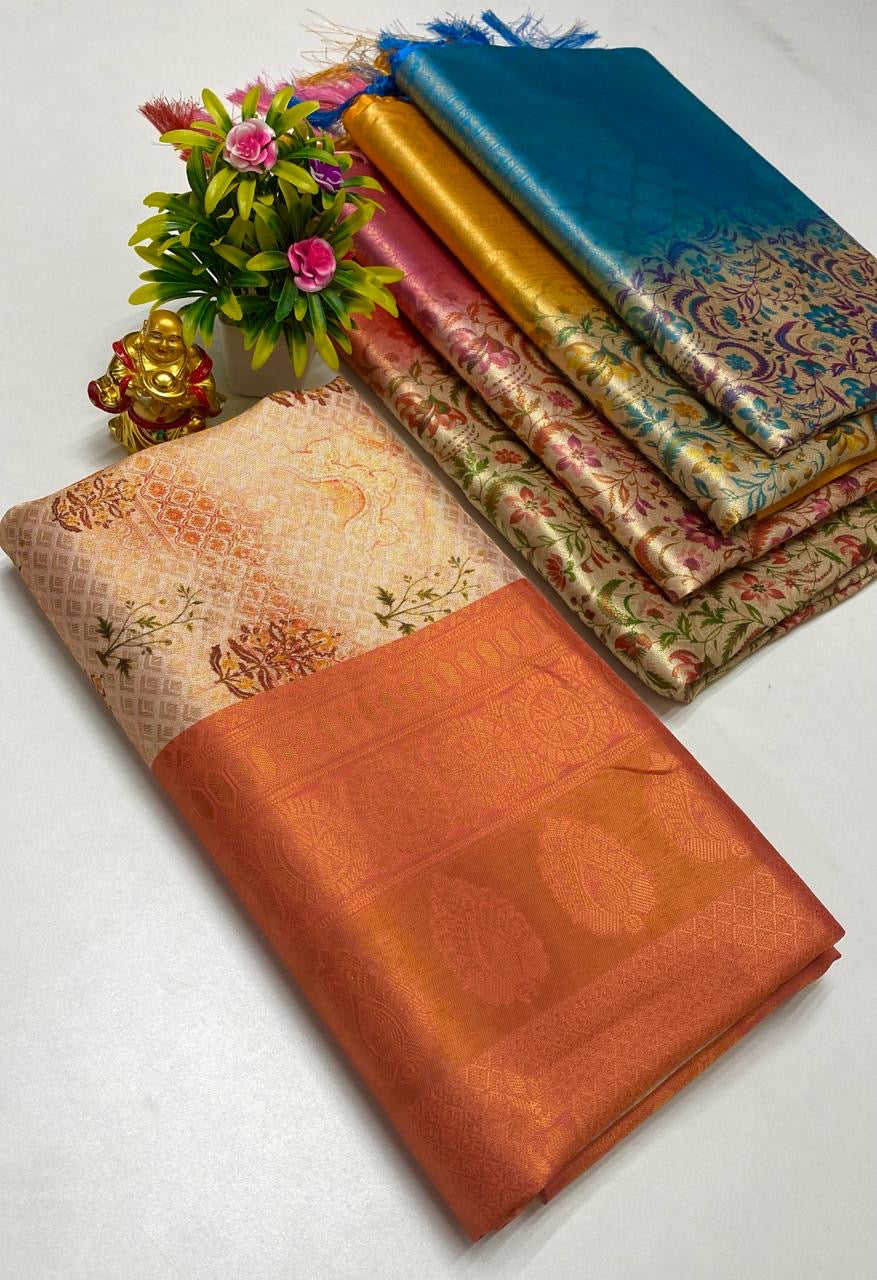
Banarasi Sarees
Famous for intricate zari work and luxurious designs, Banarasi sarees continue to be wedding favorites.
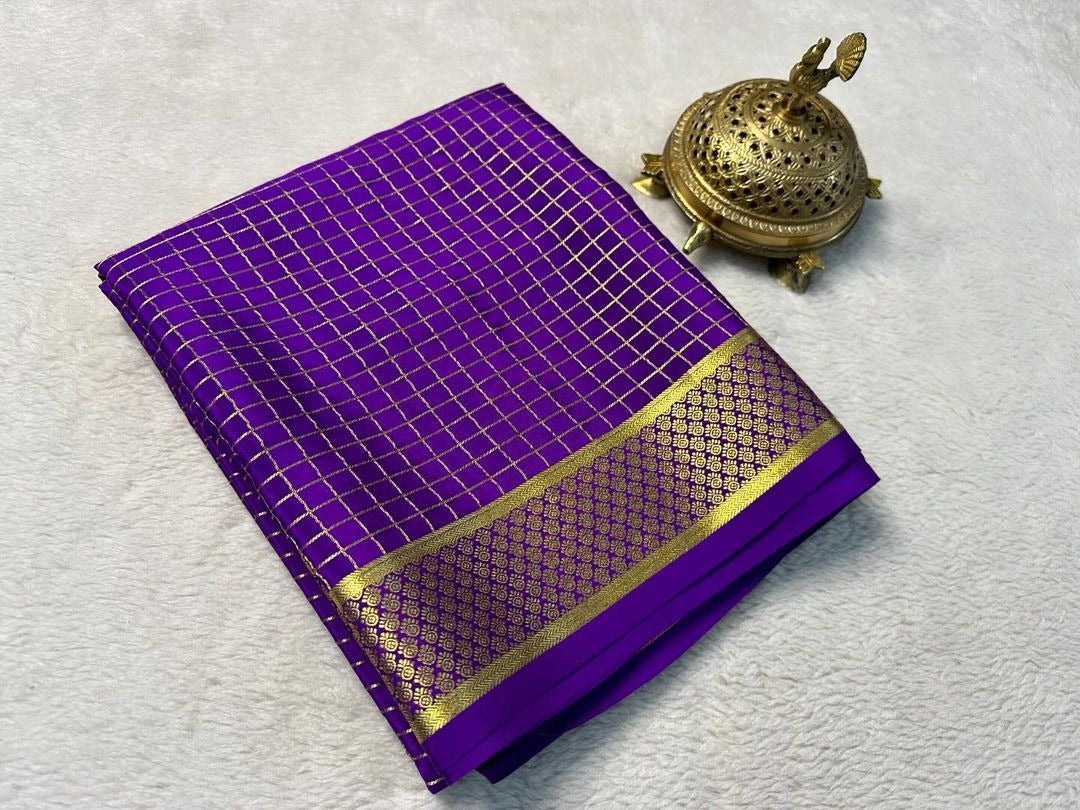
Kanjeevaram Sarees
Celebrated for their rich silk and temple-inspired motifs, these sarees symbolize South Indian craftsmanship.
Chanderi Sarees
Lightweight and graceful, Chanderi sarees offer understated elegance.
Paithani Sarees
Known for vibrant colors and peacock motifs, Paithani sarees remain timeless heirloom pieces.
What Are Contemporary Sarees?
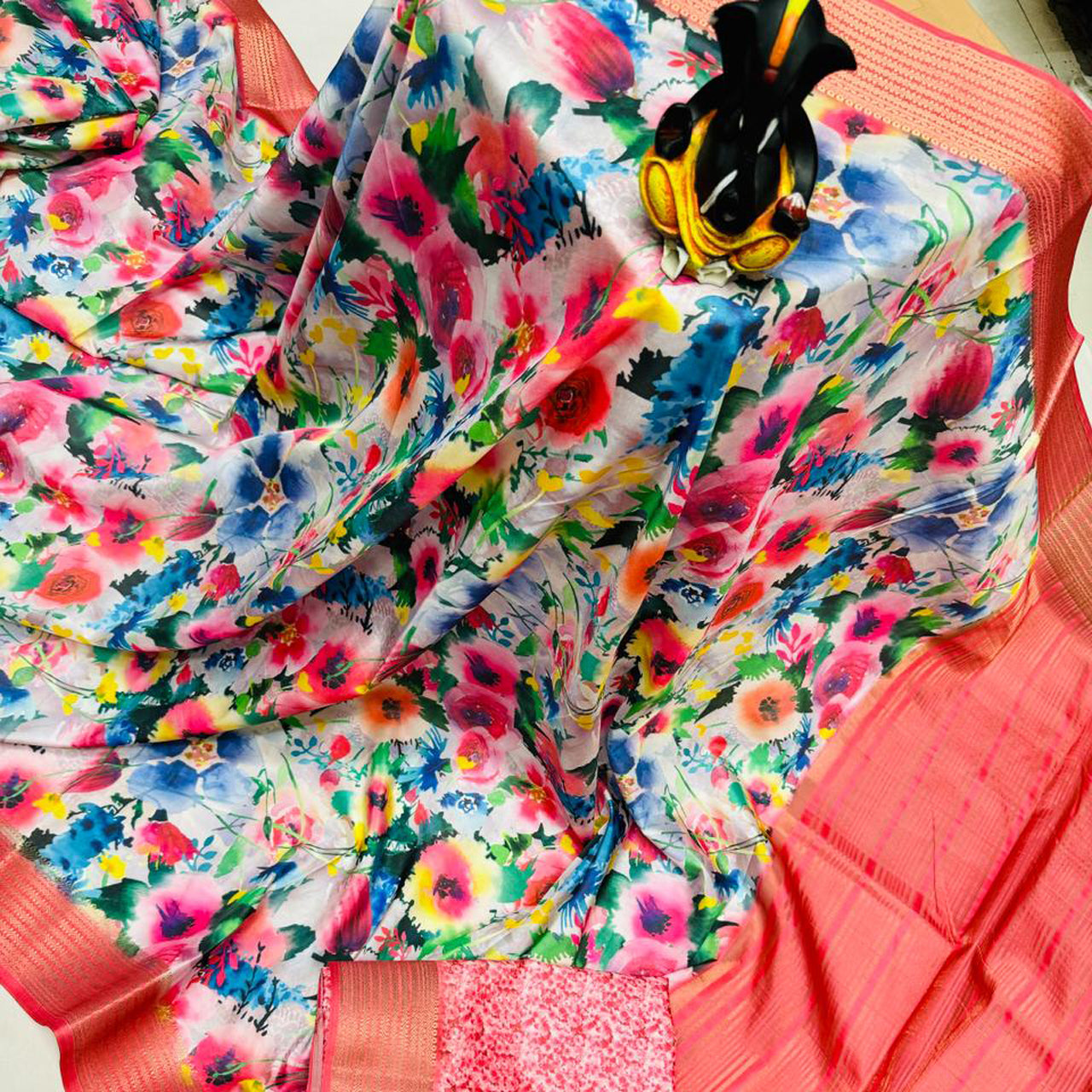
Contemporary sarees incorporate modern aesthetics, innovative fabrics, and experimental styling elements.
While traditional sarees focus on heritage and craftsmanship, contemporary sarees emphasize versatility, individuality, and fashion-forward design.
Features of Contemporary Sarees
Modern sarees often include:
- Minimalist patterns
- Fusion styling
- Unconventional drapes
- Modern color palettes
- Designer blouses
- Lightweight fabrics
These sarees appeal particularly to younger consumers seeking fresh interpretations of ethnic fashion.
Traditional Sarees: Why They Remain Popular
Despite changing fashion trends, traditional sarees continue to dominate several categories.
Cultural Significance
Traditional sarees are deeply connected to Indian festivals, weddings, and rituals.
Many women prefer heritage weaves for:
- Weddings
- Religious ceremonies
- Family celebrations
- Cultural events
Timeless Elegance
Fashion trends may change every season, but traditional sarees rarely lose their charm.
A beautifully crafted Tussar silk or Banarasi saree remains stylish regardless of current fashion cycles.
Investment Value
Traditional handloom sarees often appreciate in emotional and artistic value over time.
Many become treasured family heirlooms passed down through generations.
Contemporary Sarees: Why They're Trending
Modern lifestyles have significantly influenced saree preferences.
Contemporary sarees offer solutions that align with today's fashion needs.
Easy Styling
Modern sarees are often designed for convenience and versatility.
Women appreciate:
- Lightweight fabrics
- Minimal maintenance
- Easy draping
- Comfortable wear
Fashion Experimentation
Contemporary designs encourage creativity through:
- Belted sarees
- Pre-stitched sarees
- Cape drapes
- Jacket-style blouses
- Ruffle details
These innovations attract younger fashion enthusiasts.
Social Media Influence
Platforms such as Instagram and Pinterest have accelerated the popularity of modern saree styling.
Fashion influencers frequently showcase contemporary saree looks that blend traditional garments with modern accessories.
What's Trending in Sarees Today?
Interestingly, the strongest trend today is not purely traditional or entirely contemporary.
Instead, consumers are embracing a fusion of both styles.
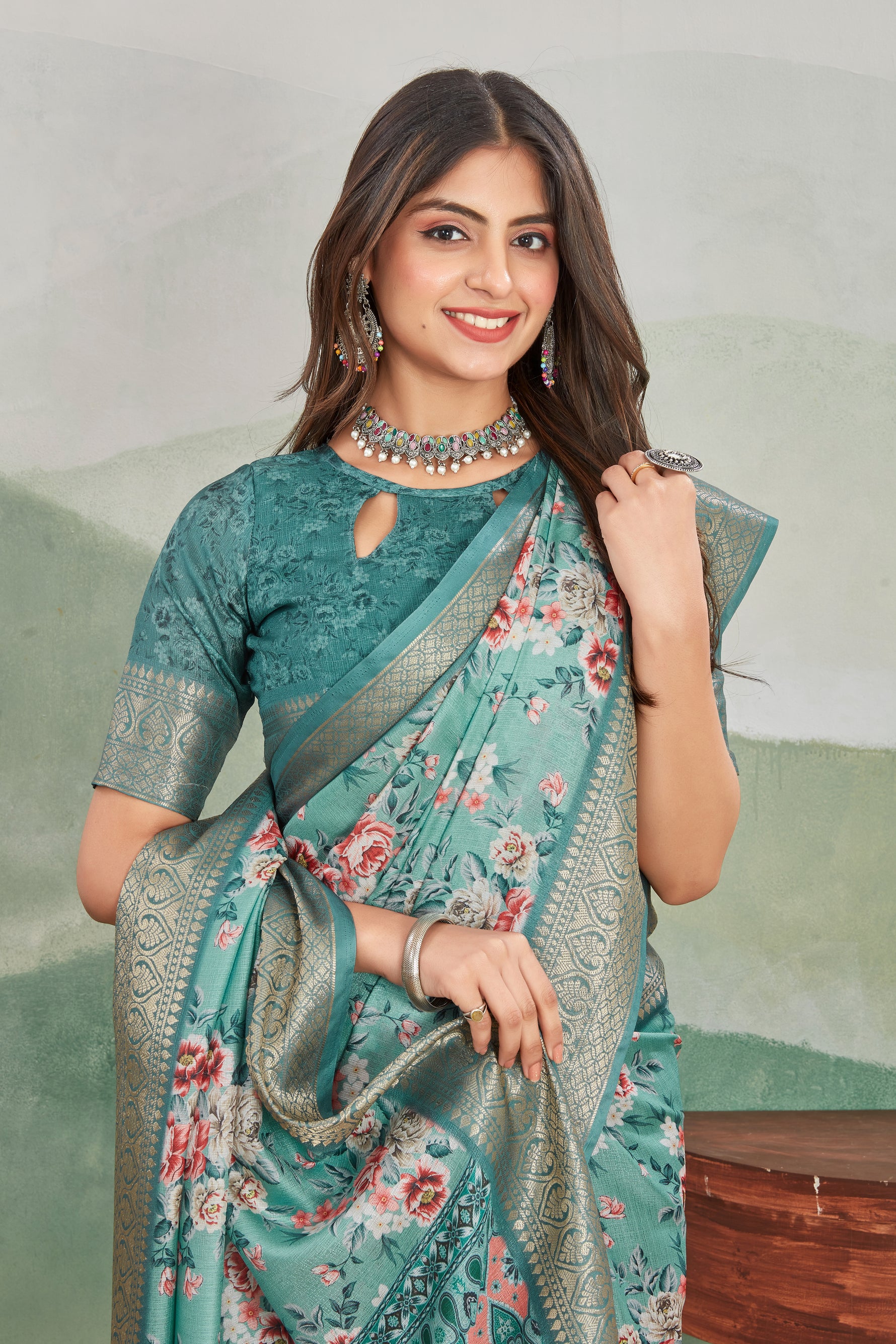
Trend 1: Handloom Sarees with Modern Blouses
Women increasingly pair traditional sarees with:
- Boat neck blouses
- Collar neck blouses
- Cape sleeves
- Statement backs
This combination creates a fresh and sophisticated look.
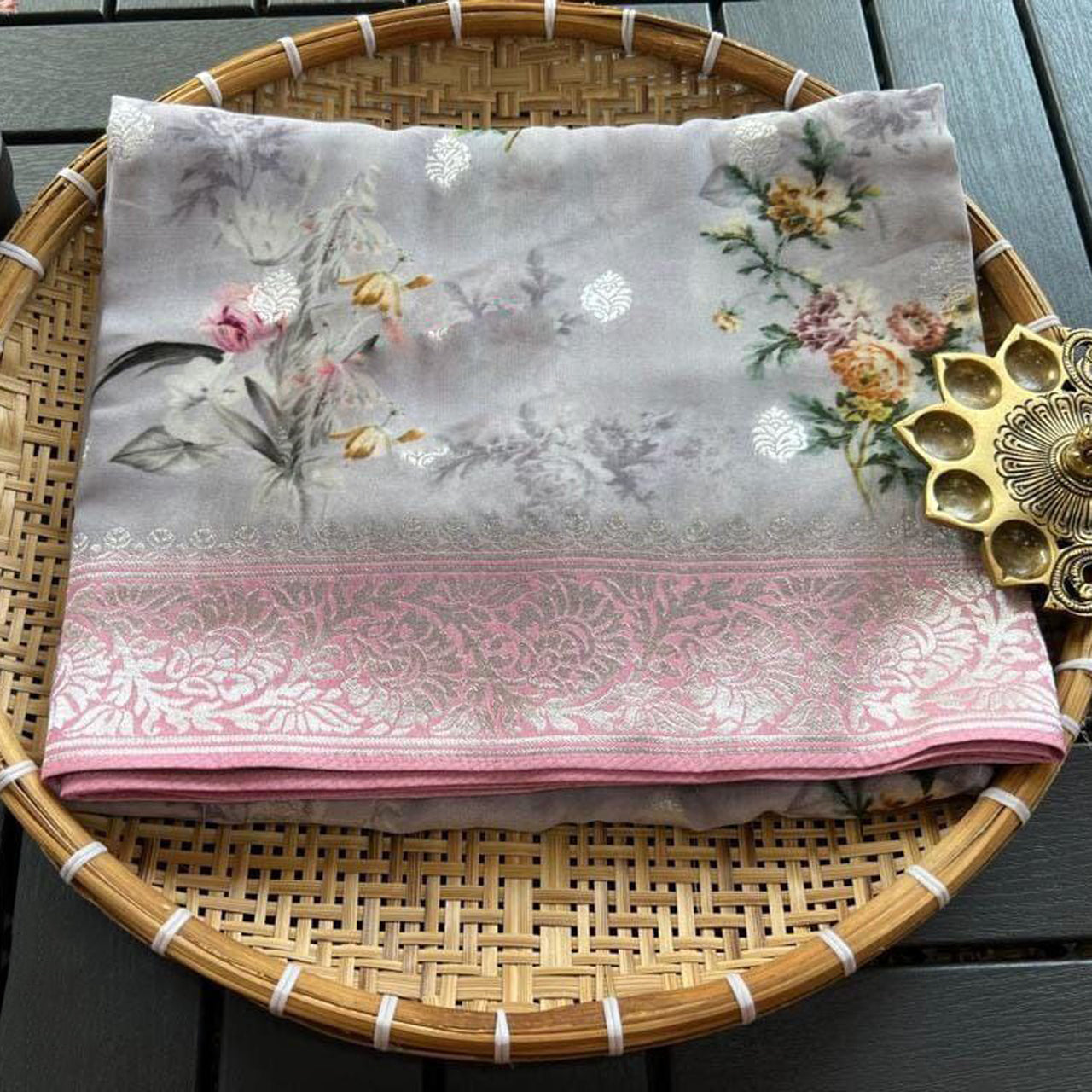
Trend 2: Handpainted Tussar Silk Sarees
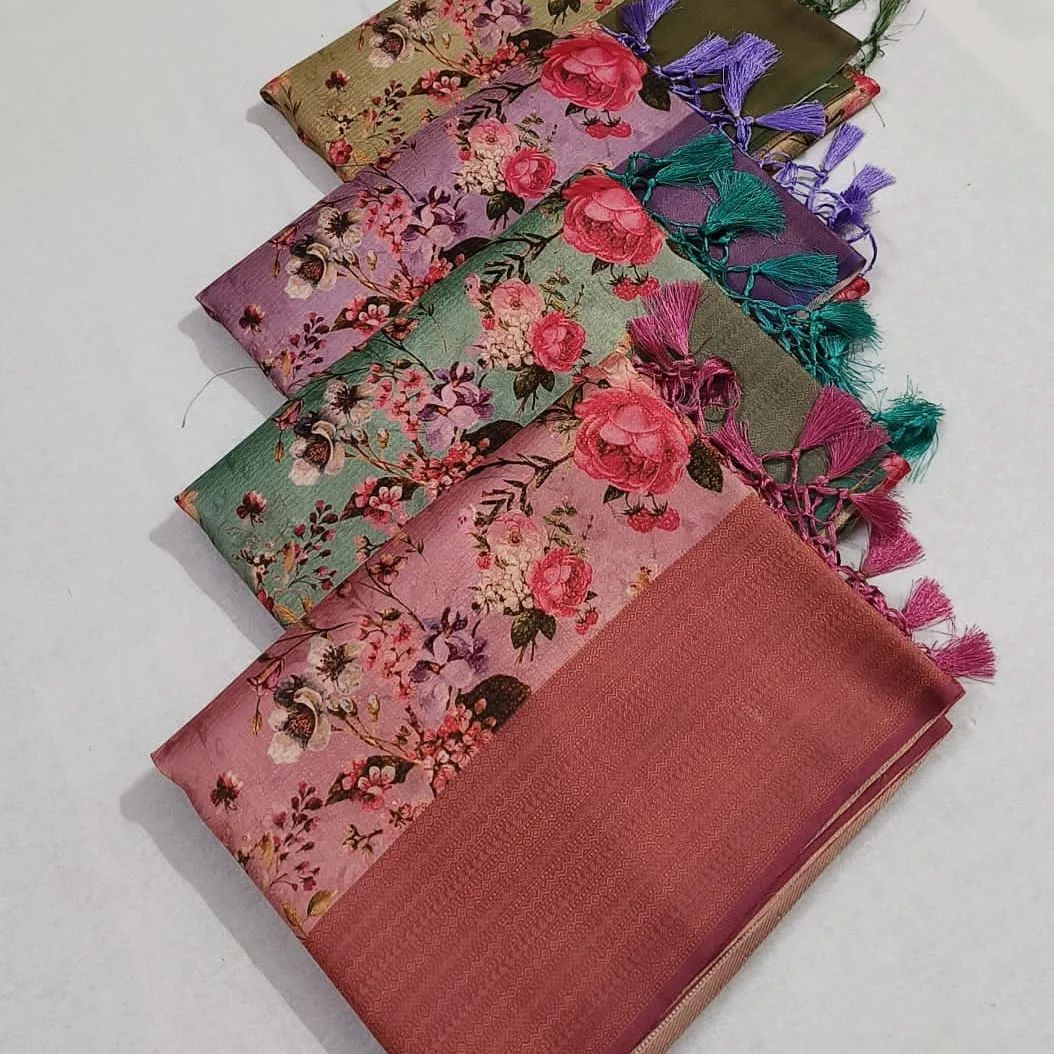
Handpainted sarees have emerged as one of the biggest trends in ethnic fashion.
Why they're popular:
- Artistic appeal
- Unique designs
- Sustainable craftsmanship
- Elegant versatility
These sarees blend heritage weaving with contemporary aesthetics beautifully.
Trend 3: Minimalist Luxury
Today's consumers often prefer subtle elegance over excessive embellishment.
Popular choices include:
- Natural Tussar silk
- Soft handloom fabrics
- Neutral color palettes
- Artistic detailing
The focus has shifted from heavy decoration to refined craftsmanship.
Trend 4: Sustainable Fashion
Consumers are increasingly seeking environmentally conscious fashion choices.
Handwoven sarees support:
- Artisan communities
- Traditional craftsmanship
- Sustainable production practices
This trend has significantly boosted interest in Tussar silk and other handloom textiles.
Trend 5: Statement Blouses
Many women now use blouses to introduce contemporary elements into traditional sarees.
Popular blouse trends include:
- Puff sleeves
- High necks
- Sheer sleeves
- Corset-inspired designs
- Structured tailoring
Traditional Sarees vs Contemporary Sarees: A Comparison
| Feature | Traditional Sarees | Contemporary Sarees |
|---|---|---|
| Design Philosophy | Heritage-focused | Fashion-focused |
| Weaving Style | Handcrafted | Machine-made or designer-produced |
| Cultural Value | High | Moderate |
| Versatility | Traditional occasions | Multiple settings |
| Styling | Classic | Experimental |
| Trend Longevity | Timeless | Seasonal |
| Sustainability | Often higher | Depends on production method |
The choice ultimately depends on personal style and occasion.
Why Tussar Silk Sarees Fit Both Categories
One reason Tussar silk sarees are becoming increasingly popular is their ability to bridge the gap between traditional and contemporary fashion.
Traditional Appeal
- Heritage craftsmanship
- Handloom weaving
- Cultural significance
Contemporary Appeal
- Lightweight comfort
- Modern color palettes
- Handpainted designs
- Versatile styling options
A handpainted Tussar silk saree can look equally appropriate at a cultural event, corporate function, wedding, or modern social gathering.
Which Saree Style Should You Choose?
Choose Traditional Sarees If You:
- Love heritage craftsmanship
- Attend cultural events frequently
- Prefer timeless fashion
- Appreciate handwoven textiles
Choose Contemporary Sarees If You:
- Enjoy fashion experimentation
- Prefer modern silhouettes
- Want lightweight convenience
- Like fusion styling
Choose Both If You:
- Want maximum wardrobe versatility
- Enjoy blending tradition and modernity
- Appreciate evolving fashion trends
Many modern women successfully combine elements of both styles.
Future Saree Trends
Industry experts predict continued growth in:
- Handloom fashion
- Sustainable textiles
- Handpainted sarees
- Artisan-made products
- Contemporary blouse designs
- Minimalist luxury
The future of saree fashion appears to favor authenticity, craftsmanship, and versatility rather than excessive embellishment.
Frequently Asked Questions
Are traditional sarees still in fashion?
Yes. Traditional sarees remain highly relevant and continue to dominate weddings, festivals, and cultural celebrations.
What is a contemporary saree?
A contemporary saree incorporates modern design elements, innovative styling, and fashion-forward aesthetics.
Are handpainted sarees trending?
Yes. Handpainted sarees are among the fastest-growing trends due to their artistic appeal and uniqueness.
Why are Tussar silk sarees so popular today?
They combine heritage craftsmanship, sustainability, comfort, and modern versatility.
Can traditional sarees be styled in a contemporary way?
Absolutely. Modern blouses, accessories, and draping techniques can instantly update a traditional saree.
Conclusion
The debate between traditional and contemporary sarees is no longer about choosing one over the other. Today's fashion landscape celebrates both heritage and innovation, allowing women to enjoy the best of both worlds.
While traditional sarees continue to symbolize timeless elegance, cultural pride, and exceptional craftsmanship, contemporary sarees offer flexibility, individuality, and modern appeal. The strongest trend emerging today is the fusion of these styles—where handloom weaves, artistic craftsmanship, and traditional fabrics are paired with contemporary blouses, minimalist styling, and fresh design perspectives.
Among all the options available, Tussar silk sarees perfectly represent this evolution. Their heritage roots, natural beauty, and adaptability make them one of the most relevant and fashionable choices for modern women. Whether you prefer classic elegance or contemporary sophistication, the saree remains a timeless expression of style that continues to evolve with every generation.
- #contemporary sarees
- #Designer Sarees
- #Ethnic Fashion
- #Handloom Sarees
- #Handpainted Sarees
- #Indian Fashion
- #Latest saree trends
- #modern saree styles
- #saree fashion trends 2026
- #Saree Styling Tips
- #Saree Trends
- #Saree Trends 2026
- #Silk Sarees
- #Sustainable Fashion
- #Traditional Sarees
- #Traditional vs Contemporary Sarees
- #trending saree designs
- #Tussar Silk Sarees
- #Women's Fashion
Share