





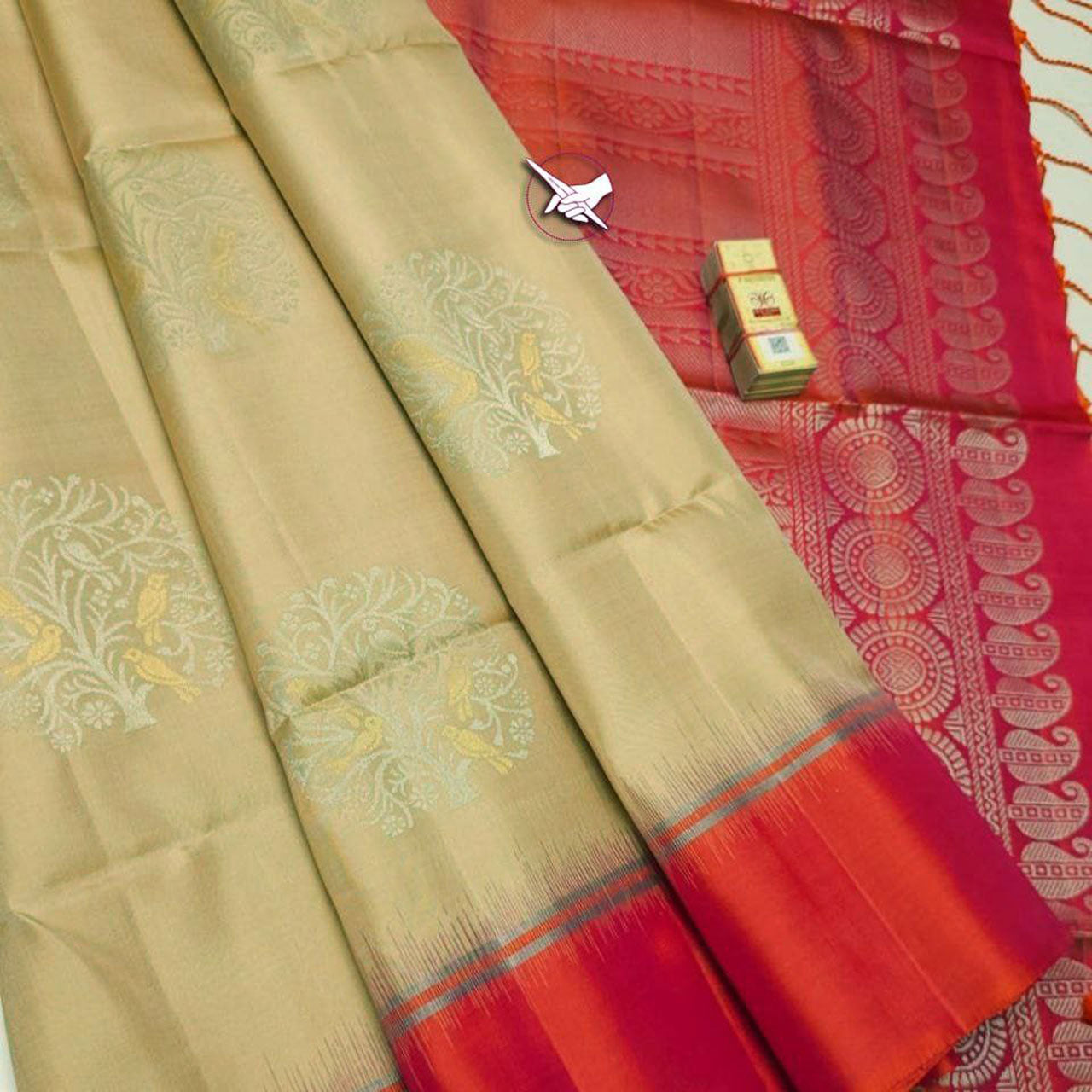


Traditional Indian Prints That Inspire Modern Saree Designs
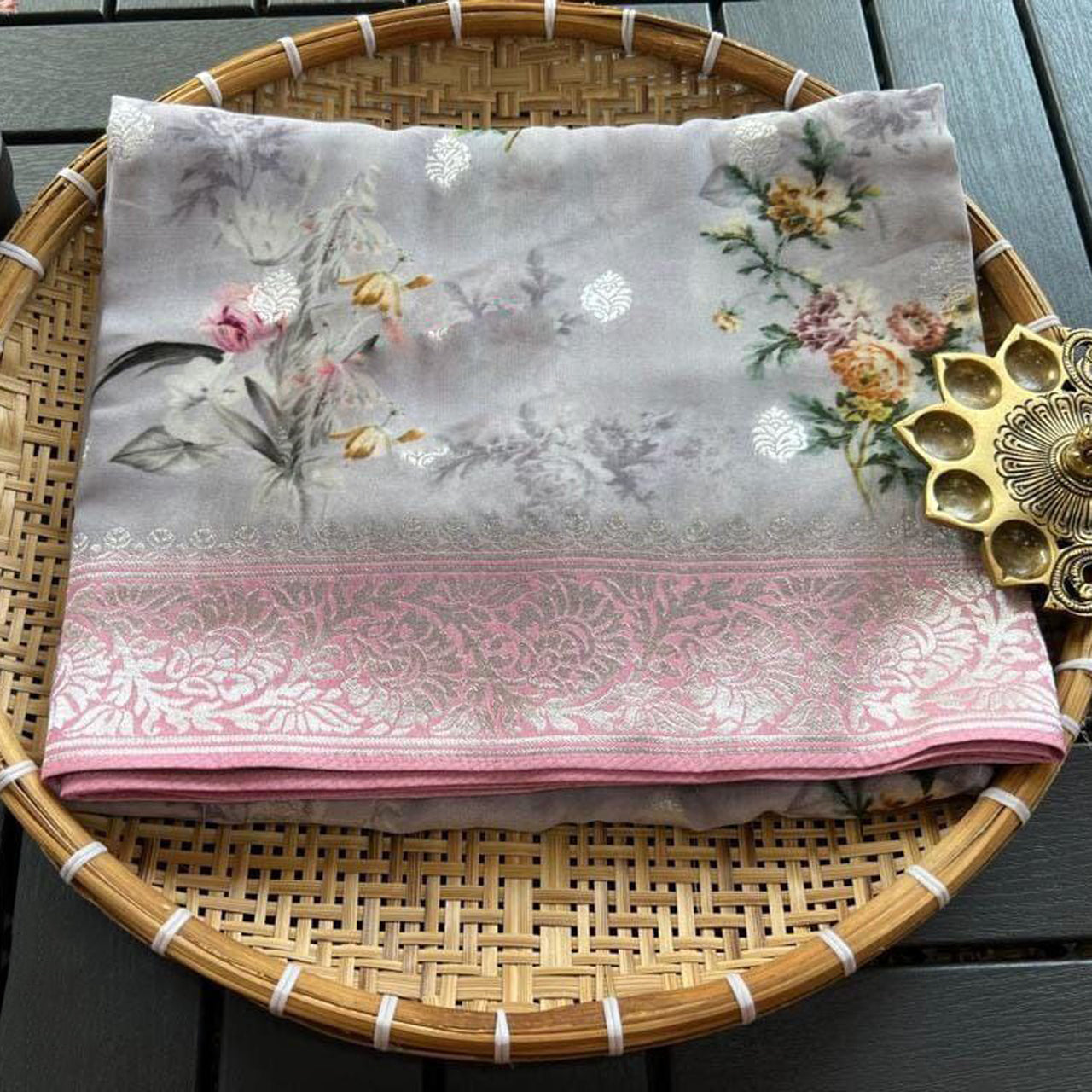
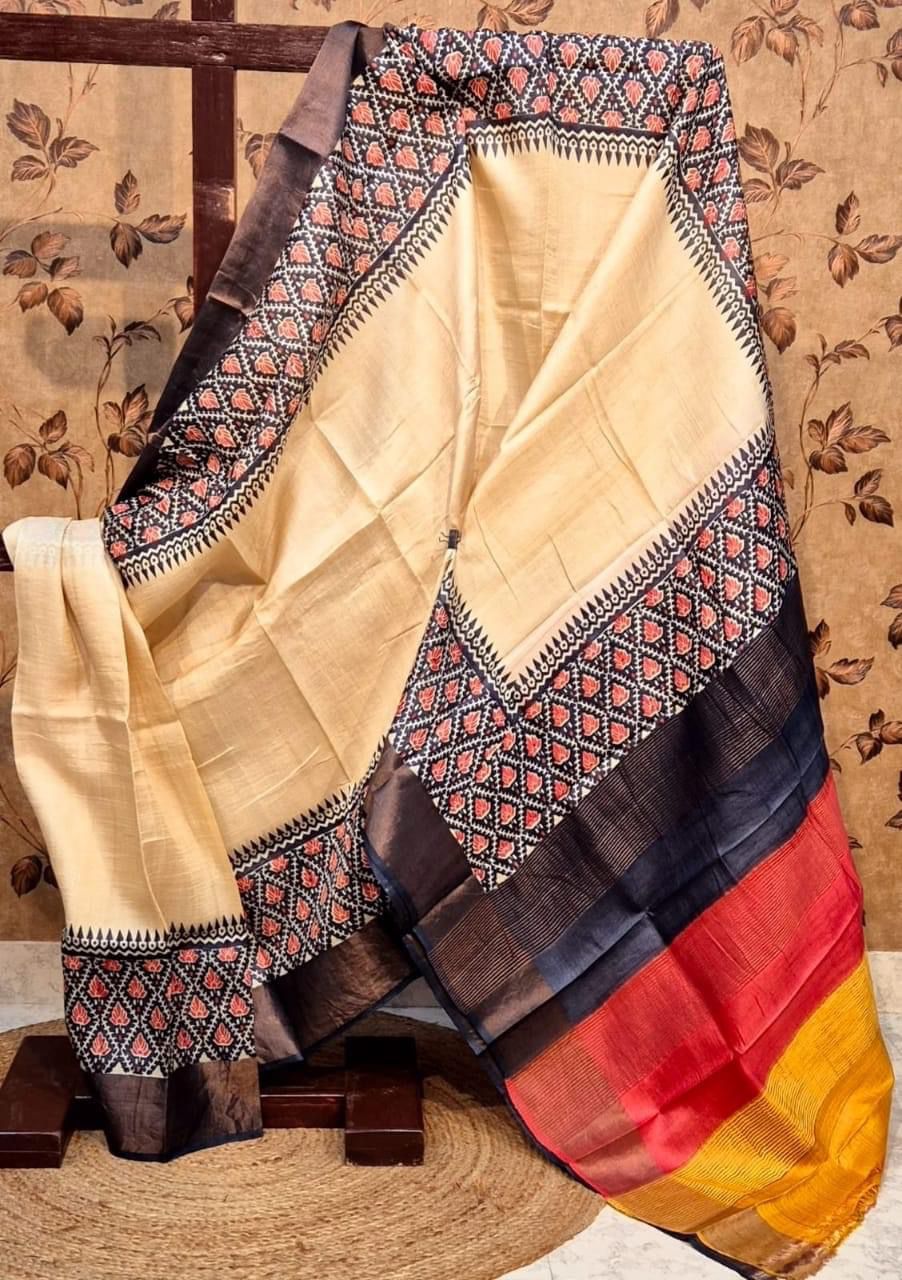
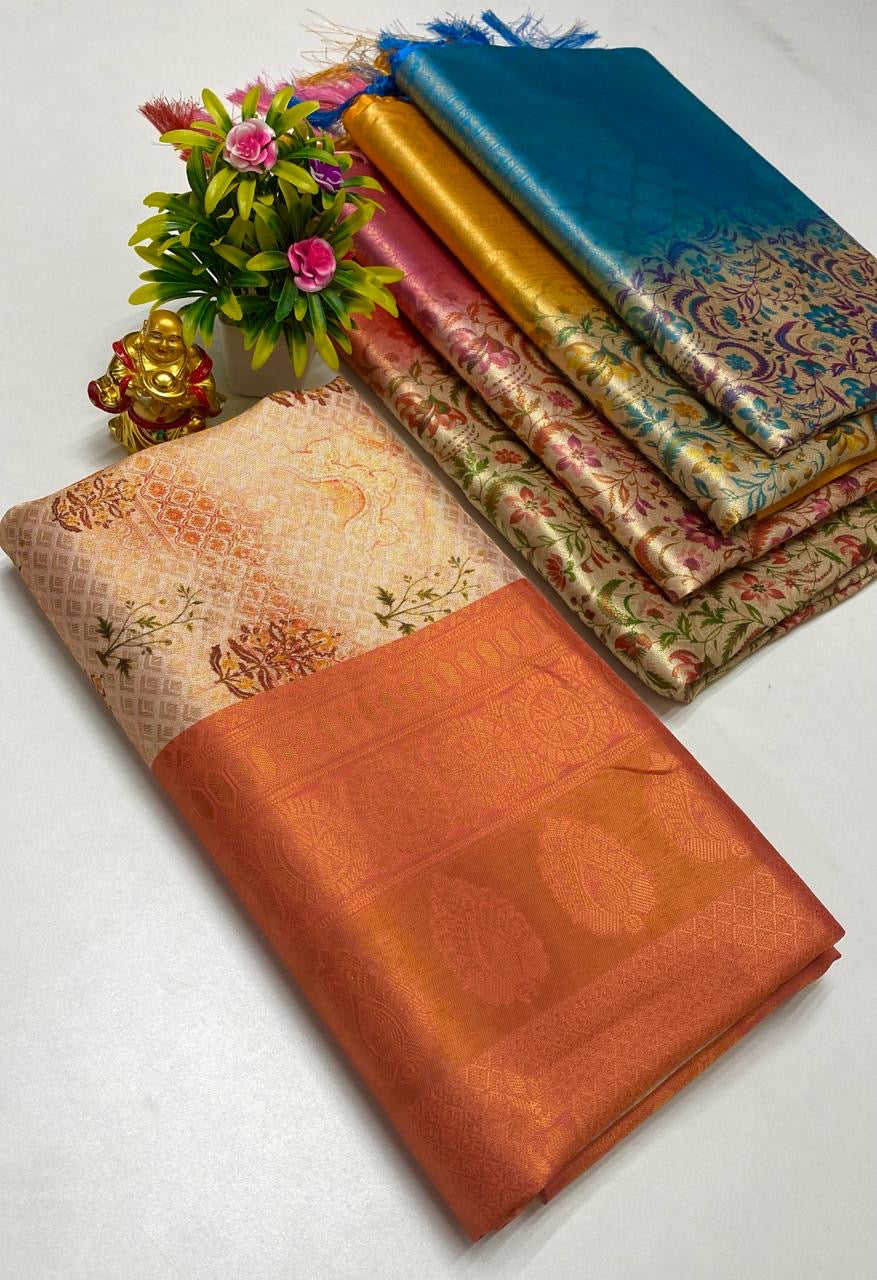
India's textile heritage is one of the richest and most diverse in the world. For centuries, artisans across different regions have created extraordinary fabrics using unique printing, dyeing, and weaving techniques. These traditional Indian prints tell stories of culture, craftsmanship, spirituality, and artistic excellence. Even in today's era of digital printing and modern fashion, these age-old designs continue to inspire contemporary saree collections.
From the intricate hand-drawn beauty of Kalamkari to the geometric brilliance of Ajrakh and the vibrant charm of Bandhani, traditional Indian prints remain timeless sources of inspiration for designers and saree lovers alike. Modern printed sarees often reinterpret these classic patterns, blending heritage with contemporary aesthetics to create garments that appeal to women across generations.
In this guide, we'll explore some of the most influential traditional Indian prints and understand why they continue to shape saree design today.
Why Traditional Indian Prints Remain Relevant
Fashion trends may change, but traditional Indian prints continue to thrive because they offer:
- Rich cultural heritage
- Timeless artistic beauty
- Unique craftsmanship
- Historical significance
- Versatile styling possibilities
These prints represent more than decoration—they reflect centuries of artistic evolution and regional identity.
Kalamkari: The Art of Storytelling Through Fabric
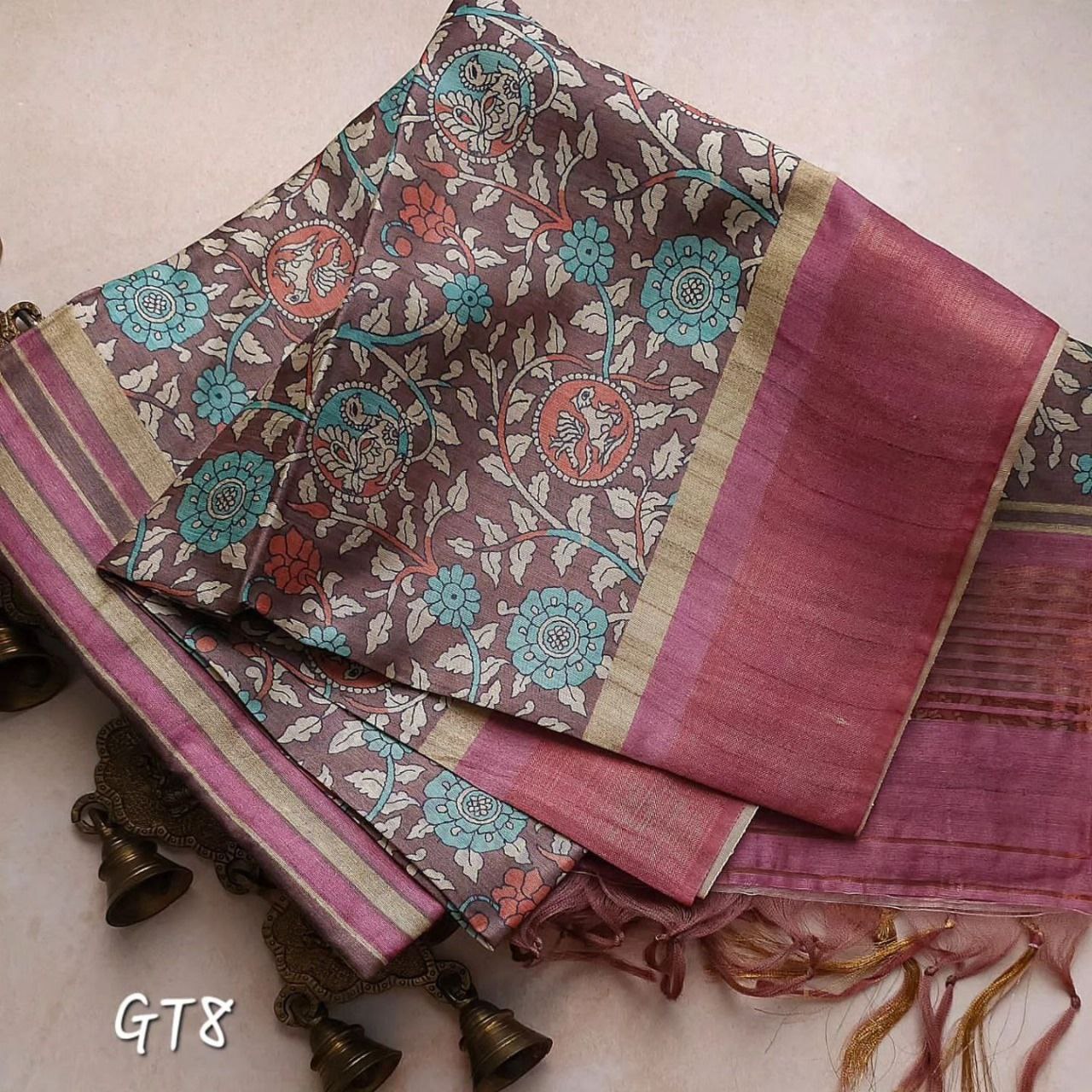
Kalamkari is one of India's most celebrated textile traditions.
The word "Kalamkari" comes from two Persian words:
- Kalam = Pen
- Kari = Craftsmanship
Traditionally, artisans used hand-carved bamboo pens to create detailed artwork on fabric.
Characteristics of Kalamkari Prints
Common themes include:
- Mythological stories
- Nature-inspired motifs
- Floral vines
- Religious imagery
- Traditional narratives
Why It Inspires Modern Sarees
Designers continue to draw inspiration from Kalamkari because of its:
- Intricate detailing
- Artistic depth
- Cultural richness
Modern printed sarees often incorporate Kalamkari-inspired motifs using contemporary color palettes and digital printing techniques.
Ajrakh: Geometric Perfection and Natural Dyes
Originating primarily in Gujarat and Rajasthan, Ajrakh is renowned for its complex geometric patterns and natural dyeing process.
Key Features of Ajrakh Prints
Ajrakh designs often include:
- Symmetrical patterns
- Geometric motifs
- Floral elements
- Deep indigo tones
- Rich red hues
Symbolic Meaning
Ajrakh reflects:
- Harmony
- Balance
- Precision
Its structured beauty continues to inspire modern geometric printed sarees.
Bandhani: India's Iconic Tie-Dye Tradition
Bandhani is among the oldest textile art forms in India.
This technique involves tying tiny portions of fabric before dyeing to create distinctive dotted patterns.
Popular Bandhani Patterns
Common designs include:
- Waves
- Circles
- Diamonds
- Floral arrangements
Why Designers Love Bandhani
Bandhani offers:
- Vibrant colors
- Distinctive textures
- Traditional elegance
Many contemporary sarees reinterpret Bandhani patterns through digital and screen-printing techniques.
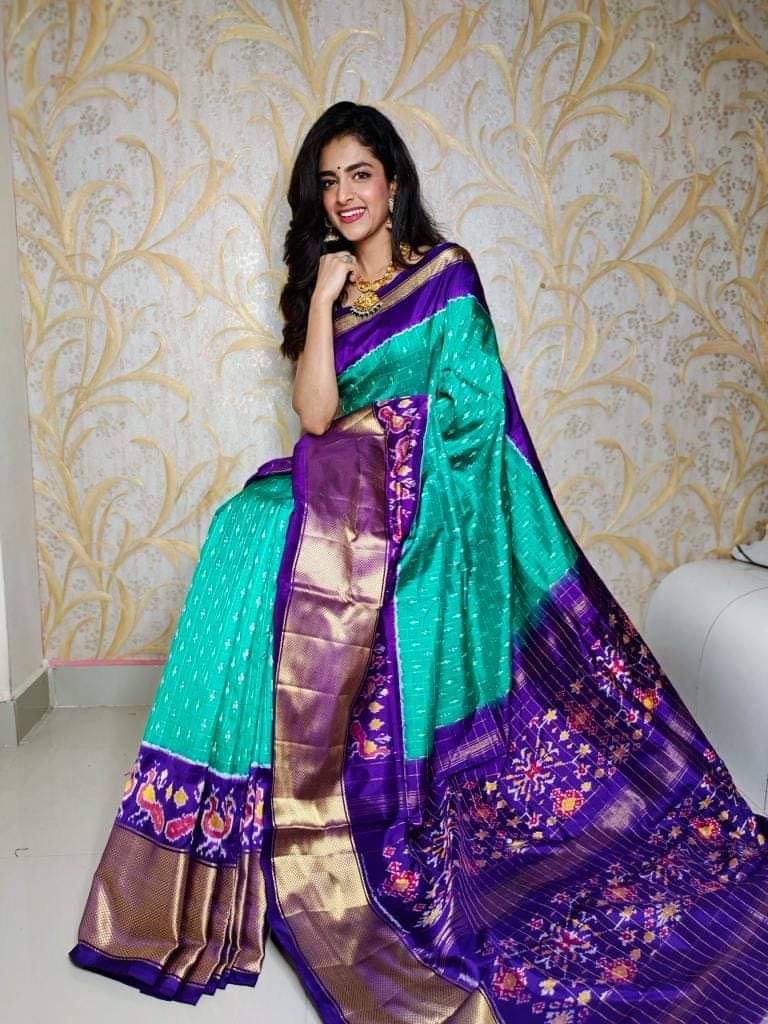
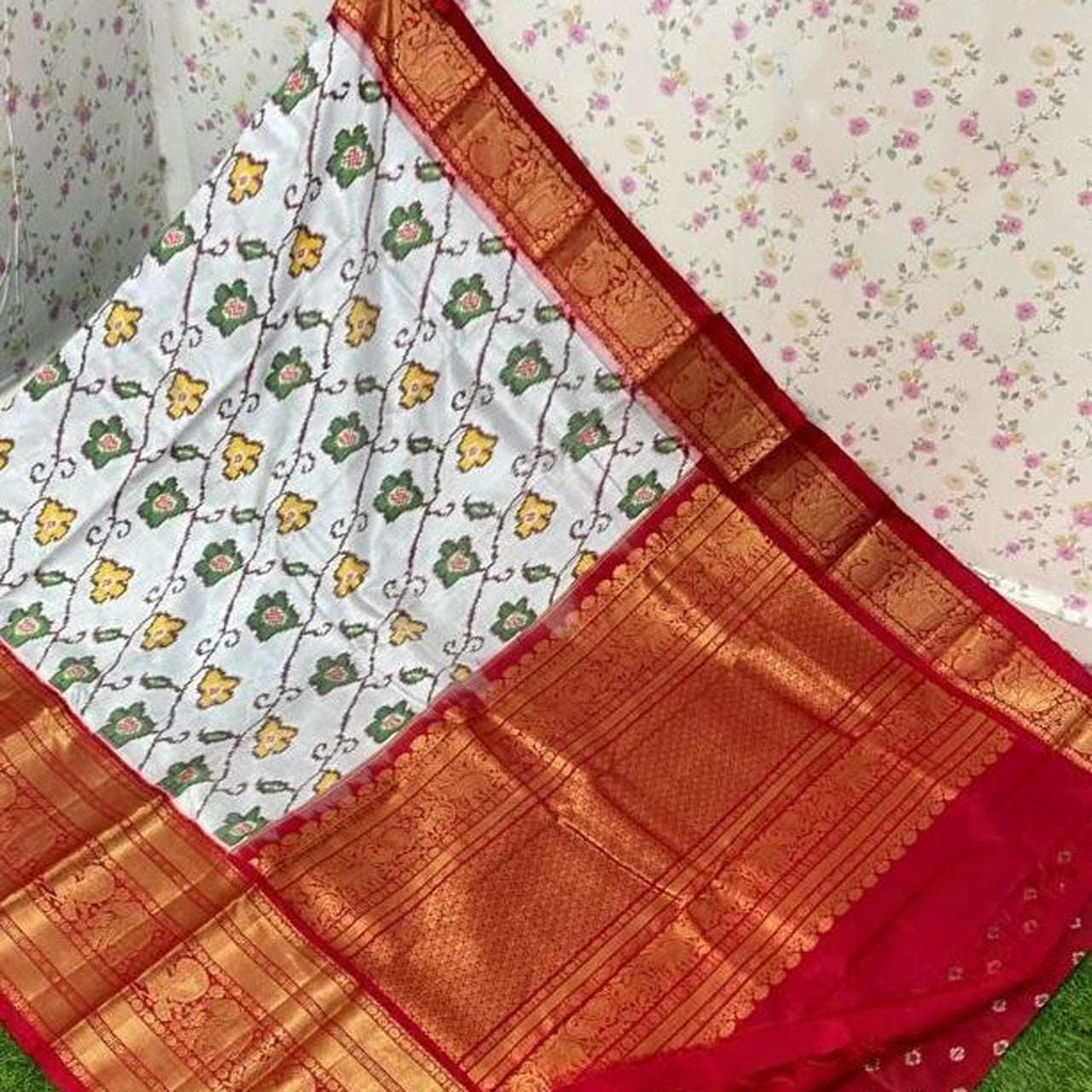
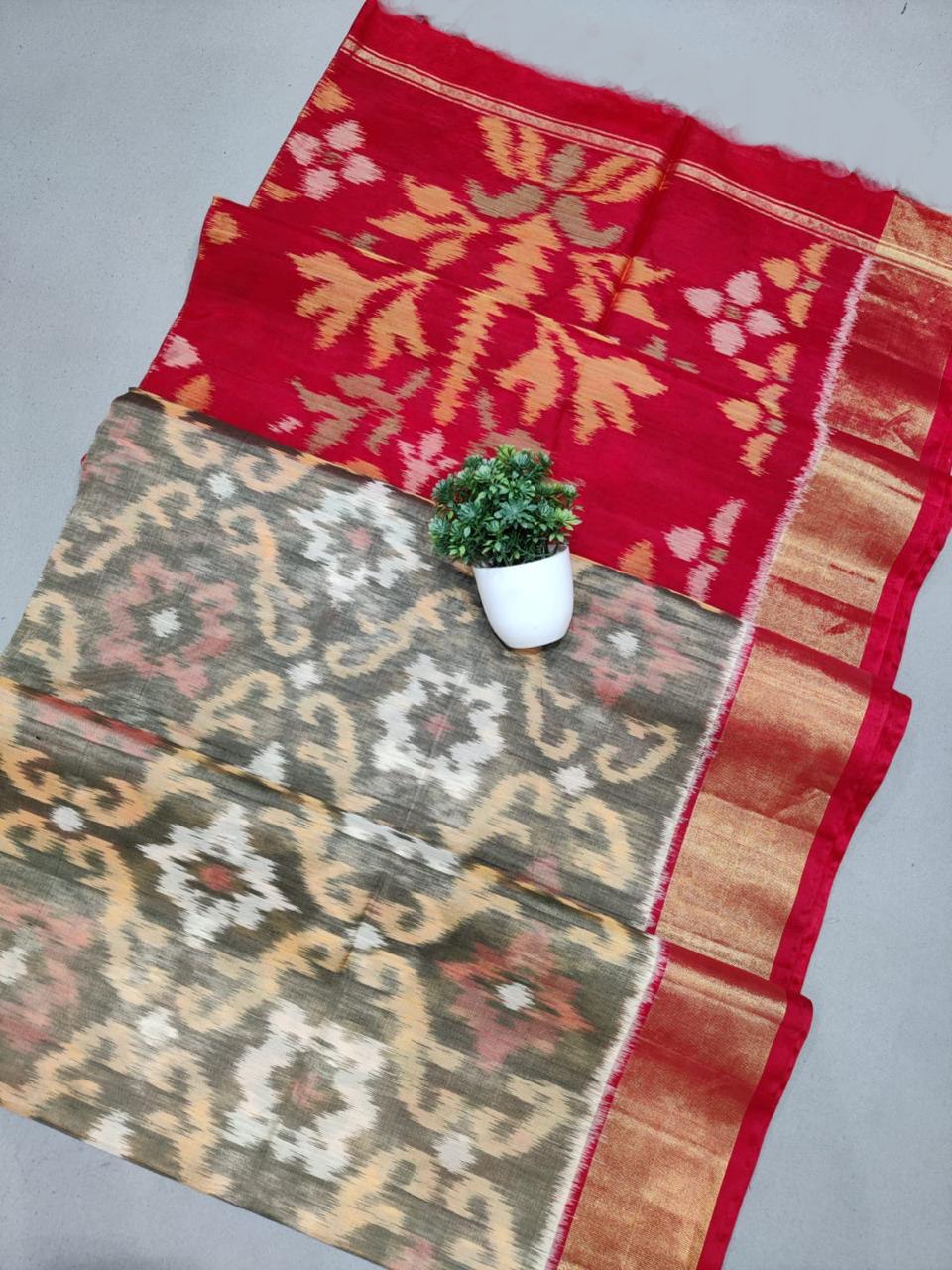
Ikat: The Art of Patterned Weaving
Ikat is unique because the design is created before the fabric is woven.
Threads are resist-dyed according to predetermined patterns and then woven into intricate designs.
Characteristics of Ikat
Ikat patterns typically feature:
- Blurred edges
- Geometric motifs
- Repetitive designs
- Striking color contrasts
Influence on Modern Sarees
Today's printed sarees frequently replicate the visual appeal of traditional Ikat while making the style more accessible and affordable.
Bagru Prints: Rustic Elegance from Rajasthan
Bagru printing originates from Rajasthan and is known for its earthy beauty.
The process uses hand-carved wooden blocks and natural dyes.
Common Bagru Motifs
Designs often include:
- Floral patterns
- Leaf motifs
- Traditional geometric forms
Why Bagru Inspires Contemporary Fashion
Its handcrafted appearance and organic aesthetic align perfectly with today's growing appreciation for sustainable and artisanal fashion.
Dabu Printing: Ancient Mud Resist Art
Dabu printing is another traditional textile technique from Rajasthan.
Artisans use a mud-resist process before dyeing the fabric.
Features of Dabu Prints
Popular elements include:
- Geometric patterns
- Nature-inspired motifs
- Handcrafted textures
Modern Relevance
Dabu-inspired prints are increasingly featured in contemporary sarees that celebrate artisanal traditions.
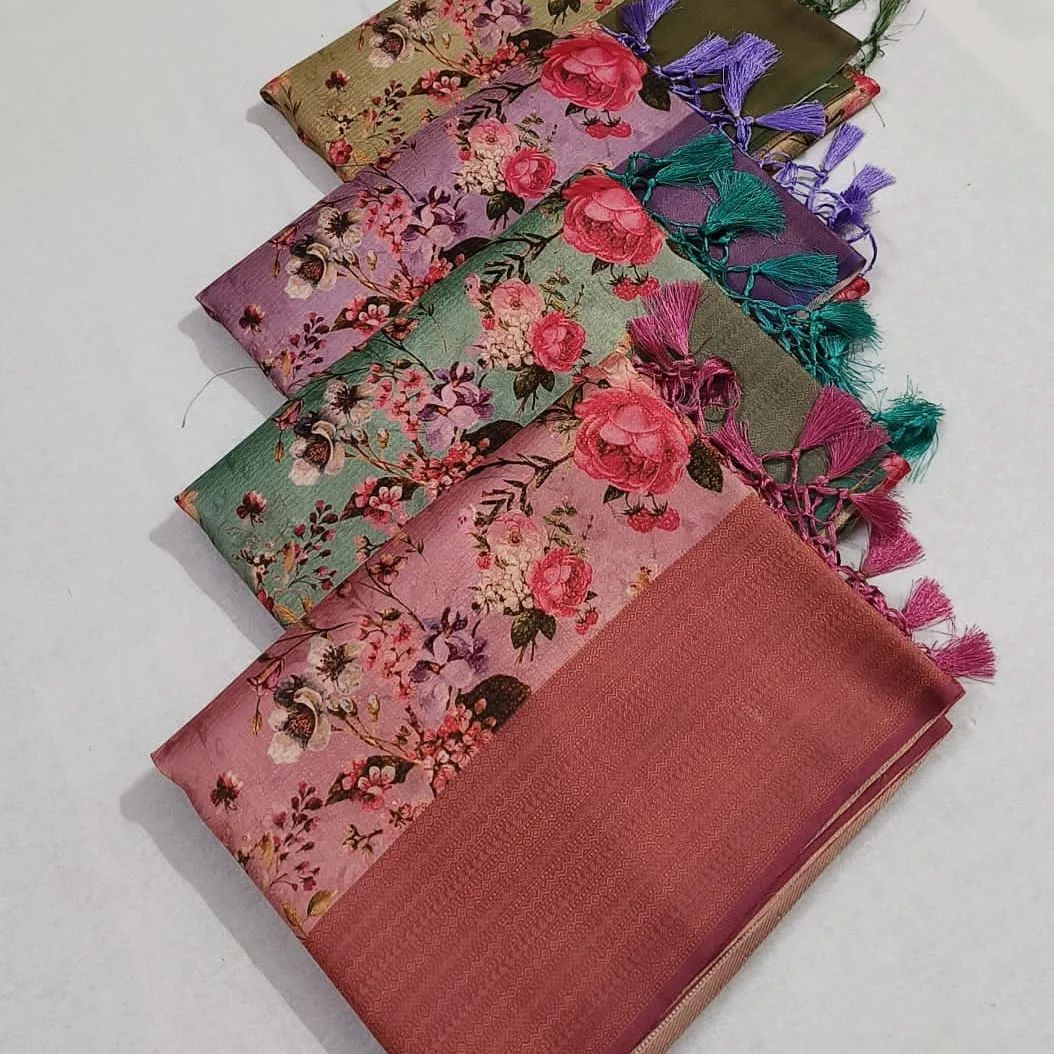
Sanganeri Prints: Delicate Floral Beauty
Sanganeri printing originated in Rajasthan and is famous for its intricate floral motifs.
Characteristics
Sanganeri prints often feature:
- Delicate flowers
- Fine detailing
- Elegant vines
- Soft color palettes
Why They Remain Popular
Their timeless femininity makes them ideal for modern floral printed sarees.
Block Prints: A Legacy of Handcrafted Art
Hand block printing is one of India's most beloved textile traditions.
Using hand-carved wooden blocks, artisans create beautiful repeating patterns.
Popular Block Print Themes
- Floral motifs
- Paisleys
- Geometric patterns
- Nature-inspired designs
Influence on Modern Sarees
Many contemporary printed sarees emulate the handcrafted charm of traditional block prints while utilizing modern production methods.
Paisley (Kairi): India's Most Recognizable Motif
Although paisley is a motif rather than a printing technique, it deserves special mention because of its enormous influence on Indian textiles.
Known locally as:
- Kairi
- Ambi
The motif resembles a mango shape.
Symbolism
Paisley represents:
- Prosperity
- Fertility
- Abundance
Continued Influence
Paisley remains one of the most widely used patterns in both traditional and modern saree design.
Leheriya: The Beauty of Flowing Waves
Leheriya is a traditional tie-dye technique associated with Rajasthan.
The name comes from the Hindi word "Leher," meaning wave.
Characteristics
Leheriya designs feature:
- Diagonal stripes
- Wave-like patterns
- Bright colors
Modern Adaptations
Contemporary saree designers frequently reinterpret Leheriya patterns in digital prints and fusion fashion collections.
Mughal-Inspired Floral Prints
The Mughal era introduced remarkable artistic influences to Indian textiles.
Many floral motifs commonly seen today originated during this period.
Common Elements
- Roses
- Lotus flowers
- Vines
- Garden-inspired layouts
Modern Impact
These elegant floral patterns continue to inspire premium printed sarees and luxury ethnic wear.
Why Modern Designers Reinterpret Traditional Prints
Contemporary designers regularly revisit traditional Indian prints because they offer:
Authenticity
Consumers increasingly value designs rooted in heritage.
Timeless Appeal
Traditional patterns remain fashionable across generations.
Cultural Connection
They help preserve India's artistic legacy.
Creative Possibilities
Classic motifs can be reimagined in countless modern ways.
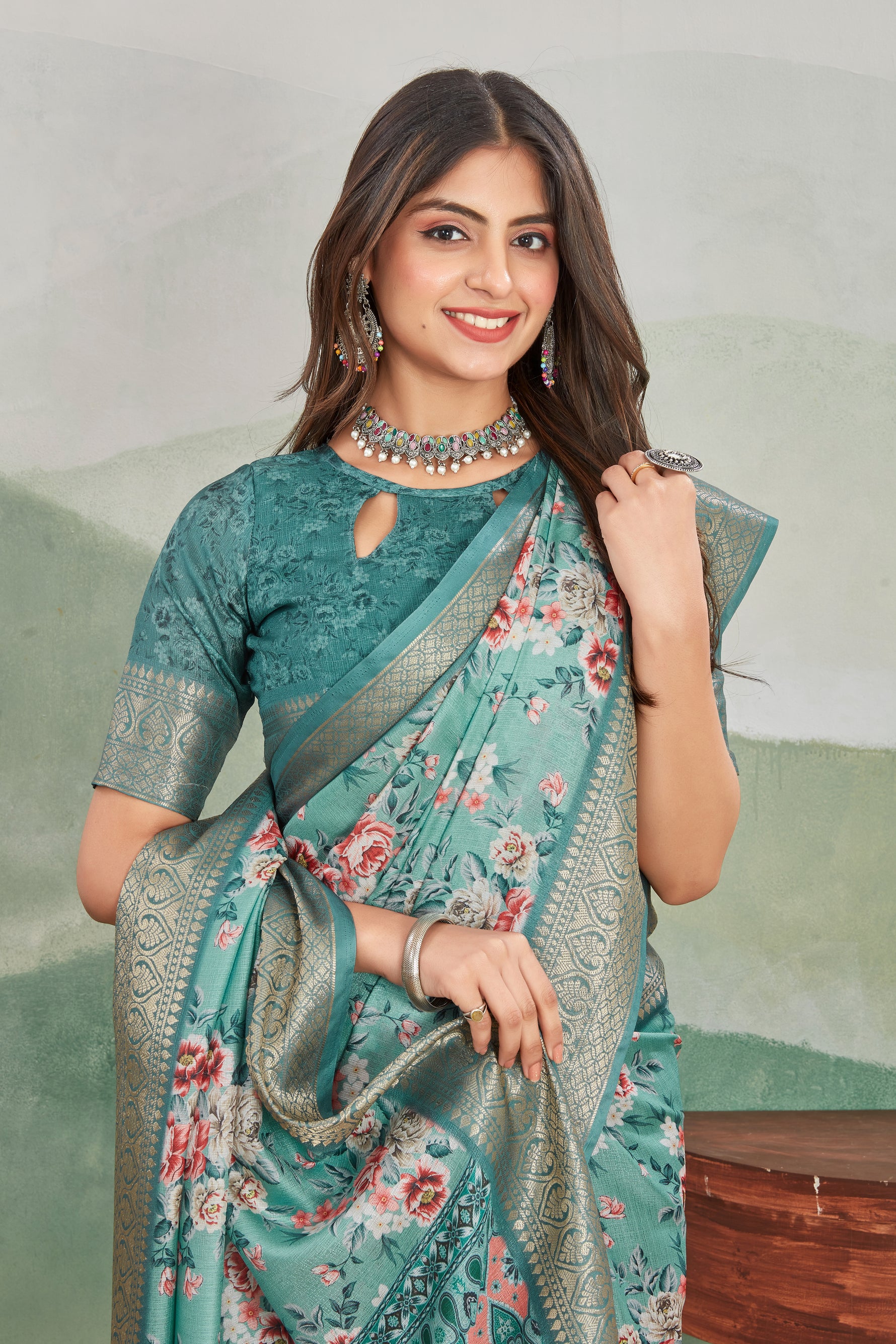
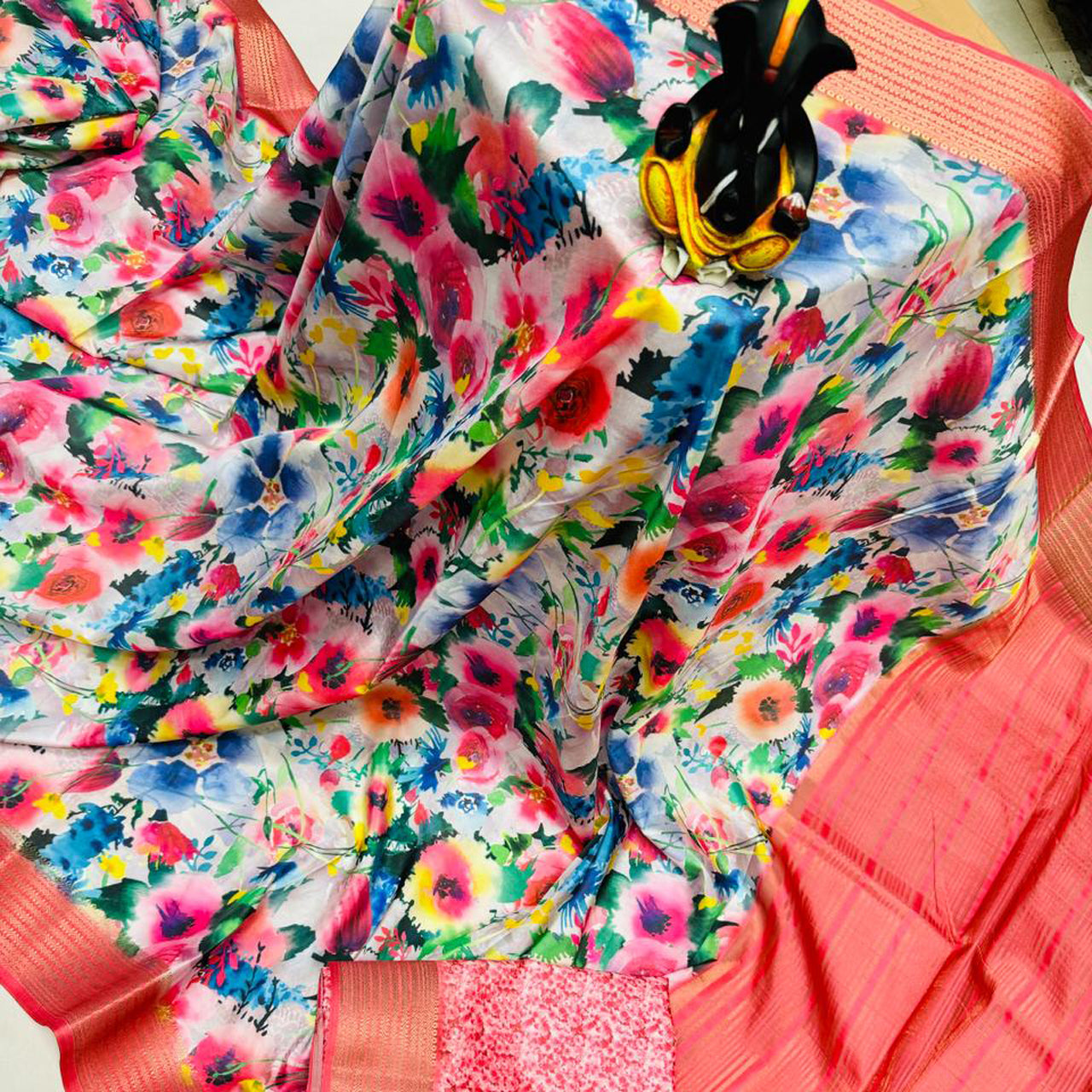
Traditional Prints in Today's Printed Sarees
Modern printing technologies have made heritage-inspired designs more accessible.
Popular adaptations include:
- Digital Kalamkari sarees
- Ajrakh-inspired geometric prints
- Bandhani-style printed sarees
- Ikat-look sarees
- Contemporary paisley patterns
- Modern floral block prints
These innovations allow women to enjoy traditional aesthetics with modern convenience.
How to Style Traditional Print Sarees
Keep Accessories Balanced
Allow the print to remain the focal point.
Choose Complementary Blouses
Solid-colored blouses often work best.
Respect the Heritage
Traditional prints pair beautifully with classic jewelry and ethnic accessories.
Mix Tradition with Modernity
Contemporary blouses and styling techniques can create fresh interpretations of heritage designs.
Frequently Asked Questions
Which is the oldest traditional Indian print?
Bandhani and Kalamkari are among the oldest surviving textile traditions in India.
What is the difference between Ajrakh and Bagru prints?
Ajrakh focuses on symmetrical geometric patterns and natural dyes, while Bagru features earthy floral and geometric block prints.
Are traditional Indian prints still fashionable?
Yes. Traditional Indian prints continue to inspire both designer and everyday saree collections.
Which traditional print is best for printed sarees?
Kalamkari, Ajrakh, Bandhani, Ikat, and floral block prints remain among the most popular choices.
Why are heritage-inspired sarees becoming more popular?
Consumers increasingly appreciate authenticity, craftsmanship, sustainability, and cultural storytelling in fashion.
Conclusion
Traditional Indian prints represent centuries of artistic excellence, cultural identity, and textile innovation. From the storytelling beauty of Kalamkari and the geometric precision of Ajrakh to the vibrant energy of Bandhani and the intricate artistry of Ikat, these heritage designs continue to shape modern saree fashion in meaningful ways.
Their enduring appeal lies in their ability to connect the past with the present. While contemporary designers use advanced printing technologies and modern aesthetics, the inspiration often comes from age-old traditions that have been cherished for generations.
As fashion continues to evolve, traditional Indian prints remain a powerful reminder that true artistry never goes out of style. Whether you choose a saree inspired by Kalamkari, Bandhani, Ajrakh, or any other heritage craft, you are wearing a piece of India's extraordinary cultural legacy while embracing timeless elegance.
- #Ajrakh print sarees
- #Bagru Prints
- #Bandhani sarees
- #Block Print Sarees
- #Dabu Printing
- #ethnic saree designs
- #Ethnic Wear
- #Heritage Textiles
- #Ikat sarees
- #Indian Fashion
- #Indian hand block printing
- #Indian textile prints
- #Kalamkari Sarees
- #Printed Sarees
- #Sanganeri Prints
- #Saree Design Guide
- #Traditional Indian Prints
- #traditional saree prints
Share