

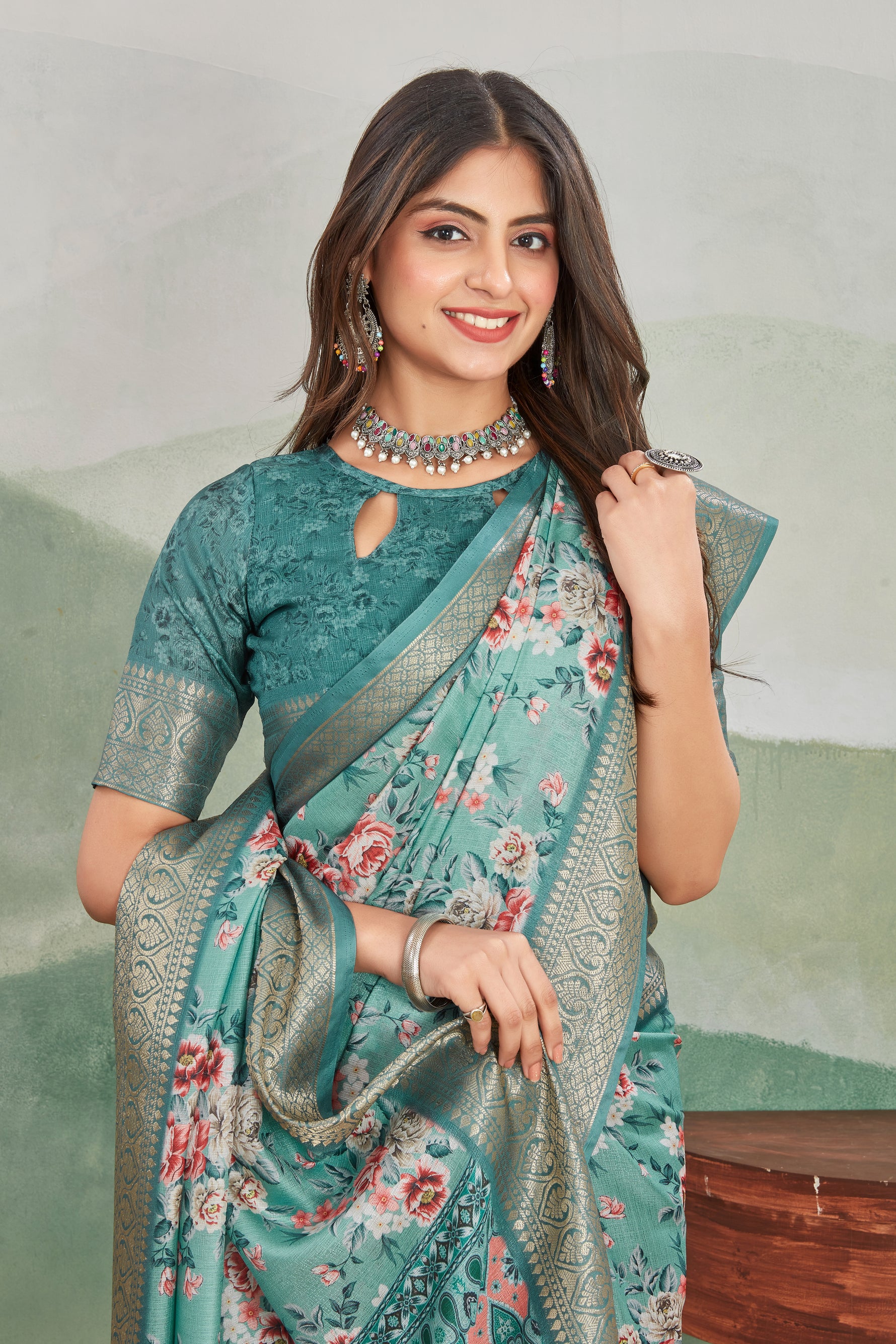

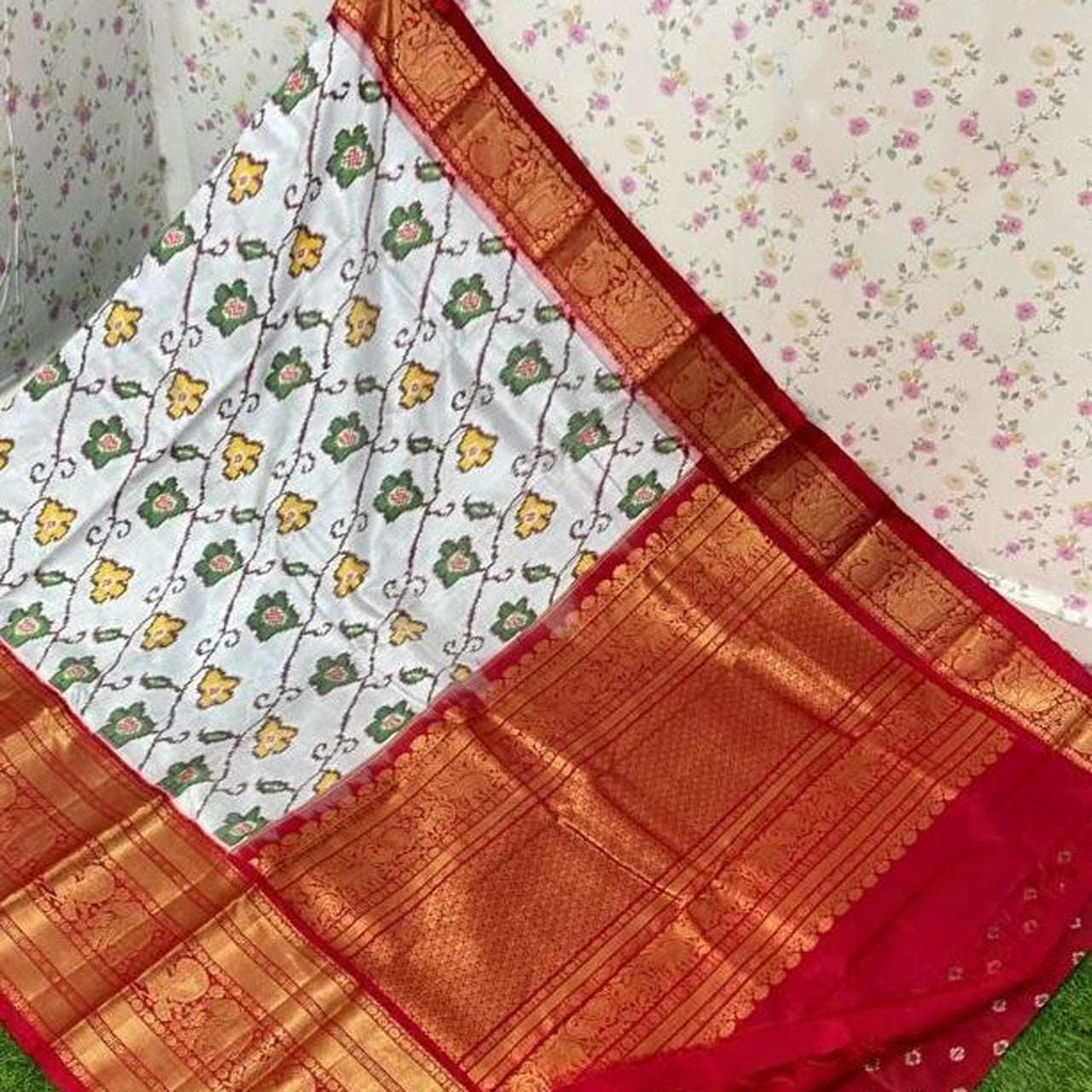
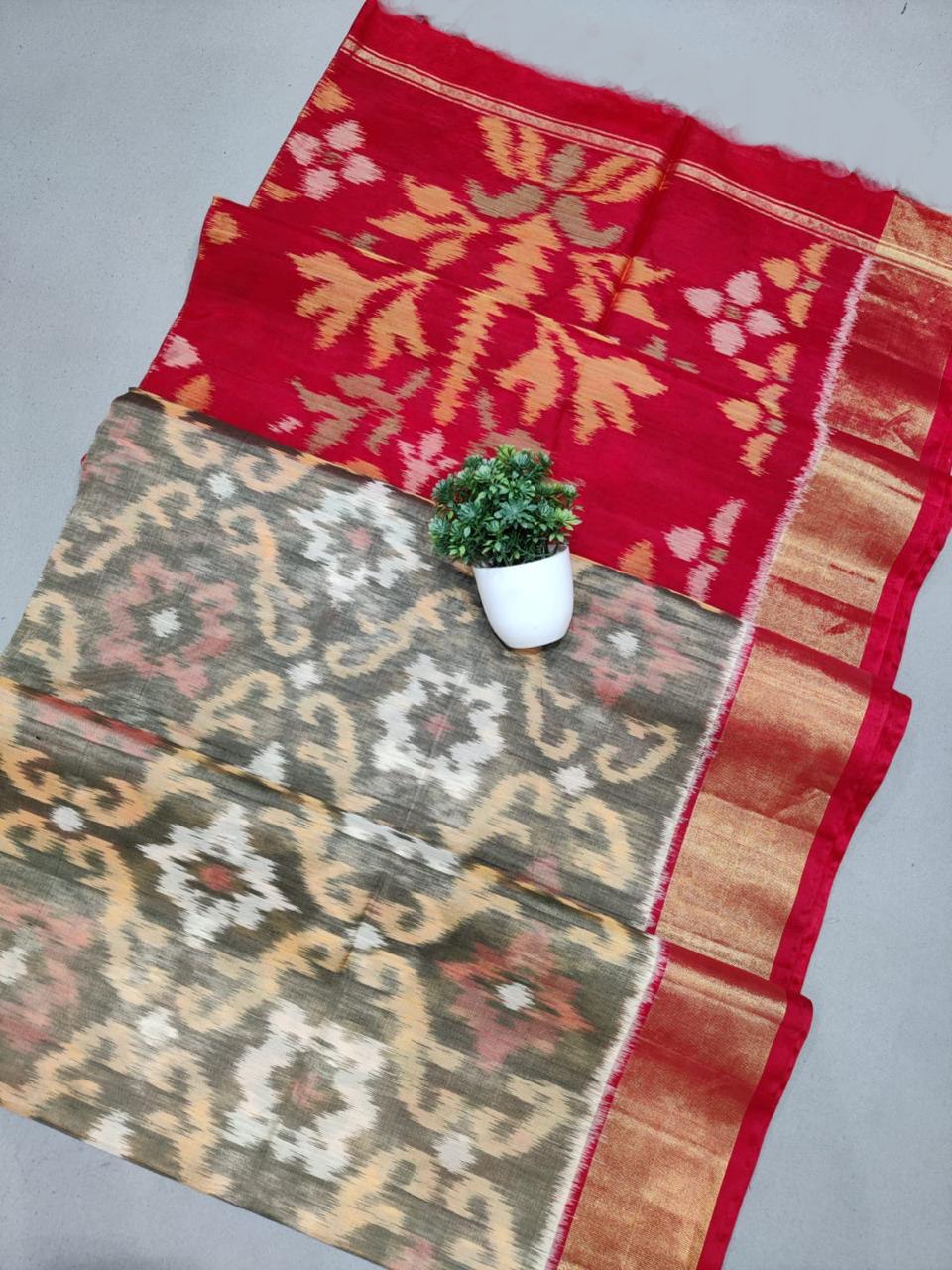

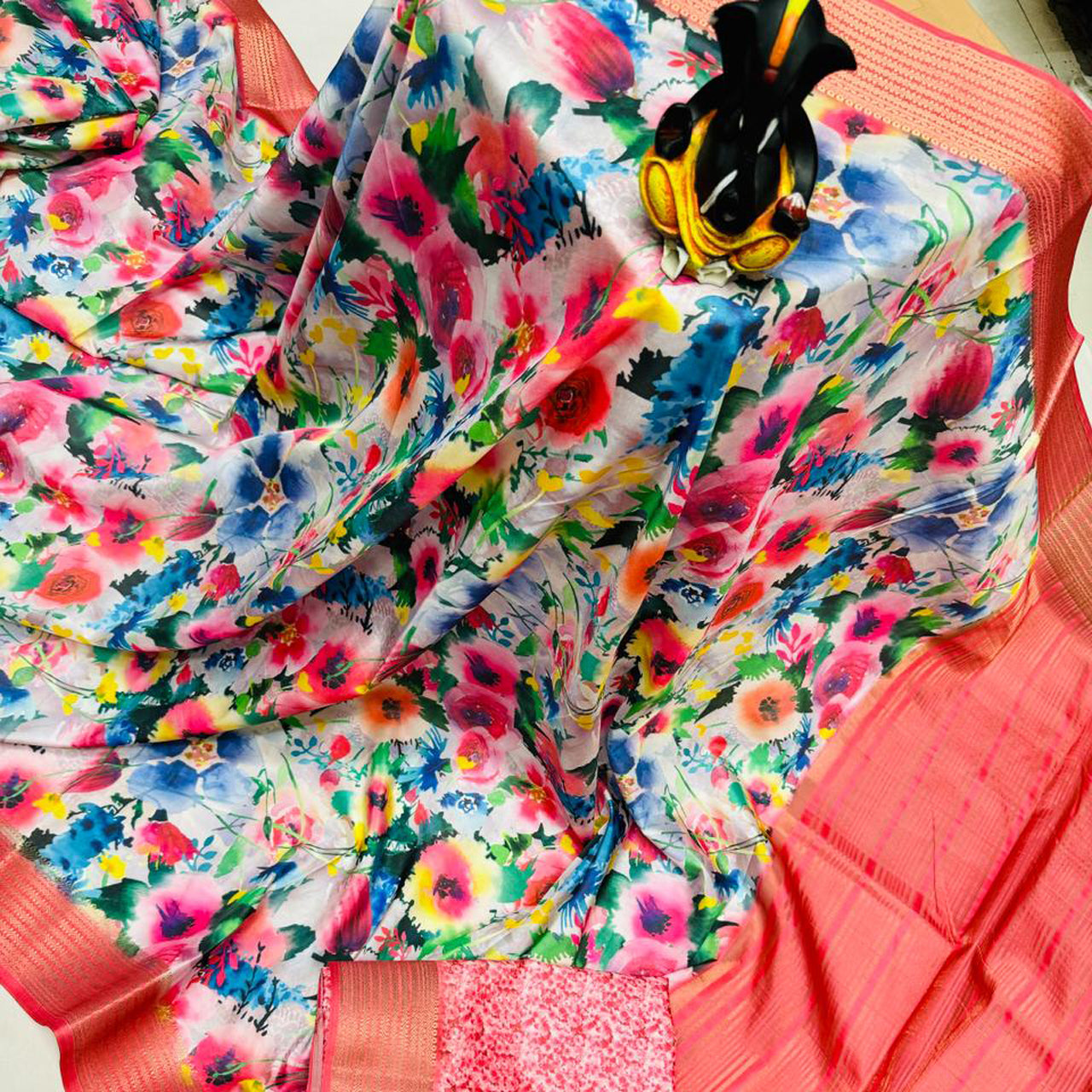


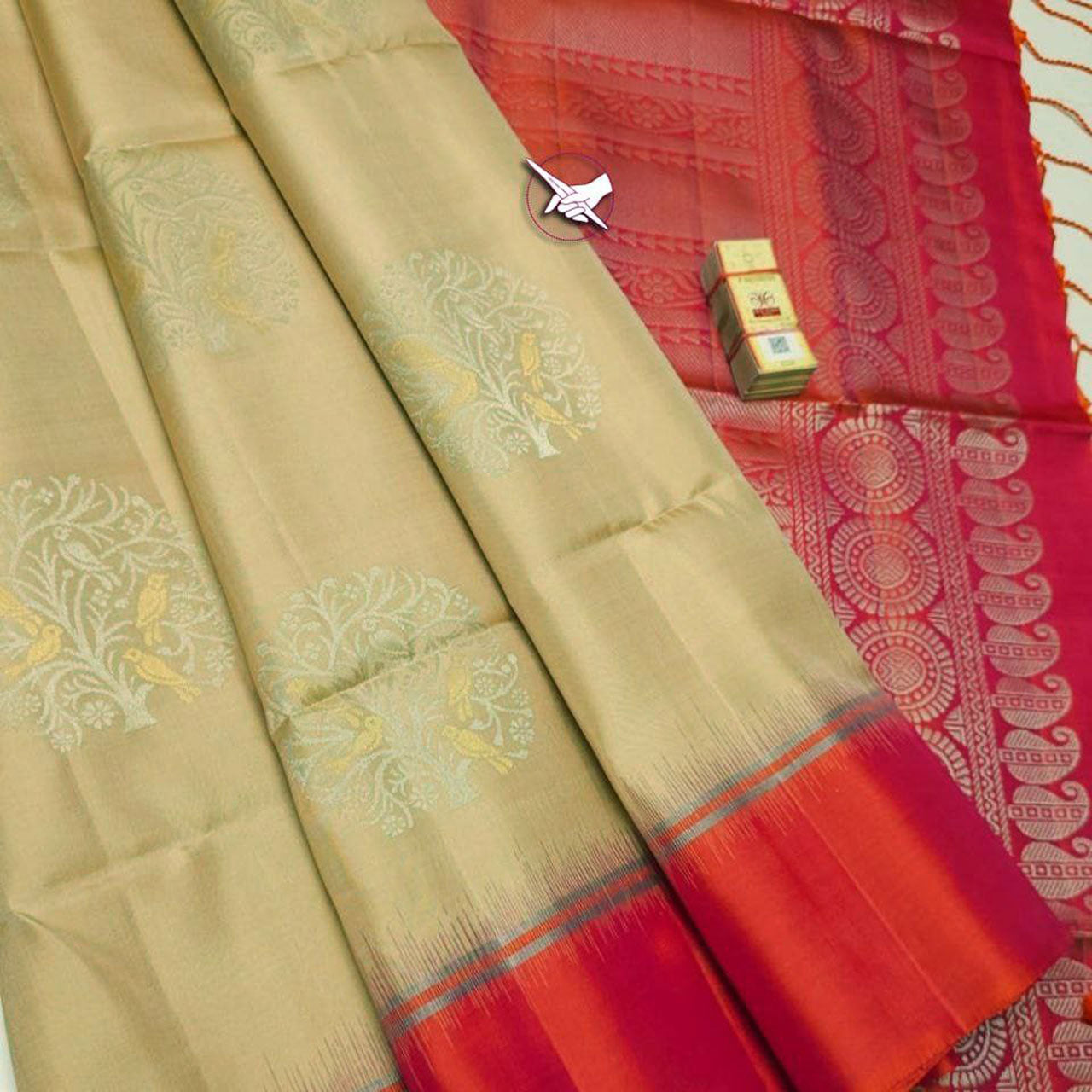


The Hidden Journey of a Handloom Saree | From Yarn to Masterpiece
When you admire a beautiful handloom saree, it's easy to focus on its vibrant colors, intricate motifs, luxurious texture, or elegant drape. What many people don't realize is that every handloom saree carries an extraordinary story—a journey that begins with simple yarn and ends as a wearable masterpiece crafted by skilled artisans.
Unlike machine-made fabrics produced in large factories, handloom sarees are created through a labor-intensive process that requires patience, precision, creativity, and generations of inherited expertise. Every thread woven into a handloom saree reflects the dedication of artisans who spend days, weeks, and sometimes even months bringing a design to life.
In an age of fast fashion and mass production, understanding the hidden journey of a handloom saree helps us appreciate its true value. Let's take a closer look at how a humble bundle of yarn transforms into one of India's most cherished garments.
Why Handloom Sarees Are Special
Before exploring the process, it's important to understand what makes handloom sarees unique.
A handloom saree is woven manually on a loom operated by skilled artisans rather than automated machines.
This creates:
- Unique craftsmanship
- Superior attention to detail
- Distinctive textures
- Cultural authenticity
- Sustainable production
Every handloom saree carries subtle variations that make it one-of-a-kind.
The Legacy of Handloom Weaving in India
India's handloom tradition dates back thousands of years and remains one of the world's richest textile heritages.
A Living Tradition
Generations of weaving families have preserved techniques that continue to produce some of the world's most admired textiles.
Popular handloom saree traditions include:
- Tussar Silk
- Banarasi
- Jamdani
- Chanderi
- Paithani
- Patola
- Maheshwari
- Kota Doria
Each weaving tradition reflects regional culture, artistry, and history.
Stage 1: Selecting the Yarn
Every handloom saree begins with carefully chosen yarn.
Types of Yarn Used
Depending on the saree type, artisans may use:
- Silk yarn
- Cotton yarn
- Linen yarn
- Blended natural fibers
The quality of the yarn directly affects the final appearance and durability of the saree.
Why Quality Matters
Premium yarn produces:
- Better texture
- Stronger fabric
- Richer color absorption
- Improved drape
This first step lays the foundation for the entire weaving process.
Stage 2: Preparing the Yarn
Before weaving can begin, the yarn must undergo preparation.
Cleaning and Processing
The yarn is carefully inspected and prepared to ensure consistency.
Dyeing the Yarn
Color plays a crucial role in saree design.
Artisans dye yarn using carefully selected shades based on the desired pattern and aesthetic.
Popular Color Trends
Modern handloom sarees often feature:
- Earthy tones
- Pastel shades
- Jewel colors
- Heritage-inspired palettes
The dyeing process requires expertise to achieve uniform and long-lasting color.
Stage 3: Designing the Saree
Every masterpiece begins with a vision.
Concept Development
Designers and artisans decide:
- Motifs
- Color combinations
- Border patterns
- Pallu details
- Weaving complexity
Some designs are inspired by:
- Nature
- Architecture
- Mythology
- Traditional art forms
Blending Tradition and Innovation
While many motifs are centuries old, artisans frequently introduce contemporary elements to appeal to modern consumers.
Stage 4: Warping the Loom
Warping is one of the most critical and time-consuming stages.
What Is Warping?
Warping involves arranging thousands of yarn threads lengthwise on the loom.
Why It Requires Precision
Even a small error can affect:
- Pattern alignment
- Fabric strength
- Design accuracy
This process often takes several hours or even days, depending on the saree's complexity.
Stage 5: Setting Up the Handloom
Once the warp threads are prepared, they are mounted onto the loom.
A Skilled Operation
The loom setup requires:
- Technical knowledge
- Precision handling
- Careful thread management
The artisan ensures every thread is positioned correctly before weaving begins.
Stage 6: The Weaving Process Begins
This is where the true magic happens.
Weaving by Hand
The artisan interlaces horizontal weft threads through vertical warp threads using the loom.
Each movement contributes to the gradual formation of the saree.
A Slow and Deliberate Process
Unlike machine production, handloom weaving progresses carefully and methodically.
Depending on the design, weaving may take:
- Several days
- Multiple weeks
- Occasionally months
The complexity of motifs greatly influences production time.
The Human Touch Behind Every Thread
One of the defining features of handloom weaving is direct artisan involvement.
Every Saree Is Unique
No two handloom sarees are completely identical.
Subtle differences reflect:
- Human craftsmanship
- Artistic individuality
- Traditional methods
These variations enhance authenticity rather than diminish quality.
Stage 7: Creating Borders and Motifs
Many handloom sarees feature intricate decorative elements.
Border Design
Borders often showcase:
- Geometric patterns
- Floral motifs
- Traditional symbols
Pallu Creation
The pallu is frequently the most elaborate section of the saree.
It may contain:
- Detailed artwork
- Contrasting colors
- Complex weaving techniques
The pallu often serves as the visual centerpiece.
Stage 8: Quality Inspection
Once weaving is complete, artisans carefully examine the saree.
Inspection Areas
They check:
- Weaving consistency
- Color uniformity
- Pattern accuracy
- Fabric quality
Any imperfections are addressed before the saree reaches customers.
Stage 9: Finishing and Polishing
The saree undergoes final finishing processes to enhance its appearance.
Finishing Techniques
These may include:
- Gentle pressing
- Surface smoothing
- Edge refinement
The goal is to prepare the saree for presentation while preserving its handcrafted character.
The Time Behind Every Handloom Saree
One of the most overlooked aspects of handloom production is time.
How Long Does It Take?
Simple designs may require:
- A few days to one week
Complex designs may require:
- Several weeks
- One month or more
Luxury handwoven sarees often represent hundreds of hours of labor.
Why Handloom Sarees Cost More
Some buyers compare handloom sarees with machine-made alternatives without understanding the difference.
Factors Influencing Cost
Skilled Labor
Every stage requires experienced artisans.
Time Investment
Handloom production is significantly slower than machine manufacturing.
Quality Materials
Premium fibers contribute to higher production costs.
Limited Production
Artisans create sarees in smaller quantities, ensuring exclusivity.
When viewed through this lens, handloom sarees often provide exceptional value.
The Role of Handloom Sarees in Sustainable Fashion
Consumers increasingly prioritize sustainability.
Why Handloom Supports Sustainability
Handloom production generally involves:
- Lower energy consumption
- Reduced industrial impact
- Support for artisan communities
- Preservation of traditional skills
These benefits align perfectly with modern conscious fashion values.
How Handloom Supports Artisan Families
Every handloom saree purchase contributes directly to artisan livelihoods.
Positive Impact
Supporting handloom helps:
- Preserve traditional crafts
- Strengthen rural economies
- Encourage cultural continuity
- Sustain family weaving traditions
Your saree purchase often supports entire artisan communities.
Popular Handloom Sarees in India
Tussar Silk Handloom Sarees
Known for:
- Natural texture
- Earthy elegance
- Artistic appeal
Jamdani Sarees
Known for:
- Intricate motifs
- Lightweight comfort
- Fine craftsmanship
Chanderi Sarees
Known for:
- Delicate transparency
- Elegant drape
- Sophisticated beauty
Maheshwari Sarees
Known for:
- Distinctive borders
- Versatile styling
- Timeless appeal
How to Identify a Genuine Handloom Saree
Look for:
Natural Variations
Slight irregularities often indicate handcrafted production.
Rich Texture
Handloom fabrics typically feel more authentic and textured.
Detailed Craftsmanship
Examine motifs, borders, and weaving quality carefully.
Trusted Sellers
Purchase from reputable handloom retailers whenever possible.
Why Modern Women Are Rediscovering Handloom
Today's consumers increasingly value:
- Authenticity
- Craftsmanship
- Sustainability
- Heritage
Handloom sarees satisfy all of these desires while offering timeless elegance.
As fast fashion becomes more disposable, handloom textiles provide meaningful alternatives.
Frequently Asked Questions
How are handloom sarees different from machine-made sarees?
Handloom sarees are woven manually by artisans, while machine-made sarees are produced through automated processes.
Why do handloom sarees take so long to make?
The weaving process is completed by hand and often involves intricate patterns requiring exceptional precision.
Are handloom sarees worth the investment?
Yes. They offer superior craftsmanship, uniqueness, sustainability, and long-term value.
Which handloom saree is best for beginners?
Tussar Silk, Chanderi, and Maheshwari sarees are versatile options for first-time buyers.
Why are handloom sarees considered sustainable?
They generally require less industrial energy and support artisan communities and traditional craftsmanship.
Conclusion
The journey of a handloom saree from yarn to masterpiece is a remarkable testament to human skill, patience, and creativity. Every stage—from selecting yarn and preparing colors to weaving intricate motifs and finishing the final fabric—reflects generations of expertise passed down through artisan families.
When you wear a handloom saree, you're not simply wearing a garment. You're wearing a story of craftsmanship, culture, heritage, and dedication. In a world increasingly driven by mass production, handloom sarees remain powerful reminders that true beauty often takes time to create.