





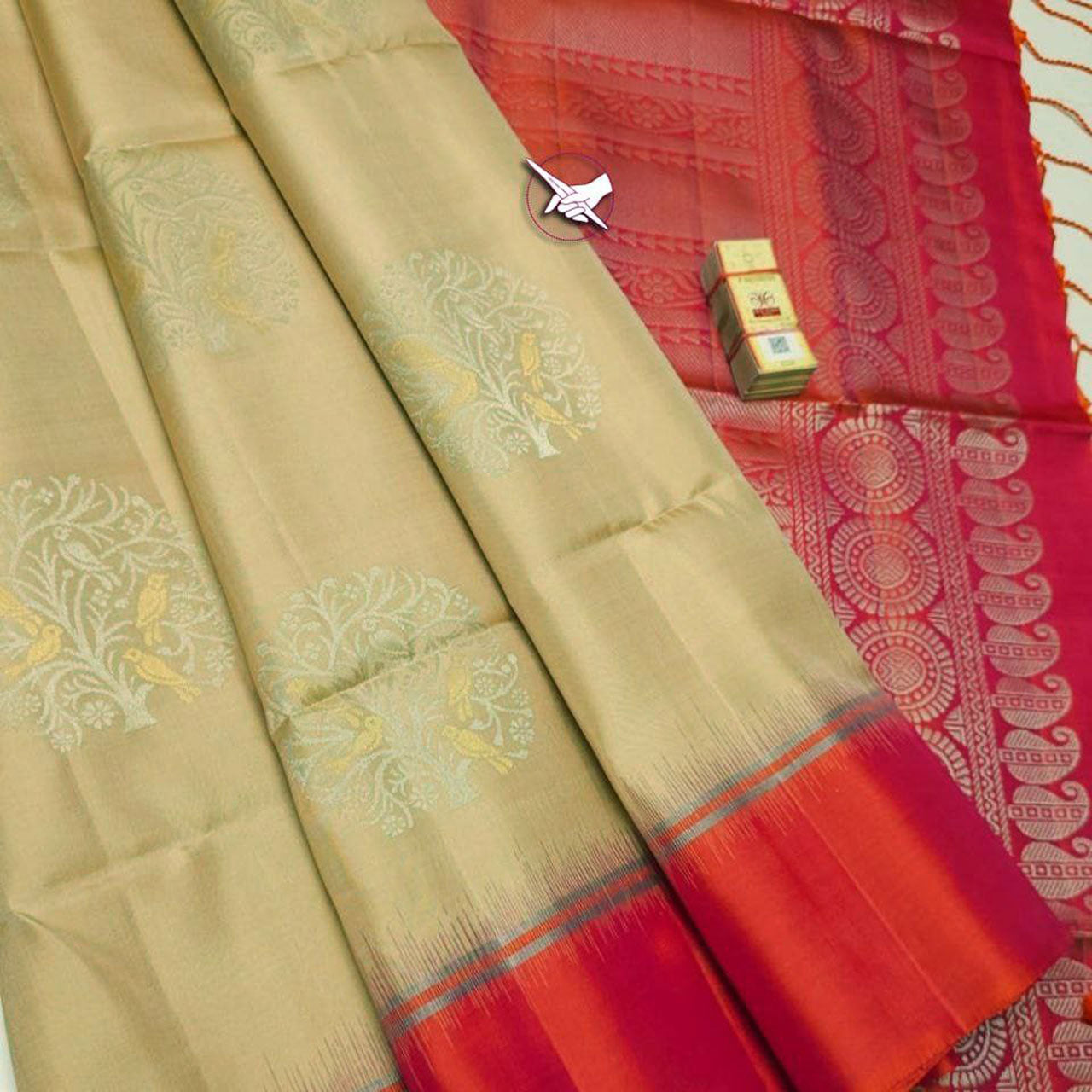


Most Women Don't Know These 9 Facts About Silk Sarees
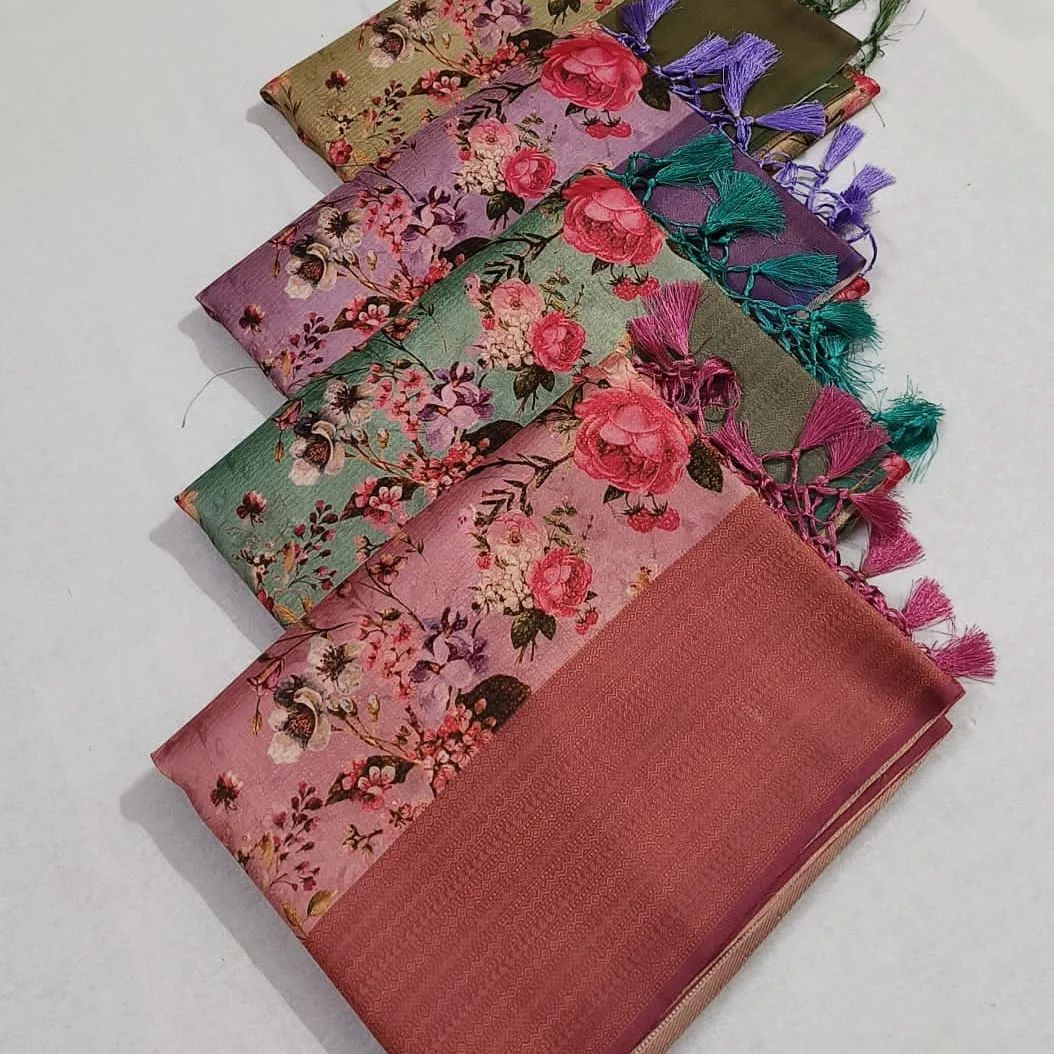
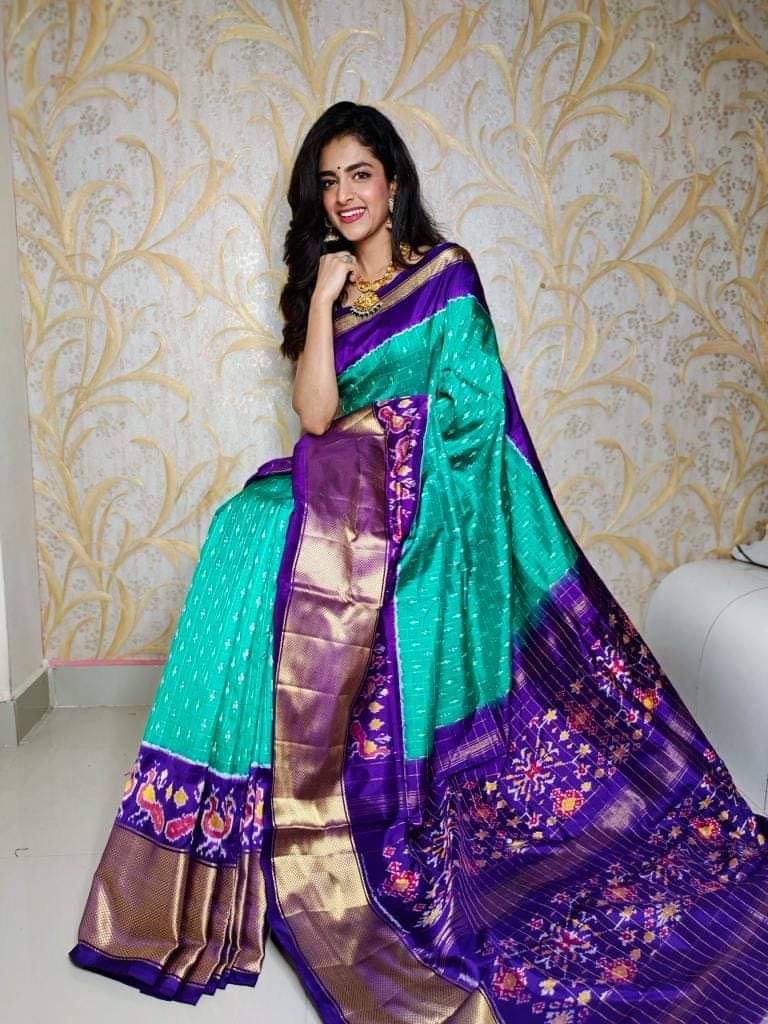
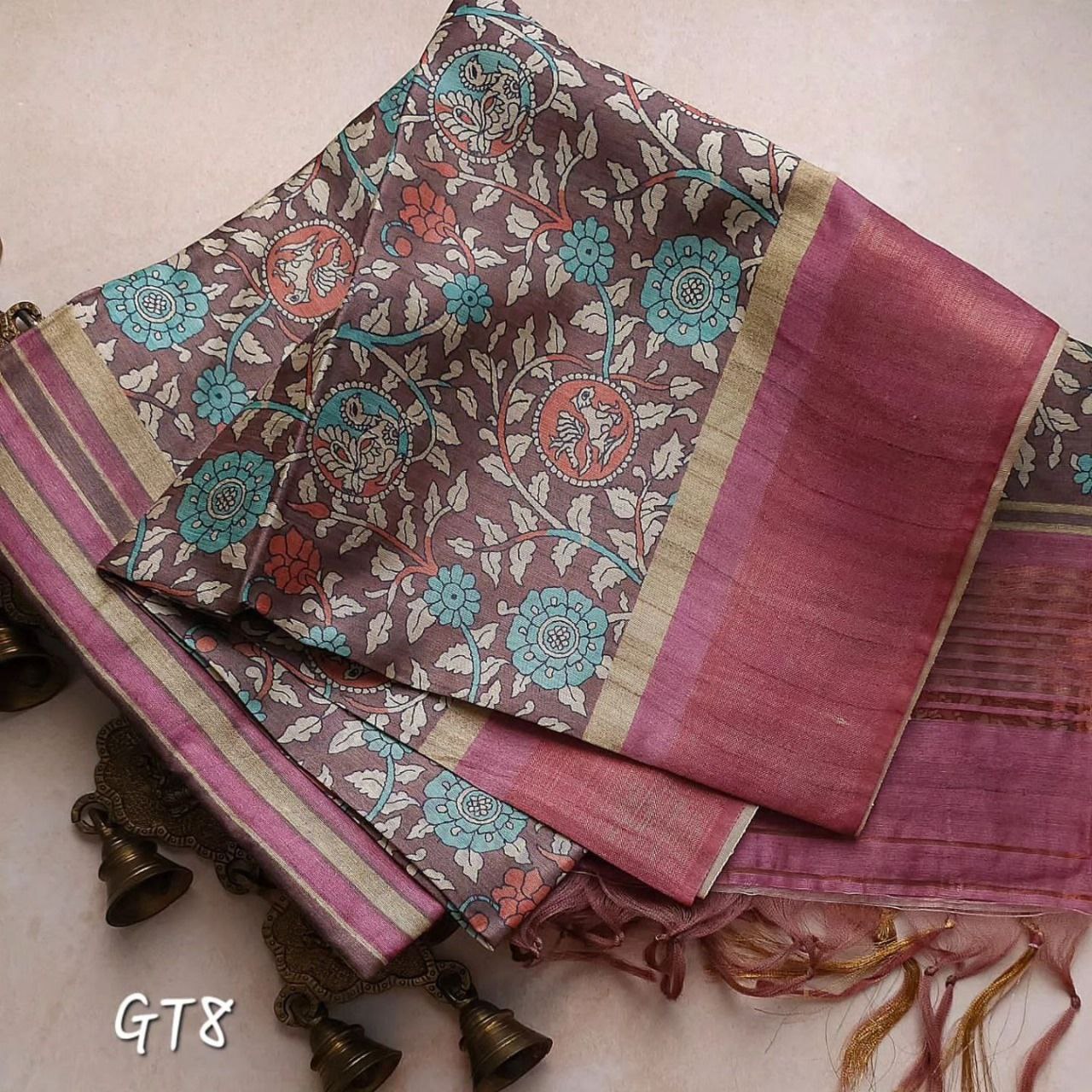
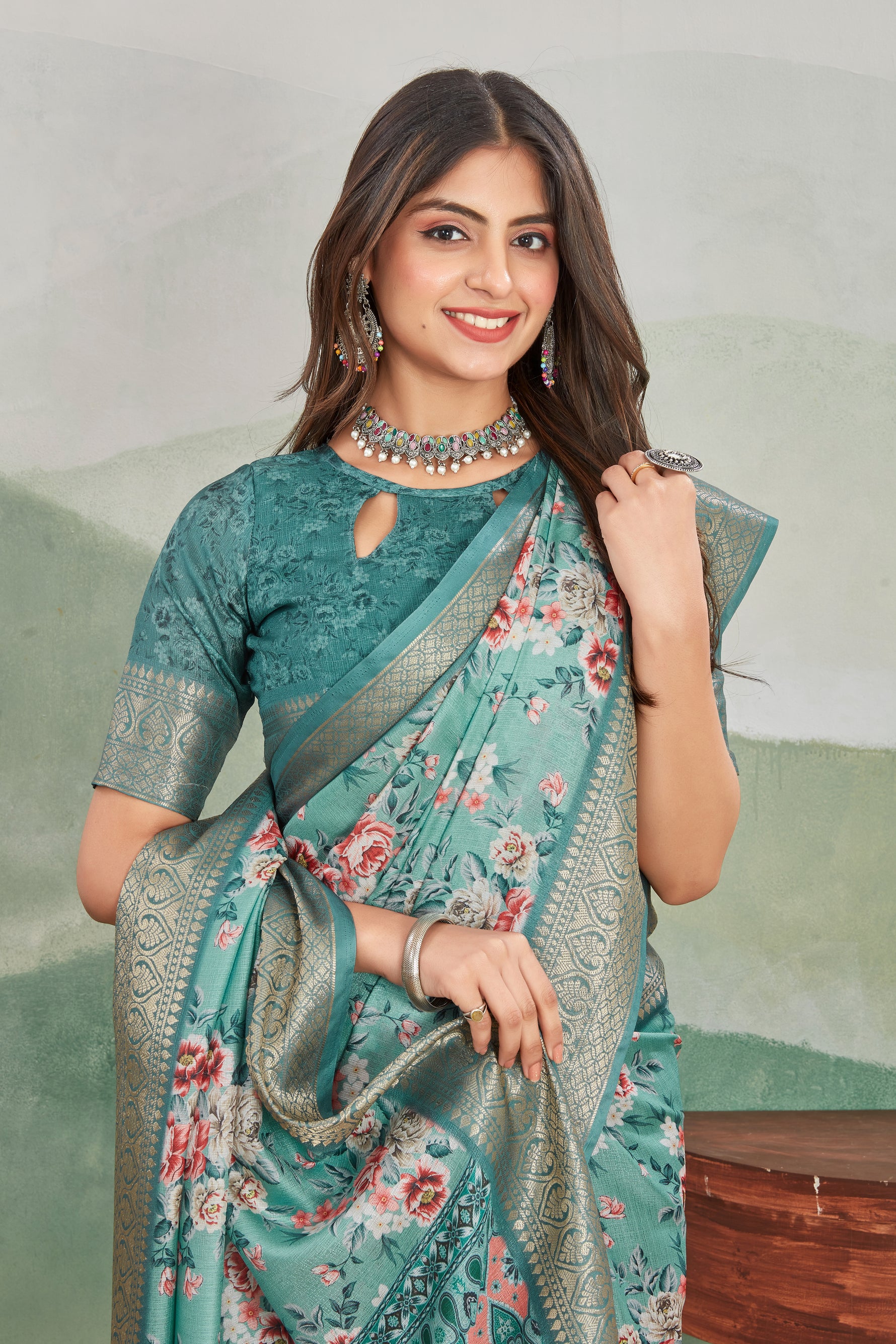
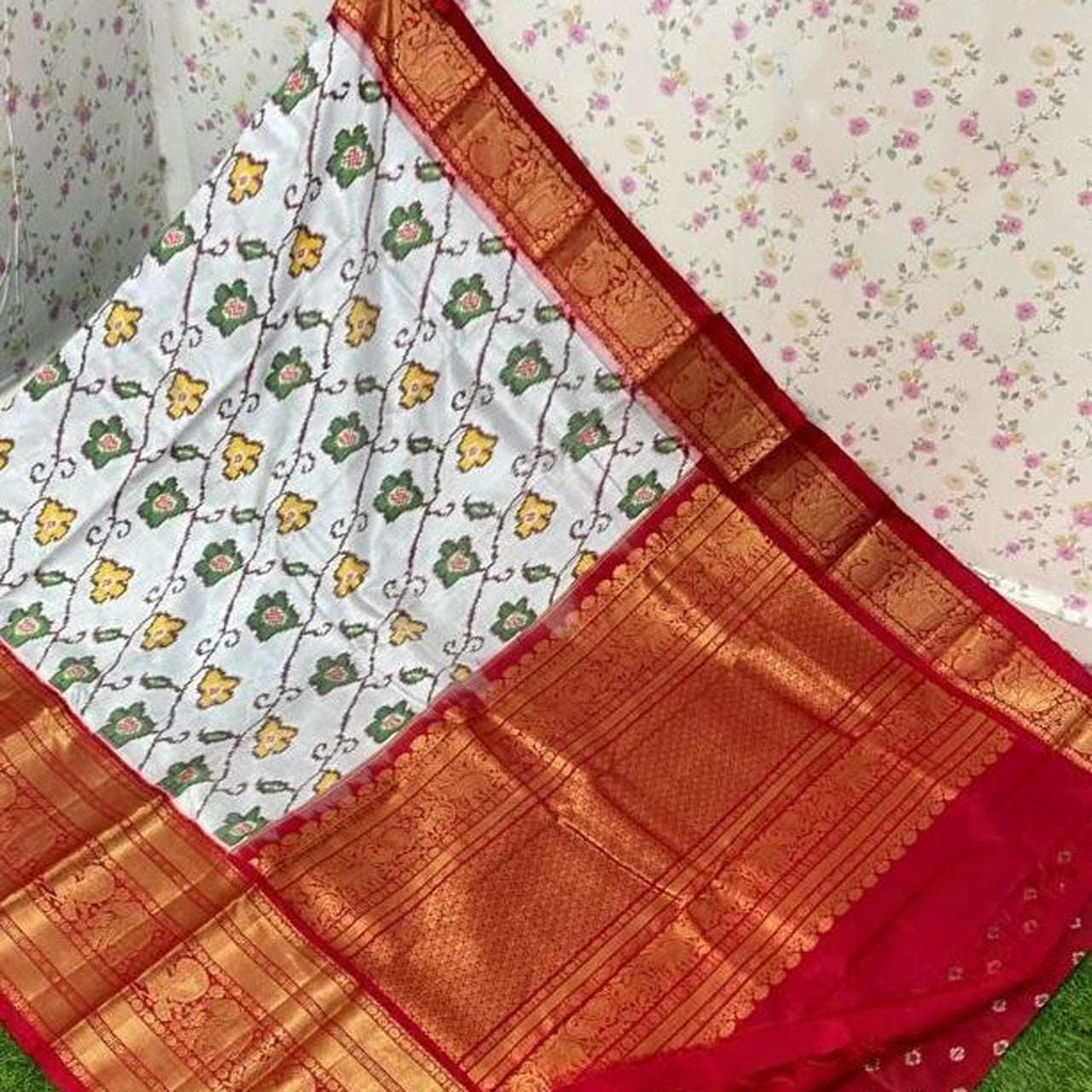
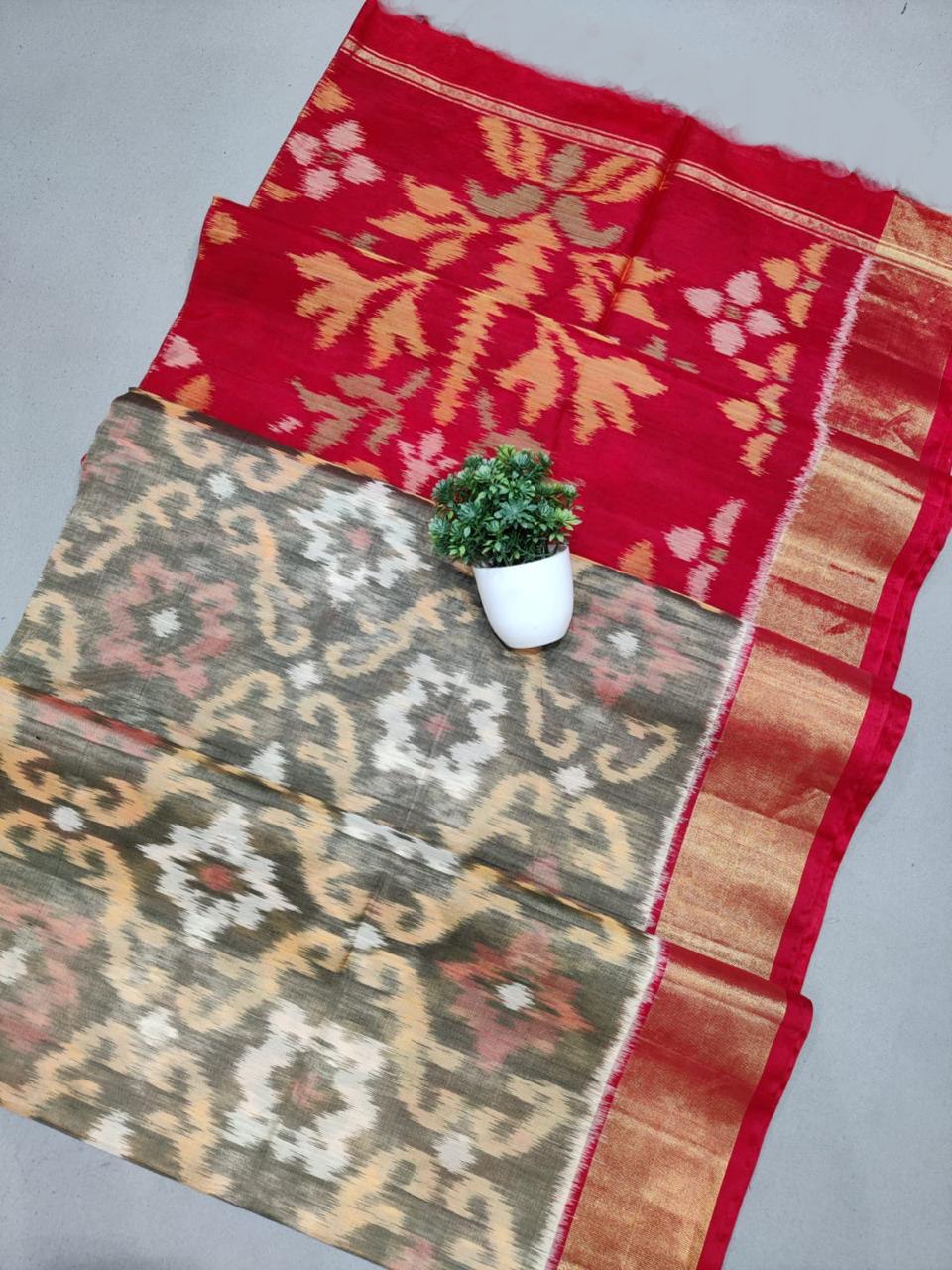
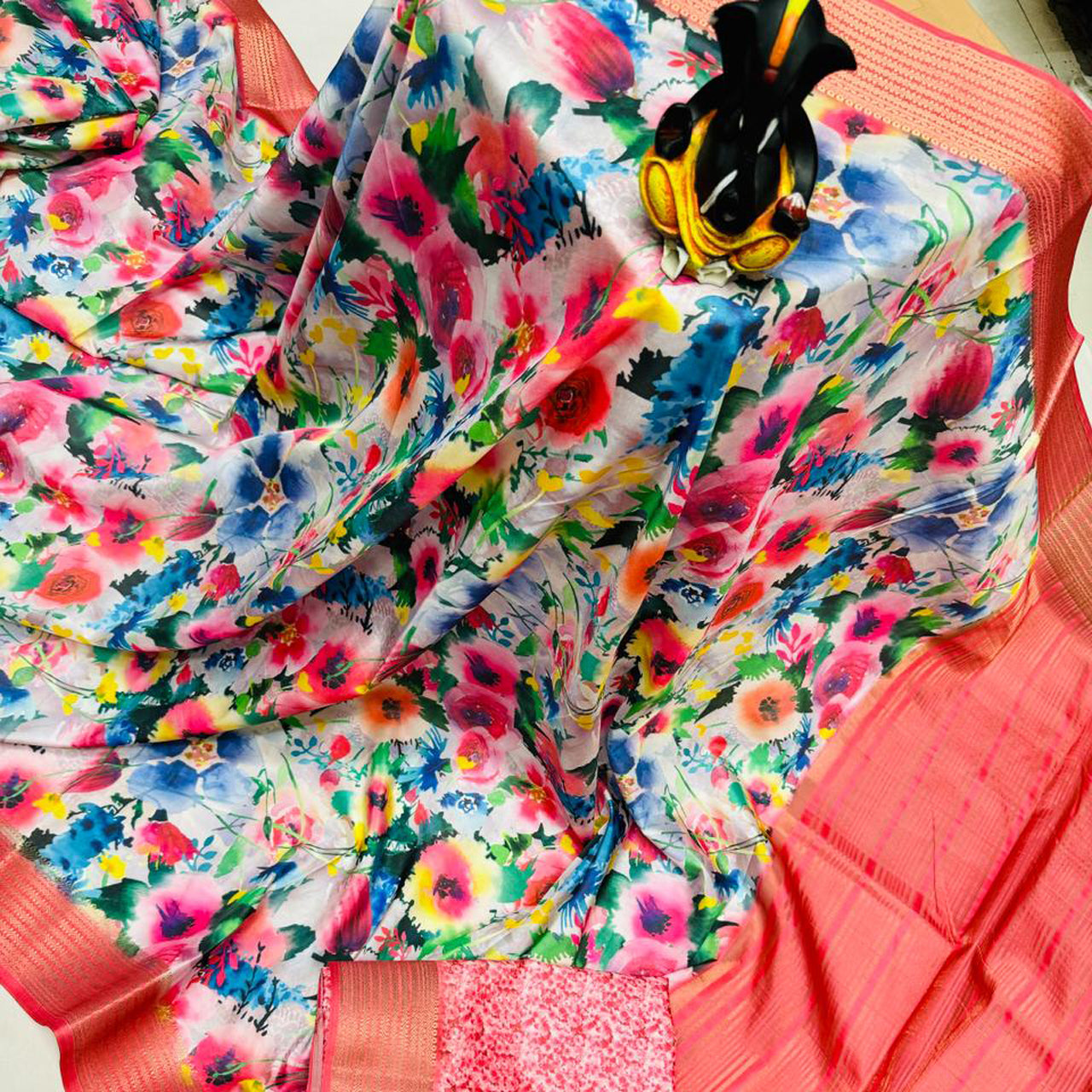
Silk sarees have been admired for centuries for their luxurious texture, graceful drape, and timeless elegance. Whether it's a Banarasi bridal masterpiece, a regal Kanjivaram, a lightweight Tussar, or a sophisticated Mysore Silk saree, every silk weave carries a unique story.
Yet, despite their popularity, many people know surprisingly little about how silk sarees are made, why they last for generations, or what truly makes an authentic silk saree valuable. There are several fascinating facts that can help you shop smarter, care for your collection better, and appreciate the incredible craftsmanship behind every weave.
Here are nine interesting facts about silk sarees that even many regular saree buyers don't know.
1. Not Every Silk Saree Is Made the Same Way
Many shoppers assume all silk sarees are identical except for color and design.
In reality, India is home to several distinct silk traditions, each with its own weaving style, texture, and heritage.
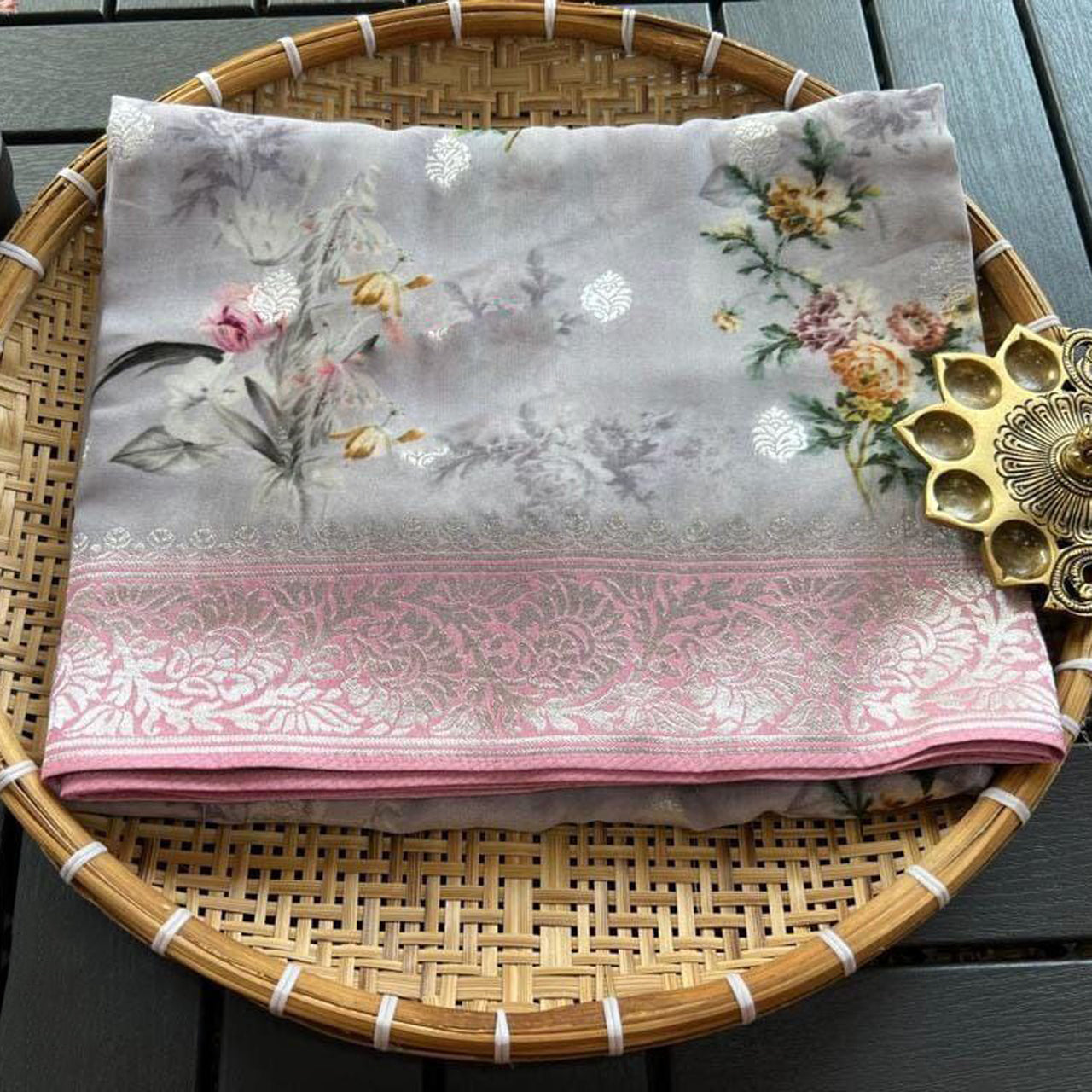
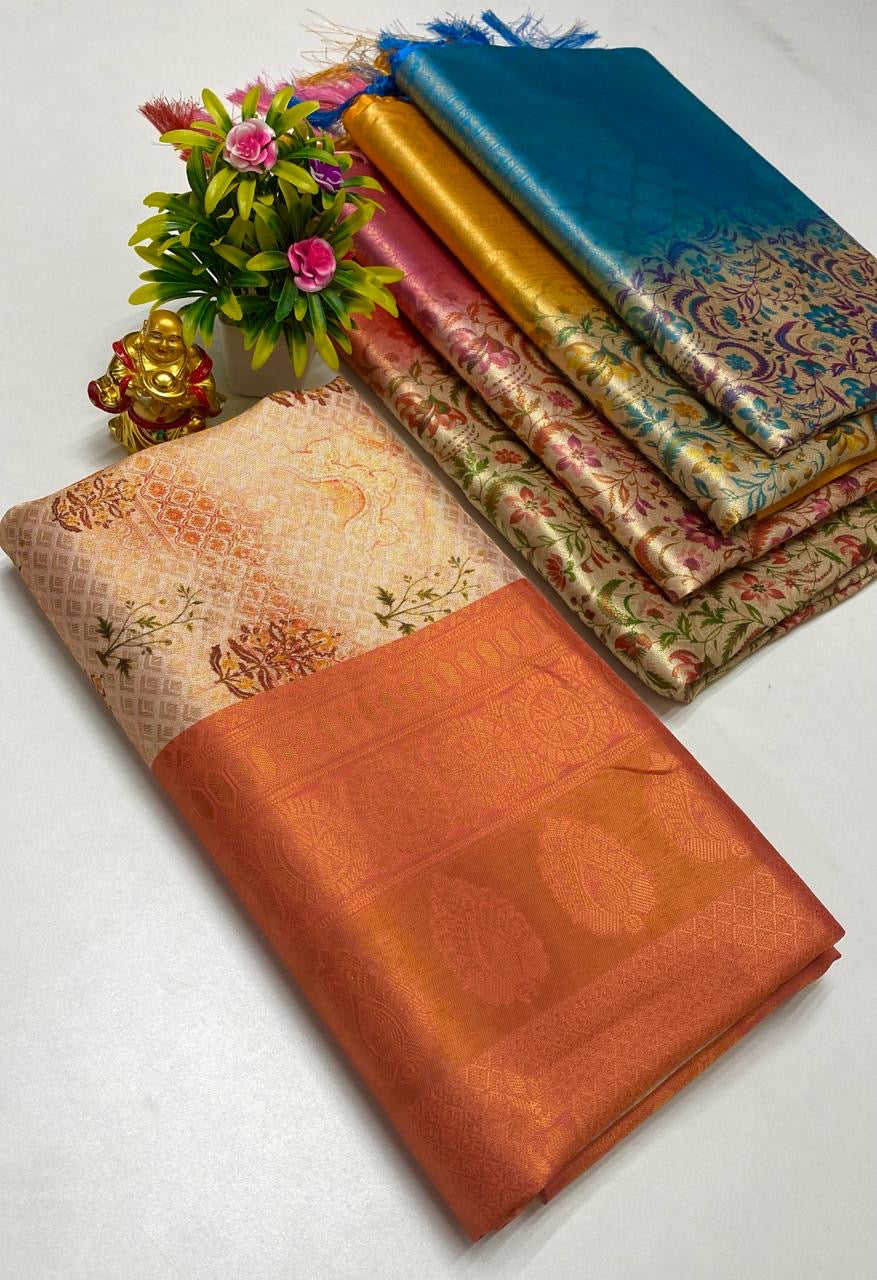
Popular varieties include:
- Banarasi Silk
- Kanjivaram Silk
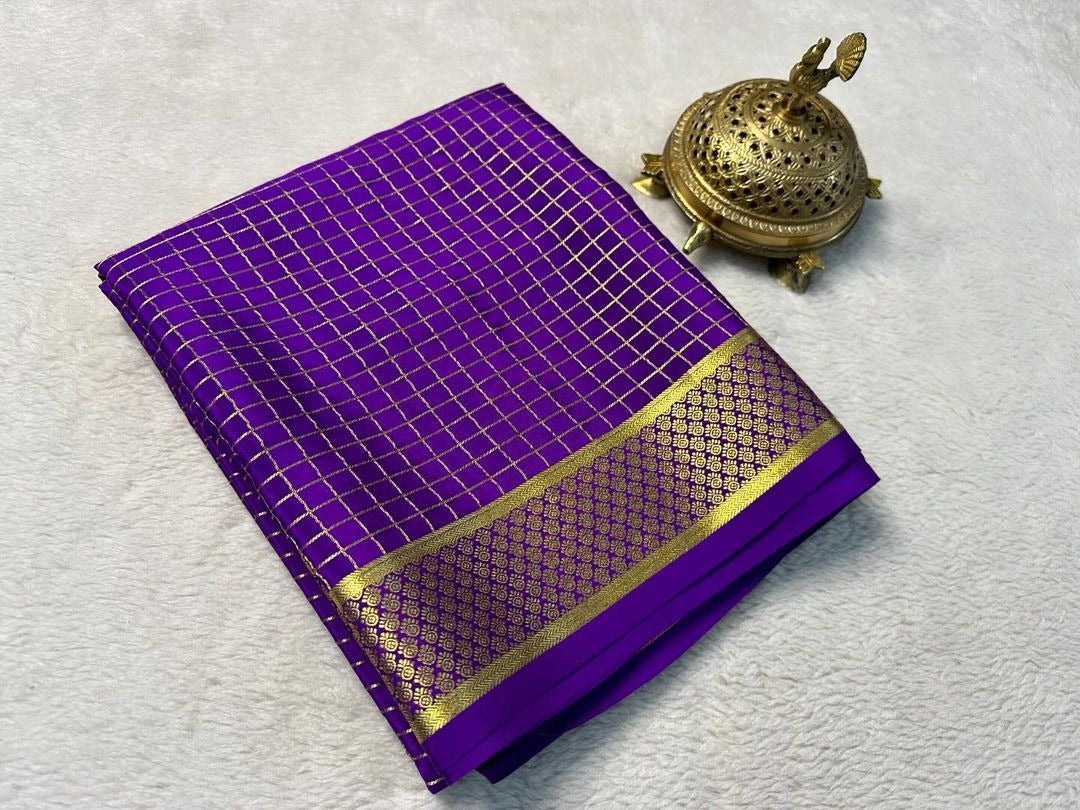
- Mysore Silk
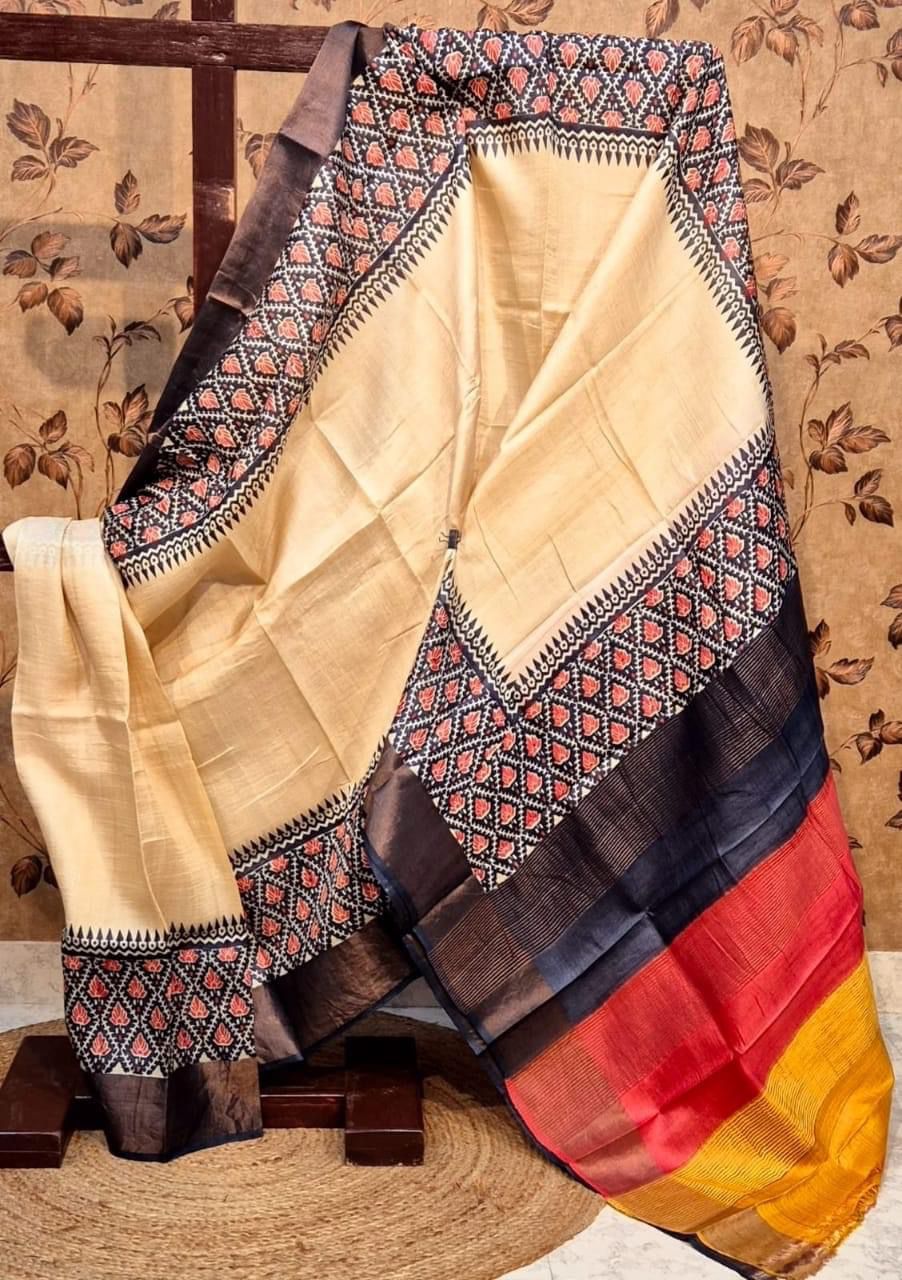
- Tussar Silk
- Patola Silk
- Chanderi Silk
- Organza Silk
Each offers a different look, feel, and level of craftsmanship.
2. A Single Silk Saree Can Take Months to Create
Luxury silk sarees are not mass-produced overnight.
Depending on the complexity of the design, an authentic handwoven saree may require:
- Several weeks
- Two to three months
- Sometimes even longer
Intricate zari work, detailed motifs, and complex weaving techniques demand extraordinary patience and skill.
3. Silk Is Stronger Than Many People Think
Although silk feels soft and delicate, it is one of the strongest natural fibers in the world.
High-quality silk offers:
- Excellent durability
- Long-lasting shine
- Natural flexibility
- Resistance to tearing when properly maintained
With proper care, a silk saree can remain beautiful for decades.
4. Every Handwoven Silk Saree Is Unique
Machine-made fabrics are nearly identical.
Handwoven silk sarees naturally display tiny variations in:
- Thread placement
- Motif alignment
- Texture
- Weaving tension
These subtle differences are signs of genuine craftsmanship—not imperfections.
No two authentic handmade silk sarees are exactly alike.
5. Zari Is More Than Decorative
Many people believe zari is added only for beauty.
Traditionally, premium zari was created using silver threads coated with gold, making it both luxurious and valuable.
Today, zari compositions vary, but it continues to enhance:
- Richness
- Texture
- Design depth
- Cultural significance
It remains one of the defining features of many classic silk sarees.
6. Proper Storage Makes a Huge Difference
Even the finest silk can deteriorate if stored incorrectly.
Common mistakes include:
- Plastic covers
- Damp wardrobes
- Direct sunlight
- Leaving sarees folded the same way for years
Instead:
- Store in cotton or muslin bags.
- Refold every three to six months.
- Keep away from moisture.
Good storage significantly extends the life of your sarees.
7. Silk Sarees Become Family Heirlooms
Unlike fast-fashion garments, silk sarees are often passed from one generation to the next.
Many families preserve treasured sarees worn by:
- Mothers
- Grandmothers
- Brides
- Family elders
These heirloom sarees carry emotional value alongside their beauty and craftsmanship.
8. Silk Is Naturally Comfortable
Many people assume silk sarees are too heavy or uncomfortable.
In reality, premium silk is:
- Breathable
- Lightweight (depending on the weave)
- Comfortable to drape
- Suitable for long events
Different silk varieties offer different levels of weight and structure, making it easy to find one for every occasion.
9. Buying Authentic Silk Supports Thousands of Artisans
Behind every genuine silk saree is an entire network of skilled professionals.
Your purchase supports:
- Silk farmers
- Yarn processors
- Dyers
- Designers
- Handloom weavers
- Zari artisans
- Finishers
Choosing authentic handwoven silk helps preserve traditional craftsmanship and sustain artisan communities across India.
Why These Facts Matter
Understanding how silk sarees are made helps you become a more informed buyer.
It allows you to:
- Recognize genuine craftsmanship.
- Appreciate artisan skill.
- Care for your sarees properly.
- Invest in long-lasting quality.
- Support India's rich textile heritage.
Knowledge transforms a simple purchase into a meaningful investment.
How to Choose a High-Quality Silk Saree
When shopping, consider these factors:
Fabric Quality
Look for smooth, premium silk with a natural sheen.
Weaving
Examine the clarity of motifs and borders.
Zari Work
Quality zari should appear evenly woven and well finished.
Craftsmanship
Small handmade variations indicate authentic weaving.
Trusted Sellers
Buy from reputable brands that provide transparent information about materials and weaving techniques.
Frequently Asked Questions
Why are silk sarees expensive?
They require premium natural fibers, skilled craftsmanship, intricate weaving, and considerable production time.
Can silk sarees really last for generations?
Yes. With proper care, many silk sarees remain beautiful for decades and often become cherished family heirlooms.
Are all silk sarees handmade?
No. Some are machine-made, while others are handwoven. Authentic handloom silk sarees generally display greater craftsmanship and individuality.
Why do handmade silk sarees have slight irregularities?
Small variations naturally occur during hand weaving and are considered signs of authentic artisan craftsmanship.
Which silk saree is best for beginners?
Lightweight options such as Mysore Silk or Tussar Silk are often comfortable choices for first-time silk saree buyers, while Banarasi and Kanjivaram are popular for weddings and grand occasions.
Conclusion
Silk sarees are far more than luxurious garments—they are masterpieces shaped by history, craftsmanship, and generations of artistic tradition. From their incredible strength and timeless elegance to the remarkable skill required to weave them, every silk saree tells a story that extends far beyond fashion.
The next time you choose a silk saree, remember that you're not just selecting a beautiful outfit. You're investing in a creation that reflects centuries of heritage, supports skilled artisans, and has the potential to become a treasured heirloom for future generations.
Understanding these nine fascinating facts will help you appreciate the true value of silk sarees and make more confident choices whenever you add one to your collection.