





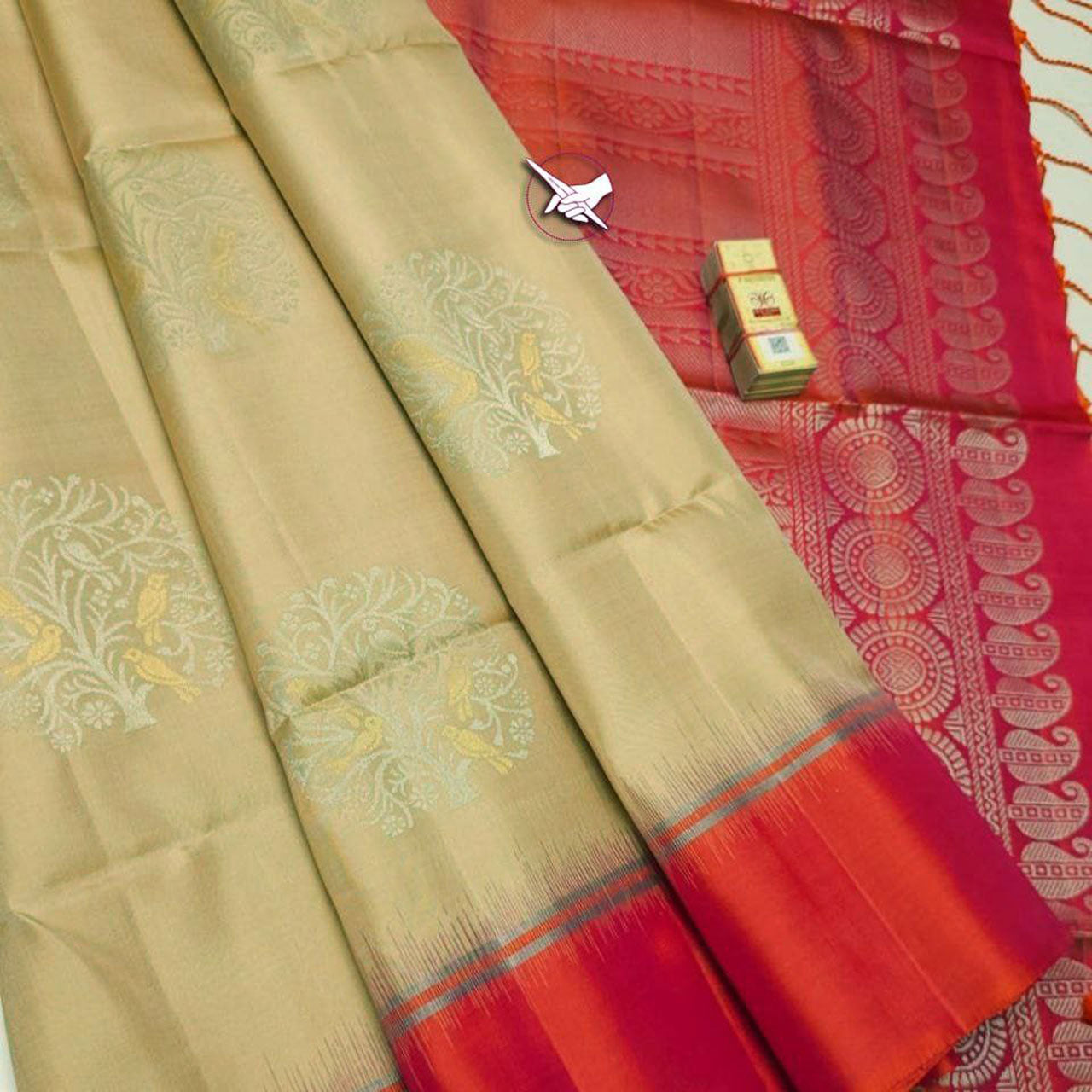


The Stories Woven Into Banarasi Sarees: More Than Just Fashion
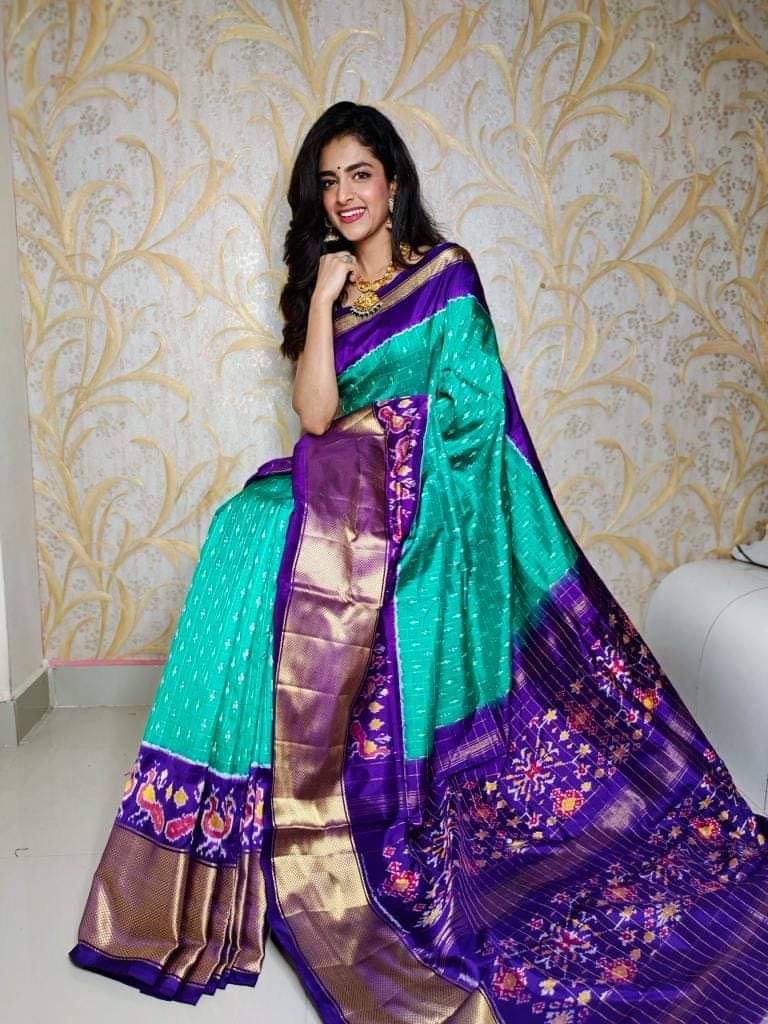
For generations, Banarasi sarees have been admired for their luxurious silk, shimmering zari, and breathtaking craftsmanship. They are among India's most cherished traditional garments, often chosen for weddings, festivals, and life's most memorable celebrations.
But a Banarasi saree is much more than a beautiful piece of clothing. Every weave, every motif, and every thread tells a story—a story of history, culture, artistry, and centuries of tradition. Long before they became symbols of elegance, Banarasi sarees were masterpieces created by skilled artisans who transformed silk into works of art.
When you wear a Banarasi saree, you're not simply wearing fashion. You're wearing generations of craftsmanship, royal heritage, and timeless storytelling.
Let's uncover the remarkable stories hidden within these iconic sarees.
A Legacy That Dates Back Centuries
The history of Banarasi weaving is closely connected to the ancient city of Varanasi, one of the world's oldest continuously inhabited cities.
Although Varanasi has been a center for textiles for centuries, Banarasi silk weaving flourished during the Mughal era.
Persian artistic influences blended beautifully with Indian craftsmanship, giving birth to a distinctive weaving tradition known for:
- Luxurious silk
- Rich brocade
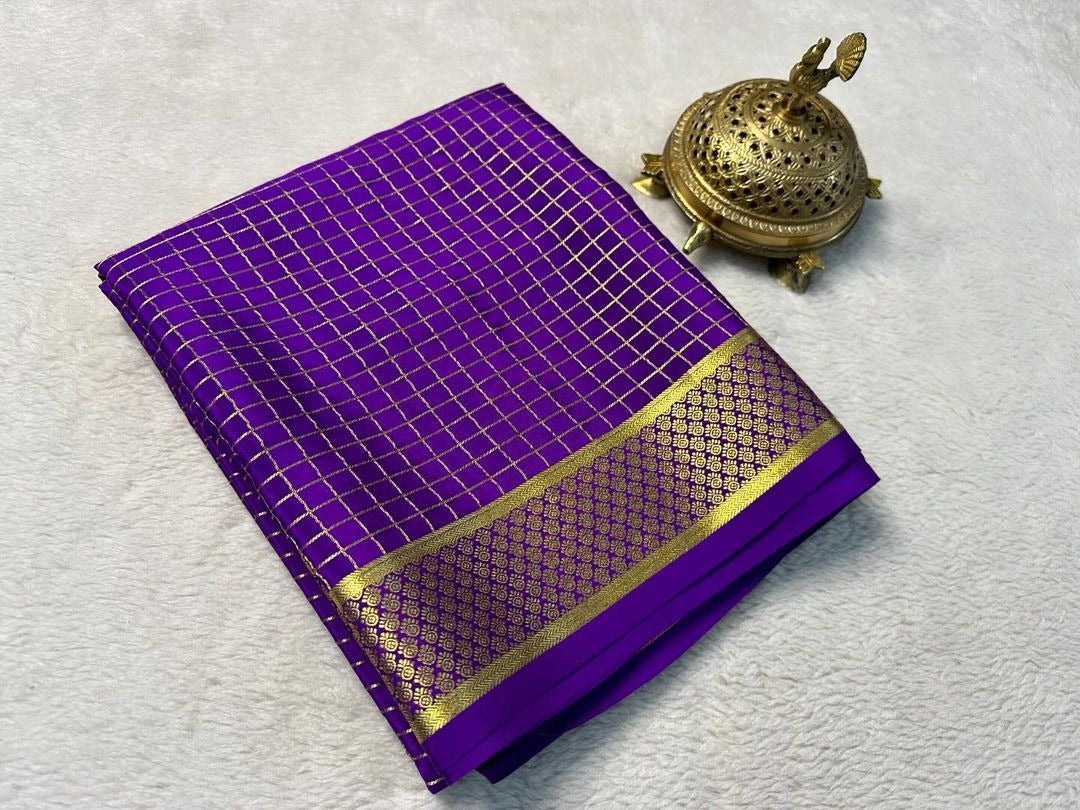
- Intricate zari work
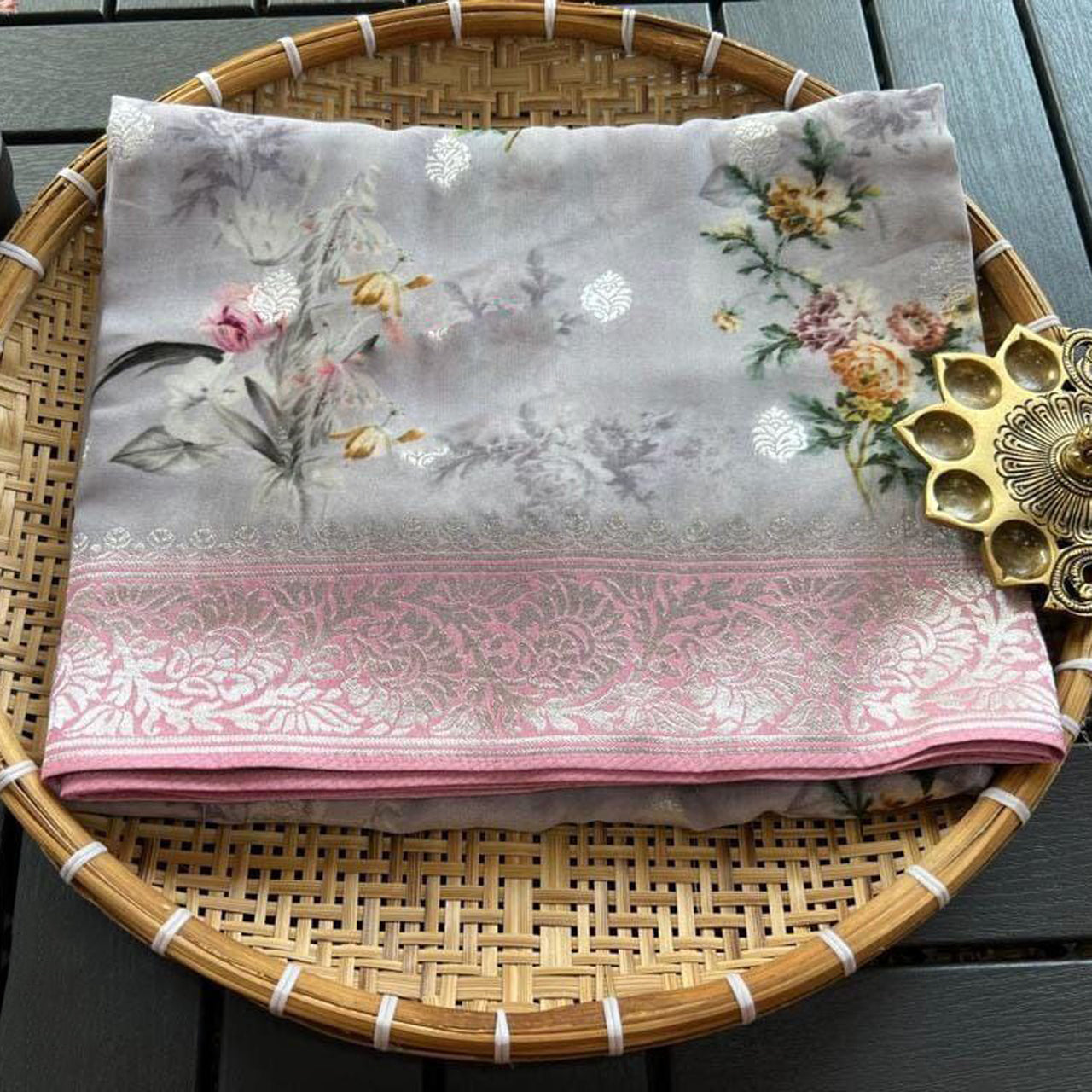
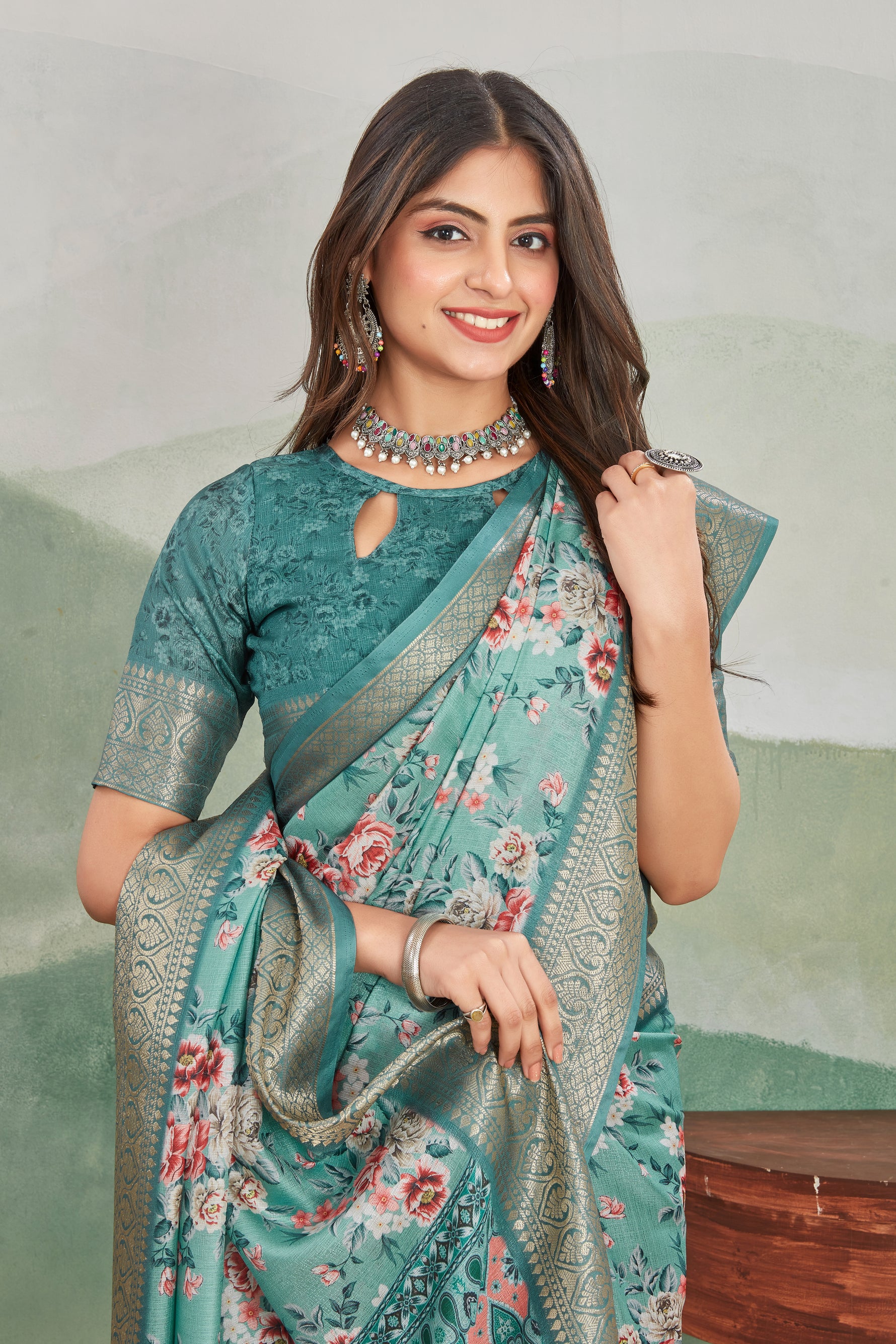
- Elegant floral patterns
Over time, Banarasi sarees became symbols of prestige and refinement.
Every Motif Has a Meaning
Unlike ordinary decorative designs, many Banarasi motifs have symbolic significance.
Traditional patterns often represent:
Floral Vines
Inspired by Mughal gardens, they symbolize beauty, prosperity, and harmony.
Lotus
A timeless symbol of purity, spirituality, and new beginnings.
Kalga and Bel
Graceful scrolling vines that reflect abundance and continuous growth.
Paisley
Associated with fertility, prosperity, and eternal life.
Peacock
Represents grace, celebration, beauty, and India's rich cultural identity.
Each woven design carries a deeper meaning that goes beyond decoration.
The Magic of Zari
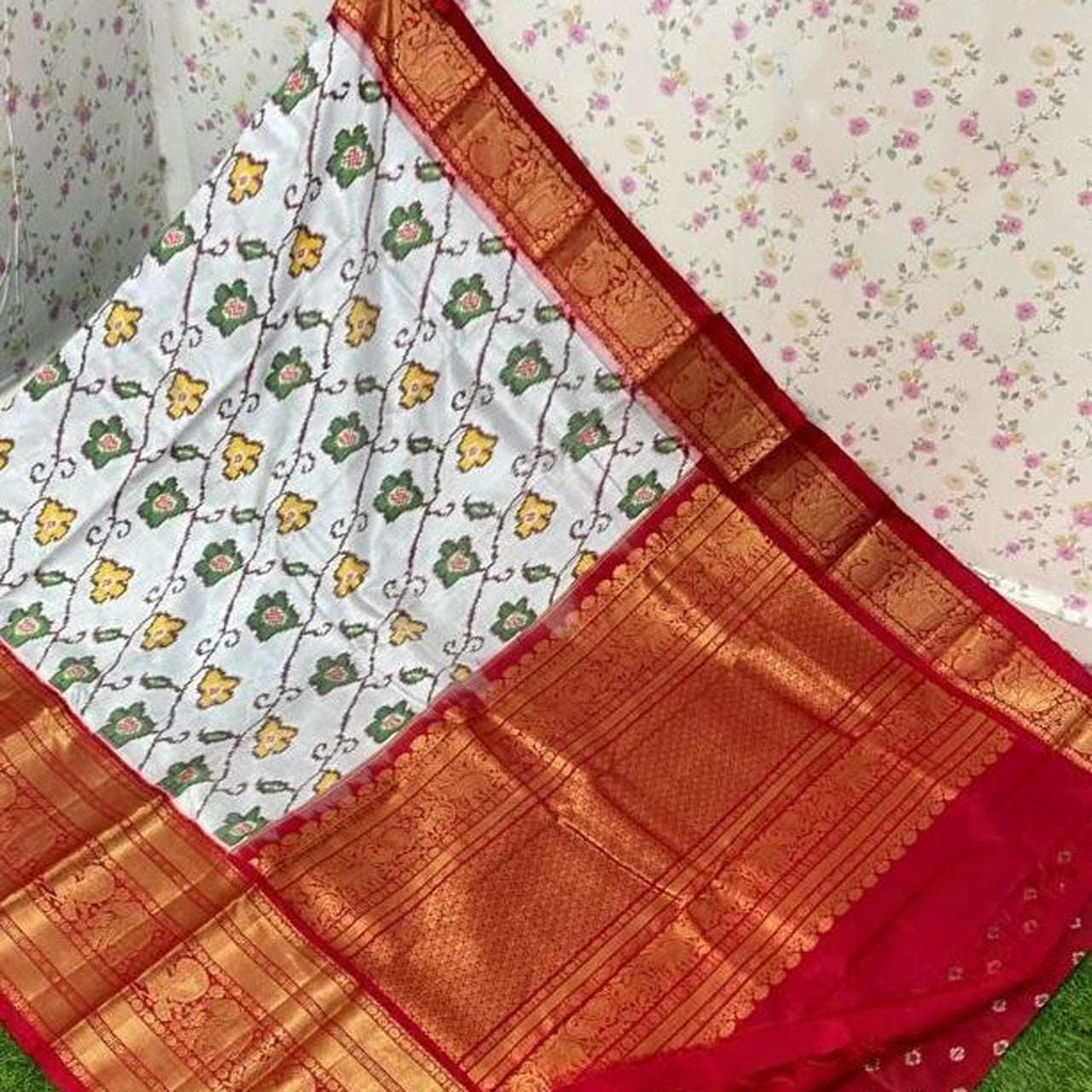
One of the defining features of Banarasi sarees is their magnificent zari work.
Traditionally, artisans used fine metallic threads made from silver coated with gold to create shimmering patterns.
Although modern zari materials vary, the artistry remains extraordinary.
Creating elaborate zari designs requires:
- Precision
- Patience
- Exceptional weaving skill
The rich borders and pallus are often the result of weeks of meticulous craftsmanship.
Handloom Craftsmanship Passed Through Generations
Behind every authentic Banarasi saree is a family of skilled weavers.
In many weaving communities, the craft is passed from one generation to the next.
Young artisans learn:
- Silk preparation
- Thread arrangement
- Pattern reading
- Loom operation
- Intricate weaving techniques
This transfer of knowledge has helped preserve Banarasi weaving for centuries despite changing fashion trends.
A Saree That Marks Life's Biggest Celebrations
Few garments are as deeply connected with life's milestones as the Banarasi saree.
It is commonly chosen for:
- Weddings
- Engagement ceremonies
- Religious festivals
- Family celebrations
- Cultural events
For many families, a Banarasi saree is more than bridal attire—it's an heirloom that carries emotional value across generations.
It often becomes part of cherished family memories and traditions.
The Time Behind Every Masterpiece
One of the reasons Banarasi sarees are so highly valued is the time required to create them.
Depending on the complexity of the design, a single handwoven saree may take:
- Several weeks
- A few months
- Occasionally even longer
Complex motifs, intricate zari work, and detailed borders require extraordinary concentration and craftsmanship.
Every finished saree reflects countless hours of patient dedication.
Mughal Influence on Banarasi Design
The Mughal period introduced remarkable artistic refinement to Banarasi weaving.
Persian-inspired elements gradually became part of traditional Indian textiles.
These influences can still be seen in:
- Delicate floral gardens
- Symmetrical vines
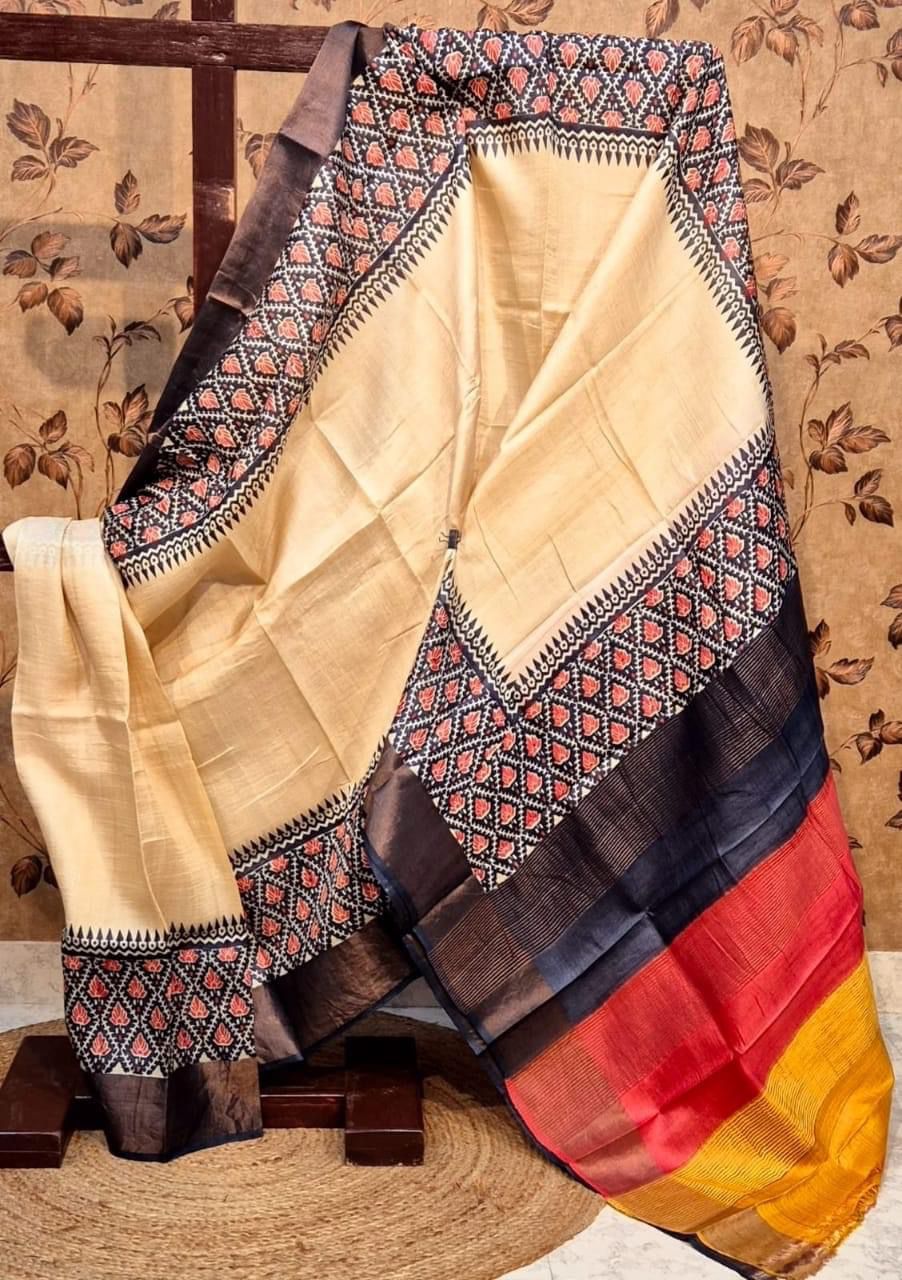
- Fine geometric layouts
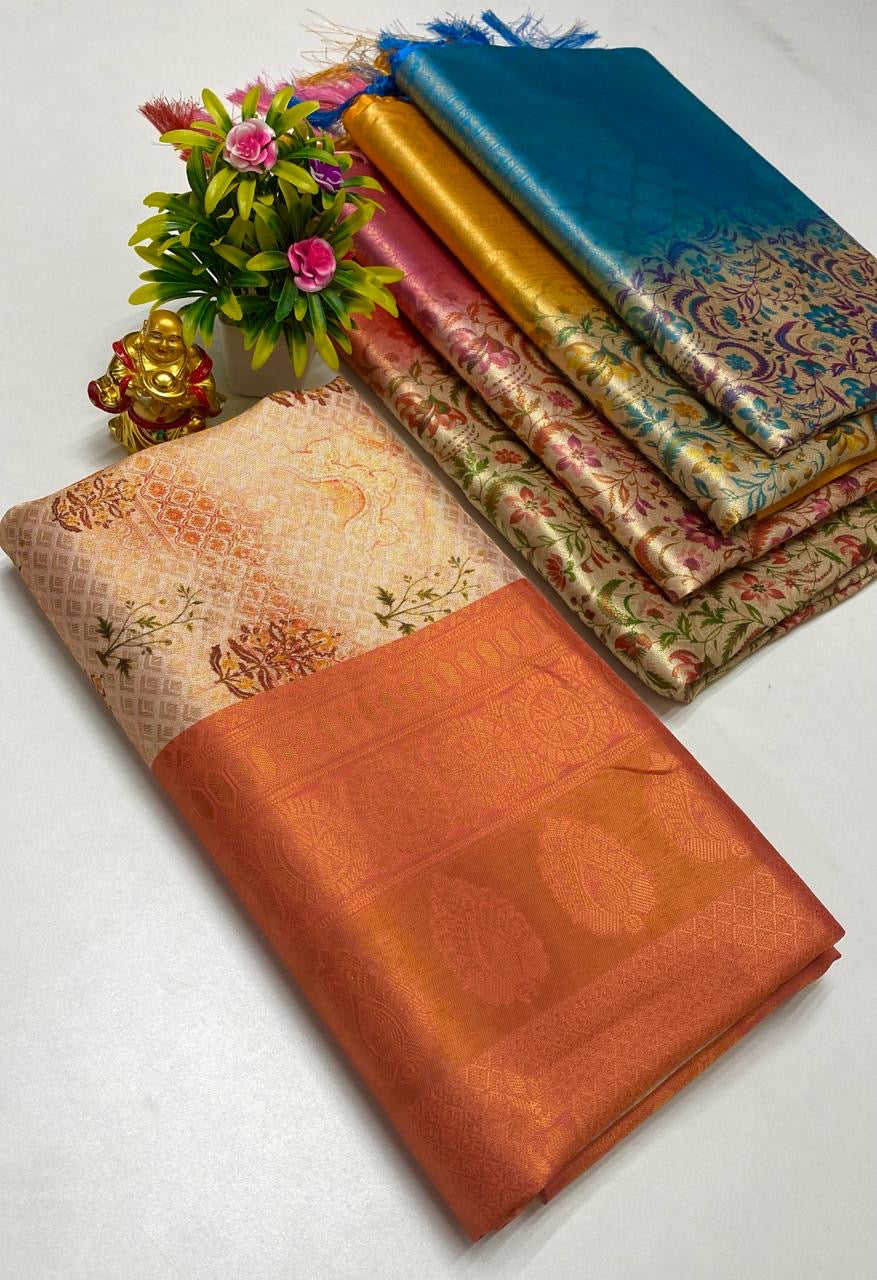
- Elegant brocade patterns
This fusion created the distinctive Banarasi aesthetic admired around the world today.
Every Saree Is Slightly Different
Authentic handwoven Banarasi sarees possess a uniqueness that machines cannot replicate.
Subtle differences in:
- Weaving tension
- Thread placement
- Motif detailing
- Texture
are natural characteristics of handcrafted textiles.
These variations make every saree one of a kind.
Rather than imperfections, they are signatures of genuine craftsmanship.
More Than Luxury—A Living Heritage
Banarasi sarees represent far more than premium fashion.
They preserve:
- Traditional weaving techniques
- Cultural identity
- Artisan livelihoods
- India's textile heritage
- Centuries of artistic knowledge
Every purchase of an authentic handloom Banarasi saree supports skilled craftsmen who continue to keep this remarkable tradition alive.
Banarasi Sarees in Modern Fashion
While deeply rooted in history, Banarasi sarees continue to evolve.
Today's designers combine traditional weaving with:
- Contemporary color palettes
- Minimalist borders
- Lightweight silk
- Modern blouse designs
Young women now style Banarasi sarees with belts, jackets, crop tops, and statement jewelry while preserving the elegance of the original weave.
This balance between heritage and innovation keeps Banarasi sarees relevant for every generation.
Why Banarasi Sarees Never Go Out of Style
Fashion trends change constantly, but Banarasi sarees remain timeless because they combine:
- Exceptional craftsmanship
- Luxurious silk
- Rich symbolism
- Versatility
- Cultural significance
A well-made Banarasi saree can be worn for decades and often becomes a treasured heirloom passed down within families.
Very few garments possess such lasting emotional and artistic value.
How to Choose an Authentic Banarasi Saree
When purchasing a Banarasi saree, pay attention to:
Fabric Quality
Premium silk feels soft, smooth, and naturally luxurious.
Weaving
Look for clean, detailed, and consistent craftsmanship.
Zari Work
High-quality zari should be evenly woven and beautifully finished.
Motifs
Traditional handwoven motifs display fine detailing and artistic precision.
Trusted Sellers
Purchase from reputable brands or artisan-focused retailers that provide clear product information.
Frequently Asked Questions
Why are Banarasi sarees so famous?
They are renowned for luxurious silk, intricate zari work, Mughal-inspired motifs, and exceptional handloom craftsmanship.
Why are Banarasi sarees worn at weddings?
Their rich appearance, cultural significance, and timeless elegance make them one of the most popular bridal sarees in India.
How long does it take to weave a Banarasi saree?
Depending on the complexity, an authentic handwoven Banarasi saree may take several weeks to several months.
What makes every Banarasi saree unique?
Because they are woven by skilled artisans, each saree contains subtle variations that reflect genuine hand craftsmanship.
Are Banarasi sarees a good long-term investment?
Yes. Their quality, durability, timeless design, and cultural value make them treasured heirloom pieces that can last for generations with proper care.
Conclusion
A Banarasi saree is far more than a luxurious outfit—it's a woven narrative of India's history, artistry, and cultural heritage. Every shimmering zari thread, every intricate floral motif, and every carefully crafted border tells a story shaped by centuries of skilled craftsmanship and tradition.
From the ancient weaving lanes of Varanasi to modern celebrations around the world, Banarasi sarees continue to symbolize elegance, heritage, and timeless beauty. Owning one is not simply adding another saree to your wardrobe; it's preserving a living tradition and celebrating the remarkable artisans whose dedication transforms silk into storytelling.
In a world of fast fashion, Banarasi sarees remain enduring masterpieces—beautiful reminders that true luxury lies not only in appearance but in the stories woven into every thread.