








The Science Behind Silk: Why It Feels Different from Every Other Fabric
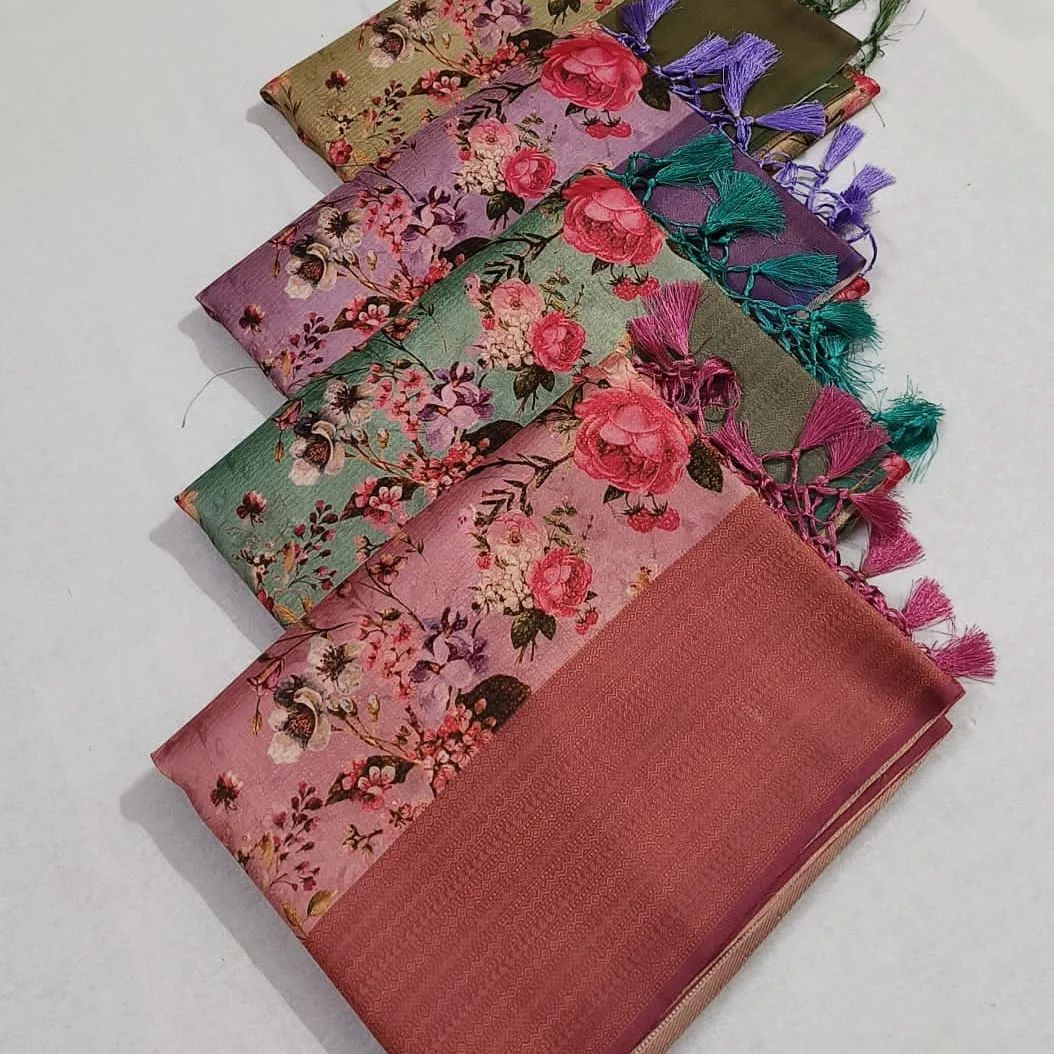
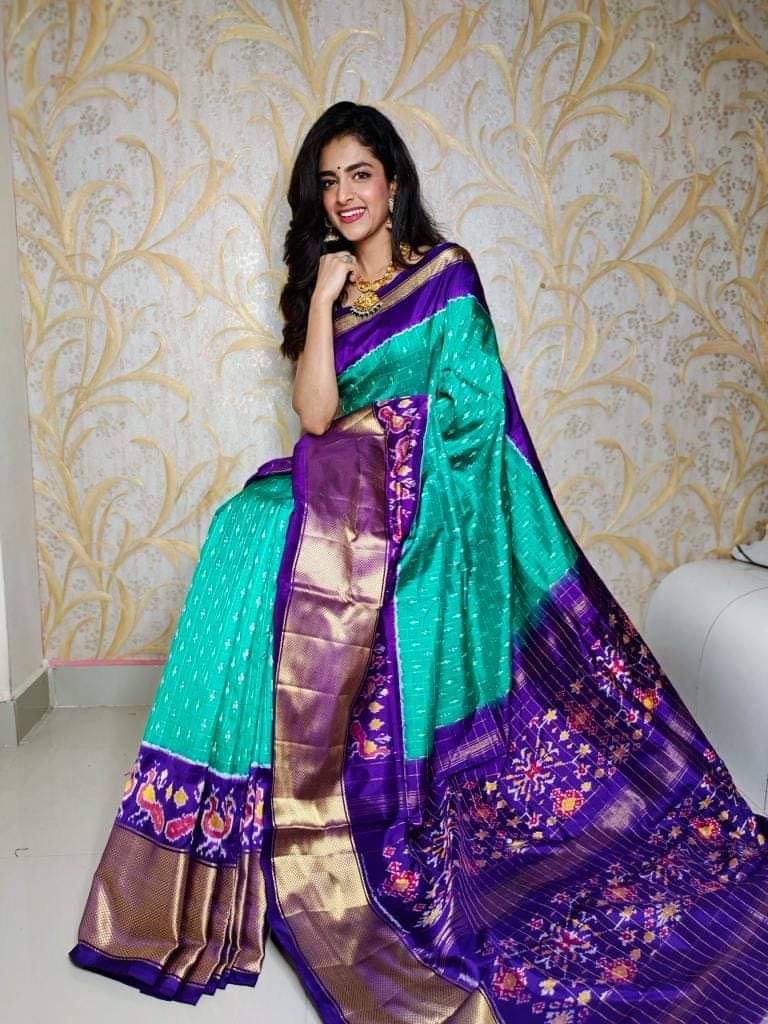
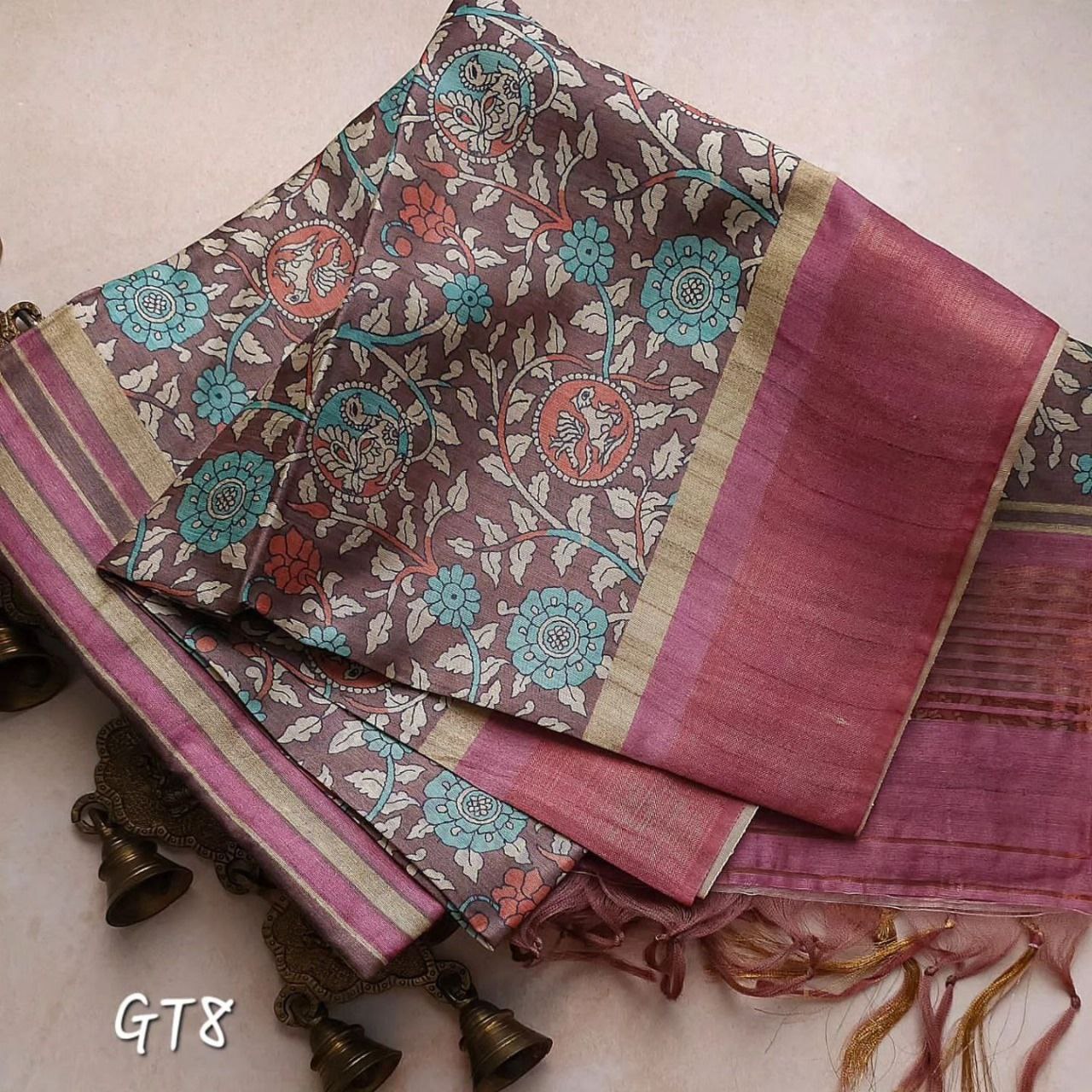
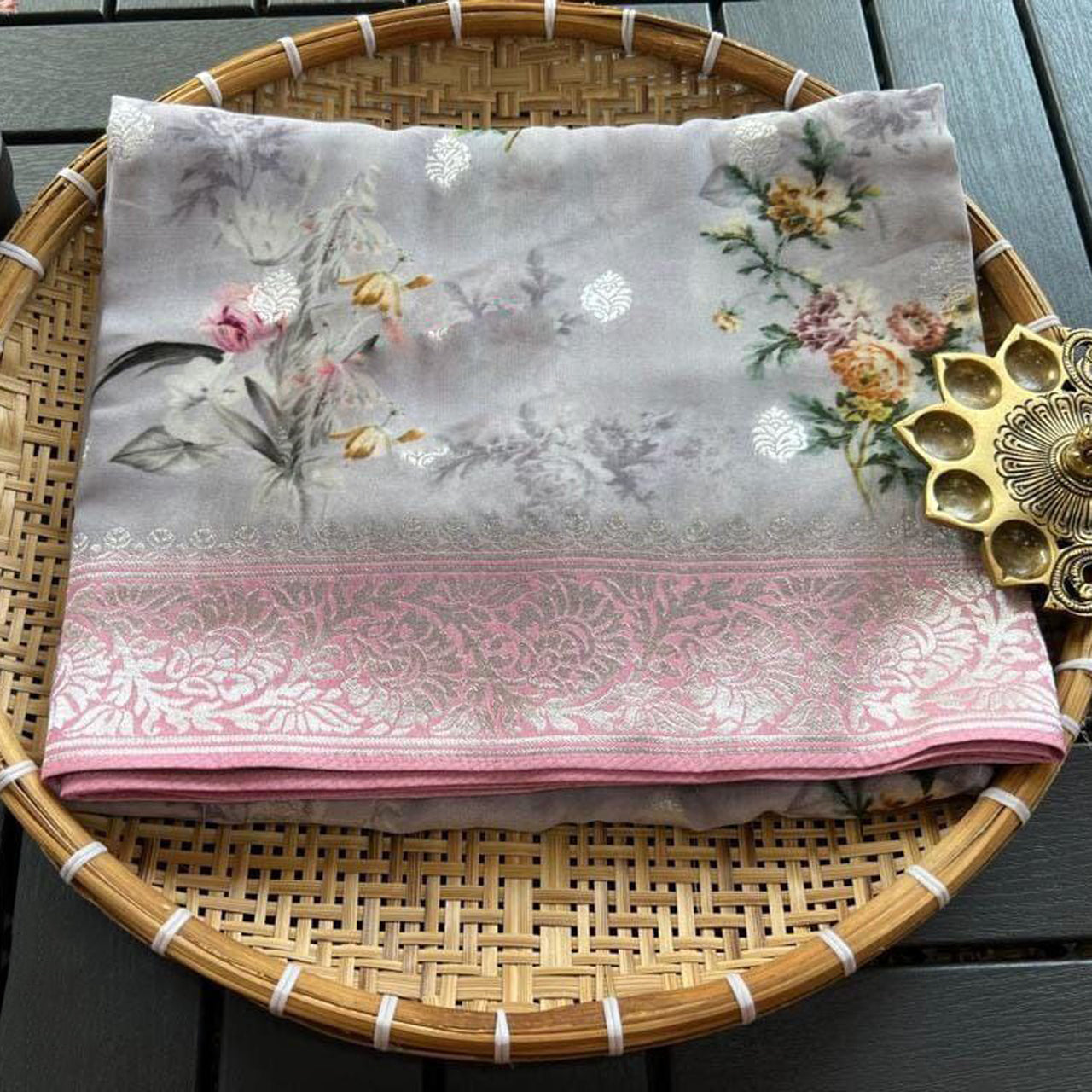
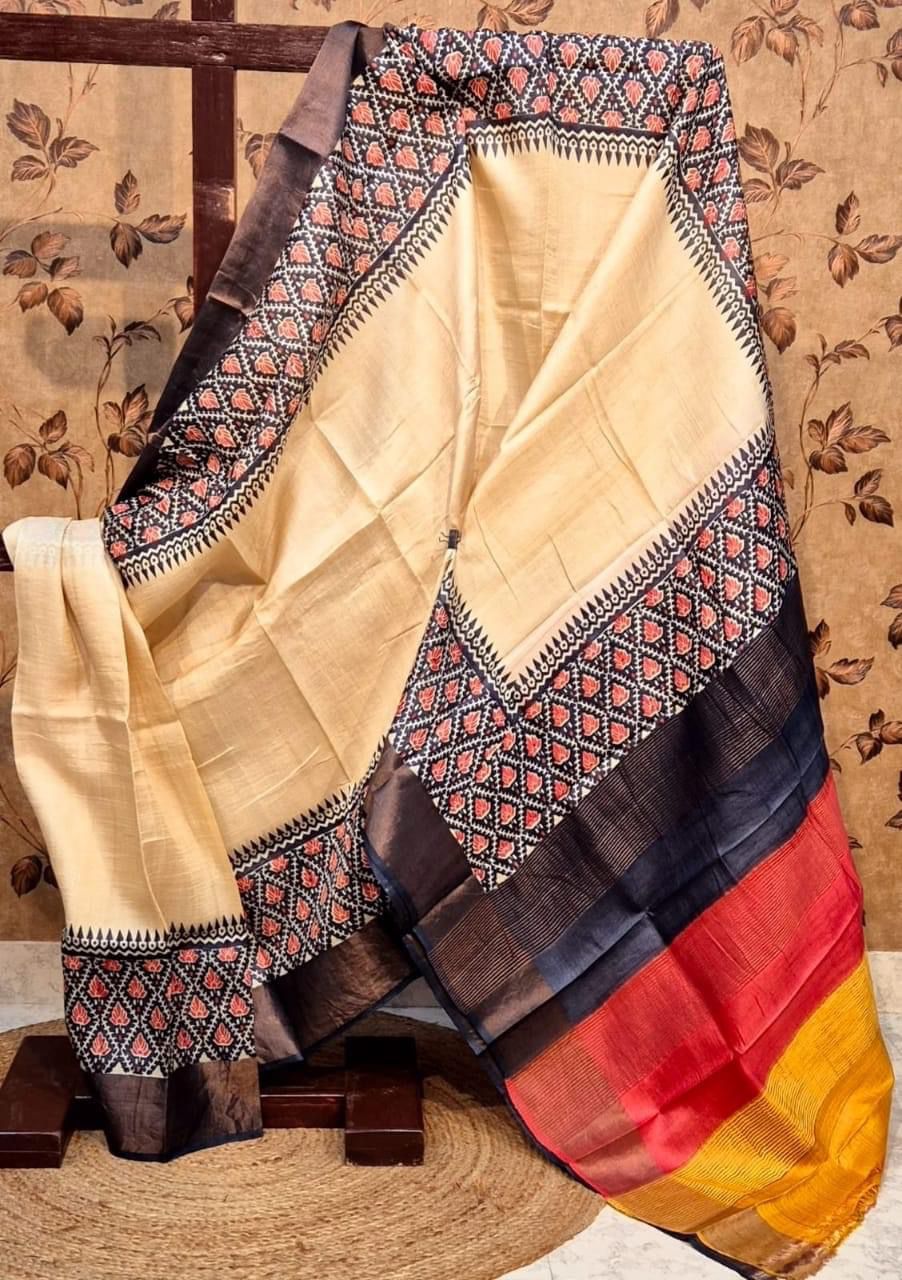
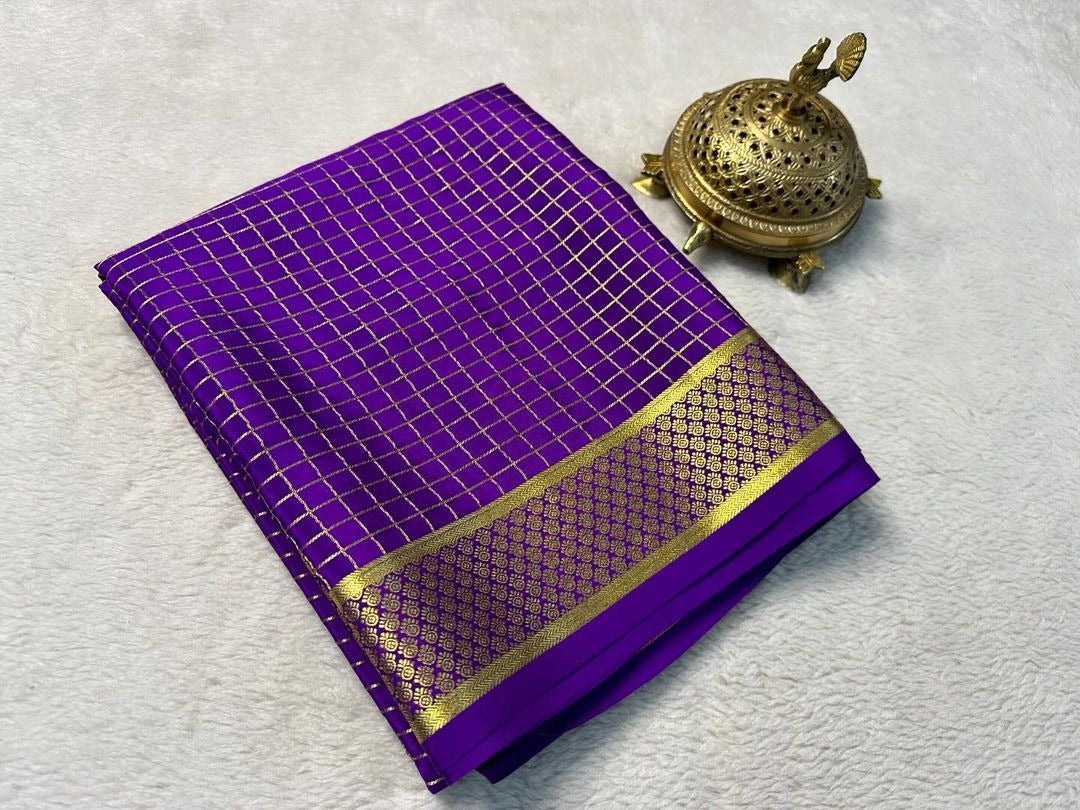
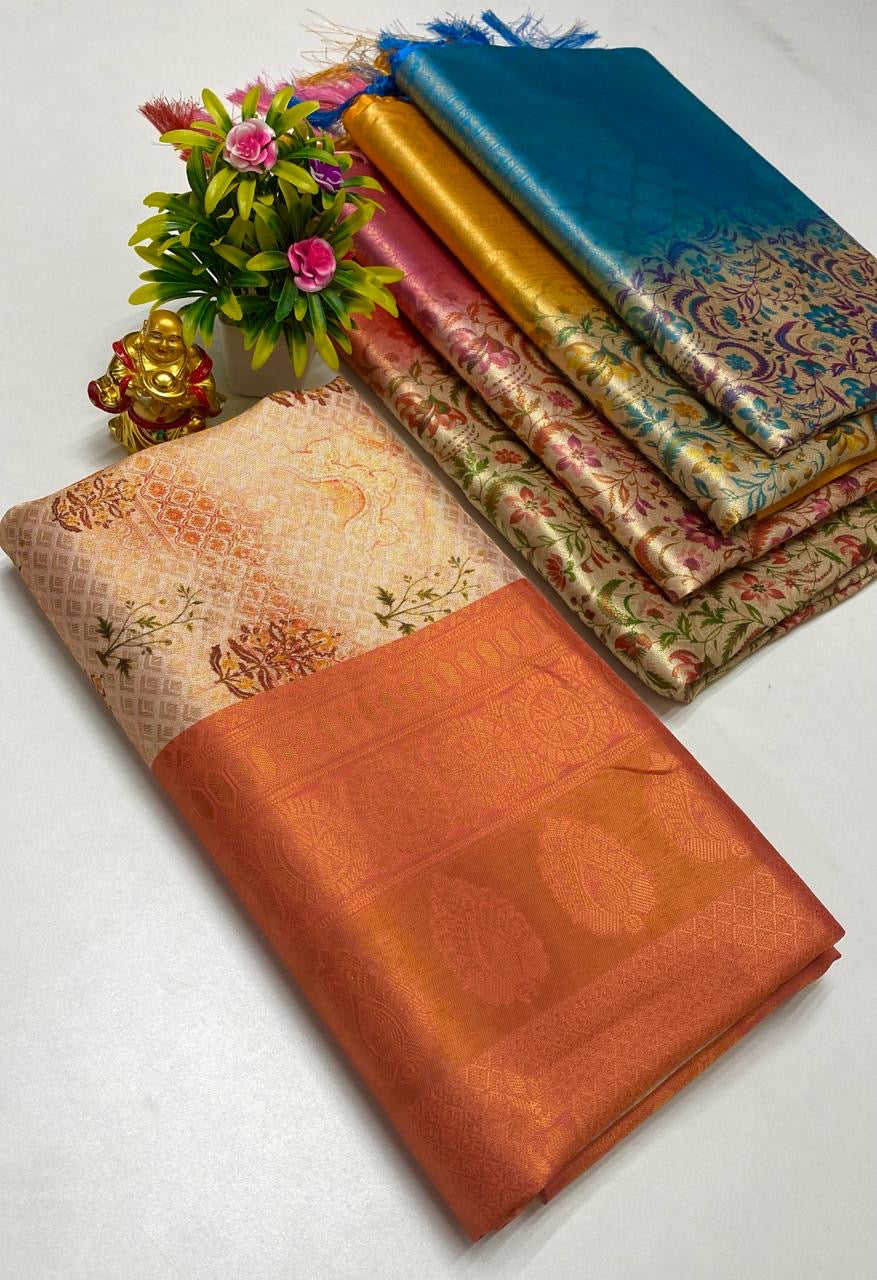
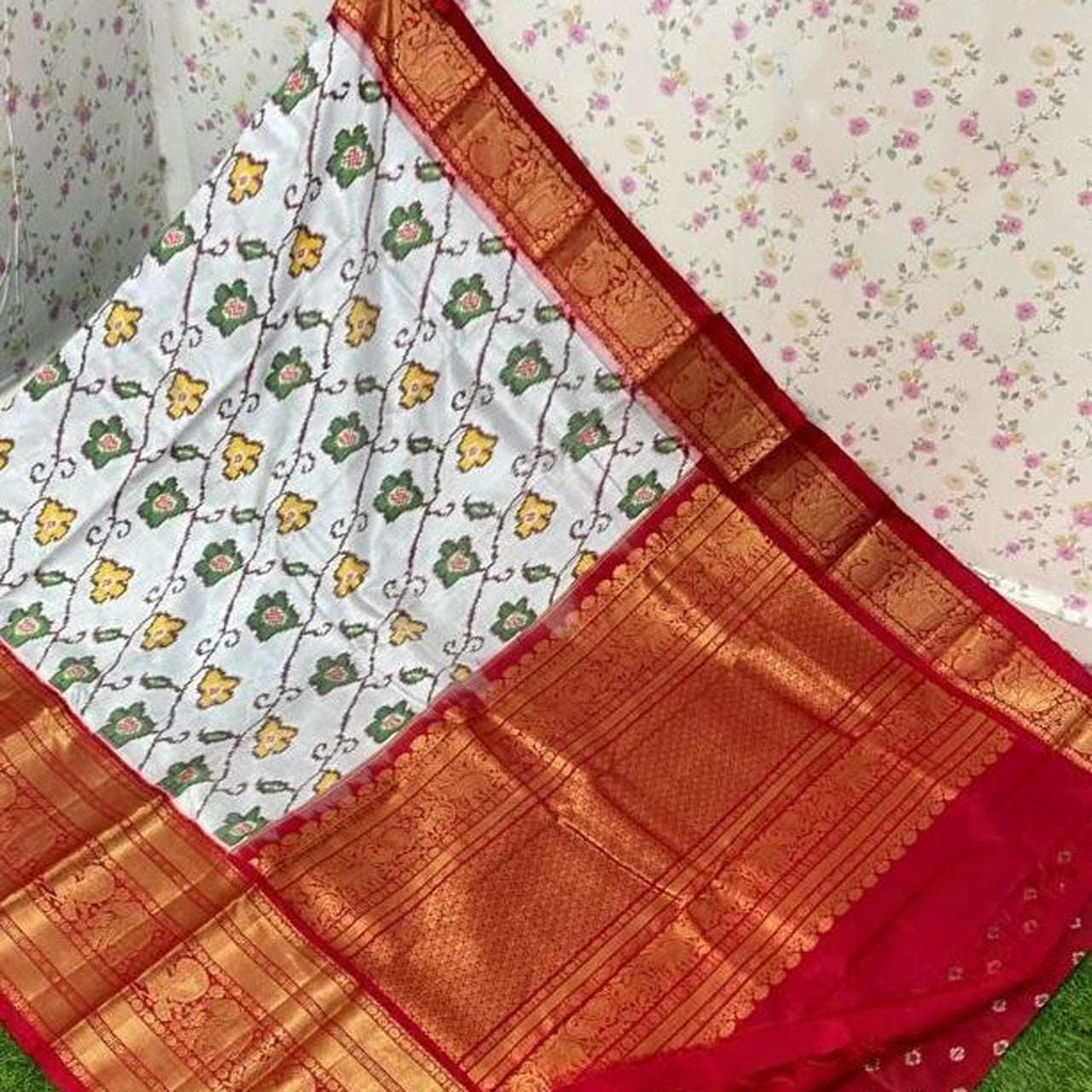
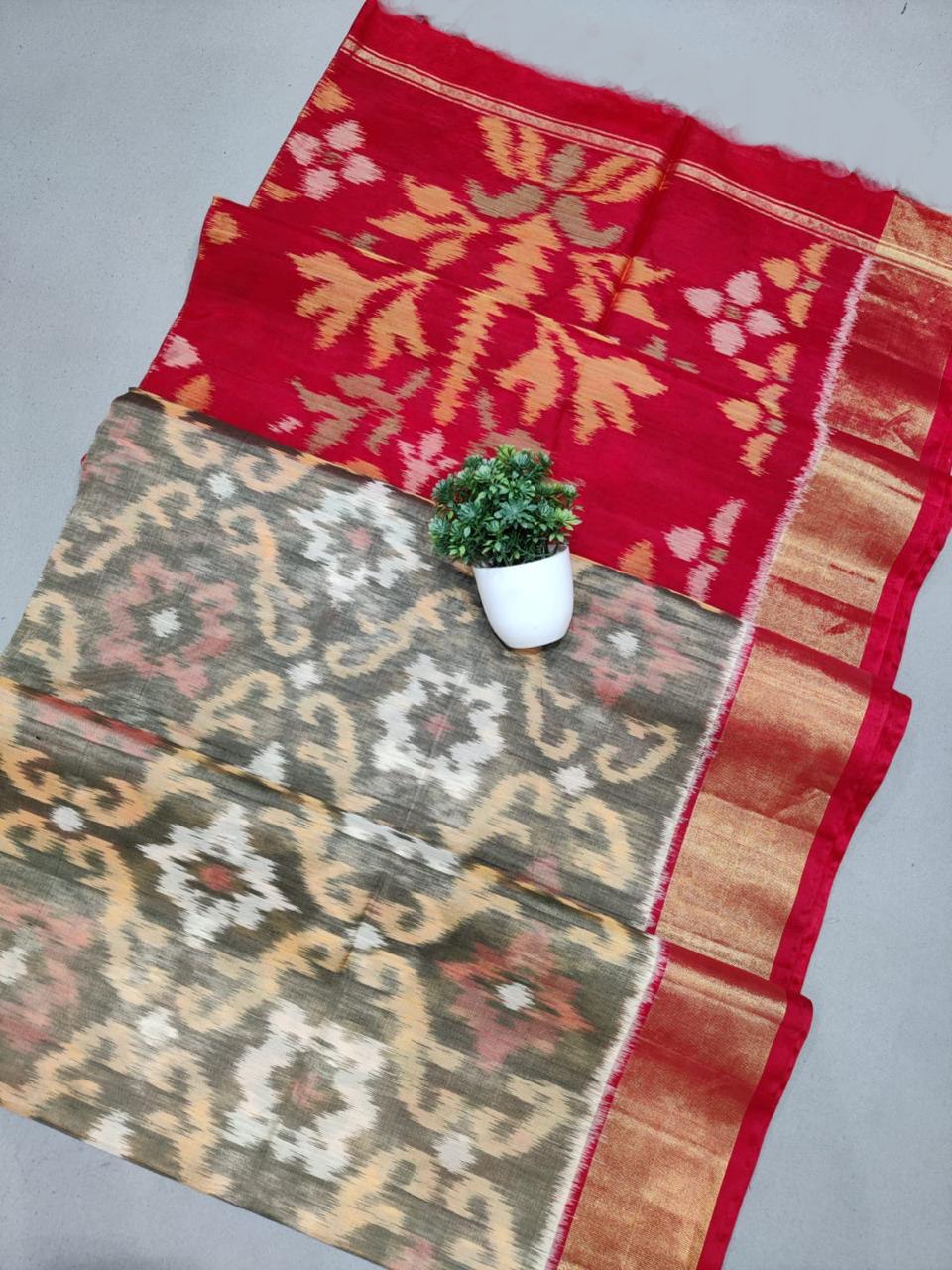
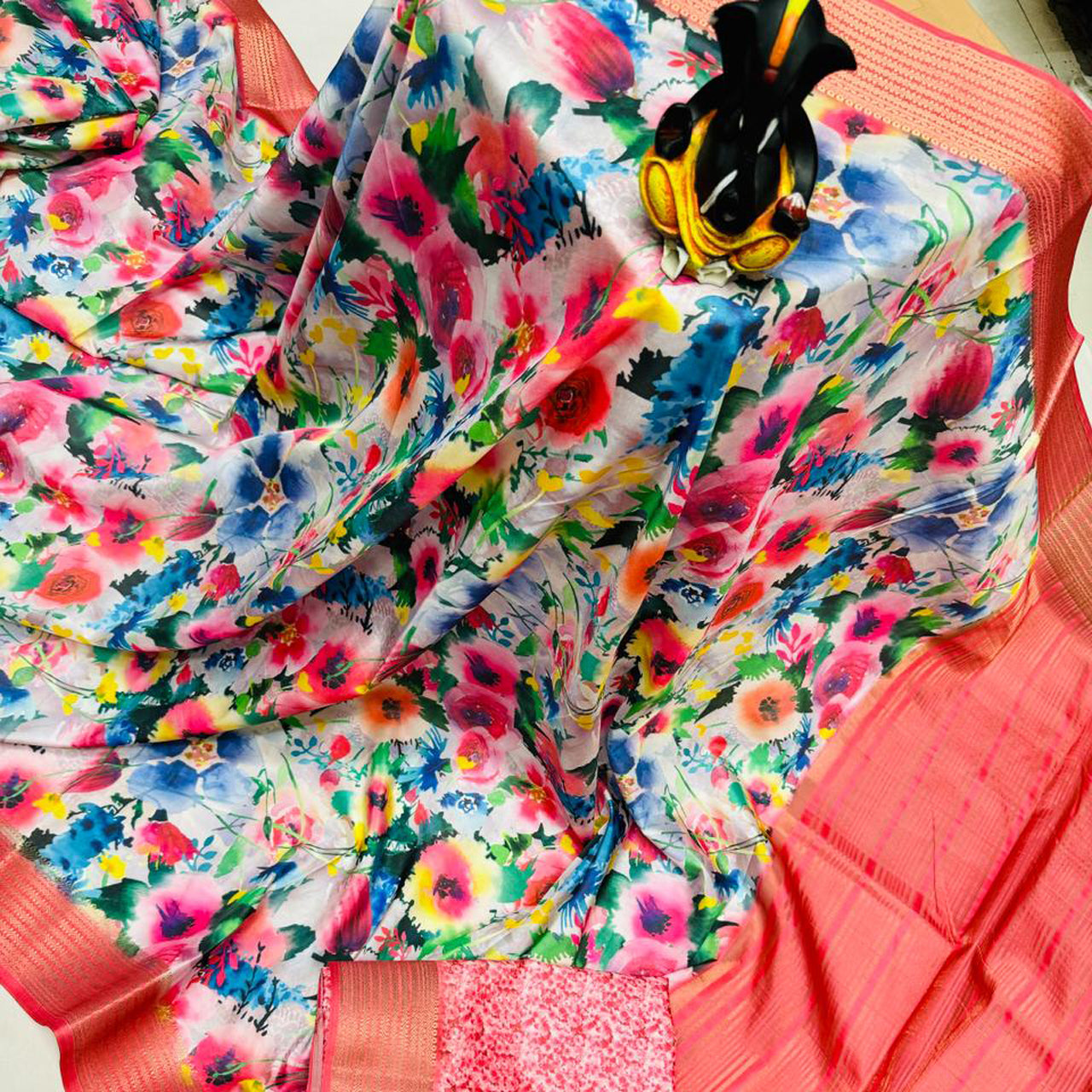
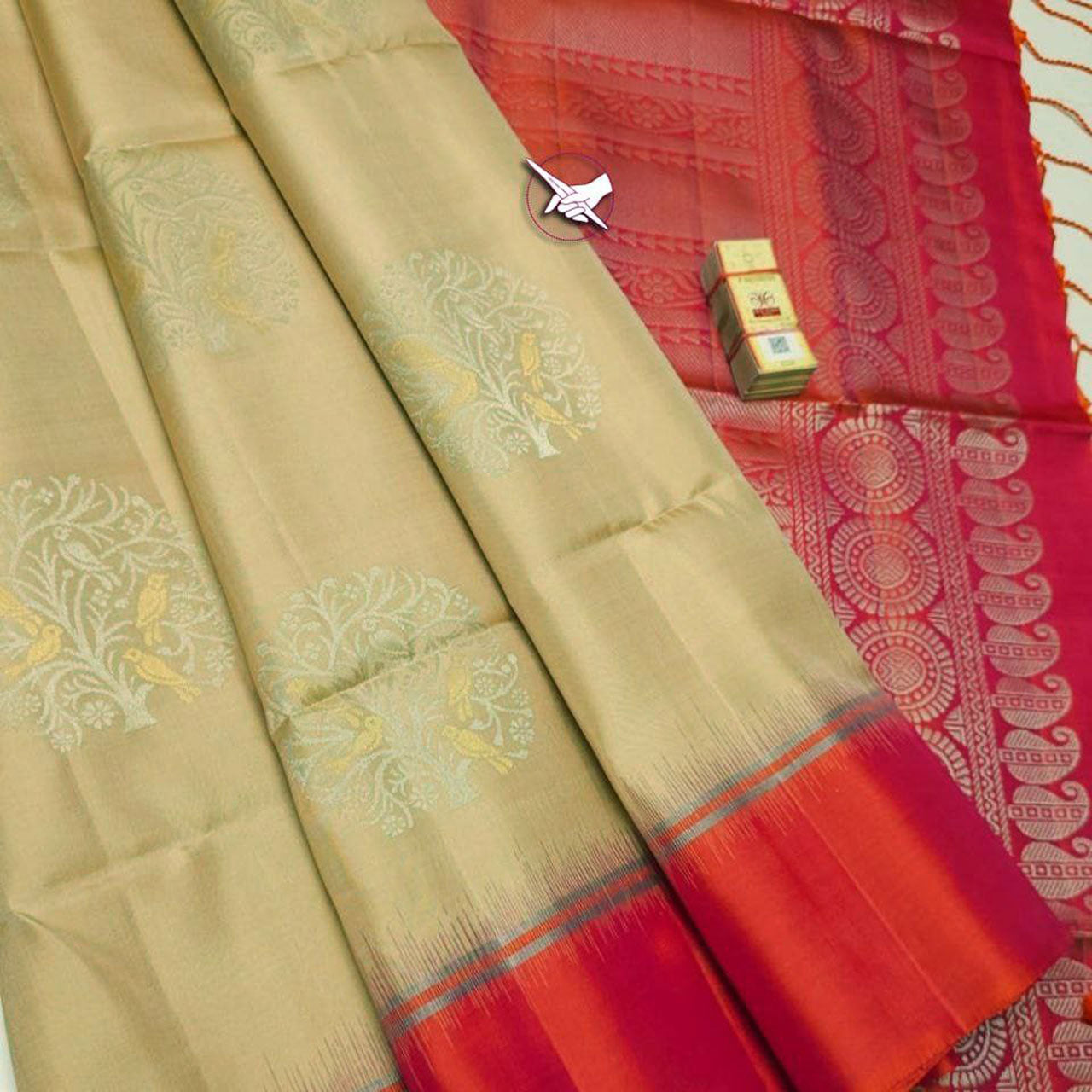
There's something unmistakable about silk. The moment you touch it, you notice its smooth texture, elegant drape, and natural sheen. Whether it's a luxurious Banarasi saree, a timeless Kanjivaram, a graceful Mysore Silk, or a lightweight Tussar weave, silk has a feel that no other fabric can truly replicate.
But what makes silk so unique?
The answer lies in science. Unlike synthetic fabrics or even natural fibers such as cotton and linen, silk has a remarkable molecular structure that gives it its softness, strength, breathability, and luxurious appearance. These natural properties explain why silk has been admired for thousands of years and continues to be one of the world's most treasured textiles.
Let's explore the fascinating science behind silk and discover why it feels different from every other fabric.
Silk Is a Natural Protein Fiber
One of the biggest reasons silk feels unique is because it isn't a plant-based fiber.
Silk is a natural protein fiber produced by silkworms as they spin protective cocoons.
Its primary proteins are:
- Fibroin
- Sericin
Fibroin forms the strong inner fiber that gives silk its remarkable strength, while sericin acts as a natural coating that protects the fibers during cocoon formation. During processing, much of the sericin is removed, revealing silk's signature softness and shine.
This protein-based composition makes silk fundamentally different from cotton, linen, rayon, and polyester.
The Secret Lies in Silk's Smooth Fiber Structure
If viewed under a microscope, silk fibers have an exceptionally smooth surface.
This smoothness creates several noticeable benefits:
- Luxurious texture
- Gentle feel against the skin
- Natural luster
- Elegant drape
Unlike rougher fibers, silk reflects light evenly, producing its famous soft glow instead of an overly glossy appearance.
Silk Is Surprisingly Strong
Many people assume silk is delicate because it feels soft.
In reality, silk is one of the strongest natural textile fibers.
Its impressive tensile strength allows premium silk sarees to:
- Resist tearing
- Maintain shape
- Last for decades
- Become treasured heirlooms
With proper care, a quality silk saree can remain beautiful for generations.
Natural Temperature Regulation
One reason silk feels comfortable throughout the year is its ability to regulate temperature.
Silk naturally helps:
- Keep you cool in warm weather
- Retain warmth during cooler temperatures
- Maintain comfortable airflow
This versatility explains why silk sarees are worn during weddings, festivals, and celebrations across different seasons.
Excellent Breathability
Unlike many synthetic fabrics, silk allows air to circulate naturally.
Its breathable structure helps reduce heat buildup, making it more comfortable during long events.
This is especially appreciated when wearing silk sarees for:
- Weddings
- Religious ceremonies
- Festivals
- Formal gatherings
Comfort is one of silk's greatest strengths.
Silk Absorbs Moisture Naturally
Silk can absorb a moderate amount of moisture without feeling damp.
This natural property helps the fabric remain comfortable during extended wear.
Instead of trapping perspiration on the surface, silk manages moisture more effectively than many synthetic alternatives.
Why Silk Drapes So Beautifully
A saree's elegance depends largely on how it drapes.
Silk fibers possess excellent flexibility, allowing the fabric to:
- Form graceful pleats
- Flow naturally
- Create elegant silhouettes
- Maintain structure without stiffness
This unique balance of softness and strength contributes to silk's timeless appeal.
Silk's Natural Shine
Many fabrics achieve shine through chemical finishes.
Silk's glow is entirely natural.
Its triangular fiber structure reflects light from multiple angles, creating a soft, luminous appearance that changes subtly as you move.
This multidirectional reflection is what gives silk its unmistakable elegance.
Silk Ages Beautifully
High-quality silk doesn't simply last—it often becomes even more enjoyable over time.
With proper care, silk develops:
- Softer texture
- More graceful drape
- Lasting beauty
Unlike many mass-produced fabrics, silk retains its elegance year after year.
Why Silk Feels So Luxurious
Several scientific properties work together to create silk's luxurious feel:
- Smooth protein fibers
- Fine filament structure
- Natural flexibility
- Excellent breathability
- Moisture management
- Soft light reflection
Together, these characteristics create an experience that synthetic fabrics struggle to reproduce.
Silk vs Other Popular Fabrics
| Feature | Silk | Cotton | Linen | Polyester |
|---|---|---|---|---|
| Fiber Type | Natural protein | Natural plant fiber | Natural plant fiber | Synthetic |
| Texture | Smooth and luxurious | Soft | Crisp | Varies |
| Shine | Natural luminous sheen | Matte | Matte | Artificial gloss |
| Breathability | Excellent | Excellent | Excellent | Moderate |
| Drape | Elegant | Moderate | Structured | Depends on weave |
| Longevity | Excellent with care | Good | Good | Varies |
Each fabric has its own advantages, but silk's combination of beauty, strength, and comfort makes it unique.
Why Premium Silk Sarees Feel Different
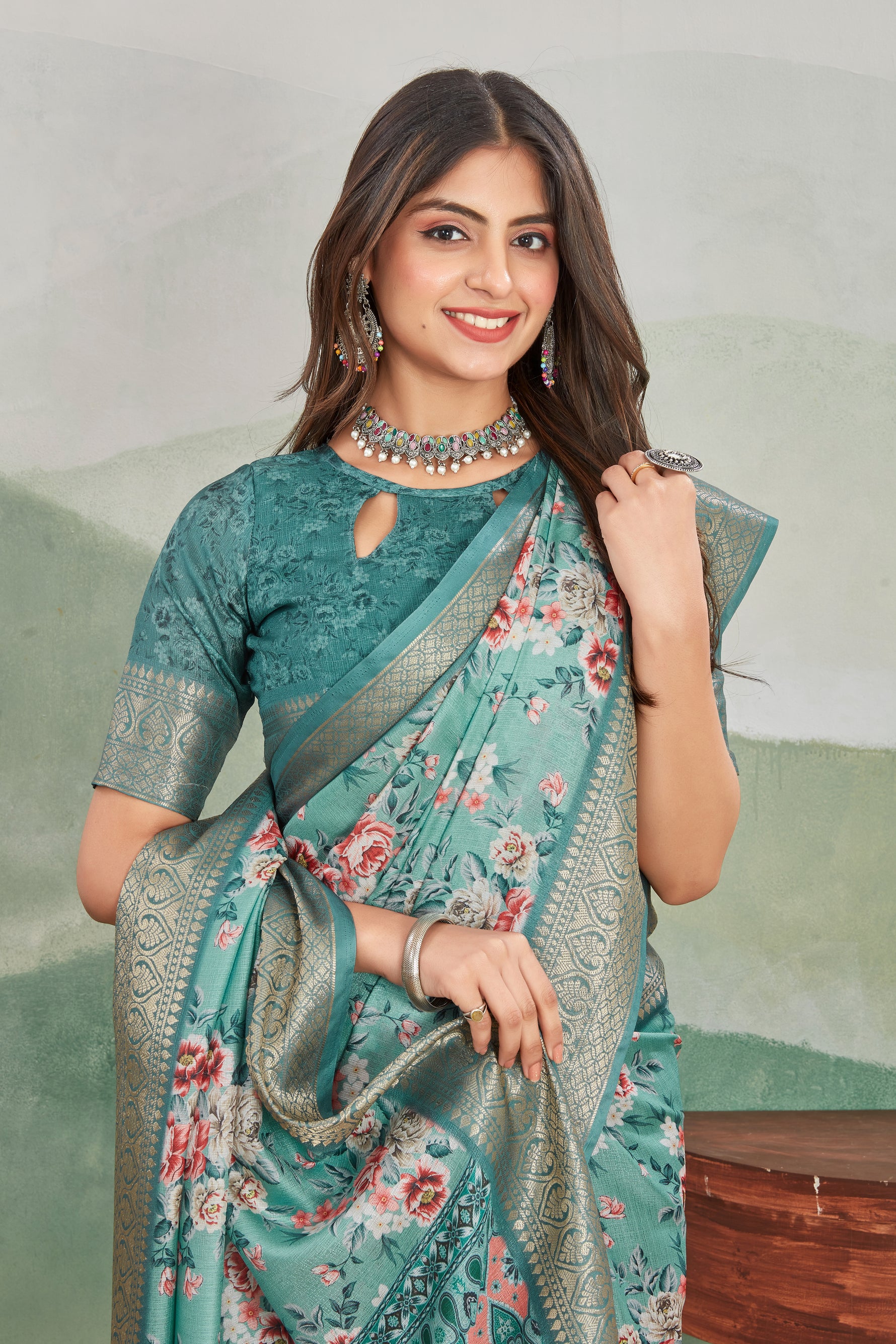
Luxury silk sarees stand apart because they combine exceptional natural fibers with skilled craftsmanship.
Premium handwoven silk offers:
- Rich texture
- Elegant movement
- Superior weaving
- Fine zari integration
- Long-lasting beauty
This combination of science and artistry creates sarees that remain admired for generations.
Frequently Asked Questions
Why does silk feel softer than other fabrics?
Its smooth protein fibers and fine filament structure create a naturally soft and luxurious surface.
Is silk really stronger than it looks?
Yes. Silk is one of the strongest natural fibers and can last for decades when properly cared for.
Why does silk stay comfortable in different seasons?
Silk naturally regulates temperature, helping keep the wearer cool in warm weather and comfortable in cooler conditions.
Why does silk have a natural shine?
Its unique triangular fiber structure reflects light from different angles, producing an elegant, natural luster.
Why are silk sarees considered luxurious?
Their natural beauty, premium fibers, exceptional comfort, durability, and artisan craftsmanship make them among the world's most celebrated textiles.
Conclusion
The beauty of silk isn't just the result of skilled weaving or elegant designs—it's rooted in nature itself. From its protein-based fiber structure and remarkable strength to its breathable comfort, graceful drape, and natural sheen, every scientific characteristic contributes to the experience that makes silk unlike any other fabric.
When combined with the artistry of India's master weavers, these remarkable natural qualities create sarees that are not only visually stunning but also exceptionally comfortable and enduring. Whether worn for weddings, festivals, or treasured as family heirlooms, silk sarees continue to captivate generation after generation because they bring together science, craftsmanship, and timeless elegance in every thread.