

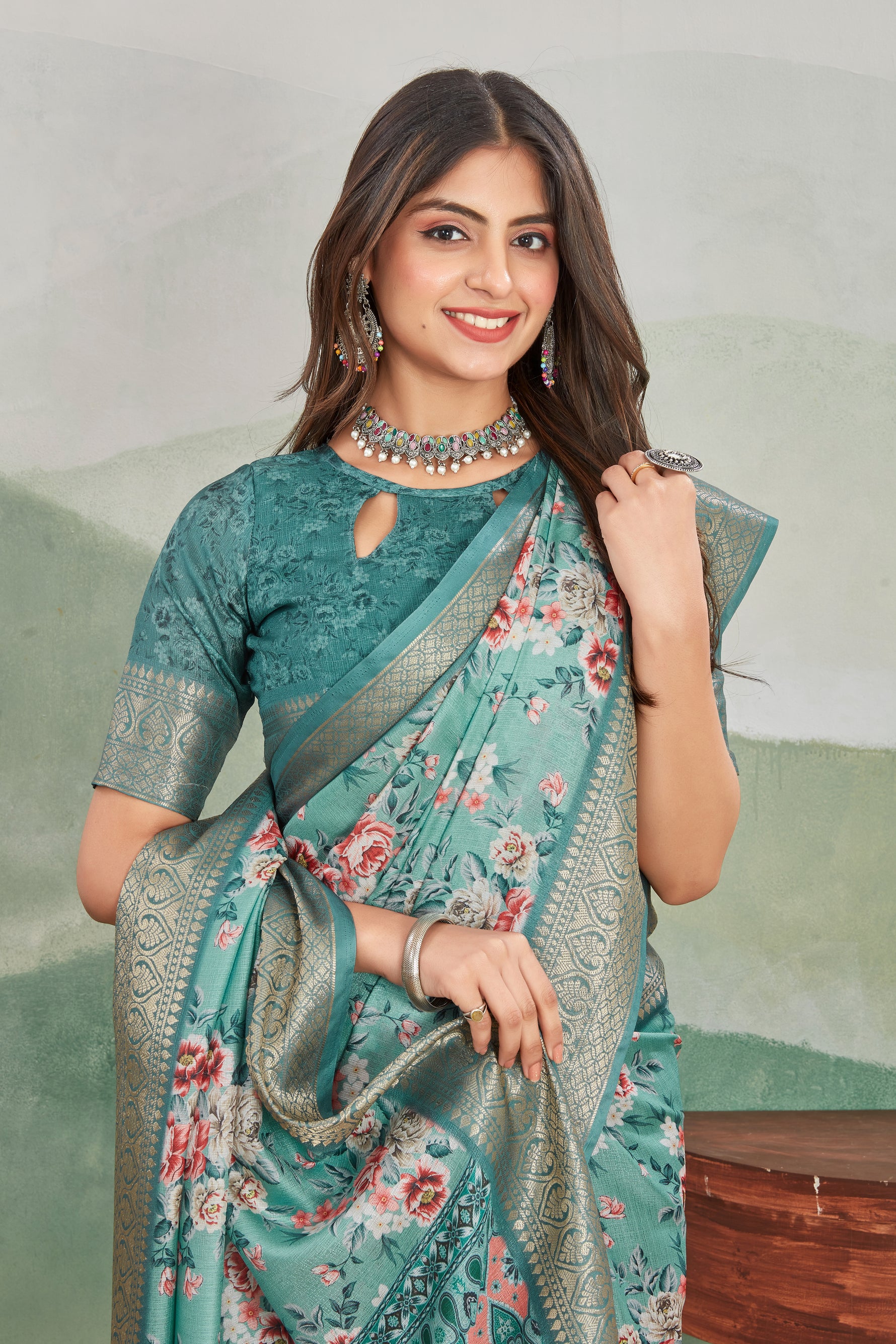

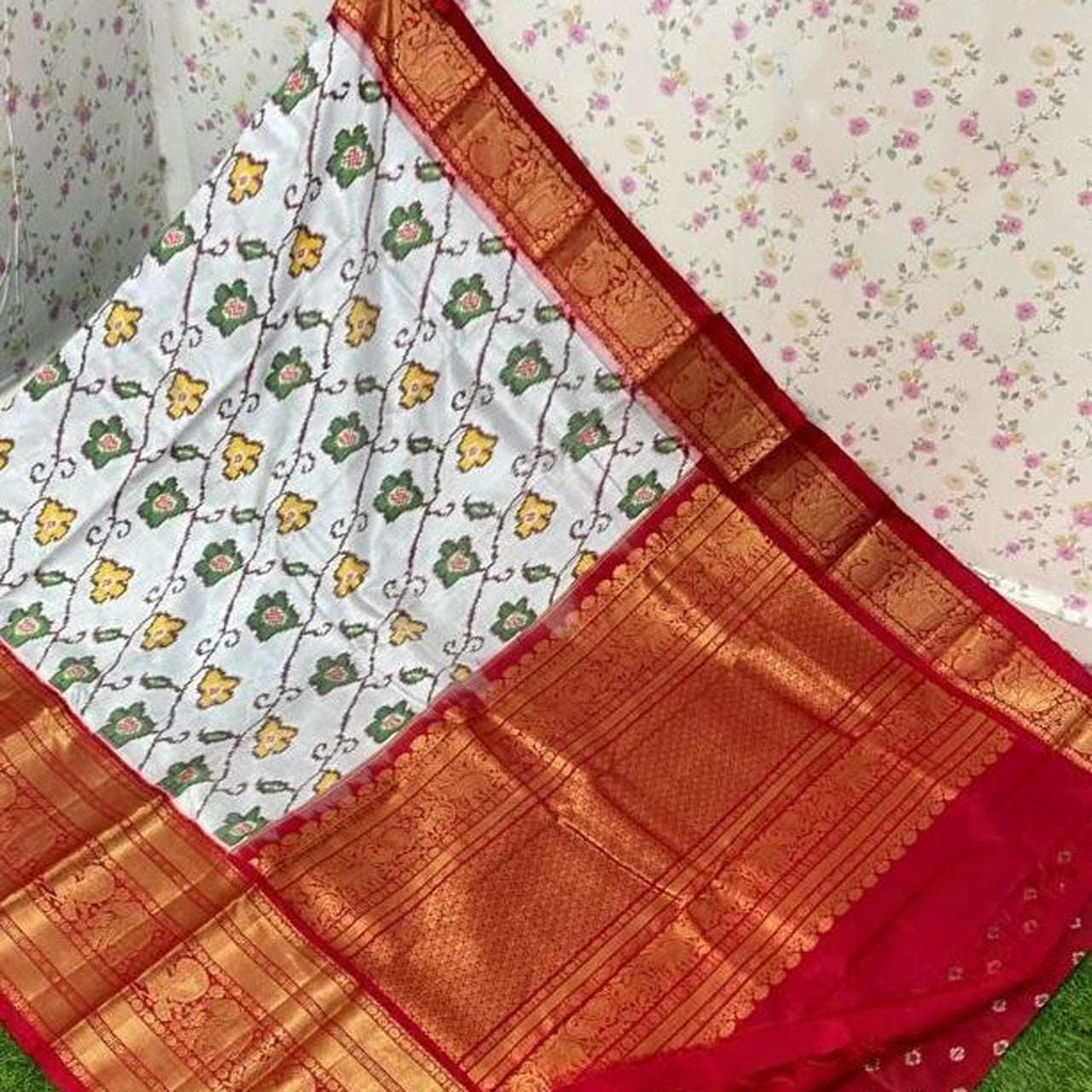
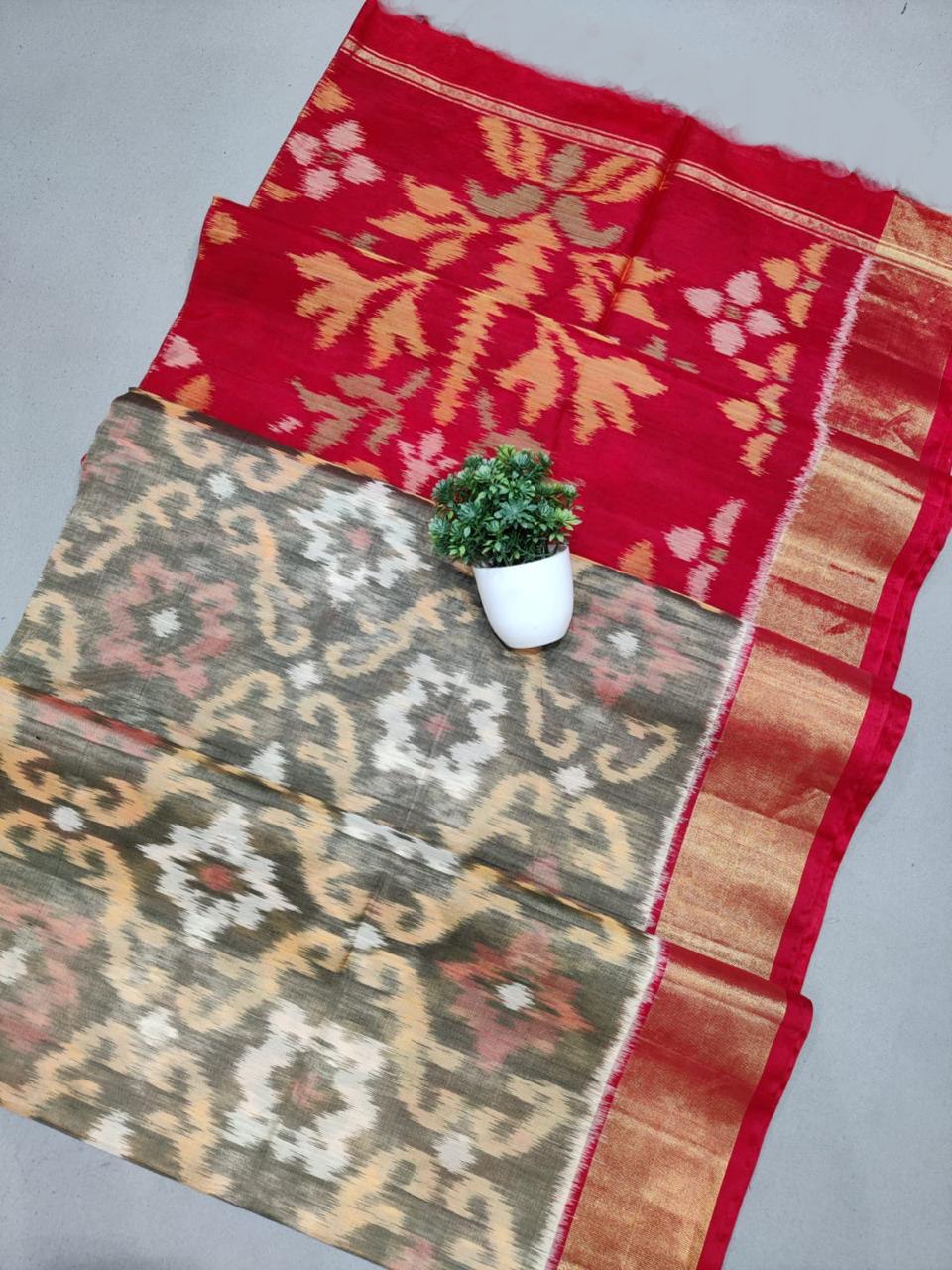

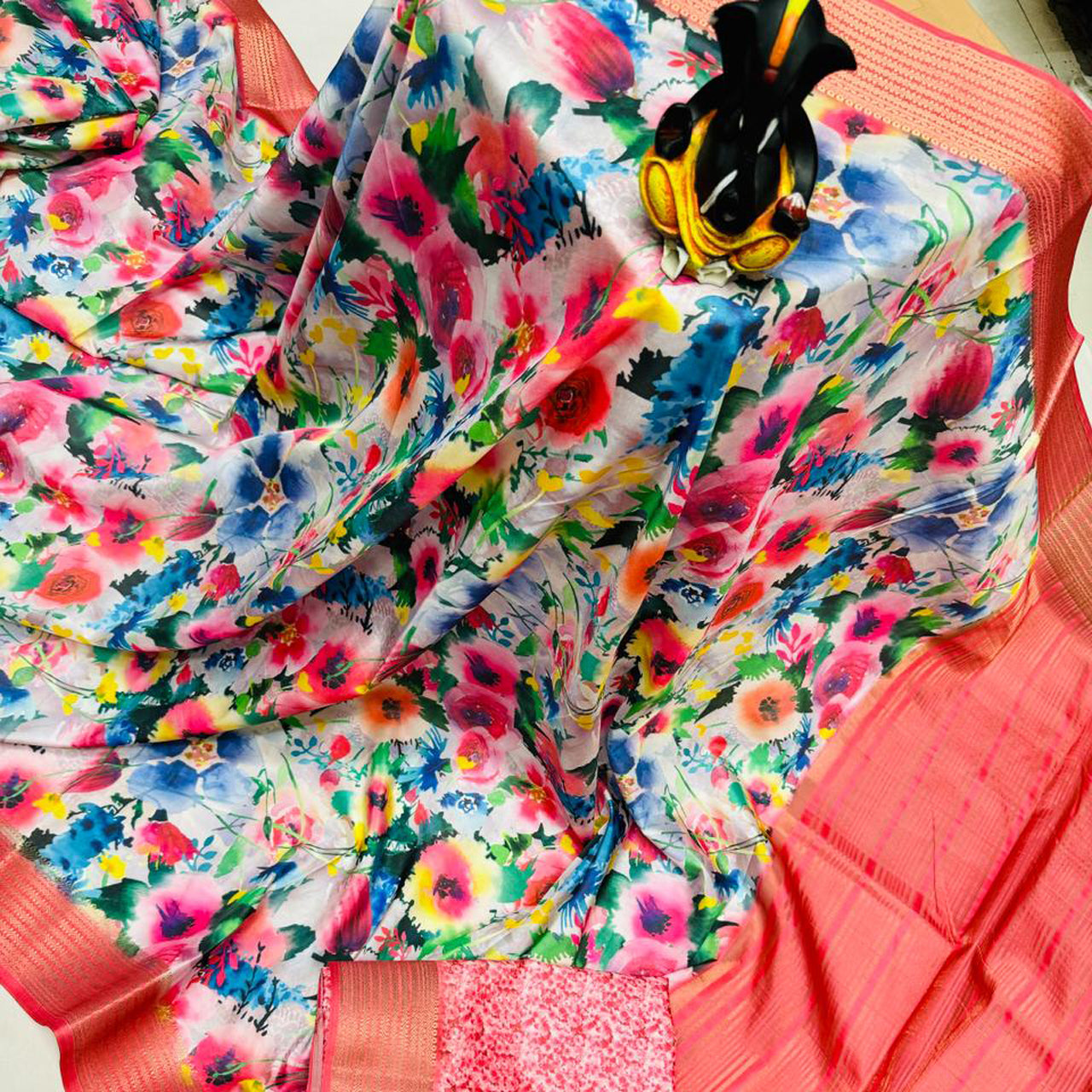


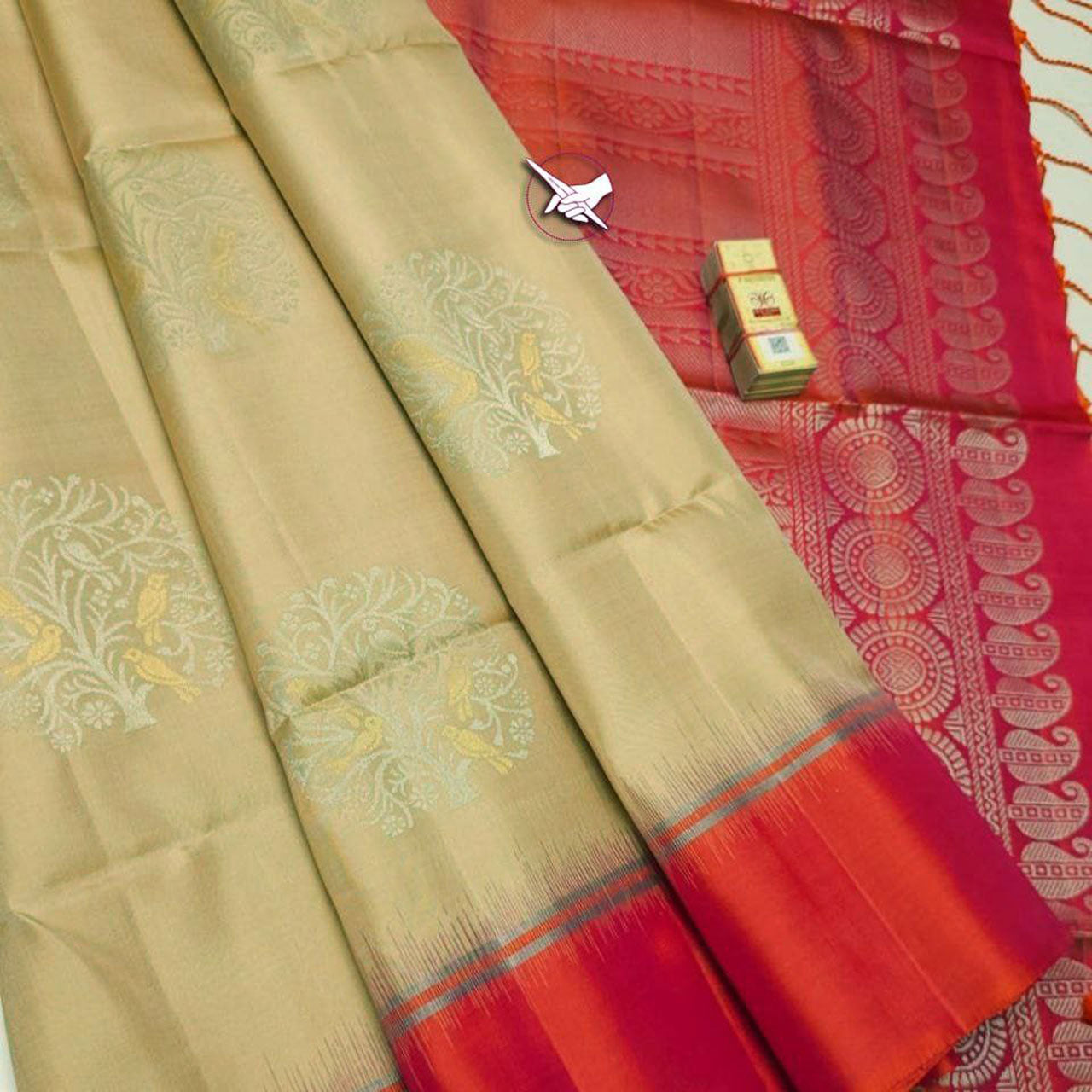


Can You Guess the Difference Between Pure and Artificial Silk? The Complete Buyer's Guide (2026)
At first glance, pure silk and artificial silk can look almost identical. Both have an elegant appearance, beautiful colors, and a graceful drape that make them popular choices for sarees. This visual similarity often makes it difficult for shoppers to tell them apart, especially when buying online.
However, beneath that glossy surface are significant differences. From how the fabric is produced to how it feels, lasts, and ages over time, pure silk and artificial silk offer completely different experiences.
Understanding these differences can help you make a smarter purchase, whether you're shopping for a bridal saree, a festive outfit, or your first premium silk saree. The aim isn't to declare one fabric universally better than the other—both have their place. Instead, it's about choosing the fabric that best matches your needs, budget, and expectations.
Let's explore the differences that every saree buyer should know.
What Is Pure Silk?
Pure silk is a natural protein fiber produced by silkworms. It has been treasured for thousands of years because of its luxurious feel, exceptional strength, and natural luster.
India is home to several famous silk traditions, including:
- Banarasi Silk
- Kanjivaram Silk
- Mysore Silk
- Tussar Silk
- Muga Silk
- Eri Silk
Each variety has its own weaving style, texture, and cultural heritage, making silk sarees some of the most admired garments in Indian fashion.
What Is Artificial Silk?
Artificial silk, commonly known as Art Silk, is created to resemble natural silk at a more affordable price.
Depending on the manufacturer, it may be made from:
- Polyester
- Rayon
- Viscose
- Nylon
- Blended synthetic fibers
These fabrics imitate the look of silk while offering lower production costs and easier accessibility.
1. Feel and Texture
The first noticeable difference is the touch.
Pure Silk
- Smooth yet naturally soft
- Rich and luxurious feel
- Breathable
- Drapes beautifully
Artificial Silk
- Often smoother or slipperier
- Texture varies depending on the material
- May feel less natural against the skin
Many experienced buyers can recognize genuine silk simply by handling the fabric.
2. Shine and Appearance
Both fabrics shine—but in different ways.
Pure Silk
Produces a soft, elegant glow that changes subtly when viewed from different angles.
Artificial Silk
Usually has a brighter, more uniform gloss that can appear more reflective under strong lighting.
Natural silk's understated sheen is one of its most distinctive characteristics.
3. Breathability
Comfort becomes especially important during weddings and long celebrations.
Pure Silk
- Naturally breathable
- Helps regulate temperature
- Comfortable in different seasons
Artificial Silk
Breathability depends on the fiber blend. Some synthetic fabrics may retain more heat, particularly during extended wear.
4. Durability
Silk may look delicate, but it's surprisingly strong.
Pure Silk
With proper care, it can:
- Last for decades
- Maintain its beauty
- Become a treasured family heirloom
Artificial Silk
Durability varies depending on the material and construction. While many artificial silk sarees perform well for regular use, their long-term lifespan differs from premium natural silk.
5. Craftsmanship
Many authentic silk sarees are woven using traditional handloom techniques passed down through generations.
Artificial silk sarees are often produced using machine-based manufacturing, although handcrafted versions are also available.
If artisan craftsmanship is important to you, pay attention not only to the fabric but also to the weaving method.
6. Price
Price is often where buyers first notice the difference.
Pure Silk
Generally commands a higher price because of:
- Natural raw material
- Skilled weaving
- Time-intensive production
- Premium quality
Artificial Silk
Typically offers a more affordable alternative for shoppers seeking a silk-like appearance on a smaller budget.
7. Best Uses
Pure Silk Is Ideal For
- Weddings
- Bridal wear
- Religious ceremonies
- Festivals
- Heirloom collections
- Luxury occasions
Artificial Silk Is Well-Suited For
- Daily wear
- Office functions
- Casual celebrations
- Fashion-forward styling
- Budget-conscious purchases
Choosing the right fabric depends on how and where you plan to wear it.
8. Maintenance
Pure Silk
Requires careful storage and is generally best cleaned through professional dry cleaning.
Store it in breathable cotton or muslin bags and refold it periodically to maintain its condition.
Artificial Silk
Care requirements vary by fiber type. Many options are easier to maintain, but always follow the manufacturer's care instructions.
Pure Silk vs Artificial Silk: Quick Comparison
| Feature | Pure Silk | Artificial Silk |
|---|---|---|
| Material | Natural silk fiber | Synthetic or semi-synthetic fibers |
| Texture | Soft, rich, breathable | Smooth, varies by material |
| Shine | Elegant natural sheen | Brighter, more uniform gloss |
| Comfort | Excellent for long wear | Depends on fiber composition |
| Durability | Long-lasting with proper care | Varies by quality |
| Price | Premium | Budget-friendly |
| Ideal For | Weddings, heirlooms, luxury wear | Everyday fashion, casual occasions |
How to Shop Smart
Before purchasing any silk saree, consider these simple steps:
Read the Fabric Details
Check whether the product clearly specifies the fiber composition.
Examine Product Images
Zoom in to inspect the weave, borders, motifs, and texture.
Buy from Trusted Sellers
Transparent descriptions and customer reviews often indicate greater reliability.
Think Long-Term
If you're investing in a saree for milestone occasions, durability and craftsmanship may be just as important as appearance.
Common Myths About Silk
Myth: Artificial silk and pure silk are exactly the same.
Reality: They may look similar, but they differ in origin, feel, longevity, and performance.
Myth: Only expensive silk is genuine.
Reality: Price alone doesn't determine authenticity. Weaving technique, silk variety, craftsmanship, and seller transparency also play important roles.
Myth: Artificial silk is always low quality.
Reality: High-quality artificial silk can be attractive and practical for many occasions. It simply offers a different experience from natural silk.
Frequently Asked Questions
Is pure silk always better than artificial silk?
Not necessarily. Pure silk offers natural luxury, breathability, and longevity, while artificial silk can be an excellent option for everyday wear and budget-conscious shoppers.
Why is pure silk more expensive?
Its higher price reflects natural raw materials, skilled craftsmanship, and longer production times.
Can artificial silk look like real silk?
Yes. Modern manufacturing has made artificial silk visually similar to natural silk, which is why reading product details is important.
Which fabric is best for weddings?
Pure silk remains the traditional choice for weddings because of its elegance, durability, and cultural significance.
How can I choose the right fabric?
Consider your budget, the occasion, comfort, long-term use, and the reputation of the seller before making a purchase.
Conclusion
Pure silk and artificial silk each have unique qualities that make them suitable for different needs. Pure silk stands out for its natural beauty, breathable comfort, exceptional durability, and rich heritage, making it a timeless investment for weddings, celebrations, and heirloom collections. Artificial silk, on the other hand, offers affordability, versatility, and an attractive silk-like appearance that suits everyday fashion and occasional wear.
Rather than asking which fabric is better, the more useful question is which fabric is better for you. By understanding the differences in texture, shine, craftsmanship, maintenance, and long-term value, you can choose a saree that aligns with your style, budget, and purpose—and shop with greater confidence every time.