


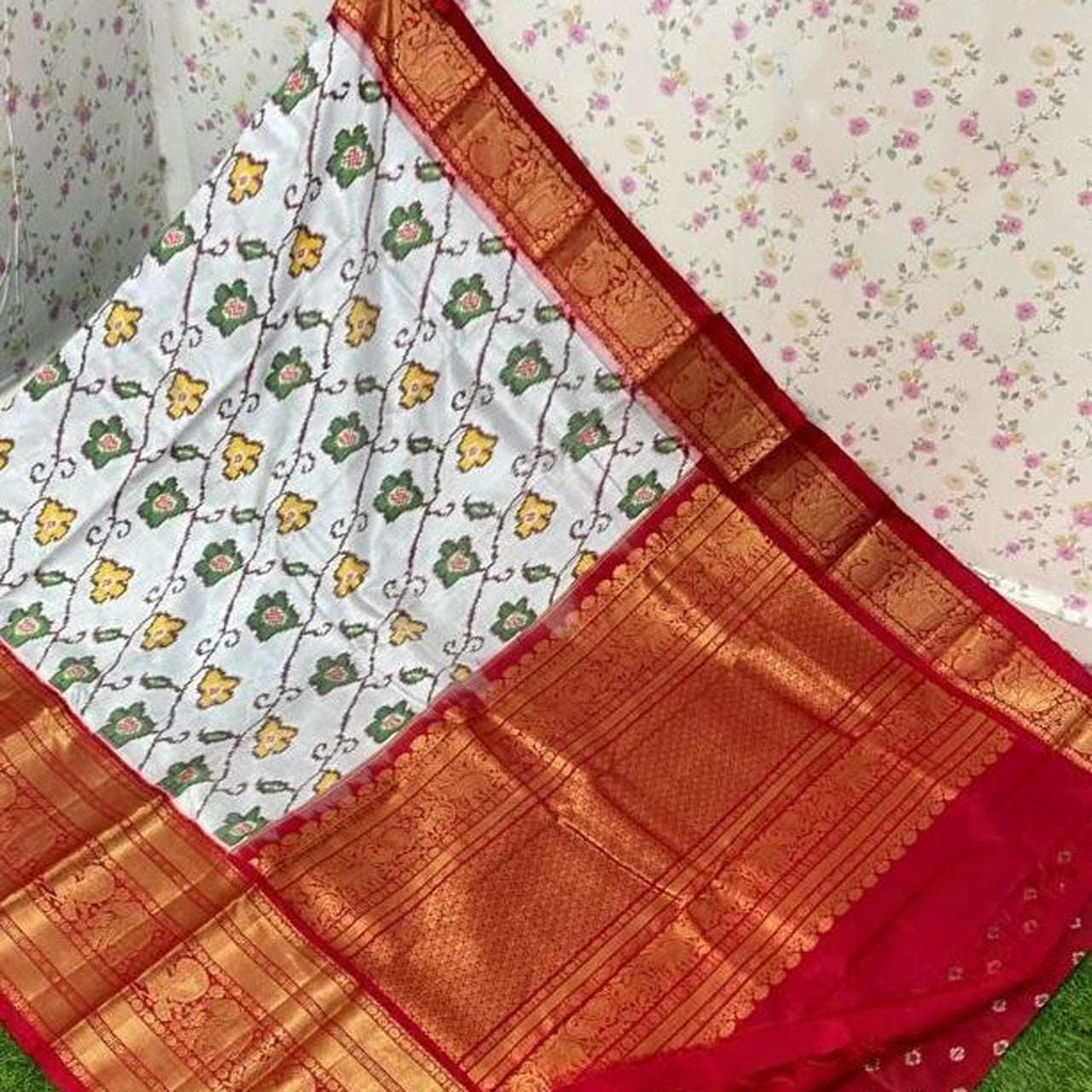
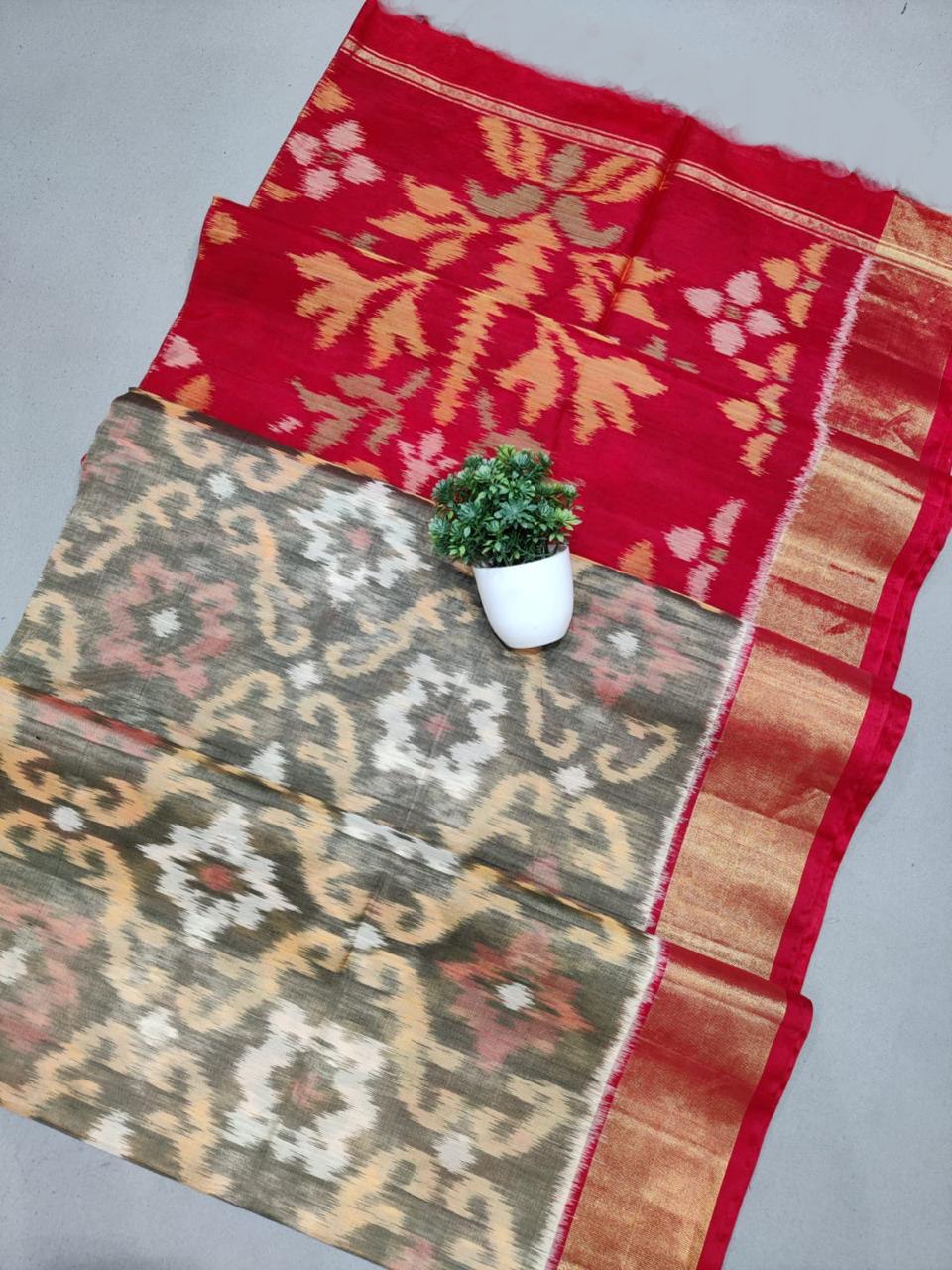



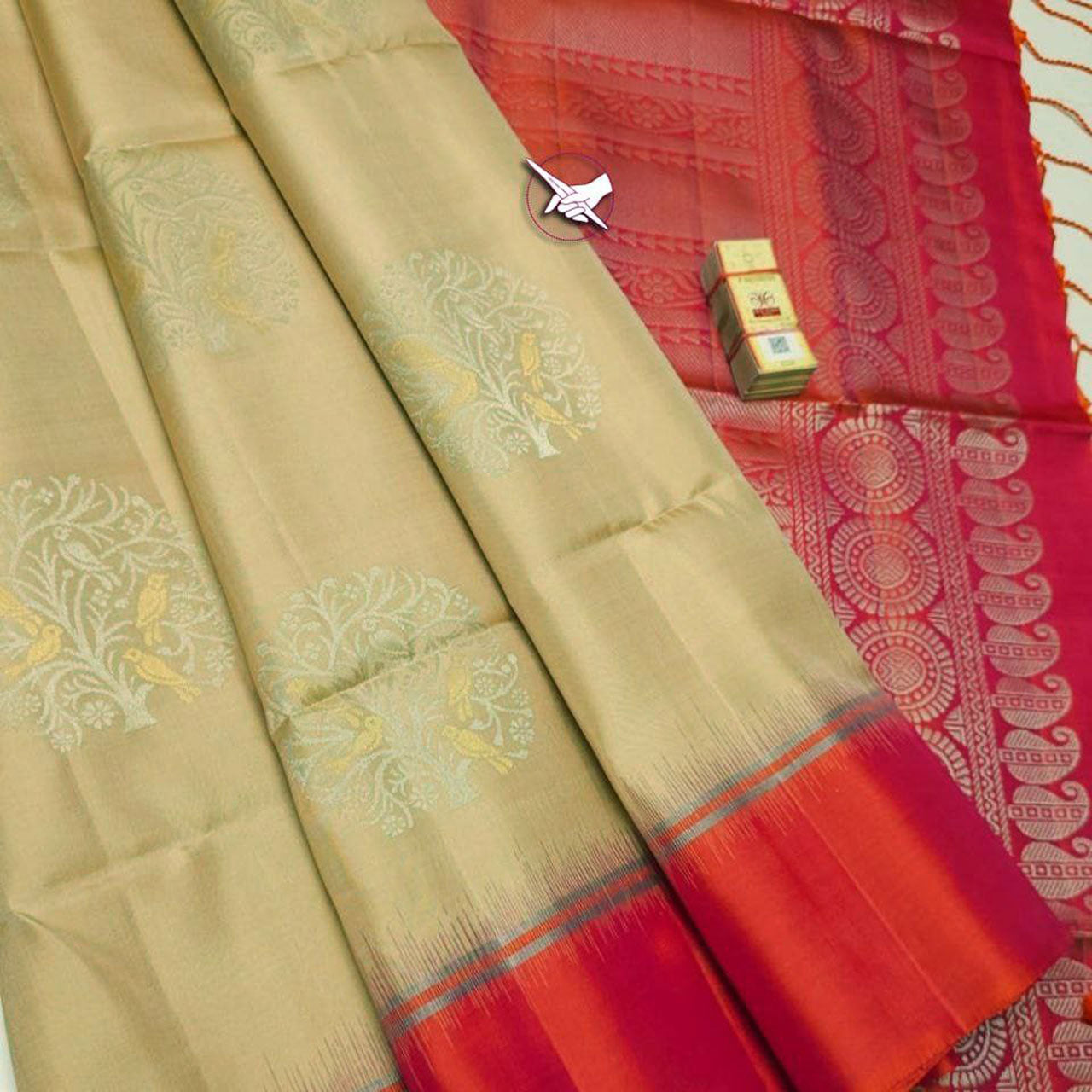


The Meaning Behind Popular Printed Saree Motifs | Symbolism Explained
Printed sarees are admired for their vibrant colors, beautiful patterns, and versatile styling. However, beyond their visual appeal lies a fascinating world of symbolism, culture, and storytelling. Many of the motifs seen on printed sarees today are inspired by centuries-old traditions, nature, spirituality, and Indian heritage.
From the elegant paisley motif to the majestic peacock and the sacred lotus, every design element often carries a deeper meaning. These motifs are not merely decorative; they represent prosperity, beauty, strength, fertility, wisdom, and good fortune.
Understanding the symbolism behind popular printed saree motifs can help you appreciate your saree beyond fashion and connect with the rich artistic traditions that have inspired textile design for generations.
In this comprehensive guide, we'll explore the meanings behind the most popular printed saree motifs and discover why these timeless patterns continue to captivate women across India and around the world.
Why Motifs Matter in Saree Design
Motifs play an important role in Indian textile traditions.
Historically, motifs were used to:
- Convey cultural stories
- Represent religious beliefs
- Celebrate nature
- Symbolize prosperity and protection
- Reflect regional artistic traditions
Today, these motifs continue to add depth and character to printed sarees while maintaining their cultural significance.
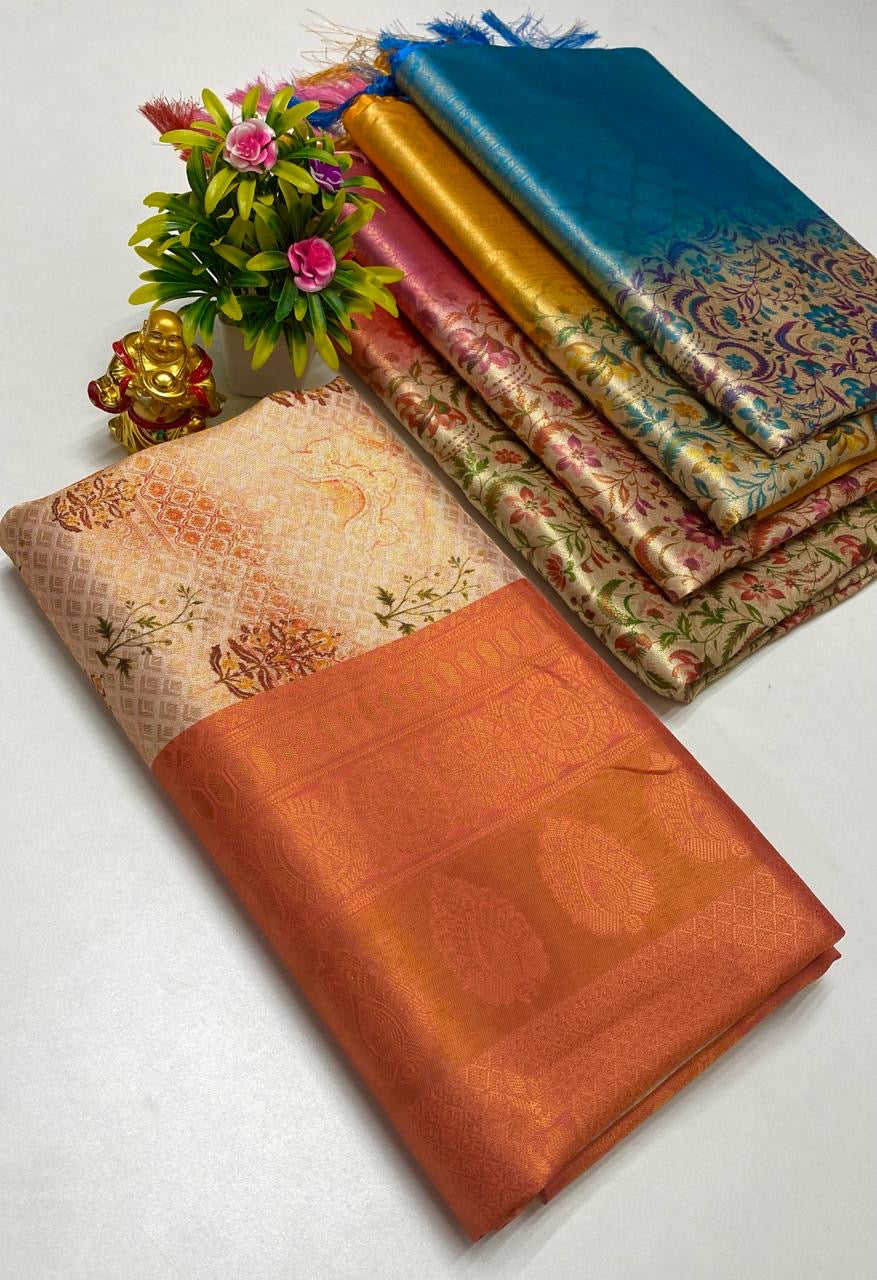
The Paisley Motif: Symbol of Prosperity and Growth
The paisley motif is perhaps the most iconic pattern found in Indian textiles.
Known as "Kairi" or "Ambi" in many parts of India, the design resembles a curved mango shape.
Meaning of the Paisley Motif
The paisley symbolizes:
- Fertility
- Prosperity
- Growth
- Abundance
- Eternal life
Because the mango is considered a symbol of love and fertility in Indian culture, paisley patterns have long been associated with auspicious occasions.
Where You'll Find It
Paisley motifs frequently appear on:
- Silk sarees
- Printed sarees
- Shawls
- Dupattas
- Bridal wear
Even today, paisley remains one of the most popular saree designs.
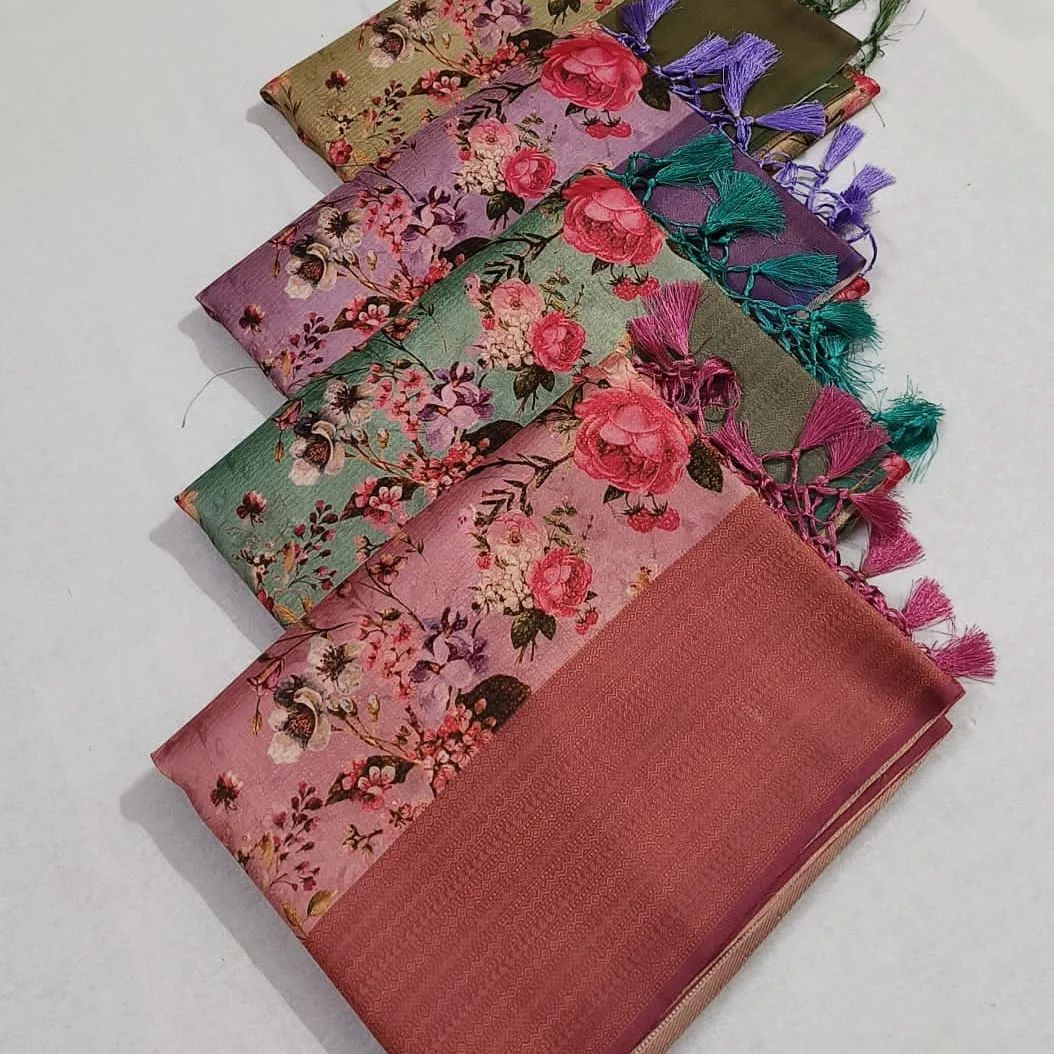
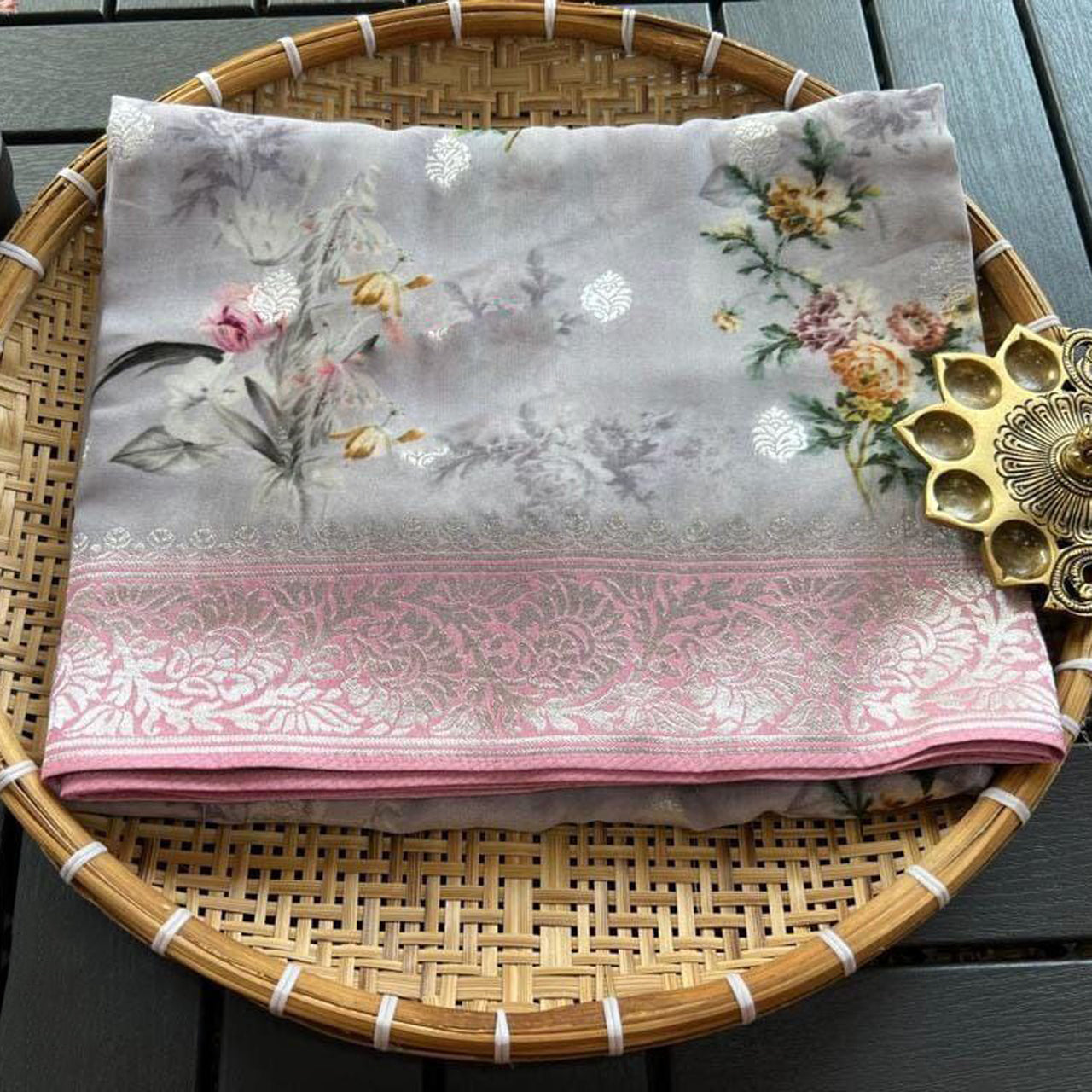
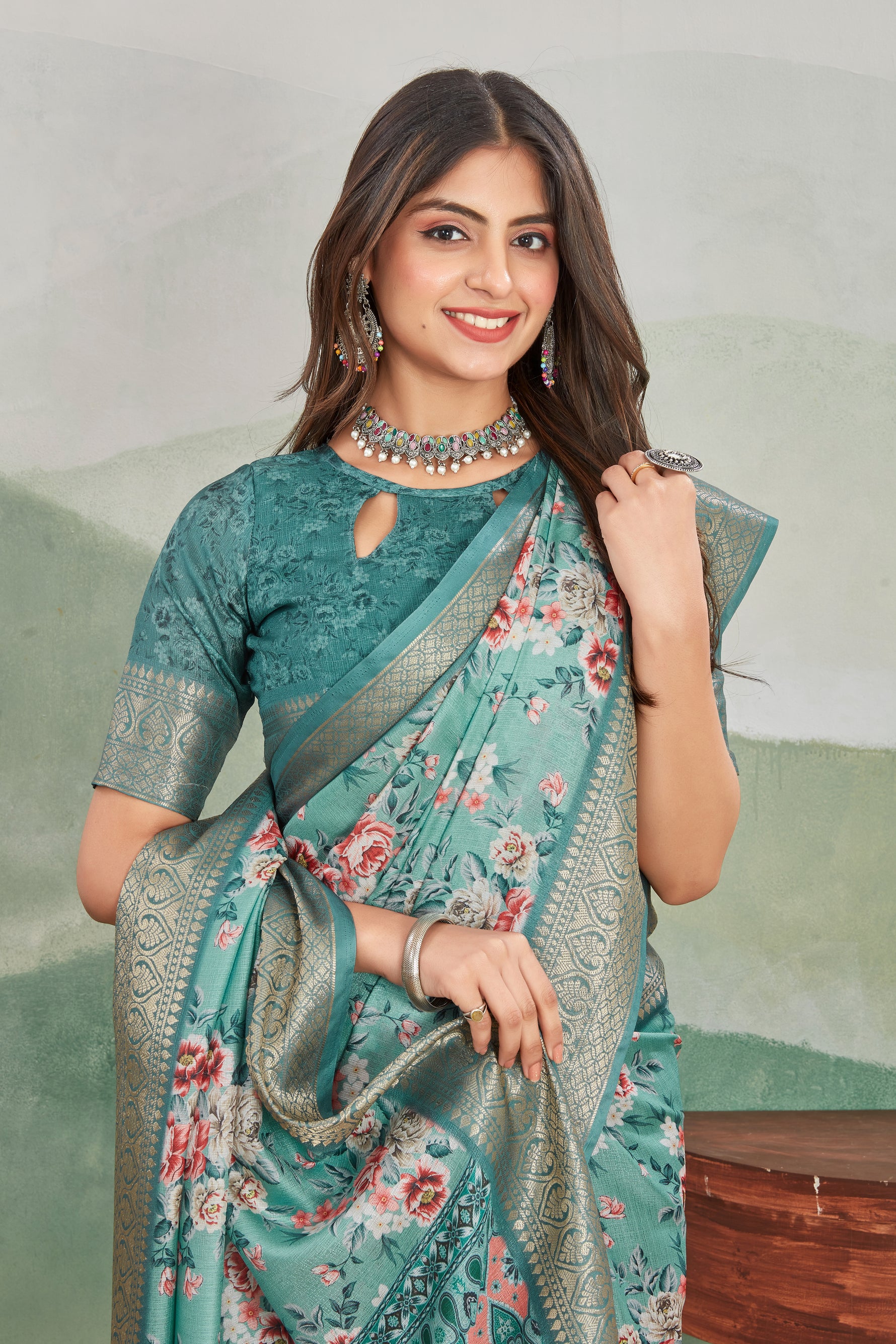
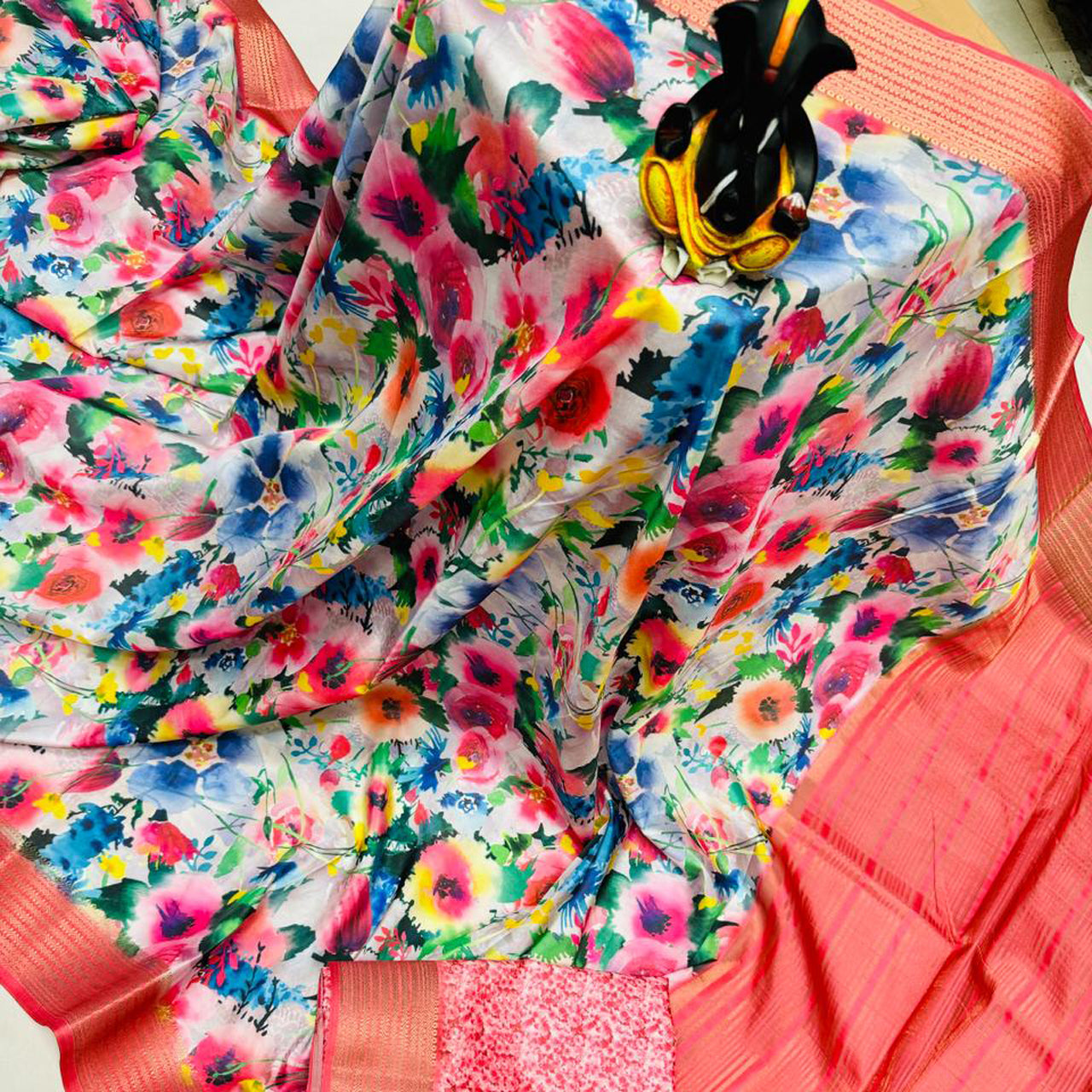
Floral Motifs: Beauty, Femininity, and Nature
Floral prints are among the most loved saree motifs worldwide.
Inspired by flowers, leaves, and vines, floral motifs celebrate nature's beauty and abundance.
Symbolic Meaning
Flowers generally represent:
- Beauty
- Love
- Femininity
- Renewal
- Joy
- Growth
Different flowers may carry specific meanings as well.
Rose Motifs
Symbolize:
- Love
- Passion
- Romance
Jasmine Motifs
Represent:
- Purity
- Grace
- Spirituality
Sunflower Motifs
Signify:
- Positivity
- Happiness
- Vitality
Floral sarees remain timeless because their symbolism resonates universally.
Lotus Motif: Purity and Spiritual Enlightenment
The lotus occupies a special place in Indian culture and spirituality.
It is often associated with divine beauty and spiritual awakening.
Meaning of the Lotus
The lotus symbolizes:
- Purity
- Wisdom
- Enlightenment
- Spiritual growth
- Inner strength
Its significance comes from its ability to bloom beautifully despite growing in muddy waters.
Why It's Popular in Sarees
Lotus motifs are commonly chosen for:
- Festive wear
- Religious ceremonies
- Cultural celebrations
They add elegance and spiritual symbolism to saree designs.
Peacock Motif: Beauty, Royalty, and Grace
The peacock is India's national bird and one of the most celebrated motifs in textile art.
Its majestic feathers and graceful appearance have inspired artisans for centuries.
Meaning of the Peacock Motif
Peacocks symbolize:
- Beauty
- Royalty
- Pride
- Grace
- Prosperity
In Indian mythology, peacocks are also associated with divine protection and spiritual significance.
Best Occasions for Peacock Motifs
Peacock-inspired sarees are often worn during:
- Weddings
- Festivals
- Traditional celebrations
Their regal appearance makes them highly desirable.
Elephant Motif: Strength, Wisdom, and Good Fortune
Elephants have deep cultural and spiritual significance throughout India.
They are frequently featured in traditional and contemporary saree designs.
Symbolism of Elephants
Elephant motifs represent:
- Strength
- Wisdom
- Stability
- Good luck
- Leadership
They are also linked to prosperity and success.
Why Women Love Elephant Prints
Elephant motifs create a bold yet elegant visual statement while carrying positive symbolism.
Tree and Leaf Motifs: Growth and Connection to Nature
Nature-inspired motifs remain a cornerstone of textile design.
Trees and leaves symbolize life, renewal, and harmony.
Meaning of Tree Motifs
Trees represent:
- Stability
- Family roots
- Longevity
- Growth
Meaning of Leaf Motifs
Leaves symbolize:
- Renewal
- Fresh beginnings
- Vitality
- Natural beauty
These motifs are especially popular in modern printed saree collections.
Bird Motifs: Freedom and Happiness
Various birds frequently appear in printed saree designs.
Popular examples include:
- Sparrows
- Parrots
- Swans
- Peacocks
Symbolic Meaning
Bird motifs often represent:
- Freedom
- Joy
- Hope
- Positive energy
They bring movement and liveliness to saree patterns.
Fish Motif: Prosperity and Fertility
Fish motifs have strong cultural significance in several regions of India.
Particularly in Eastern India, fish are considered symbols of abundance and good fortune.
Meaning of Fish Motifs
They symbolize:
- Prosperity
- Fertility
- Wealth
- Success
Fish-inspired patterns are often seen in festive and traditional sarees.
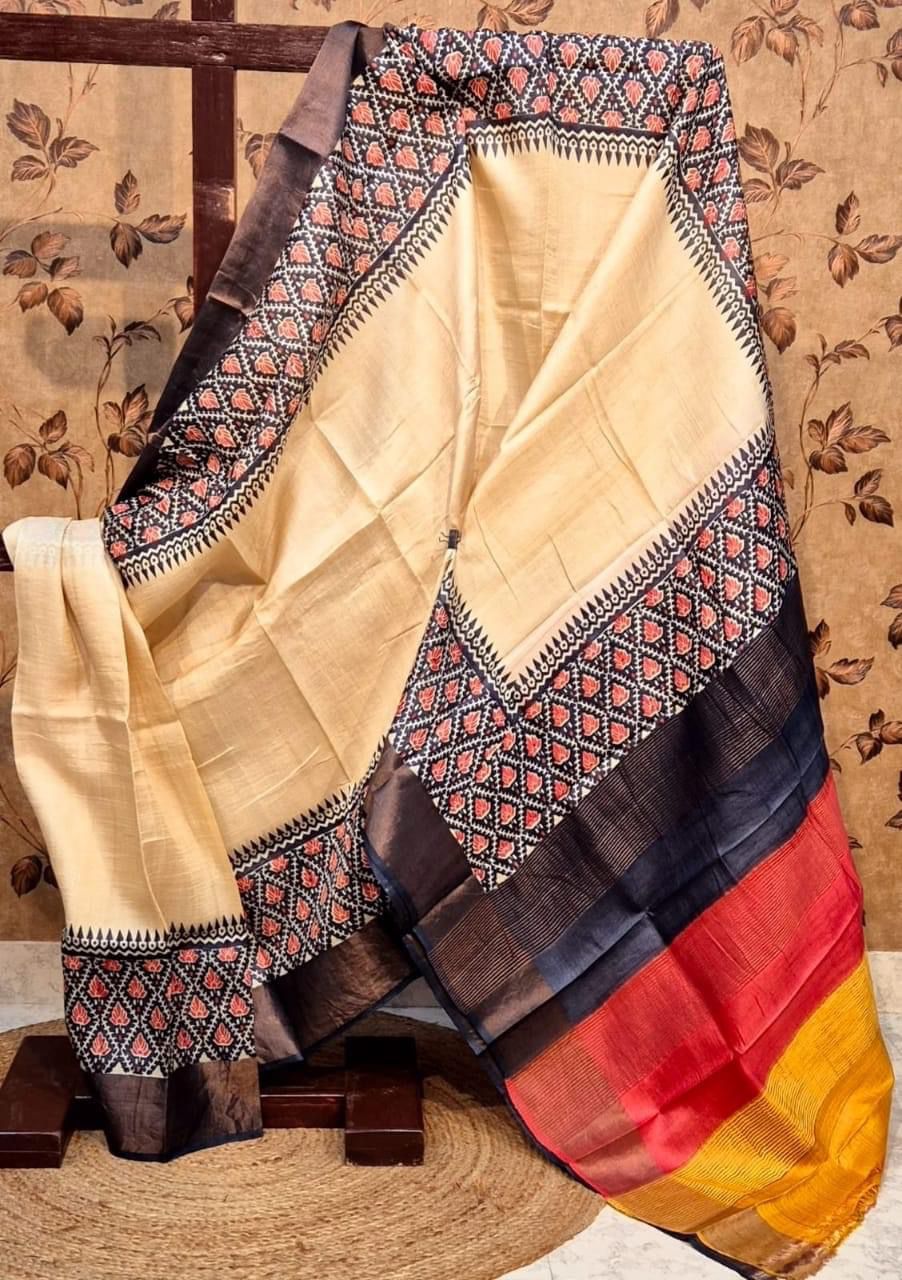
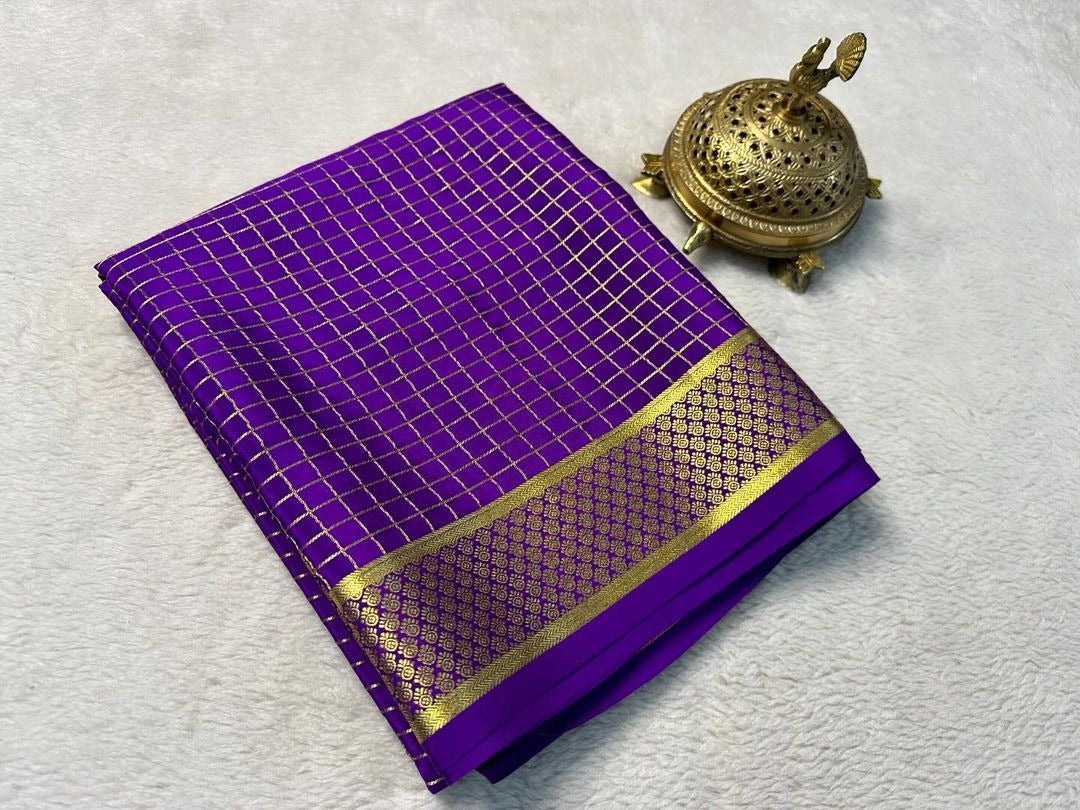
Geometric Motifs: Balance and Modern Sophistication
Unlike traditional symbolic motifs, geometric patterns derive their appeal from structure and symmetry.
Popular geometric elements include:
- Diamonds
- Triangles
- Squares
- Circles
- Chevron patterns
Symbolic Meaning
Geometric motifs often represent:
- Balance
- Harmony
- Precision
- Stability
- Modernity
They are particularly popular among contemporary saree lovers.
Mandala Motifs: Unity and Spiritual Energy
Mandalas are intricate circular designs inspired by sacred geometry.
They have become increasingly popular in modern printed sarees.
Meaning of Mandalas
Mandalas symbolize:
- Unity
- Wholeness
- Spiritual balance
- Cosmic harmony
Their intricate beauty adds both visual and symbolic richness.
Temple Motifs: Tradition and Devotion
Temple-inspired motifs are deeply rooted in Indian heritage.
These patterns often draw inspiration from:
- Temple architecture
- Sacred carvings
- Religious symbolism
Meaning
Temple motifs represent:
- Faith
- Devotion
- Cultural heritage
- Spiritual connection
They are commonly found in festive and ceremonial sarees.
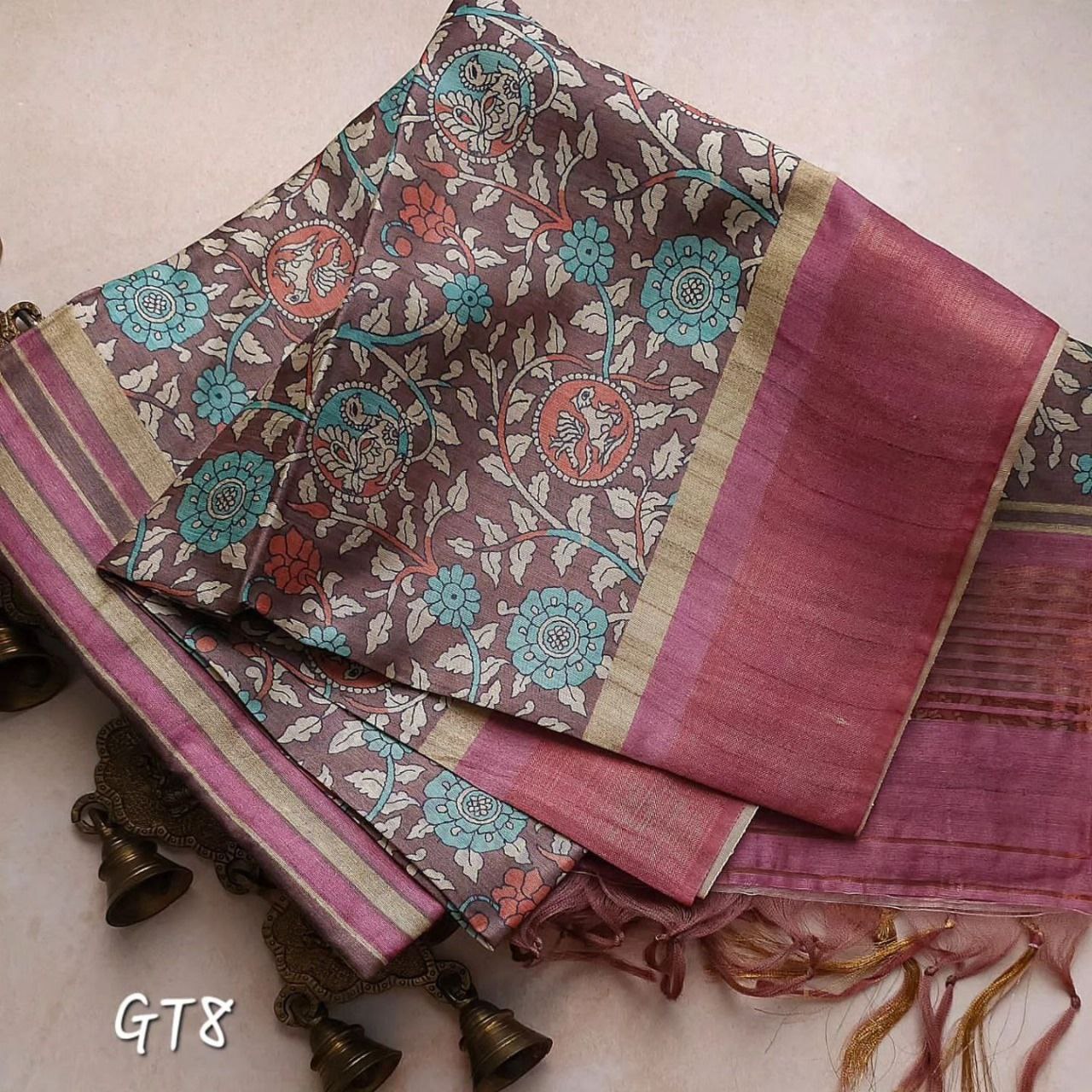
Animal Motifs Beyond the Peacock and Elephant
Indian textile traditions feature many animal-inspired patterns.
Examples include:
- Deer
- Horses
- Lions
- Swans
Common Symbolism
These motifs often represent:
- Courage
- Freedom
- Nobility
- Strength
- Wisdom
Animal motifs add character and storytelling elements to saree designs.
Why Traditional Motifs Remain Popular Today
Despite changing fashion trends, traditional motifs continue to dominate saree design.
Reasons include:
Cultural Connection
They preserve heritage and artistic traditions.
Timeless Appeal
Most motifs remain fashionable regardless of trends.
Emotional Significance
Many women appreciate the symbolism associated with these patterns.
Artistic Beauty
Traditional motifs often feature exceptional craftsmanship and design balance.
Modern Interpretations of Traditional Motifs
Today's designers frequently reinvent traditional symbols through:
- Digital printing
- Contemporary color palettes
- Abstract styling
- Minimalist layouts
This fusion of heritage and modernity keeps traditional motifs relevant for younger generations.
Choosing a Saree Based on Motif Meaning
Many women now select sarees not only for appearance but also for symbolism.
Choose Paisley Motifs If You Value:
- Prosperity
- Growth
- Tradition
Choose Floral Motifs If You Love:
- Nature
- Femininity
- Elegance
Choose Peacock Motifs If You Prefer:
- Royalty
- Grace
- Celebration
Choose Lotus Motifs If You Appreciate:
- Spirituality
- Purity
- Inner strength
Choose Geometric Motifs If You Like:
- Modern design
- Minimalism
- Sophistication
Frequently Asked Questions
What is the most popular saree motif?
Paisley is widely considered one of the most iconic and popular saree motifs.
What does the lotus motif symbolize?
The lotus represents purity, wisdom, spiritual growth, and enlightenment.
Why are floral motifs so common in sarees?
Floral motifs symbolize beauty, love, growth, and connection with nature.
What does the peacock motif mean?
Peacock motifs symbolize beauty, grace, prosperity, and royalty.
Are geometric motifs traditional or modern?
Geometric motifs have historical roots but are especially popular in contemporary fashion due to their clean and sophisticated appearance.
Conclusion
Printed saree motifs are much more than decorative patterns—they are visual stories that reflect India's rich cultural heritage, artistic traditions, and symbolic beliefs. From the prosperity represented by paisley motifs to the purity symbolized by the lotus and the regal elegance of the peacock, each design carries a unique meaning that adds depth to the garment.
Understanding these motifs allows women to make more meaningful fashion choices while appreciating the craftsmanship and history behind their sarees. Whether you're drawn to timeless florals, spiritual lotus patterns, majestic peacocks, or modern geometric designs, every motif contributes its own beauty and significance to the world of printed sarees.
The next time you choose a printed saree, take a moment to look beyond the colors and patterns—you may discover a story, a tradition, or a symbol that resonates with your personal style and values.
- #Ethnic Wear
- #Floral Print Sarees
- #Indian Fashion
- #Indian Textile Art
- #Indian textile patterns
- #Lotus Motif Sarees
- #paisley motif saree
- #Paisley Sarees
- #Peacock Motif Sarees
- #printed saree designs
- #Printed Saree Motifs
- #Printed Sarees
- #Saree Design Guide
- #Saree motif meanings
- #saree symbolism
- #Traditional Saree Designs
- #traditional saree motifs
- #Women's Fashion
Share