





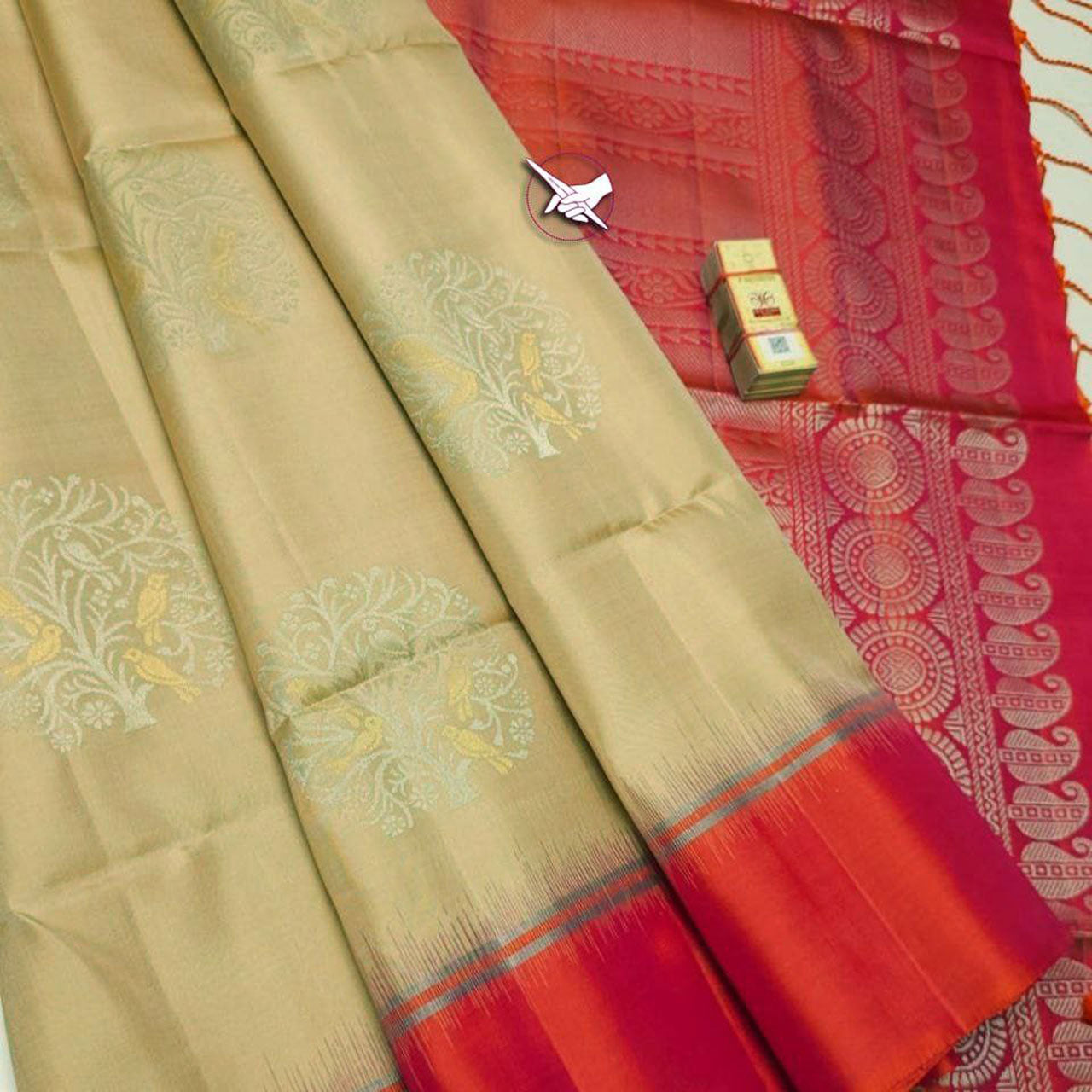


What Every Saree Lover Should Know About Indian Weaving Traditions
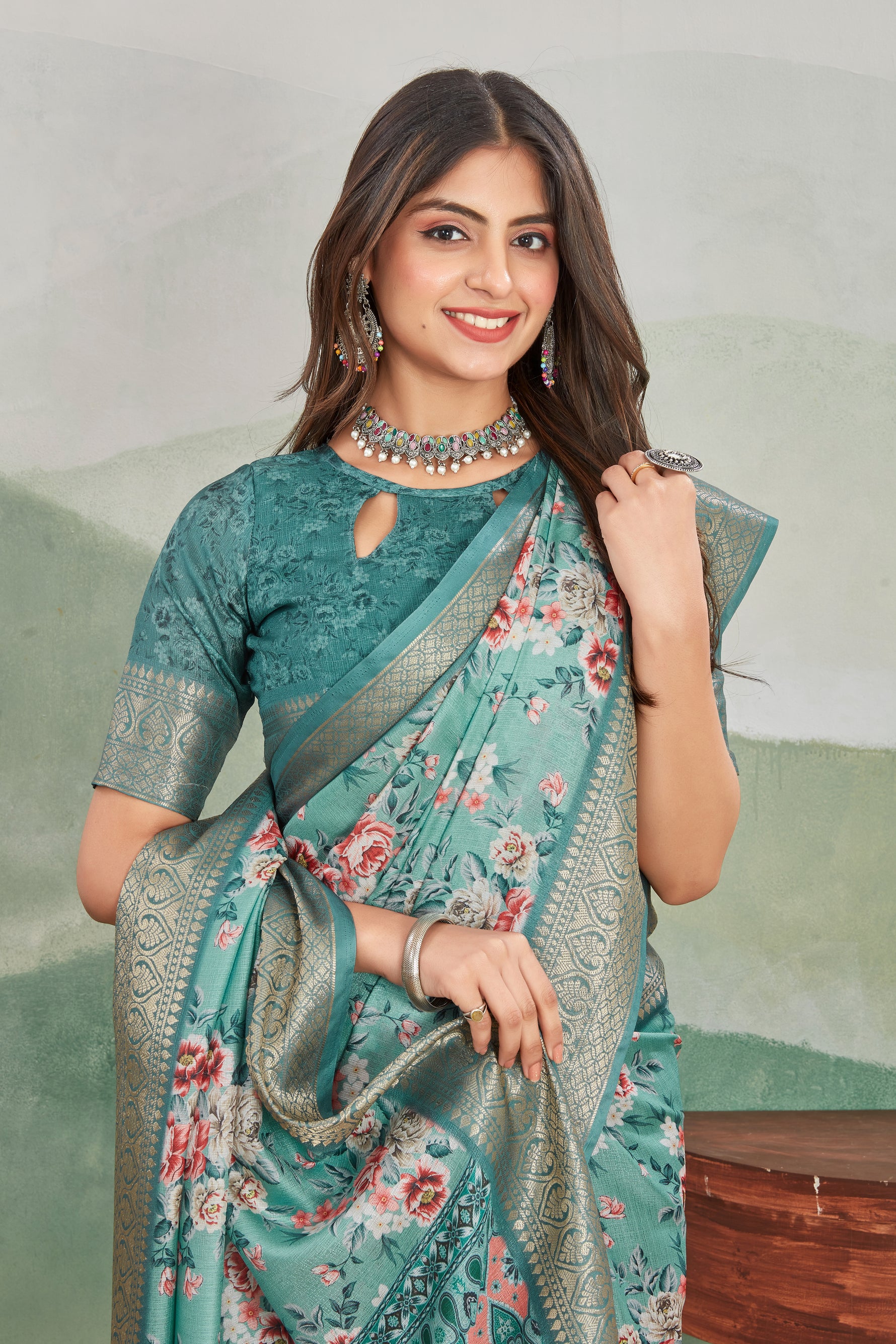
A saree is much more than a piece of clothing. Every handwoven saree carries the story of a community, a region, and generations of artisans who have perfected their craft over centuries. India's weaving traditions are among the oldest and most respected in the world, producing textiles admired for their artistry, durability, and cultural significance.
From the shimmering brocades of Banaras to the vibrant geometric patterns of Patola and the rich temple borders of Kanjivaram, each weaving tradition has developed its own unique identity. These sarees are not simply fashionable garments—they are living expressions of India's heritage.
Whether you're buying your first silk saree or building a premium collection, understanding India's weaving traditions will help you appreciate the remarkable craftsmanship behind every thread.
India's Handloom Heritage
India has one of the world's largest and most diverse handloom traditions. Every state contributes unique weaving techniques, motifs, colors, and cultural influences.
For centuries, weaving knowledge has been passed down within artisan families, preserving methods that often require years of training to master.
Unlike mass production, traditional weaving emphasizes:
- Precision
- Patience
- Creativity
- Cultural storytelling
- Exceptional craftsmanship
This heritage continues to inspire designers and saree lovers around the world.
Banarasi Sarees: The Art of Royal Brocade
Originating from Varanasi in Uttar Pradesh, Banarasi sarees are renowned for their luxurious silk and intricate zari work.
Their distinctive features include:
- Floral motifs
- Paisley designs
- Mughal-inspired patterns
- Rich brocade weaving
- Grand decorative pallus
Banarasi sarees are especially popular for weddings and ceremonial occasions because of their regal elegance.
Kanjivaram Sarees: Strength Meets Luxury
Woven in Kanchipuram, Tamil Nadu, Kanjivaram sarees are celebrated for their durability and striking craftsmanship.
Their signature characteristics include:
- Heavy mulberry silk
- Contrasting borders
- Temple-inspired motifs
- Rich zari work
- Structured drape
A well-crafted Kanjivaram saree is often treasured for generations.
Patola Sarees: Precision in Every Thread
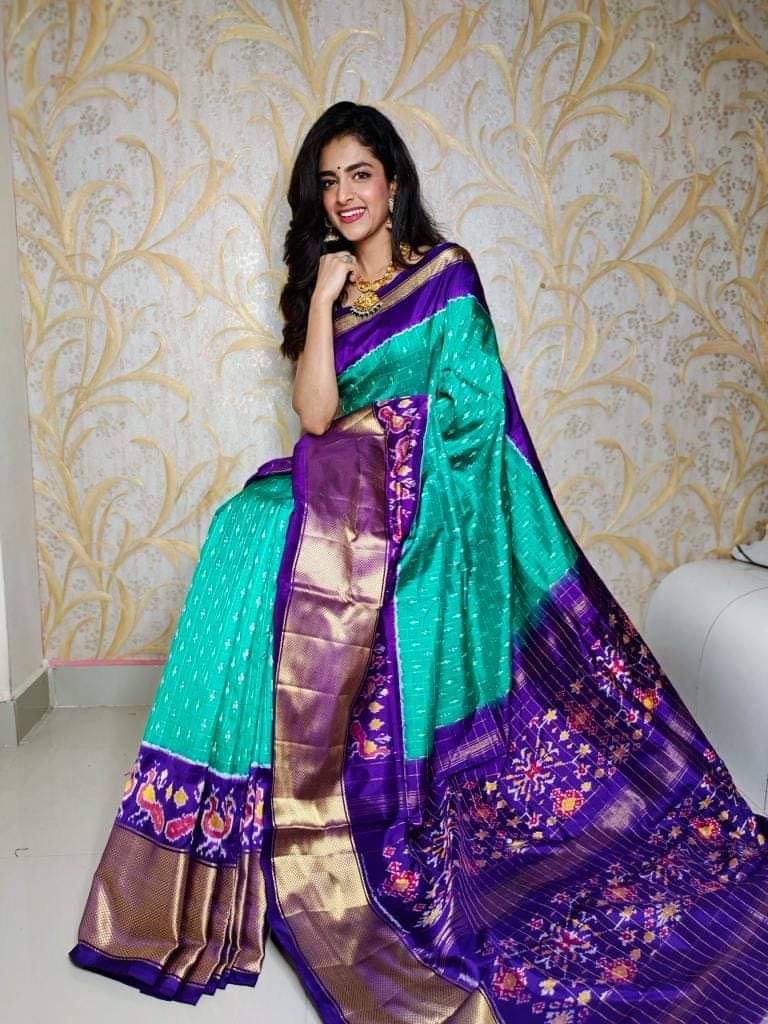
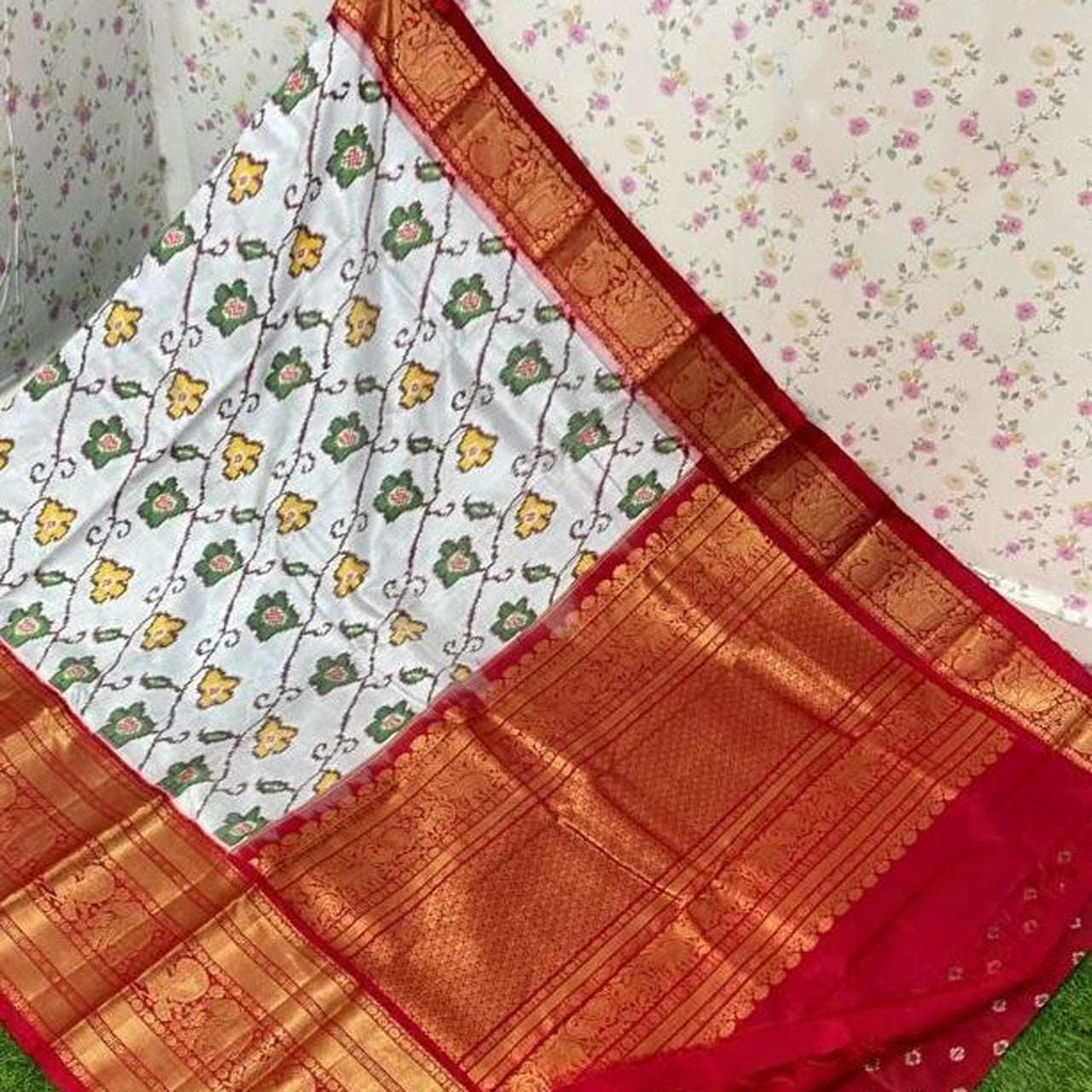
Patola sarees from Gujarat are admired for their extraordinary geometric designs and vibrant colors.
Their uniqueness comes from a highly skilled resist-dyeing process where both warp and weft threads are dyed before weaving.
The result is:
- Perfectly aligned patterns
- Symmetrical motifs
- Exceptional detail
- Remarkable craftsmanship
Because of their complexity, authentic Patola sarees often require months of dedicated work.
Jamdani: Weaving That Looks Like Embroidery
Jamdani weaving creates delicate motifs that appear to float on the fabric.
Typical designs include:
- Flowers
- Leaves
- Paisleys
- Geometric patterns
Despite their lightweight appearance, Jamdani sarees involve extraordinary weaving skill and patience.
Chanderi: Lightness with Elegance
Originating in Madhya Pradesh, Chanderi sarees are known for their:
- Sheer texture
- Lightweight feel
- Delicate motifs
- Elegant shine
They are excellent choices for festive celebrations, summer occasions, and sophisticated daytime events.
Paithani: Maharashtra's Woven Masterpiece
Paithani sarees are instantly recognizable for their colorful pallus and elaborate peacock, lotus, and floral motifs.
Their defining qualities include:
- Rich silk
- Intricate zari
- Vibrant color combinations
- Traditional artistic designs
These sarees are often considered heirloom pieces because of their craftsmanship.
Sambalpuri Ikat: Art Before the Loom
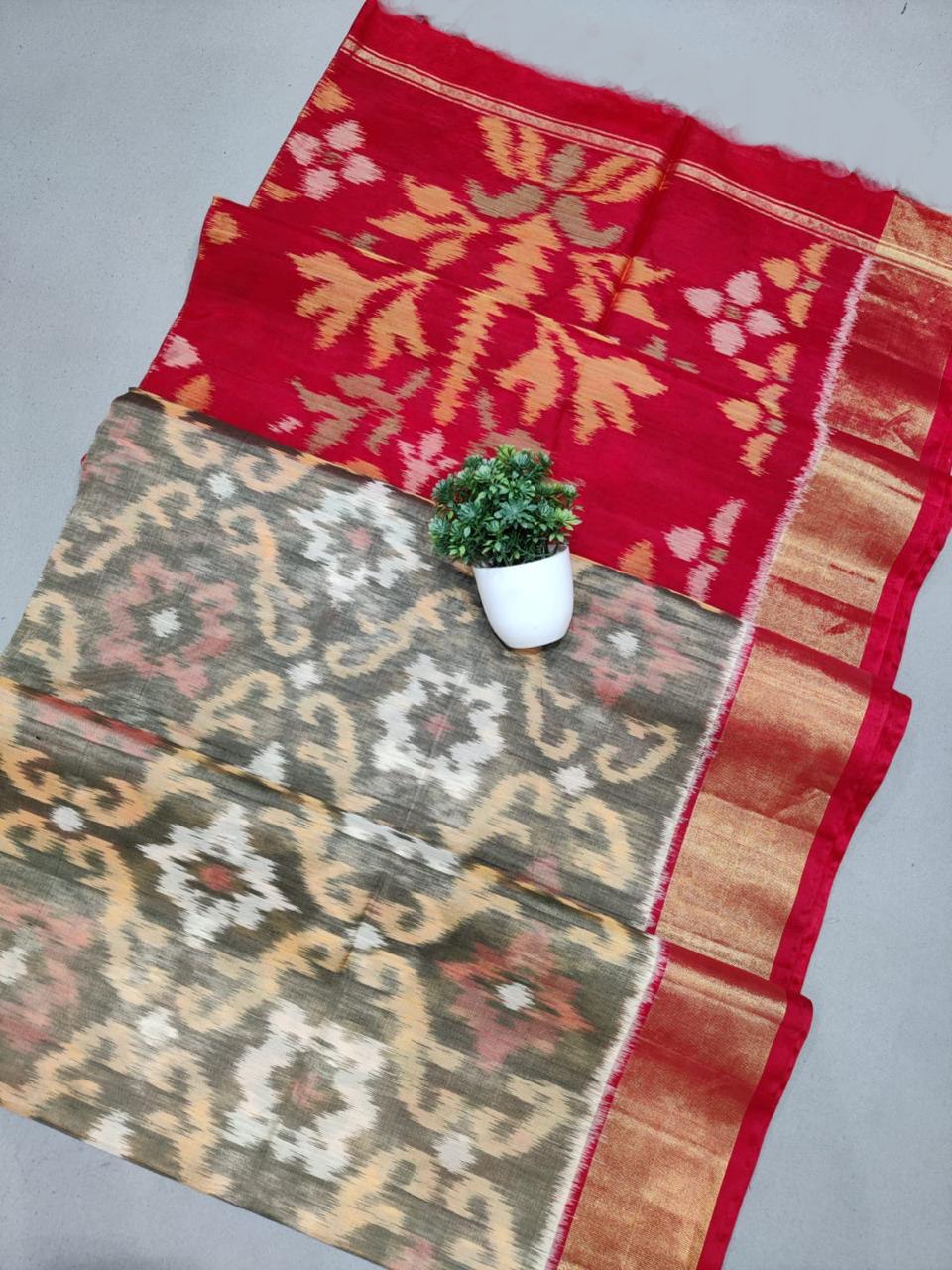
Sambalpuri sarees from Odisha are famous for their Ikat weaving technique.
Unlike printed fabrics, the yarn itself is carefully resist-dyed before weaving begins.
This creates:
- Geometric patterns
- Traditional motifs
- Distinctive visual depth
The remarkable precision required makes every saree unique.
Why Traditional Weaving Takes Time
Handloom weaving is a slow and meticulous process.
Creating a premium saree may involve:
- Preparing yarn
- Dyeing threads
- Setting the loom
- Hand weaving each section
- Inspecting every detail
- Finishing the fabric
Depending on the design, a single saree may require days, weeks, or even months to complete.
Why Handwoven Sarees Feel Different
Many saree lovers notice that authentic handwoven sarees have a distinctive feel.
This comes from:
- Natural fibers
- Skilled weaving
- Balanced thread tension
- Fine finishing
- Superior craftsmanship
These characteristics contribute to graceful draping, lasting comfort, and timeless beauty.
Preserving India's Weaving Traditions
Every handloom purchase helps sustain an ecosystem of artisans, including:
- Silk growers
- Yarn spinners
- Natural dyers
- Designers
- Weavers
- Zari craftsmen
- Finishers
Supporting authentic handloom products encourages these traditional skills to continue for future generations.
Handloom vs Machine-Made Sarees
| Feature | Handwoven Sarees | Machine-Made Sarees |
|---|---|---|
| Production | Woven by artisans | Industrial manufacturing |
| Design | Naturally unique | Highly uniform |
| Production Time | Days to months | Hours |
| Heritage | Rich cultural value | Primarily commercial |
| Craftsmanship | Exceptional | Standardized |
How to Choose the Right Traditional Weave
Before purchasing, consider:
The Occasion
Wedding, festival, office, or family celebration.
Fabric
Silk, cotton, linen, or blended materials.
Comfort
Choose a weave appropriate for the season and duration of wear.
Authenticity
Buy from trusted sellers who provide detailed information about weaving methods and materials.
Frequently Asked Questions
Which Indian weaving tradition is the oldest?
Several traditions have ancient origins. Banarasi, Kanjivaram, Jamdani, Patola, and Paithani are among India's most celebrated historical weaving styles.
Why are handwoven sarees more expensive?
They require skilled artisans, premium materials, and significantly more production time than machine-made fabrics.
Which weaving tradition is best for weddings?
Banarasi, Kanjivaram, and Paithani sarees are among the most popular choices for bridal and wedding wear.
Can traditional sarees be worn today?
Absolutely. Classic handloom sarees can be styled beautifully for weddings, festivals, office events, formal gatherings, and contemporary celebrations.
Why is preserving weaving traditions important?
These traditions safeguard centuries of craftsmanship, support artisan livelihoods, and protect one of India's greatest cultural treasures.
Conclusion
India's weaving traditions represent far more than beautiful textiles—they embody centuries of knowledge, artistic expression, and cultural identity. Every Banarasi brocade, Kanjivaram border, Patola pattern, Jamdani motif, and Paithani pallu reflects the dedication of artisans who continue to preserve techniques passed down through generations.
For every saree lover, understanding these traditions transforms the buying experience. Instead of simply choosing a beautiful garment, you begin to recognize the stories, skills, and heritage woven into every thread. Whether you are investing in your first handloom saree or expanding a treasured collection, appreciating India's weaving legacy allows you to celebrate not only timeless fashion but also one of the world's richest textile traditions.