





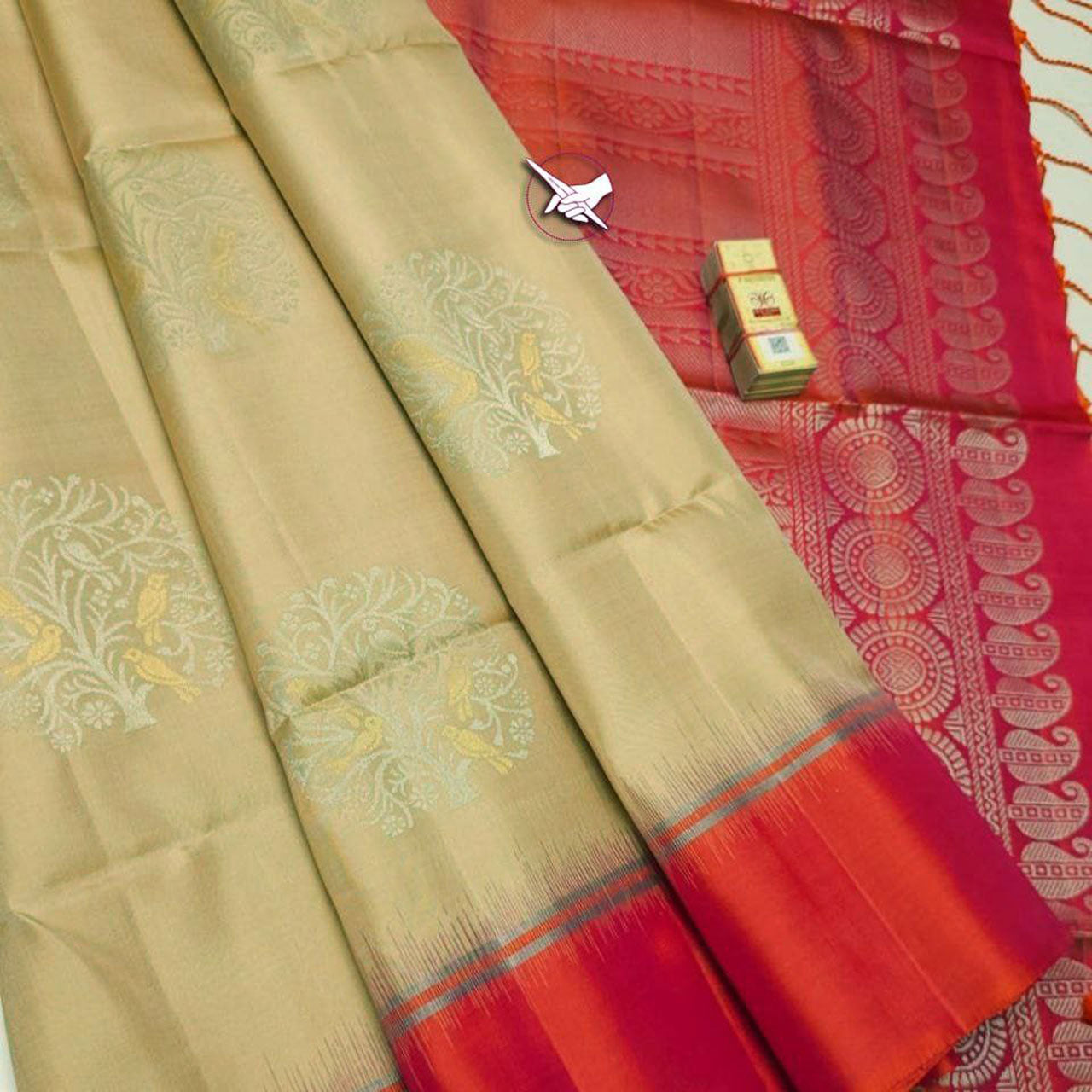


Ikkat Sarees Explained: History, Patterns, and Styling Ideas
India's rich textile heritage is home to countless weaving traditions, but few are as visually striking and technically fascinating as Ikkat. Known for its distinctive blurred patterns, vibrant colors, and complex dyeing process, Ikkat weaving has captivated textile enthusiasts for centuries. Today, Ikkat sarees continue to be celebrated for their artistic appeal, cultural significance, and timeless versatility.
Whether you're a saree collector, a fashion enthusiast, or someone looking to invest in a handcrafted masterpiece, understanding Ikkat sarees can help you appreciate the incredible craftsmanship behind every weave.
In this complete guide, we'll explore the history of Ikkat sarees, their unique weaving techniques, popular patterns, styling ideas, and why they remain a favorite among modern women.
What Is an Ikkat Saree?
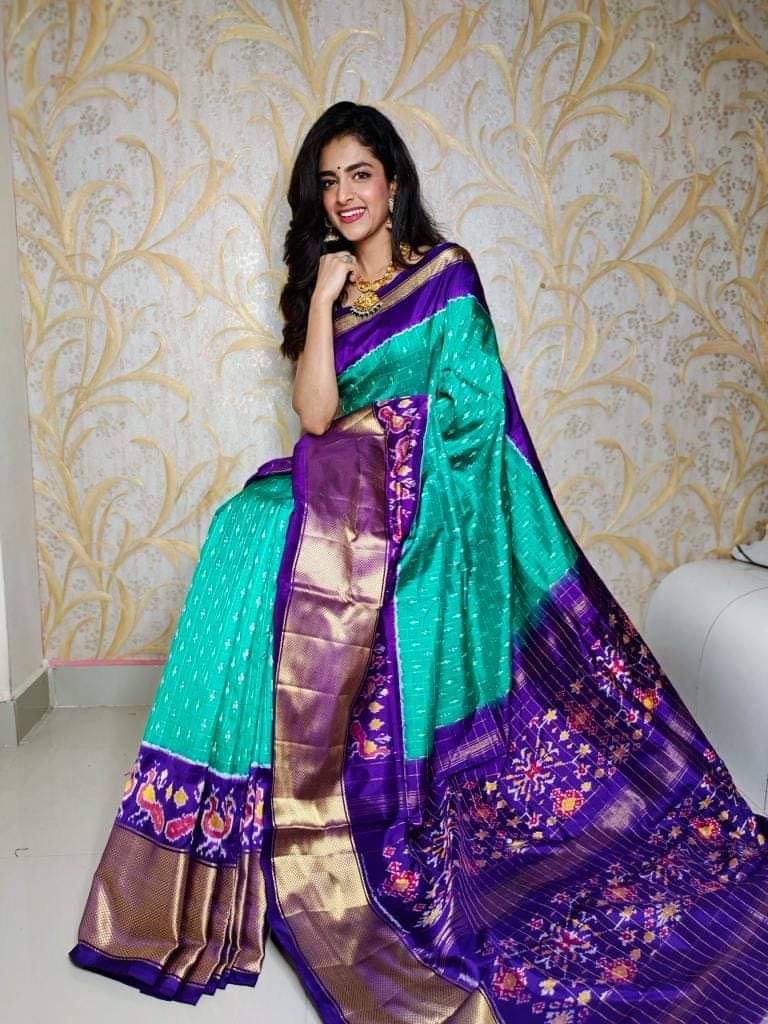
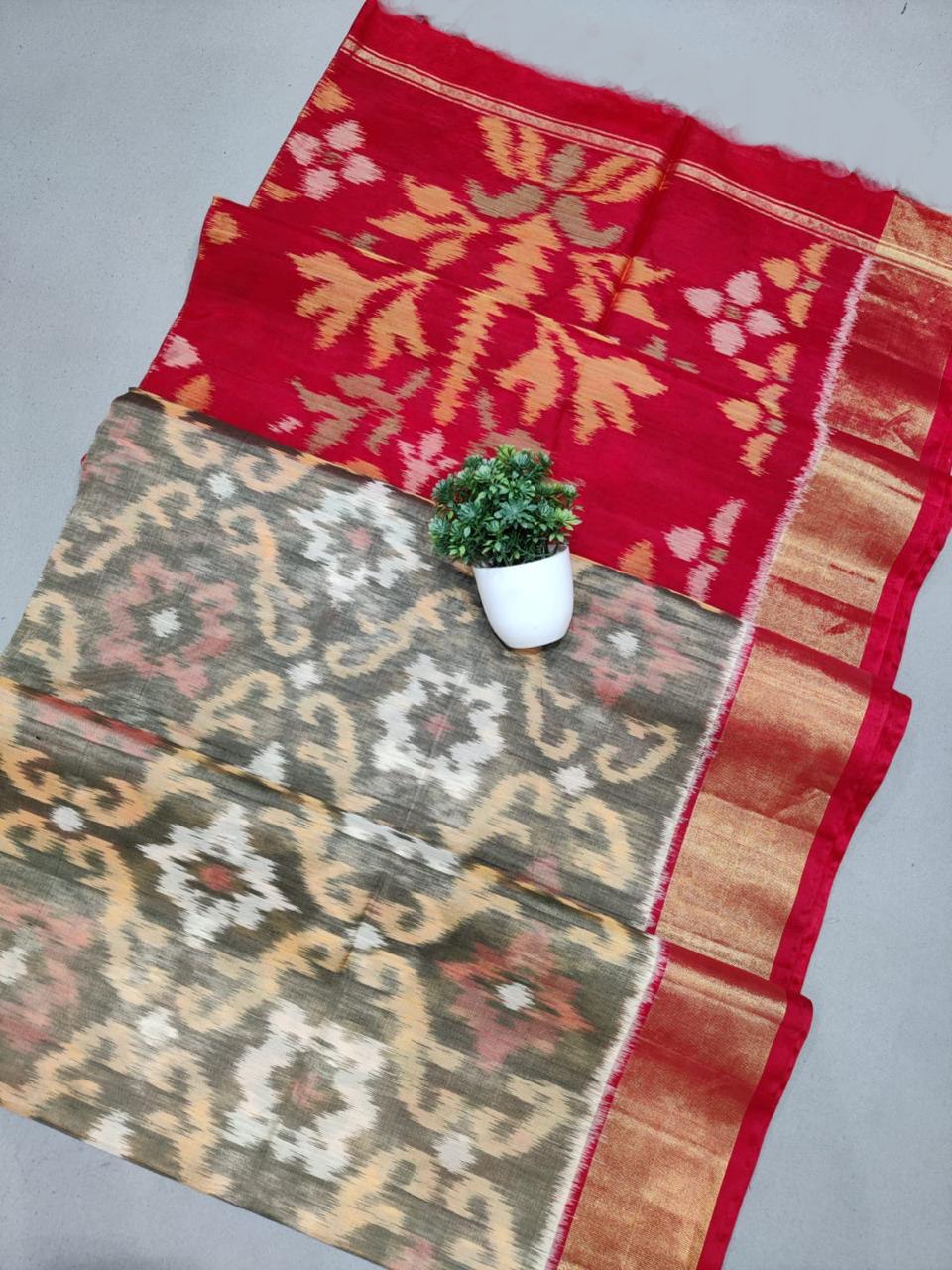
Ikkat is a resist-dyeing technique in which the yarns are dyed before they are woven into fabric. Unlike printed textiles where designs are applied after weaving, Ikkat patterns are created by carefully tying and dyeing threads according to a predetermined design.
Once the dyed threads are woven together, intricate motifs and geometric patterns emerge, creating the characteristic slightly blurred appearance that makes Ikkat instantly recognizable.
This labor-intensive process requires exceptional skill, precision, and planning, making authentic Ikkat sarees highly valued in the world of handloom textiles.
The History of Ikkat Weaving
The origins of Ikkat can be traced back centuries and are found in several regions around the world, including India, Indonesia, Japan, and Central Asia.
In India, Ikkat weaving developed into a distinctive textile tradition, particularly in:
- Telangana
- Odisha
- Gujarat
- Andhra Pradesh
Over generations, artisans refined their techniques and developed regional styles that continue to flourish today.
Historically, Ikkat fabrics were worn by royalty and affluent families due to the complexity of production and the high level of craftsmanship involved.
Today, Ikkat sarees remain symbols of artistic excellence and cultural heritage.
How Ikkat Weaving Works
One of the reasons Ikkat fascinates textile lovers is its unique production process.
Step 1: Designing the Pattern
Artisans first create a detailed design plan for the saree.
Every motif must be calculated before weaving begins.
Step 2: Tying the Yarn
Specific sections of the yarn are tightly bound to resist dye penetration.
Step 3: Dyeing
The yarn is dyed in multiple stages using carefully selected colors.
The tied sections remain undyed, forming part of the final design.
Step 4: Repeating the Process
Additional colors require repeated tying and dyeing cycles.
Step 5: Weaving
The dyed threads are precisely aligned on the loom and woven into fabric.
This alignment process is extremely challenging and requires remarkable expertise.
Types of Ikkat Weaving
Different forms of Ikkat are distinguished by which threads are dyed.
Single Ikkat
Only either the warp or weft yarn is resist-dyed.
Characteristics
- Simpler production process
- Distinctive patterns
- More widely available
Single Ikkat is commonly seen in many Indian handloom sarees.
Double Ikkat
Both warp and weft yarns are resist-dyed before weaving.
Characteristics
- Highly complex production
- Exceptional precision required
- More intricate designs
Double Ikkat sarees are considered among the finest examples of textile craftsmanship.
Combined Ikkat Techniques
Some artisans blend traditional methods with contemporary innovations to create unique visual effects.
Popular Types of Indian Ikkat Sarees
India is home to several renowned Ikkat traditions.
Pochampally Ikkat Sarees
Originating from Telangana, Pochampally Ikkat sarees are among the most famous.
Features
- Geometric motifs
- Bold color combinations
- Distinctive symmetrical patterns
Pochampally sarees are highly sought after in both domestic and international markets.
Odisha Ikkat Sarees
Known locally as Bandha, Odisha Ikkat weaving often incorporates traditional motifs and cultural symbolism.
Common Designs
- Conch shells
- Wheels
- Floral patterns
- Temple-inspired motifs
These sarees beautifully reflect Odisha's artistic heritage.
Patola Sarees
Patola sarees from Gujarat represent one of the world's most sophisticated double Ikkat traditions.
Why They're Special
- Exceptional precision
- Intricate patterns
- Extensive production time
Authentic Patola sarees are considered luxury heirloom textiles.
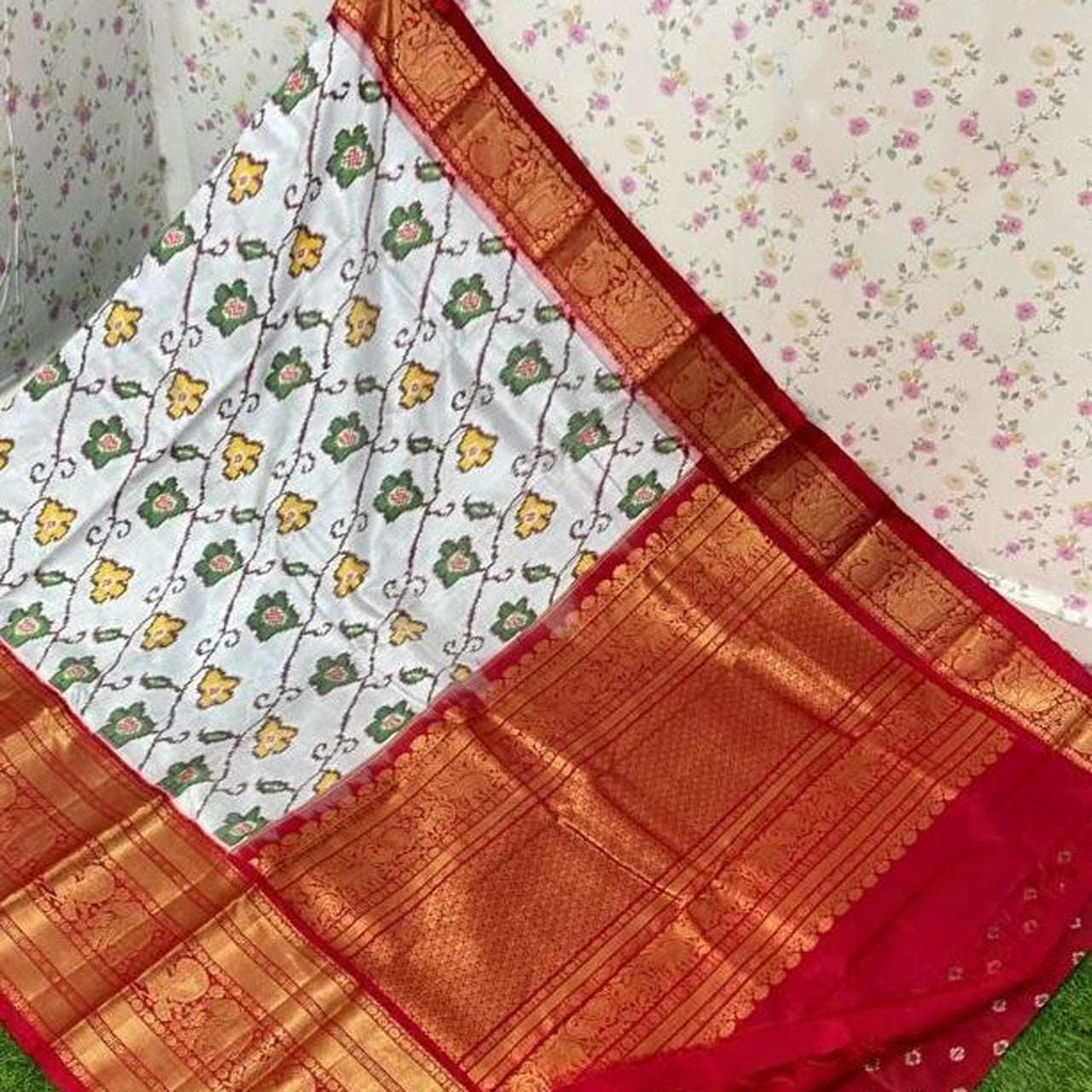
Popular Ikkat Patterns and Motifs
The visual appeal of Ikkat lies in its diverse design vocabulary.
Geometric Patterns
One of the most recognizable characteristics of Ikkat weaving.
Popular shapes include:
- Diamonds
- Squares
- Zigzags
- Triangles
Floral Motifs
Many Ikkat sarees incorporate stylized flowers and leaves.
Traditional Symbols
Regional cultural motifs often appear in traditional Ikkat designs.
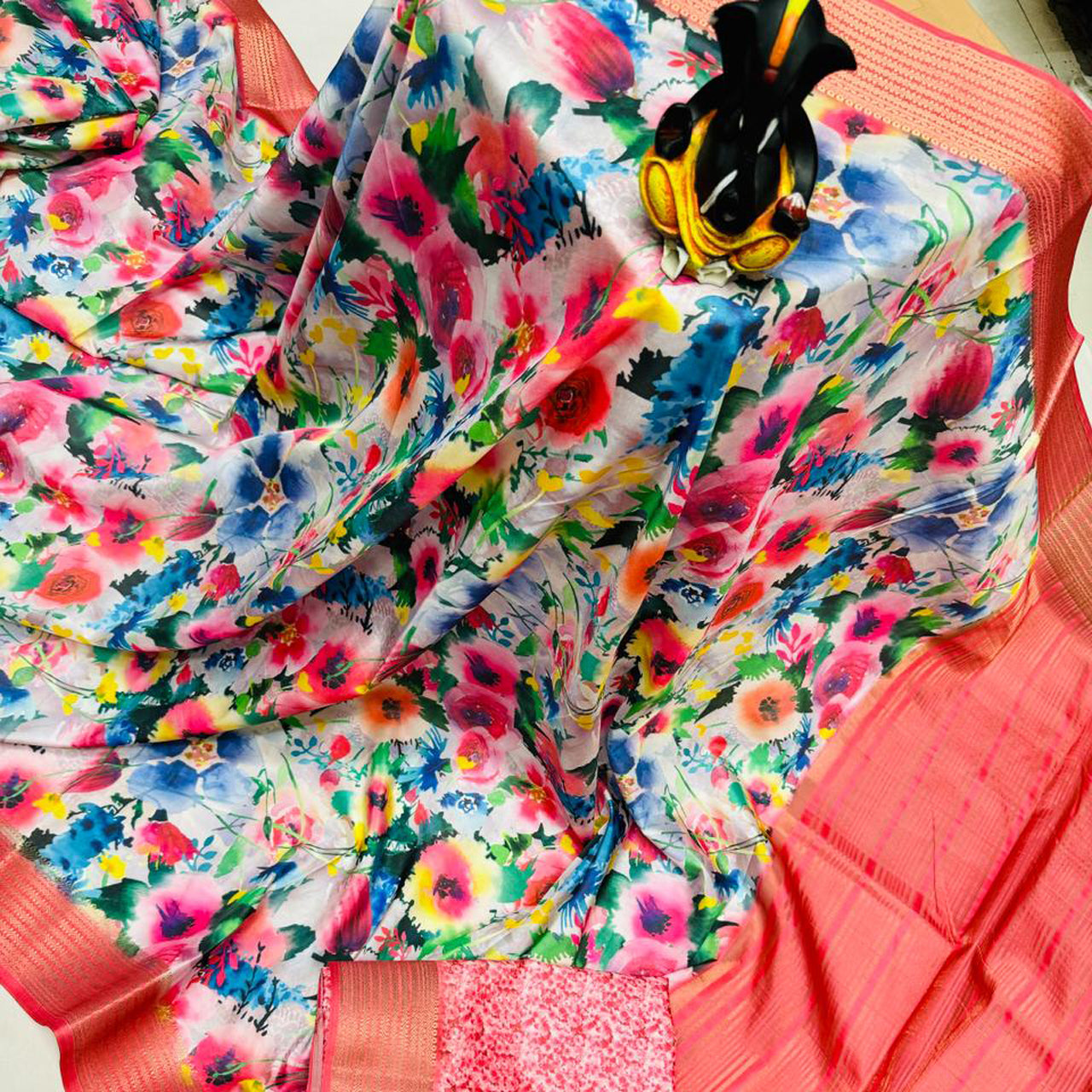
Contemporary Abstract Designs
Modern designers frequently reinterpret Ikkat using abstract compositions and innovative color combinations.
Why Ikkat Sarees Are Trending Today
The growing popularity of Ikkat sarees can be attributed to several factors.
Appreciation for Handloom Fashion
Consumers increasingly value authentic artisan-made products.
Sustainable Fashion Movement
Handwoven textiles align with eco-conscious fashion preferences.
Versatile Styling
Ikkat sarees work beautifully in both traditional and contemporary wardrobes.
Unique Visual Identity
The characteristic blurred patterns create a distinctive aesthetic that stands out from conventional prints.
Best Occasions to Wear Ikkat Sarees
One of the greatest strengths of Ikkat sarees is their versatility.
Office Wear
Subtle Ikkat cotton sarees create a sophisticated professional look.
Cultural Events
Ideal for:
- Art exhibitions
- Literary festivals
- Heritage programs
Festivals
Suitable for:
- Diwali
- Navratri
- Durga Puja
- Pongal
Family Functions
Offer elegance without excessive embellishment.
Formal Gatherings
Silk Ikkat sarees provide understated luxury for special occasions.
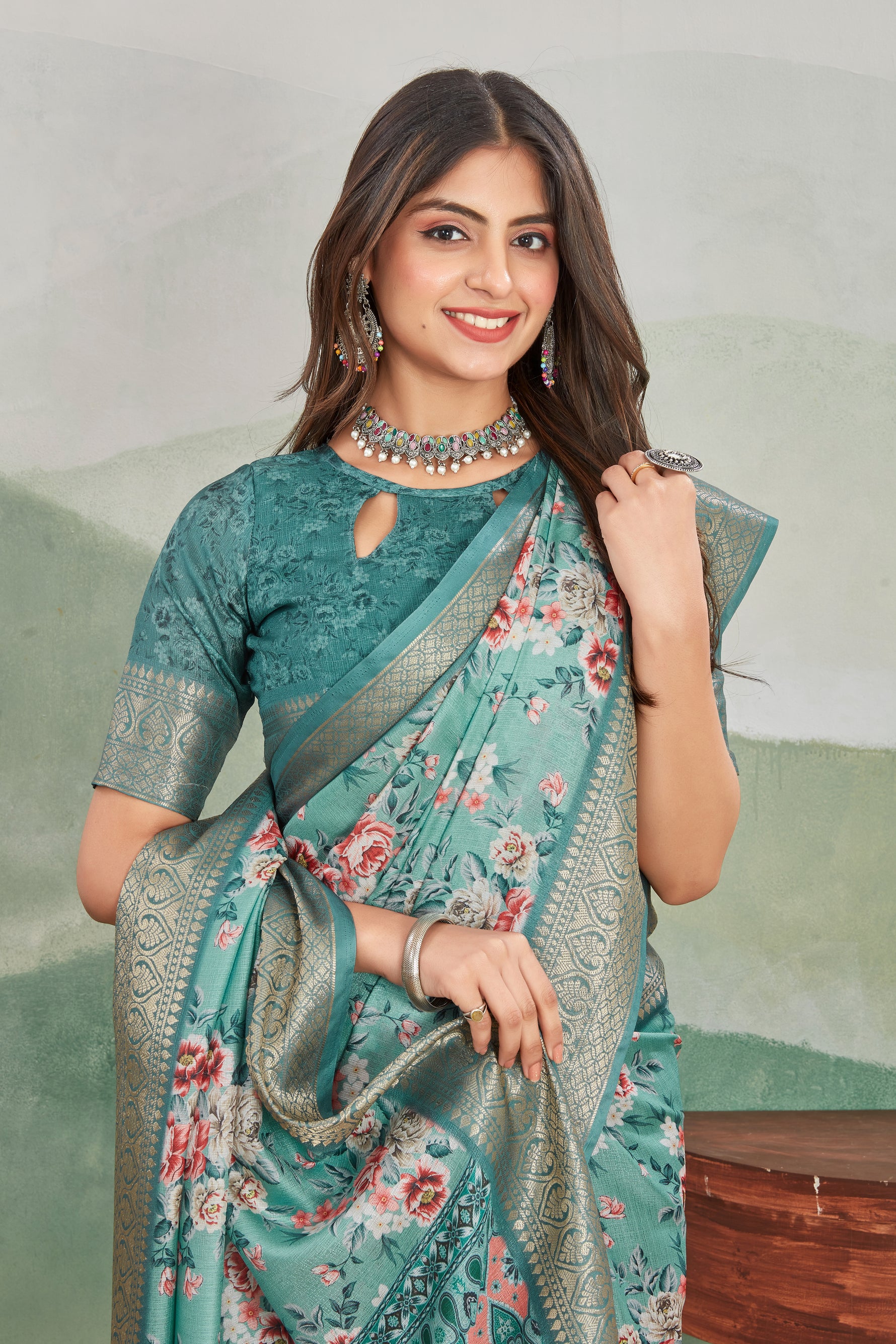
How to Style Ikkat Sarees
Thoughtful styling can enhance the artistic beauty of an Ikkat saree.
Choose Solid-Colored Blouses
Because Ikkat patterns are visually rich, solid blouses often work best.
Popular choices include:
- Black
- Maroon
- Navy blue
- Mustard
- Emerald green
Keep Jewelry Balanced
Recommended accessories:
- Silver jewelry
- Oxidized earrings
- Temple jewelry
- Minimal gold pieces
Avoid overly elaborate accessories that compete with the saree's patterns.
Experiment with Contemporary Blouses
Modern blouse styles include:
- Boat neck blouses
- High-neck designs
- Collar neck blouses
- Elbow-length sleeves
These pair beautifully with traditional Ikkat fabrics.
Focus on Clean Draping
Neat pleats help showcase the intricate patterns effectively.
Why Ikkat Sarees Are a Smart Investment
Beyond their beauty, Ikkat sarees offer long-term value.
Timeless Appeal
Their artistic patterns rarely go out of fashion.
Handcrafted Excellence
Each saree reflects skilled artisan craftsmanship.
Cultural Significance
Ikkat weaving represents an important part of India's textile heritage.
Versatile Usage
Suitable for numerous occasions and styling preferences.
A well-made Ikkat saree can remain relevant and wearable for many years.
How to Identify Authentic Ikkat Sarees
As demand grows, it's important to recognize genuine handwoven Ikkat.
Examine Both Sides
Authentic Ikkat patterns typically appear on both sides of the fabric.
Look for Slight Blurring
The characteristic feathered edges indicate traditional dyeing techniques.
Check Pattern Alignment
Handwoven pieces may display subtle irregularities that reflect artisan craftsmanship.
Buy from Trusted Sources
Choose reputable handloom stores and verified artisan brands.
Caring for Ikkat Sarees
Proper maintenance helps preserve the beauty of Ikkat textiles.
Washing
- Dry clean silk varieties.
- Hand wash cotton Ikkat sarees gently.
Drying
- Avoid harsh sunlight.
- Dry in shade.
Storage
- Store in breathable fabric covers.
- Refold periodically.
Ironing
Use appropriate heat settings based on fabric composition.
Frequently Asked Questions
What is special about Ikkat sarees?
Ikkat sarees feature patterns created by resist-dyeing yarn before weaving, resulting in unique handcrafted designs.
Are Ikkat sarees handmade?
Yes. Authentic Ikkat sarees involve skilled artisan dyeing and weaving techniques.
What is the difference between single and double Ikkat?
Single Ikkat dyes either warp or weft yarn, while double Ikkat dyes both, making it more complex and valuable.
Can I wear an Ikkat saree to the office?
Absolutely. Lightweight cotton and linen Ikkat sarees are excellent choices for professional settings.
Are Ikkat sarees expensive?
Prices vary depending on fabric, weaving complexity, and whether the saree is single or double Ikkat.
Conclusion
Ikkat Sarees represent one of the most fascinating and respected traditions in Indian textile art. Their unique dyeing process, striking patterns, rich cultural heritage, and exceptional craftsmanship make them much more than ordinary garments. Every authentic Ikkat saree tells a story of skill, patience, and artistic vision passed down through generations of artisans.
Whether you choose a vibrant Pochampally Ikkat, a heritage-inspired Odisha Bandha weave, or a luxurious Patola masterpiece, you're investing in a piece of living textile history. With their timeless appeal, sustainable craftsmanship, and versatile styling possibilities, Ikkat sarees continue to remain a cherished choice for women who appreciate elegance, culture, and individuality.
- #Artisan Sarees
- #Double Ikkat Sarees
- #handloom Ikkat sarees
- #Handloom Sarees
- #Ikkat patterns
- #Ikkat saree styling tips
- #Ikkat Sarees
- #Ikkat silk sarees
- #Ikkat weaving
- #Indian Handloom
- #Patola Sarees
- #Pochampally Ikkat sarees
- #Saree Styling Tips
- #Single Ikkat Weaving
- #Sustainable Fashion
- #Textile Heritage
- #traditional Indian sarees
- #Women's Ethnic Wear
Share