










How to Wash Printed Sarees Without Fading Colors | Complete Care Guide
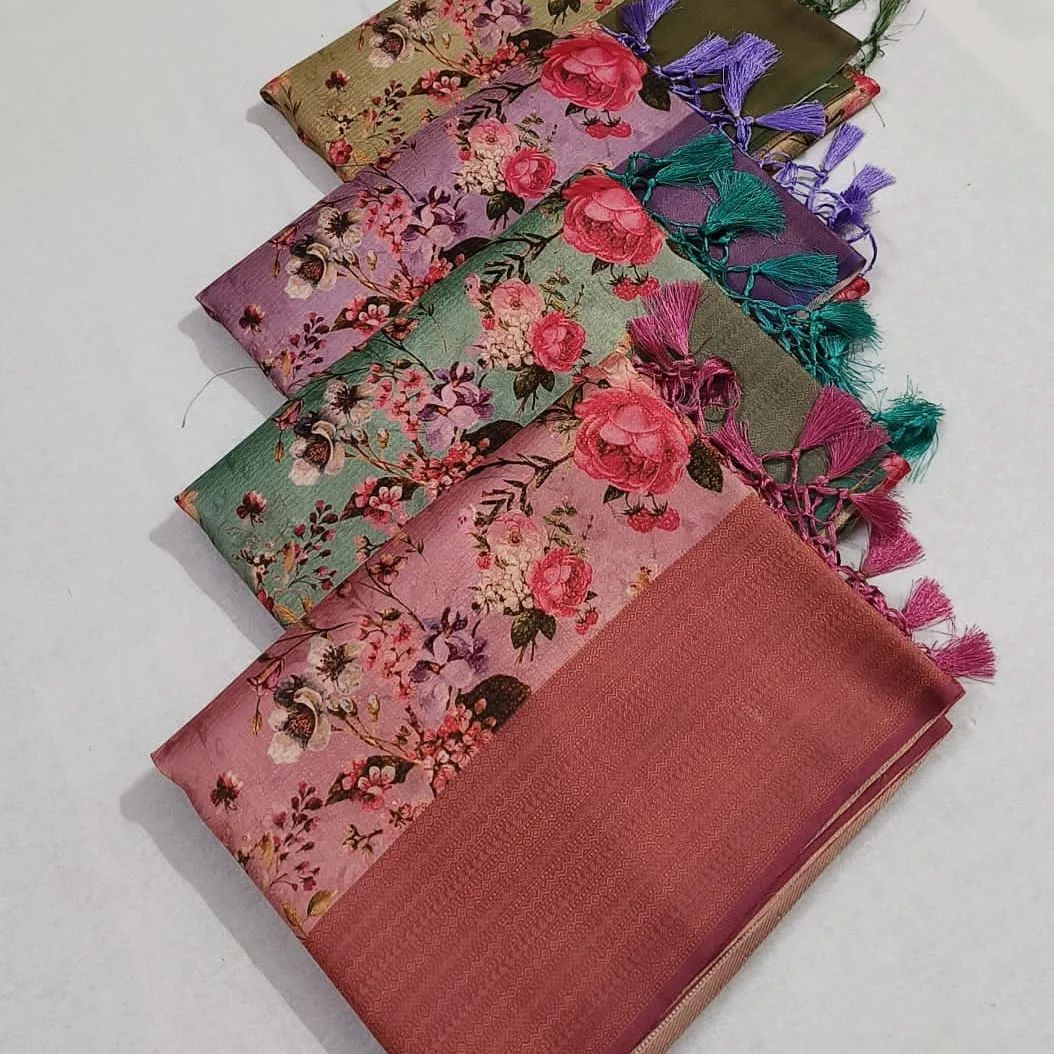
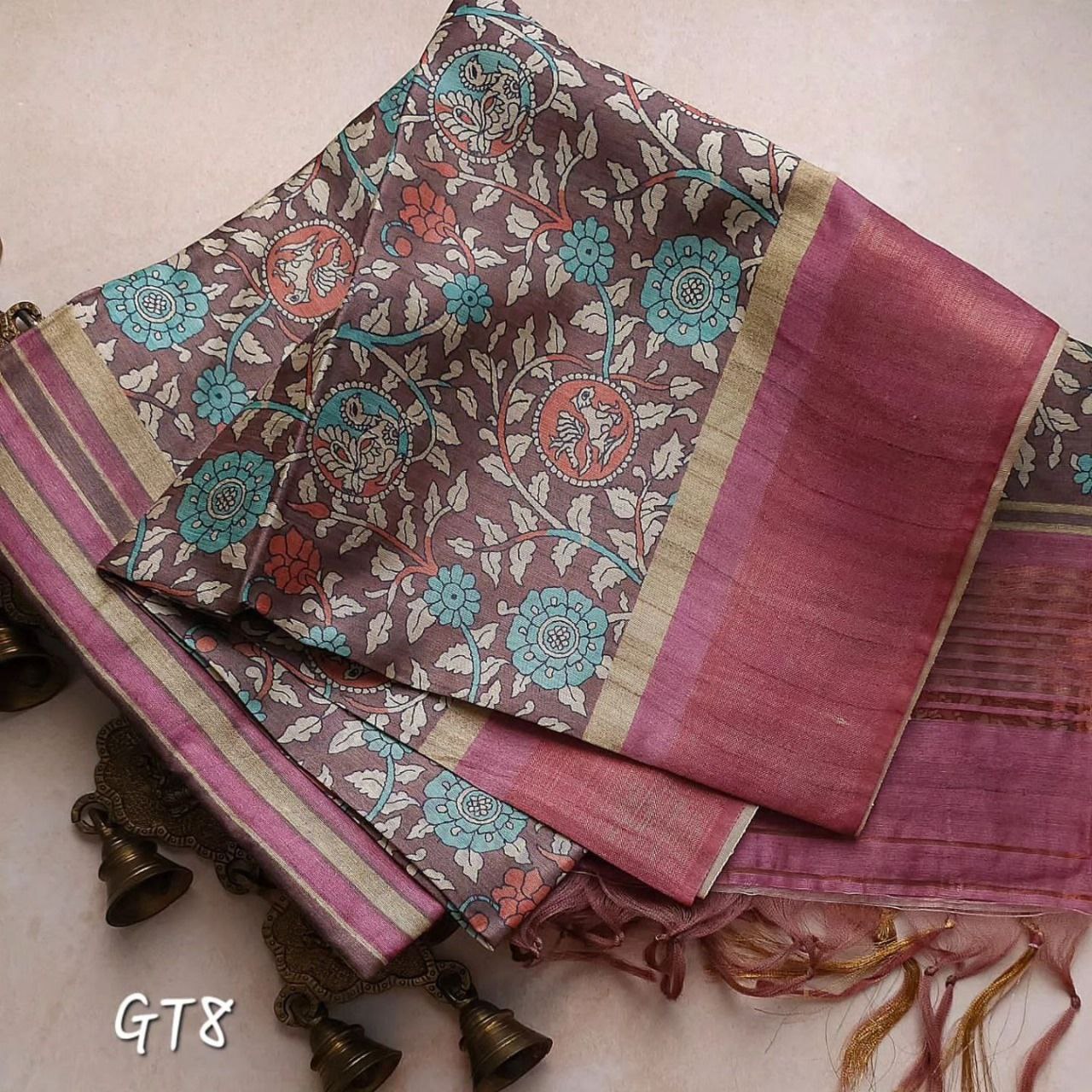
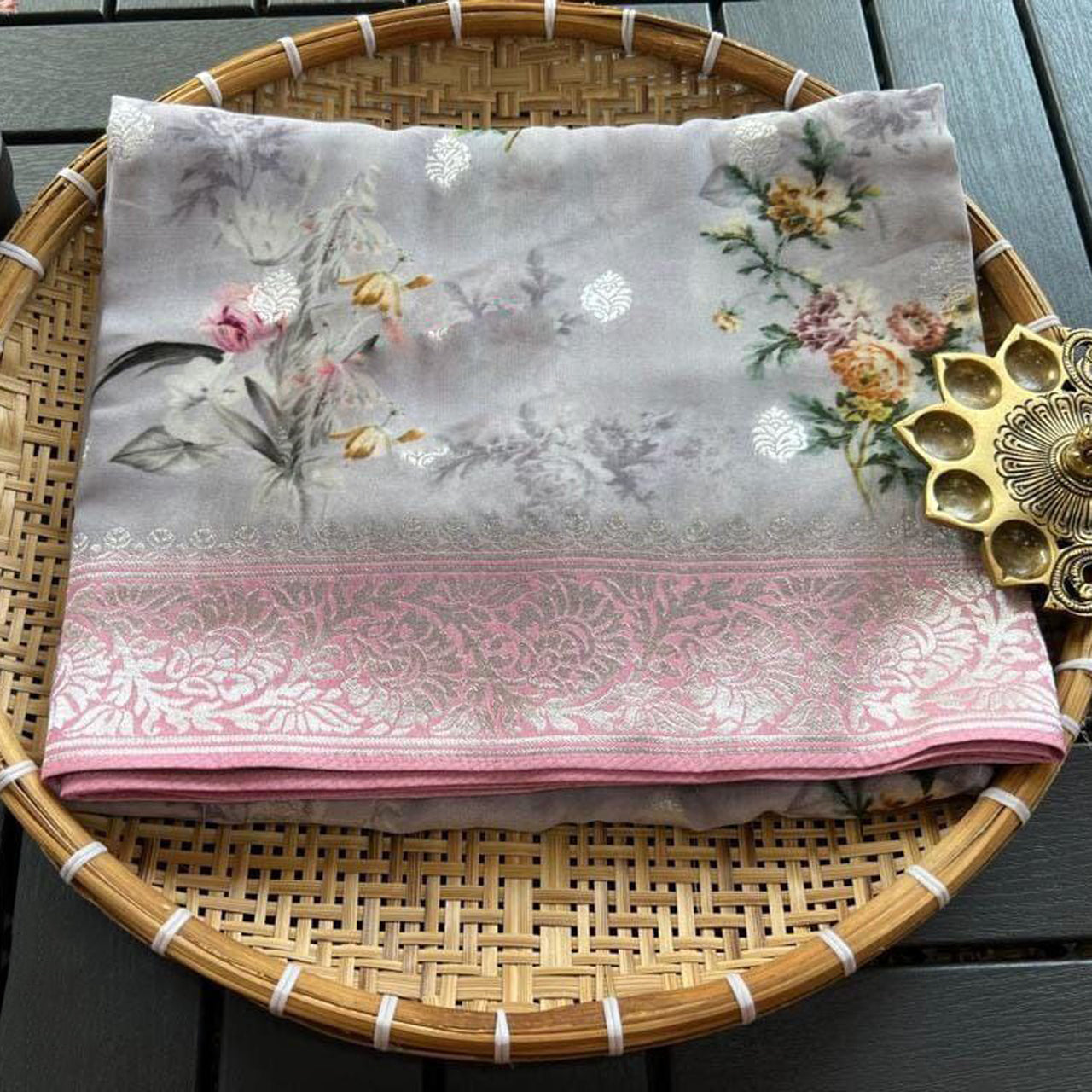
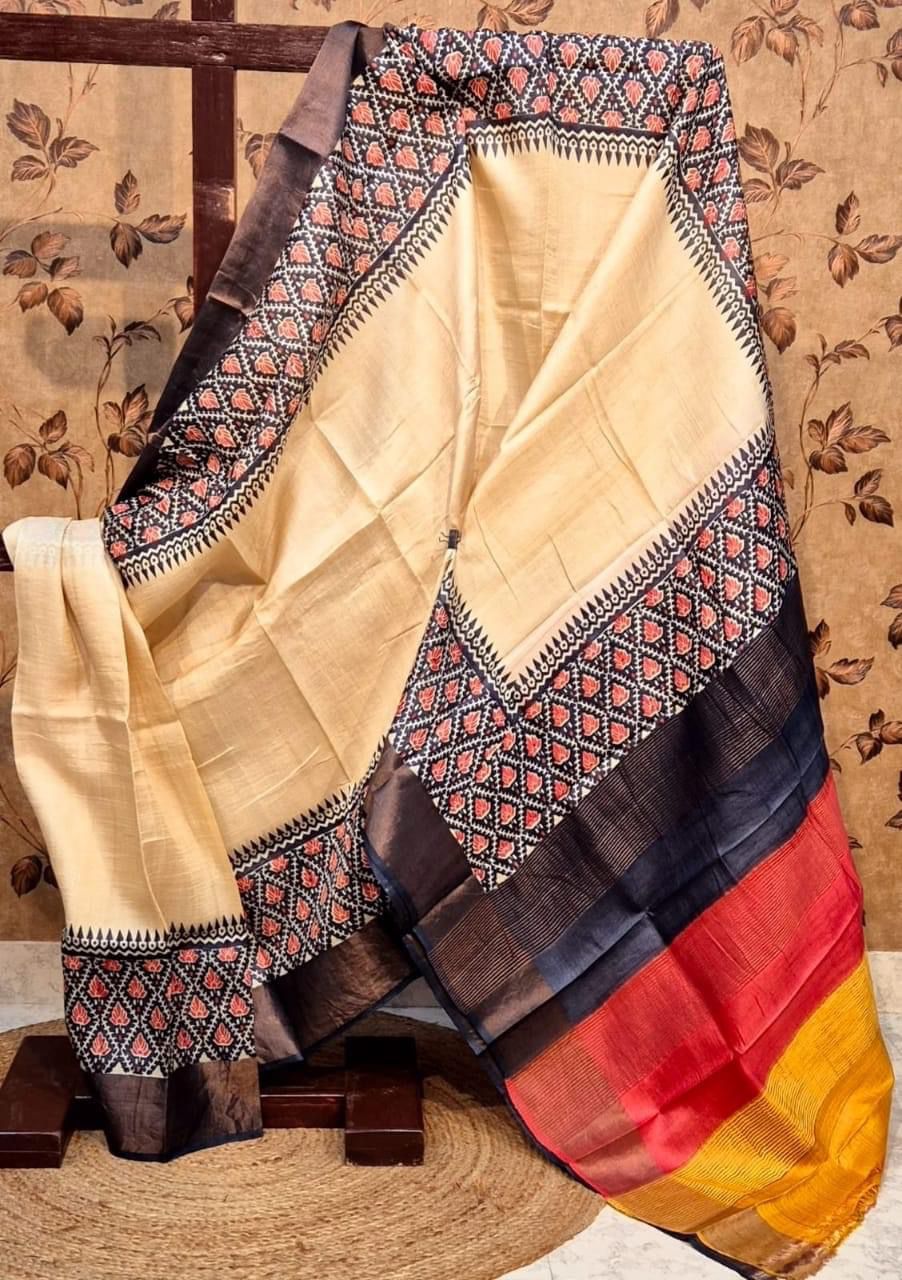
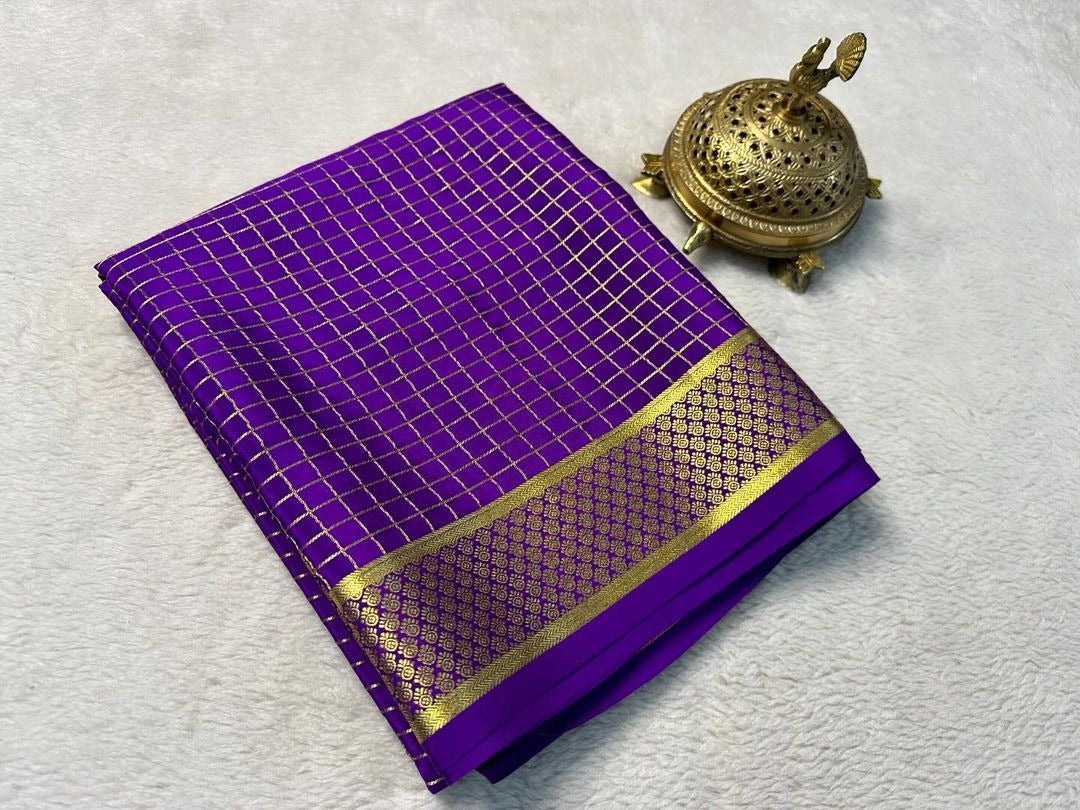
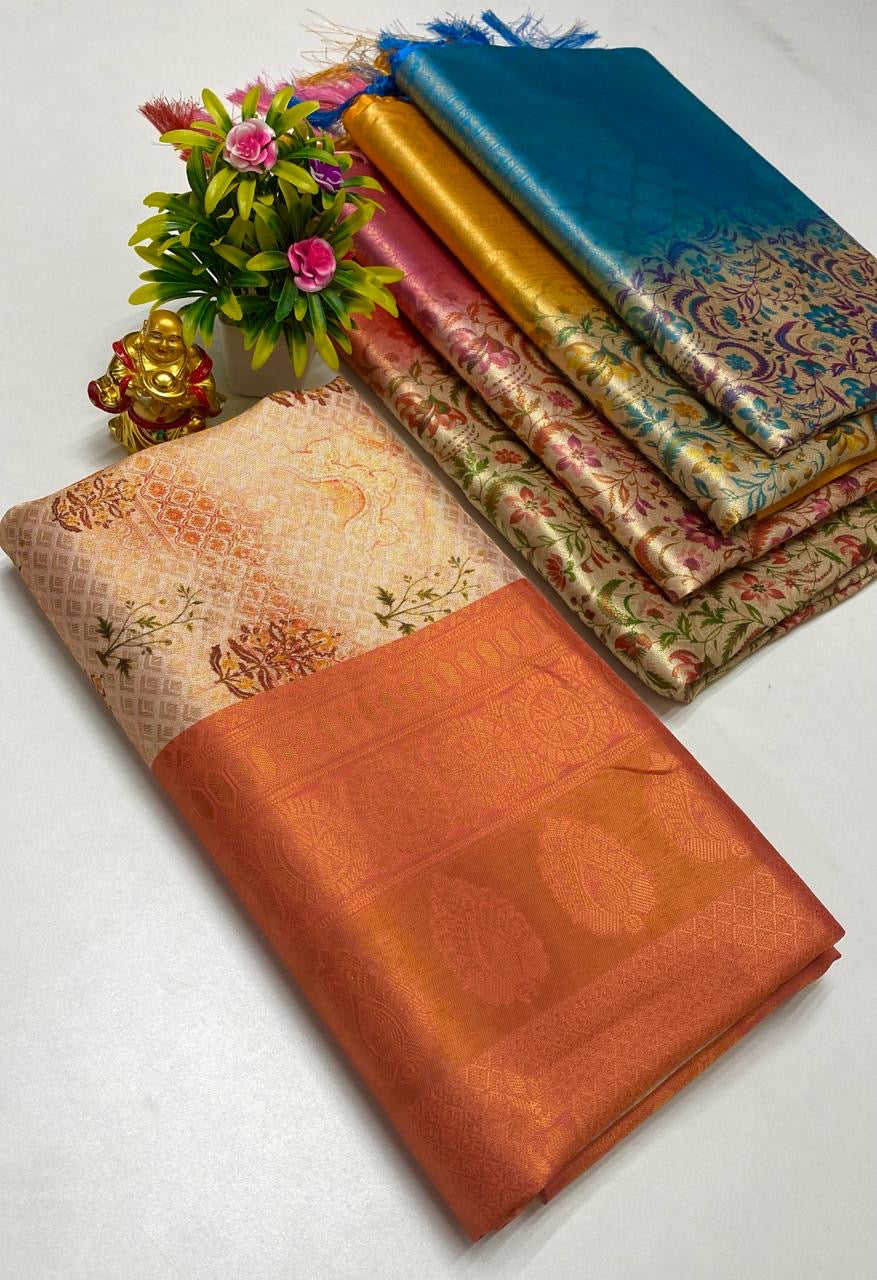
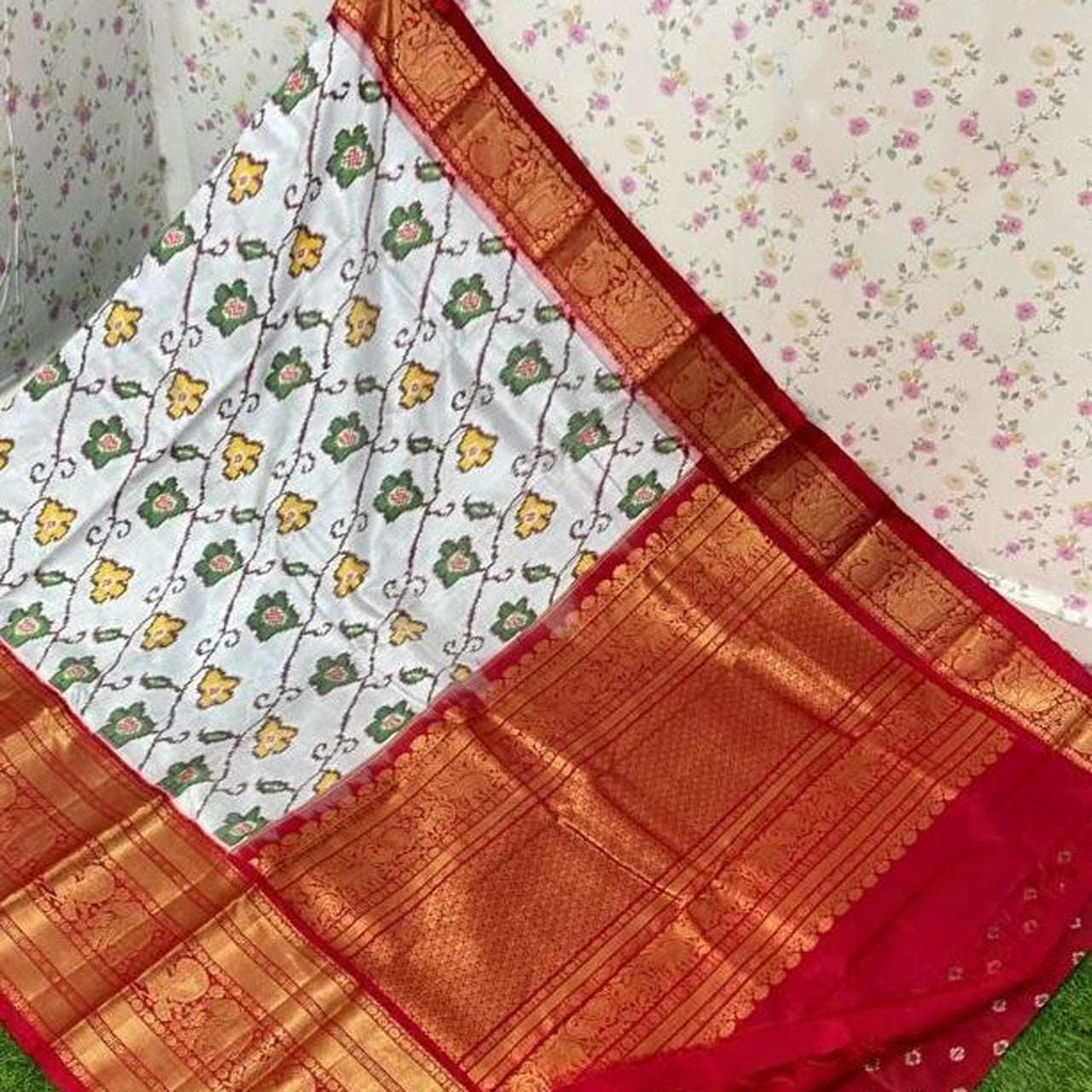
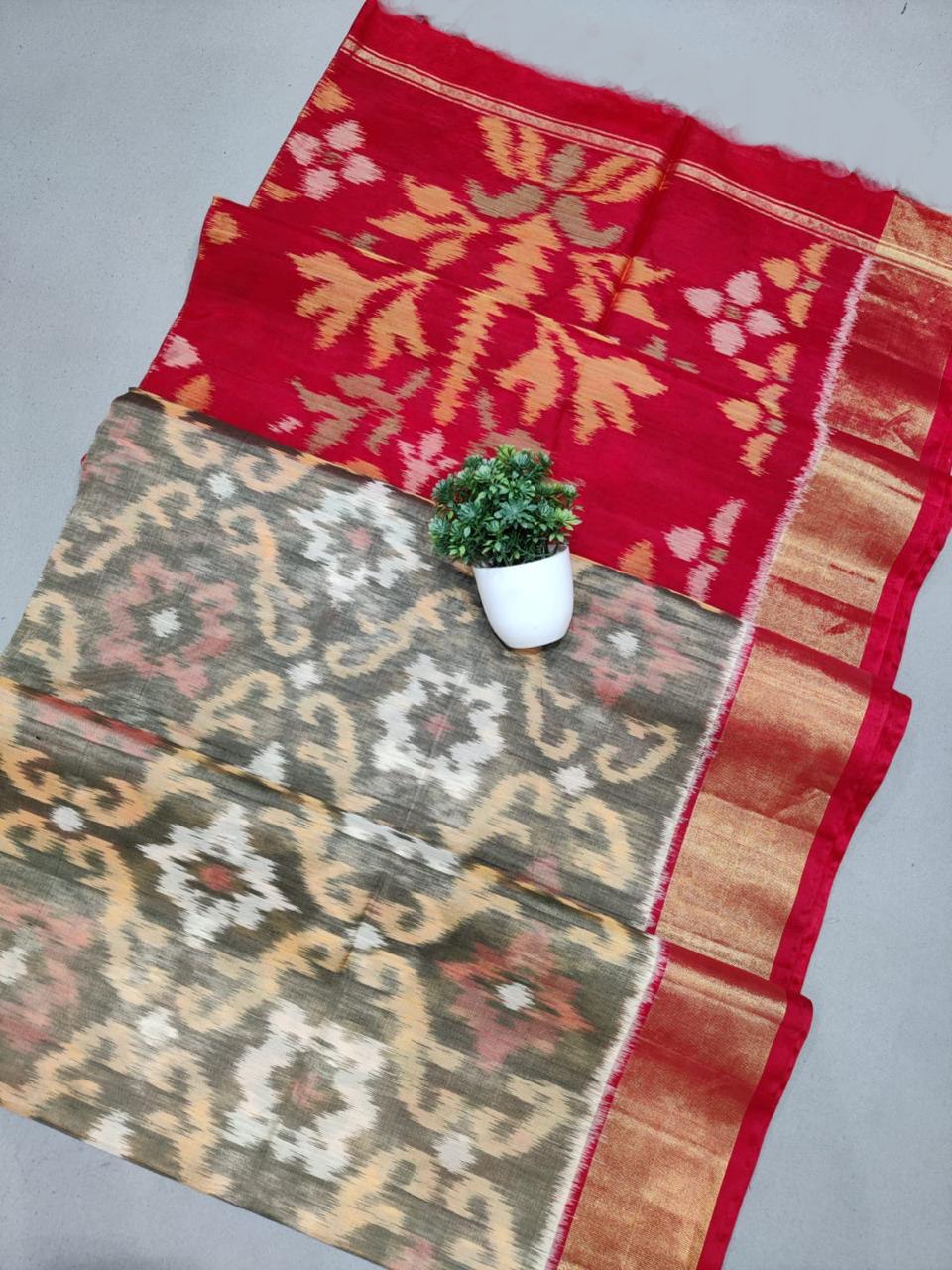
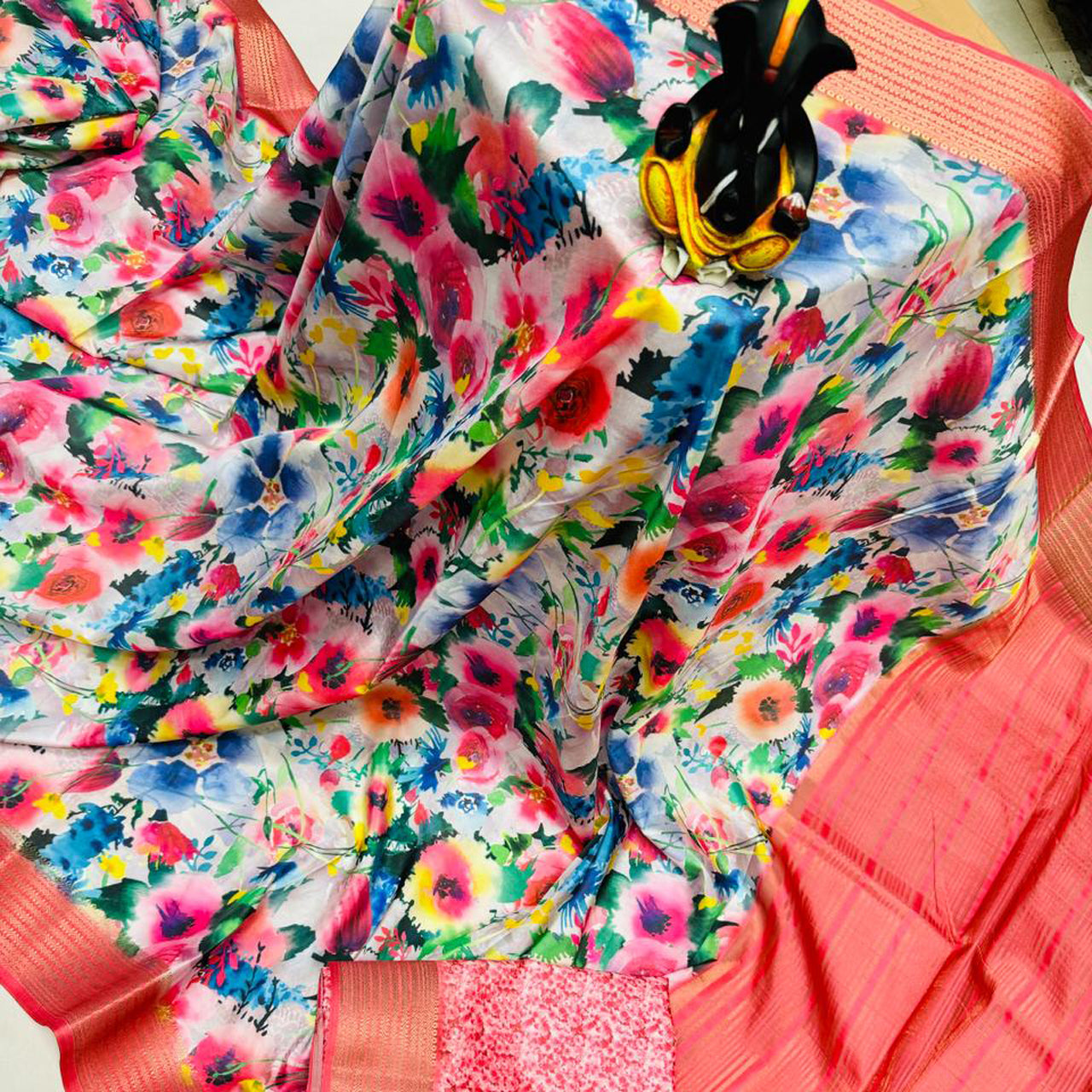
Printed sarees are among the most versatile and stylish additions to any wardrobe. Whether it's a floral cotton saree, an elegant digital print silk saree, a contemporary abstract design, or a traditional ethnic print, the beauty of a printed saree lies in its vibrant colors and intricate patterns. However, improper washing and storage can quickly dull these colors, causing the saree to lose its charm and elegance.
Many women unknowingly damage their sarees by using harsh detergents, exposing them to direct sunlight, or following incorrect washing techniques. Fortunately, with proper care and maintenance, printed sarees can retain their beauty, softness, and color vibrancy for many years.
In this complete guide, you'll learn the best ways to wash, dry, iron, and store printed sarees while protecting their colors and fabric quality.
Why Printed Sarees Fade Over Time
Understanding why colors fade can help prevent unnecessary damage.
Common causes include:
- Harsh detergents
- Excessive washing
- Direct sunlight exposure
- Hot water washing
- Chemical treatments
- Improper storage
- Friction during washing
By avoiding these factors, you can significantly extend the lifespan of your sarees.
Know Your Saree Fabric Before Washing
Different fabrics require different care methods.
Before washing, always check the saree's fabric type.
Cotton Printed Sarees
Cotton sarees are generally easy to maintain but may release color during initial washes.
Linen Printed Sarees
Linen requires gentle handling to preserve both color and texture.
Georgette Printed Sarees
These lightweight fabrics should be washed carefully to avoid damage.
Silk Printed Sarees
Printed silk sarees require special attention and often benefit from professional dry cleaning.
Organza Printed Sarees
Organza is delicate and should be washed with extra care.
Understanding the fabric helps determine the safest cleaning method.
Read the Care Label First
If your saree includes a care label, always follow the manufacturer's recommendations.
The label may specify:
- Hand wash only
- Dry clean only
- Water temperature limits
- Ironing instructions
Ignoring these instructions can lead to irreversible damage.
Hand Washing Is Usually the Safest Option
For most printed sarees, hand washing remains the safest cleaning method.
Step 1: Fill a Basin with Cold Water
Use:
- Cold water
- Room-temperature water
Avoid hot water because it can loosen dye particles.
Step 2: Use Mild Detergent
Choose:
- Gentle liquid detergent
- Fabric-safe cleanser
Avoid:
- Bleach
- Strong washing powders
- Harsh chemicals
These products can strip colors from the fabric.
Step 3: Soak Briefly
Allow the saree to soak for:
- 5 to 10 minutes maximum
Long soaking periods may increase color bleeding.
Step 4: Wash Gently
Use your hands to lightly clean the fabric.
Avoid:
- Scrubbing
- Twisting
- Rubbing aggressively
Gentle handling protects both the print and fabric structure.
Step 5: Rinse Thoroughly
Use clean cold water until all detergent is removed.
How to Test for Color Bleeding
Before the first wash, perform a simple color test.
Method
- Wet a hidden corner of the saree.
- Press a white cloth against it.
- Check whether color transfers.
If color bleeding occurs, wash separately during initial washes.
Can Printed Sarees Be Machine Washed?
Some printed sarees can be machine washed, but caution is essential.
Suitable Fabrics
- Cotton
- Certain linen blends
Precautions
Use:
- Delicate cycle
- Cold water
- Mild detergent
- Laundry bag
Avoid machine washing delicate fabrics such as:
- Silk
- Organza
- Fine georgette
When in doubt, choose hand washing.
Never Use Bleach
Bleach is one of the most common causes of color fading.
It can:
- Damage prints
- Weaken fibers
- Create uneven discoloration
Even color-safe bleach may affect delicate printed sarees.
Avoid Hot Water at All Costs
Heat can weaken dye bonds and cause colors to fade faster.
Always use:
- Cold water
- Cool water
- Room-temperature water
This simple habit significantly improves color longevity.
How to Dry Printed Sarees Properly
Drying methods are just as important as washing techniques.
Avoid Direct Sunlight
Strong sunlight can cause:
- Color fading
- Fabric weakening
- Print deterioration
Instead:
- Dry in shade
- Use a well-ventilated area
Hang Carefully
Use a padded hanger or fold the saree over a drying rod.
Avoid sharp clips that may leave marks.
Do Not Wring Excessively
Twisting the fabric can distort its shape and damage delicate fibers.
Instead:
- Press gently between towels
- Allow excess water to drain naturally
Ironing Printed Sarees Correctly
Improper ironing can damage prints and fabrics.
Turn the Saree Inside Out
This protects printed surfaces from direct heat.
Use Low to Medium Heat
The appropriate temperature depends on the fabric.
Cotton
Moderate heat is generally safe.
Silk
Use low heat or a protective cloth.
Organza and Georgette
Require low-temperature ironing.
Avoid Steam on Delicate Prints
Excessive steam may affect certain printed finishes.
Best Storage Practices for Printed Sarees
Proper storage prevents fading, discoloration, and fabric damage.
Store in a Cool, Dry Place
Avoid areas exposed to:
- Moisture
- Heat
- Direct sunlight
Use Cotton Saree Bags
Cotton storage bags allow airflow while protecting fabric.
Avoid plastic covers for long-term storage.
Fold Carefully
Refold sarees every few months to prevent permanent creases.
Separate Dark and Light Colors
This reduces the risk of color transfer during storage.
Protect Printed Silk Sarees
Printed silk sarees require additional care.
Recommended practices include:
- Dry cleaning when necessary
- Storing in breathable fabric bags
- Avoiding excessive moisture
Silk dyes may be more sensitive than those used on cotton fabrics.
Caring for Digital Print Sarees
Digital printing produces highly detailed patterns.
To preserve these designs:
Wash Less Frequently
Avoid unnecessary washing.
Use Mild Detergents
Strong chemicals may affect print quality.
Dry in Shade
This helps maintain color vibrancy.
Digital prints often remain beautiful for years when handled correctly.
Natural Methods to Preserve Colors
Many traditional techniques remain effective.
Add White Vinegar During Initial Washes
A small amount of vinegar may help stabilize dyes during early washes.
Use sparingly and rinse thoroughly.
Use Salt Water for First Wash
Some people use a mild salt solution to help reduce color bleeding.
Always test first on a small area.
Common Mistakes That Cause Color Fading
Avoid these common errors:
Washing in Hot Water
One of the biggest causes of fading.
Using Strong Detergents
Harsh chemicals can damage both fabric and color.
Drying in Direct Sunlight
UV rays gradually weaken dyes.
Frequent Washing
Overwashing reduces color intensity.
Improper Storage
Heat and humidity can affect fabric quality over time.
How Often Should You Wash Printed Sarees?
The answer depends on usage.
Occasional Wear Sarees
Wash after several uses if the saree remains clean.
Daily Wear Sarees
Wash as needed, following gentle care methods.
Silk and Designer Sarees
Clean only when necessary.
Frequent washing is rarely beneficial.
Signs Your Saree Needs Professional Cleaning
Consider professional cleaning if:
- The fabric is delicate
- Stains are difficult to remove
- The saree is expensive or heirloom-quality
- The care label recommends dry cleaning
Professional care may extend the garment's lifespan.
Frequently Asked Questions
How can I prevent my printed saree from fading?
Use cold water, mild detergent, shade drying, and proper storage methods.
Is hand washing better than machine washing?
Yes. Hand washing is generally safer for preserving colors and fabric quality.
Can I dry printed sarees in sunlight?
It is best to avoid direct sunlight because UV rays can fade colors over time.
How should I store printed sarees?
Store them in breathable cotton bags in a cool, dry place away from sunlight.
Are digital print sarees more delicate?
Digital prints require gentle care but can remain vibrant for years when maintained properly.
Conclusion
Printed sarees are beautiful investments that deserve proper care and attention. Their vibrant colors, intricate designs, and elegant appearance can remain intact for many years when washed, dried, ironed, and stored correctly. Simple habits such as using cold water, choosing mild detergents, avoiding direct sunlight, and storing sarees properly can make a remarkable difference in preserving their beauty.
Whether you own cotton floral prints, elegant digital print sarees, abstract contemporary designs, or luxurious printed silk sarees, following the right maintenance practices will help protect both the fabric and the colors. With thoughtful care, your favorite printed sarees can continue to look fresh, vibrant, and stylish for countless occasions.
- #Color Protection for Sarees
- #Cotton Saree Care
- #Ethnic Wear Maintenance
- #Fashion Care
- #How to Wash Printed Sarees
- #How to Wash Printed Sarees Without Fading Colors
- #maintain printed sarees
- #Printed saree care
- #printed saree maintenance
- #Printed Sarees
- #saree care guide
- #Saree Cleaning Tips
- #saree color protection
- #Saree Maintenance Tips
- #saree storage tips
- #Saree Washing Guide
- #saree washing tips
- #Silk Saree Care
- #Women's Fashion
Share