










How to Protect Expensive Sarees from Damage, Fading, and Moisture (Complete Care Guide)
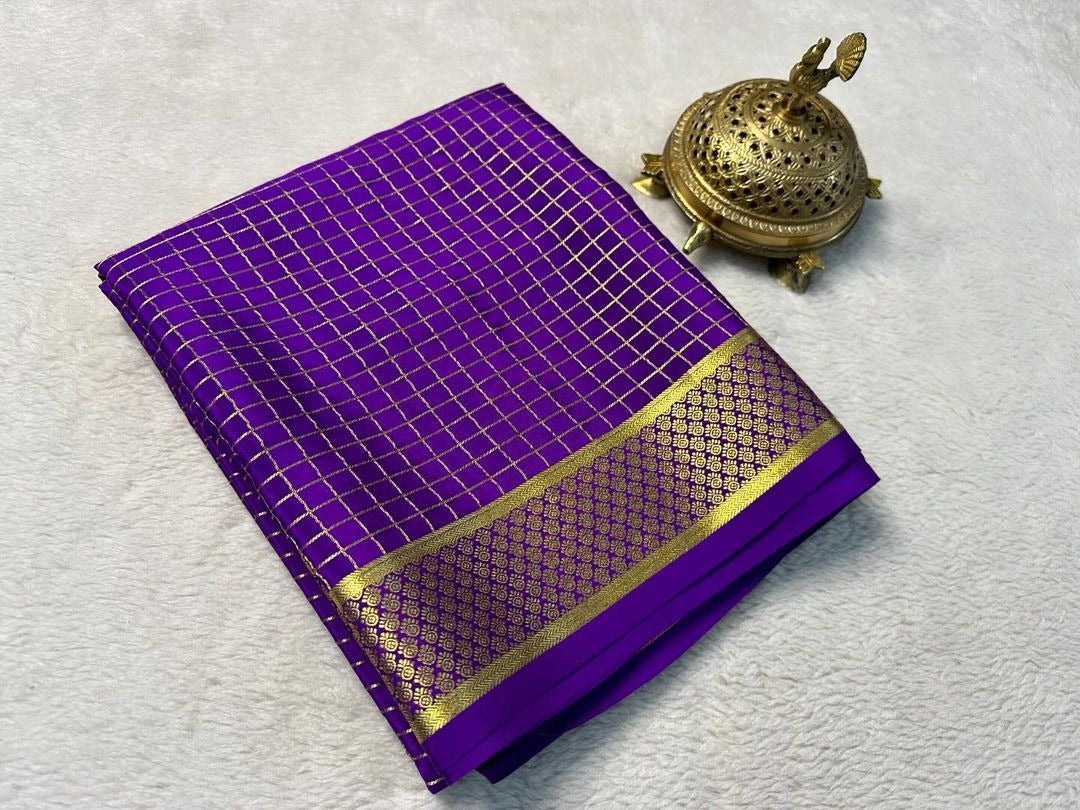
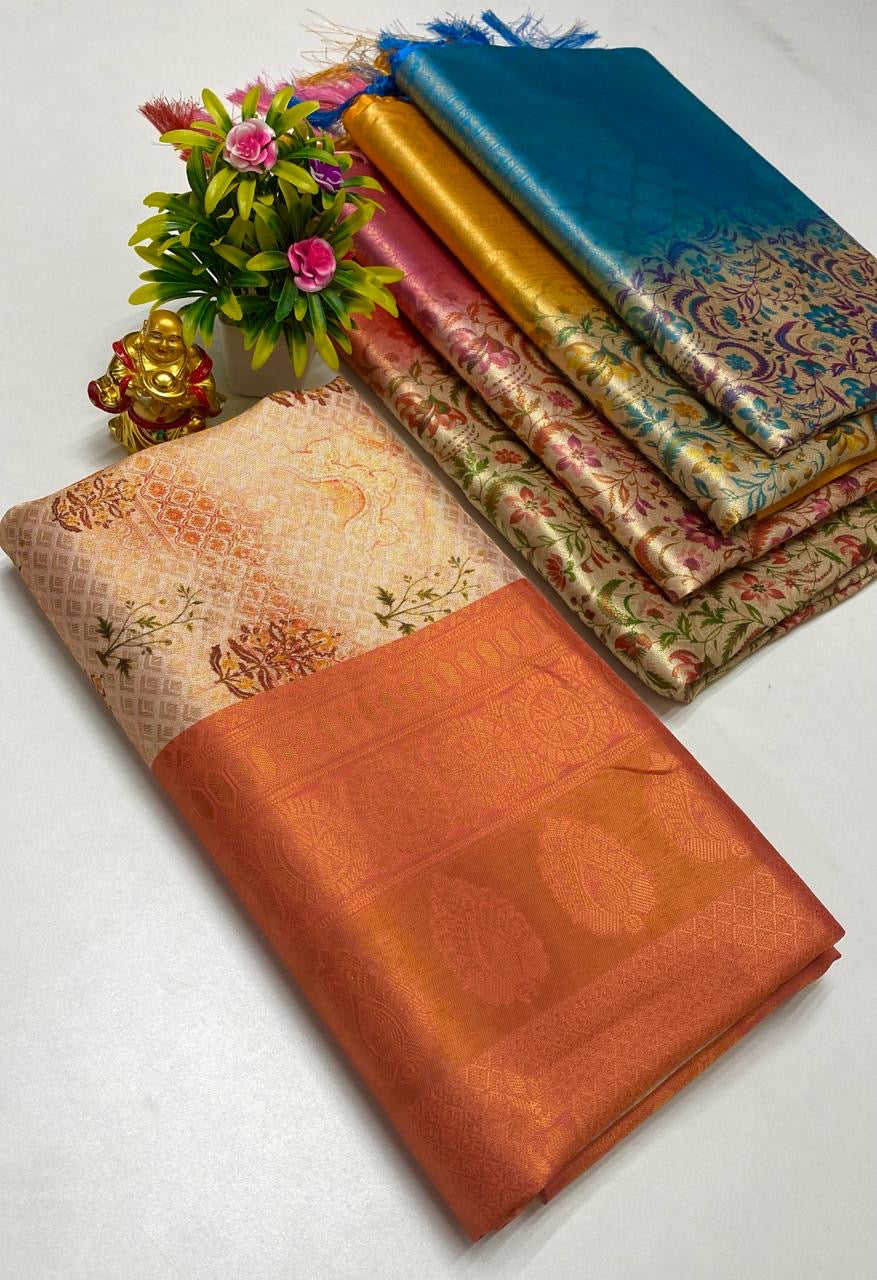
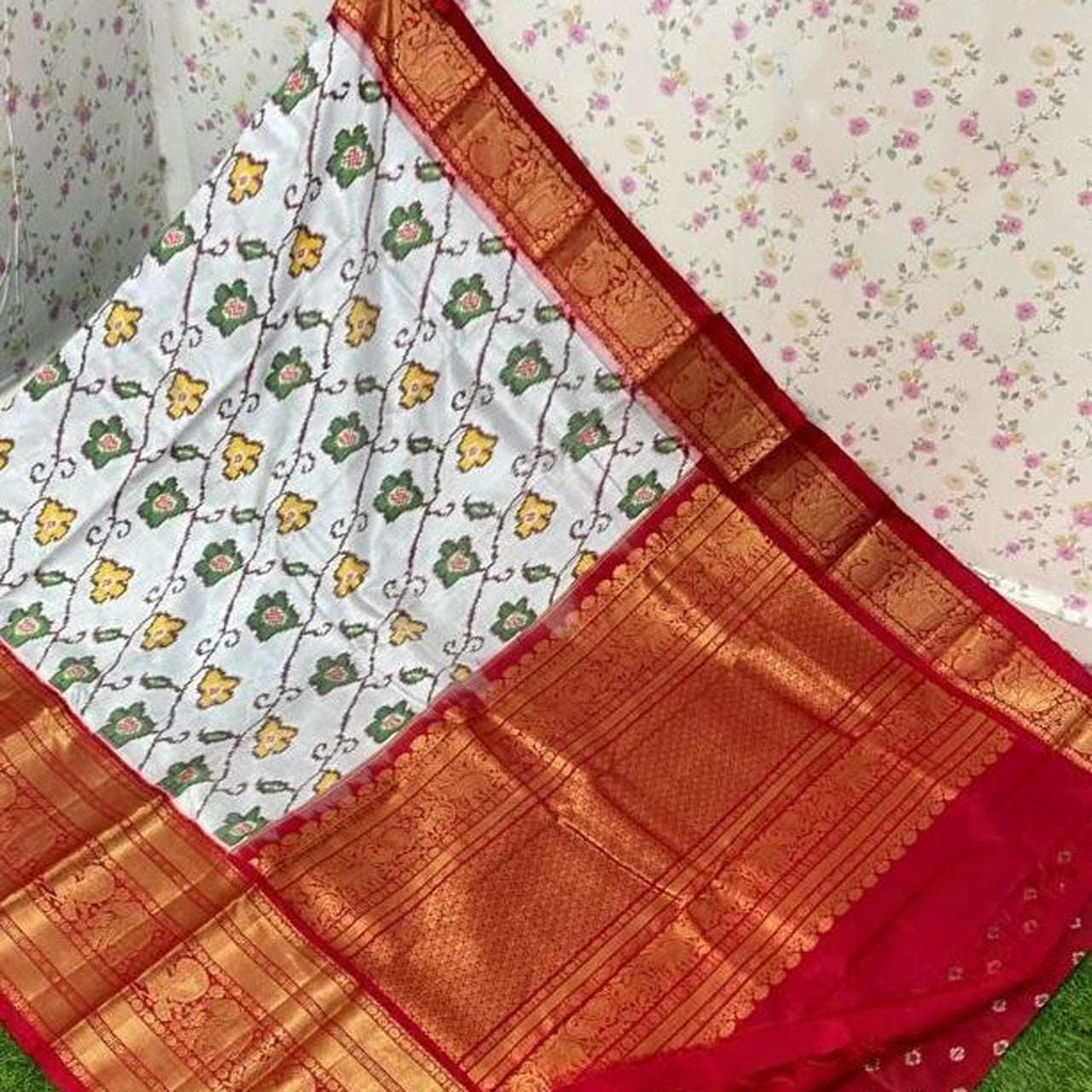
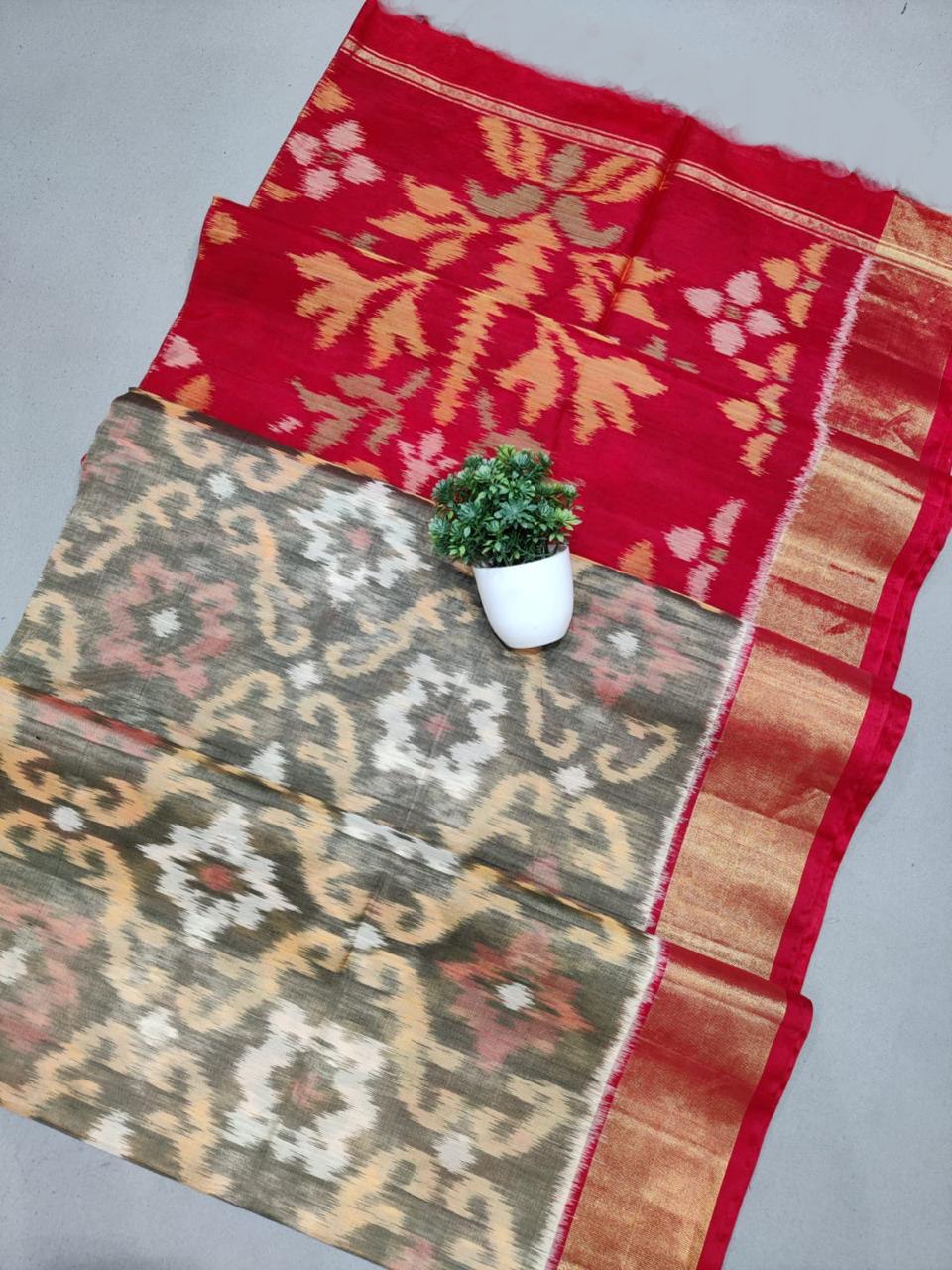
A premium saree is much more than festive attire—it's an investment in craftsmanship, tradition, and timeless elegance. Whether it's a handwoven Banarasi Silk Saree, a graceful Tussar Silk Saree, a majestic Kanjivaram, a Paithani masterpiece, or a designer silk saree, proper care is essential to preserve its beauty and value.
Unfortunately, many expensive sarees are damaged not because they are worn frequently, but because they are stored or maintained incorrectly. Moisture, sunlight, dust, insects, poor storage habits, and improper cleaning can gradually weaken delicate fibers, tarnish zari work, and fade vibrant colors.
The good news is that protecting your valuable sarees doesn't require expensive products or complicated routines. A few simple habits can help your sarees remain beautiful for decades.
Here's a complete guide to protecting expensive sarees from damage, fading, and moisture.
Why Premium Sarees Need Extra Care
Luxury sarees are often handcrafted using natural fibers and intricate weaving techniques.
They may include:
- Pure silk
- Handloom weaving
- Real or tested zari
- Delicate embroidery
- Hand-painted motifs
- Fine threadwork
These details make premium sarees beautiful—but also more sensitive to environmental conditions than synthetic fabrics.
Proper care preserves both appearance and longevity.
1. Store Sarees in Breathable Fabric Bags
One of the simplest ways to protect silk sarees is by using breathable storage.
Best Choices
- Cotton bags
- Muslin bags
- Soft fabric saree covers
These materials allow air circulation while protecting the fabric from dust.
Avoid
- Plastic bags
- Airtight containers
- Vacuum-sealed storage
Plastic traps moisture, increasing the risk of mildew and fabric deterioration.
2. Protect Sarees from Moisture
Moisture is one of the biggest enemies of silk.
Excess humidity can cause:
- Mold growth
- Mildew
- Yellowing
- Musty odors
- Zari tarnishing
Prevention Tips
- Store sarees in a dry wardrobe.
- Keep cupboards well-ventilated.
- Use moisture absorbers or silica gel packets (without direct contact with the fabric).
- Avoid storing sarees near damp walls or bathrooms.
If you live in a humid climate, inspect your sarees more frequently.
3. Keep Sarees Away from Direct Sunlight
While sunlight helps eliminate moisture, prolonged exposure can damage silk.
UV rays may cause:
- Color fading
- Fiber weakening
- Loss of natural sheen
Best Practice
Air your sarees in a shaded, well-ventilated area instead of placing them under direct sunlight.
4. Refold Sarees Every Few Months
Leaving a silk saree folded the same way for years creates permanent crease lines.
Over time, repeated pressure weakens the fabric along those folds.
Expert Recommendation
Refold silk sarees every 3–6 months, changing the fold lines each time.
This simple habit significantly extends the life of the fabric.
5. Never Store Dirty Sarees
Invisible stains are often more harmful than visible ones.
After wearing a saree, residues from:
- Sweat
- Perfume
- Makeup
- Food
- Body oils
can slowly damage silk fibers if left untreated.
Before Long-Term Storage
- Air the saree thoroughly.
- Dry clean it if heavily worn or stained.
- Ensure it is completely dry before folding.
6. Protect Delicate Zari Work
Zari is one of the most valuable features of luxury sarees.
To protect it:
- Fold zari away from abrasive surfaces.
- Place acid-free tissue paper or soft cotton cloth between heavy borders.
- Avoid excessive rubbing during storage.
This helps maintain the shine and prevents friction damage.
7. Avoid Overcrowding Your Wardrobe
Many wardrobes are packed too tightly.
This causes:
- Crushed pleats
- Wrinkled fabric
- Flattened embroidery
- Poor air circulation
Leave enough space between sarees so they can breathe.
Organized storage also makes inspection much easier.
8. Protect Against Dust and Insects
Dust may seem harmless, but over time it can dull the fabric and settle into intricate weaving.
Natural fibers may also attract insects if stored improperly.
Safe Protection Methods
- Cotton storage bags
- Cedar blocks
- Dried neem leaves
- Lavender sachets
Avoid placing mothballs directly against silk, as the chemicals can leave stains or strong odors.
9. Handle Sarees with Clean Hands
Silk easily absorbs oils from the skin.
Before folding or unfolding expensive sarees:
- Wash your hands.
- Avoid applying lotion immediately beforehand.
- Remove jewelry that could snag delicate threads.
Gentle handling helps preserve both fabric and embroidery.
10. Use Proper Hangers Only When Necessary
Heavy silk sarees should not remain hanging for long periods.
Long-term hanging may stretch:
- Borders
- Pallus
- Delicate weaving
If you need to hang a saree temporarily, use a wide padded hanger and avoid thin wire hangers.
For long-term storage, folding is usually the safer option.
11. Inspect Your Collection Regularly
Many people only discover damage when they finally take a saree out for an event.
Inspect your collection every few months for:
- Moisture
- Loose threads
- Mold
- Tarnished zari
- Insect activity
- Permanent creases
Early detection prevents costly repairs.
12. Dry Clean Only When Necessary
Professional dry cleaning helps preserve silk, but excessive cleaning isn't beneficial.
A good rule is:
- Air lightly worn sarees after use.
- Dry clean after weddings, long functions, or when stains are present.
- Avoid unnecessary cleaning after every wear.
Balanced care keeps the fabric looking its best.
Special Care Tips for Different Silk Sarees
Banarasi Silk Sarees
- Protect heavy zari.
- Refold regularly.
- Store flat in breathable bags.
Tussar Silk Sarees
- Keep away from humidity.
- Avoid prolonged compression.
- Air after each wear.
Kanjivaram Sarees
- Fold carefully due to their heavier weight.
- Protect broad borders with soft cotton cloth.
Organza Silk Sarees
- Store gently to avoid sharp creases.
- Handle carefully because of the lightweight weave.
Signs Your Saree Needs Immediate Attention
Watch for these warning signs:
- Musty smell
- Yellow discoloration
- Loose zari
- Mold spots
- Persistent wrinkles
- Fabric stiffness
- Color fading
Prompt action often prevents permanent damage.
Common Saree Care Mistakes
Avoid these habits:
- Storing in plastic covers
- Ignoring humidity
- Folding the same way for years
- Hanging heavy sarees indefinitely
- Using harsh detergents
- Spraying perfume directly on silk
- Leaving stained sarees uncleaned
- Overcrowding storage shelves
Small mistakes repeated over time can significantly shorten a saree's lifespan.
Frequently Asked Questions
How can I prevent silk sarees from fading?
Keep them away from direct sunlight, store them in breathable cotton bags, and avoid prolonged exposure to heat.
What is the best way to protect sarees from moisture?
Store them in a dry, ventilated wardrobe and use moisture absorbers like silica gel packets nearby without direct contact with the fabric.
Can expensive sarees be stored in plastic covers?
No. Cotton or muslin storage bags are much safer because they allow airflow.
How often should expensive sarees be inspected?
Every three to six months is ideal.
Should silk sarees always be dry cleaned after use?
No. Lightly worn sarees can simply be aired. Dry cleaning is recommended after long events, visible stains, or before long-term storage.
Conclusion
Protecting expensive sarees isn't difficult—it simply requires consistency. By storing them in breathable fabric bags, keeping moisture away, avoiding direct sunlight, protecting delicate zari, refolding them regularly, and cleaning them only when necessary, you can preserve their elegance for decades.
Whether your collection includes Banarasi, Tussar, Kanjivaram, Paithani, or designer silk sarees, these simple care habits will help maintain their color, texture, and craftsmanship. A well-cared-for saree not only continues to look stunning but also becomes a timeless heirloom that can be treasured and passed down for generations.