
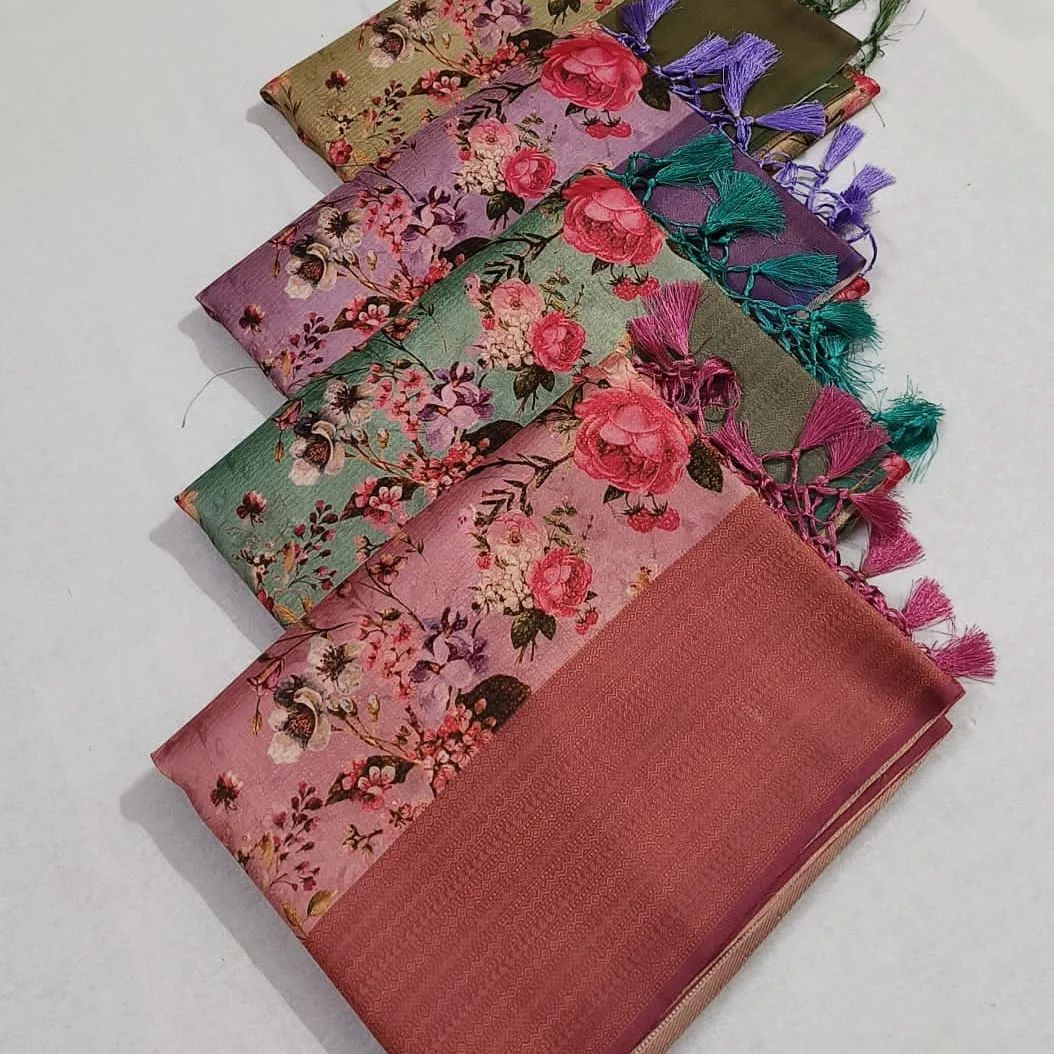
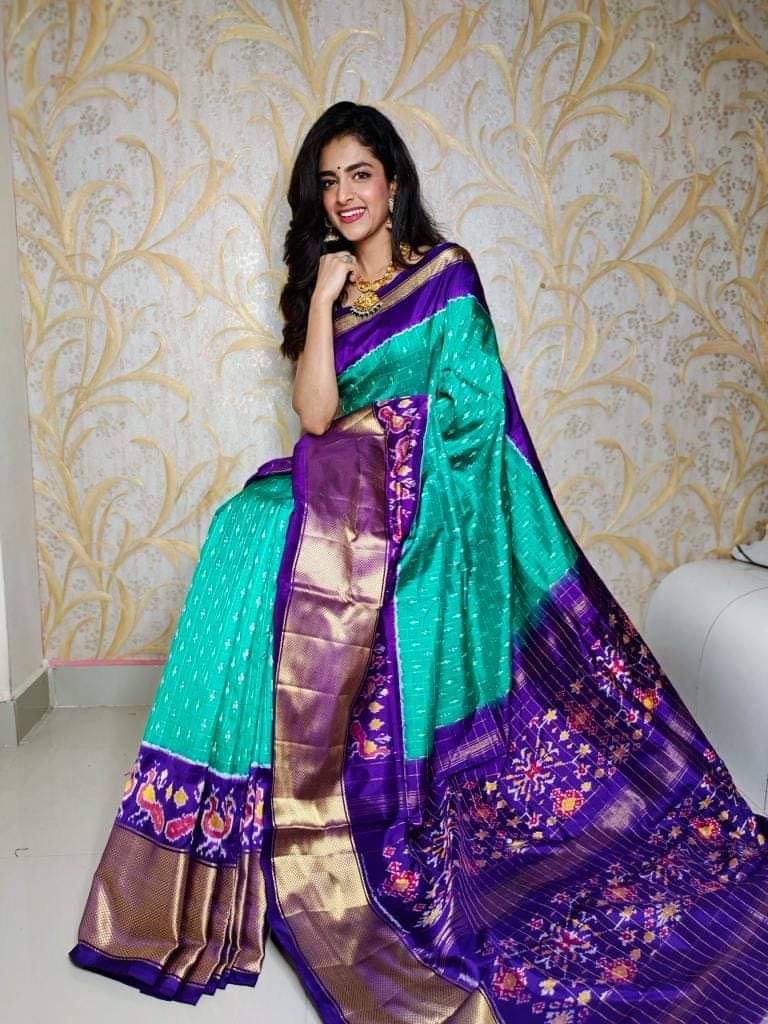
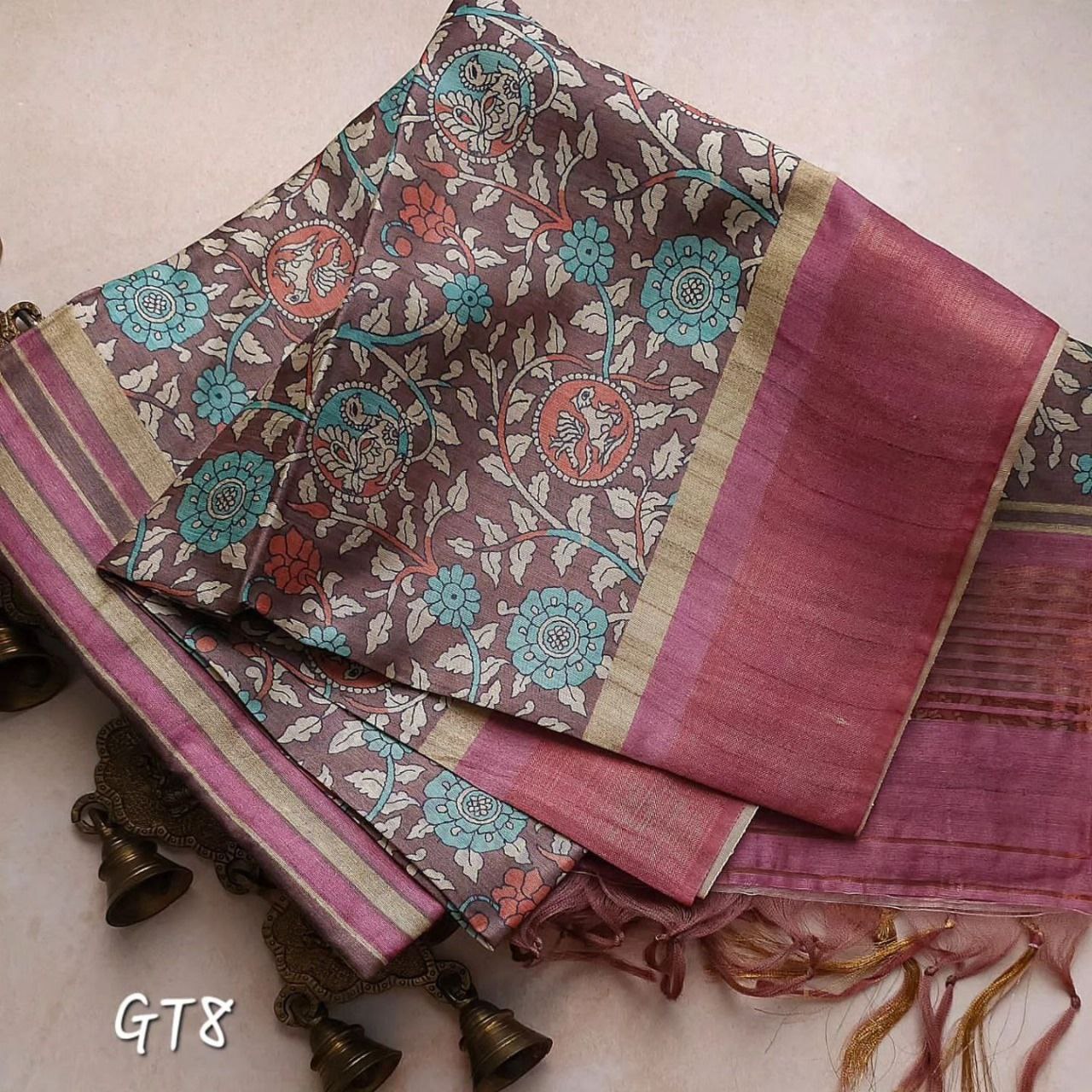
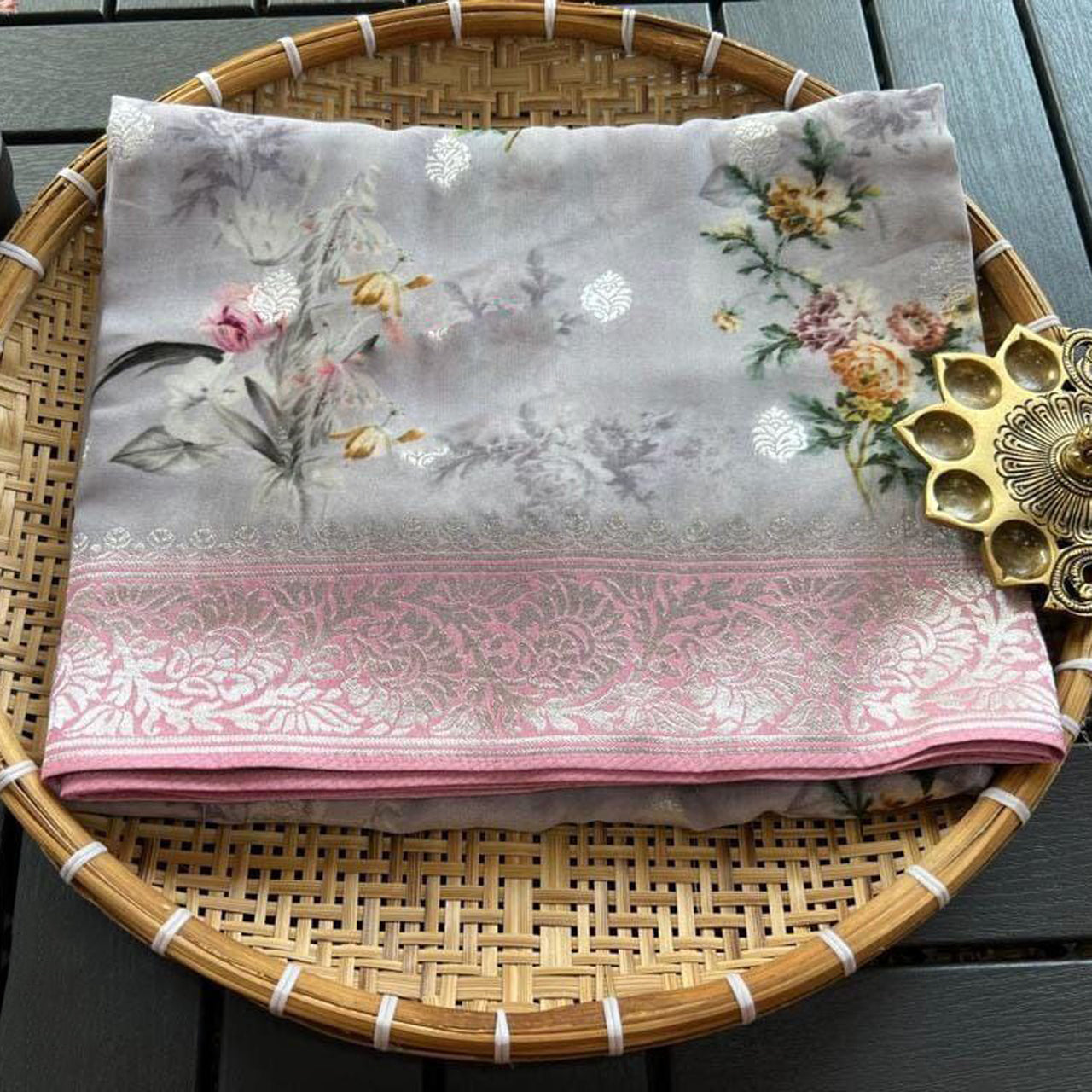








How to Tell If a Saree Is Truly Handwoven
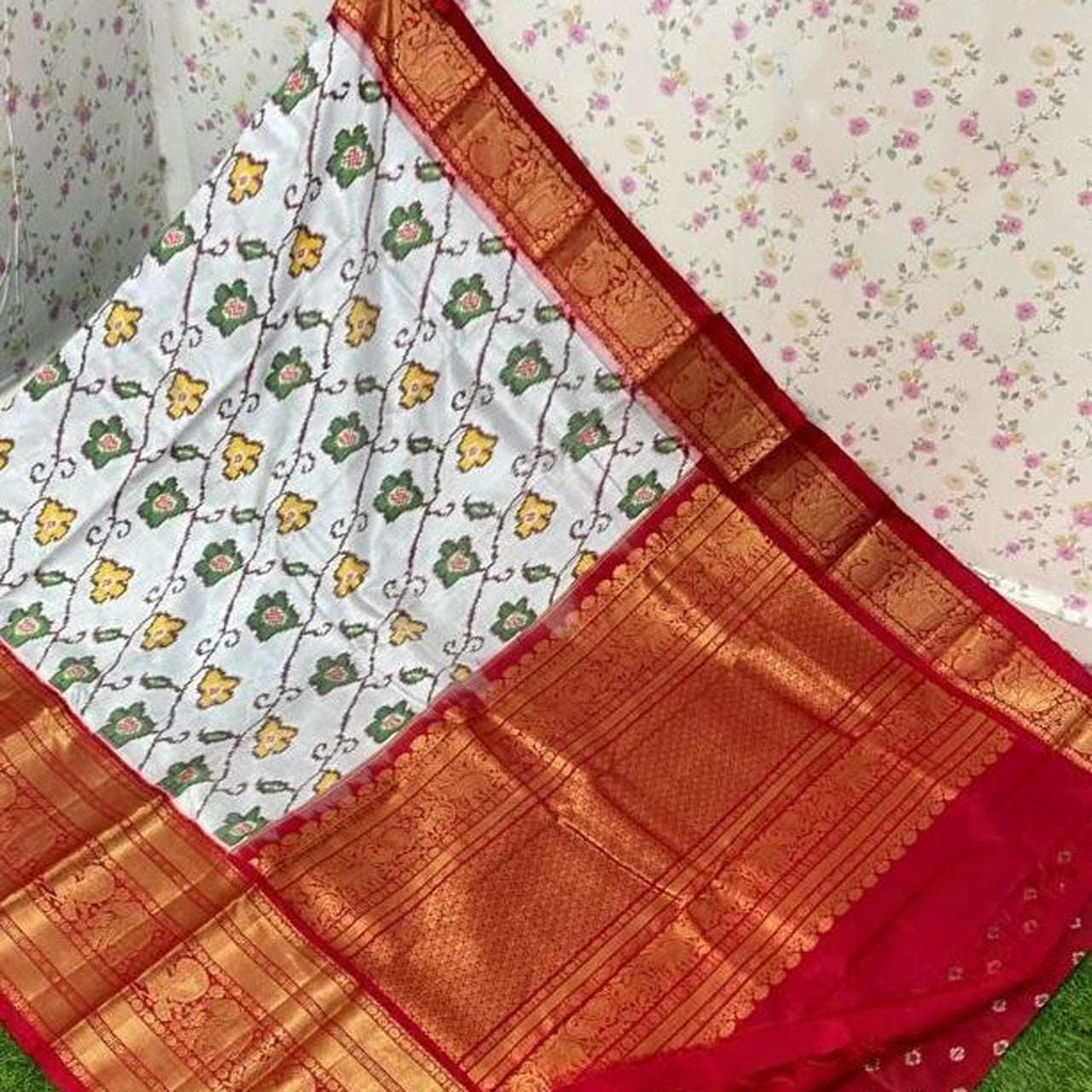
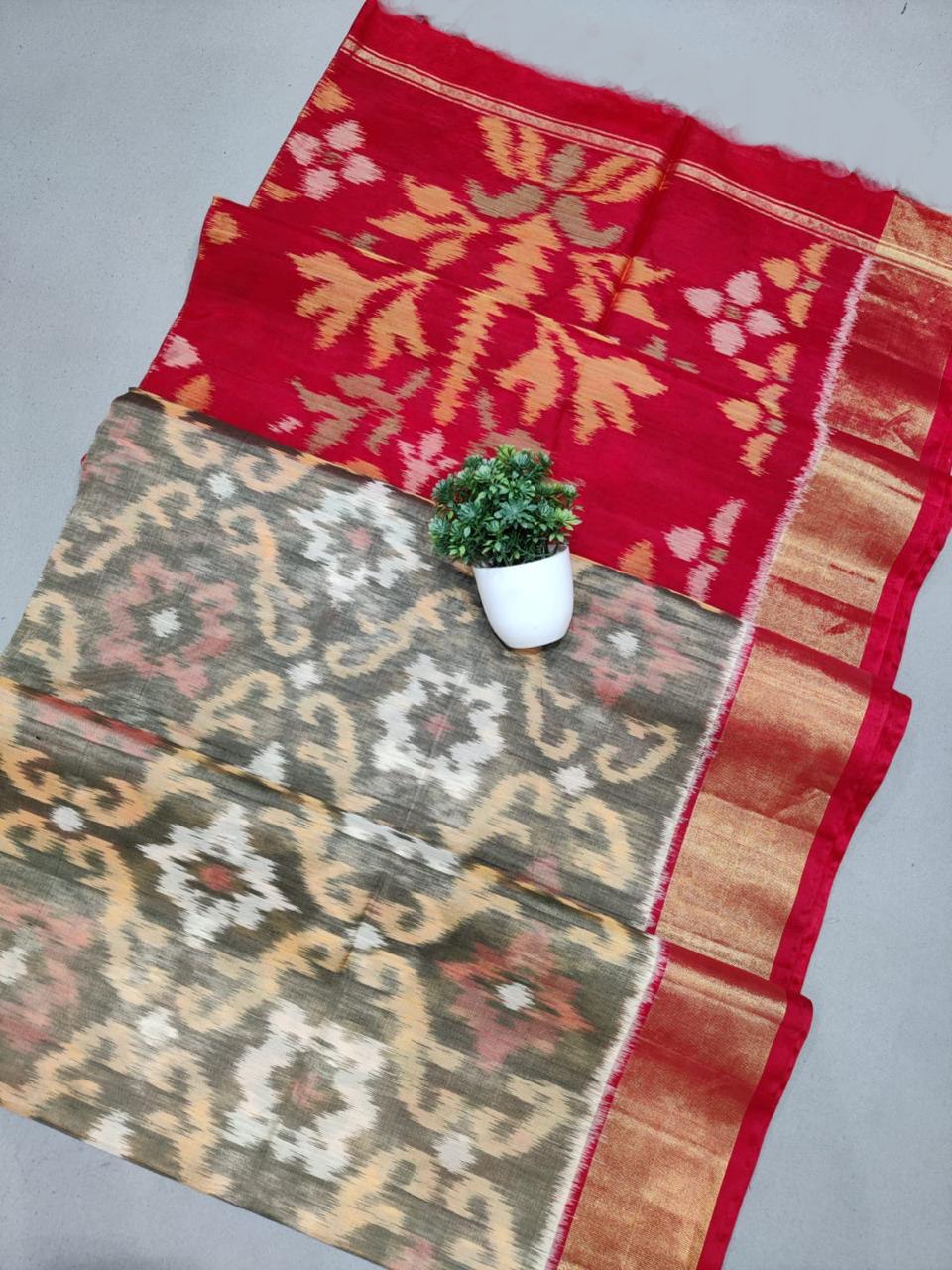
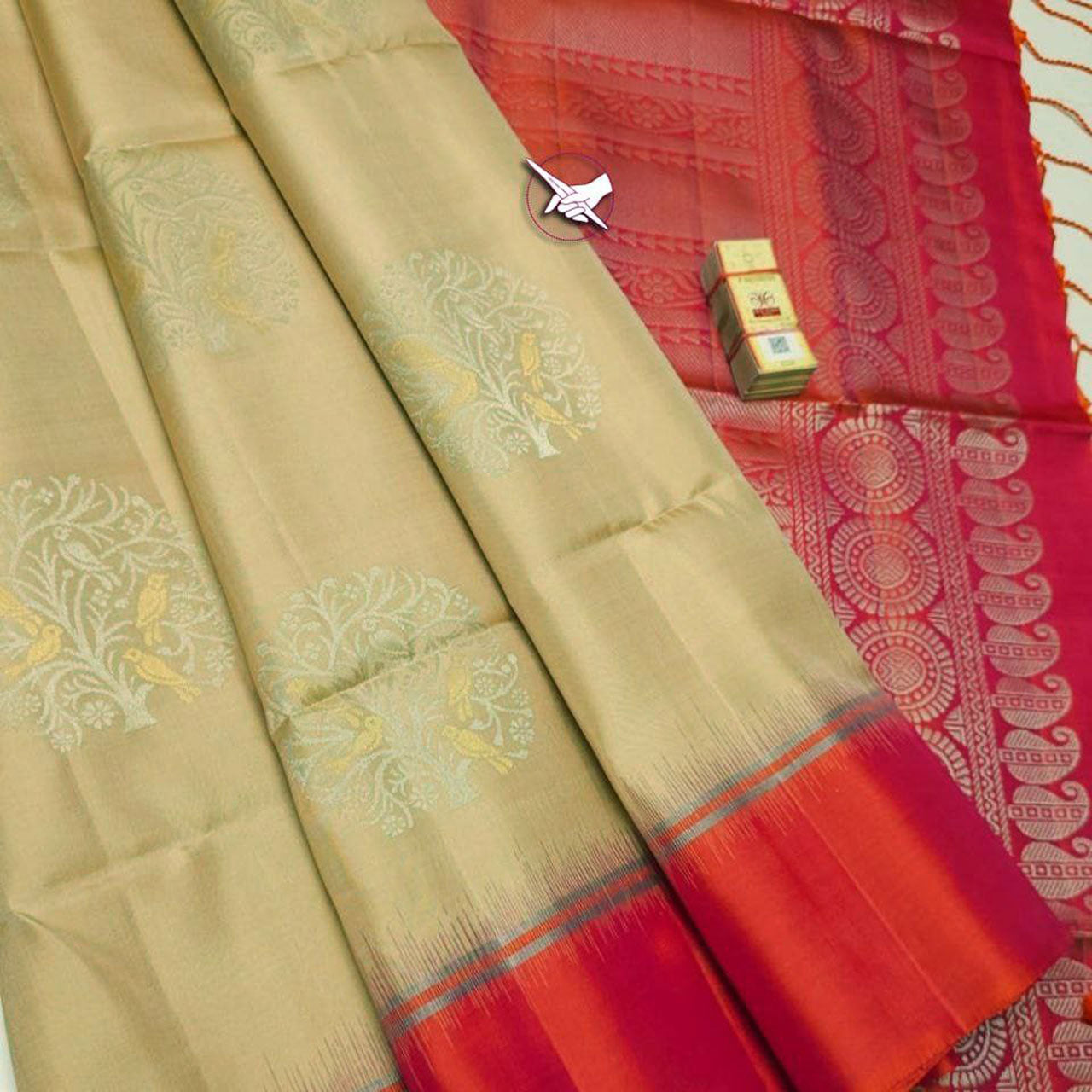
Handwoven sarees are among India's most treasured textiles. From the luxurious Banarasi Silk of Uttar Pradesh to the iconic Kanjivaram of Tamil Nadu and the intricate Patola of Gujarat, every authentic handloom saree reflects generations of craftsmanship, patience, and artistic excellence.
As the popularity of handcrafted textiles grows, many shoppers also encounter products that look handmade but are actually machine-produced. At first glance, distinguishing between the two can be difficult—especially when shopping online.
Fortunately, genuine handwoven sarees leave behind subtle clues. Once you know what to look for, you'll be able to appreciate the craftsmanship behind authentic handloom creations and make more informed buying decisions.
Let's explore the expert signs that help identify a truly handwoven saree.
Why Handwoven Sarees Are Special
Unlike machine-made fabrics, a handwoven saree is created thread by thread on a loom operated by a skilled artisan.
Depending on the complexity of the design, weaving one saree may take:
- Several days
- A few weeks
- Sometimes even months
This slower process allows artisans to create intricate patterns and exceptional detailing that are difficult to replicate through mass production.
Every genuine handloom saree tells a story of tradition, skill, and dedication.
1. Look for Slight Natural Variations
One of the strongest signs of authentic handloom weaving is the presence of tiny natural irregularities.
These may include:
- Slight differences in motif alignment
- Minor variations in thread spacing
- Subtle inconsistencies in weave texture
These are not manufacturing defects. They are natural characteristics of handmade craftsmanship.
Machine-made sarees usually display perfect uniformity throughout the fabric.
2. Examine the Reverse Side
Turn the saree over and inspect the back.
In many handwoven sarees, especially those with intricate motifs or zari work, you'll notice:
- Clean weaving
- Fine thread interlocking
- Carefully integrated patterns
The reverse side often reflects the artisan's skill just as much as the front.
3. Observe the Weaving Details
Premium handwoven sarees display remarkable precision.
Pay attention to:
- Border alignment
- Pallu detailing
- Motif sharpness
- Pattern continuity
The overall design should feel balanced and thoughtfully crafted rather than mechanically repetitive.
4. Feel the Fabric
Touch provides valuable clues.
Authentic handwoven sarees often feel:
- Rich
- Soft
- Structured without stiffness
- Comfortable against the skin
Natural fibers like silk, cotton, linen, and Tussar develop a distinctive texture that differs from many synthetic alternatives.
5. Notice How the Saree Drapes
Handwoven sarees are known for their graceful drape.
Quality weaving allows the fabric to:
- Form elegant pleats
- Fall naturally
- Move smoothly
- Maintain beautiful structure
The way a saree flows often reflects the quality of both the fabric and the weaving.
6. Study the Borders and Pallu
The borders and pallu require significant weaving expertise.
Look for:
- Crisp geometric patterns
- Symmetrical motifs
- Even zari integration
- Fine finishing
Well-executed borders are often a hallmark of premium handloom craftsmanship.
7. Appreciate the Time Behind the Weave
Creating a genuine handwoven saree isn't a fast process.
Many traditional weaves involve:
- Individual thread placement
- Repeated manual adjustments
- Continuous attention to detail
Understanding the time invested helps explain why authentic handloom sarees often command higher prices than machine-made alternatives.
8. Learn About Regional Weaving Traditions
Different regions in India are known for distinctive handloom styles.
Some celebrated examples include:
- Banarasi
- Kanjivaram
- Patola
- Jamdani
- Chanderi
- Maheshwari
- Sambalpuri
- Paithani
Familiarizing yourself with these traditions makes it easier to recognize authentic craftsmanship.
9. Buy from Trusted Sellers
One of the simplest ways to reduce uncertainty is to purchase from reputable retailers.
Look for sellers who provide:
- Detailed fabric descriptions
- Information about the weaving technique
- Artisan or handloom details
- High-resolution images
- Transparent customer reviews
Reliable sellers make it easier to understand exactly what you're buying.
10. Understand That Handmade Doesn't Mean Perfect
Many first-time buyers mistakenly believe perfection equals authenticity.
In reality:
Machine-made fabrics are designed for complete uniformity.
Handwoven sarees celebrate human craftsmanship.
Small variations are often the very features that make each saree unique and valuable.
Handwoven vs Machine-Made Sarees
| Feature | Handwoven Sarees | Machine-Made Sarees |
|---|---|---|
| Production | Woven by skilled artisans | Industrial manufacturing |
| Design | Slight natural variations | Highly uniform |
| Weaving Time | Days to months | Hours |
| Uniqueness | Every saree is unique | Nearly identical pieces |
| Craftsmanship | Traditional manual weaving | Automated production |
| Heritage Value | High | Limited |
Common Myths About Handloom Sarees
Myth: Handmade means the saree should look uneven.
Reality: Genuine handwoven sarees are beautifully crafted. Variations are subtle—not obvious flaws.
Myth: Every expensive saree is handwoven.
Reality: Price alone doesn't determine authenticity. Fabric, craftsmanship, and weaving method matter far more.
Myth: Machine-made sarees cannot be beautiful.
Reality: Many machine-made sarees are attractive and practical. However, they offer a different experience from traditional handloom craftsmanship.
Frequently Asked Questions
How can I identify a genuine handwoven saree?
Look for natural variations, excellent craftsmanship, quality fabric, graceful drape, and detailed information from trusted sellers.
Why are handwoven sarees more expensive?
They require skilled manual labor, longer production times, premium materials, and years of weaving expertise.
Are slight irregularities a defect?
No. Minor variations are considered a sign of authentic hand craftsmanship.
Can I identify a handwoven saree online?
Yes. Read detailed product descriptions, zoom into high-resolution images, review craftsmanship details, and purchase from reputable brands.
Do handwoven sarees last longer?
With proper care, authentic handloom sarees can remain beautiful for decades and are often passed down through generations.
Conclusion
Recognizing a truly handwoven saree is less about spotting perfection and more about appreciating craftsmanship. From subtle natural variations and intricate weaving to graceful drape and rich texture, every authentic handloom saree carries the signature of the artisan who created it.
As handcrafted textiles become increasingly valued around the world, learning to identify genuine handwoven sarees allows you to make confident purchasing decisions while supporting India's extraordinary weaving heritage. Whether you're investing in a Banarasi masterpiece, a timeless Kanjivaram, or a beautifully crafted Patola, choosing authentic handloom means owning far more than a piece of fabric—it means preserving a tradition that has been woven into Indian culture for centuries.