










How to Care for Silk Sarees | Complete Silk Saree Care Guide
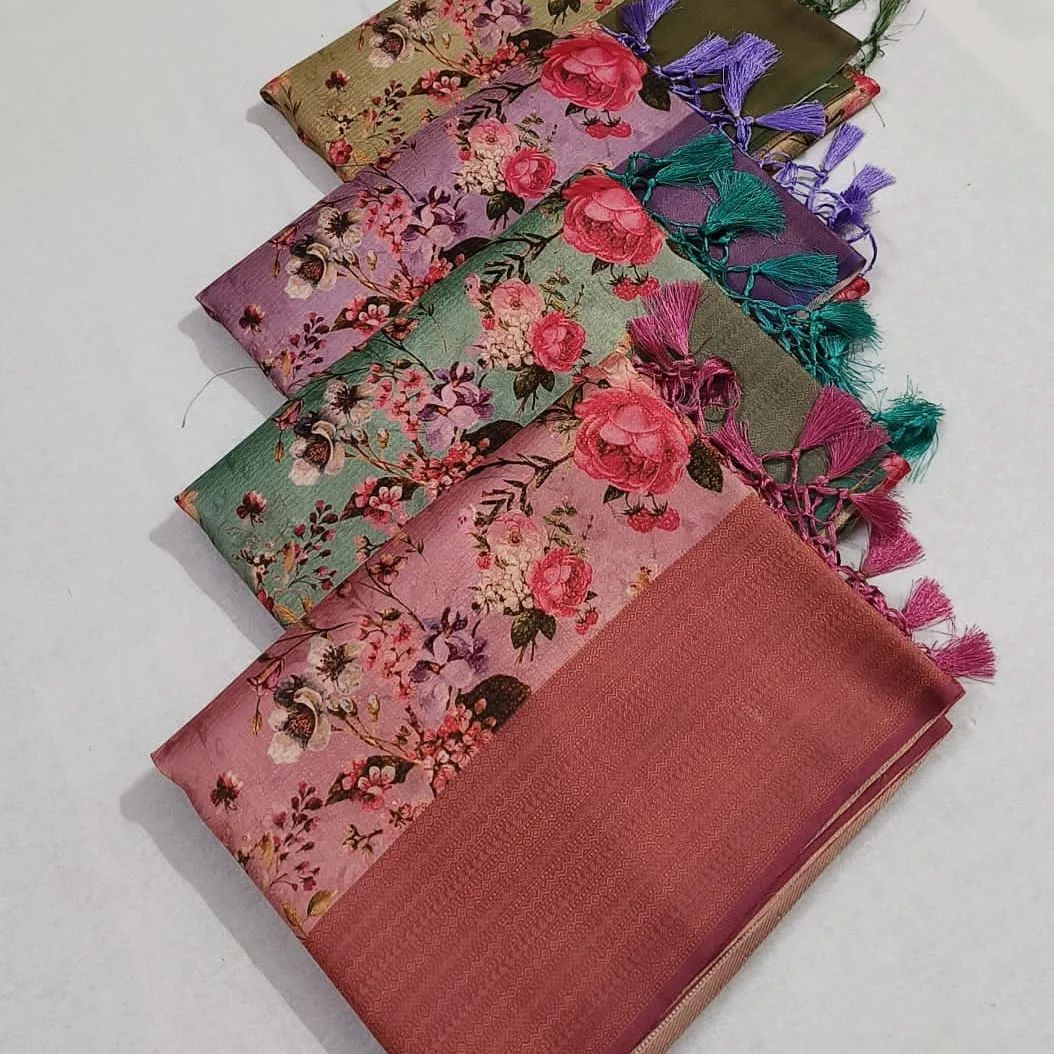
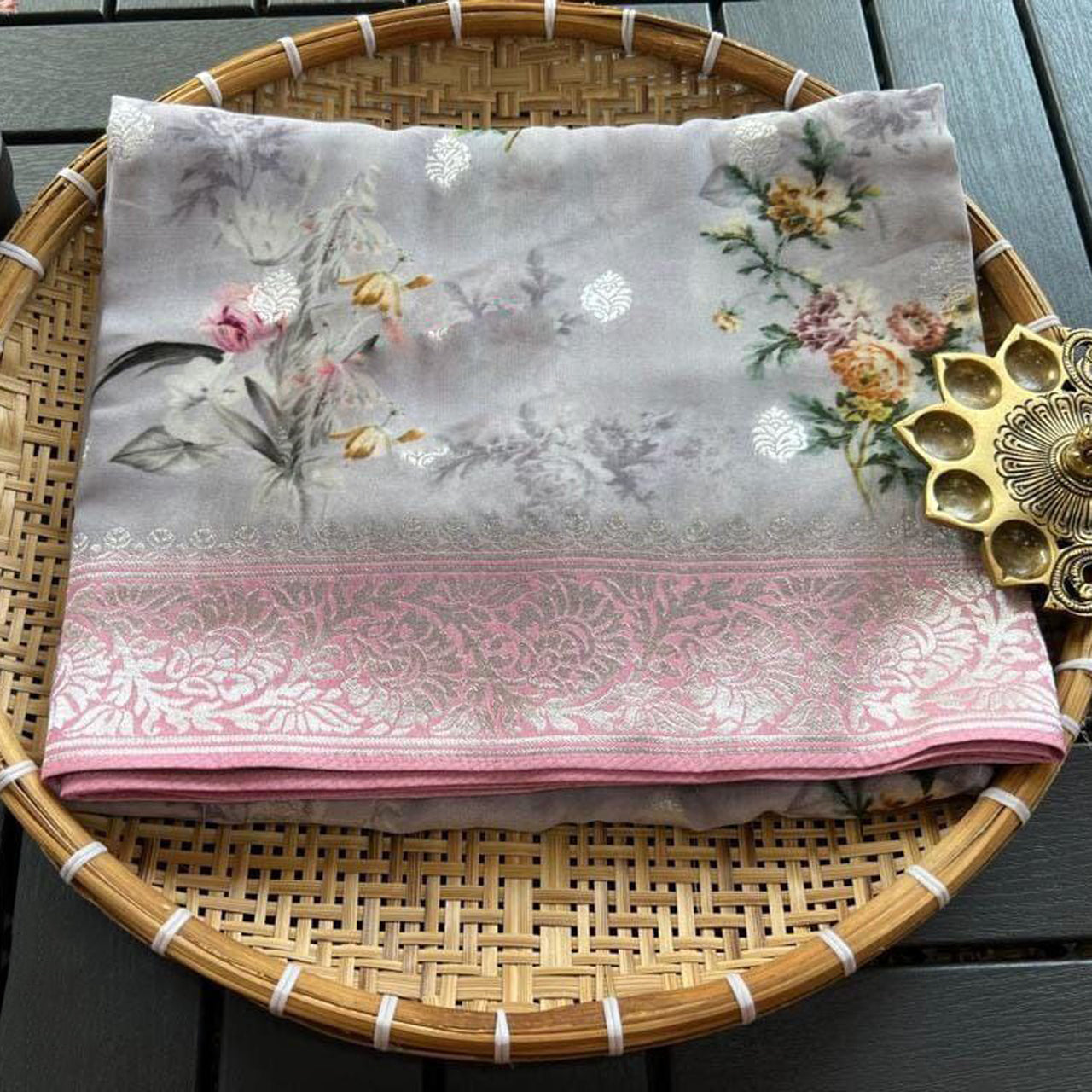
Silk sarees are among the most treasured garments in an Indian woman's wardrobe. Whether it's a luxurious Banarasi Silk saree, an elegant Mysore Silk saree, a textured Tussar Silk saree, or a timeless Kanjivaram masterpiece, silk sarees are often associated with weddings, festivals, family celebrations, and cherished memories.
Unlike everyday clothing, silk sarees require special care to maintain their beauty, softness, shine, and durability. A well-maintained silk saree can last for decades and even become a family heirloom passed down through generations. On the other hand, improper washing, storage, or handling can lead to fading, stains, fabric damage, and loss of luster.
If you've invested in beautiful silk sarees, this comprehensive care guide will help you preserve them in excellent condition for years to come.
Why Silk Sarees Need Special Care
Silk is a natural protein fiber known for its luxurious appearance and delicate structure. Although silk is strong for its weight, it is more sensitive than many everyday fabrics.
Improper care can cause:
- Fabric weakening
- Color fading
- Stains becoming permanent
- Loss of shine
- Creasing and damage
- Zari tarnishing
Proper maintenance protects both the fabric and its long-term value.
Understanding Different Types of Silk Sarees
Before discussing care methods, it's important to understand that different silk varieties may require slightly different treatment.
Popular Silk Saree Types
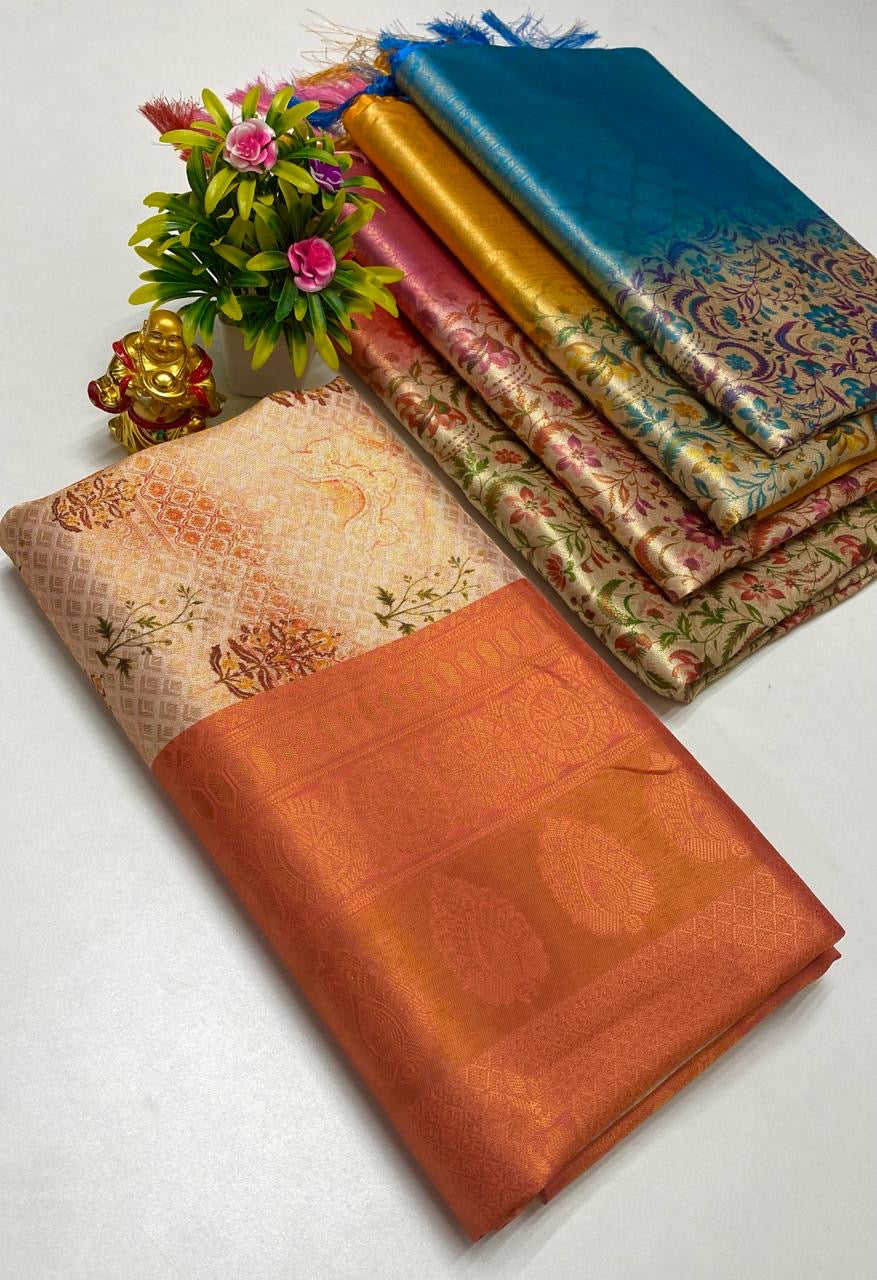
Banarasi Silk Sarees
Known for:
- Heavy zari work
- Rich weaving
- Wedding wear appeal
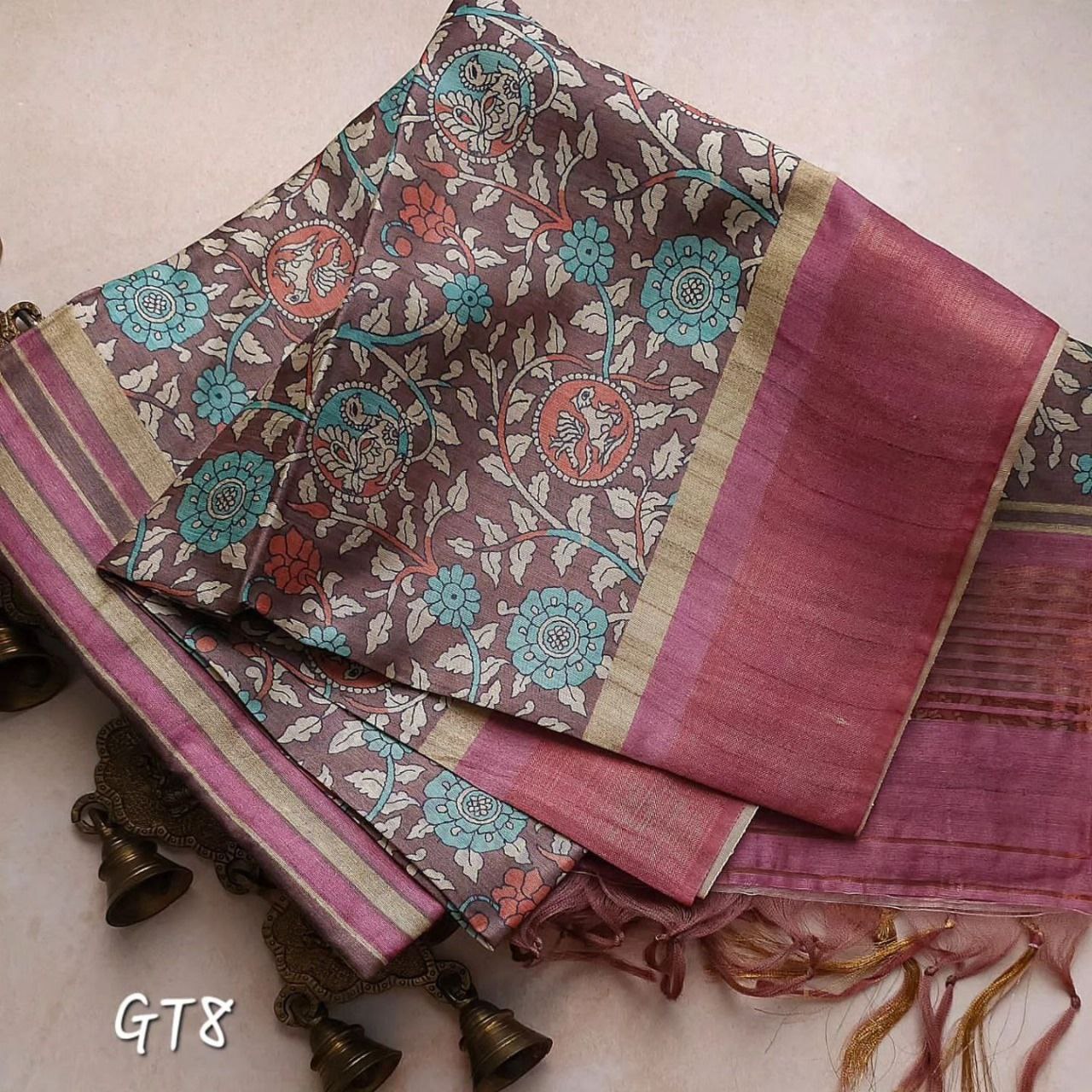
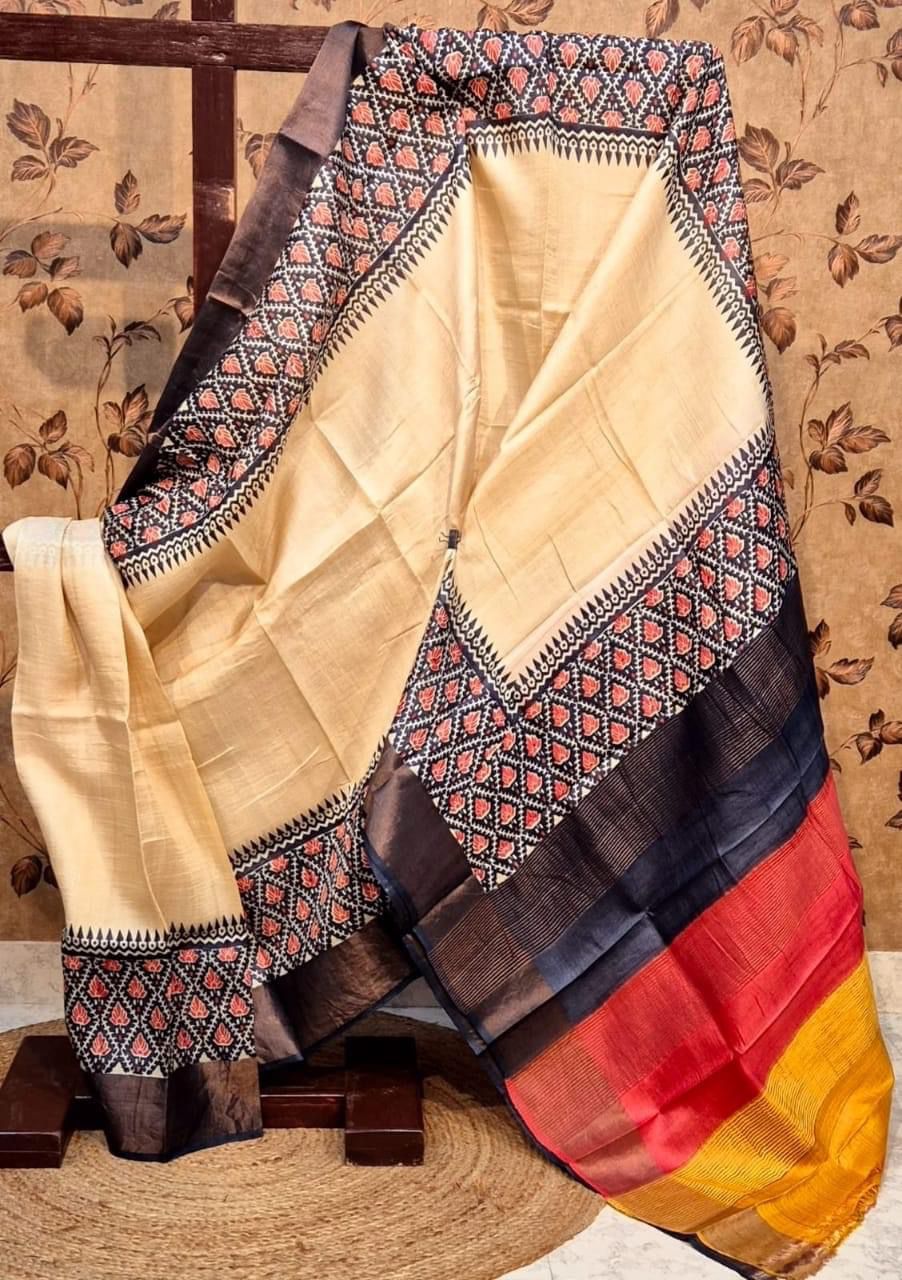
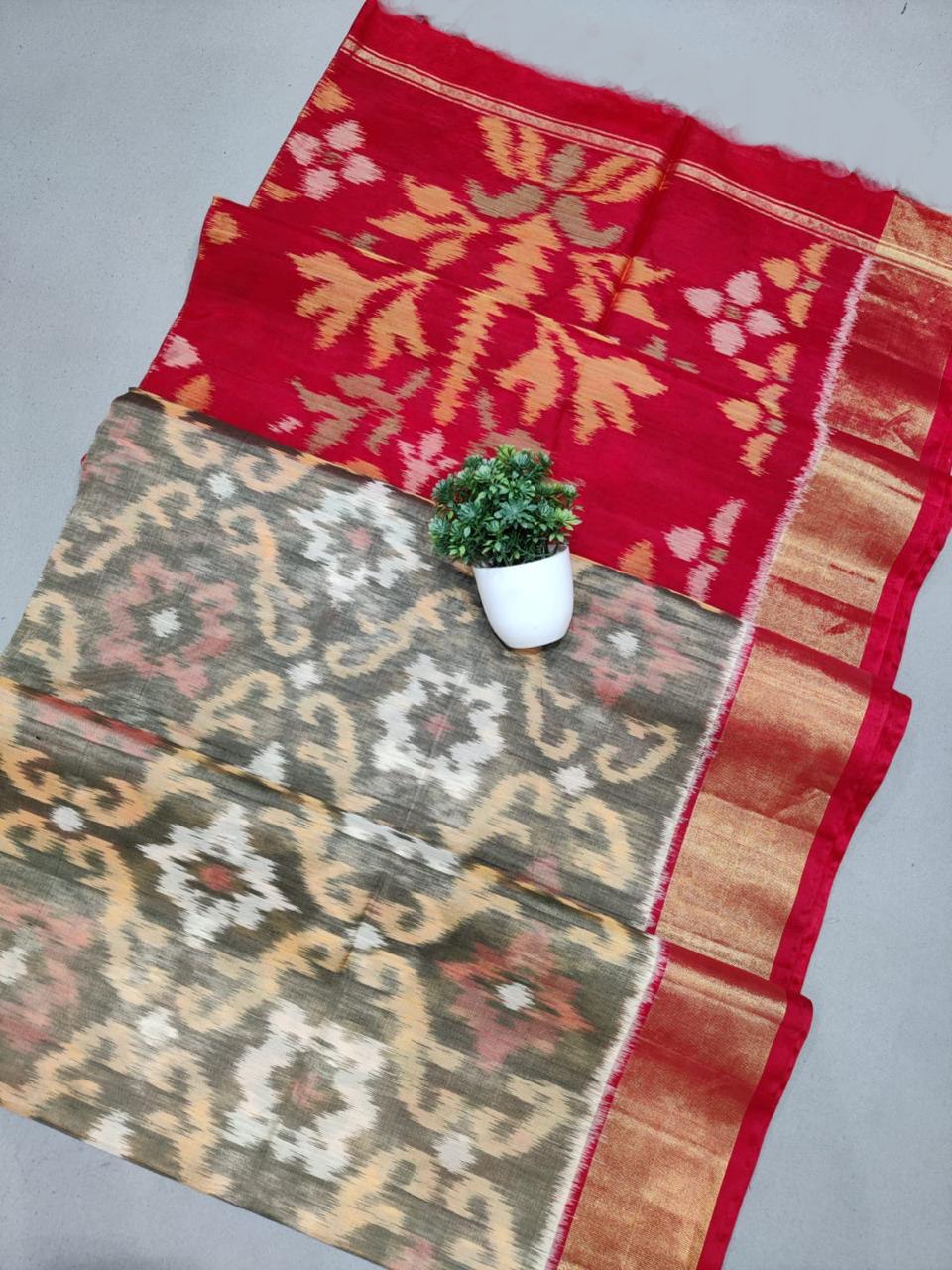
Tussar Silk Sarees
Known for:
- Natural texture
- Lightweight feel
- Earthy elegance
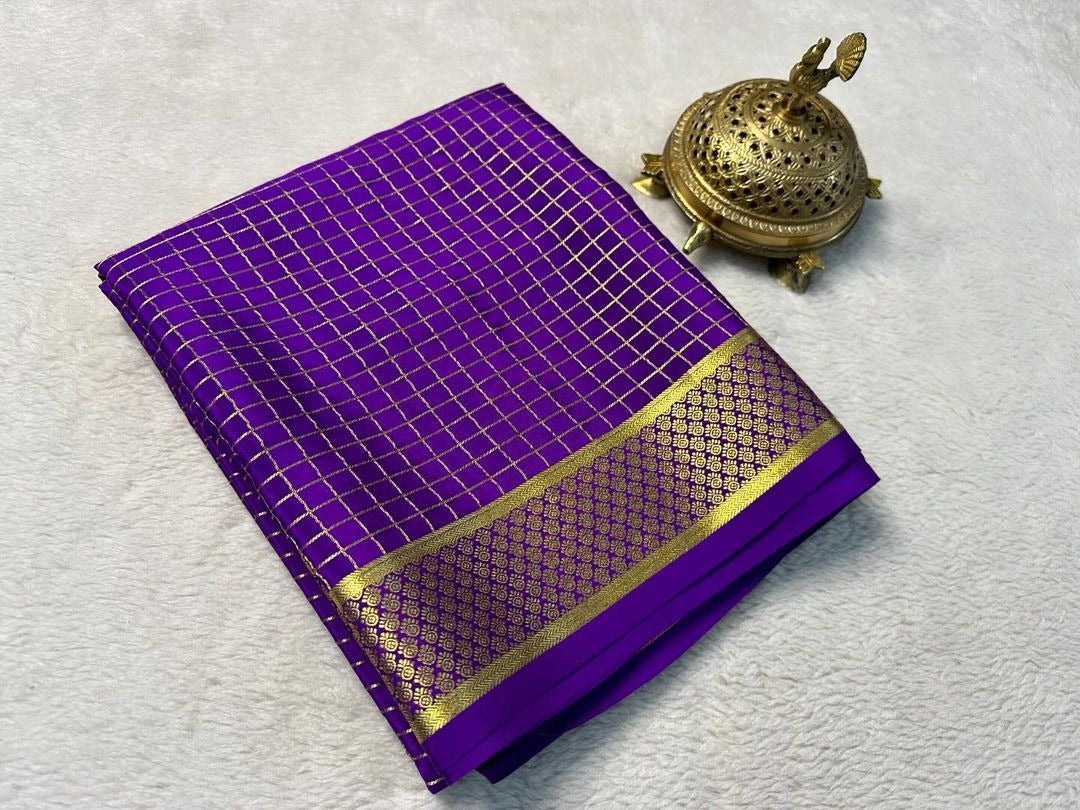
Mysore Silk Sarees
Known for:
- Smooth finish
- Refined sheen
- Lightweight comfort
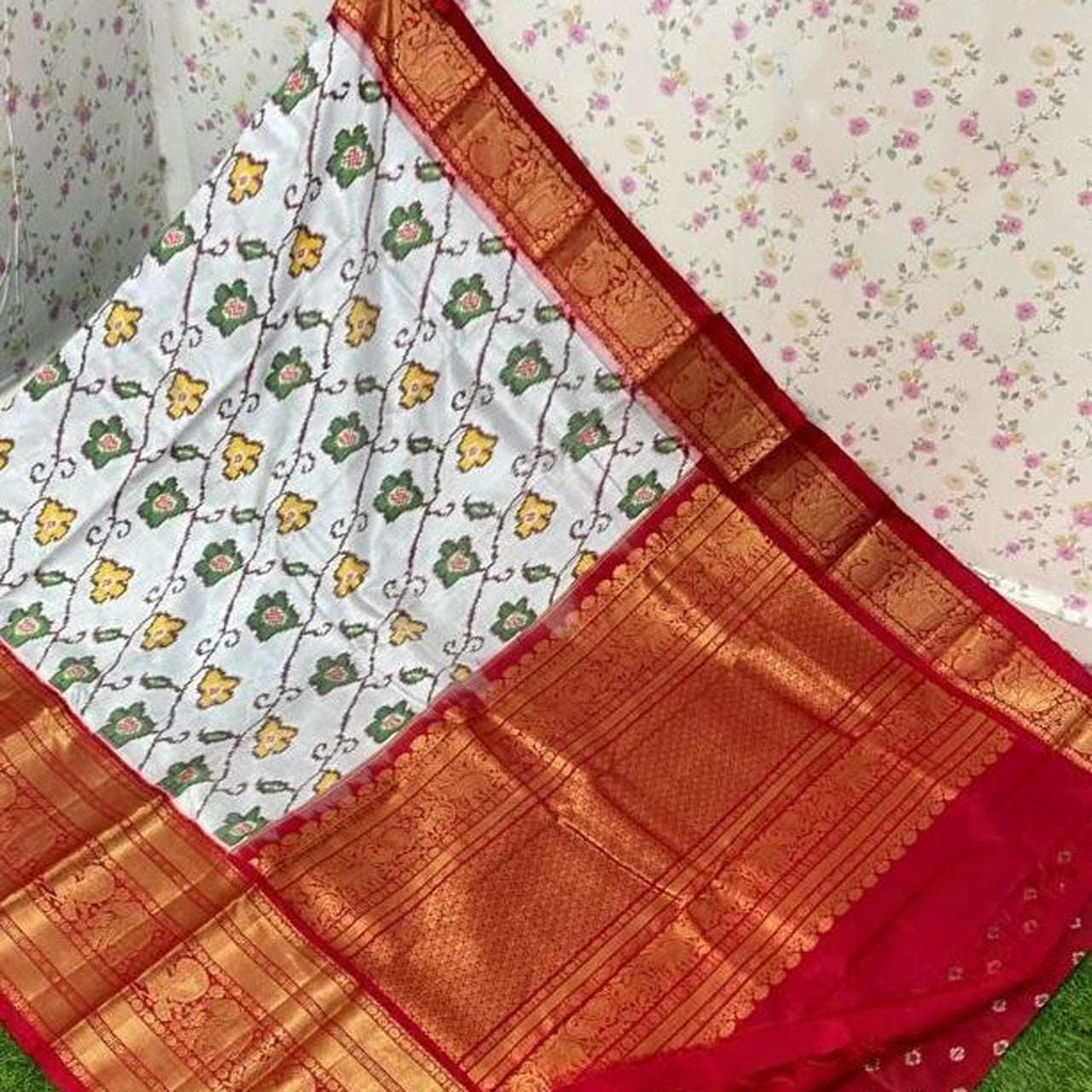
Kanjivaram Silk Sarees
Known for:
- Rich silk quality
- Vibrant colors
- Exceptional durability
Although care principles remain similar, always check any specific instructions provided by the manufacturer.
Should You Wash Silk Sarees at Home?
One of the most common questions saree owners ask is whether silk sarees should be washed at home.
The Safest Option
For valuable silk sarees, professional dry cleaning is generally recommended.
Dry cleaning helps:
- Preserve colors
- Protect zari work
- Maintain fabric structure
- Prevent shrinkage
This is particularly important for:
- Bridal sarees
- Banarasi Silk sarees
- Kanjivaram sarees
- Heavily embellished sarees
When Home Cleaning Is Possible
Some lightweight silk sarees can be gently cleaned at home if they are not heavily embroidered.
However, caution is essential.
Home Cleaning Guidelines
Use Cold Water
Always use cold or lukewarm water.
Hot water may:
- Damage silk fibers
- Cause color bleeding
- Reduce shine
Use Mild Detergent
Choose:
- Silk-friendly detergents
- Gentle liquid cleansers
Avoid:
- Harsh chemicals
- Bleach
- Strong detergents
Never Scrub Aggressively
Silk should be handled gently.
Avoid:
- Twisting
- Scrubbing
- Wringing
These actions can weaken fibers and distort the fabric.
How to Remove Stains from Silk Sarees
Accidents happen, but quick action can prevent permanent damage.
Food Stains
Blot the stain gently with a clean cloth.
Avoid rubbing, as this can spread the stain further.
Oil Stains
Oil stains should ideally be handled by professional cleaners.
Attempting aggressive home treatment may worsen the problem.
Makeup Stains
Gently dab the affected area and seek professional cleaning if necessary.
Important Rule
Always test any cleaning solution on a hidden section first.
How to Dry Silk Sarees Properly
Improper drying is one of the biggest causes of silk damage.
Best Drying Practices
Air Dry Naturally
Allow the saree to dry naturally in a shaded area.
Avoid Direct Sunlight
Strong sunlight can cause:
- Color fading
- Fabric weakening
- Loss of sheen
Hang Carefully
Use a padded hanger or drape the saree evenly during drying.
Avoid sharp clips that may leave marks.
How to Iron Silk Sarees Safely
Silk wrinkles less than many fabrics, but proper ironing helps maintain a polished appearance.
Use Low Heat
Always use the lowest silk-safe heat setting.
Iron Inside Out
Turning the saree inside out reduces direct heat exposure.
Use a Protective Cloth
Place a thin cotton cloth between the iron and the saree.
This helps protect:
- Silk fibers
- Zari work
- Delicate designs
Avoid Steam on Delicate Areas
Heavy steam can sometimes affect embellishments and embroidery.
Best Ways to Store Silk Sarees
Proper storage is essential for long-term preservation.
Fold Carefully
Neatly fold the saree without creating excessive pressure on one area.
Refold Periodically
Refolding every few months helps prevent permanent creases.
Use Muslin or Cotton Cloth
Store silk sarees in:
- Muslin bags
- Cotton saree covers
These materials allow airflow.
Avoid Plastic Covers
Plastic traps moisture and may cause:
- Mildew
- Odor
- Fabric damage
Keep Away from Direct Sunlight
Store silk sarees in a cool, dry place.
Protecting Zari Work
Many silk sarees feature intricate zari borders and motifs.
Why Zari Needs Special Care
Improper storage can cause:
- Tarnishing
- Discoloration
- Damage to metallic threads
Protection Tips
Wrap zari sections with soft cotton or muslin fabric.
Avoid folding directly along heavy zari lines repeatedly.
How Often Should Silk Sarees Be Cleaned?
Silk sarees do not require cleaning after every use.
General Rule
If worn briefly and not exposed to stains:
- Air the saree
- Refold properly
- Store carefully
Excessive cleaning may reduce fabric longevity.
Clean When Necessary
Dry clean after:
- Weddings
- Long events
- Visible staining
- Heavy perspiration exposure
Preventing Insect Damage
Natural fibers can attract insects if improperly stored.
Safe Protection Methods
Use:
- Neem leaves
- Cedar blocks
- Natural repellents
Avoid direct contact between repellents and fabric.
Traveling with Silk Sarees
Silk sarees often accompany women to weddings and destination events.
Packing Tips
Use Saree Bags
Protective fabric bags help prevent wrinkles and dust.
Fold Along Existing Creases
This minimizes stress on the fabric.
Separate Jewelry
Avoid placing jewelry directly against silk to prevent snagging.
Common Silk Saree Care Mistakes
Storing in Plastic
Plastic restricts airflow and may trap moisture.
Using Harsh Detergents
Strong chemicals can permanently damage silk fibers.
Drying in Direct Sunlight
Sun exposure often leads to fading.
Ignoring Small Stains
Prompt treatment prevents permanent damage.
Overwashing
Excessive washing shortens the lifespan of silk garments.
Caring for Tussar Silk Sarees
Tussar Silk has a unique texture that requires gentle handling.
Best Practices
- Dry clean when possible
- Store in breathable fabric covers
- Avoid excessive folding pressure
- Protect from moisture
Proper care helps preserve its natural texture and elegance.
Caring for Banarasi Silk Sarees
Banarasi sarees often contain rich zari work.
Special Attention Areas
- Zari protection
- Careful folding
- Professional cleaning
- Proper storage
These steps help maintain their luxurious appearance.
Caring for Mysore Silk Sarees
Mysore Silk is smoother and lighter than many traditional silks.
Maintenance Tips
- Gentle handling
- Minimal washing
- Low-heat ironing
- Breathable storage
These sarees can remain beautiful for decades with proper care.
Frequently Asked Questions
Can silk sarees be washed at home?
Some lightweight silk sarees can be gently hand-washed, but professional dry cleaning is generally recommended.
How should silk sarees be stored?
Store them in muslin or cotton cloth covers in a cool, dry place away from sunlight.
How often should silk sarees be dry cleaned?
Only when necessary, such as after weddings, festivals, or visible staining.
Can I iron a silk saree?
Yes, using low heat and preferably with a protective cotton cloth.
How do I prevent silk sarees from fading?
Avoid direct sunlight, harsh detergents, and excessive washing.
Conclusion
A silk saree is more than just a garment—it's an investment in craftsmanship, tradition, and timeless beauty. Whether you own a Banarasi Silk saree, Tussar Silk masterpiece, Mysore Silk classic, or Kanjivaram heirloom, proper care ensures that your saree remains elegant for years and even generations.
By following simple practices such as careful storage, gentle cleaning, low-heat ironing, and protection from sunlight and moisture, you can preserve the beauty, shine, and value of your silk sarees. With the right care, these treasured pieces will continue to grace weddings, festivals, and family celebrations for decades to come.
- #Banarasi silk care
- #How to Care for Silk Sarees
- #how to store silk sarees
- #Kanjivaram silk care
- #Mysore silk care
- #preserving silk sarees
- #saree care guide
- #silk fabric maintenance
- #silk saree care guide
- #silk saree cleaning tips
- #silk saree maintenance
- #silk saree storage
- #silk saree storage tips
- #Tussar silk care
- #washing silk sarees
Share