





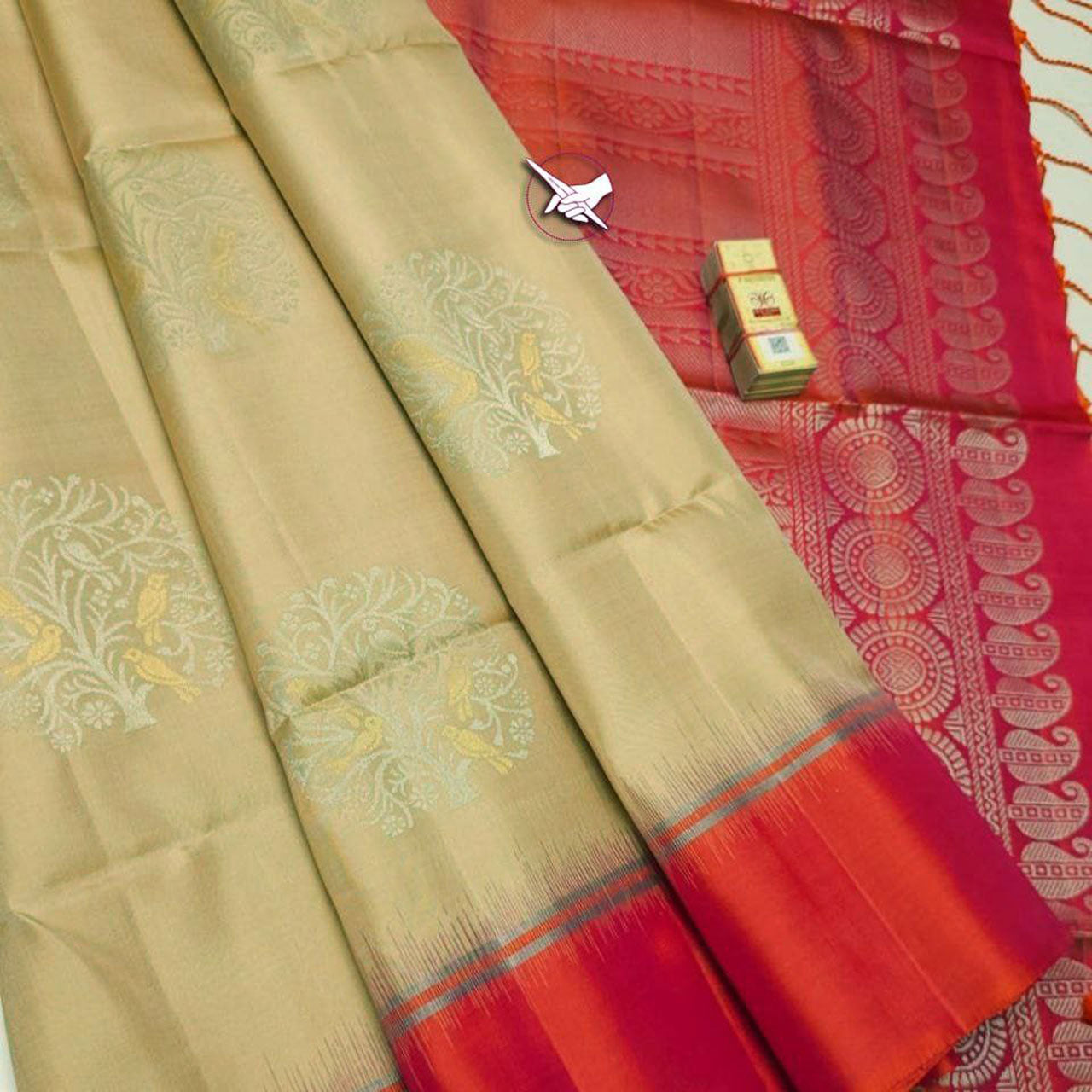


How Are Printed Sarees Made? A Behind-the-Scenes Look at the Process (2026 Guide)
Printed sarees have become an essential part of every modern wardrobe. Whether you're shopping for office wear, festive occasions, casual outings, or elegant party looks, printed sarees offer endless design possibilities and exceptional versatility.
Among the many printing techniques available today, digital printing and screen printing are the two most popular methods. While both produce beautiful sarees, the techniques, appearance, production process, and ideal use cases are quite different.
If you've ever wondered which option is better, this guide explains everything you need to know before making your next purchase.
Understanding Saree Printing
Before comparing the two techniques, it's helpful to understand what textile printing involves.
Printing is the process of transferring artwork, patterns, or motifs onto fabric using specialized equipment and textile inks. Modern technology allows designers to create everything from delicate watercolor florals to bold geometric patterns and intricate traditional artwork.
The choice of printing method affects the final appearance, level of detail, production efficiency, and design flexibility.
What Is Digital Printing?
Digital printing uses advanced textile printers to apply artwork directly onto fabric from a digital design file.
Unlike traditional methods, there are no physical screens for each color. The printer reproduces intricate artwork with remarkable precision.
Digital printing is ideal for:
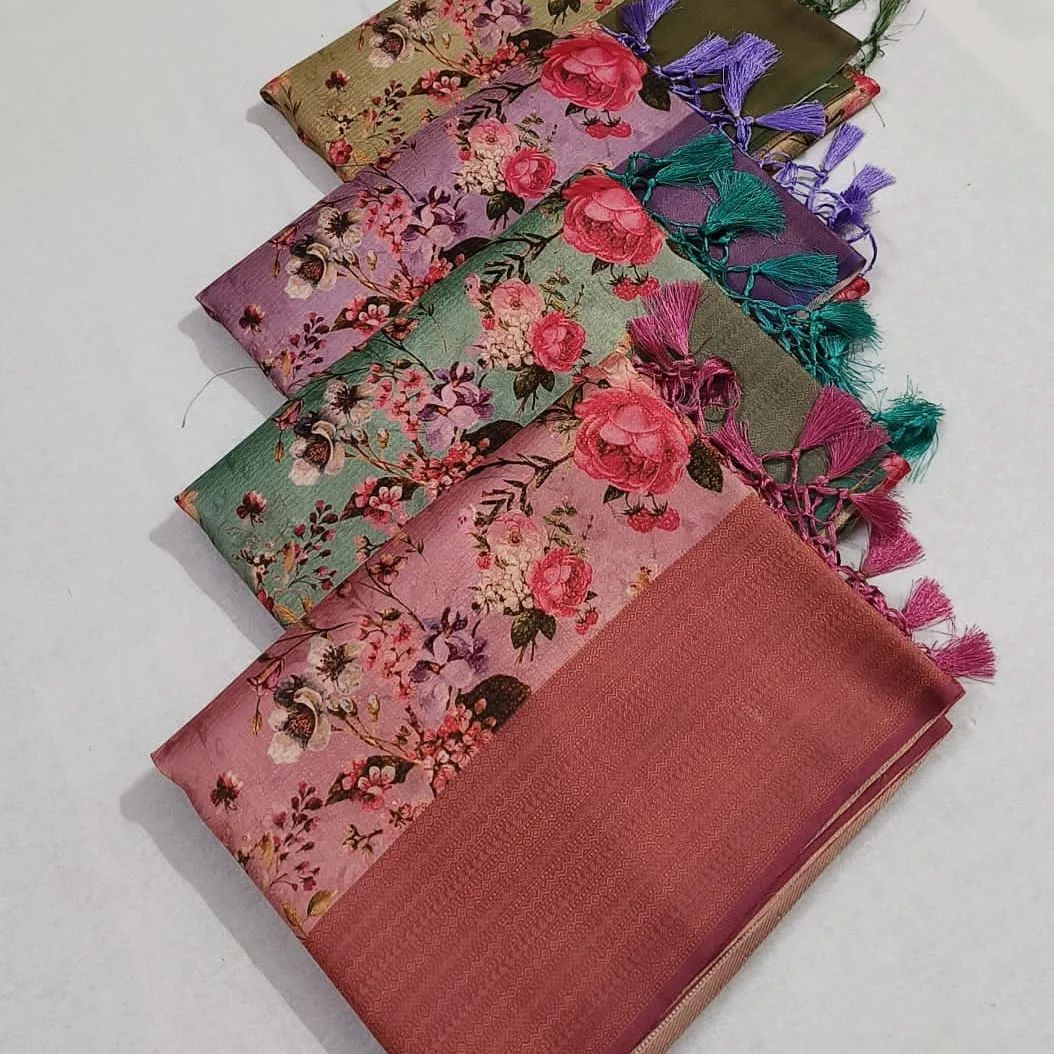
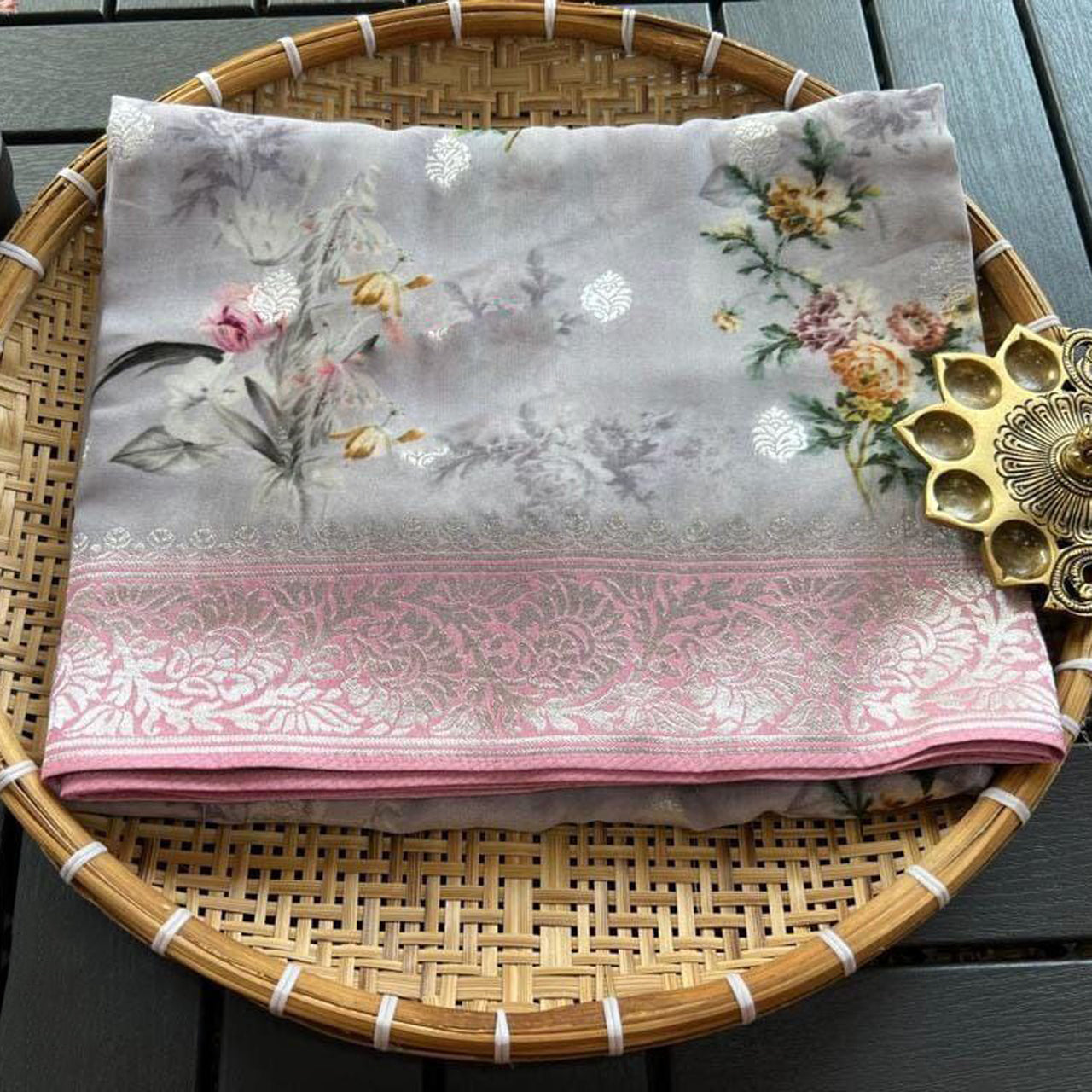
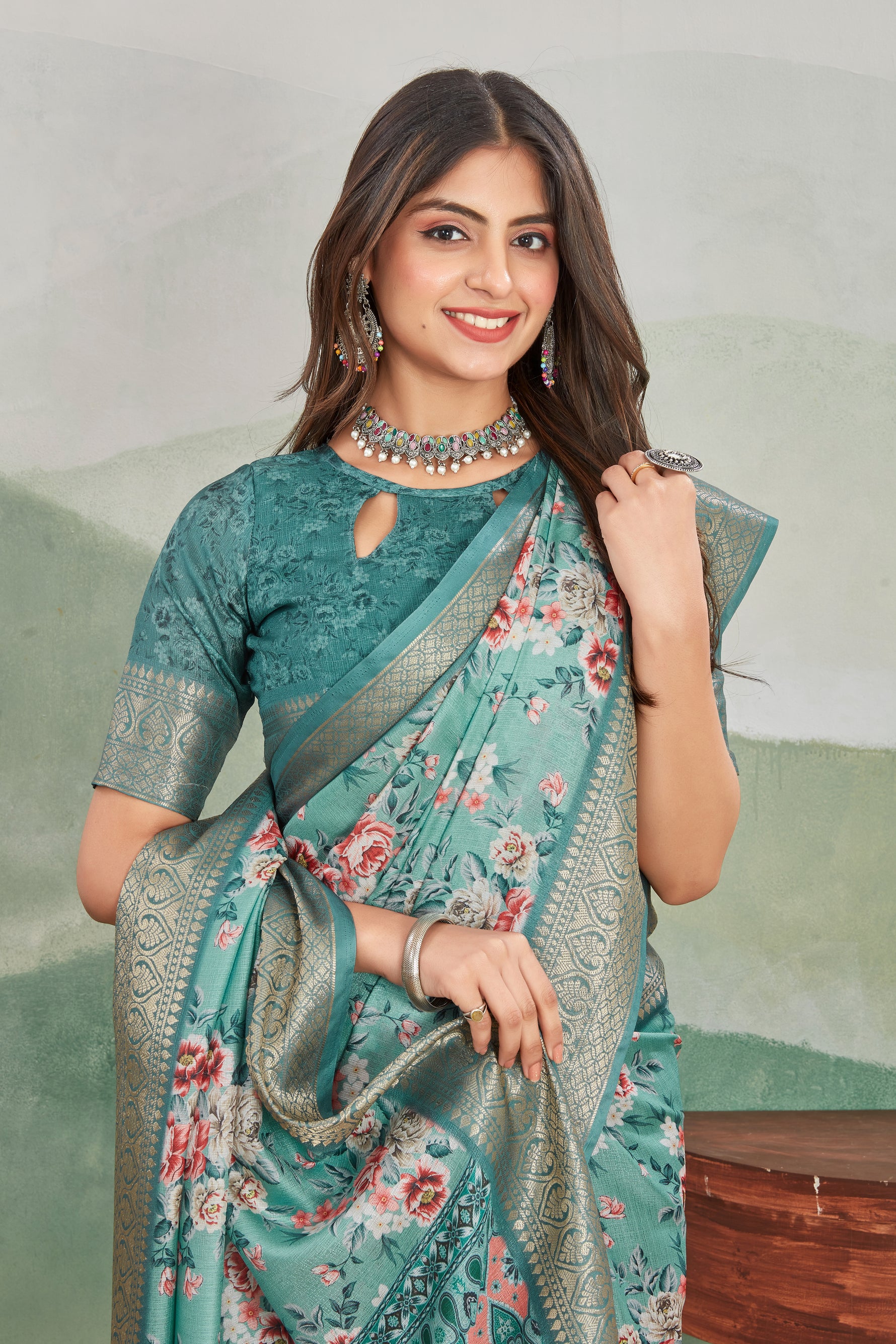
- Floral artwork
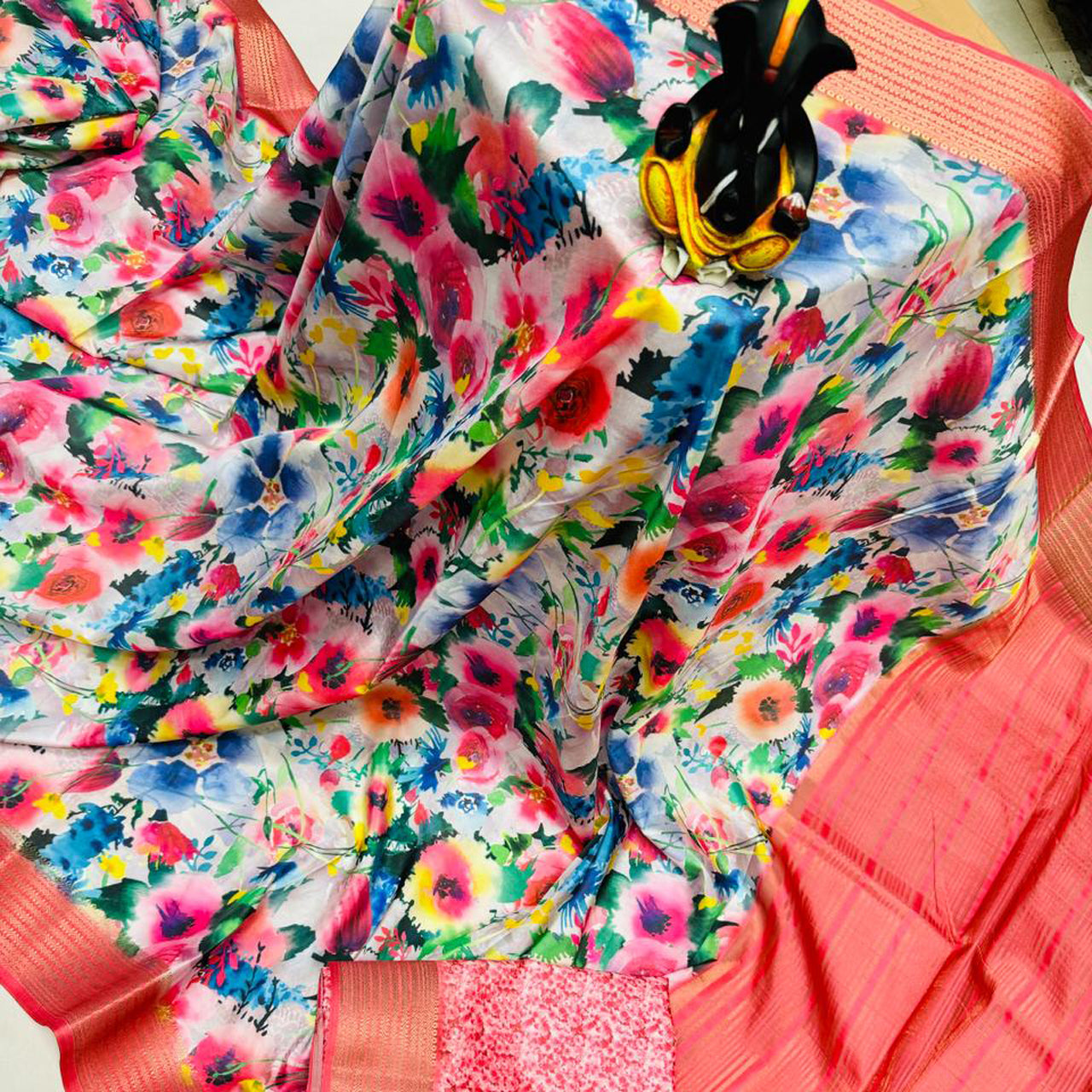
- Watercolor designs
- Nature-inspired illustrations
- Abstract art
- High-detail ethnic motifs
- Multicolor designer prints
Because designs are transferred directly from a computer, digital printing offers exceptional creative freedom.
What Is Screen Printing?
Screen printing is a traditional textile printing technique in which ink is pushed through specially prepared mesh screens onto the fabric.
Each color generally requires its own screen, making the process especially suitable for bold, repetitive patterns.
Screen printing is commonly used for:
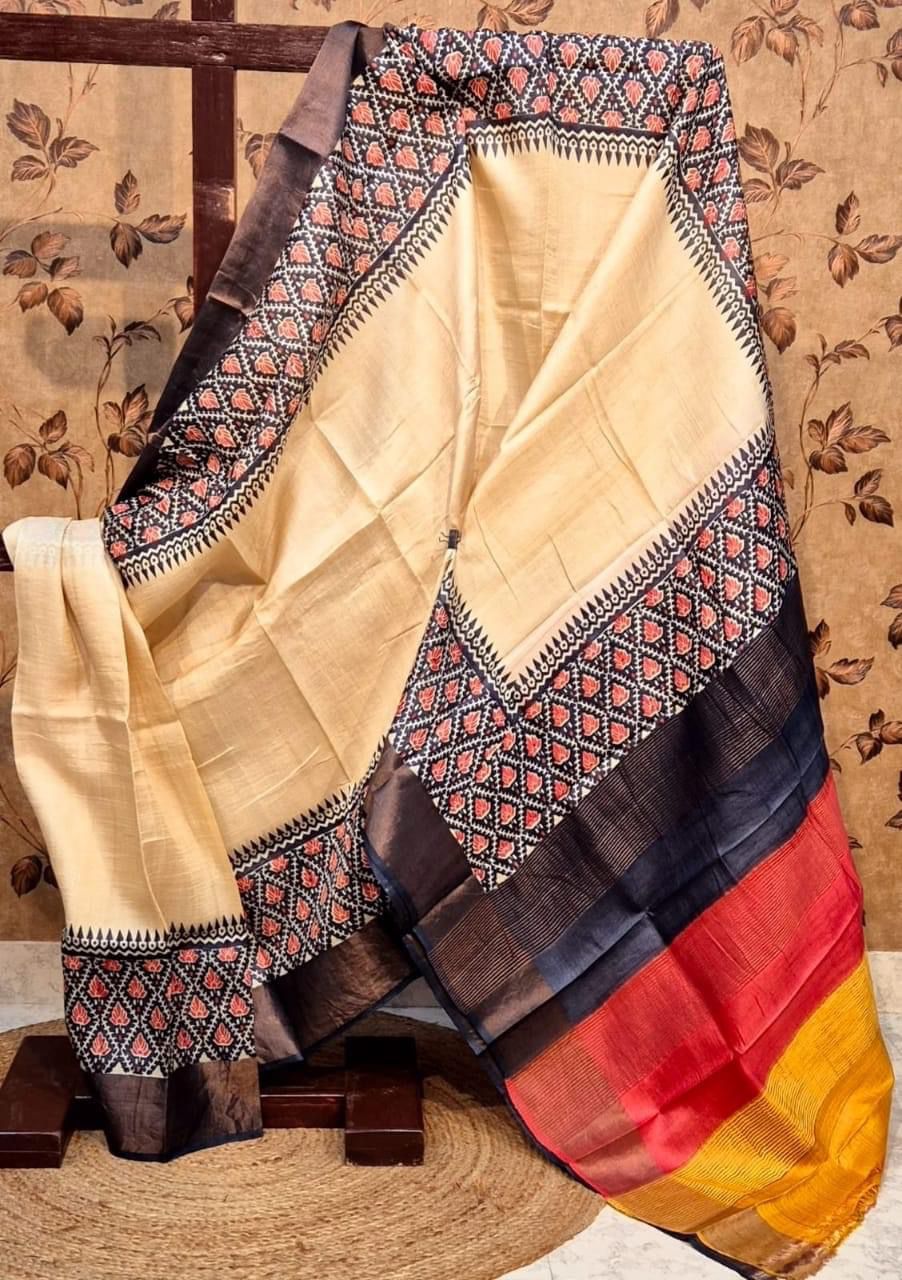
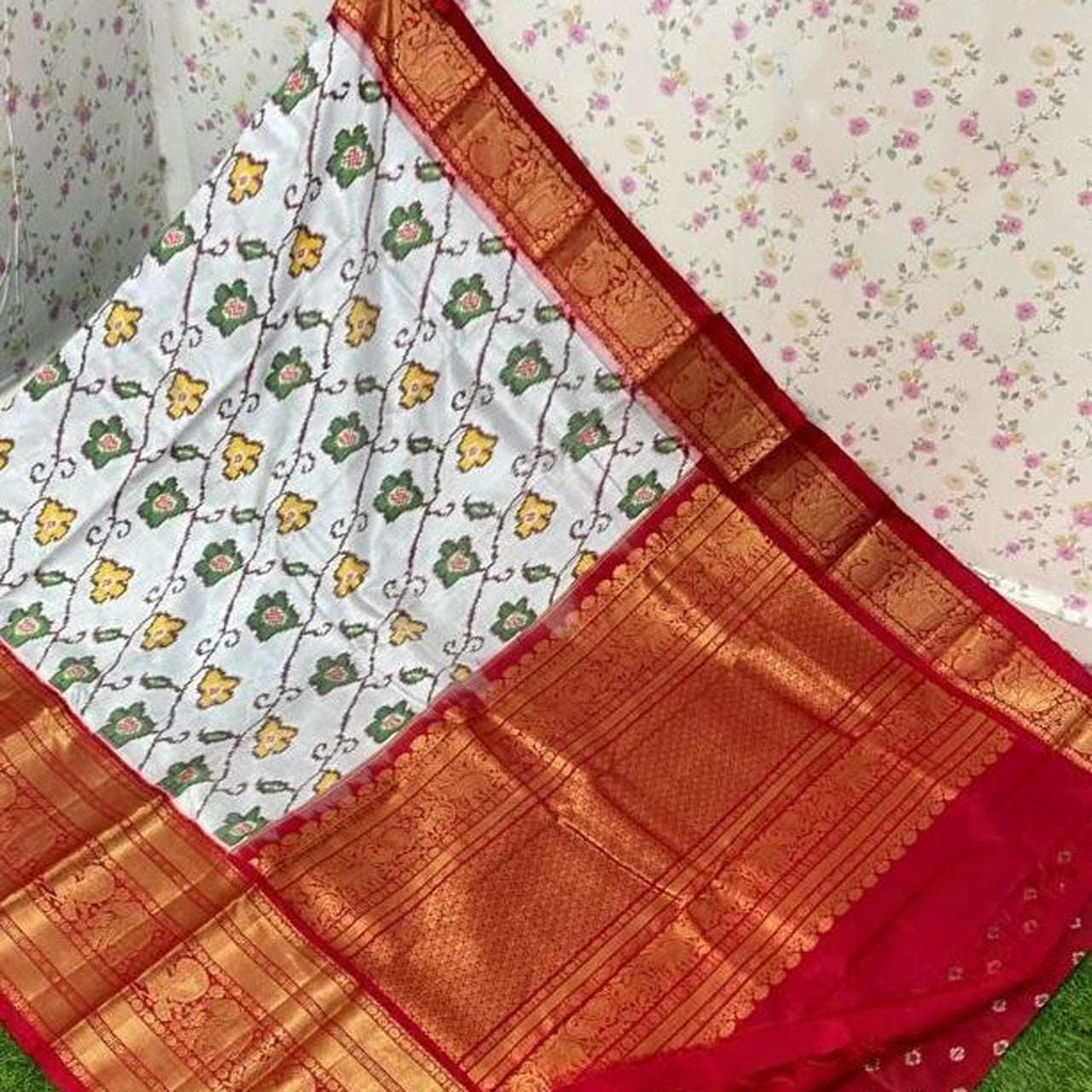
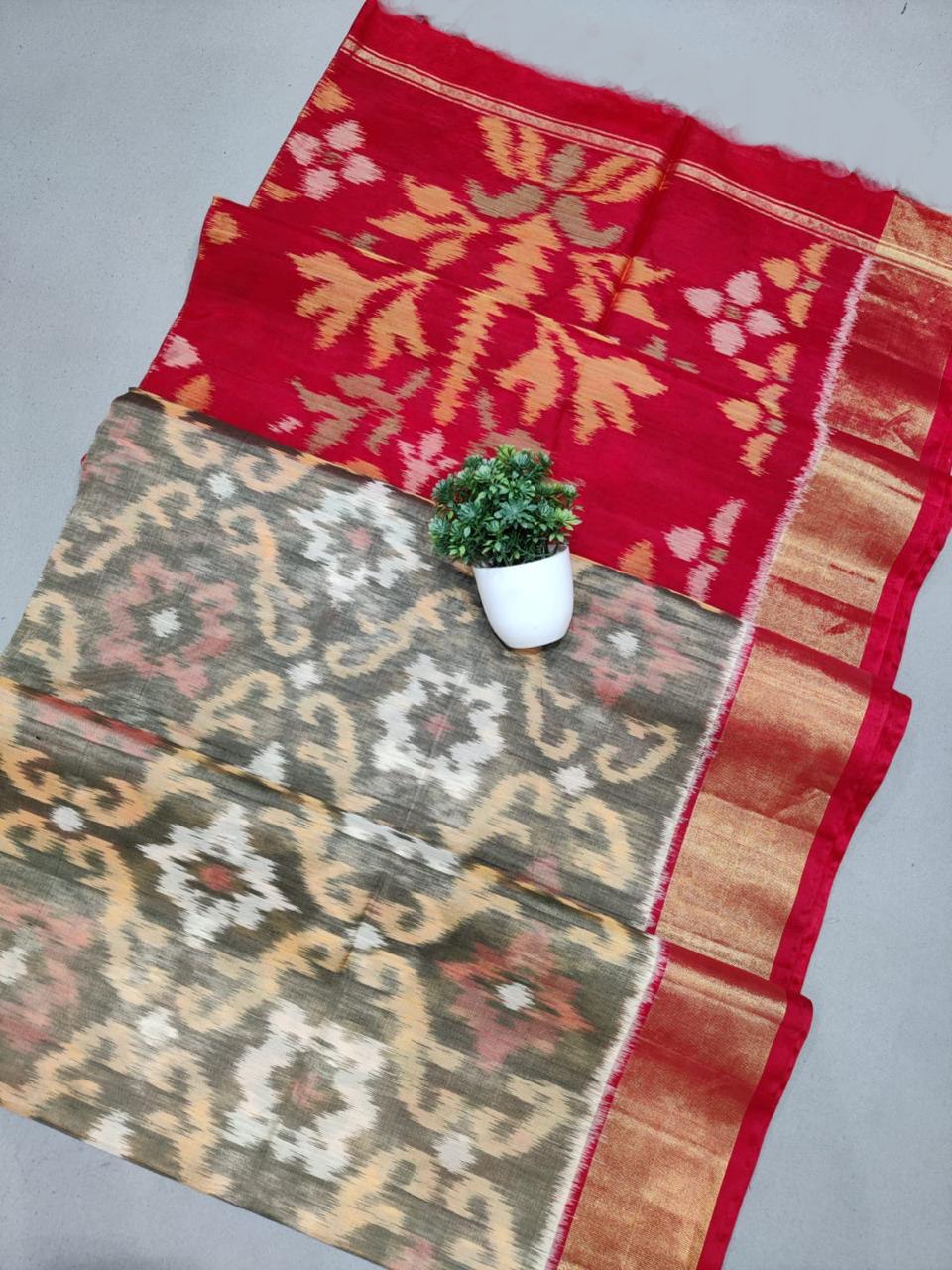
- Geometric prints
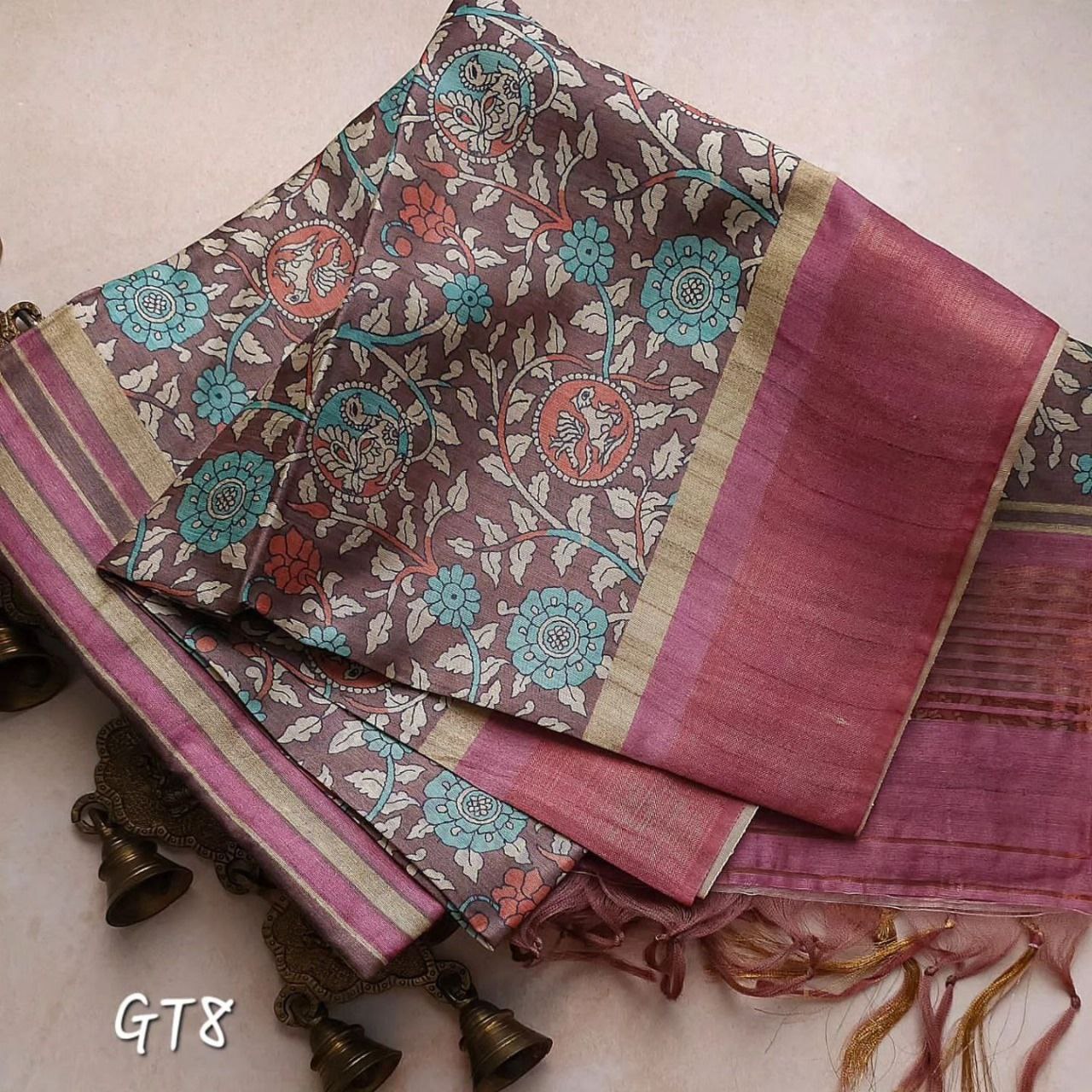
- Ethnic motifs
- Traditional floral designs
- Repeating patterns
- Large production runs
It remains one of the most widely used printing methods in the textile industry.
Print Detail and Design Complexity
One of the biggest differences between the two methods is the level of detail they can reproduce.
Digital Printing
Digital printing excels at creating:
- Fine details
- Soft gradients
- Photographic effects
- Complex artwork
- Unlimited color transitions
Designers can incorporate intricate illustrations without simplifying the artwork.
Screen Printing
Screen printing performs best with:
- Bold shapes
- Clean outlines
- Defined motifs
- Repeating patterns
While highly attractive, it is generally less suited to extremely detailed, photo-realistic artwork.
Color Appearance
Both methods can produce vibrant colors when executed well, but they achieve the effect differently.
Digital Prints
- Smooth color blending
- Subtle shading
- Natural gradients
- High-definition artwork
Screen Prints
- Bold color blocks
- Strong contrast
- Crisp edges
- Traditional handcrafted aesthetic
The right choice depends on the design style you're looking for.
Fabric Compatibility
Both techniques work well on a variety of fabrics.
Common choices include:
- Silk
- Cotton
- Linen
- Organza
- Georgette
- Chiffon
- Crepe
The suitability of a particular method may vary depending on the fabric type and the intended design.
Production Process
The production workflow differs significantly.
Digital Printing
- Digital artwork preparation
- Fabric preparation
- Direct printing
- Color fixation
- Finishing
Screen Printing
- Artwork separation by color
- Screen preparation
- Ink application through screens
- Drying
- Finishing
Digital printing generally allows faster design changes because new artwork does not require creating new screens.
Design Flexibility
Digital printing offers nearly unlimited creative possibilities.
Designers can experiment with:
- Large-scale florals
- Artistic paintings
- Watercolor effects
- Landscape-inspired prints
- Contemporary graphics
Screen printing is particularly effective for consistent, repeating designs and traditional motifs.
Which Printing Method Looks More Premium?
Premium appearance depends on the design rather than the printing method alone.
Digital printing is often preferred for:
- Luxury designer collections
- Fashion-forward prints
- Intricate artistic compositions
Screen printing is appreciated for:
- Classic ethnic aesthetics
- Bold decorative motifs
- Traditional styling
Both techniques can produce premium-quality sarees when combined with excellent fabrics and skilled production.
Which Saree Should You Choose?
Choose Digital Printed Sarees if you prefer:
- Intricate artwork
- Modern fashion
- Vibrant multicolor designs
- Contemporary styling
- Detailed floral compositions
Choose Screen Printed Sarees if you like:
- Traditional motifs
- Bold graphic designs
- Classic ethnic patterns
- Timeless printed styles
Ultimately, the best choice depends on your personal style and the occasion.
Digital Print vs Screen Print Sarees: Quick Comparison
| Feature | Digital Print | Screen Print |
|---|---|---|
| Design Detail | Excellent | Very Good |
| Color Gradients | Smooth | Limited |
| Fine Artwork | Excellent | Moderate |
| Traditional Patterns | Excellent | Excellent |
| Custom Design Flexibility | High | Moderate |
| Repeating Patterns | Good | Excellent |
| Modern Fashion Prints | Excellent | Good |
| Bold Graphic Prints | Good | Excellent |
Tips for Buying Printed Sarees
Before making your purchase:
- Choose premium-quality fabric.
- Look for sharp, well-aligned prints.
- Select colors that suit the occasion.
- Read detailed product descriptions.
- Buy from trusted brands with clear images and customer reviews.
- Follow recommended care instructions to help preserve the print and fabric.
Frequently Asked Questions
Which is better: digital print or screen print sarees?
Neither is universally better. Digital printing is ideal for intricate, multi-colored artwork, while screen printing is excellent for bold, traditional, and repeating patterns.
Are digital printed sarees suitable for weddings?
Yes. Premium digital printed silk sarees are increasingly popular for receptions, festive occasions, and contemporary wedding functions.
Do screen printed sarees last long?
Well-made screen printed sarees can offer excellent durability when produced with quality materials and cared for properly.
Can both printing methods be used on silk?
Yes. Both digital and screen printing can be applied to silk, although the design style and finishing process may differ.
Which is better for modern fashion?
Digital printing is often favored for modern designer collections because it allows highly detailed artwork and virtually unlimited color combinations.
Conclusion
Digital printing and screen printing each bring unique strengths to the world of printed sarees. Digital printing shines when it comes to intricate artwork, soft color gradients, and contemporary designs, making it a favorite for fashion-forward collections. Screen printing, on the other hand, continues to be valued for its bold motifs, timeless appeal, and ability to create striking traditional patterns.
Instead of asking which method is better, the more important question is which one best matches your style, occasion, and preferences. Whether you choose a digitally printed floral silk saree or a beautifully screen-printed ethnic design, selecting high-quality fabric and trusted craftsmanship will ensure your saree remains elegant, comfortable, and enjoyable to wear for years to come.