





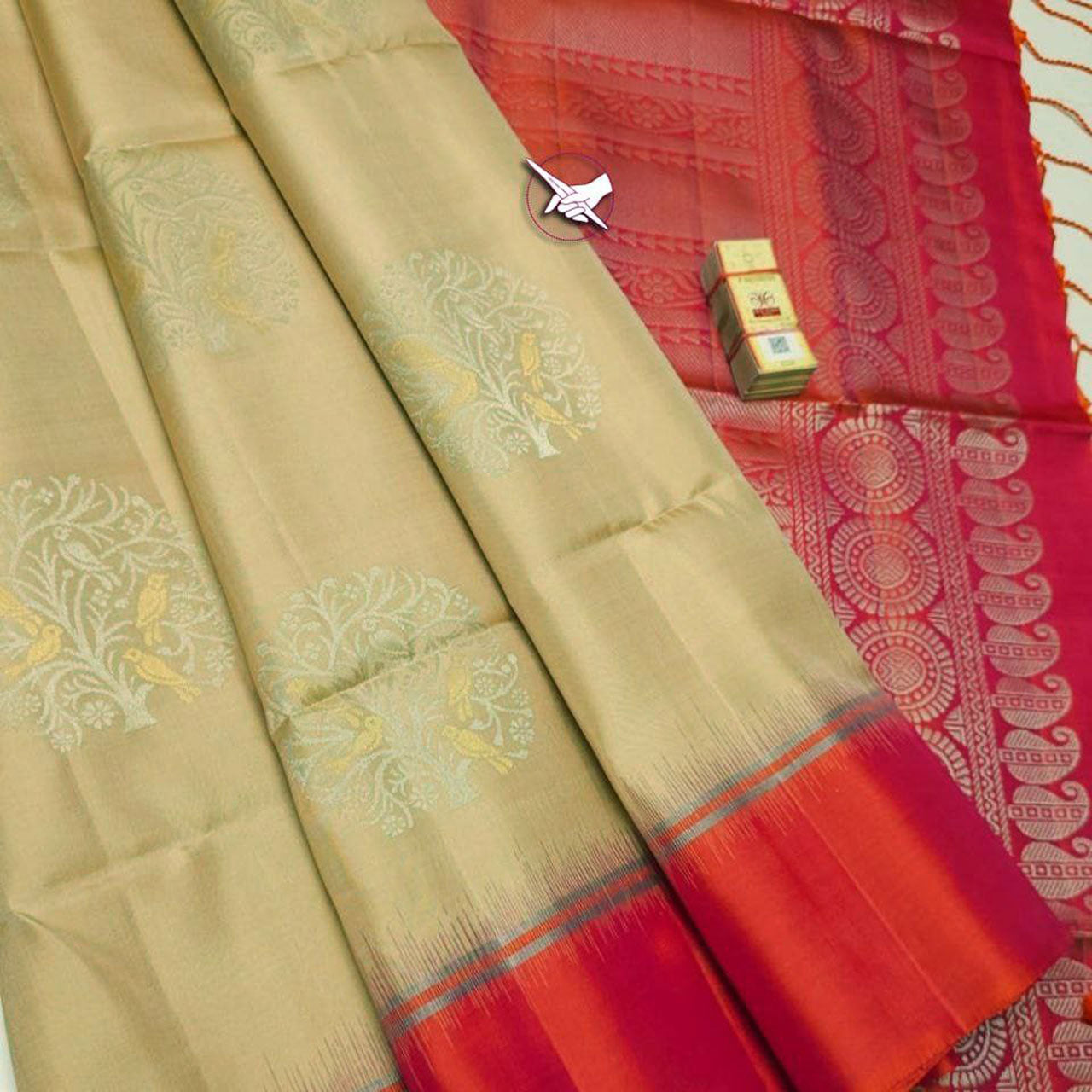


How Are Printed Sarees Made? A Behind-the-Scenes Look at the Process
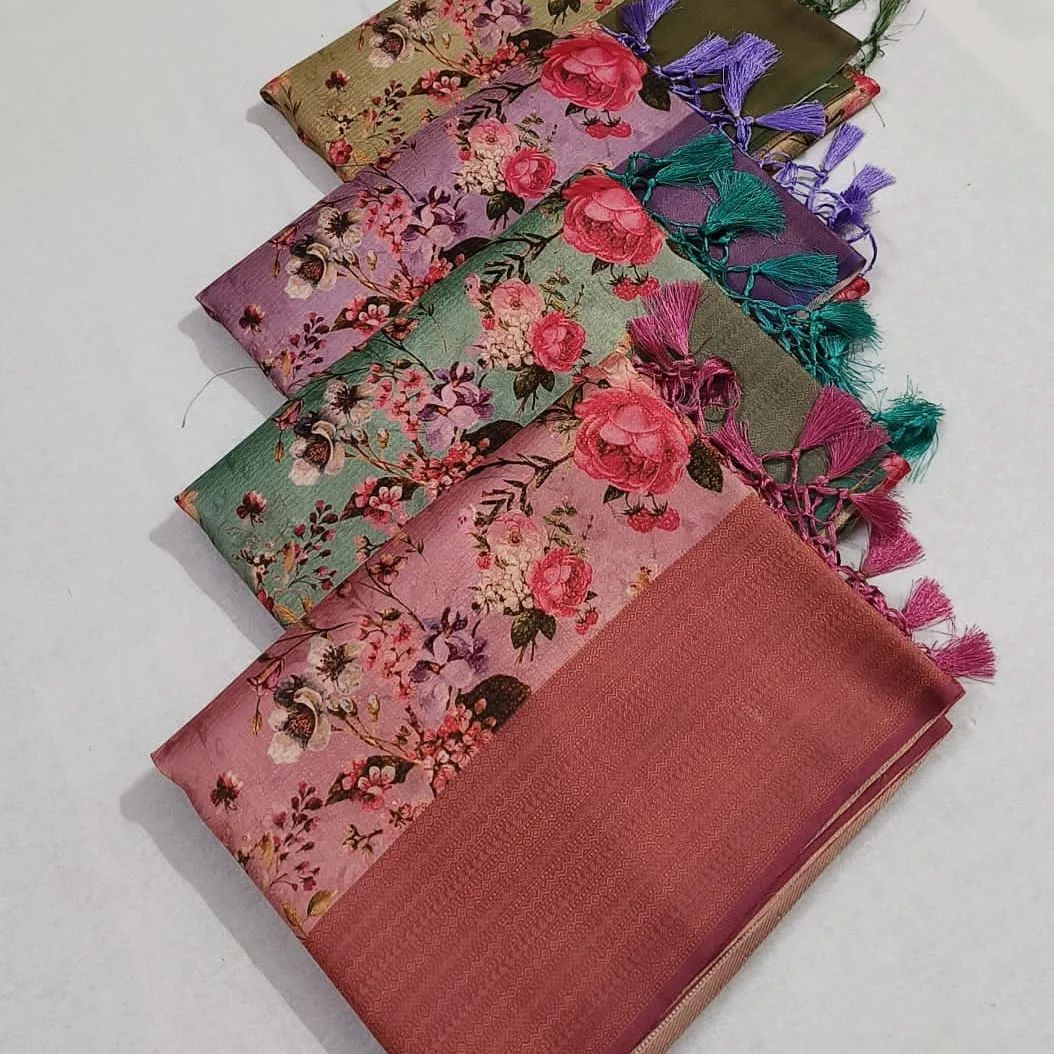
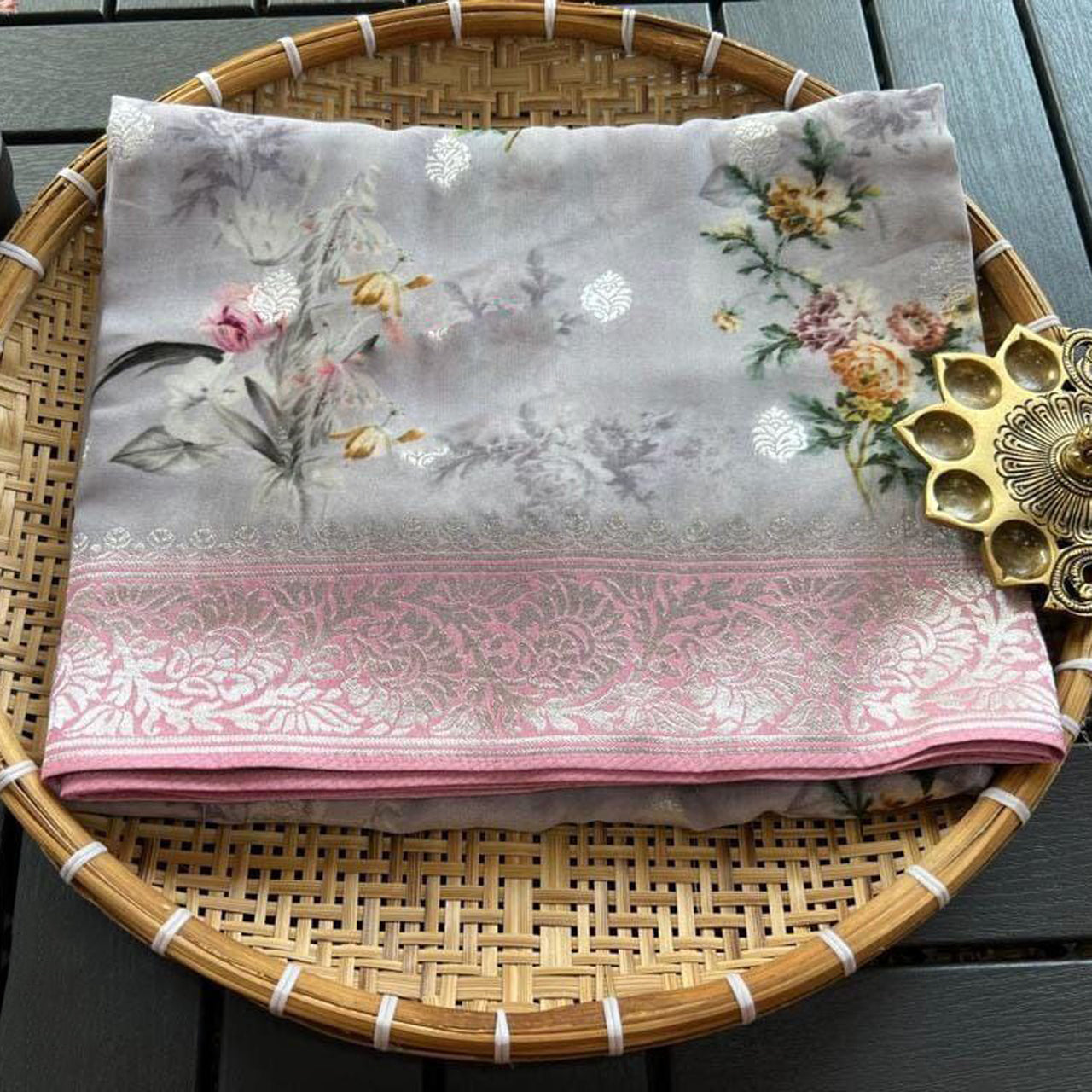
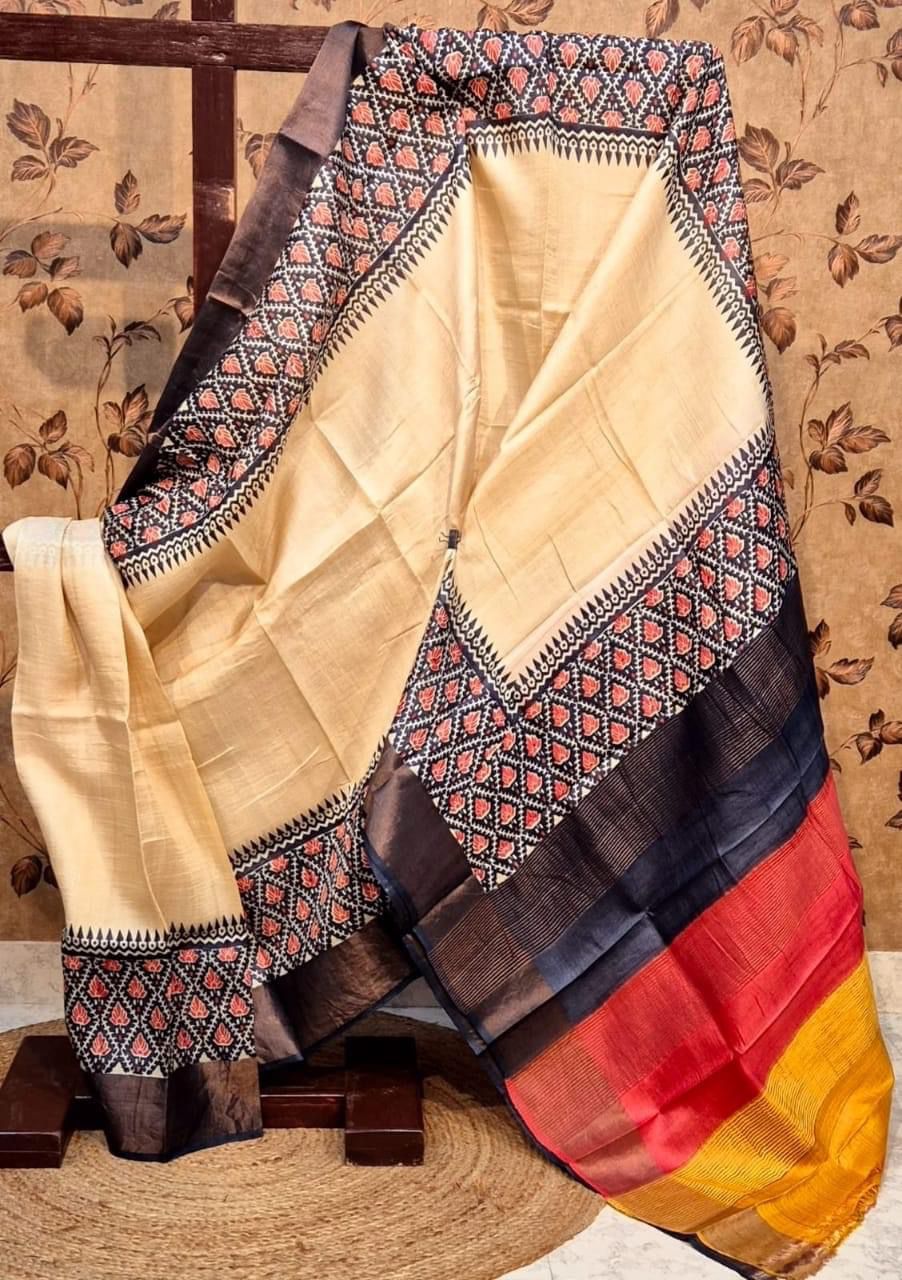
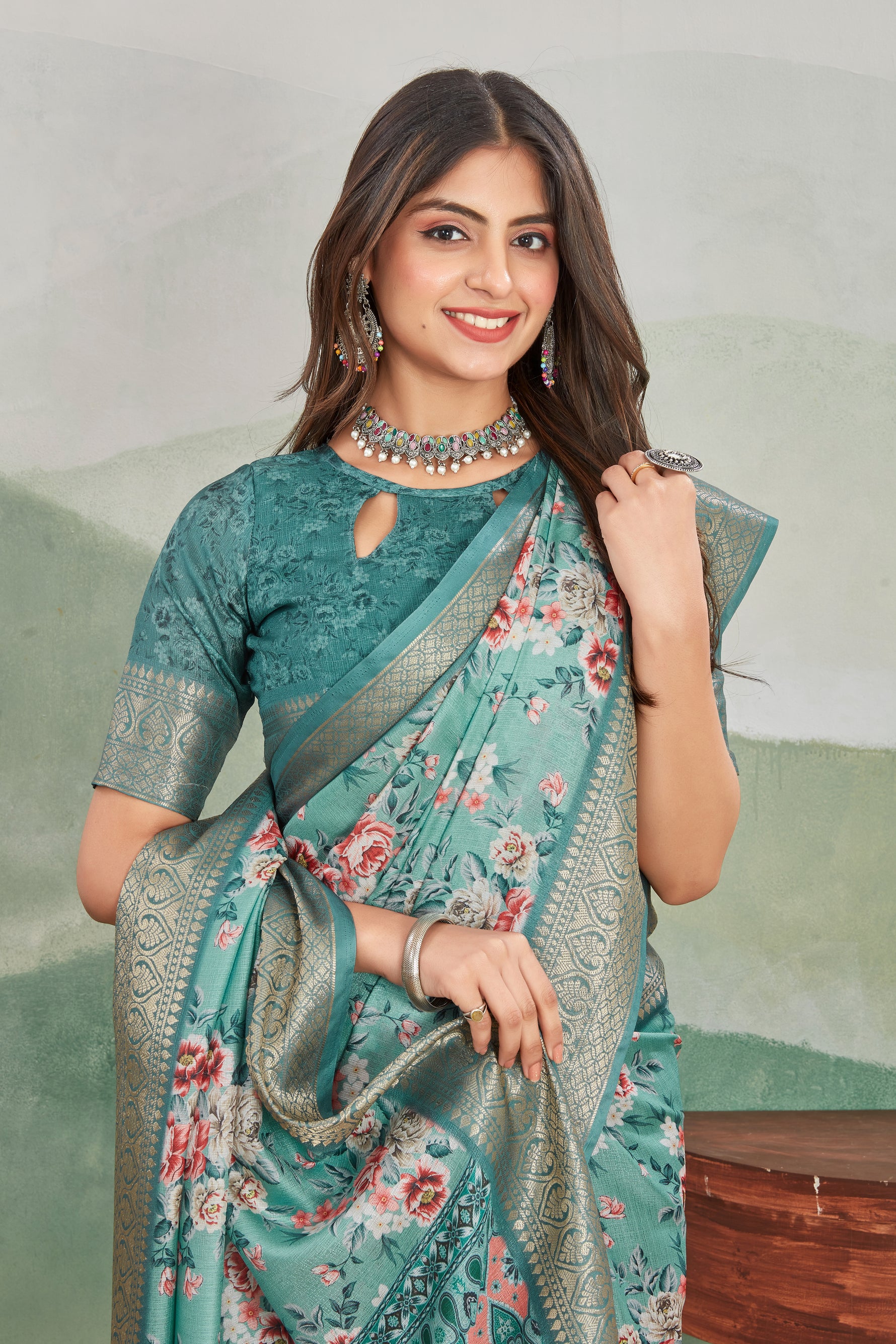
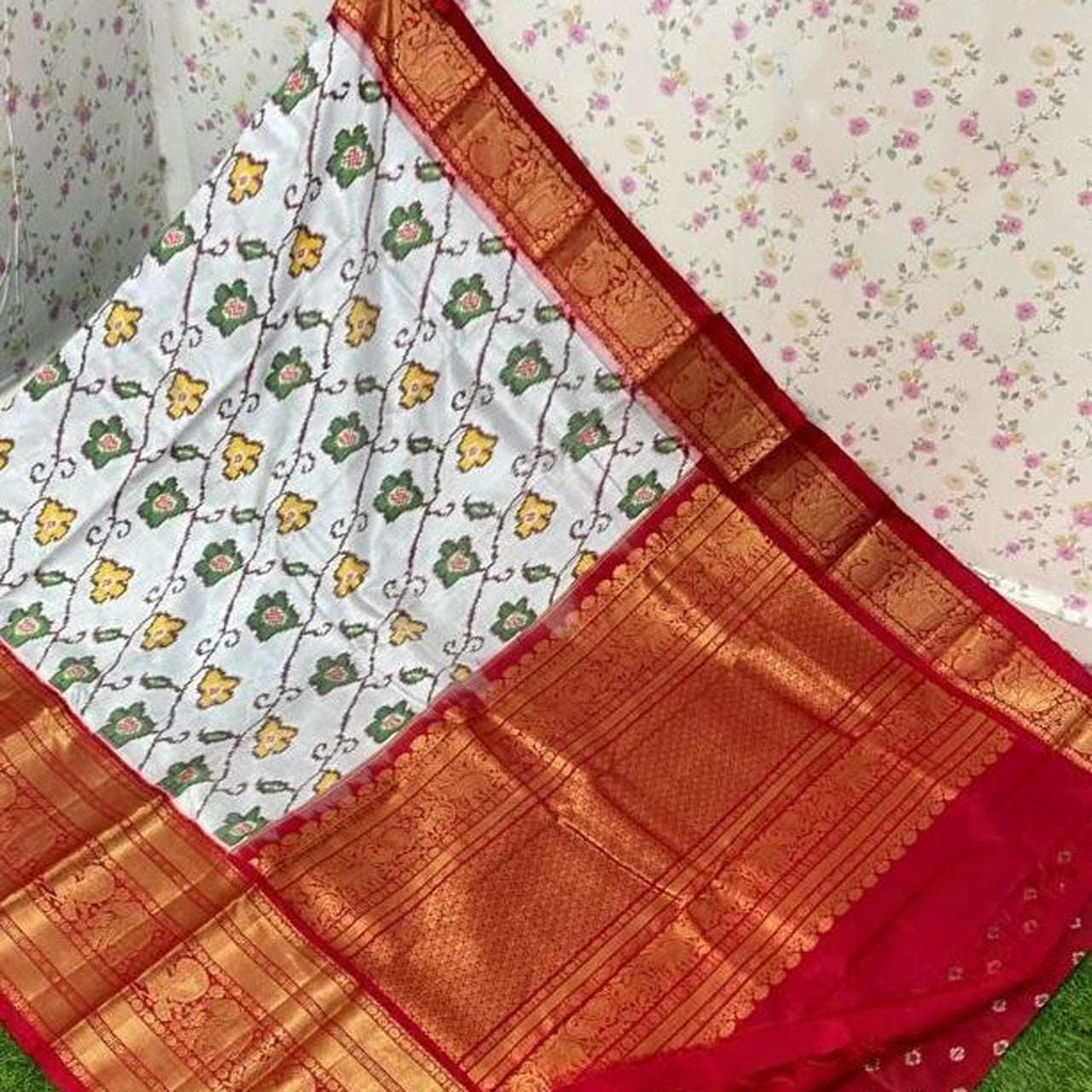
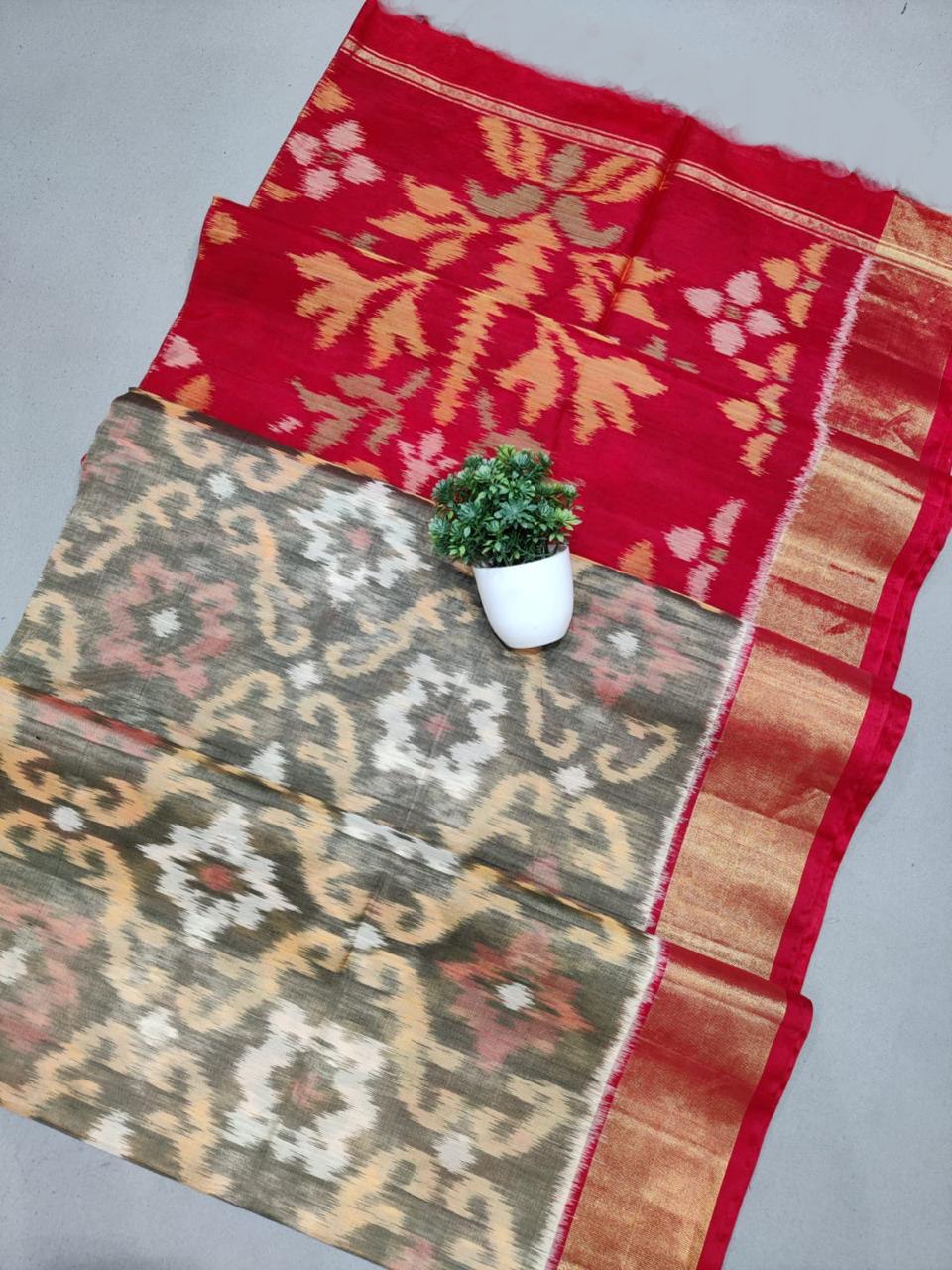
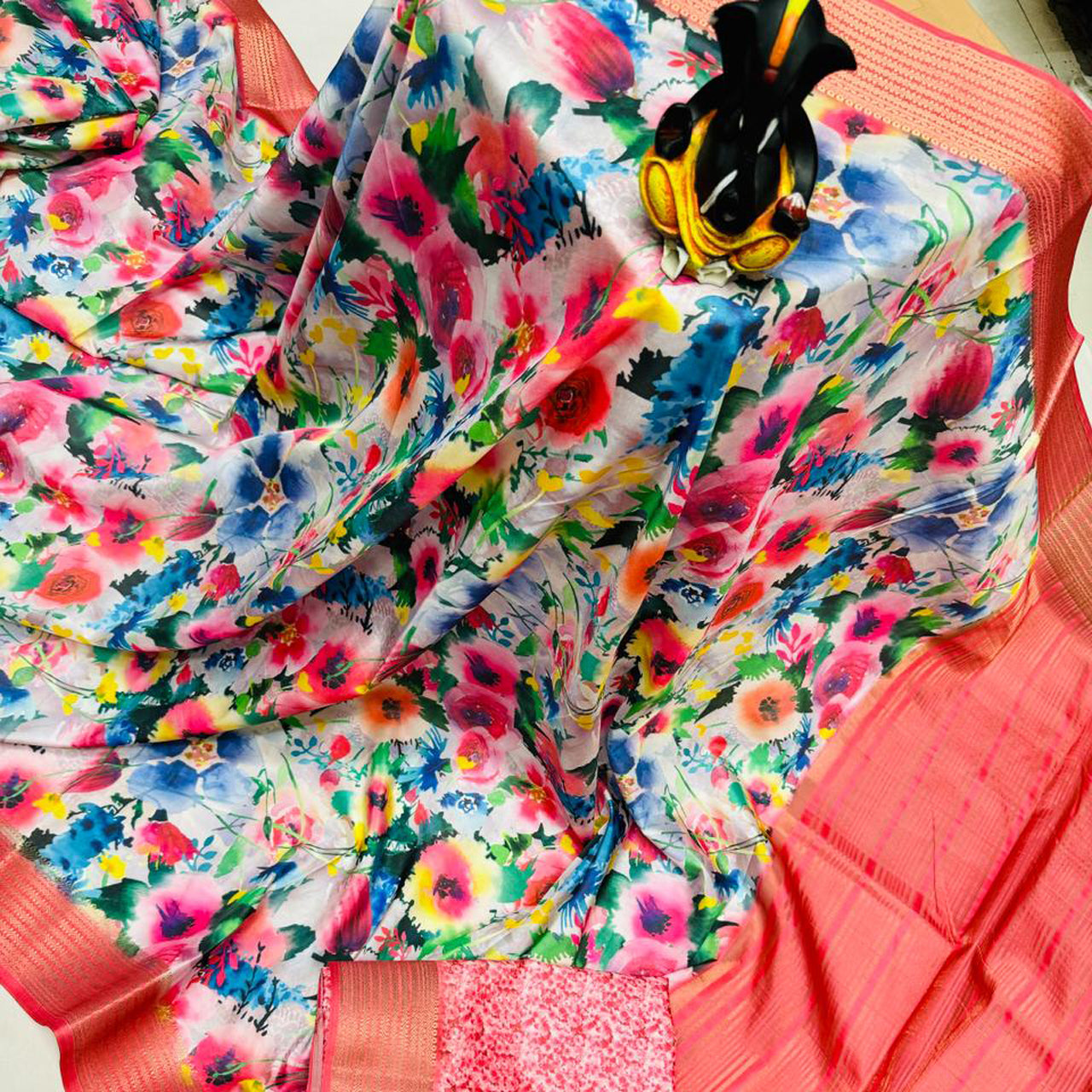
Printed sarees have become one of the most loved choices in modern ethnic fashion. Whether it's a vibrant floral design, an elegant digital artwork, a traditional paisley pattern, or a contemporary abstract print, today's printed sarees beautifully combine creativity with craftsmanship.
But have you ever wondered what happens before a printed saree reaches your wardrobe?
Behind every beautifully printed saree is a fascinating journey involving fabric experts, designers, printing specialists, color technicians, and quality inspectors. From selecting the perfect fabric to applying intricate artwork with precision, every stage plays an important role in creating the finished masterpiece.
Let's take a behind-the-scenes look at how printed sarees are made.
Step 1: Choosing the Right Fabric
Every printed saree begins with fabric selection.
The choice of fabric affects:
- Print clarity
- Color vibrancy
- Drape
- Comfort
- Durability
Popular fabrics used for printed sarees include:
- Soft Silk
- Organza
- Cotton
- Linen
- Georgette
- Chiffon
- Crepe
- Satin
Each fabric requires a different printing approach to achieve the best results.
Step 2: Creating the Design
Before printing begins, designers create the artwork.
Inspired by nature, art, architecture, and traditional Indian motifs, they develop patterns such as:
- Floral compositions
- Paisley motifs
- Abstract artwork
- Geometric designs
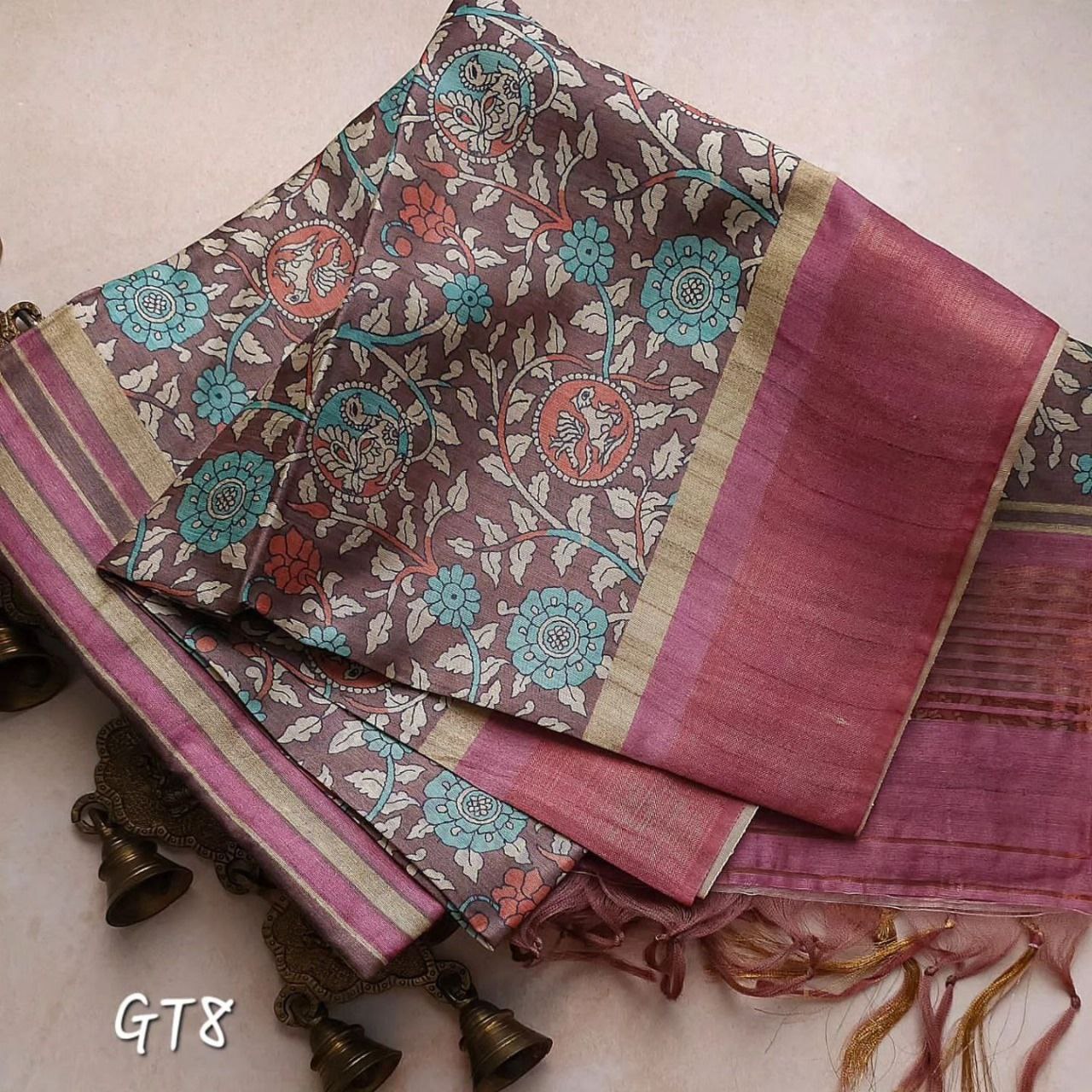
- Kalamkari-inspired prints
- Tropical themes
- Contemporary minimal designs
Modern textile designers use advanced design software to refine every detail before production.
Step 3: Preparing the Fabric
The selected fabric undergoes preparation to ensure optimal print quality.
This stage typically includes:
- Cleaning the fabric
- Removing impurities
- Smoothing the surface
- Preparing it for consistent color absorption
A properly prepared fabric helps produce sharper and longer-lasting prints.
Step 4: Selecting the Printing Technique
Different printing methods are chosen depending on the fabric, artwork, and production requirements.
Common techniques include:
Digital Printing
Ideal for highly detailed, colorful artwork and photographic-quality designs.
Screen Printing
Well suited for bold motifs and large production runs.
Block Printing
A traditional handcrafted technique where carved wooden blocks transfer patterns onto fabric.
Rotary Printing
Often used for consistent, continuous production with repeating designs.
Each technique offers its own aesthetic and production advantages.
Step 5: Applying the Design
Once the fabric and printing method are ready, the artwork is transferred onto the saree.
High-quality printing focuses on:
- Accurate pattern placement
- Consistent colors
- Sharp detailing
- Smooth coverage
- Balanced alignment
Careful monitoring ensures the finished design reflects the original artwork faithfully.
Step 6: Color Fixing and Finishing
After printing, the colors are set using specialized finishing processes.
This step helps improve:
- Color stability
- Print durability
- Fabric softness
- Overall appearance
Proper finishing also enhances the drape and feel of the saree.
Step 7: Washing and Drying
The printed fabric is carefully washed to remove excess color and processing residues.
Controlled drying helps preserve:
- Color richness
- Fabric texture
- Print definition
Professional handling during this stage contributes to a high-quality final product.
Step 8: Quality Inspection
Every premium printed saree undergoes quality checks before packaging.
Inspectors examine:
- Print alignment
- Color consistency
- Fabric quality
- Weaving defects
- Border finishing
- Overall presentation
Only sarees that meet quality standards move to the next stage.
Step 9: Cutting, Folding, and Packaging
After inspection, each saree is:
- Folded carefully
- Packed securely
- Prepared for transportation
Proper packaging helps protect the fabric and maintain its appearance during storage and delivery.
Step 10: Reaching the Customer
Once packaged, the sarees are distributed to:
- Retail stores
- Boutiques
- Online marketplaces
- Brand websites
From there, they find their way into wardrobes across India and around the world.
Popular Printing Techniques Compared
| Printing Method | Best For | Key Features |
|---|---|---|
| Digital Printing | Detailed artwork | Vibrant colors and intricate designs |
| Screen Printing | Large production | Consistent bold patterns |
| Block Printing | Traditional designs | Handmade artistic appeal |
| Rotary Printing | Continuous production | Efficient repeating patterns |
Each method contributes differently to the final look and feel of a printed saree.
Why Modern Printed Sarees Look So Beautiful
Today's printed sarees benefit from significant advancements in textile technology.
Modern production allows:
- Fine detailing
- Rich color combinations
- Smooth gradients
- Complex artistic compositions
- Excellent design consistency
Combined with premium fabrics, these innovations create sarees suitable for every occasion.
How to Choose a High-Quality Printed Saree
When shopping, pay attention to:
Fabric Quality
Premium fabrics improve both comfort and print appearance.
Print Sharpness
Well-defined motifs indicate careful production.
Color Harmony
Balanced color combinations create a more elegant look.
Finishing
Neat edges and clean presentation reflect quality craftsmanship.
Trusted Brands
Choose reputable sellers that provide detailed product descriptions and clear images.
Frequently Asked Questions
Which printing method produces the finest details?
Digital printing is widely used for highly detailed artwork, smooth gradients, and vibrant multi-color designs.
Are printed sarees suitable for festive occasions?
Yes. Premium printed silk, organza, and designer sarees are popular choices for festivals, receptions, and family celebrations.
Do printed sarees fade quickly?
High-quality printed sarees retain their appearance much longer when cared for according to the manufacturer's instructions.
Which fabrics are most commonly used for printed sarees?
Soft Silk, Cotton, Linen, Georgette, Chiffon, Organza, Crepe, and Satin are among the most popular options.
Are printed sarees comfortable for everyday wear?
Yes. Lightweight fabrics and versatile designs make printed sarees suitable for both daily wear and special occasions.
Conclusion
The journey of a printed saree is a remarkable blend of creativity, technology, and craftsmanship. From selecting premium fabrics and designing intricate patterns to precision printing, careful finishing, and rigorous quality checks, every step contributes to the beauty of the final product.
Whether crafted using advanced digital printing, traditional block printing, or classic screen-printing techniques, a well-made printed saree reflects both artistic expression and technical expertise. Understanding this behind-the-scenes process not only helps you appreciate the effort behind every design but also enables you to make smarter buying decisions. The next time you drape a beautifully printed saree, you'll know that every motif and every color has been thoughtfully created to bring elegance, comfort, and timeless style together.