











How Often Should You Dry Clean a Silk Saree? Expert Care Guide (2026)
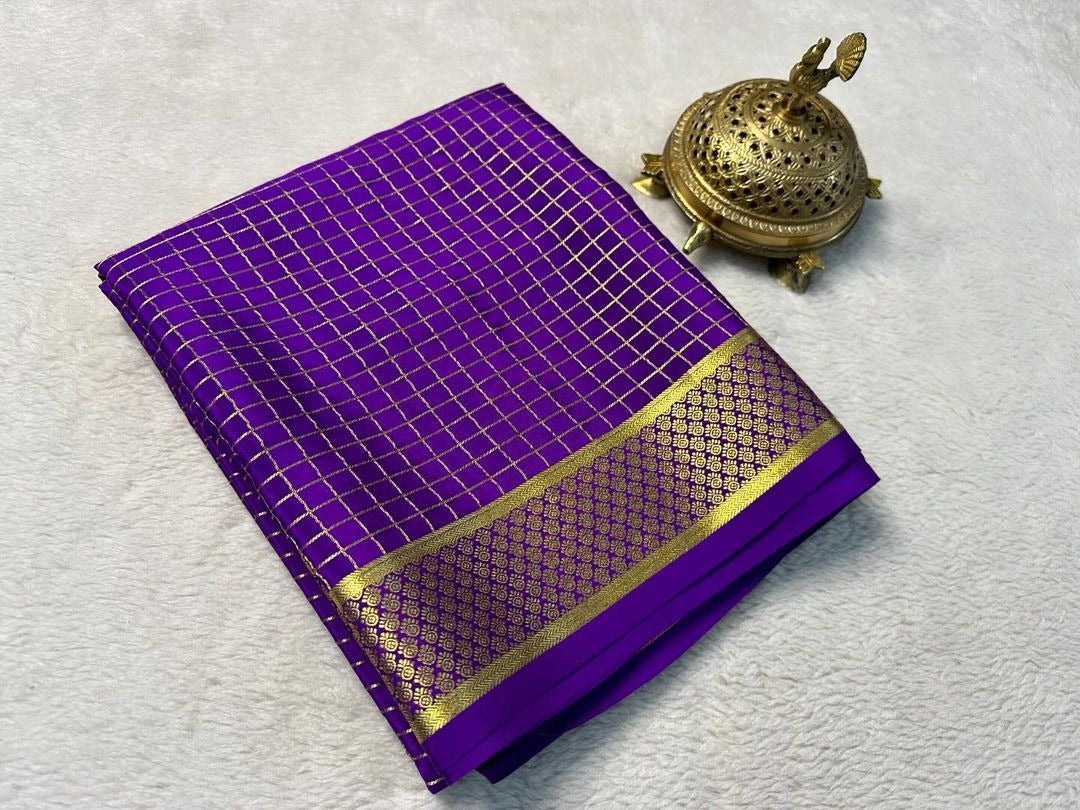
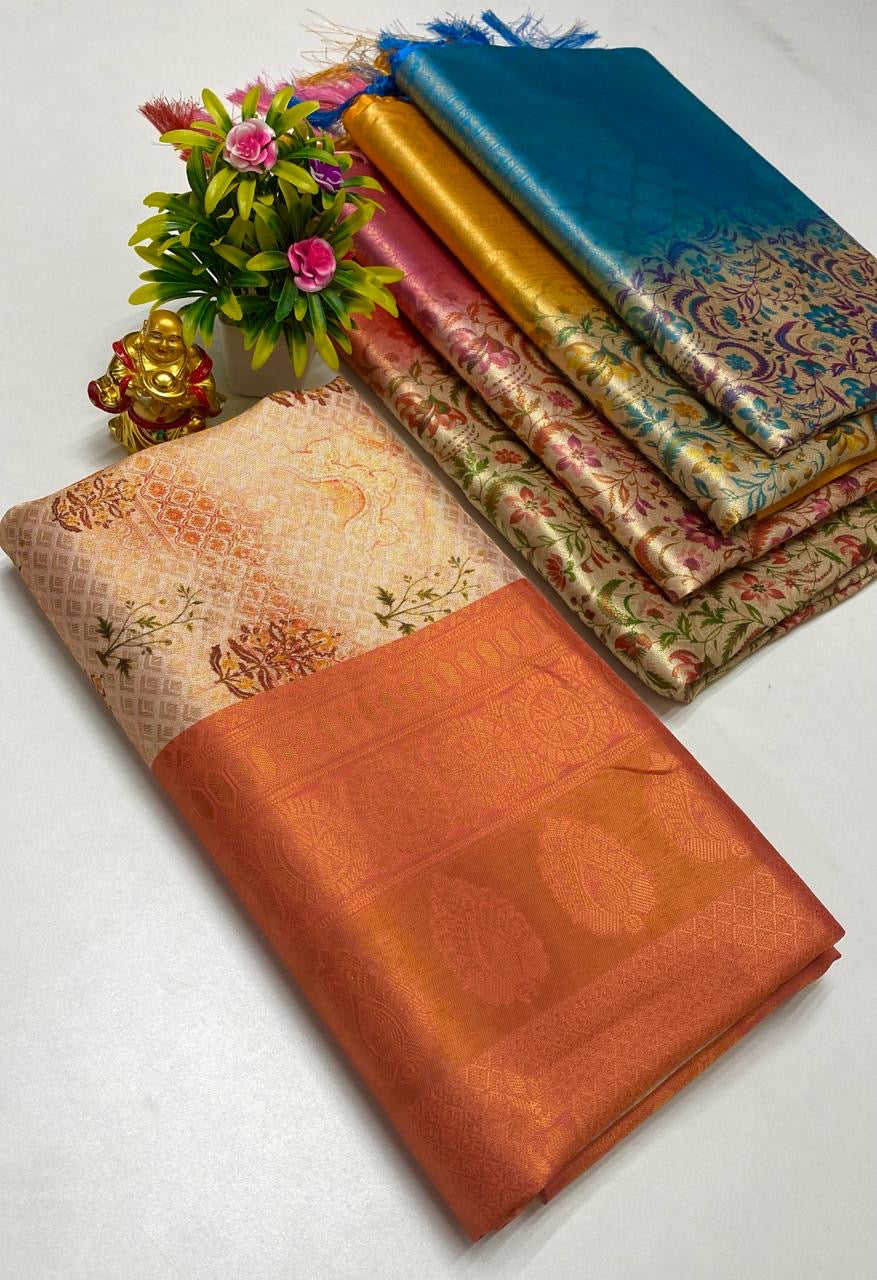
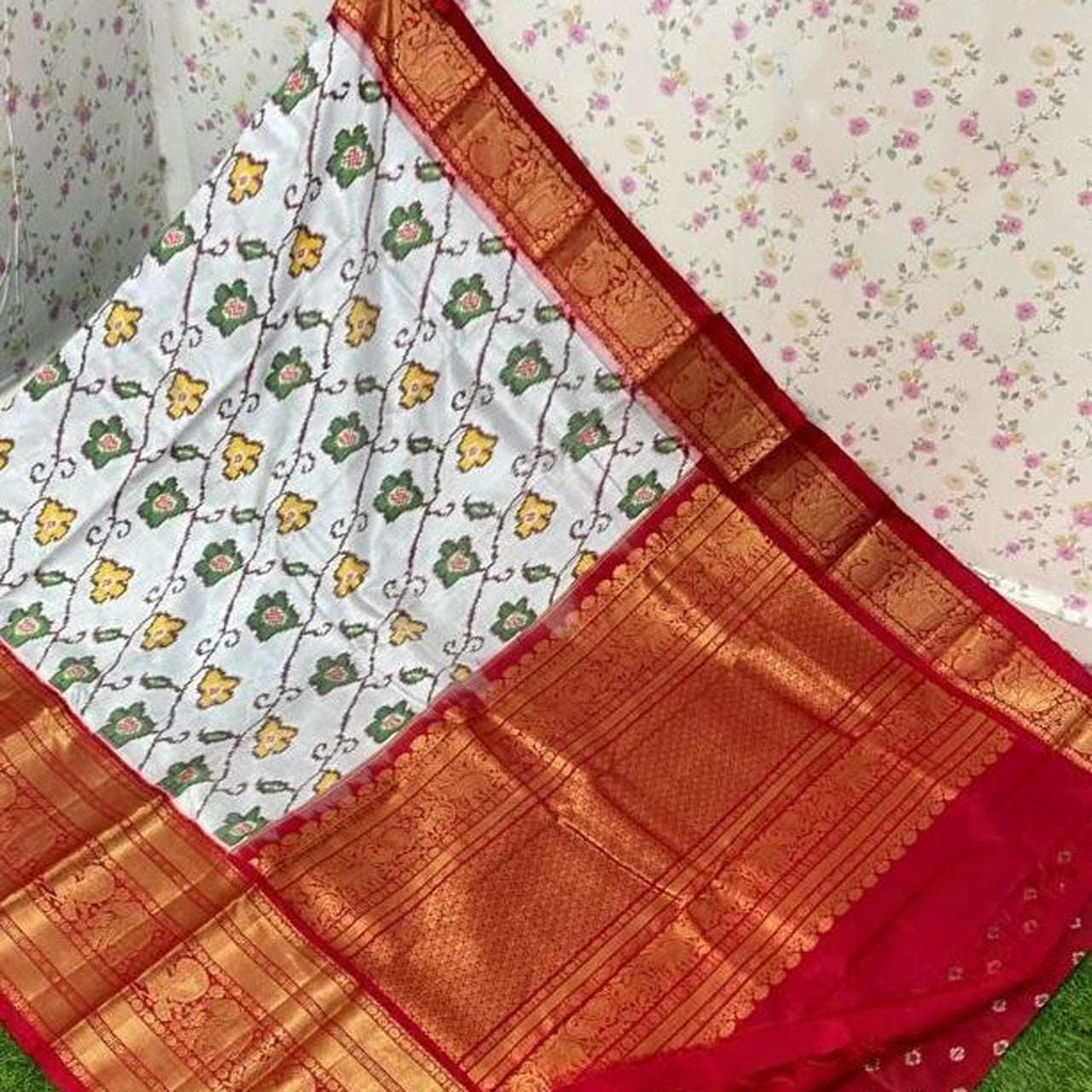
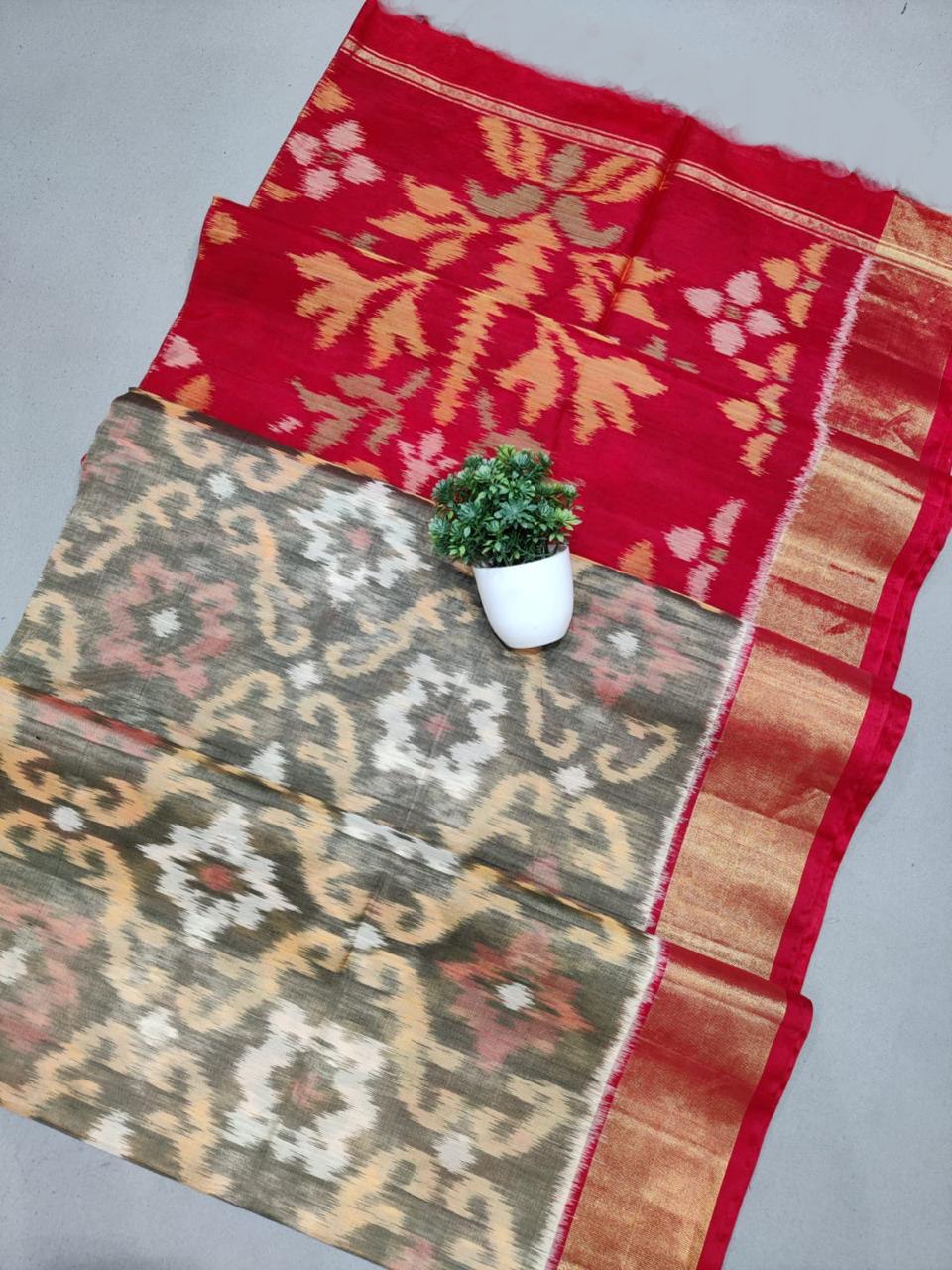
A silk saree is one of the most valuable pieces in an Indian wardrobe. Whether it's a luxurious Banarasi Silk Saree, an elegant Tussar Silk Saree, a regal Kanjivaram, or a treasured Paithani, proper care is essential to preserve its beauty and longevity.
One of the most common questions saree owners ask is, "How often should I dry clean a silk saree?" Some believe every use requires dry cleaning, while others avoid it for years. The truth lies somewhere in between.
Dry cleaning is important, but excessive cleaning can be just as harmful as neglecting it. Understanding when your saree actually needs professional cleaning will help maintain its fabric, color, and zari work for decades.
In this guide, we'll explain how often silk sarees should be dry cleaned, what factors influence cleaning frequency, and the best practices recommended by textile experts.
Why Silk Sarees Need Special Care
Silk is a delicate natural fiber known for its luxurious texture, natural sheen, and graceful drape. Unlike synthetic fabrics, silk reacts differently to water, detergents, heat, and friction.
Improper cleaning can lead to:
- Loss of natural shine
- Color fading
- Fabric weakening
- Zari damage
- Shrinkage
- Permanent stains
Professional dry cleaning uses specialized methods that help protect these delicate fibers better than regular home washing.
So, How Often Should You Dry Clean a Silk Saree?
There isn't a one-size-fits-all answer because it depends on how frequently the saree is worn and the conditions in which it is used.
As a general guideline:
Worn Once for a Few Hours
If the saree was worn briefly indoors and has no visible stains, sweat, or odors, you usually do not need to dry clean it immediately.
Instead:
- Air it in a shaded, well-ventilated space.
- Fold it neatly after it is completely fresh.
- Store it properly in a breathable cotton or muslin bag.
Worn for Weddings or Long Functions
If the saree was worn for several hours during a wedding, festival, or reception, professional dry cleaning is recommended before storing it.
During long events, silk can absorb:
- Sweat
- Body oils
- Perfume
- Makeup
- Food particles
- Dust
These residues may not be visible but can damage the fabric over time.
Worn Frequently
If you regularly wear the same silk saree, dry cleaning after every 3–4 wears is generally sufficient, provided the saree remains clean and stain-free.
This balances cleanliness with fabric preservation.
Why Over-Dry Cleaning Can Be Harmful
Many people assume frequent dry cleaning keeps silk looking newer.
In reality, unnecessary cleaning can gradually affect:
- Silk softness
- Natural sheen
- Fabric strength
- Fine embroidery
- Delicate zari work
Even professional cleaning exposes the saree to solvents and handling, so it should only be done when genuinely needed.
Signs Your Silk Saree Needs Dry Cleaning
Instead of following a fixed schedule, examine your saree after each use.
Professional cleaning is recommended if you notice:
Visible Stains
Food, beverages, makeup, or oil stains should never remain on silk for long.
Sweat Marks
Perspiration can weaken fibers and cause discoloration over time.
Perfume Build-Up
Fragrance oils may gradually affect delicate silk fabrics.
Dust or Pollution
Outdoor functions often leave fine dust particles embedded in the fabric.
Musty Odor
A stale smell may indicate trapped moisture or improper storage.
What to Do After Every Wear
Not every wear requires cleaning, but every wear should include basic care.
Follow these simple steps:
Step 1: Air the Saree
Hang or spread the saree in a shaded area for a few hours.
Avoid direct sunlight.
Step 2: Check for Stains
Inspect:
- Borders
- Pallu
- Pleats
- Blouse contact areas
Treat stains promptly through professional cleaning.
Step 3: Refold Carefully
Use different fold lines every few months to prevent permanent creases.
Step 4: Store Properly
Use breathable cotton or muslin storage bags instead of plastic covers.
Can You Wash a Silk Saree at Home?
In most cases, pure silk sarees should not be machine washed.
Home washing may result in:
- Color bleeding
- Shrinkage
- Fabric distortion
- Zari damage
Some lightweight silk blends may include home-care instructions, but premium silk sarees are generally best left to professional cleaners.
Always check the care label or consult the seller if you're unsure.
Different Silk Sarees, Different Care Needs
Banarasi Silk Sarees
Heavy zari work requires extra care.
Dry clean:
- After weddings
- Before long-term storage
- Whenever stained
Tussar Silk Sarees
Tussar silk is breathable but still delicate.
Air after each wear and dry clean only when necessary.
Kanjivaram Sarees
Because of their rich silk and heavy borders, professional cleaning is recommended after major occasions.
Organza Silk Sarees
Handle gently, as the fabric is lightweight and prone to creasing.
Avoid excessive cleaning unless required.
Common Dry Cleaning Mistakes to Avoid
Waiting Too Long After Staining
Old stains become much harder to remove.
Dry Cleaning After Every Single Wear
This isn't necessary for lightly worn sarees.
Using Local Cleaners Without Silk Experience
Choose a cleaner familiar with premium silk garments and zari work.
Storing Before Cleaning
Never store a sweaty or stained silk saree for months.
Hidden residues can permanently damage the fabric.
How to Make Your Silk Sarees Last for Decades
Proper cleaning is only part of silk care.
Also remember to:
- Store in breathable cotton bags.
- Avoid plastic covers.
- Protect from moisture.
- Refold every three to six months.
- Keep away from direct sunlight.
- Use padded hangers only for short-term hanging.
- Separate heavy zari folds with soft cotton cloth or acid-free tissue paper.
These habits significantly extend the life of your sarees.
Frequently Asked Questions
Should I dry clean a silk saree after every wear?
No. If the saree was worn briefly and remains clean, airing and proper storage are usually enough.
How many times can I wear a silk saree before dry cleaning?
For light use, a silk saree can typically be worn 3–4 times before professional cleaning, provided it has no stains or odors.
Can sweat damage silk sarees?
Yes. Sweat and body oils can weaken silk fibers and affect the fabric if left untreated.
Is home washing safe for pure silk sarees?
Generally, no. Professional dry cleaning is the safest option for premium silk sarees.
Should I dry clean a silk saree before storing it?
Yes, if it has been worn for long hours, exposed to sweat, or has visible stains. Cleaning before long-term storage helps preserve the fabric and zari.
Conclusion
So, how often should you dry clean a silk saree? The answer depends on how it's used—not simply how many times it's worn. A lightly worn saree may only need airing and proper storage, while one worn to a wedding or festive celebration should ideally be professionally dry cleaned before being put away.
Avoid both extremes: don't dry clean after every wear, but don't ignore stains or sweat either. By following the right cleaning schedule, storing your sarees correctly, and handling them with care, you can preserve the beauty, elegance, and value of your silk sarees for many years—and perhaps even pass them on to the next generation.