








How Many Types of Silk Sarees Are There in India? A Complete Guide (2026)
India is renowned for its rich textile heritage, and silk sarees hold a special place in the hearts of women across the country. From weddings and festivals to family celebrations, silk sarees symbolize elegance, tradition, and timeless beauty. But have you ever wondered how many types of silk sarees are there in India?
The answer is fascinating. India is home to dozens of regional silk weaving traditions, each with its own unique history, weaving technique, motifs, and cultural significance. Every state contributes its distinct style, making Indian silk sarees one of the most diverse textile categories in the world.
In this comprehensive guide, we explore the most popular types of silk sarees in India and what makes each one special.
Why Silk Sarees Are So Popular in India
Silk has been associated with luxury and royalty for centuries. The natural sheen, smooth texture, and durability of silk make it a preferred choice for special occasions.
Some reasons for the popularity of silk sarees include:
- Timeless elegance
- Rich cultural heritage
- Long-lasting durability
- Suitable for weddings and festivals
- Available in diverse styles and designs
- Excellent investment pieces for wardrobes
Major Types of Silk Sarees in India
1. Banarasi Silk Sarees
Originating from Varanasi in Uttar Pradesh, Banarasi silk sarees are among India's most celebrated handwoven sarees.
Key Features
- Intricate zari work
- Mughal-inspired motifs
- Floral and paisley patterns
- Luxurious texture
- Popular bridal choice
Banarasi sarees are often passed down through generations because of their craftsmanship and durability.
2. Kanjivaram Silk Sarees
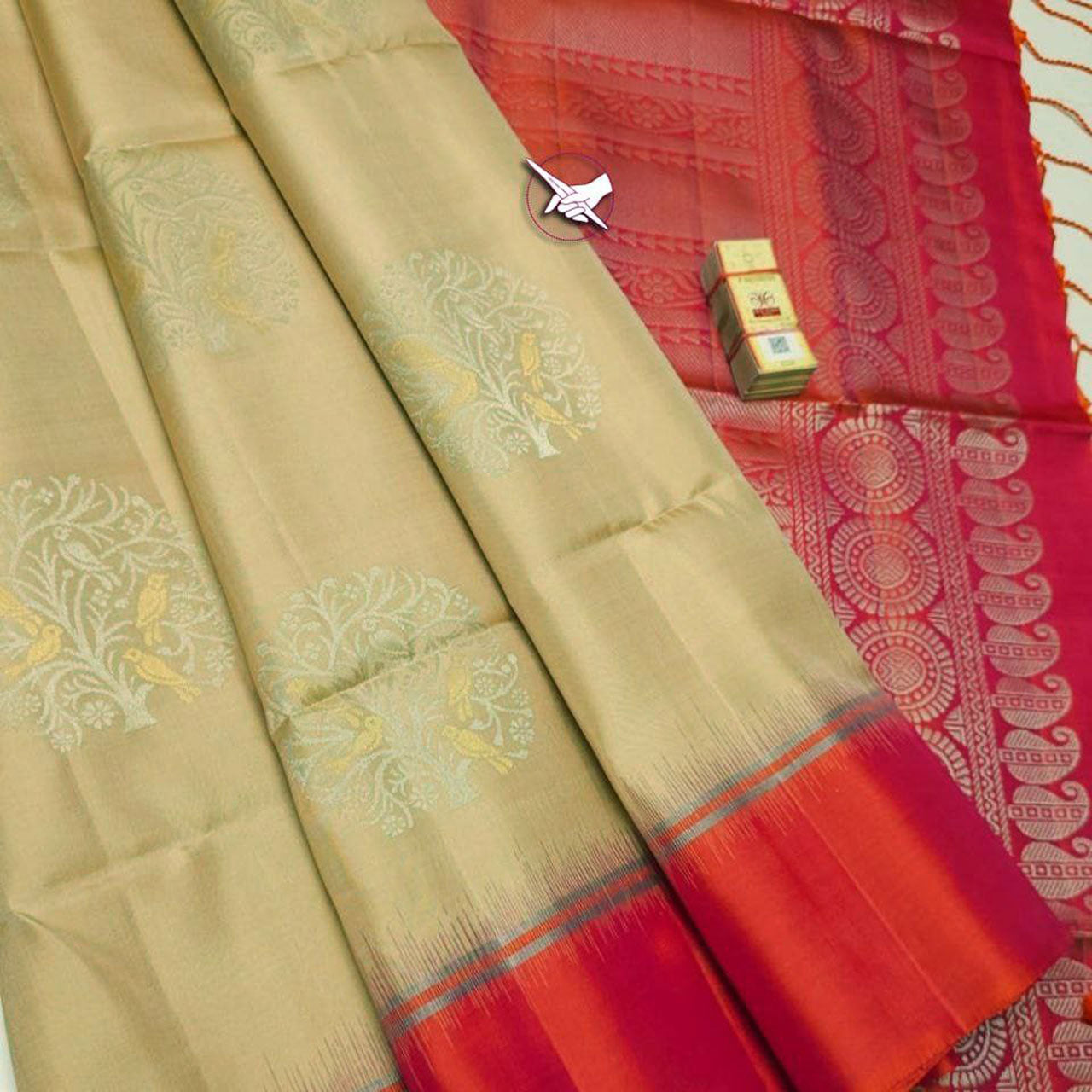
Kanjivaram sarees come from Kanchipuram in Tamil Nadu and are known as the "Queen of Silk Sarees."
Key Features
- Heavy silk fabric
- Contrasting borders
- Temple-inspired motifs
- Rich gold zari work
- Exceptional durability
These sarees are highly preferred for South Indian weddings and grand celebrations.
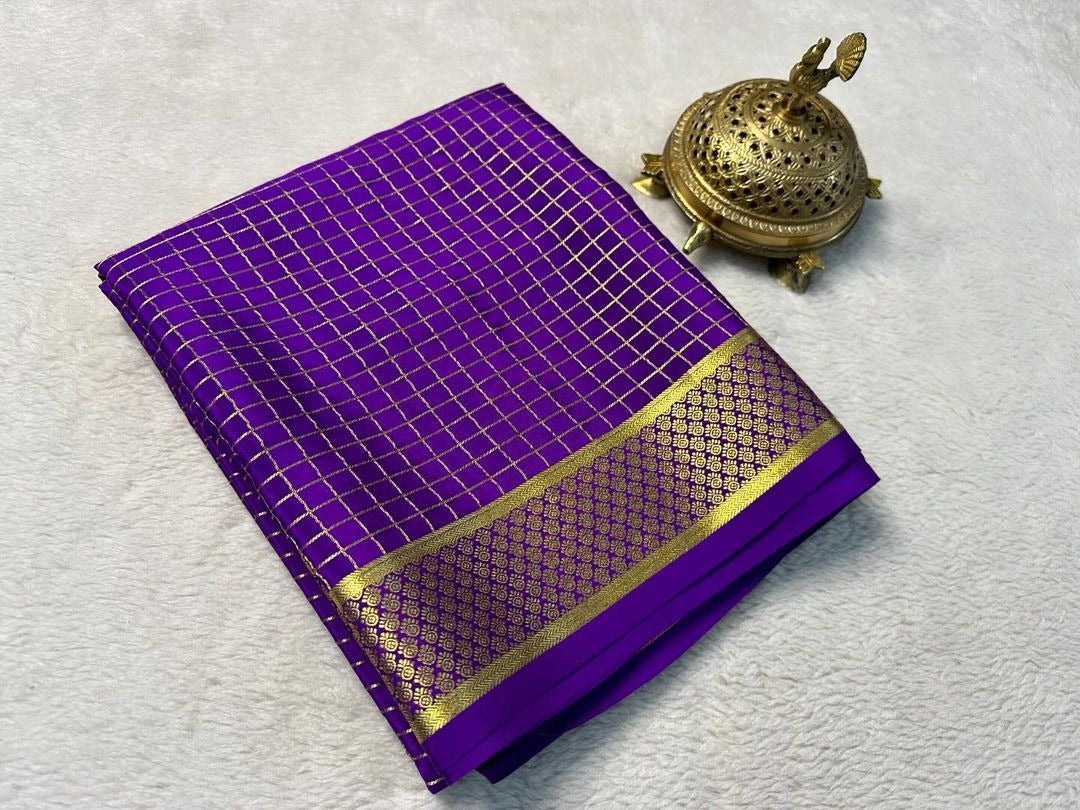
3. Mysore Silk Sarees
Produced in Karnataka, Mysore silk sarees are known for their simplicity and sophistication.
Key Features
- Lightweight feel
- Minimalistic elegance
- Smooth texture
- Pure silk quality
- Attractive gold borders
Mysore silk sarees are perfect for women who appreciate understated luxury.
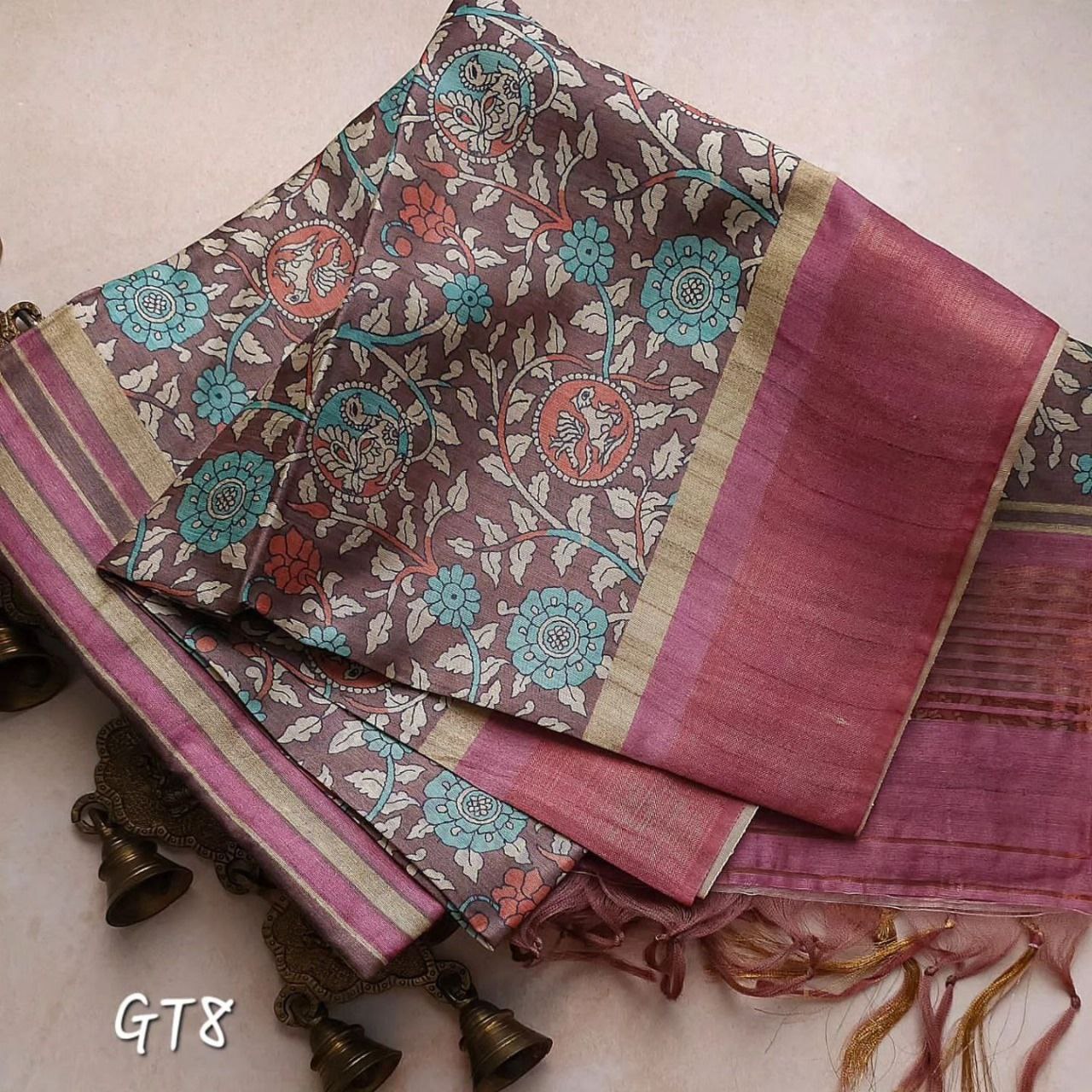
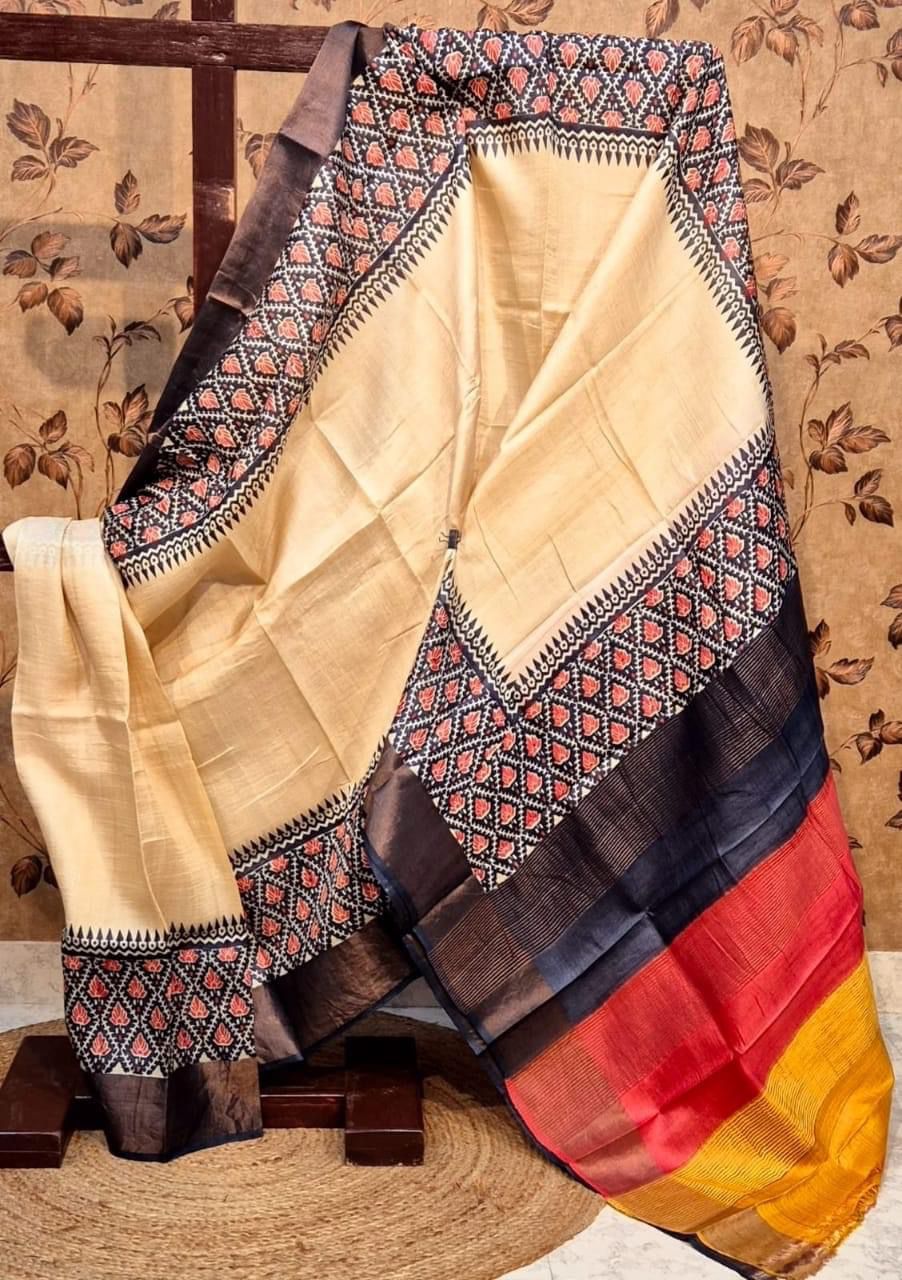
4. Tussar Silk Sarees
Tussar silk is one of India's most distinctive silk varieties. It is produced mainly in Jharkhand, Bihar, West Bengal, and Odisha.
Key Features
- Natural golden sheen
- Rich texture
- Breathable fabric
- Eco-friendly appeal
- Excellent for both casual and festive wear
Tussar silk sarees have gained immense popularity among women seeking a blend of tradition and contemporary style.
5. Paithani Silk Sarees
Paithani sarees originate from Maharashtra and are considered treasures of Indian weaving.
Key Features
- Handwoven craftsmanship
- Peacock motifs
- Lotus designs
- Vibrant color combinations
- Pure zari borders
Paithani sarees are often worn during weddings and religious ceremonies.
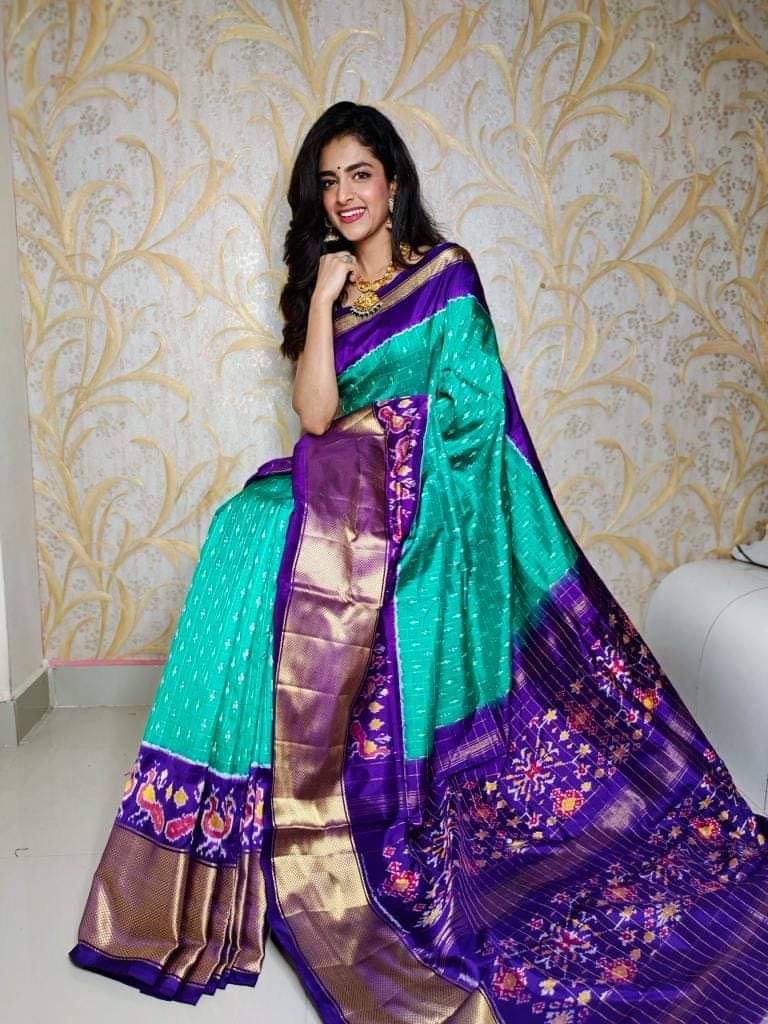
6. Patola Silk Sarees
Patola sarees are one of Gujarat's most prized textiles.
Key Features
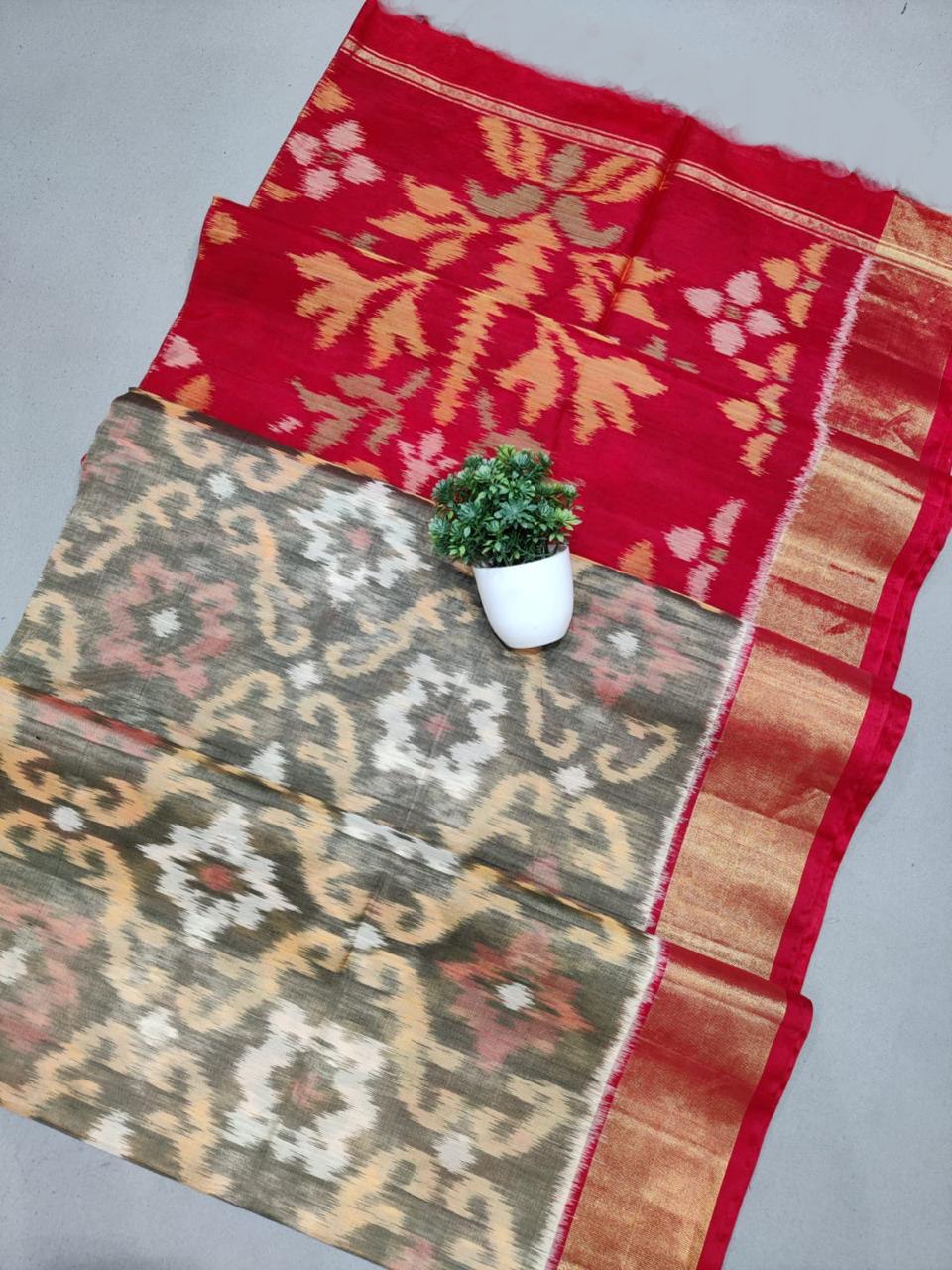
- Double ikat weaving technique
- Geometric patterns
- Bright colors
- Labor-intensive production
- High artistic value
Authentic Patola sarees can take months to create due to their intricate weaving process.
7. Chanderi Silk Sarees
Originating from Madhya Pradesh, Chanderi sarees are known for their lightweight elegance.
Key Features
- Sheer texture
- Lightweight fabric
- Delicate motifs
- Comfortable drape
- Suitable for all seasons
These sarees offer a perfect balance between luxury and comfort.
8. Baluchari Silk Sarees
Baluchari sarees come from West Bengal and are famous for storytelling through weaving.
Key Features
- Mythological motifs
- Artistic pallu designs
- Rich silk fabric
- Traditional craftsmanship
These sarees are highly appreciated by saree collectors and art enthusiasts.
9. Muga Silk Sarees
Produced exclusively in Assam, Muga silk is one of the rarest silks in the world.
Key Features
- Natural golden color
- Exceptional durability
- Luxurious appearance
- Unique regional identity
Muga silk becomes more beautiful with age and proper care.
10. Sambalpuri Silk Sarees
Sambalpuri silk sarees originate from Odisha and feature intricate ikat designs.
Key Features
- Traditional motifs
- Handwoven artistry
- Distinctive patterns
- Vibrant colors
These sarees beautifully showcase Odisha's textile heritage.
Other Popular Silk Sarees in India
Apart from the major categories, India also offers:
Dharmavaram Silk Sarees
Known for broad borders and rich pallu designs.
Uppada Silk Sarees
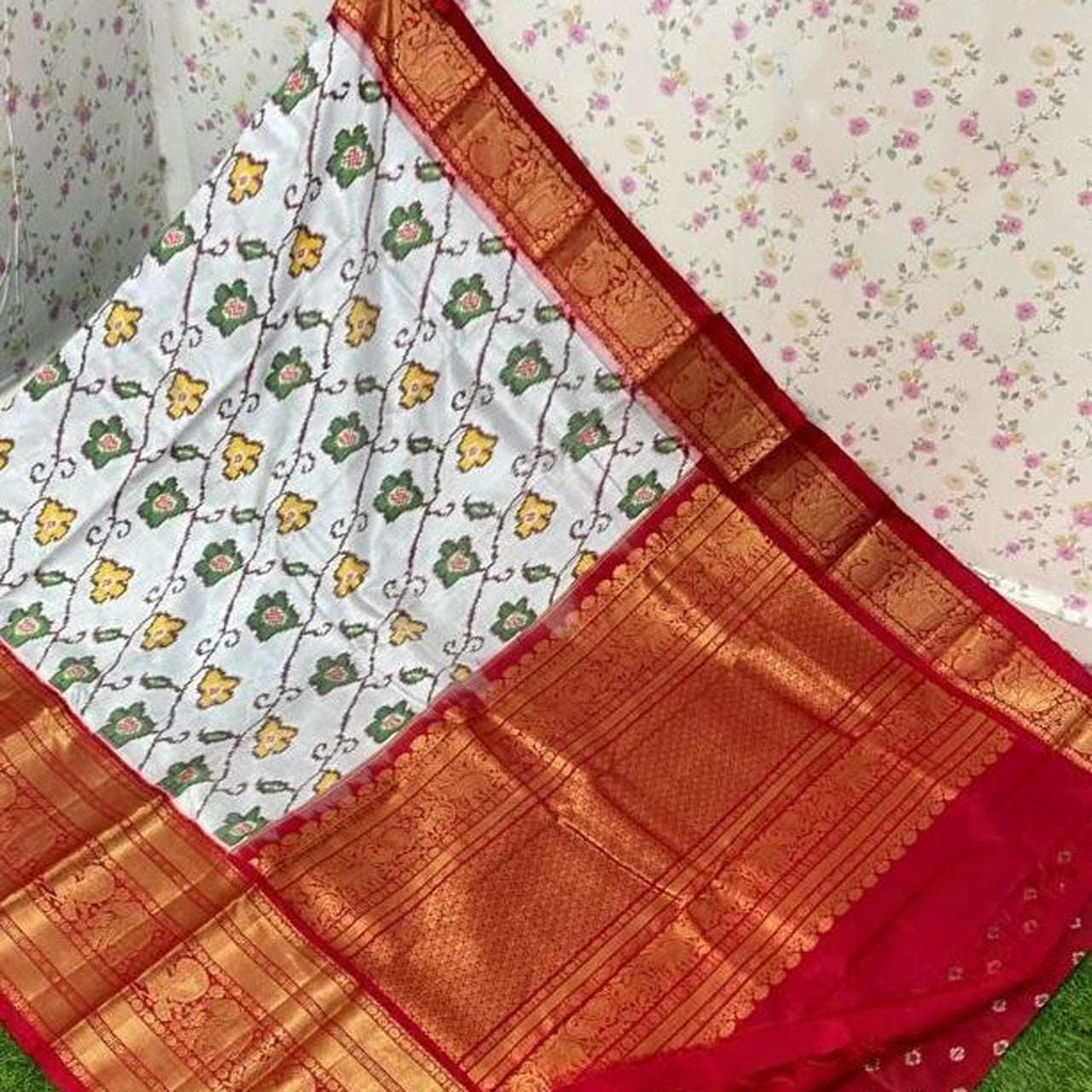
Lightweight silk sarees from Andhra Pradesh with intricate weaving.
Kota Silk Sarees
Famous for their airy and comfortable texture.
Gadwal Silk Sarees
Recognized for their contrasting borders and lightweight body.
Bomkai Silk Sarees
Traditional Odisha sarees featuring tribal-inspired motifs.
How to Choose the Right Silk Saree
Choosing the perfect silk saree depends on the occasion, budget, and personal style.
For Weddings
- Banarasi Silk
- Kanjivaram Silk
- Paithani Silk
For Festivals
- Tussar Silk
- Mysore Silk
- Chanderi Silk
For Office and Formal Events
- Mysore Silk
- Chanderi Silk
- Lightweight Tussar Silk
For Collectors
- Patola Silk
- Muga Silk
- Baluchari Silk
How to Identify Pure Silk Sarees
When buying silk sarees, authenticity matters.
Check for Silk Mark Certification
The Silk Mark label is one of the most reliable indicators of genuine silk.
Examine the Texture
Pure silk feels smooth and luxurious with a natural sheen.
Burn Test (Only If Necessary)
Pure silk smells like burnt hair when burned, while synthetic fibers smell like plastic.
Observe Weaving Quality
Handwoven silk sarees typically feature slight irregularities that indicate craftsmanship.
Caring for Silk Sarees
Proper care can help silk sarees last for decades.
- Dry clean whenever possible.
- Store in a cotton cloth bag.
- Avoid direct sunlight.
- Refold periodically.
- Keep away from moisture.
Following these steps preserves the beauty and longevity of your silk sarees.
Frequently Asked Questions
Which silk saree is best for weddings?
Banarasi, Kanjivaram, and Paithani silk sarees are among the most preferred choices for weddings.
Which silk saree is lightweight?
Mysore Silk, Chanderi Silk, and Uppada Silk sarees are known for their lightweight feel.
Which silk saree is most expensive?
Authentic Patola, Muga, and premium Kanjivaram silk sarees are often among the most expensive silk sarees in India.
Is Tussar silk suitable for daily wear?
Yes. Tussar silk is breathable, comfortable, and suitable for both casual and festive occasions.
How many types of silk sarees are there in India?
There are dozens of regional silk saree varieties across India, with more than 20 major categories recognized for their unique weaving traditions and cultural heritage.
Conclusion
India's silk saree heritage is incredibly diverse, reflecting centuries of craftsmanship, culture, and artistry. From the regal Banarasi and majestic Kanjivaram to the earthy charm of Tussar and the artistic beauty of Patola, every silk saree tells a unique story.
Whether you are shopping for a wedding, festival, special occasion, or simply building a timeless wardrobe, understanding the different types of silk sarees in India can help you make a more informed choice. Investing in a genuine silk saree is not just a fashion decision—it is a celebration of India's rich textile legacy.