








How Indian Weavers Create Intricate Saree Designs Without Modern Technology
In an era dominated by automated machines and digital printing, it's hard to imagine that some of India's most breathtaking sarees are still created almost entirely by hand. Yet across the country, thousands of skilled artisans continue to weave masterpieces using traditional methods that have remained largely unchanged for centuries.
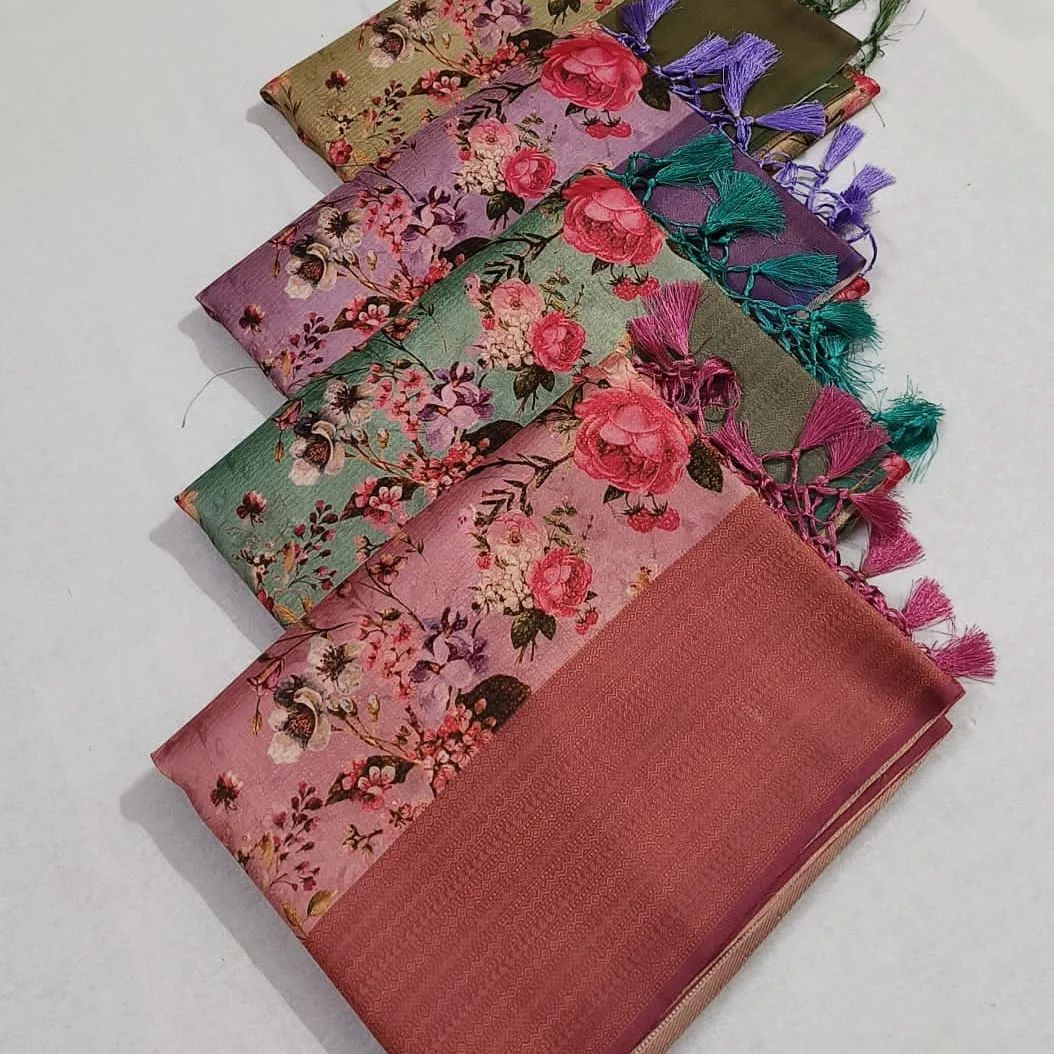
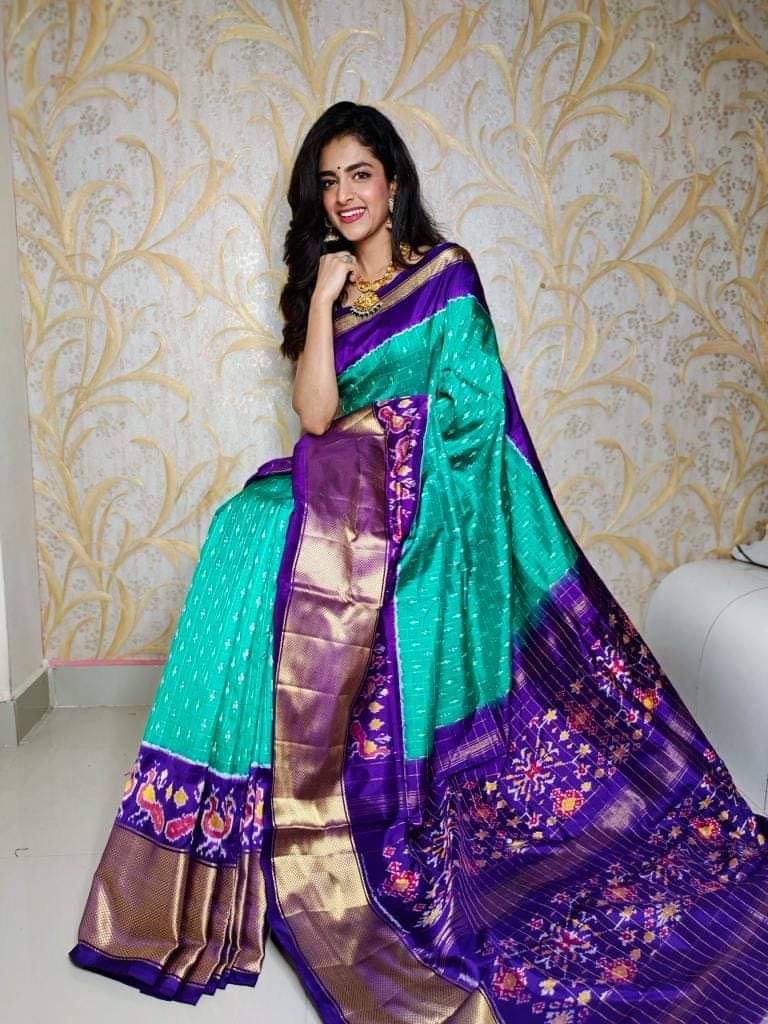
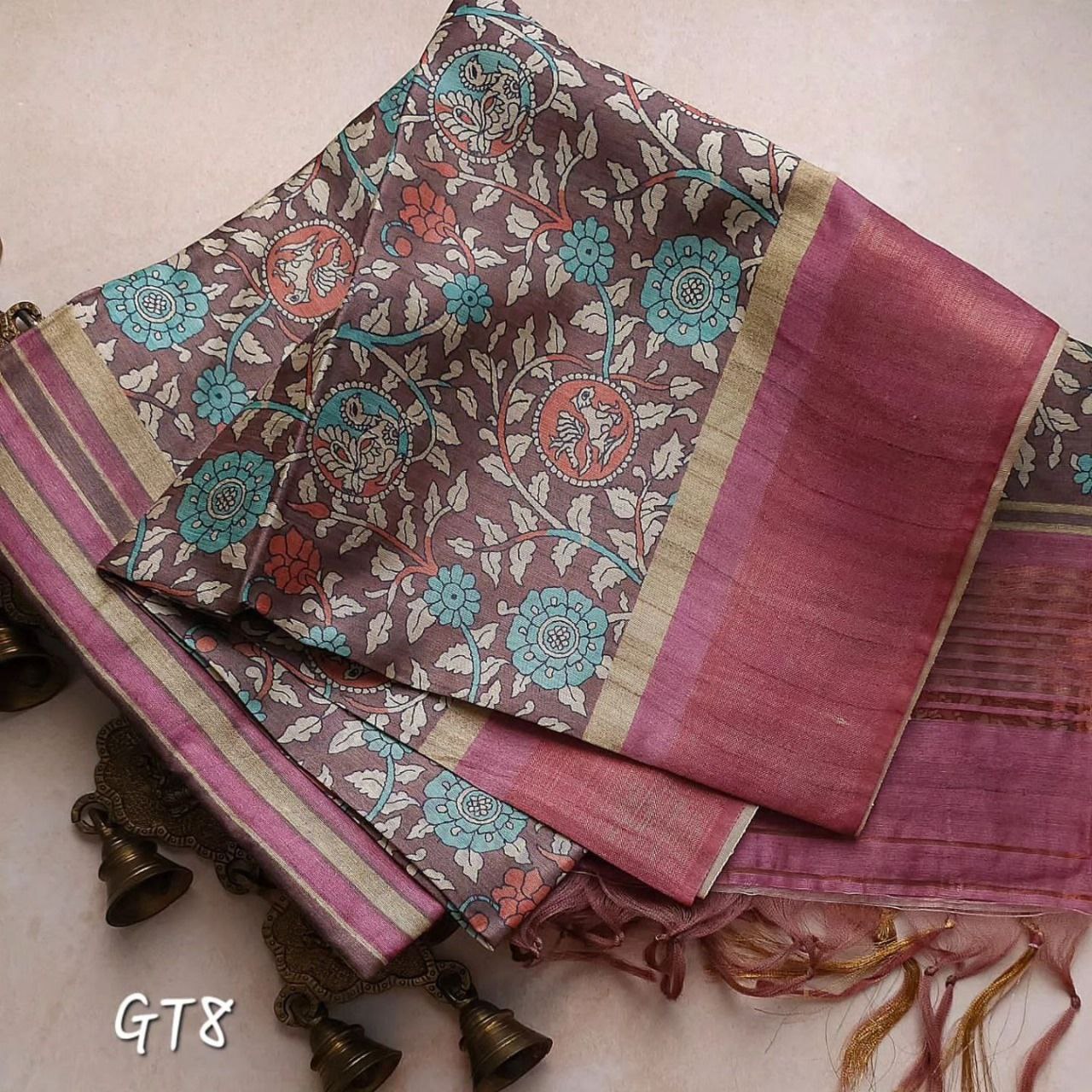
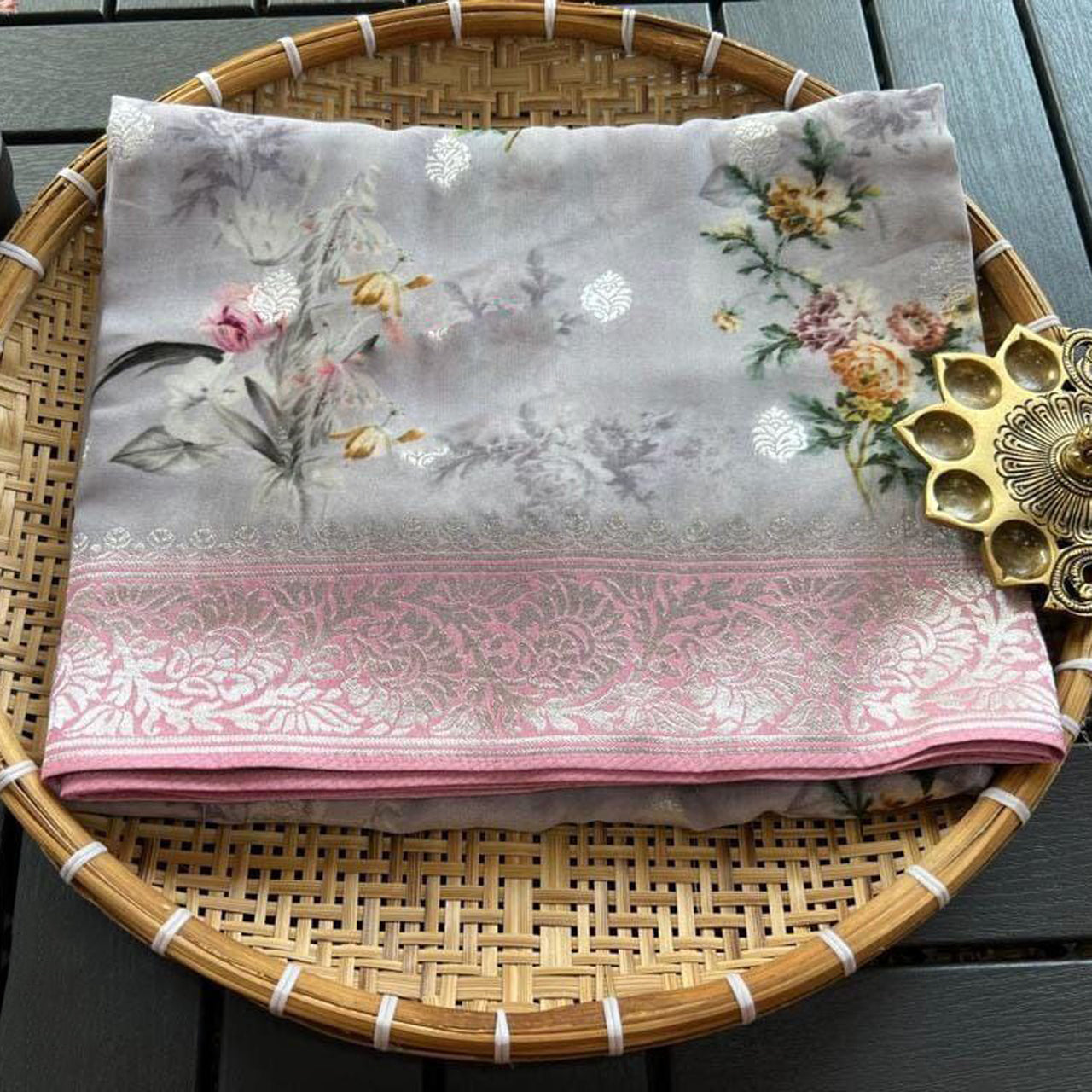
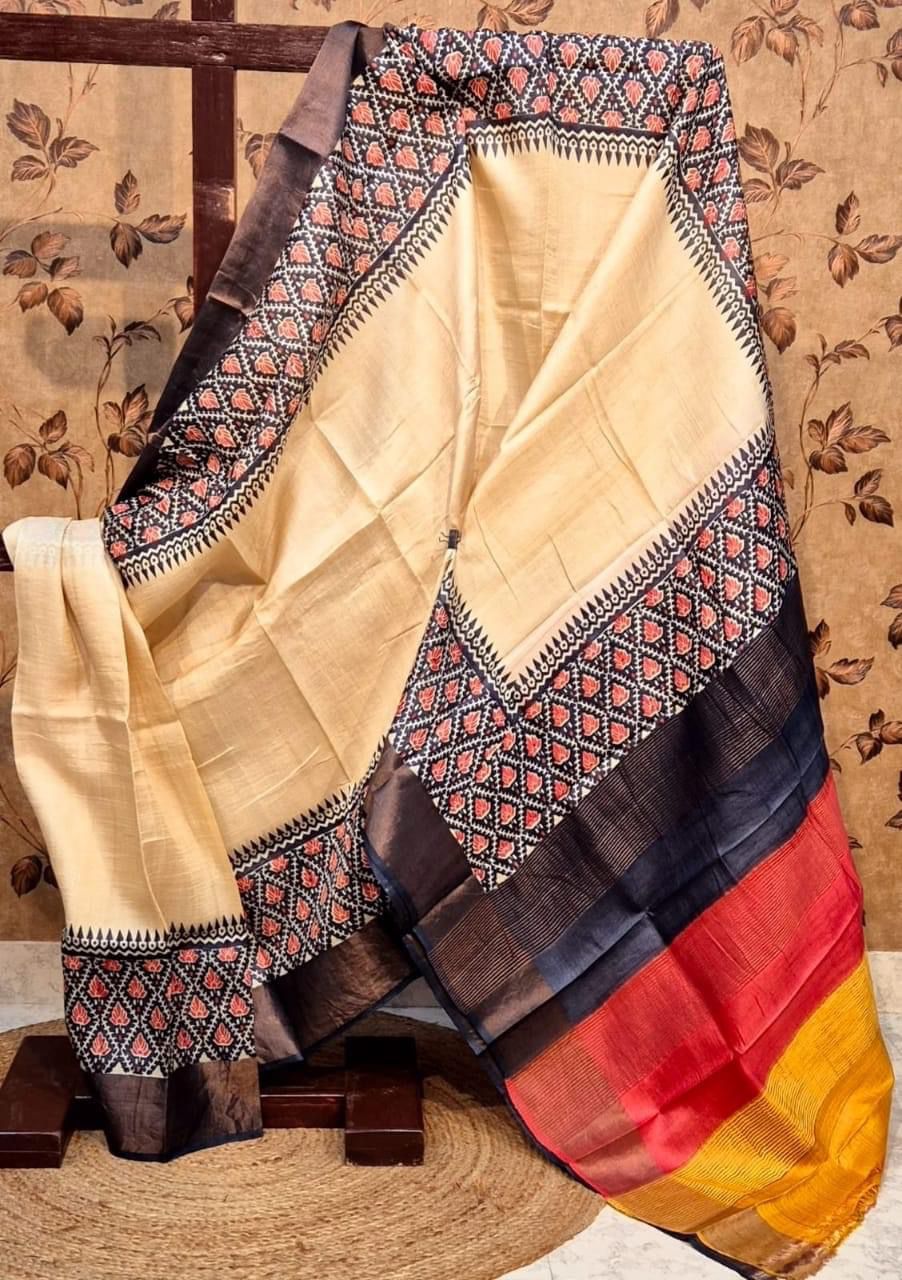
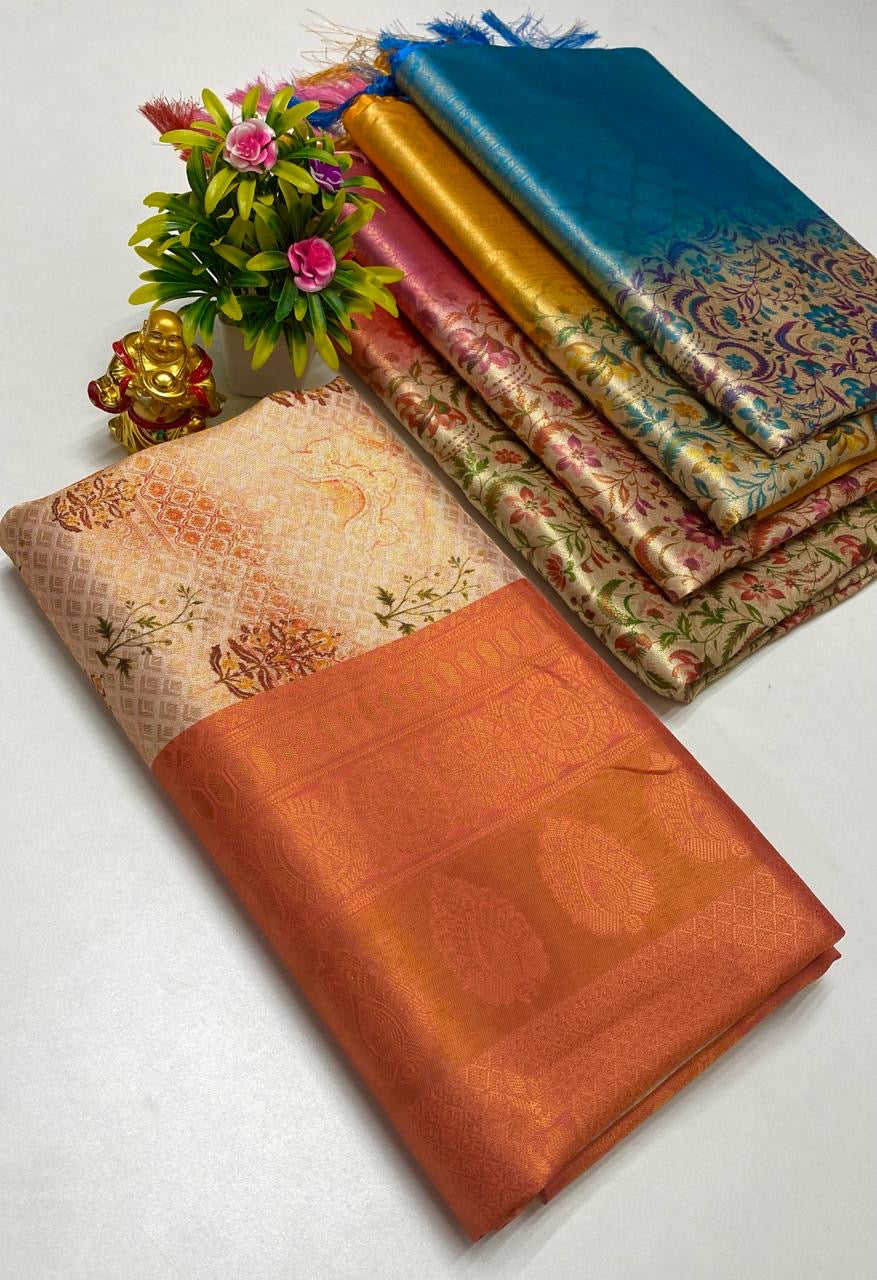
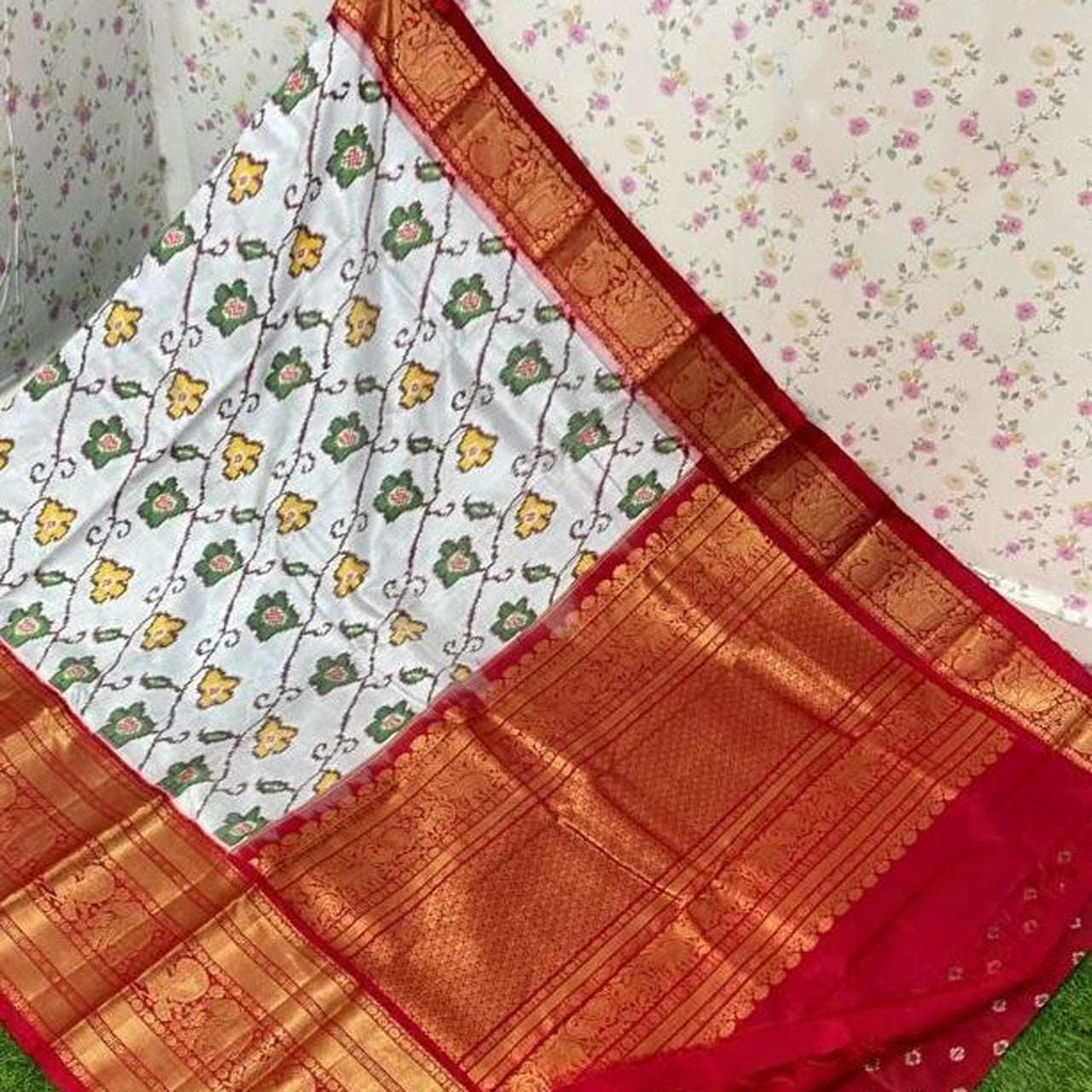
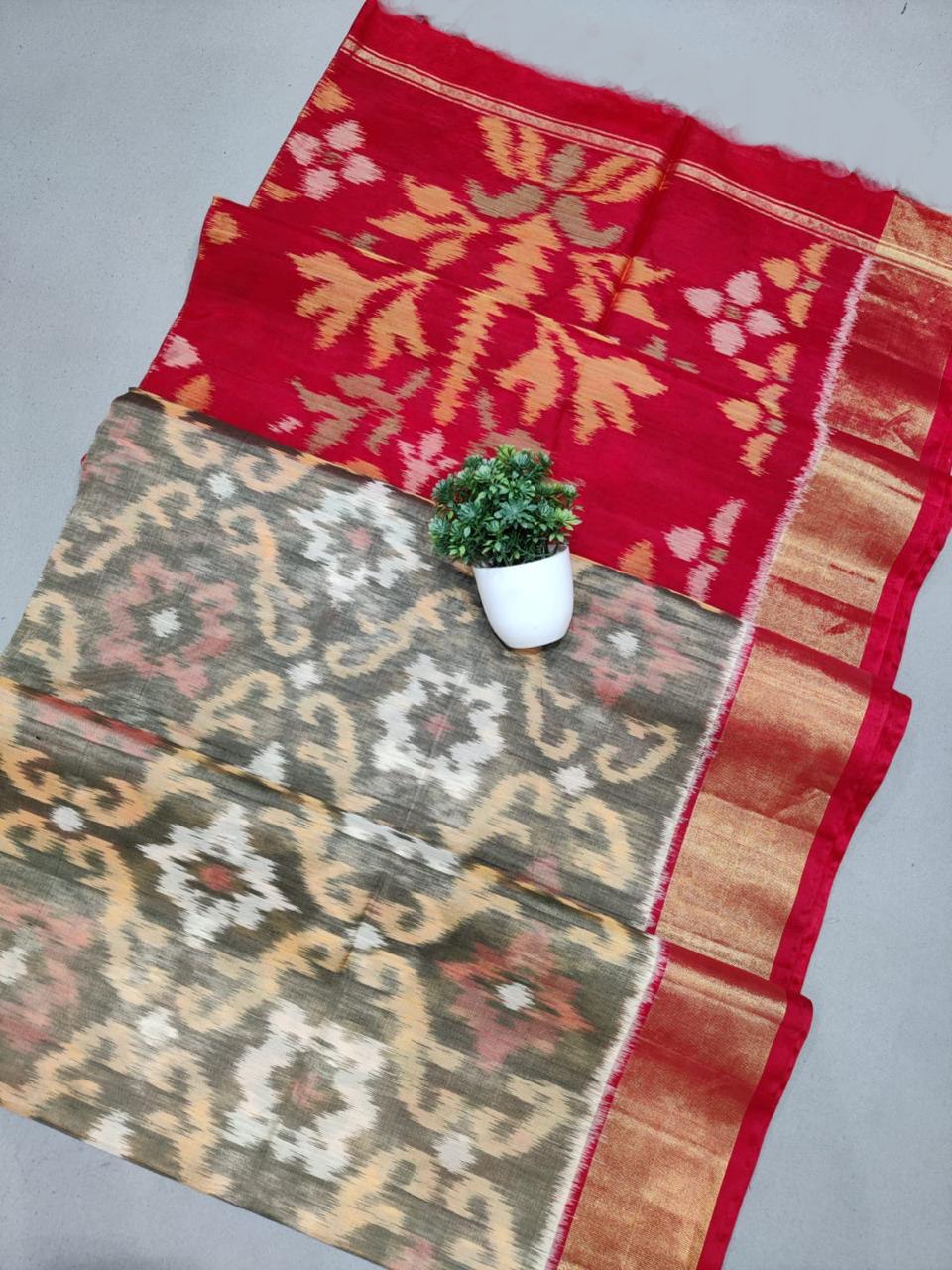
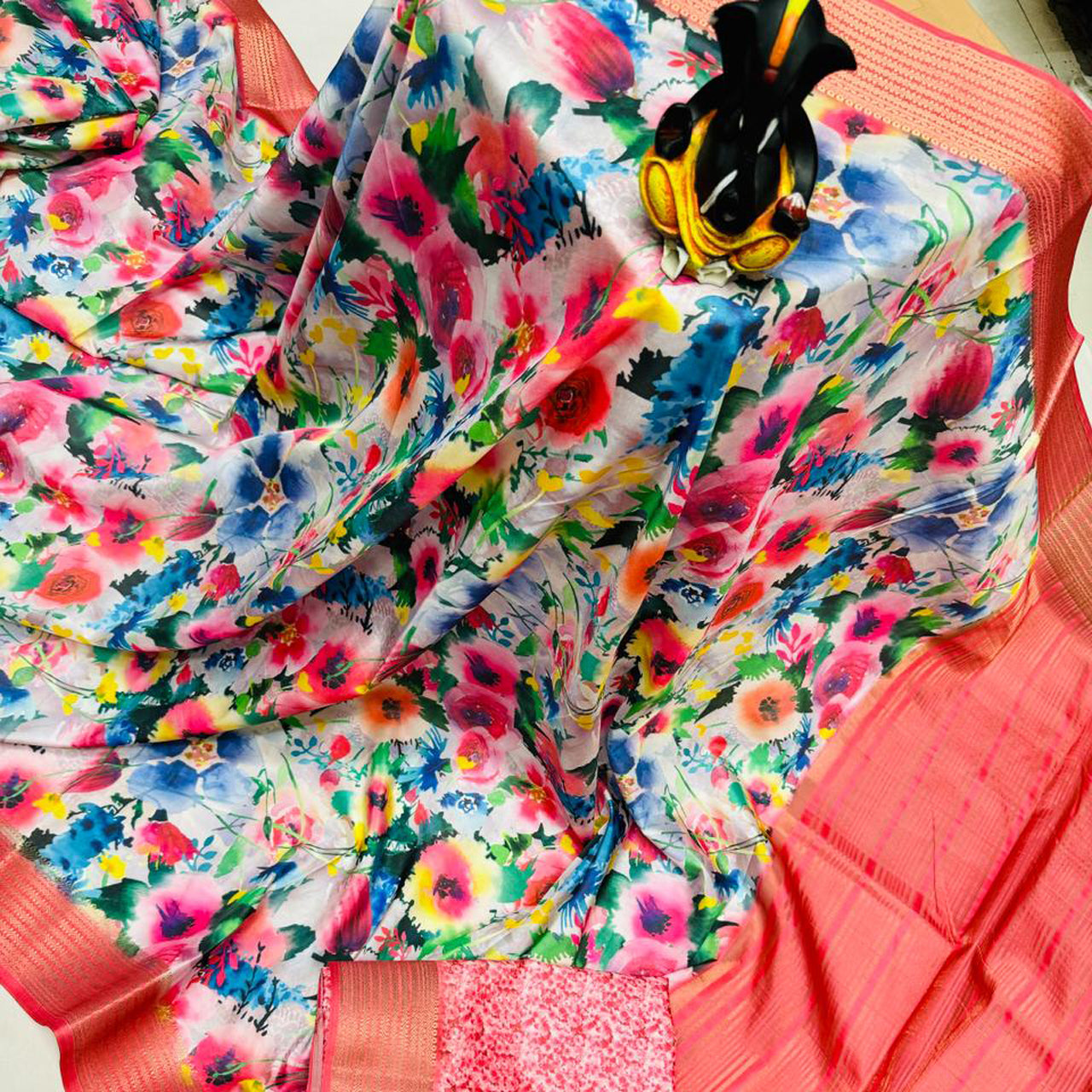
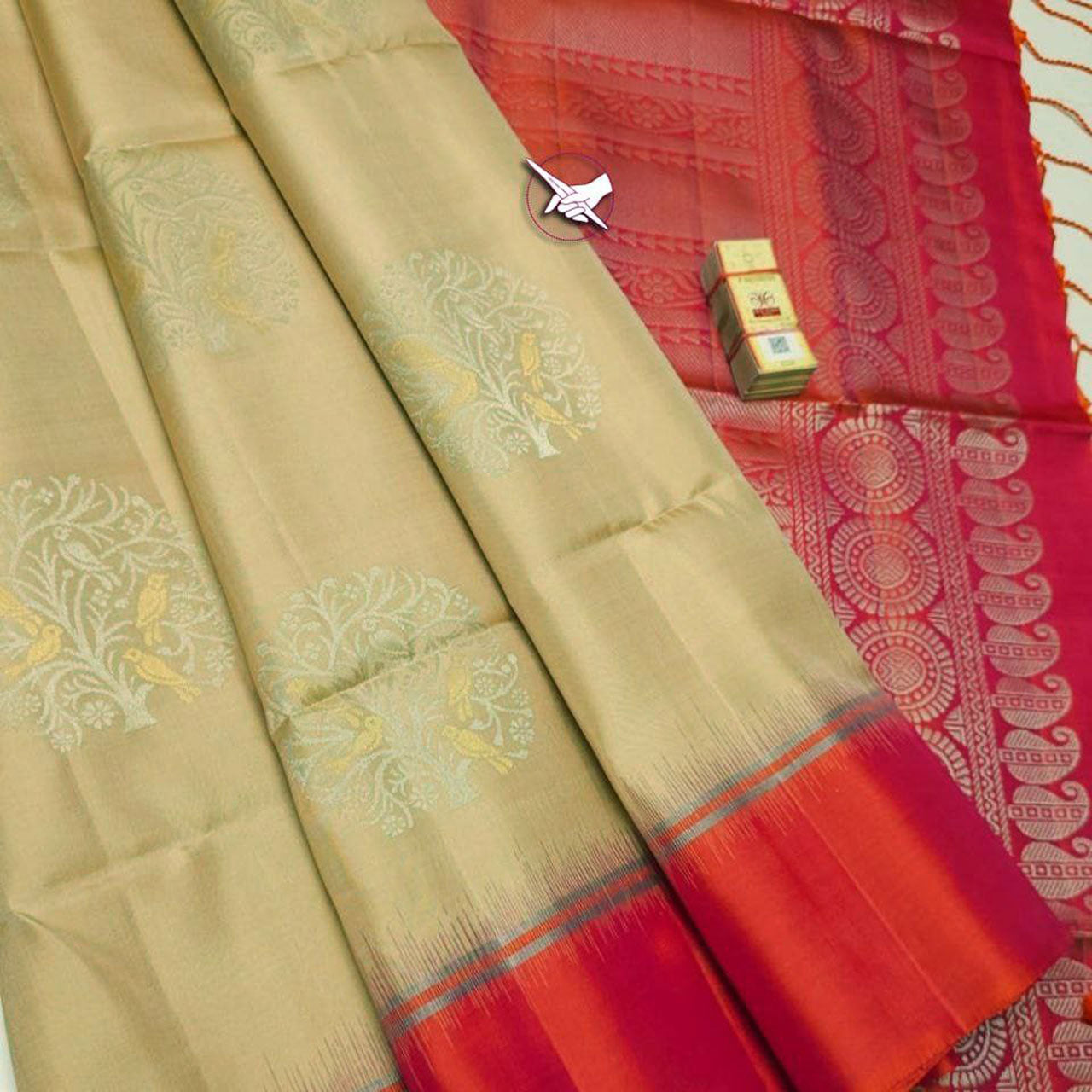
From the luxurious Banarasi Silk Saree to the regal Kanjivaram, the vibrant Patola, the elegant Chanderi, and the textured Tussar Silk Saree, these creations showcase extraordinary craftsmanship achieved without computerized machines or modern manufacturing technology.
Every intricate motif, shimmering zari border, and elaborate pallu is the result of patience, precision, and years of practice. The remarkable skill of Indian weavers transforms simple threads into timeless works of art.
Let's explore how these artisans create intricate saree designs using traditional techniques that continue to amaze the world.
A Heritage Passed Down Through Generations
India's handloom tradition dates back thousands of years.
In many weaving communities, the craft is not learned in classrooms but passed from parents to children through daily practice.
Young artisans gradually master:
- Thread preparation
- Loom setup
- Pattern reading
- Color coordination
- Weaving techniques
- Finishing methods
Years of observation and experience develop the remarkable precision required to produce handwoven sarees.
The Handloom: A Simple Machine with Extraordinary Potential
Unlike automated textile machinery, a traditional handloom operates entirely through human effort.
The weaver controls every movement by coordinating:
- Hands
- Feet
- Eyes
- Rhythm
- Timing
Each thread is carefully positioned to create the desired design.
This direct involvement allows artisans to achieve remarkable artistic control.
It All Begins with Preparing the Yarn
Before weaving starts, considerable preparation is required.
The process typically includes:
- Selecting the appropriate silk or cotton yarn
- Cleaning and winding the threads
- Dyeing the yarn
- Drying naturally
- Organizing colors according to the design
Even minor inconsistencies during preparation can affect the final appearance of the saree.
Creating the Design Before Weaving
Contrary to popular belief, intricate motifs are not created spontaneously on the loom.
Every design is carefully planned beforehand.
Traditional methods include:
- Hand-drawn pattern sketches
- Graph paper layouts
- Punch card preparation (for Jacquard looms)
- Design calculations
Complex motifs require careful planning before the first thread is woven.
The Role of Jacquard Looms
Many famous handwoven sarees use Jacquard attachments, a centuries-old mechanical innovation—not a digital technology.
Jacquard looms use punched cards that determine which threads are lifted during weaving.
This enables artisans to create:
- Floral motifs
- Paisleys
- Geometric borders
- Intricate pallus
- Repeating patterns
Although the loom assists the process, the weaver remains responsible for operating it with precision.
Every Thread Matters
A handwoven saree may contain thousands of individual threads.
The weaver must constantly monitor:
- Thread tension
- Alignment
- Color sequence
- Motif accuracy
- Border consistency
One small mistake can affect the entire design.
This level of concentration explains why handwoven sarees require considerable time to complete.
Weaving Intricate Motifs by Hand
The most admired sarees feature elaborate motifs such as:
- Flowers
- Peacocks
- Lotus
- Mango paisleys
- Temple borders
- Vines
- Geometric designs
Each motif is gradually formed as the weaver interlaces warp and weft threads with exceptional precision.
No computer generates these designs—the artisan's skill does.
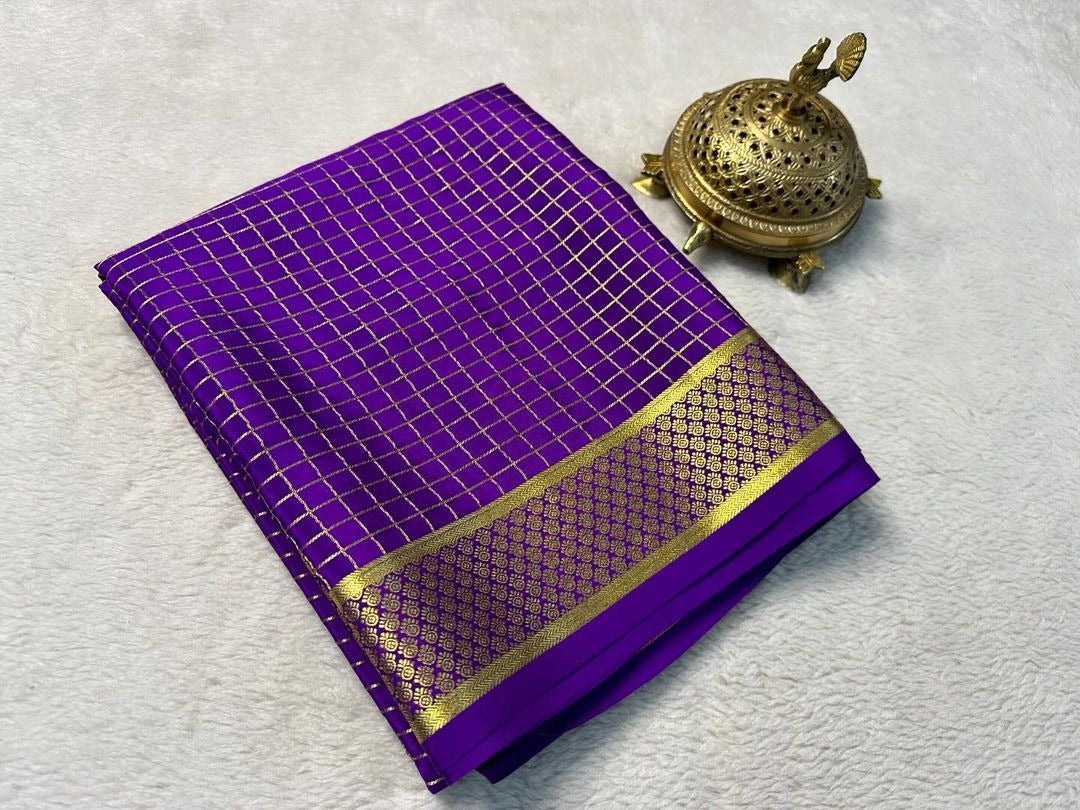
The Magic of Zari Weaving
Many luxury silk sarees include rich zari work.
Adding metallic threads is one of the most challenging stages of weaving.
The artisan carefully inserts zari into selected sections while maintaining:
- Pattern accuracy
- Thread tension
- Uniform shine
- Border symmetry
This intricate process requires years of experience.
Why Handwoven Sarees Take So Long
Machine-made sarees can often be produced within hours.
Handwoven sarees require much more time because every detail is created manually.
Approximate weaving times vary depending on complexity:
Simple Handloom Saree
Several days.
Banarasi Silk Saree
Several weeks.
Kanjivaram Saree
Weeks to months.
Double Ikat Patola
Several months, and in some cases even longer.
The time invested directly reflects the craftsmanship involved.
No Two Handwoven Sarees Are Exactly the Same
One of the defining characteristics of authentic handloom sarees is individuality.
Minor variations may appear in:
- Motif placement
- Thread texture
- Weaving tension
- Color transitions
These subtle differences are not defects—they are evidence of genuine handmade craftsmanship.
Every saree becomes a unique creation.
The Importance of Natural Skill
Creating intricate saree designs demands far more than technical ability.
Master weavers develop:
- Exceptional patience
- Sharp visual memory
- Color intuition
- Hand-eye coordination
- Artistic judgment
Many artisans spend decades refining these abilities.
Their expertise cannot simply be replicated by machines.
Challenges Faced by Traditional Weavers
Despite global appreciation for handloom textiles, many artisan communities face significant challenges.
These include:
- Competition from machine-made fabrics
- Lower profit margins
- Rising raw material costs
- Declining interest among younger generations
- Time-intensive production
Supporting authentic handloom products helps sustain these invaluable traditions.
Why Handloom Sarees Are Worth the Investment
A genuine handwoven saree offers benefits beyond appearance.
It represents:
- Skilled craftsmanship
- Cultural heritage
- Artisan livelihoods
- Sustainable production
- Exceptional durability
With proper care, many handloom sarees remain beautiful for generations and often become cherished family heirlooms.
How to Identify a Handwoven Saree
When shopping, look for these signs:
Slight Natural Variations
Tiny irregularities indicate hand craftsmanship.
Detailed Weaving
Motifs should appear woven into the fabric rather than printed.
Rich Texture
Handloom fabrics often possess a distinctive feel and natural drape.
Fine Finishing
Borders and pallus should display careful workmanship.
Trusted Sellers
Purchase from reputable brands or artisan-focused retailers that provide transparent information about the weaving process.
Frequently Asked Questions
Do Indian weavers still use traditional handlooms?
Yes. Thousands of artisans across India continue to weave sarees using traditional handloom techniques.
How are intricate designs created without computers?
Designs are planned manually using sketches, graph layouts, and mechanical Jacquard punch cards, while skilled artisans control the weaving process by hand.
Why do handwoven sarees cost more?
They require extensive manual labor, years of expertise, premium materials, and significantly longer production times than machine-made fabrics.
Can every handwoven saree be identical?
No. Small variations naturally occur during hand weaving, making each saree unique.
Which Indian sarees are famous for handloom weaving?
Banarasi, Kanjivaram, Patola, Chanderi, Maheshwari, Sambalpuri, Paithani, and Tussar silk sarees are among the most celebrated handwoven traditions.
Conclusion
The intricate beauty of India's handwoven sarees is a testament to the extraordinary skill of generations of artisans who continue to create masterpieces without relying on modern technology. Through patience, precision, and an intimate understanding of their craft, Indian weavers transform simple threads into fabrics that tell stories of heritage, culture, and artistry.
Every Banarasi motif, every Kanjivaram border, every Patola pattern, and every Tussar texture reflects countless hours of dedicated craftsmanship. In a world increasingly driven by automation, these handcrafted sarees remind us that true luxury lies in the human touch.
When you choose an authentic handloom saree, you're not only wearing a beautiful garment—you are preserving centuries of tradition, supporting skilled artisans, and celebrating one of India's greatest artistic legacies.