

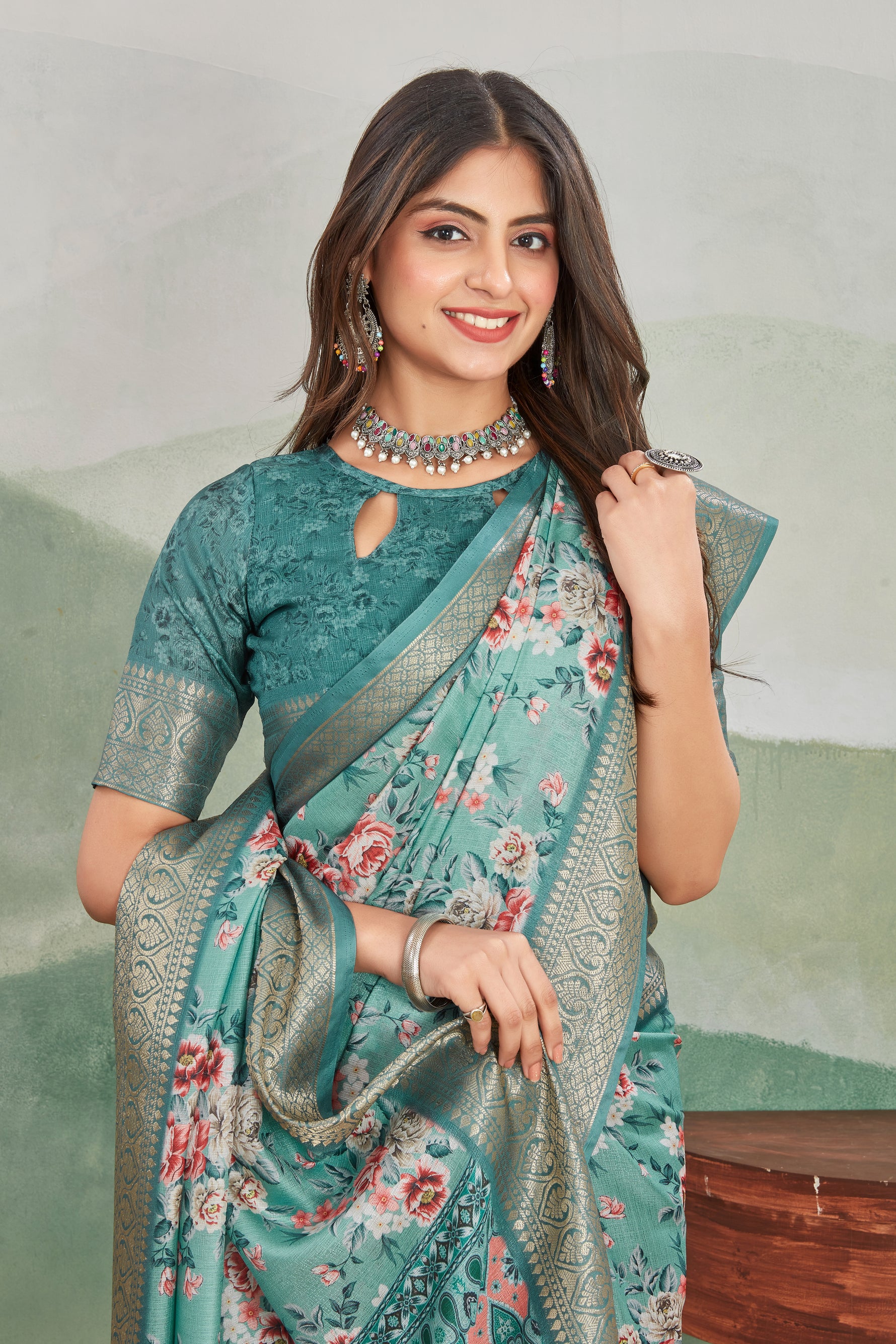

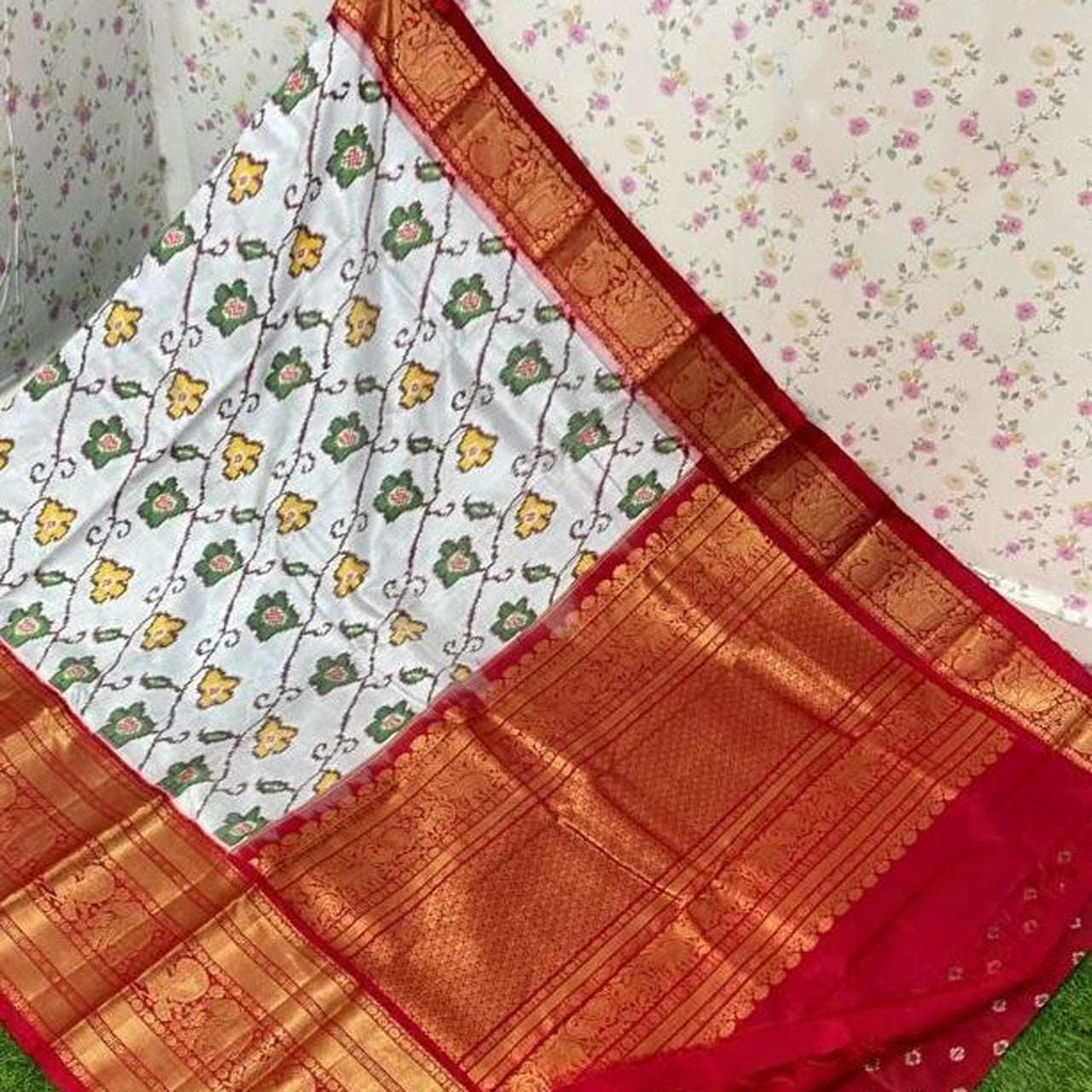
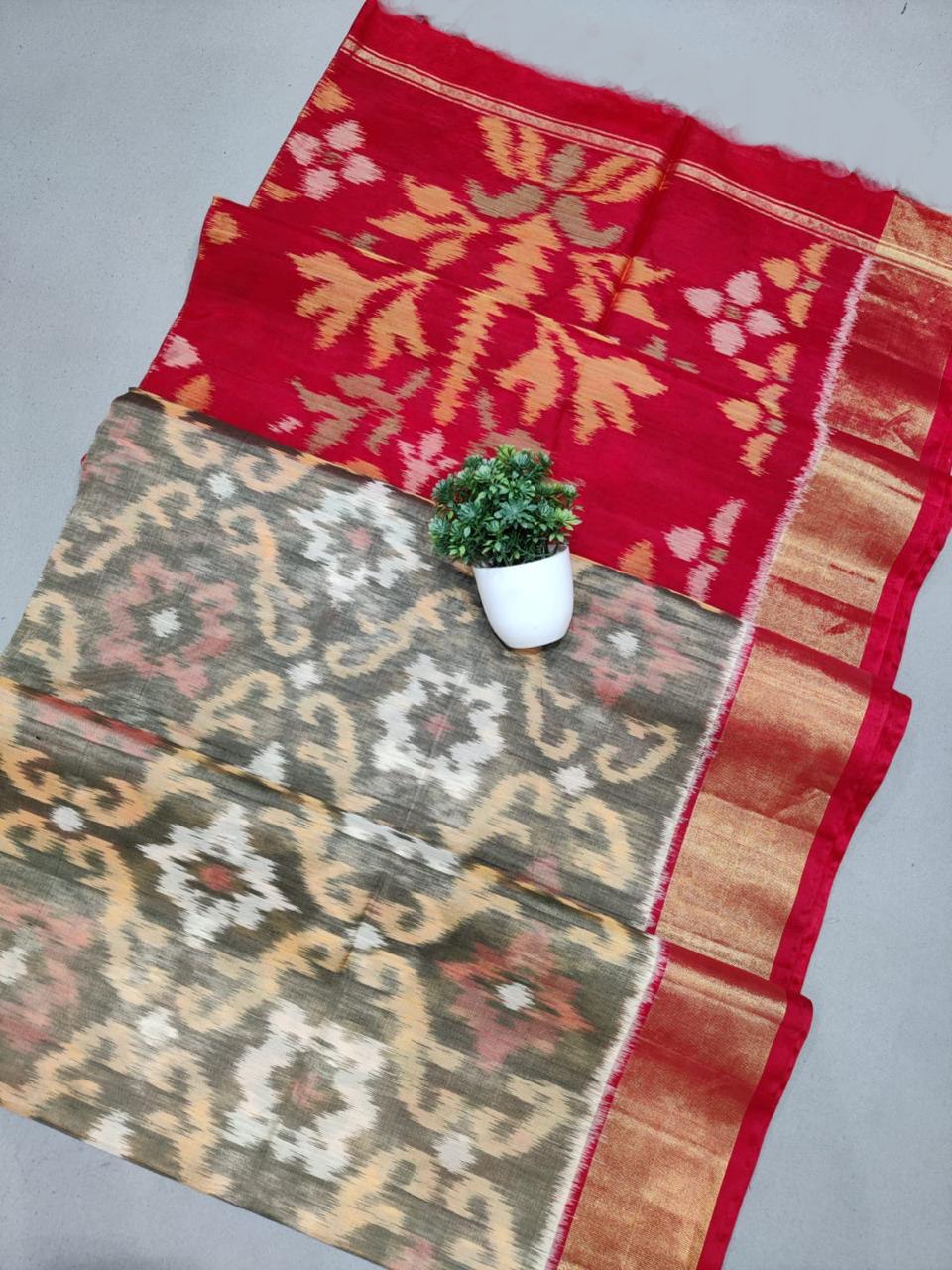

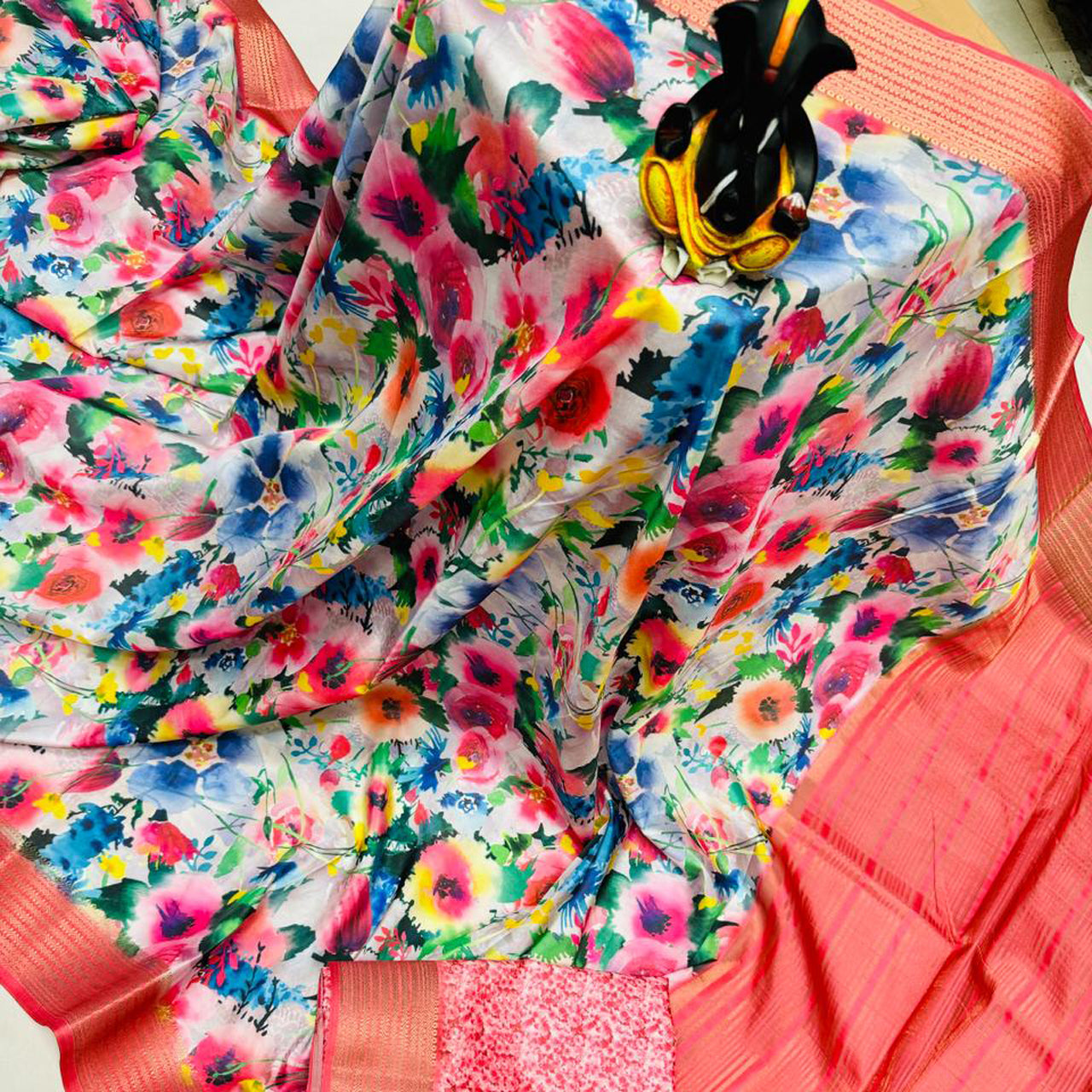


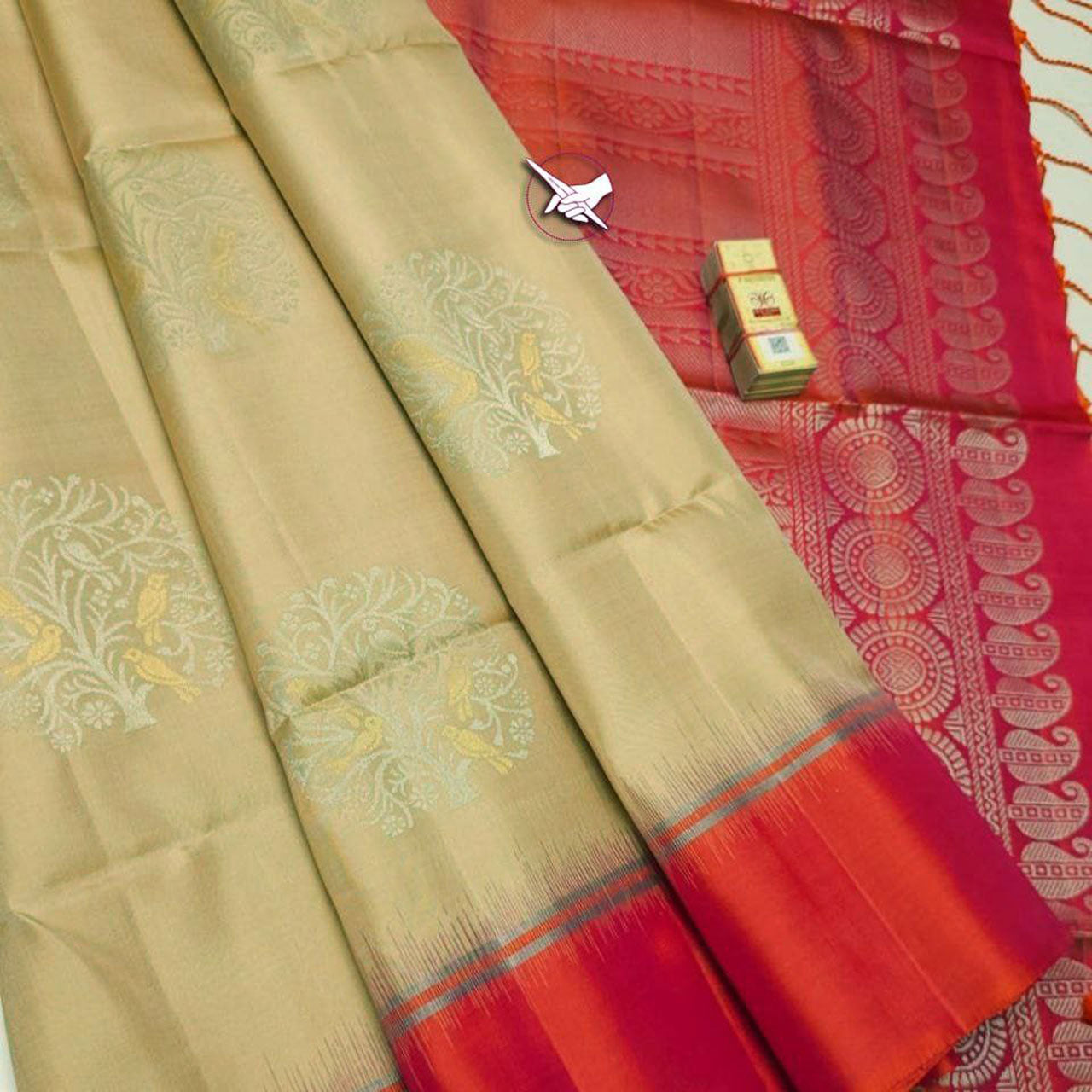


How a Single Handloom Saree Supports an Entire Ecosystem of Artisans
When you purchase a handloom saree, you're buying far more than a beautiful piece of fabric. Behind every carefully woven thread lies the dedication of dozens of skilled hands, each contributing a unique craft that has often been passed down through generations.
From the cultivation of silk and cotton to dyeing, weaving, embroidery, zari work, finishing, and quality inspection, a single handloom saree represents the collective effort of an entire ecosystem of artisans. Every stage requires expertise, patience, and years of experience.
In an age where fast fashion dominates, choosing an authentic handloom saree does more than elevate your wardrobe—it helps preserve traditional craftsmanship, supports rural livelihoods, and keeps India's remarkable textile heritage alive.
Let's take a closer look at the incredible journey behind every handwoven saree.
More Than Just a Saree
A finished handloom saree may appear to be the work of one weaver, but in reality it is the result of collaboration among numerous specialists.
Depending on the weaving tradition, a saree may involve:
- Silk or cotton producers
- Yarn processors
- Dyers
- Designers
- Warp makers
- Loom technicians
- Weavers
- Zari artisans
- Embroidery specialists
- Finishers
- Quality inspectors
- Traders and retailers
Each individual plays an important role in bringing the final masterpiece to life.
It Begins with Natural Fibers
The journey starts long before weaving.
For silk sarees, the process begins with silk farming, where cocoons are carefully cultivated to produce fine silk yarn.
For cotton handloom sarees, farmers grow and harvest high-quality cotton before it is processed into yarn.
These early stages create the foundation for every beautiful saree.
Yarn Preparation Requires Skilled Hands
Once raw fibers are collected, they must be transformed into usable yarn.
This involves:
- Cleaning
- Spinning
- Twisting
- Winding
- Strengthening
Proper yarn preparation ensures consistency, durability, and smooth weaving.
Even small imperfections at this stage can affect the finished fabric.
The Art of Dyeing
Before weaving begins, many sarees undergo an intricate dyeing process.
Experienced dyeing artisans carefully prepare colors that reflect both tradition and modern preferences.
Depending on the textile, the process may involve:
- Natural dyes
- Eco-friendly dyeing methods
- Multiple color baths
- Careful drying
- Color testing
Achieving rich, even shades requires significant expertise.
Designers Bring Patterns to Life
Before a loom is prepared, traditional motifs must be planned.
Designers create layouts inspired by:
- Nature
- Temples
- Historical architecture
- Floral gardens
- Cultural symbols
- Regional traditions
Many motifs have been preserved for centuries while continuing to evolve with contemporary tastes.
Preparing the Loom
Setting up a handloom is itself a specialized skill.
The artisan carefully arranges thousands of threads in precise order.
This includes:
- Warping
- Thread alignment
- Tension adjustment
- Pattern preparation
For complex sarees, loom preparation may take several days before weaving even begins.
The Weaver: The Heart of the Process
At the center of every handloom saree is the weaver.
Using traditional wooden looms, the artisan carefully interlaces warp and weft threads to gradually reveal the final design.
The weaver constantly monitors:
- Thread tension
- Pattern accuracy
- Border alignment
- Color consistency
- Fabric quality
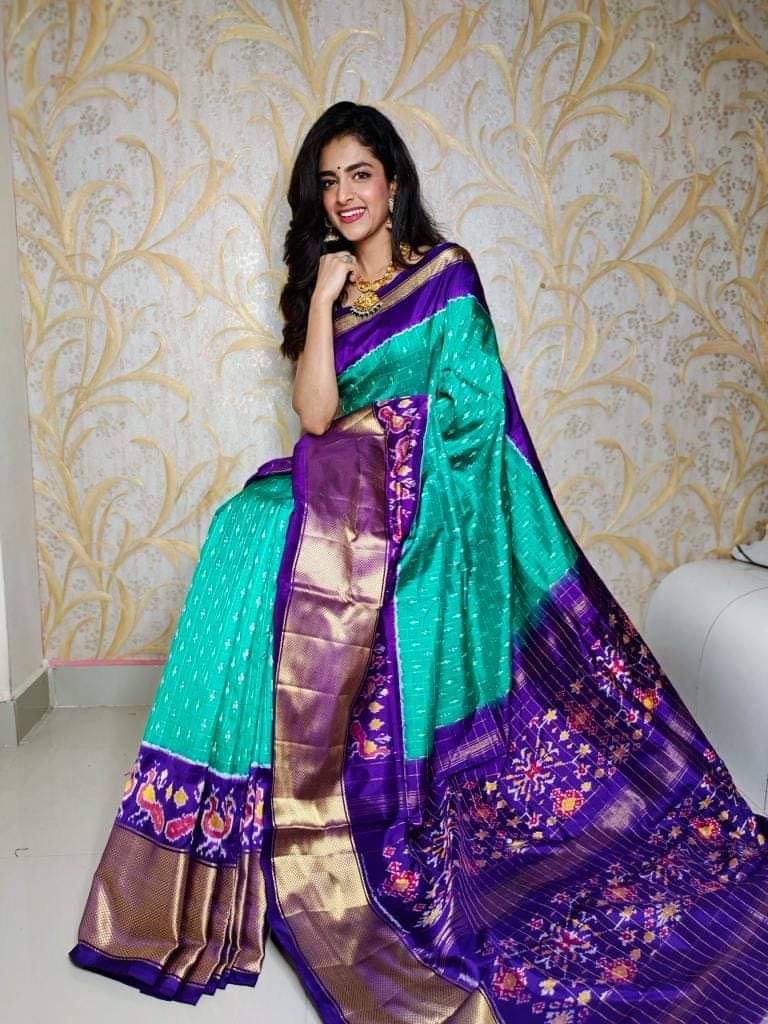
Complex sarees such as Banarasi, Patola, Kanjivaram, and Sambalpuri may require weeks or even months of dedicated weaving.
Zari and Decorative Artisans
Many luxury sarees include intricate zari work or decorative embellishments.
Specialized artisans add:
- Gold or silver-toned zari
- Borders
- Pallus
- Embroidery
- Hand detailing
These finishing touches enhance both the beauty and value of the saree.
Finishing Experts Ensure Perfection
Once weaving is complete, the saree is still not ready for sale.
Finishing specialists carefully:
- Trim loose threads
- Wash the fabric
- Press the saree
- Inspect for imperfections
- Fold and package it
Their attention to detail ensures that every saree reaches customers in excellent condition.
Supporting Entire Families
In many weaving regions, handloom production is a family enterprise.
Different members may contribute to different stages of the process.
For example:
- Elders prepare yarn.
- Experienced artisans weave.
- Younger family members assist with finishing or packaging.
- Women often participate in dyeing, thread preparation, or embellishment.
One saree can therefore help support the livelihoods of multiple households.
Preserving Traditional Knowledge
Many weaving techniques cannot be learned overnight.
Skills such as:
- Banarasi brocade
- Double Ikat Patola
- Kanjivaram weaving
- Jamdani weaving
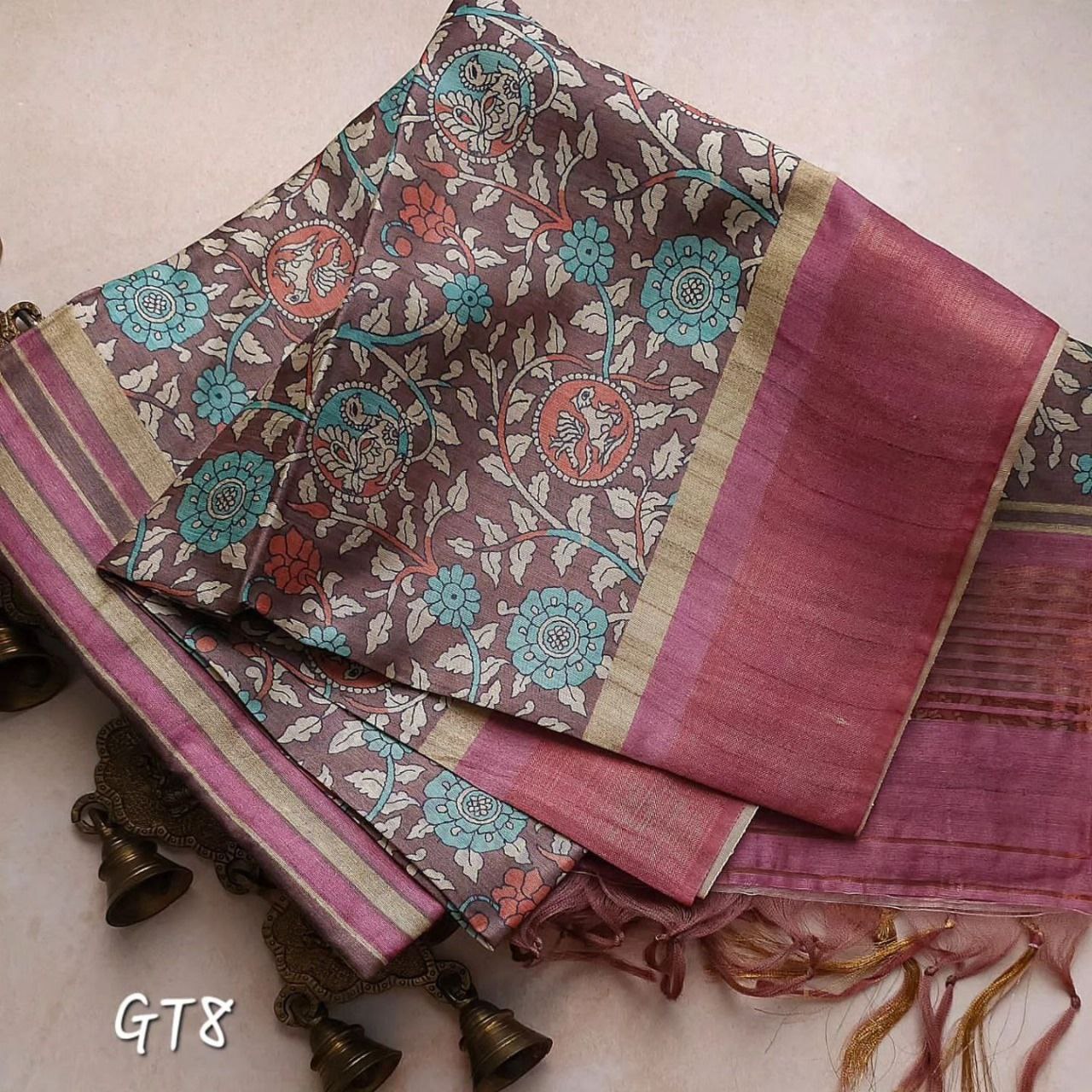
- Kalamkari painting
are passed from one generation to the next through years of practice.
By choosing authentic handloom sarees, consumers help ensure these invaluable traditions continue to thrive.
Handloom Encourages Sustainable Fashion
Handloom weaving often has a lower environmental footprint than large-scale industrial production.
Many traditional workshops rely on:
- Manual looms
- Natural fibers
- Small-batch production
- Reduced energy consumption
Supporting handloom textiles contributes to a more thoughtful and sustainable fashion industry.
The Economic Impact of One Saree
The purchase of a single authentic handloom saree creates a ripple effect.
It helps:
- Generate rural employment
- Encourage traditional craftsmanship
- Strengthen local economies
- Support small businesses
- Preserve India's textile heritage
Instead of benefiting only one manufacturer, the value of a handloom saree is shared across an entire network of skilled professionals.
How Consumers Can Make a Difference
Every buying decision matters.
When shopping for sarees:
Choose Authentic Handloom Products
Support genuine artisan craftsmanship.
Buy from Reputable Brands
Look for transparency about weaving methods and sourcing.
Appreciate Handmade Variations
Minor irregularities are signs of authentic craftsmanship, not defects.
Invest in Quality
A well-made handloom saree lasts for decades, reducing unnecessary consumption.
Share the Story
Understanding the effort behind every saree helps preserve appreciation for traditional textiles.
Frequently Asked Questions
How many people contribute to making a handloom saree?
Depending on the weaving tradition, a single handloom saree may involve the work of numerous skilled individuals, including yarn processors, dyers, designers, weavers, zari artisans, finishers, and retailers.
Why are handloom sarees more expensive?
They require significant manual labor, specialized craftsmanship, premium materials, and considerably more production time than machine-made sarees.
Do handloom sarees support rural communities?
Yes. Purchasing authentic handloom sarees helps sustain artisan families, preserve traditional skills, and strengthen local economies.
Are handmade variations normal?
Absolutely. Slight differences in weaving or motifs are natural characteristics of genuine handcrafted textiles.
Why should I choose a handloom saree over a machine-made one?
A handloom saree offers unique craftsmanship, supports skilled artisans, preserves cultural heritage, and often has a longer lifespan, making it a meaningful and lasting investment.
Conclusion
Every handloom saree is the result of countless hours of dedication shared by an entire community of skilled artisans. From the farmers who produce natural fibers and the dyers who create vibrant colors to the weavers who patiently craft every motif and the finishers who perfect each detail, every individual contributes to a remarkable journey of craftsmanship.
Choosing an authentic handloom saree is about more than personal style. It is an investment in heritage, sustainability, and the livelihoods of artisan families who continue to preserve India's extraordinary textile traditions. In every thread lies a story of collaboration, skill, and cultural pride—making each handloom saree not just a garment, but a celebration of an entire ecosystem of artistry.