





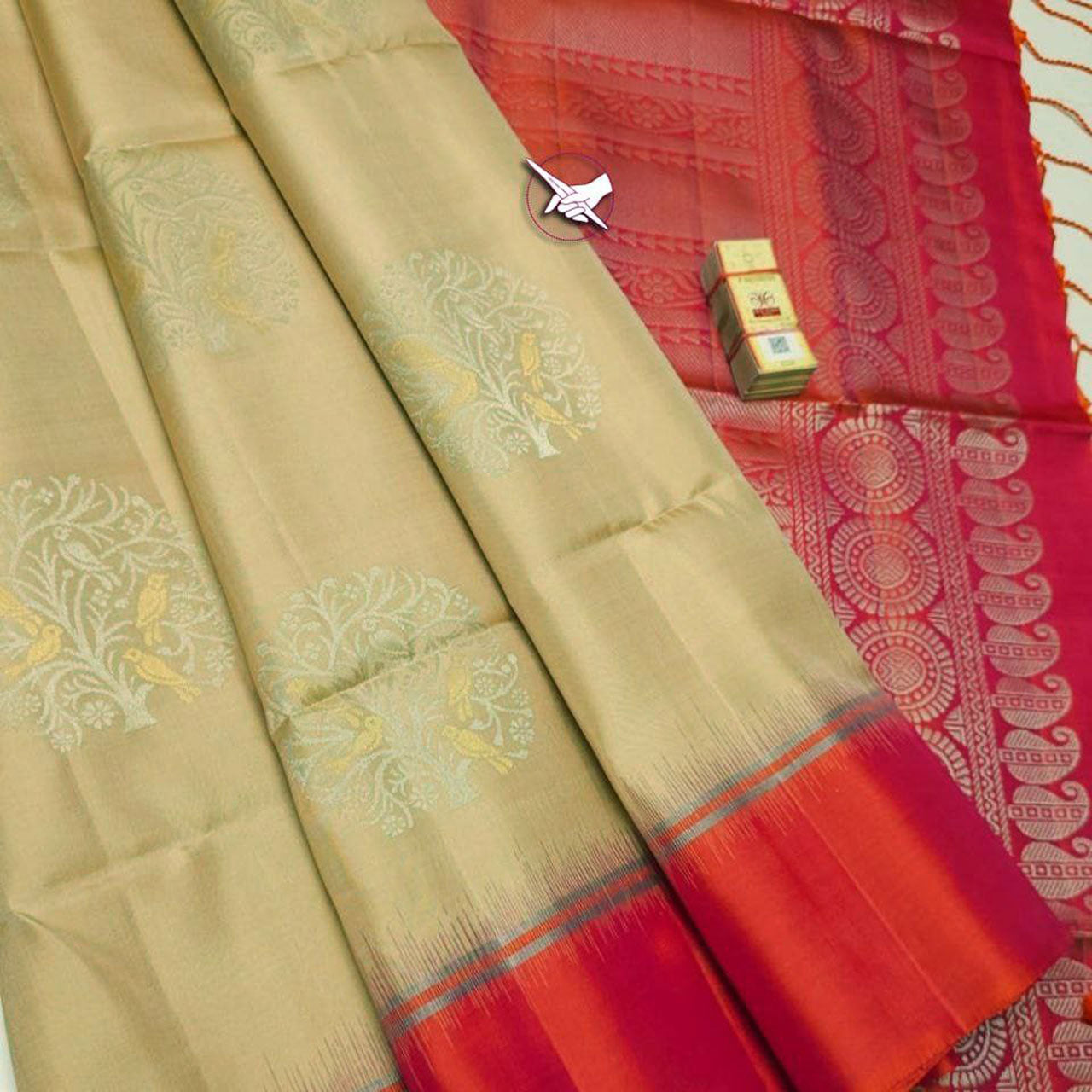


How Are Printed Sarees Made? Complete Behind-the-Scenes Guide
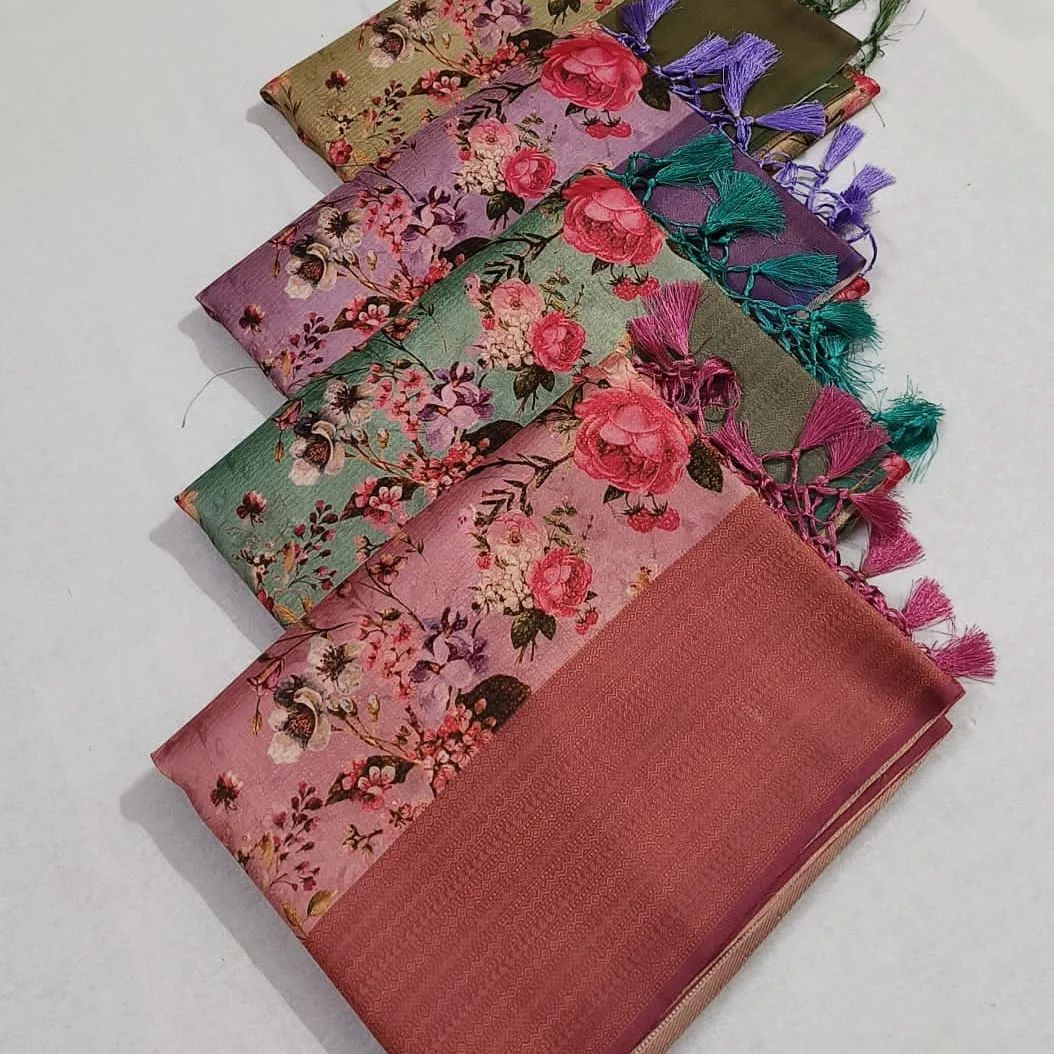
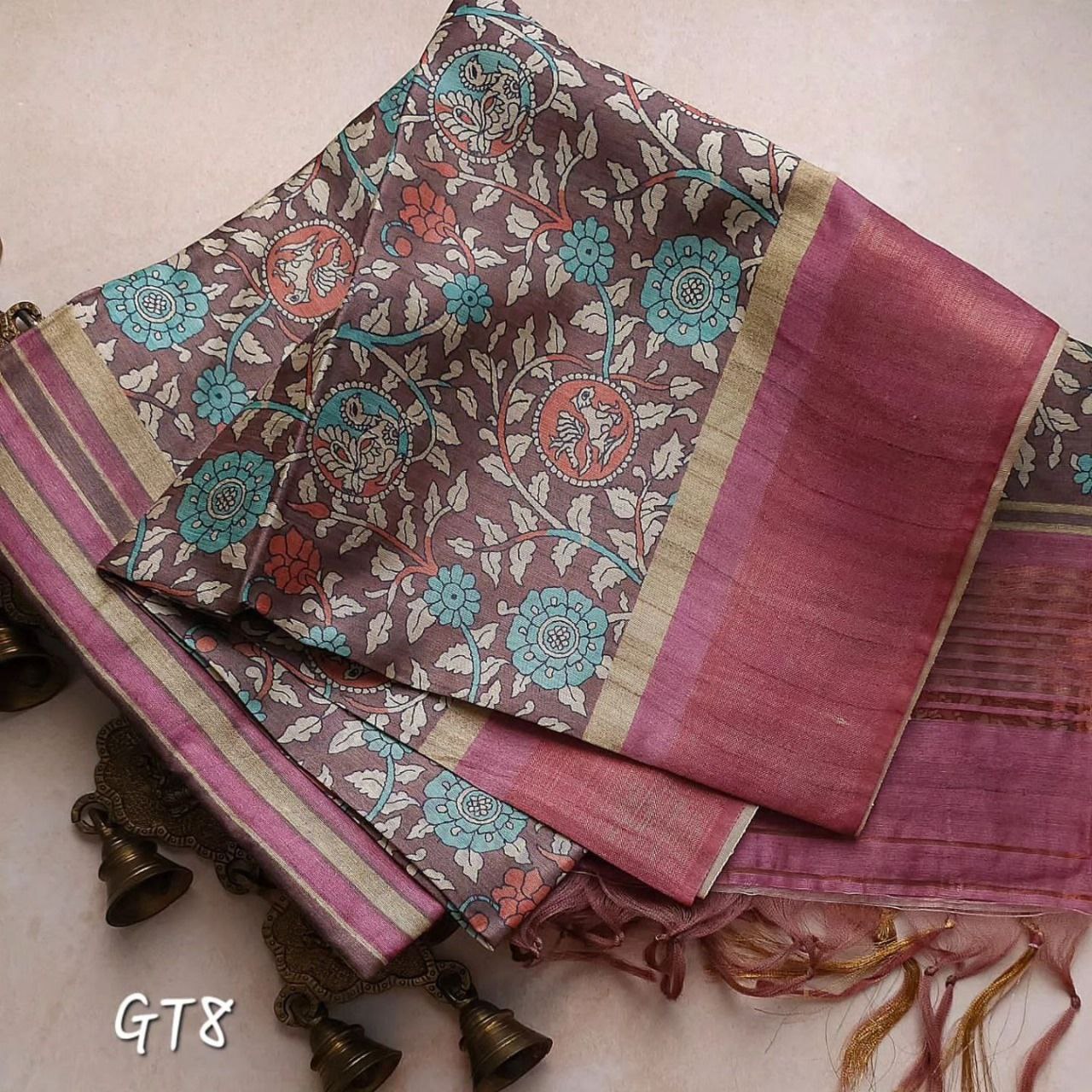
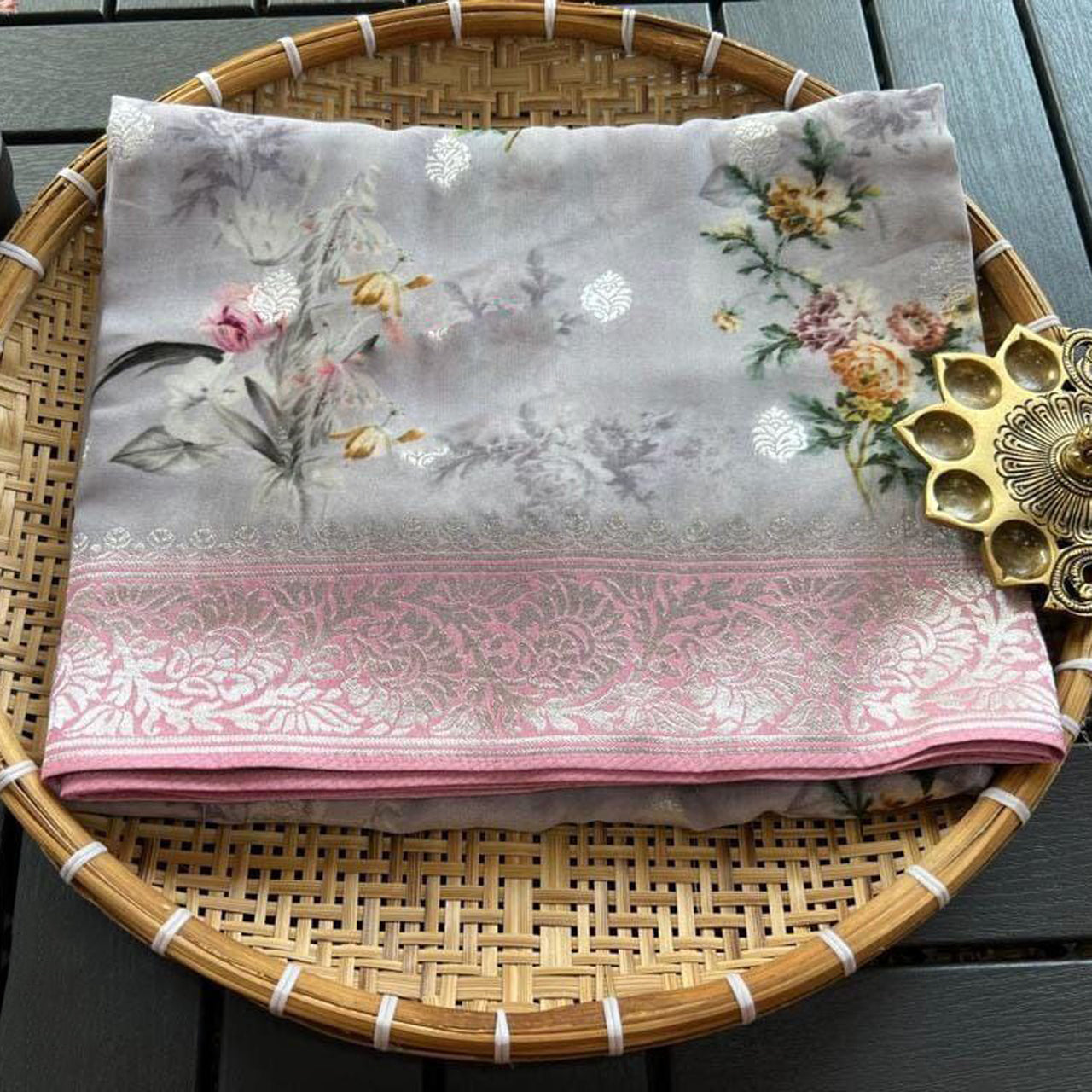
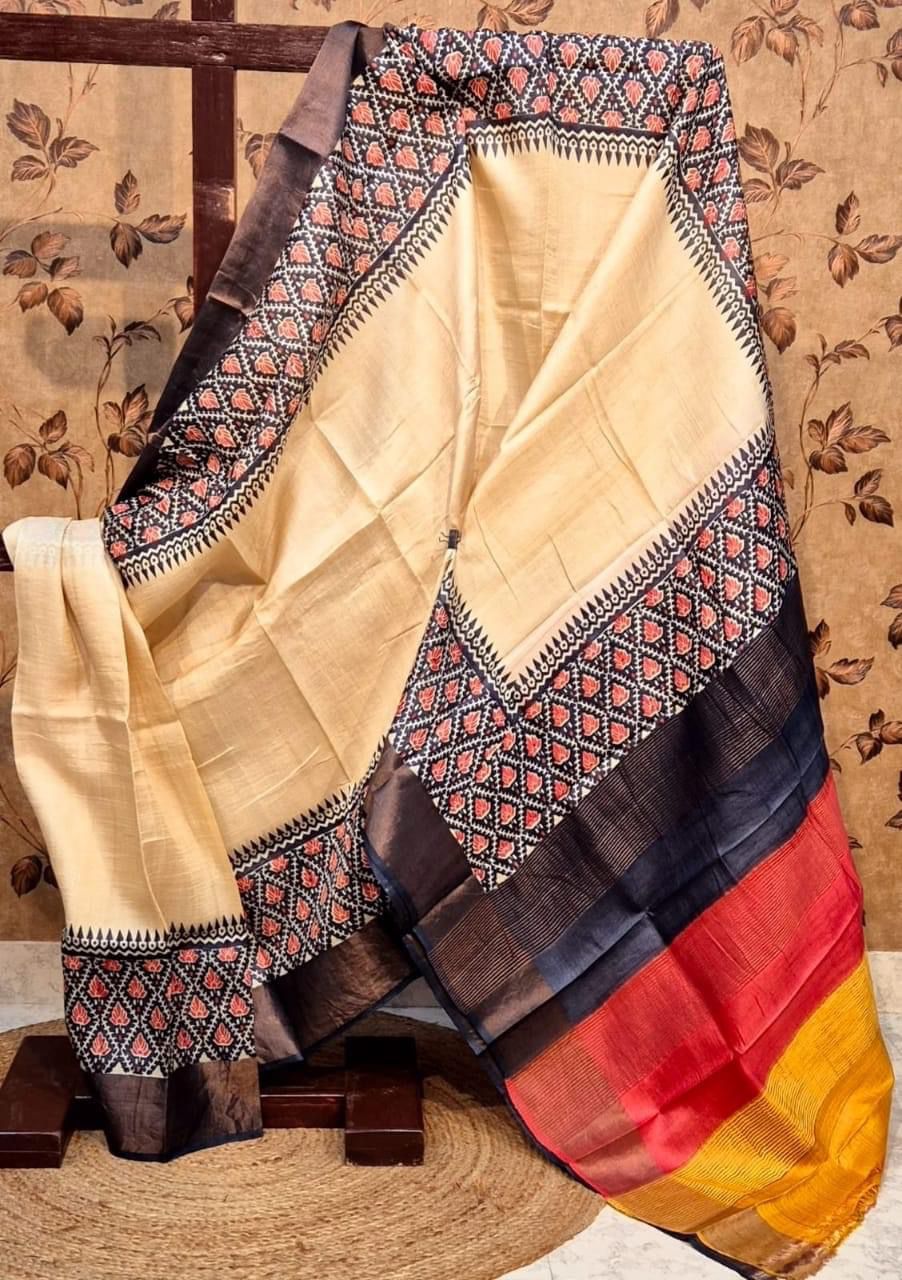
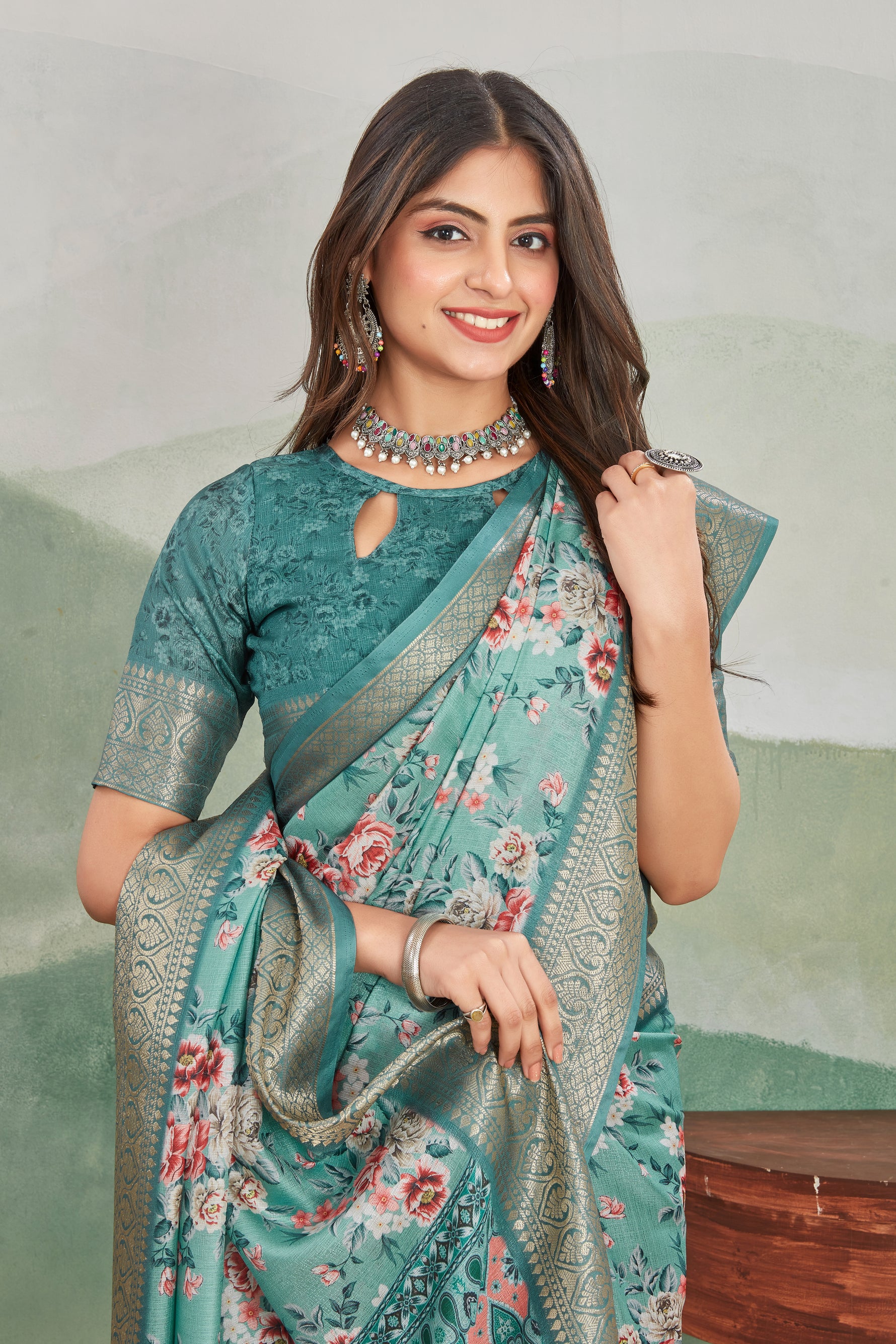
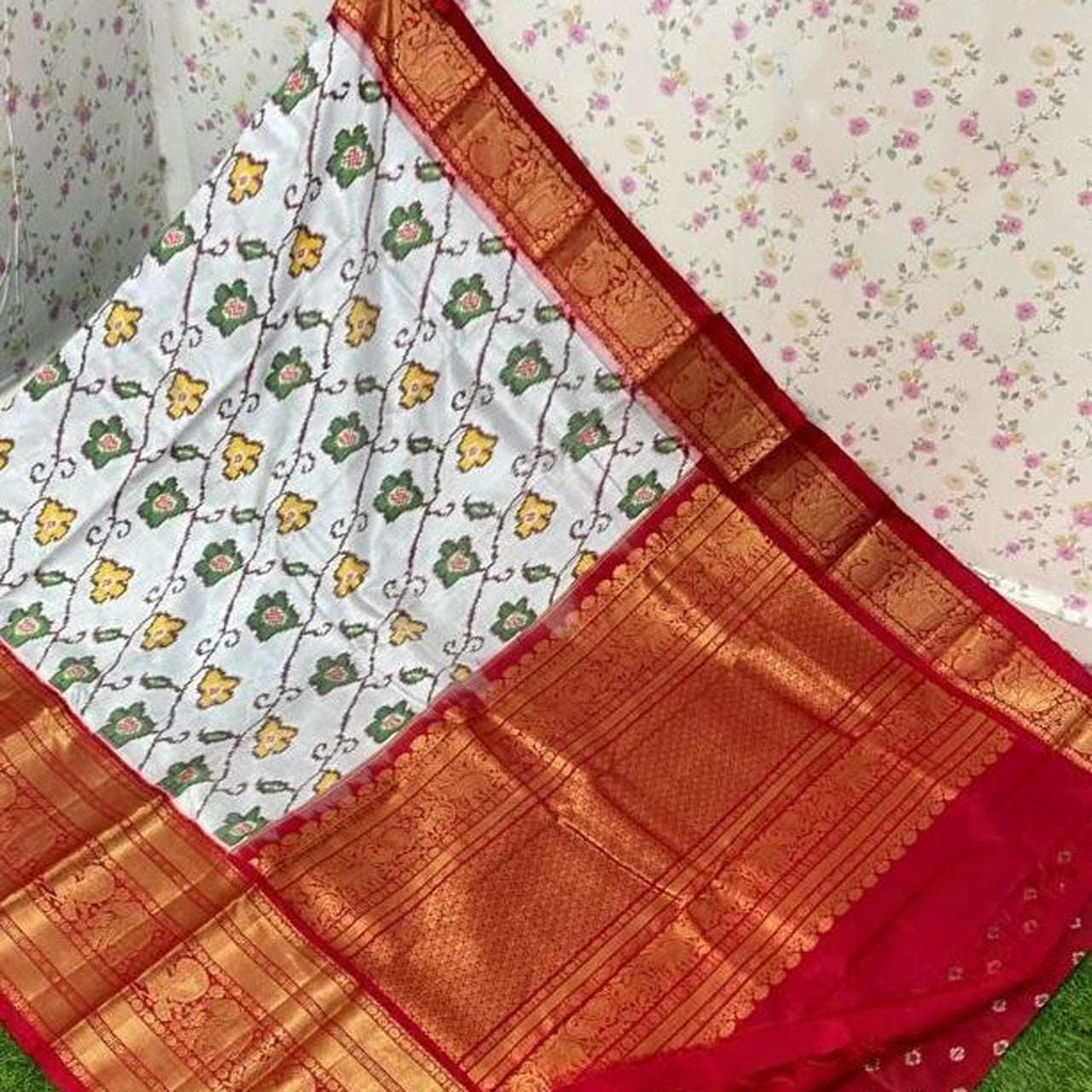
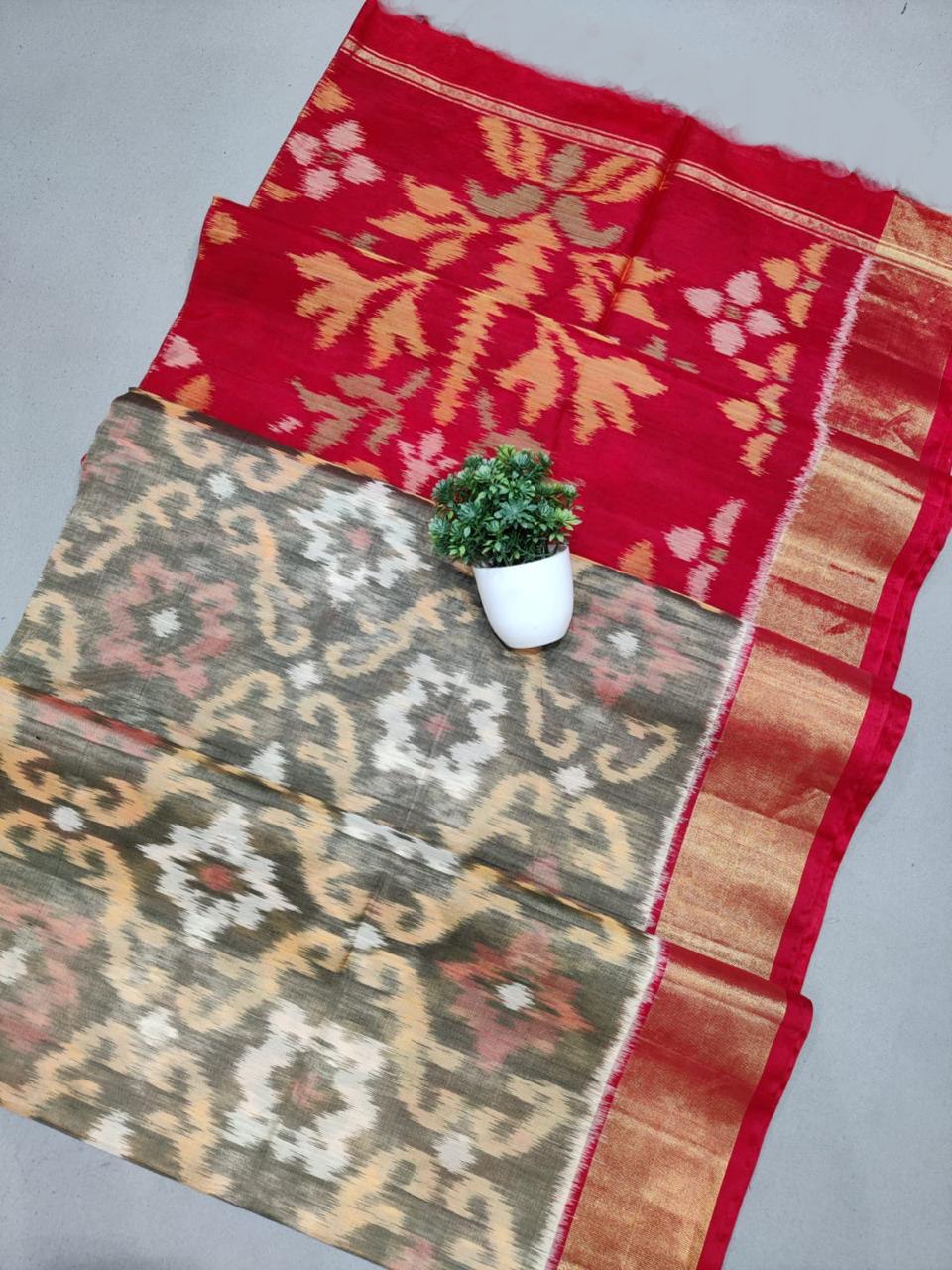
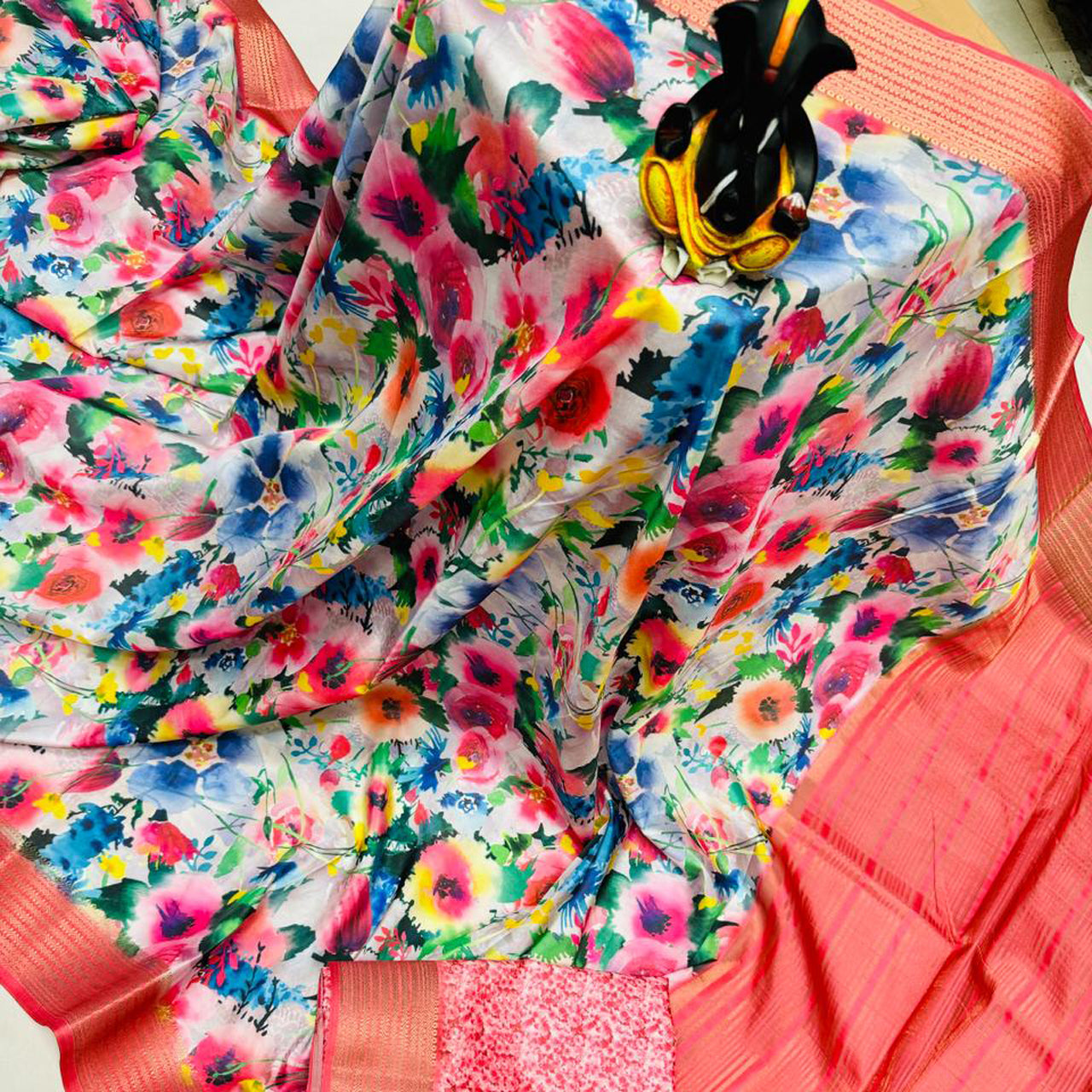
Printed sarees have become one of the most popular categories in ethnic fashion, offering an incredible combination of style, comfort, affordability, and versatility. Whether it's a vibrant floral print, an elegant abstract design, a traditional ethnic motif, or a modern digital artwork, printed sarees continue to dominate wardrobes across India and beyond.
While most people admire the beauty of a finished printed saree, few truly understand the fascinating process that transforms a plain piece of fabric into a stunning wearable masterpiece. Behind every printed saree lies a journey involving creativity, technology, craftsmanship, and meticulous quality control.
In this article, we'll take a behind-the-scenes look at how printed sarees are made, exploring each stage of the process—from design development and fabric preparation to printing, finishing, and final packaging.
Understanding Printed Sarees
Before diving into the manufacturing process, it's important to understand what makes a printed saree different from other sarees.
Unlike woven sarees where patterns are created during weaving, printed sarees feature designs that are applied to the fabric after it has been woven.
These designs can be created using various methods such as:
- Digital printing
- Screen printing
- Block printing
- Rotary printing
- Heat transfer printing
- Hand printing
Each technique produces unique visual effects and serves different market segments.
Step 1: Selecting the Fabric
The first stage in creating a printed saree involves choosing the appropriate fabric.
Different fabrics react differently to dyes and printing techniques, making this step extremely important.
Common Fabrics Used for Printed Sarees
Cotton
Popular because of:
- Breathability
- Comfort
- Excellent print absorption
Linen
Known for:
- Natural texture
- Sophisticated appearance
- Premium appeal
Silk
Preferred for:
- Luxury sarees
- Festive collections
- Rich color reproduction
Georgette
Offers:
- Lightweight drape
- Flowing appearance
- Contemporary styling
Chiffon
Ideal for:
- Elegant prints
- Soft movement
- Feminine designs
Organza
Increasingly popular in modern designer collections.
The chosen fabric directly influences the final look and feel of the saree.
Step 2: Designing the Artwork
Once the fabric is selected, designers begin creating the visual concept.
This stage combines artistic creativity with market research.
Inspiration Sources
Designers often draw inspiration from:
- Nature
- Flowers
- Traditional Indian motifs
- Architecture
- Art forms
- Cultural heritage
- Fashion trends
Digital Design Development
Today, most designs are created using advanced graphic design software.
Designers carefully determine:
- Color palettes
- Pattern placement
- Border designs
- Pallu artwork
- Repeat patterns
The goal is to ensure the design complements the saree's drape and movement.
Step 3: Preparing the Fabric
Before printing begins, the fabric must undergo several preparation processes.
Cleaning
The fabric is washed to remove:
- Dust
- Oils
- Impurities
- Manufacturing residues
This ensures better color absorption.
Bleaching
Some fabrics undergo bleaching to create a uniform base color.
Drying and Finishing
The fabric is dried and stretched to maintain consistency during printing.
Proper preparation significantly impacts print quality.
Step 4: Choosing the Printing Method
Different printing methods are selected based on design complexity, production volume, and target market.
Method 1: Screen Printing
Screen printing remains one of the most widely used techniques in saree manufacturing.
How It Works
A stencil is created for each color in the design.
Ink is pushed through mesh screens onto the fabric.
Advantages
- Vibrant colors
- Durable prints
- Cost-effective for large production runs
Best For
- Floral designs
- Traditional motifs
- Large-scale manufacturing
Method 2: Digital Printing
Digital printing has transformed the saree industry.
How It Works
Specialized printers apply designs directly onto fabric using computer-controlled technology.
Advantages
- Exceptional detail
- Unlimited color possibilities
- Complex artwork reproduction
- Faster design changes
Best For
- Designer collections
- Customized sarees
- High-definition artwork
Digital printing has become increasingly popular because of its flexibility and precision.
Method 3: Block Printing
Block printing is one of India's oldest textile printing traditions.
How It Works
Artisans carve intricate designs onto wooden blocks.
The blocks are dipped in dye and stamped onto fabric by hand.
Advantages
- Handmade charm
- Artisan appeal
- Cultural authenticity
Best For
- Traditional sarees
- Handcrafted collections
- Sustainable fashion
Every block-printed saree carries subtle variations that make it unique.
Method 4: Rotary Printing
Rotary printing is commonly used for large-scale commercial production.
How It Works
Cylindrical rollers transfer designs continuously onto fabric.
Advantages
- High-speed production
- Consistent quality
- Cost efficiency
Suitable for mass-market printed sarees.
Step 5: Printing the Design
After selecting the appropriate method, the actual printing process begins.
This stage requires:
- Precision alignment
- Accurate color application
- Consistent pressure
- Quality monitoring
Even small errors can affect the final appearance.
Technicians continuously inspect the fabric during production.
Step 6: Drying and Color Fixation
Once the design is printed, the colors must be fixed permanently into the fabric.
Heat Treatment
Many printing methods require controlled heating.
This helps:
- Set the dyes
- Improve color fastness
- Increase durability
Steam Processing
Some premium fabrics undergo steam treatment for enhanced color penetration.
These processes ensure the prints remain vibrant after washing and regular use.
Step 7: Washing and Finishing
After color fixation, the fabric undergoes additional treatments.
Washing
Removes:
- Excess dye
- Printing residues
- Chemical traces
Softening
Special finishes may be applied to improve:
- Texture
- Comfort
- Drape
Surface Finishing
Enhances:
- Appearance
- Fabric smoothness
- Wearability
This stage significantly contributes to the final quality of the saree.
Step 8: Cutting and Saree Construction
The printed fabric is carefully measured and prepared according to saree specifications.
Standard saree features include:
- Body design
- Decorative borders
- Pallu section
The layout must align perfectly to ensure aesthetic balance.
Step 9: Quality Inspection
Before reaching customers, every saree undergoes quality control checks.
Inspectors examine:
Print Clarity
Patterns should appear sharp and properly aligned.
Color Consistency
Uniform color distribution is essential.
Fabric Quality
The material should be free from defects.
Finishing Standards
Borders, edges, and overall presentation are evaluated carefully.
High-quality brands invest heavily in quality assurance.
Step 10: Packaging and Distribution
The final stage involves preparing the saree for sale.
Folding
The saree is folded carefully to prevent creasing.
Packaging
Premium brands often use:
- Protective covers
- Branded boxes
- Fabric bags
Shipping
The sarees are then distributed to:
- Retail stores
- Online marketplaces
- Fashion boutiques
- Brand websites
From there, they eventually reach customers worldwide.
Traditional vs Modern Printing Techniques
| Feature | Traditional Printing | Modern Digital Printing |
|---|---|---|
| Production Speed | Slower | Faster |
| Handmade Appeal | High | Moderate |
| Customization | Limited | Excellent |
| Design Complexity | Moderate | Very High |
| Scalability | Lower | Higher |
| Artisan Involvement | High | Lower |
Both approaches have their unique advantages and continue to coexist in today's textile industry.
Why Printed Sarees Remain So Popular
Several factors contribute to the enduring popularity of printed sarees.
Endless Design Variety
New designs can be introduced quickly.
Affordable Fashion
Printing allows stylish sarees at accessible price points.
Comfortable Fabrics
Most printed sarees use lightweight materials.
Trend Adaptability
Designs can evolve rapidly with changing fashion preferences.
This flexibility keeps printed sarees relevant year after year.
Frequently Asked Questions
How are printed sarees different from woven sarees?
Printed sarees receive designs after fabric production, while woven sarees create patterns during weaving.
Which printing method is best for sarees?
The best method depends on the desired outcome. Digital printing offers exceptional detail, while block printing provides handcrafted authenticity.
Are digital print sarees durable?
Yes. High-quality digital printing combined with proper color fixation can produce durable and long-lasting prints.
Why are block-printed sarees unique?
Each block-printed saree contains subtle handcrafted variations that reflect artisan workmanship.
What fabrics are commonly used for printed sarees?
Cotton, linen, silk, georgette, chiffon, and organza are among the most popular choices.
Conclusion
The creation of a printed saree is a fascinating blend of creativity, technology, and craftsmanship. From selecting the right fabric and developing beautiful artwork to applying intricate prints and performing rigorous quality checks, every stage contributes to the final product that reaches consumers.
Whether produced through traditional hand-block printing or advanced digital technology, printed sarees continue to offer women an unmatched combination of style, comfort, affordability, and versatility. Understanding the effort and expertise behind their creation not only deepens appreciation for these garments but also helps consumers make more informed purchasing decisions.
The next time you admire a beautifully printed saree, you'll know the remarkable journey it took—from a simple piece of fabric to a stunning expression of fashion and artistry.
- #block printed sarees
- #digital print sarees
- #Ethnic Wear
- #Fabric Printing Techniques
- #Fashion Industry
- #How Printed Sarees Are Made
- #Indian Sarees
- #Printed Fabric
- #printed fabric process
- #Printed saree manufacturing process
- #Printed Sarees
- #Saree Guide
- #Saree Printing Process
- #saree printing techniques
- #Saree Production
- #saree production guide
- #screen printed sarees
- #Textile Design
- #Textile Manufacturing
- #Women's Fashion
Share