








The Fascinating History Behind India's Most Famous Saree Traditions (Complete Guide)
Few garments in the world carry as much history, artistry, and cultural significance as the Indian saree. Worn for thousands of years, the saree has gracefully evolved with changing dynasties, trade routes, regional traditions, and fashion trends while remaining one of India's most enduring symbols of elegance.
Every famous saree tradition tells a story. Some were woven for royalty, others for temple rituals, while many were created by skilled artisan communities whose weaving techniques have been passed down through generations. Today, these sarees are admired not only across India but around the world for their craftsmanship, beauty, and timeless appeal.
From the luxurious Banarasi Silk Saree of North India to the vibrant Patola weaves of Gujarat, every region has contributed something unique to India's rich textile heritage.
Let's take a journey through the fascinating history behind India's most celebrated saree traditions.
The Saree: A Garment with Thousands of Years of History
The saree is believed to be one of the oldest continuously worn garments in the world.
References to draped clothing resembling sarees can be found in:
- Ancient Indian sculptures
- Temple carvings
- Early Sanskrit literature
- Vedic texts dating back thousands of years
Unlike stitched garments, the saree's unstitched form made it versatile, practical, and adaptable to different climates and cultures.
Over centuries, regional weaving communities transformed this simple drape into extraordinary works of art.
1. Banarasi Saree – The Pride of Varanasi
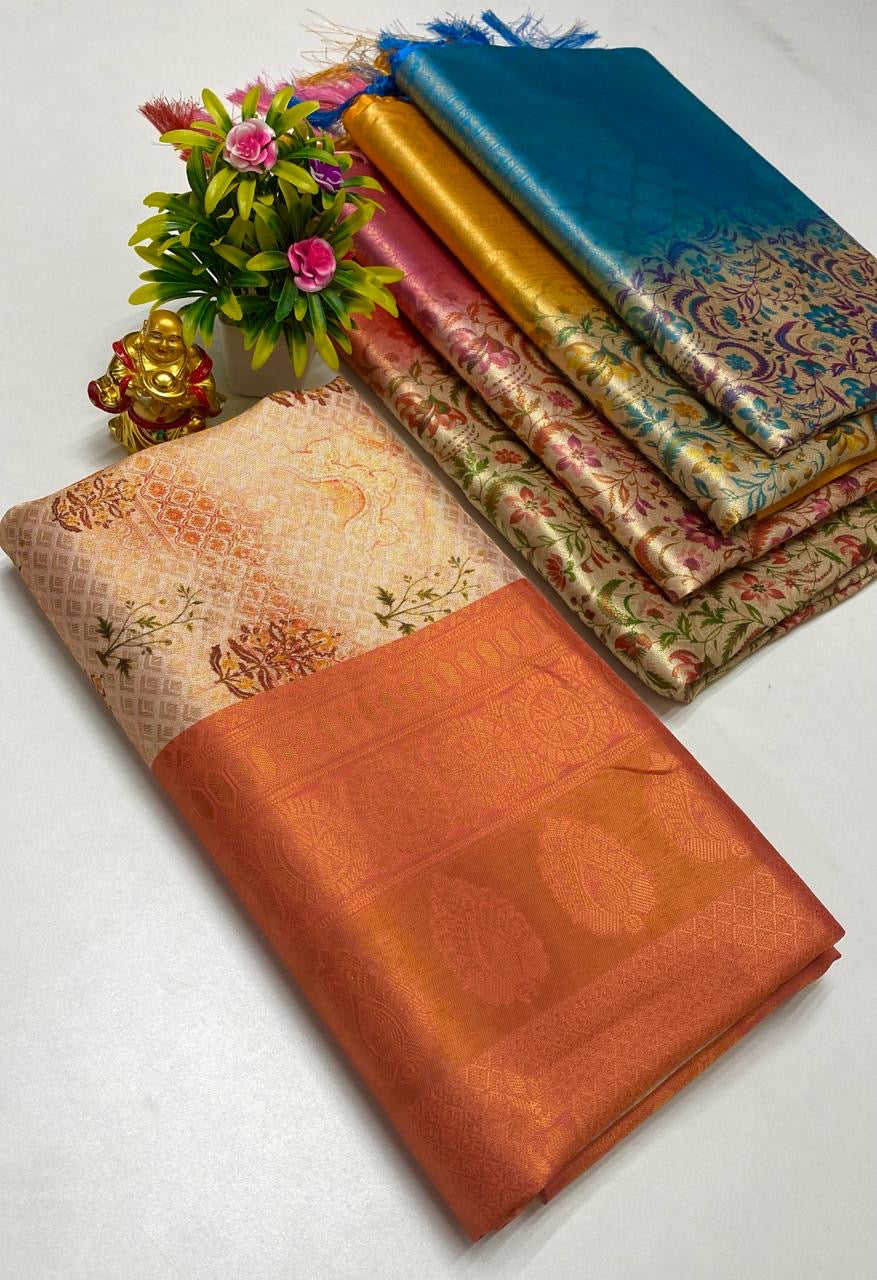
Among India's most famous sarees, the Banarasi Silk Saree stands as a symbol of luxury and celebration.
Historical Origins
Banarasi weaving flourished during the Mughal period when Persian artistic influences blended with traditional Indian weaving techniques.
Skilled artisans introduced:
- Floral motifs
- Intricate brocade
- Delicate jaal patterns
- Rich zari work
The result was a silk saree unlike any other.
Why It's Famous
Even today, Banarasi sarees remain one of the most sought-after bridal sarees in India.
Their elaborate craftsmanship often requires weeks or even months to complete.
2. Kanjivaram Saree – South India's Royal Silk
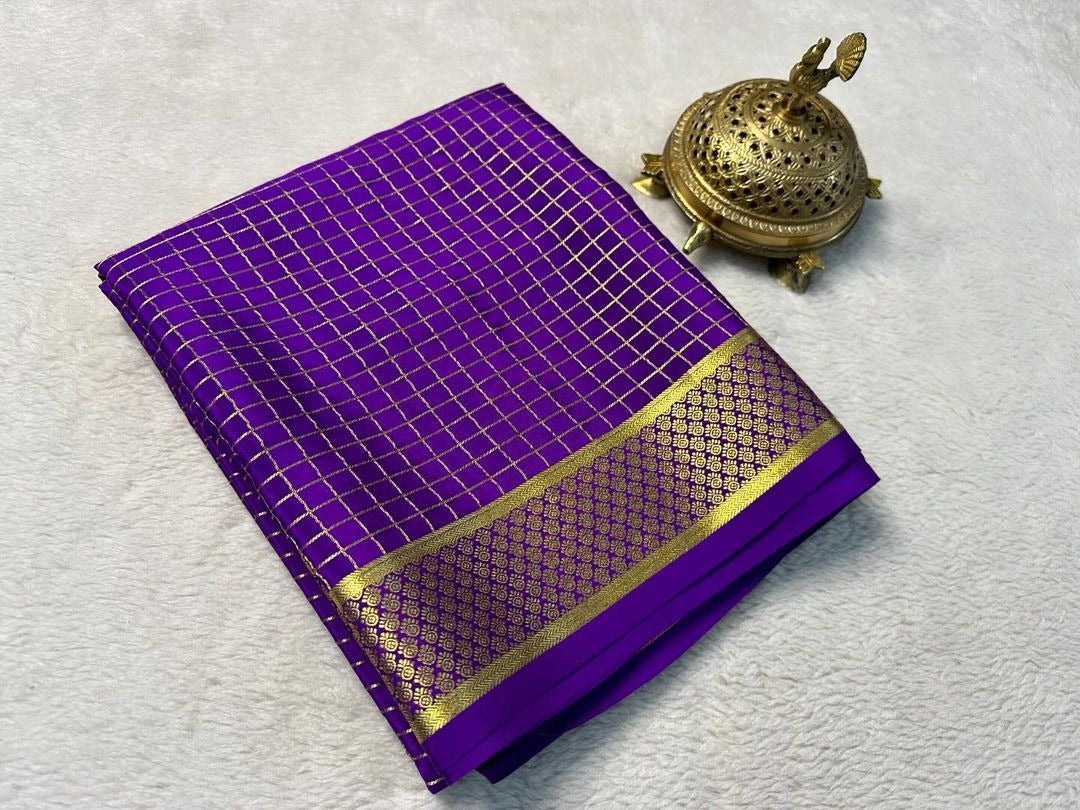
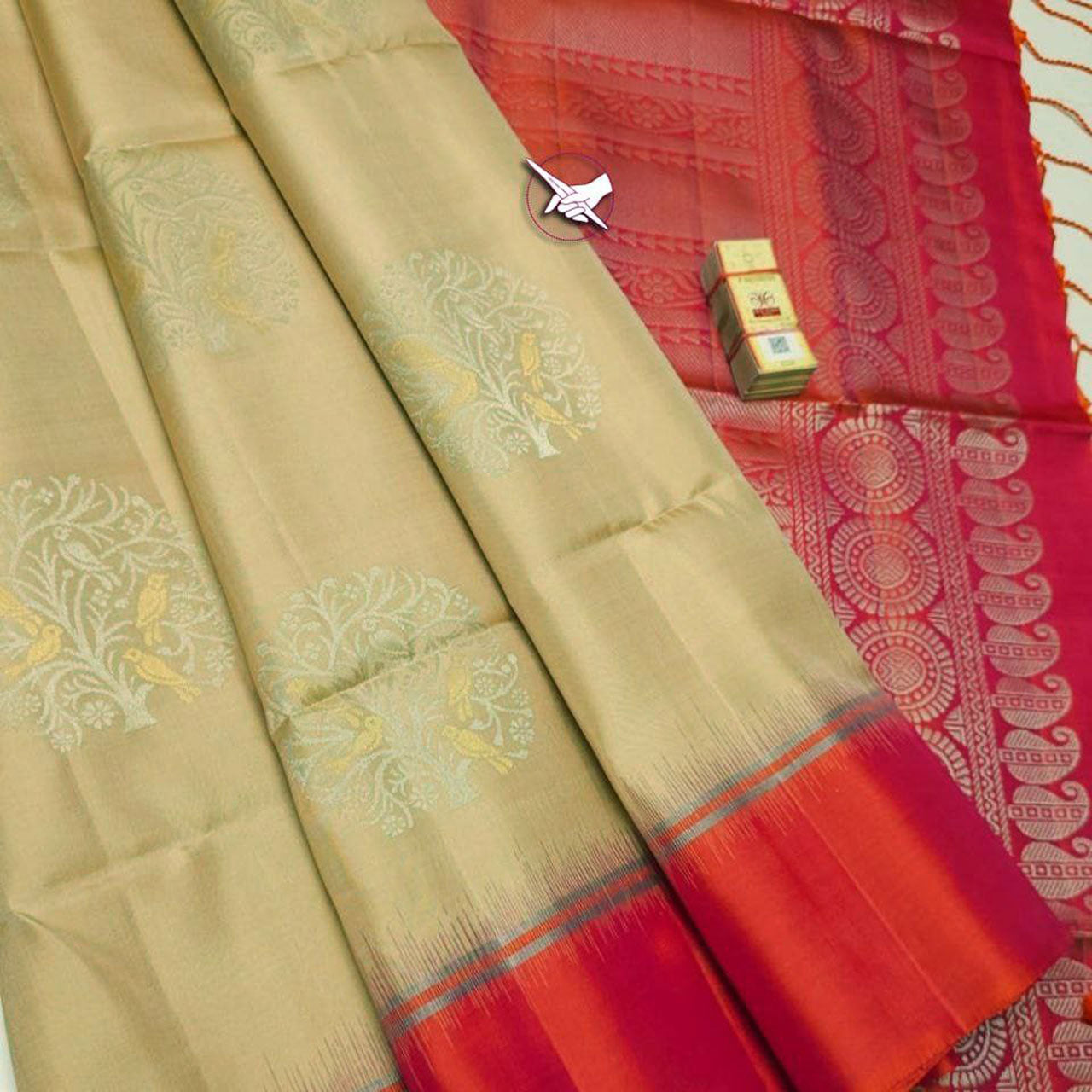
The Kanjivaram Silk Saree originates from Kanchipuram in Tamil Nadu.
A Temple Tradition
Legend connects Kanjivaram weavers to the descendants of Sage Markanda, who is believed to have woven garments for the gods.
Historically, these sarees were associated with:
- Temple ceremonies
- Royal families
- Religious festivals
Distinctive Features
- Thick mulberry silk
- Bold contrasting borders
- Rich zari work
- Exceptional durability
Many Kanjivaram sarees become treasured family heirlooms.
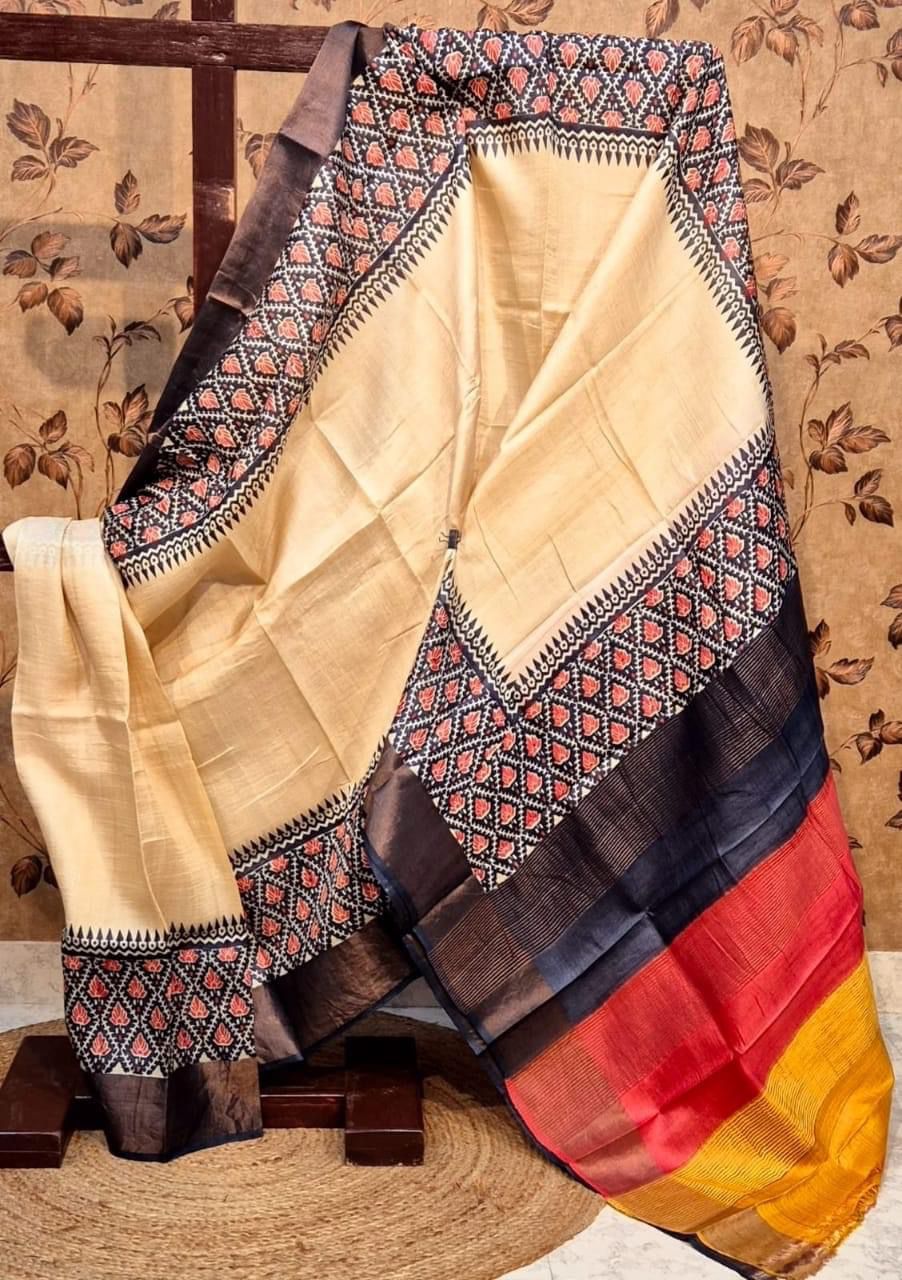
3. Tussar Silk – Nature's Golden Silk
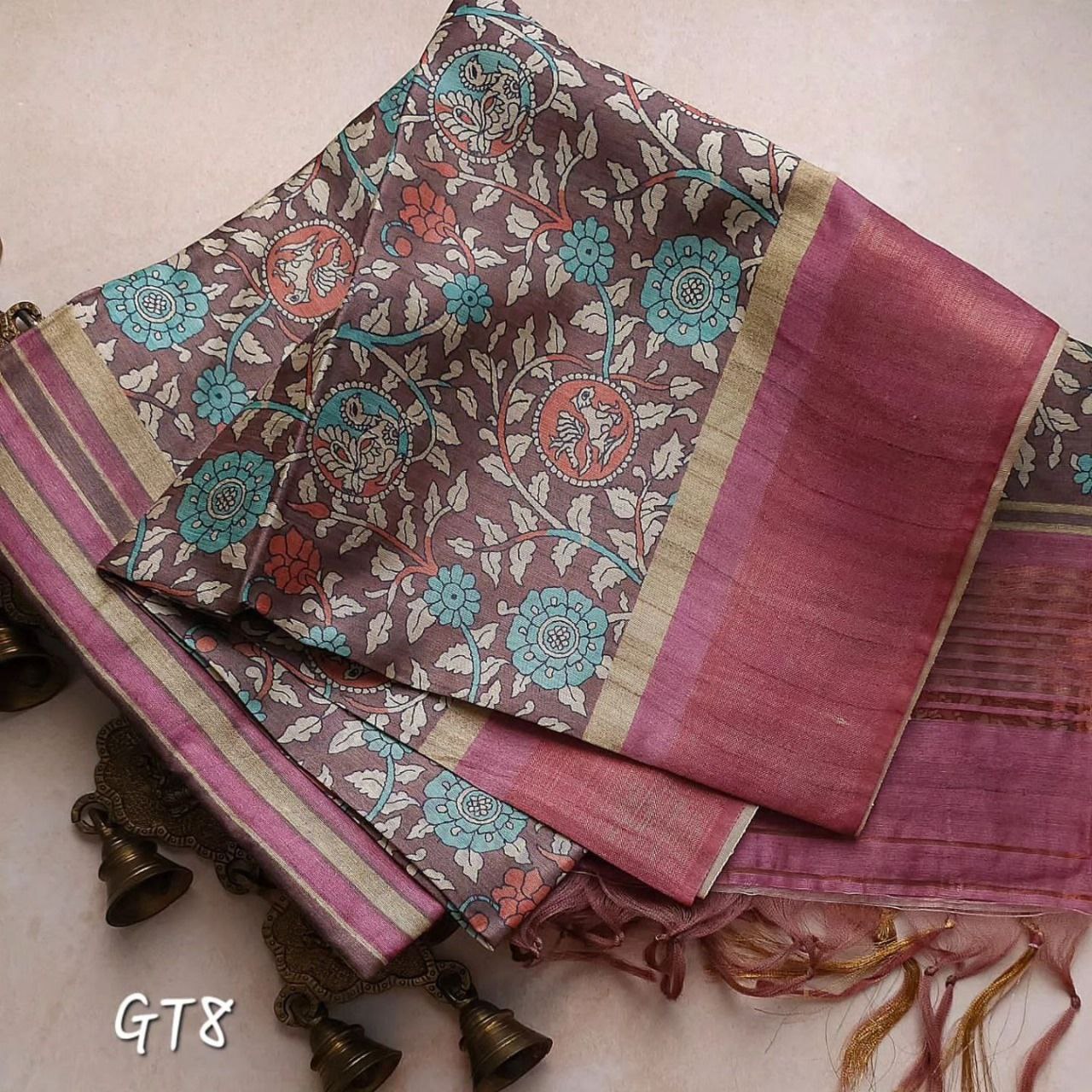
Unlike many other silk varieties, Tussar Silk has a naturally textured appearance and subtle golden sheen.
Historical Background
Produced mainly in eastern India, particularly in Jharkhand, Bihar, and parts of West Bengal, Tussar weaving has long been associated with tribal artisan communities.
Its natural elegance made it popular among royalty and scholars alike.
Why People Love It Today
Tussar Silk offers:
- Lightweight comfort
- Elegant texture
- Natural appearance
- Excellent versatility
It remains a favorite for festivals, office wear, and cultural events.
4. Paithani Saree – Maharashtra's Royal Treasure
The Paithani Saree takes its name from the ancient town of Paithan in Maharashtra.
A Rich Legacy
Dating back over 2,000 years, Paithani weaving flourished under the Satavahana dynasty.
These sarees were once traded internationally and admired by merchants from distant civilizations.
Signature Characteristics
- Handwoven silk
- Peacock motifs
- Lotus designs
- Brilliant color combinations
- Rich zari pallus
A genuine Paithani can take several months to weave.
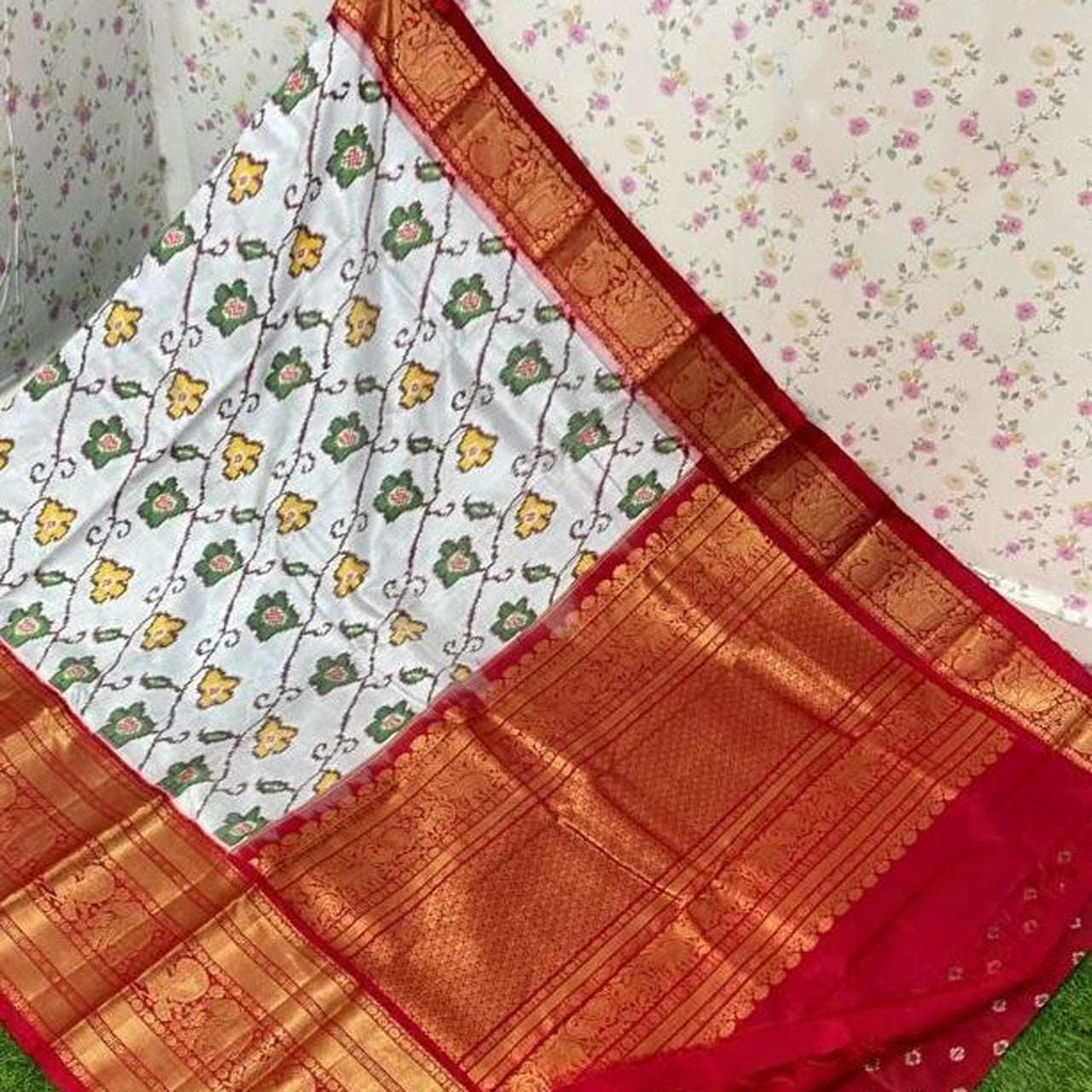
5. Patola Saree – Gujarat's Double Ikat Masterpiece
Few weaving techniques are as complex as Patola.
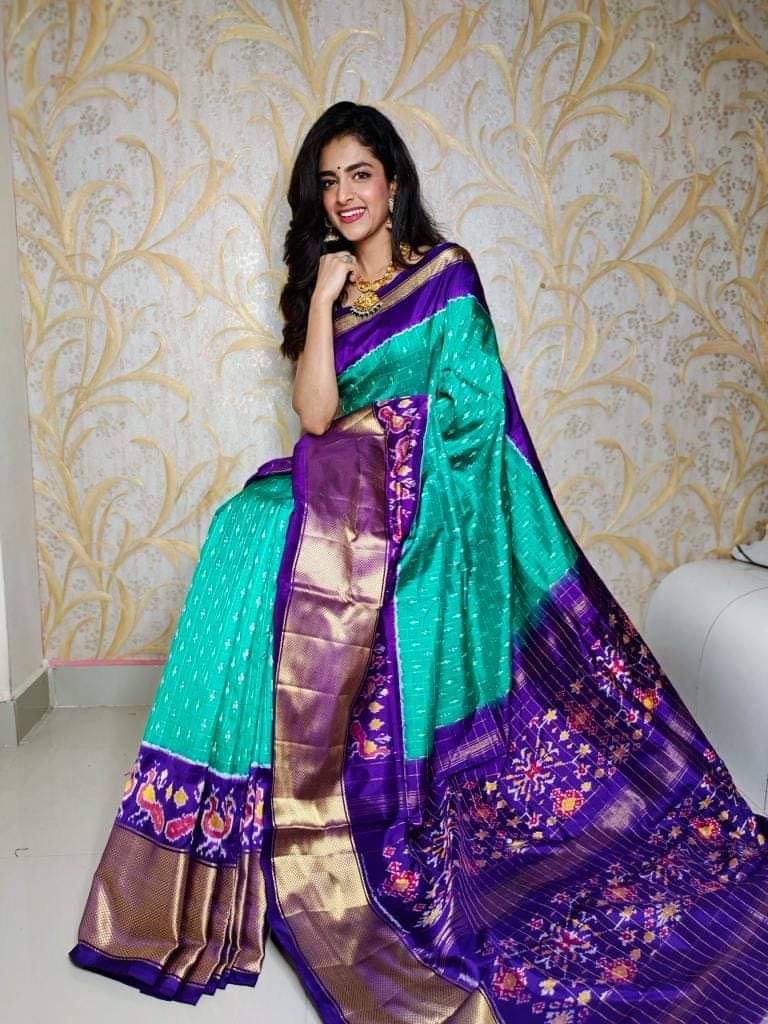
Originating in Patan, Gujarat, Patola sarees are famous for their double ikat weaving process.
What Makes Patola Unique?
Both the warp and weft threads are dyed before weaving, requiring extraordinary precision.
Even the smallest mistake can disrupt the entire design.
Traditional Motifs
- Elephants
- Flowers
- Birds
- Geometric patterns
Because of the immense craftsmanship involved, authentic Patola sarees are among India's most valuable textiles.
6. Chanderi Saree – Lightweight Royal Elegance
Chanderi, from Madhya Pradesh, has been renowned for centuries.
Historical records suggest that Chanderi fabrics were once worn by kings and noble families.
Why Chanderi Became Popular
Its lightweight weave makes it ideal for India's warm climate.
Traditional motifs include:
- Asharfi (coin)
- Peacock
- Lotus
- Floral vines
Today, Chanderi remains one of India's most elegant handloom traditions.
7. Baluchari Saree – Stories Woven in Silk
Originating in West Bengal, Baluchari sarees are known for something extraordinary—their pallu often depicts mythological scenes.
Instead of simple floral motifs, artisans weave:
- Episodes from the Ramayana
- Mahabharata scenes
- Royal processions
- Courtly life
Each saree becomes a wearable piece of storytelling.
8. Bandhani Sarees – The Art of Tie and Dye
Bandhani, especially popular in Gujarat and Rajasthan, represents one of India's oldest textile art forms.
Ancient Craftsmanship
Thousands of tiny knots are tied by hand before dyeing.
When untied, they create intricate patterns that cannot be replicated by machines.
Popular designs include:
- Dots
- Waves
- Spirals
- Floral arrangements
Bandhani sarees remain closely associated with weddings and festivals.
9. Maheshwari Sarees – A Royal Innovation
Maheshwari sarees originated in Madhya Pradesh during the reign of Queen Ahilyabai Holkar.
She invited skilled weavers to create elegant sarees suitable for the royal court.
The result was a graceful blend of:
- Silk
- Cotton
- Lightweight comfort
- Refined borders
Maheshwari sarees continue to be appreciated for their understated elegance.
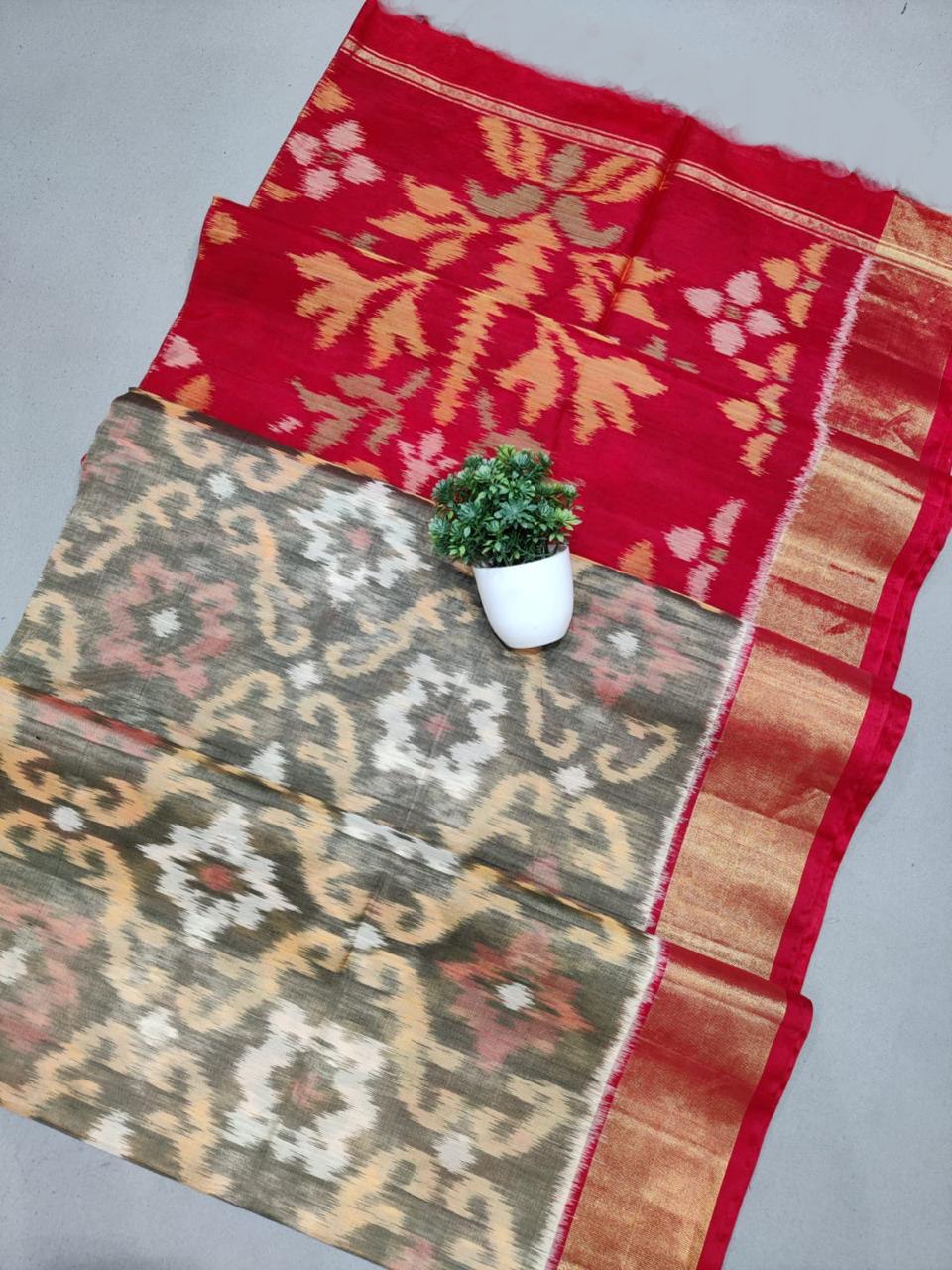
10. Sambalpuri Sarees – Odisha's Ikat Heritage
Sambalpuri sarees showcase Odisha's remarkable ikat weaving tradition.
Every motif is dyed into the threads before weaving, creating stunning geometric precision.
Common designs include:
- Conch shells
- Wheels
- Flowers
- Traditional temple symbols
Each saree reflects Odisha's artistic heritage and skilled craftsmanship.
The Role of Handloom Weavers
Behind every famous saree is a community of artisans.
Many weaving traditions have been preserved for centuries through families who pass their skills from one generation to the next.
These artisans continue to keep India's textile heritage alive despite increasing competition from machine-made fabrics.
Supporting authentic handloom weaving also helps preserve these invaluable traditions.
How Saree Traditions Have Evolved
Although rooted in history, sarees continue to evolve.
Today's designers blend traditional weaving with:
- Contemporary colors
- Modern motifs
- Lightweight fabrics
- Minimalist styling
This balance allows classic sarees to remain relevant for younger generations while preserving their cultural identity.
Why Indian Sarees Remain Timeless
Indian sarees have survived changing fashions because they combine:
- Art
- Heritage
- Craftsmanship
- Versatility
- Elegance
Whether worn at weddings, festivals, business events, or international fashion shows, they continue to represent India's extraordinary textile legacy.
Frequently Asked Questions
Which is the oldest saree tradition in India?
The saree itself dates back thousands of years, while traditions such as Paithani and Banarasi have histories spanning many centuries.
Why are Banarasi sarees so famous?
They are celebrated for luxurious silk, intricate zari work, Mughal-inspired motifs, and exceptional craftsmanship.
Which saree is considered the most difficult to weave?
Patola sarees are widely regarded as one of the most complex because of their double ikat weaving technique.
Why are handloom sarees expensive?
Handloom sarees require skilled craftsmanship, significant weaving time, and meticulous attention to detail, making each piece unique.
Are traditional sarees still fashionable?
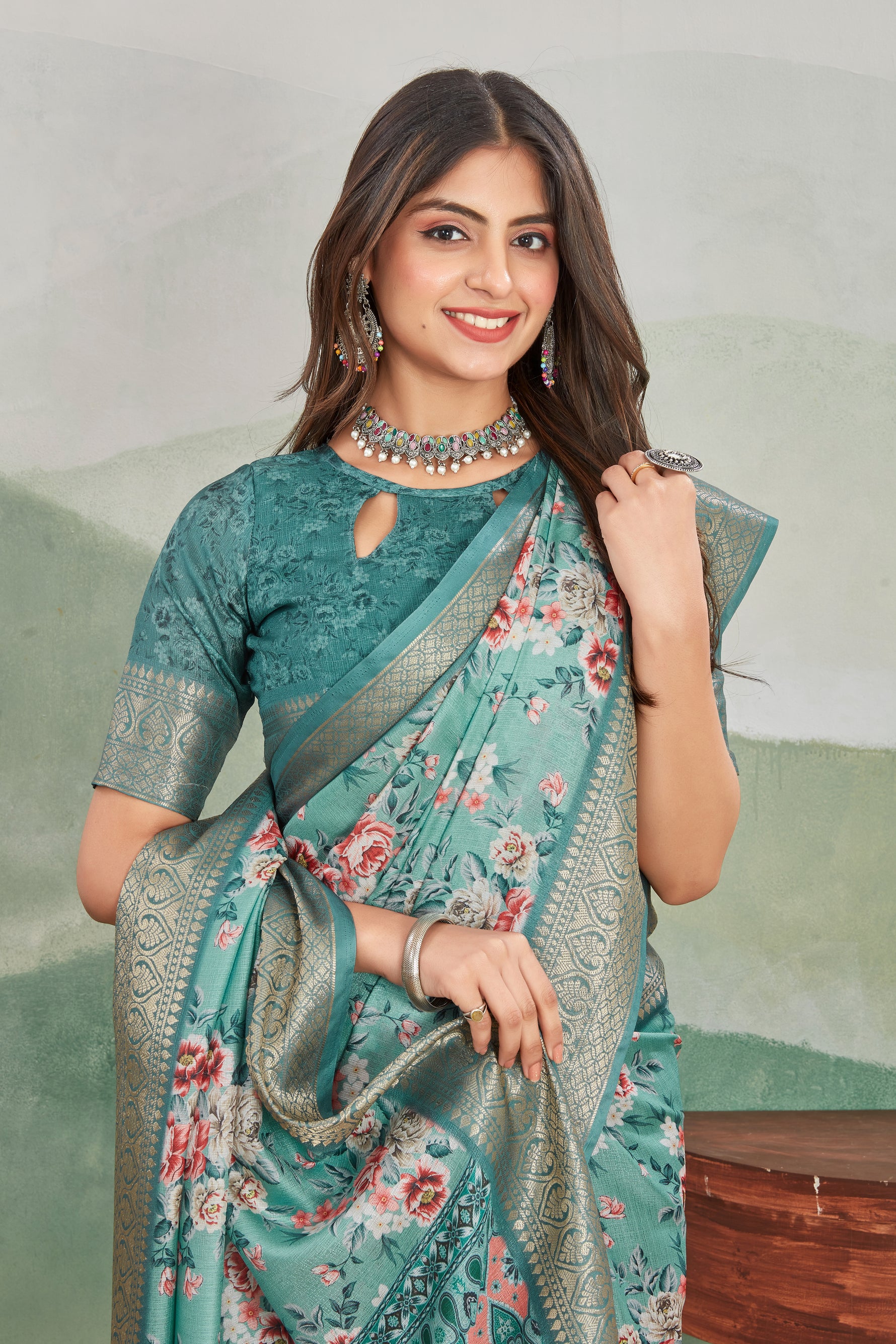
Absolutely. Traditional sarees remain timeless and are increasingly styled with contemporary blouses, accessories, and draping techniques.
Conclusion
The story of India's saree traditions is a story of artistry, culture, and resilience. Every Banarasi brocade, every Kanjivaram border, every Tussar texture, every Patola pattern, and every Paithani motif reflects centuries of knowledge passed down through generations of master weavers.
These sarees are more than beautiful garments—they are living expressions of India's diverse heritage. By understanding their history and supporting authentic craftsmanship, we help preserve traditions that have shaped Indian culture for centuries.
Whether you're purchasing your first silk saree or adding another masterpiece to your collection, every handwoven saree carries with it a remarkable legacy—one woven not only with silk and thread but with history itself.