
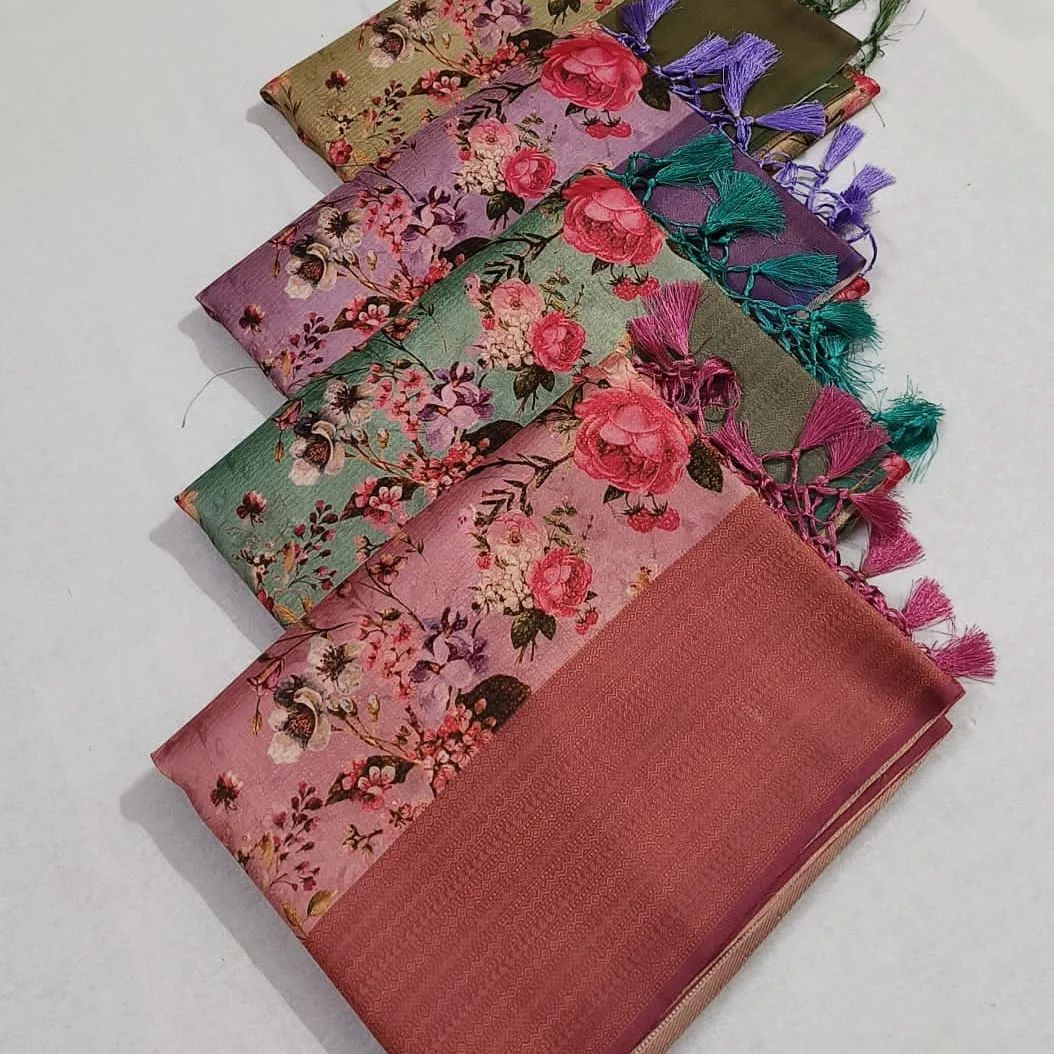
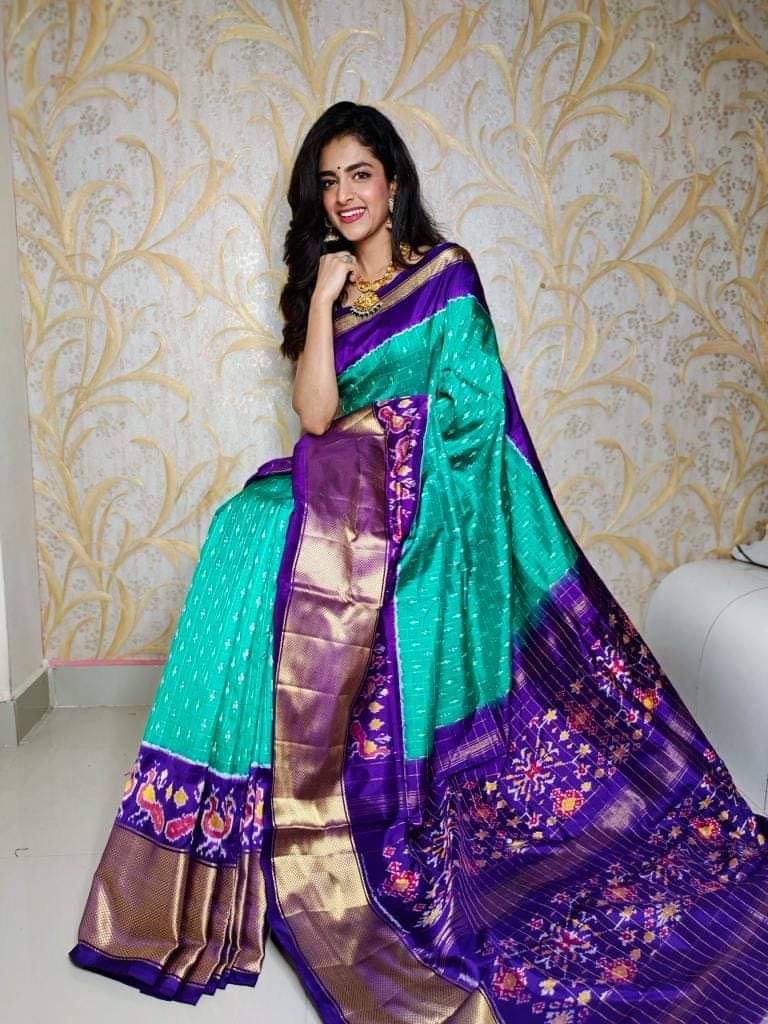
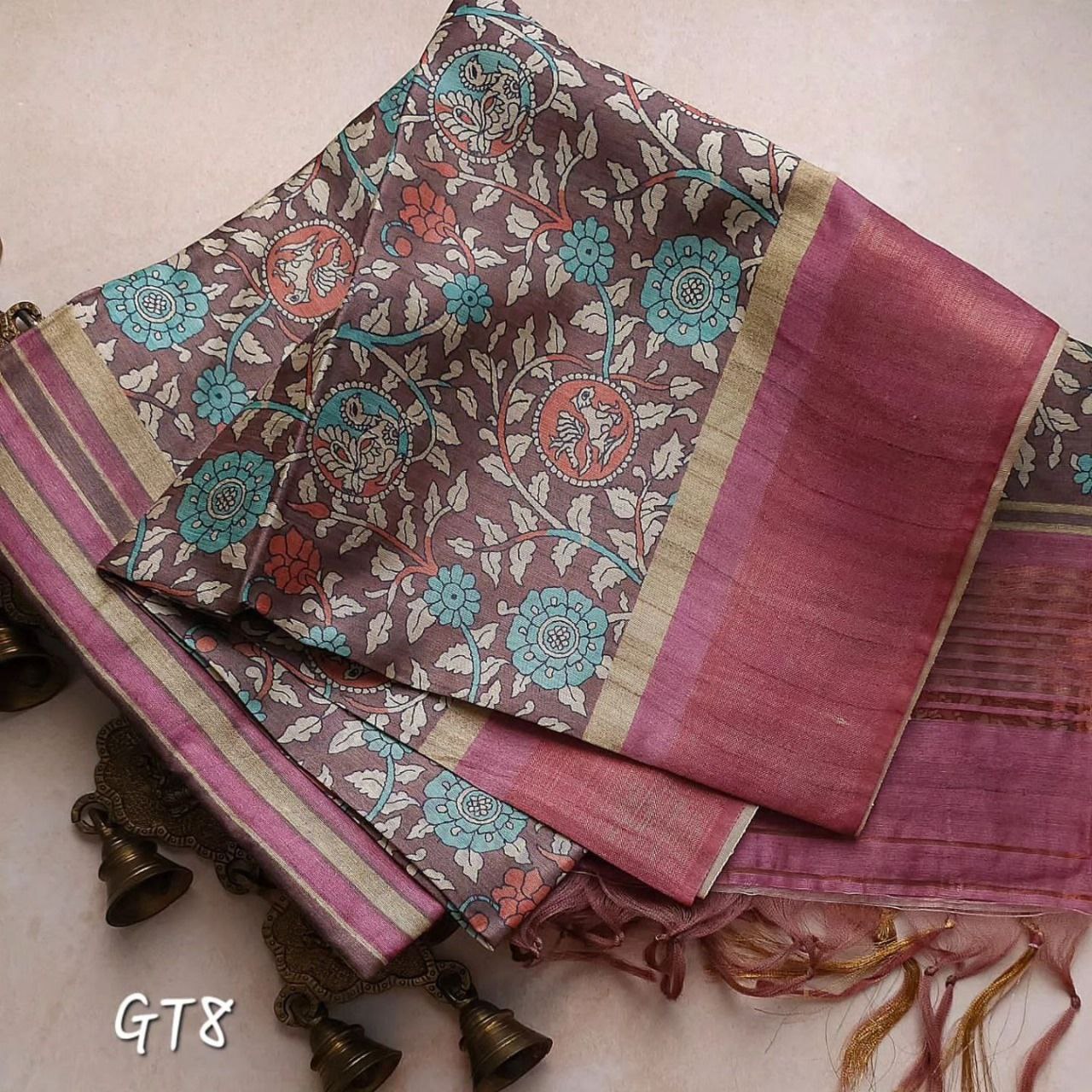
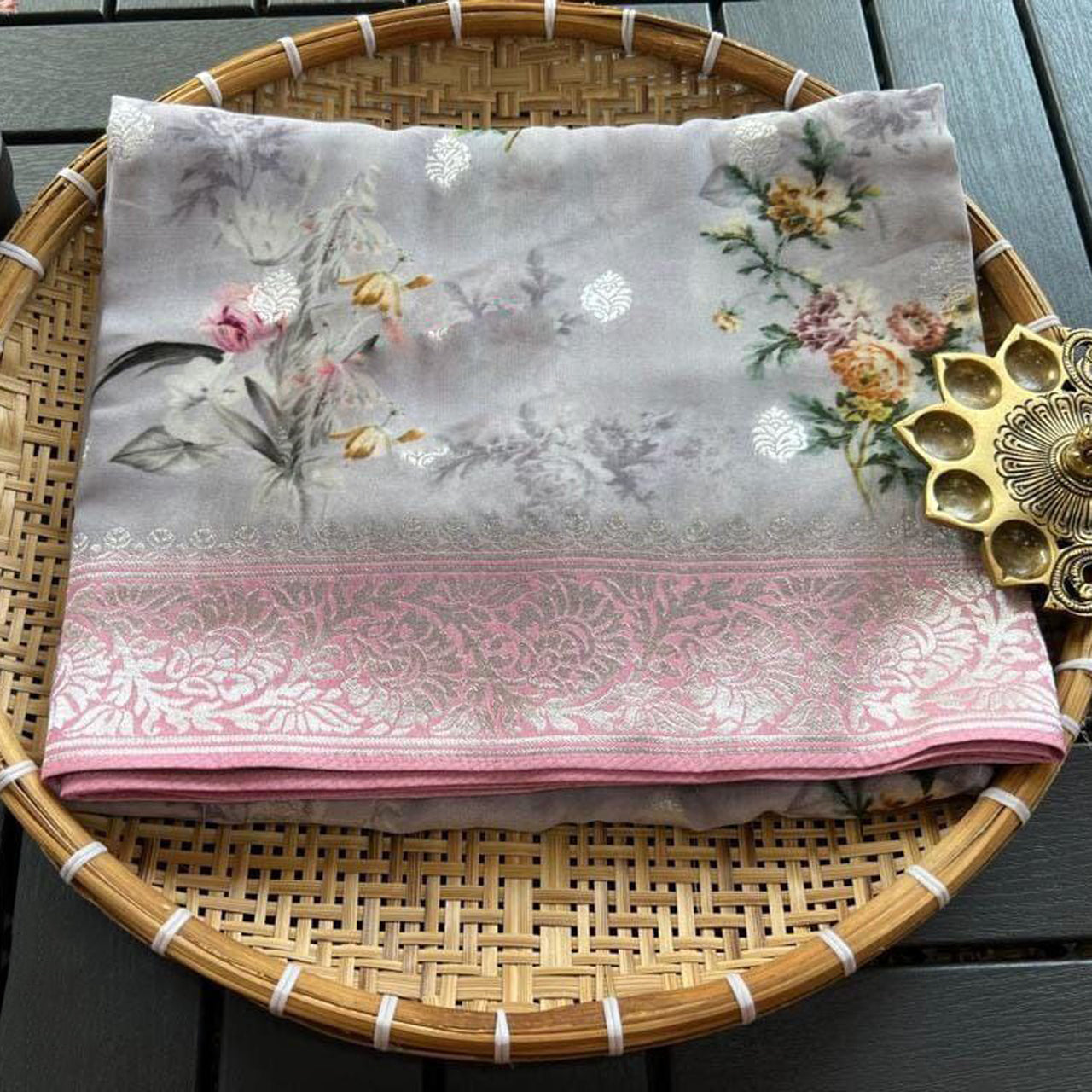



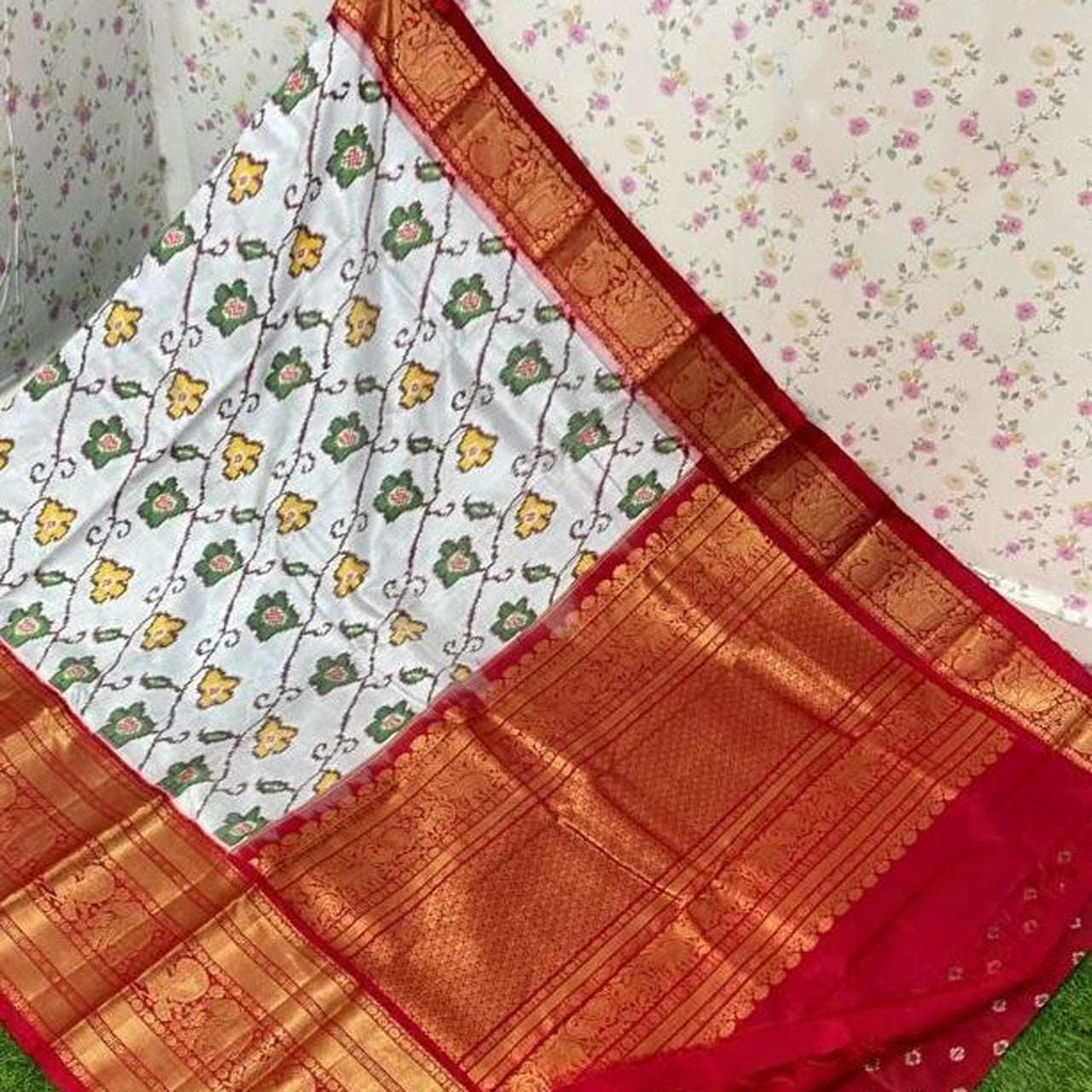
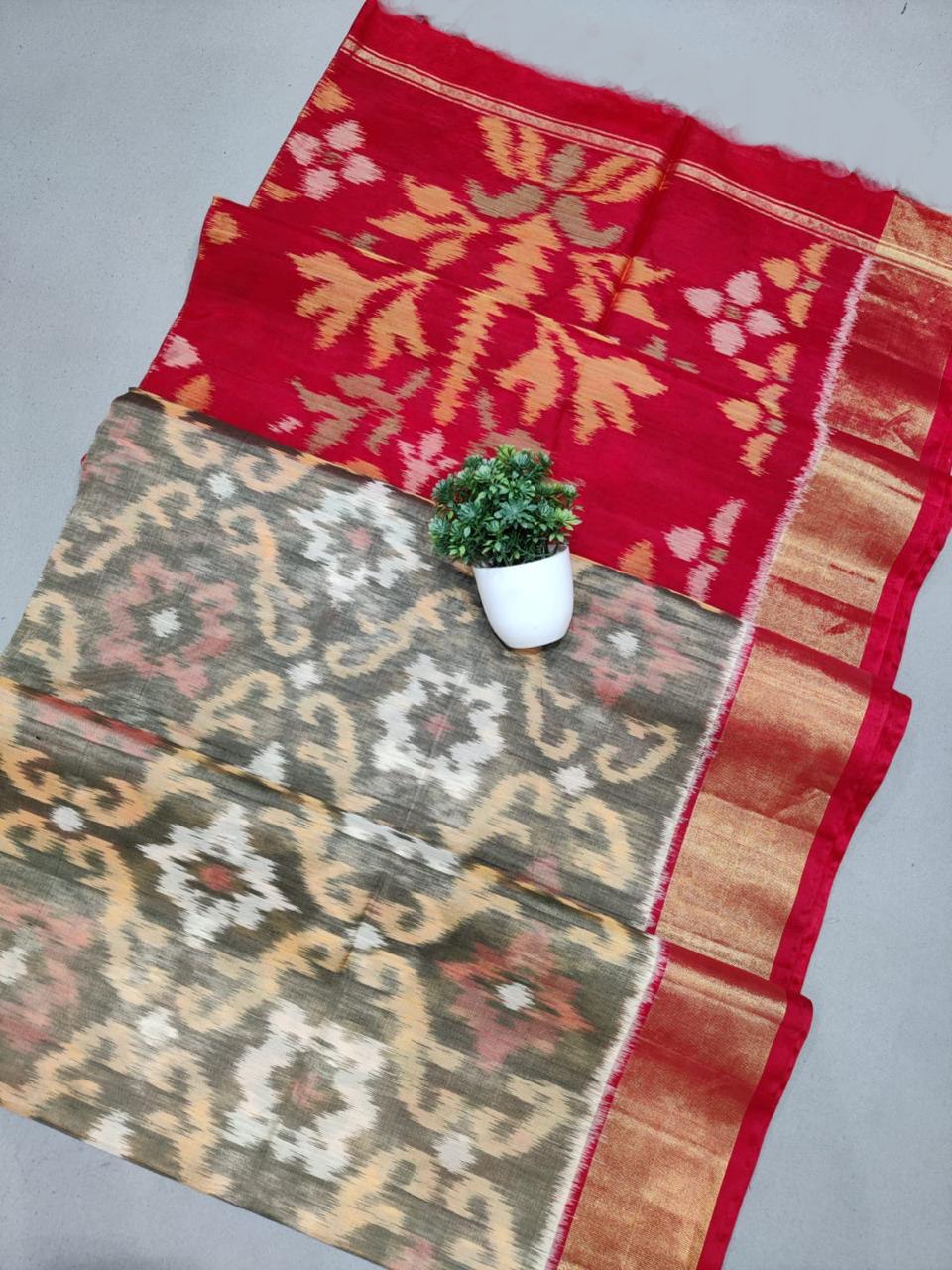

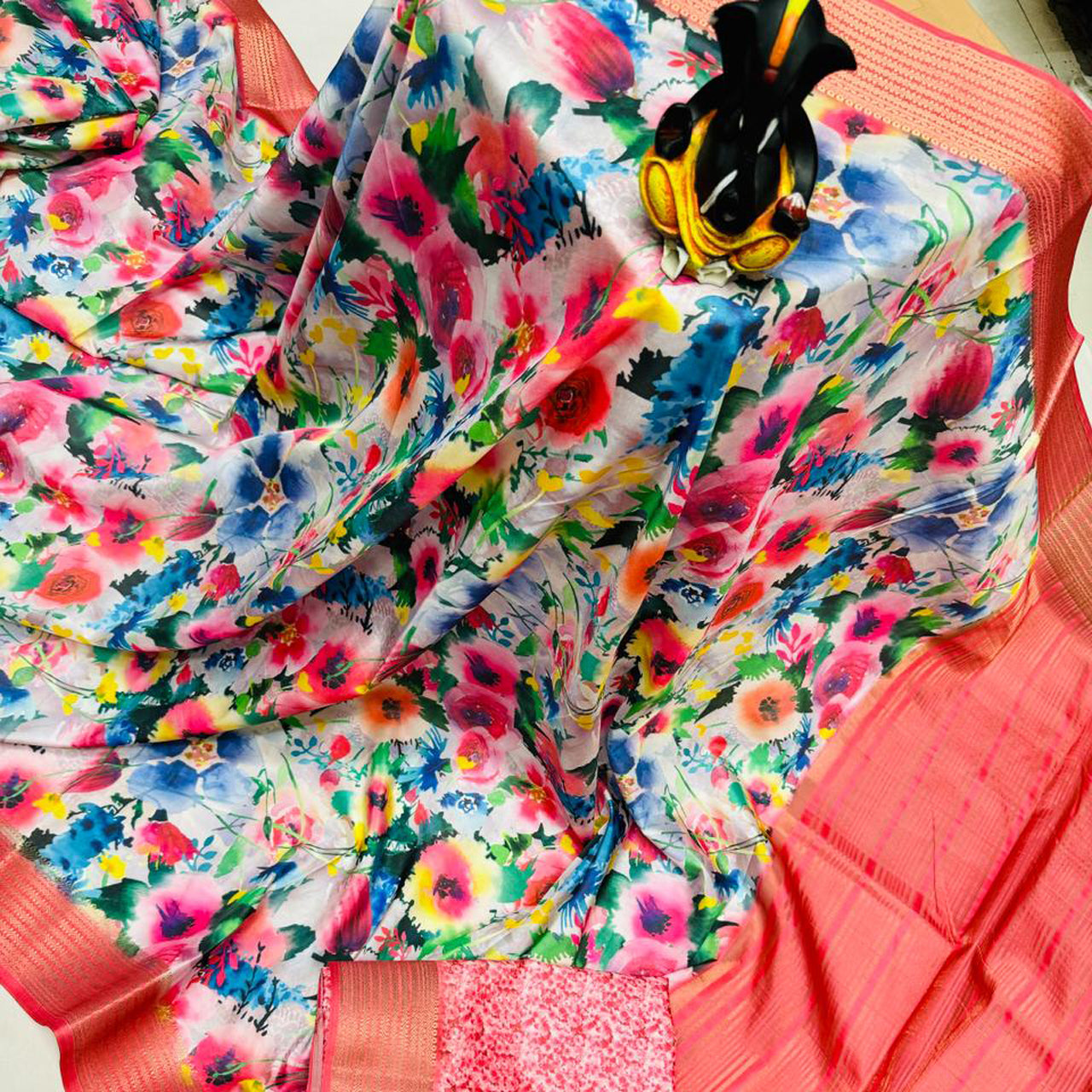


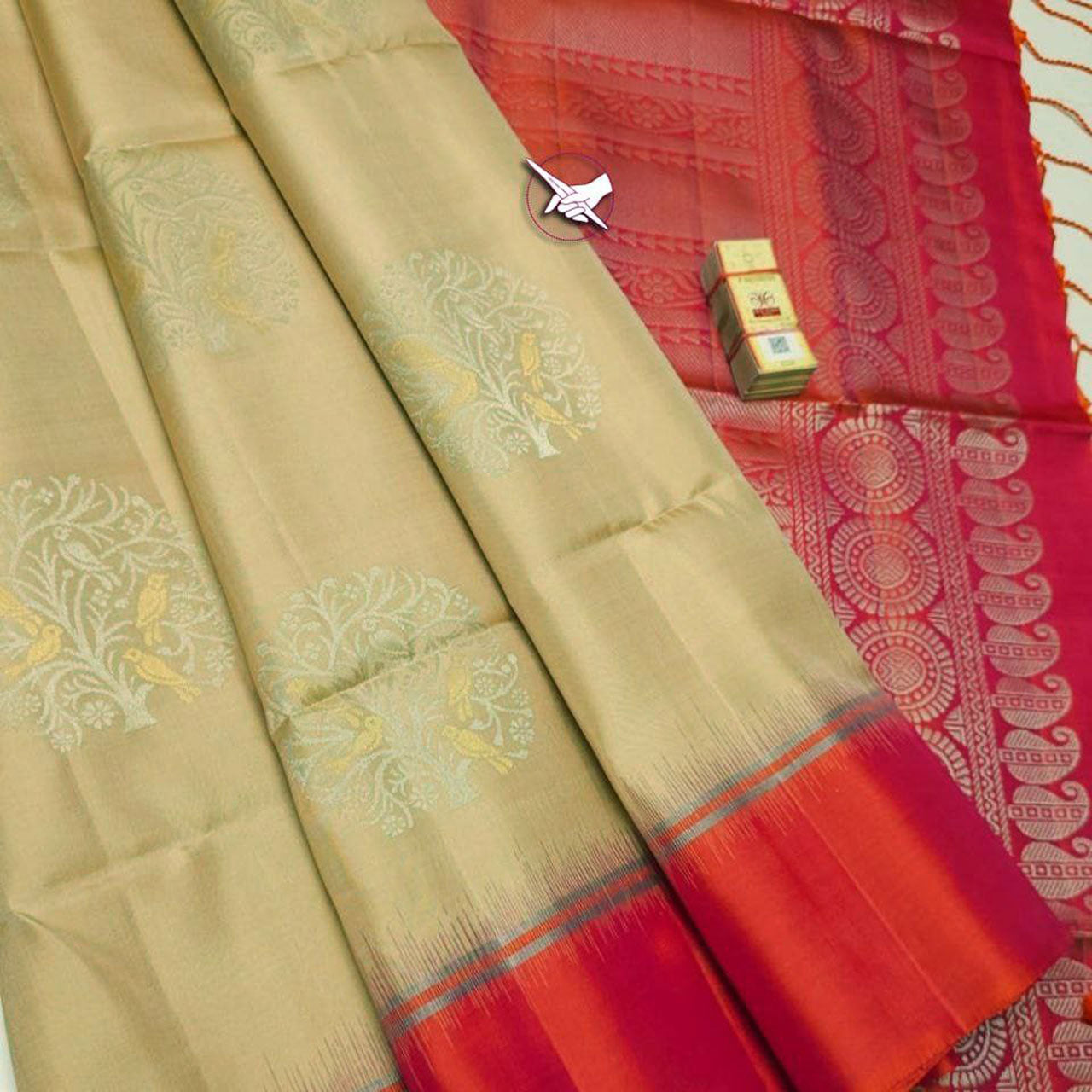


The History and Heritage of Tussar Silk Weaving in India
India's textile heritage is among the richest and most diverse in the world. From Banarasi brocades and Kanjeevaram silks to Chanderi weaves and Pashmina shawls, every region of the country has contributed unique traditions to the global textile landscape. Among these treasured crafts, Tussar silk weaving occupies a special place for its natural beauty, cultural significance, and centuries-old craftsmanship.
Known for its distinctive texture and natural golden sheen, Tussar silk has been woven into elegant fabrics and sarees for generations. More than just a luxurious textile, Tussar silk represents the skills of artisan communities, the richness of India's forests, and the enduring legacy of traditional handloom weaving.
In this article, we explore the fascinating history and heritage of Tussar silk weaving in India and understand why this remarkable fabric continues to captivate textile lovers around the world.
What Is Tussar Silk?
Tussar silk, also known as Kosa Silk in several parts of India, is a type of wild silk produced by silkworms that live in natural forest environments. Unlike Mulberry silk, which comes from domesticated silkworms raised under controlled conditions, Tussar silk is obtained from silkworms that feed on trees such as:
- Arjun
- Sal
- Asan
- Ber
The resulting silk fibers possess a unique texture and natural golden hue that distinguish them from other silk varieties.
Because of its organic origins and handcrafted production process, Tussar silk has become one of India's most celebrated traditional textiles.
Ancient Origins of Tussar Silk in India
The history of silk in India dates back thousands of years. Historical records indicate that wild silk production existed in India long before the widespread cultivation of Mulberry silk.
Many historians believe that indigenous tribal communities living in forest regions were among the first to discover and utilize wild silk cocoons. These communities developed methods for collecting, processing, and weaving silk fibers into functional and decorative textiles.
Over time, the craft evolved into an organized weaving tradition that became deeply connected to local cultures and economies.
The regions that are now part of Jharkhand, Bihar, Odisha, Chhattisgarh, and West Bengal emerged as important centers for Tussar silk production.
The Role of Tribal Communities
One of the most remarkable aspects of Tussar silk heritage is its close association with tribal communities.
For generations, indigenous groups have played a vital role in:
- Silkworm rearing
- Cocoon collection
- Silk extraction
- Yarn preparation
- Traditional weaving
Many tribal families inherited these skills through oral traditions and practical training passed from one generation to the next.
Even today, Tussar silk production continues to provide livelihoods for thousands of rural artisans and forest-dependent communities.
This deep connection between nature, culture, and craftsmanship makes Tussar silk more than just a textile—it is a living heritage.
How Tussar Silk Became a Symbol of Prestige
Historically, silk fabrics were often associated with royalty, nobility, and affluent households.
Tussar silk gained recognition because of its:
- Rare natural beauty
- Distinctive texture
- Luxurious drape
- Limited production
During various historical periods, Tussar silk garments were worn by aristocrats, merchants, and influential families.
Its unique golden sheen and handcrafted character made it highly desirable for ceremonial attire, festive wear, and special occasions.
As trade networks expanded across India, Tussar silk found admirers far beyond its regions of origin.
Traditional Tussar Silk Weaving Techniques
The beauty of Tussar silk lies not only in the fiber itself but also in the extraordinary craftsmanship involved in transforming it into fabric.
Cocoon Collection
The process begins with collecting wild silk cocoons from forest areas.
Unlike industrial silk production, Tussar silk often relies on naturally occurring silkworm habitats.
Yarn Preparation
After processing the cocoons, artisans carefully spin the silk into yarn.
This stage requires experience and skill because Tussar fibers possess natural variations that must be handled delicately.
Dyeing
Tussar silk absorbs dyes exceptionally well.
Traditional artisans use a wide range of colors, including:
- Rust
- Maroon
- Mustard
- Indigo
- Forest green
- Crimson
Natural dyes were historically used before synthetic alternatives became common.
Handloom Weaving
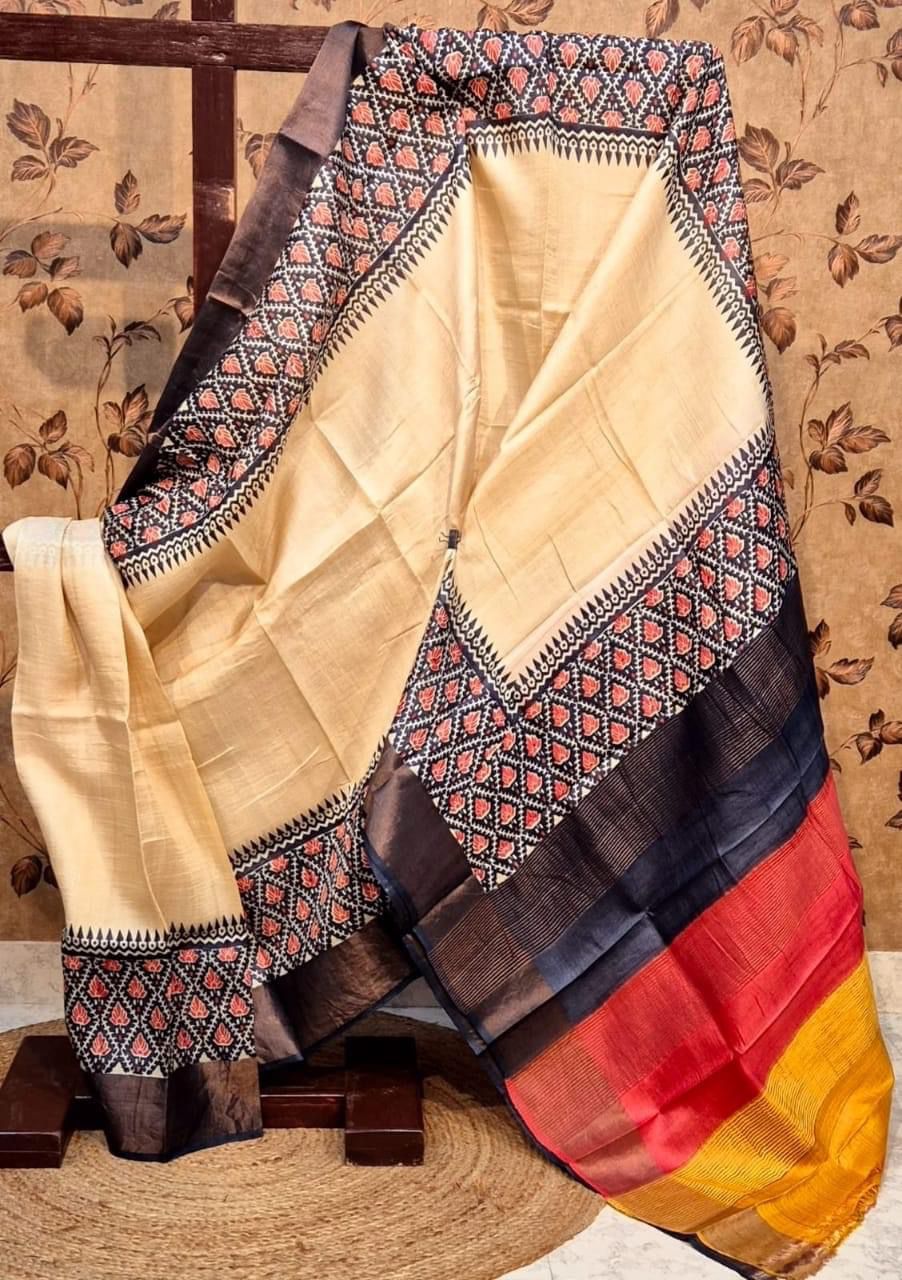
The yarn is woven on handlooms to create sarees, fabrics, dupattas, and other textiles.
The slight irregularities that emerge during hand weaving contribute to the charm and authenticity of Tussar silk products.
Major Tussar Silk Weaving Regions in India
Several states have become renowned for producing exceptional Tussar silk.
Jharkhand
Often regarded as one of India's most important Tussar silk-producing regions, Jharkhand is home to numerous artisan communities involved in silk cultivation and weaving.
Many of the country's finest Tussar silk sarees originate here.
Bihar
Bihar has a long-standing tradition of Tussar silk production and continues to contribute significantly to India's silk industry.
The state's skilled artisans create sarees known for their intricate designs and superior craftsmanship.
Odisha
Odisha combines Tussar silk with traditional weaving techniques to create distinctive textiles featuring tribal motifs, temple designs, and cultural symbolism.
Chhattisgarh
Known locally for Kosa silk production, Chhattisgarh has developed a strong reputation for producing premium-quality silk fabrics that are appreciated across India.
West Bengal
The state contributes to both silk production and artistic weaving traditions, creating elegant Tussar silk sarees that blend heritage with contemporary design.
Cultural Significance of Tussar Silk Sarees
Tussar silk sarees are more than fashion garments—they are cultural symbols.
Across India, these sarees are worn during:
- Weddings
- Religious ceremonies
- Festivals
- Family celebrations
- Cultural events
Their understated elegance makes them particularly appealing to women who appreciate traditional craftsmanship without excessive embellishment.
In many households, a Tussar silk saree is considered a valuable heirloom passed down through generations.
The Influence of Indian Handloom Traditions
India's handloom sector has always been central to the nation's cultural identity.
Tussar silk weaving reflects several key values of the handloom tradition:
Individual Craftsmanship
Each saree showcases the skill of the artisan who created it.
Sustainability
The production process often involves natural fibers and traditional techniques.
Artistic Expression
Weavers incorporate regional motifs, local stories, and cultural influences into their designs.
Heritage Preservation
Every handwoven saree helps preserve centuries-old knowledge and craftsmanship.
Modern Revival of Tussar Silk
In recent decades, Tussar silk has experienced a remarkable revival.
Several factors have contributed to its growing popularity:
Sustainable Fashion Movement
Consumers increasingly seek eco-friendly and artisan-made products.
Appreciation for Handloom Textiles
There is growing awareness of the value of handmade fabrics.
Contemporary Designs
Designers have introduced modern patterns, color palettes, and styling options that appeal to younger generations.
Global Recognition
International fashion enthusiasts are discovering the beauty and uniqueness of Indian handloom textiles.
Today, Tussar silk sarees are appreciated not only in India but also by buyers around the world.
Challenges Faced by the Tussar Silk Industry
Despite its rich heritage, the industry faces several challenges:
- Competition from synthetic fabrics
- Machine-made imitations
- Declining artisan populations
- Rising production costs
- Limited awareness among younger consumers
Supporting authentic handloom products plays an important role in preserving this valuable tradition.
Why Tussar Silk Heritage Matters Today
In an age dominated by mass production and fast fashion, Tussar silk represents something increasingly rare: authenticity.
Each saree embodies:
- Generations of knowledge
- Skilled craftsmanship
- Cultural identity
- Sustainable practices
- Artistic excellence
Owning a Tussar silk saree means owning a piece of India's living history.
It is a celebration of the artisans whose dedication has kept this remarkable craft alive for centuries.
Frequently Asked Questions
What makes Tussar silk different from other silk varieties?
Tussar silk is produced by wild silkworms and is known for its natural golden sheen, textured surface, and breathable comfort.
Which state is famous for Tussar silk?
Jharkhand is widely recognized as one of India's leading Tussar silk-producing states, though Bihar, Odisha, Chhattisgarh, and West Bengal are also important centers.
Why is Tussar silk called wild silk?
It is produced by silkworms that live in natural forest environments rather than controlled farming conditions.
Is Tussar silk handwoven?
Many premium Tussar silk sarees are handwoven by skilled artisans using traditional techniques.
Why is Tussar silk considered culturally significant?
Its production is closely linked to tribal communities, traditional craftsmanship, and India's centuries-old textile heritage.
Conclusion
The story of Tussar silk weaving in India is a story of nature, craftsmanship, culture, and resilience. From its origins in forest regions and tribal communities to its place in contemporary fashion, Tussar silk continues to embody the richness of India's textile traditions.
Its natural elegance, handcrafted beauty, and cultural significance make it far more than a luxury fabric. Every Tussar silk saree carries within its folds the legacy of generations of artisans who have preserved this extraordinary craft through dedication and skill.
As interest in sustainable fashion and authentic handloom products continues to grow, Tussar silk remains a shining example of India's enduring artistic heritage and a timeless treasure for future generations.
- #Artisan Craftsmanship
- #Ethnic Wear
- #Handwoven Sarees
- #handwoven Tussar silk sarees
- #History of Tussar silk
- #Indian Handloom
- #Indian handloom textiles
- #Indian Silk Industry
- #Indian Textile Heritage
- #Indian Tussar silk heritage
- #Kosa Silk
- #Kosa silk India
- #Silk Weaving India
- #Sustainable Fashion
- #Traditional Weaving
- #Tussar Silk Heritage
- #Tussar Silk Sarees
- #Tussar Silk Weaving
- #Tussar silk weaving tradition
- #Wild Silk
- #wild silk weaving
Share