





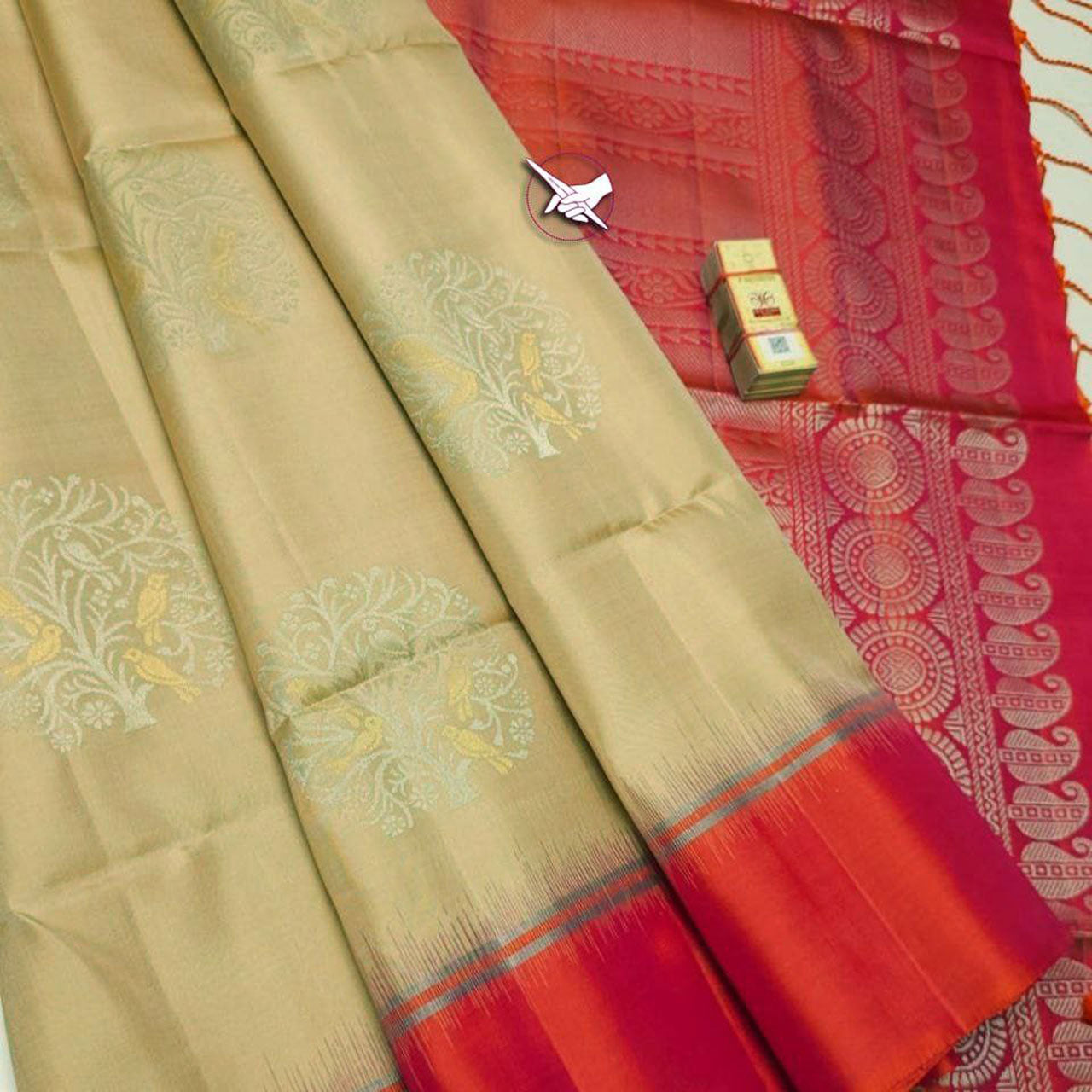


Handloom vs Machine-Made Sarees: Can You Spot the Difference? Complete Buyer’s Guide
At first glance, a handloom saree and a machine-made saree may look nearly identical. Both can feature beautiful patterns, vibrant colors, and elegant drapes. However, behind every saree lies a unique production process that significantly impacts its quality, value, durability, and cultural significance.
With the growing popularity of affordable fashion, machine-made sarees have become widely available. At the same time, handloom sarees continue to represent India's rich textile heritage and centuries-old weaving traditions. For buyers, distinguishing between the two can be challenging, especially when shopping online.
In this guide, we'll explore the major differences between handloom and machine-made sarees, how to identify them, and which option might be the right choice for your wardrobe.
What Is a Handloom Saree?
A handloom saree is woven manually on a loom operated by skilled artisans. Every thread is interlaced by hand without the use of automated machinery.
Handloom weaving has been practiced in India for centuries and is responsible for some of the country's most iconic sarees, including:
- Banarasi Sarees
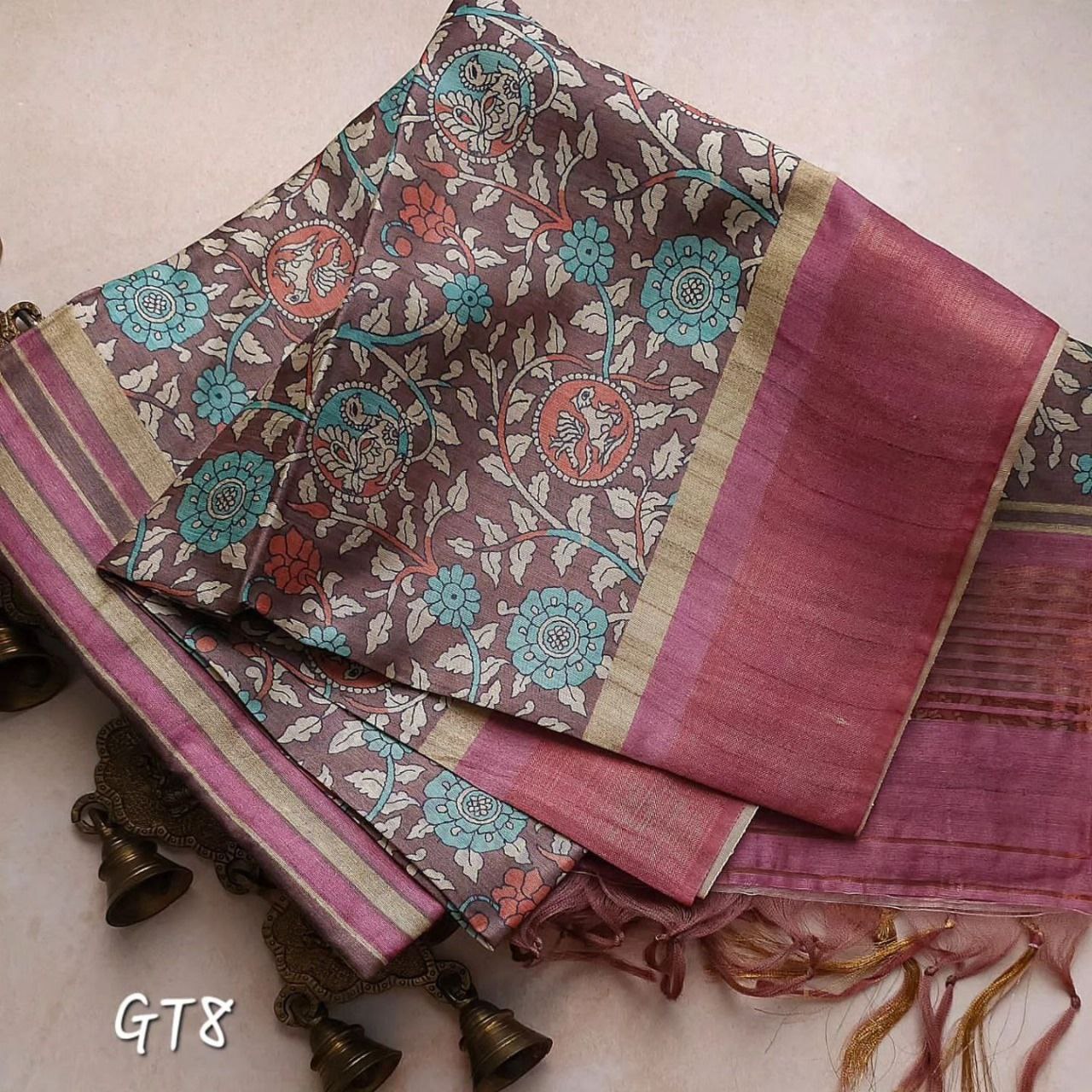
- Tussar Silk Sarees
- Kanjivaram Sarees
- Chanderi Sarees
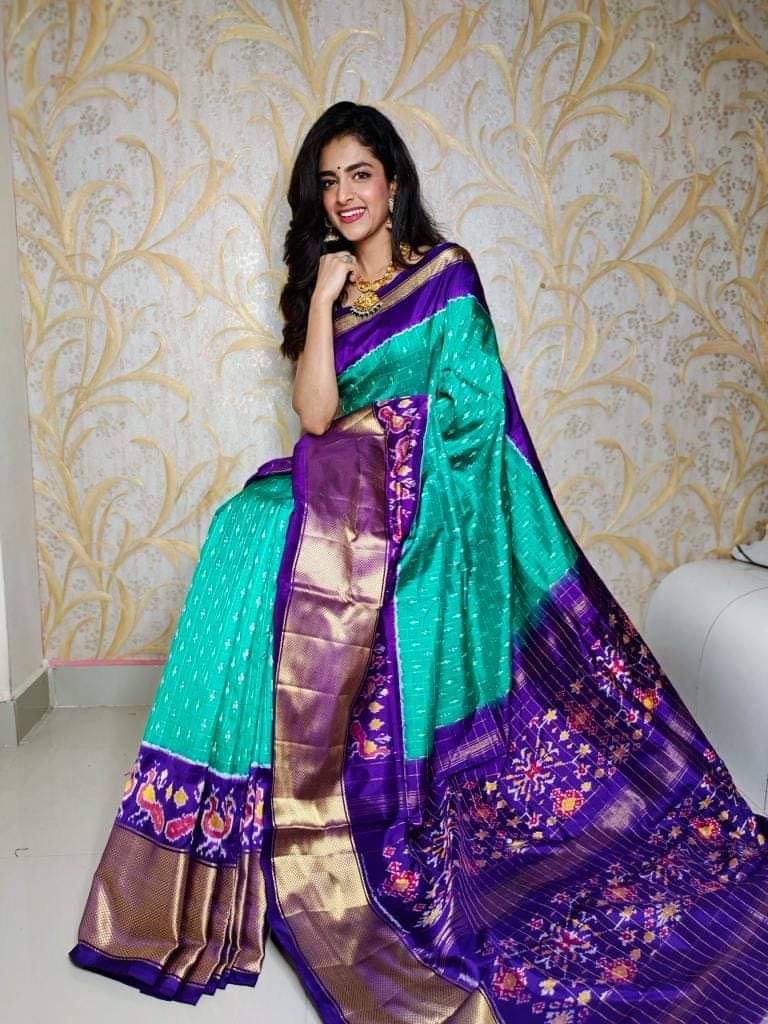
- Patola Sarees
- Paithani Sarees
- Sambalpuri Sarees
Each handloom saree reflects the craftsmanship, creativity, and dedication of the weaver.
What Is a Machine-Made Saree?
Machine-made sarees are produced using power looms and industrial textile machinery. These machines can create large quantities of sarees quickly and efficiently.
Machine weaving allows manufacturers to:
- Produce sarees faster
- Reduce labor costs
- Create uniform patterns
- Offer lower prices
- Meet mass-market demand
While machine-made sarees can be attractive and affordable, they differ significantly from handloom sarees in terms of artistry and uniqueness.
Handloom vs Machine-Made Sarees: Key Differences
1. Production Process
Handloom Sarees
- Woven manually by artisans
- Require significant skill and experience
- Production can take days, weeks, or even months
Machine-Made Sarees
- Produced using automated machinery
- Faster manufacturing process
- Large-scale production possible
The weaving process is the most fundamental difference between the two.
2. Uniqueness and Craftsmanship
One of the biggest advantages of handloom sarees is their individuality.
Handloom Sarees
Every handloom saree is slightly different because it is created by human hands. Small variations in weave, motifs, or texture are natural signs of authenticity.
Machine-Made Sarees
Machine-made sarees are highly uniform. Every piece often looks identical because the design is replicated through programmed machinery.
If you value exclusivity, handloom sarees are difficult to match.
3. Texture and Feel
The fabric texture can reveal a lot about a saree's origin.
Handloom Sarees
- Softer and more breathable
- Natural texture
- Rich drape quality
- Comfortable for extended wear
Machine-Made Sarees
- Smoother and more uniform
- Sometimes feel stiffer
- Less variation in texture
Many saree enthusiasts appreciate the natural character of handwoven fabrics.
4. Design Precision
Machine-made sarees often excel in design consistency.
Handloom Sarees
- Slight irregularities may appear
- Human craftsmanship is visible
- Patterns may vary subtly
Machine-Made Sarees
- Extremely precise designs
- Consistent motifs throughout
- Perfect symmetry
Ironically, minor imperfections in handloom sarees often indicate authenticity.
5. Time Required for Production
Handloom Sarees
Depending on complexity, a saree may take:
- Several days
- Several weeks
- Even months for intricate designs
Machine-Made Sarees
Production can be completed within hours.
This difference directly influences pricing and availability.
6. Durability
When properly maintained, handloom sarees often last for generations.
Handloom Sarees
- Strong weaving structure
- Better longevity
- Ideal for heirloom collections
Machine-Made Sarees
- Durability varies by fabric quality
- Generally shorter lifespan compared to premium handloom sarees
Many traditional families pass down handloom sarees through generations.
7. Price Difference
Price is often the first thing buyers notice.
Handloom Sarees
- Higher production costs
- Skilled labor involved
- Premium pricing
Machine-Made Sarees
- More affordable
- Mass-produced
- Budget-friendly options available
While handloom sarees require a larger investment, they often provide greater long-term value.
How to Identify a Genuine Handloom Saree
Look for Slight Irregularities
Handwoven fabrics are rarely perfectly uniform. Small variations in weaving indicate human craftsmanship.
Check the Reverse Side
Turn the saree over and inspect the back.
Handloom sarees usually show:
- Floating threads
- Intricate weaving details
- Evidence of manual craftsmanship
Machine-made sarees often appear cleaner and more uniform on both sides.
Feel the Fabric
Handloom sarees generally feel:
- More breathable
- Softer over time
- Rich in texture
Machine-made fabrics may feel overly smooth and standardized.
Examine the Borders
Traditional handloom sarees often have carefully woven borders that blend naturally with the body of the saree.
Look for Handloom Certification
When shopping, check for recognized certifications that verify authentic handloom production.
Why Handloom Sarees Are More Valuable
Handloom sarees represent much more than clothing.
They support:
Traditional Artisans
Millions of Indian weavers depend on handloom weaving for their livelihood.
Cultural Heritage
Every region has unique weaving traditions that have been preserved for generations.
Sustainable Fashion
Handloom production consumes significantly less energy than industrial textile manufacturing.
Slow Fashion Movement
Consumers increasingly prefer quality products that last longer and reduce waste.
Purchasing handloom sarees contributes to preserving these valuable traditions.
Advantages of Machine-Made Sarees
Despite the charm of handloom weaving, machine-made sarees also offer several benefits.
Affordable Pricing
Machine production lowers manufacturing costs.
Wide Availability
Large-scale production ensures consistent supply.
Fashion Variety
Manufacturers can quickly adapt to changing trends.
Easy Maintenance
Many machine-made sarees are designed for everyday wear and convenience.
For budget-conscious buyers, machine-made sarees can be practical choices.
Which Saree Should You Choose?
The answer depends on your purpose and preferences.
Choose Handloom Sarees If You Want:
- Authentic craftsmanship
- Long-lasting quality
- Unique designs
- Traditional heritage
- Sustainable fashion choices
- Investment-worthy pieces
Choose Machine-Made Sarees If You Want:
- Budget-friendly options
- Trend-based fashion
- Everyday wear
- Large design variety
- Easy accessibility
Many women maintain a collection that includes both handloom and machine-made sarees for different occasions.
Common Myths About Handloom Sarees
Myth 1: Handloom Sarees Are Always Expensive
Not all handloom sarees are premium-priced. Many affordable handwoven cotton and silk blends are available.
Myth 2: Handloom Sarees Are Old-Fashioned
Modern designers are creating contemporary handloom sarees that appeal to younger generations.
Myth 3: Machine-Made Sarees Are Poor Quality
High-quality machine-made sarees can still offer excellent value and attractive designs.
The key is understanding what you are buying and choosing according to your needs.
Frequently Asked Questions
Are handloom sarees better than machine-made sarees?
Handloom sarees generally offer superior craftsmanship, uniqueness, and cultural value, while machine-made sarees provide affordability and convenience.
Why are handloom sarees expensive?
They require skilled artisans, manual weaving, and significantly more production time.
Can machine-made sarees look like handloom sarees?
Yes. Modern technology can closely imitate handloom designs, making it important to examine texture, weave, and certifications.
Do handloom sarees last longer?
When properly maintained, handloom sarees often last longer than many machine-made alternatives.
How can I verify a handloom saree before buying?
Check for weaving irregularities, inspect the reverse side, evaluate the texture, and look for recognized handloom certifications.
Conclusion
Understanding the difference between handloom and machine-made sarees helps you become a more informed buyer. While machine-made sarees offer affordability and convenience, handloom sarees carry a story of craftsmanship, heritage, and artistry that machines cannot replicate.
Whether you're investing in a luxurious Tussar silk saree, a timeless Banarasi masterpiece, or an elegant handwoven cotton saree, recognizing the signs of authentic handloom weaving ensures you receive true value for your purchase. In a world of mass production, owning a handloom saree is not just a fashion choice—it's a celebration of India's rich textile legacy.