

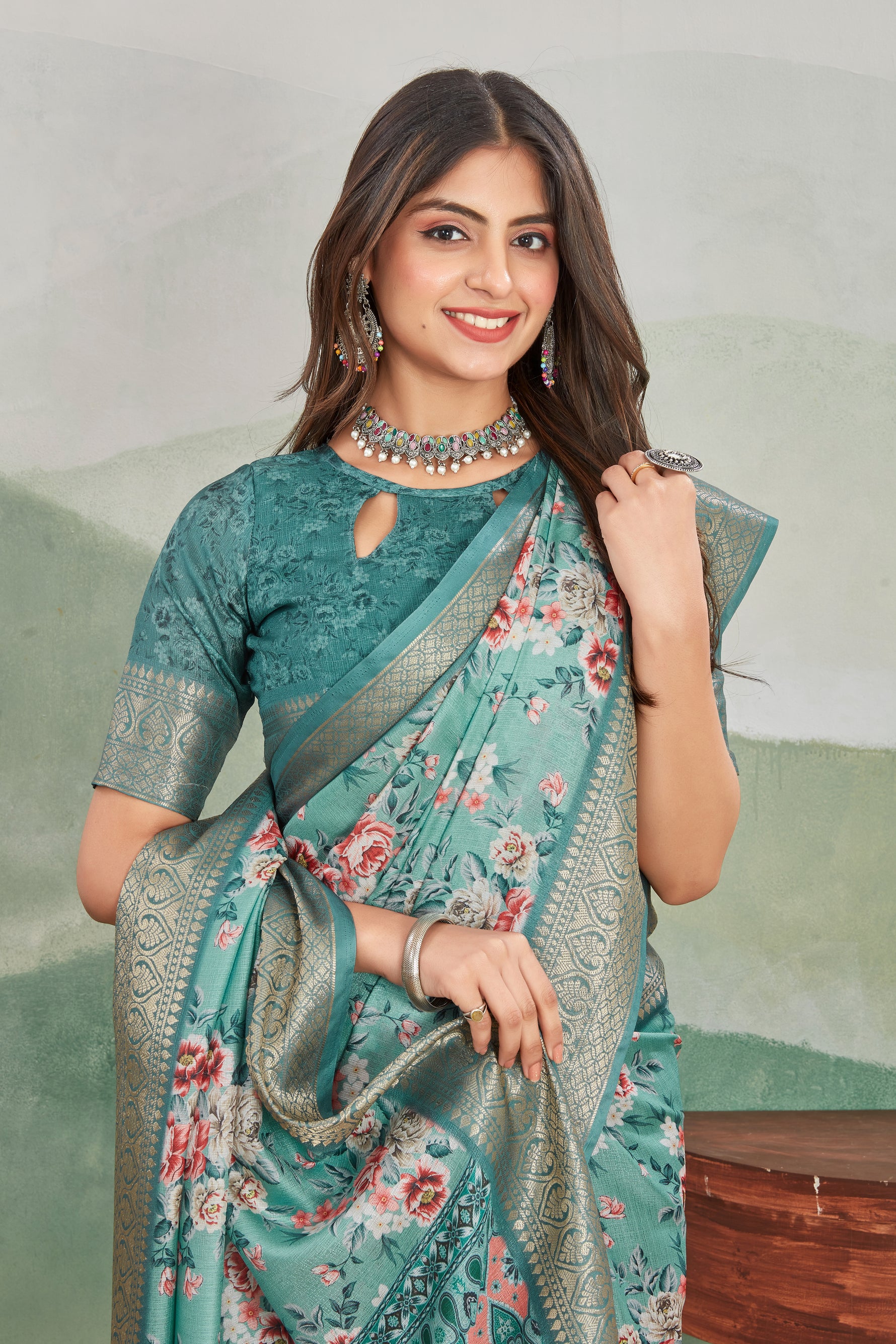

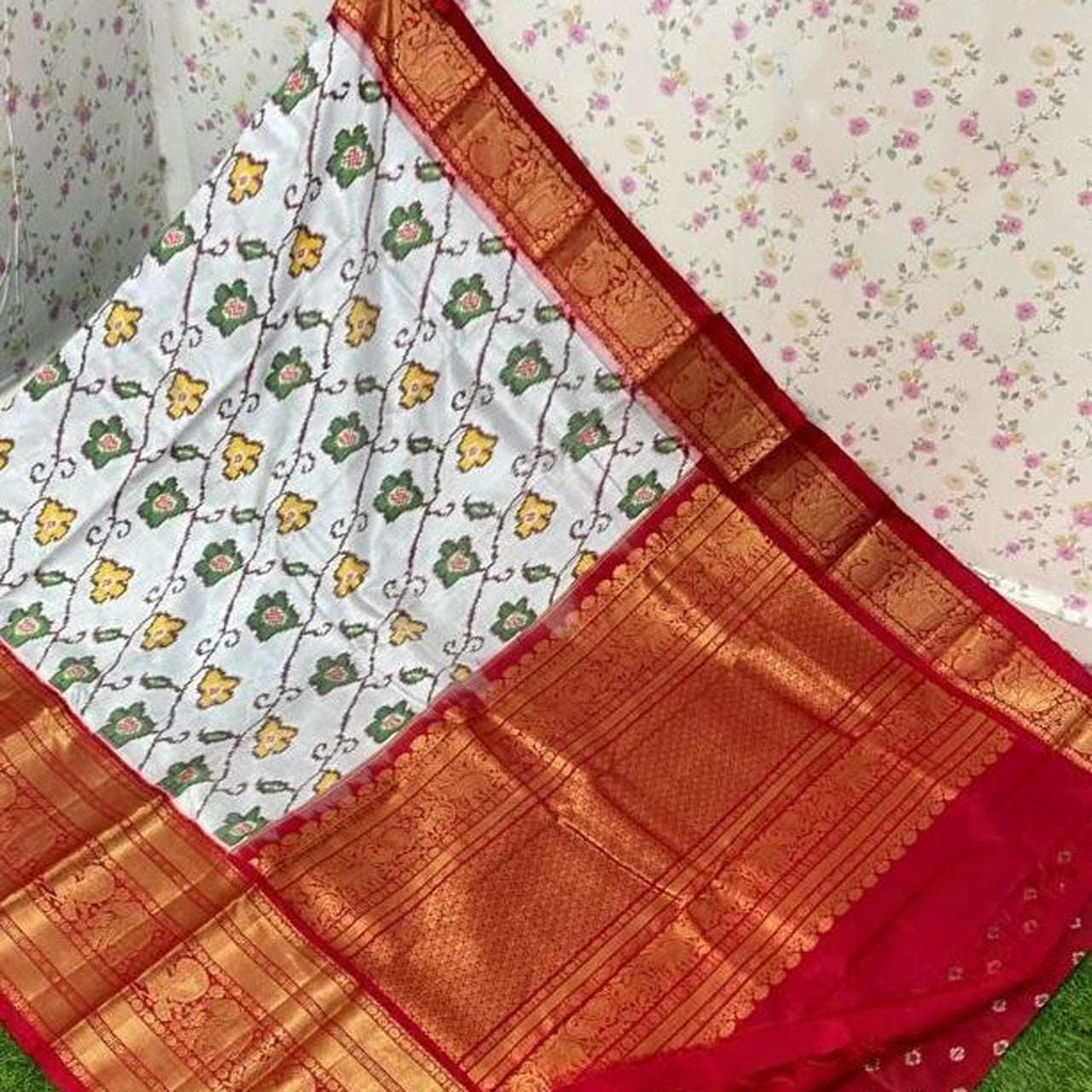
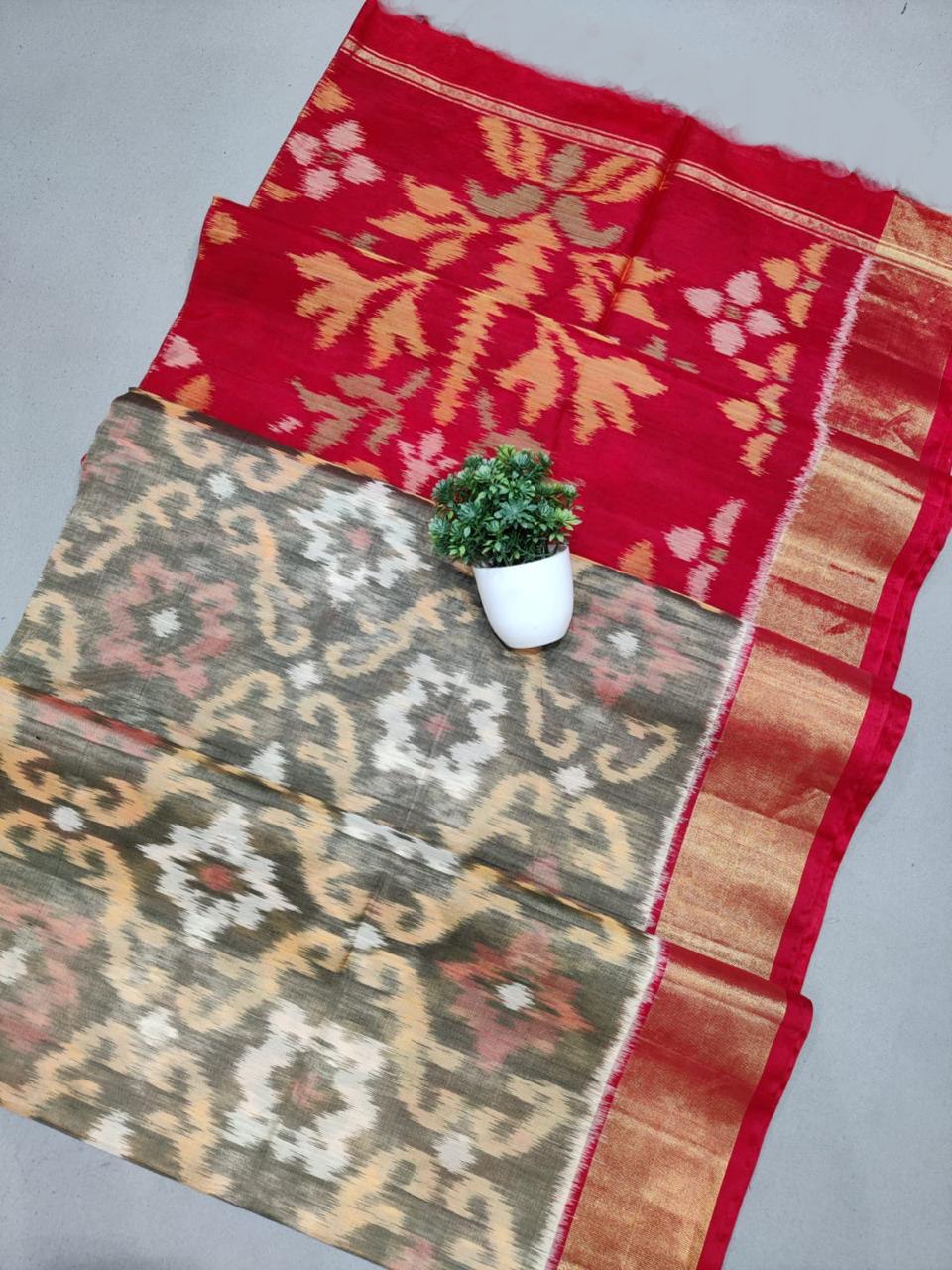

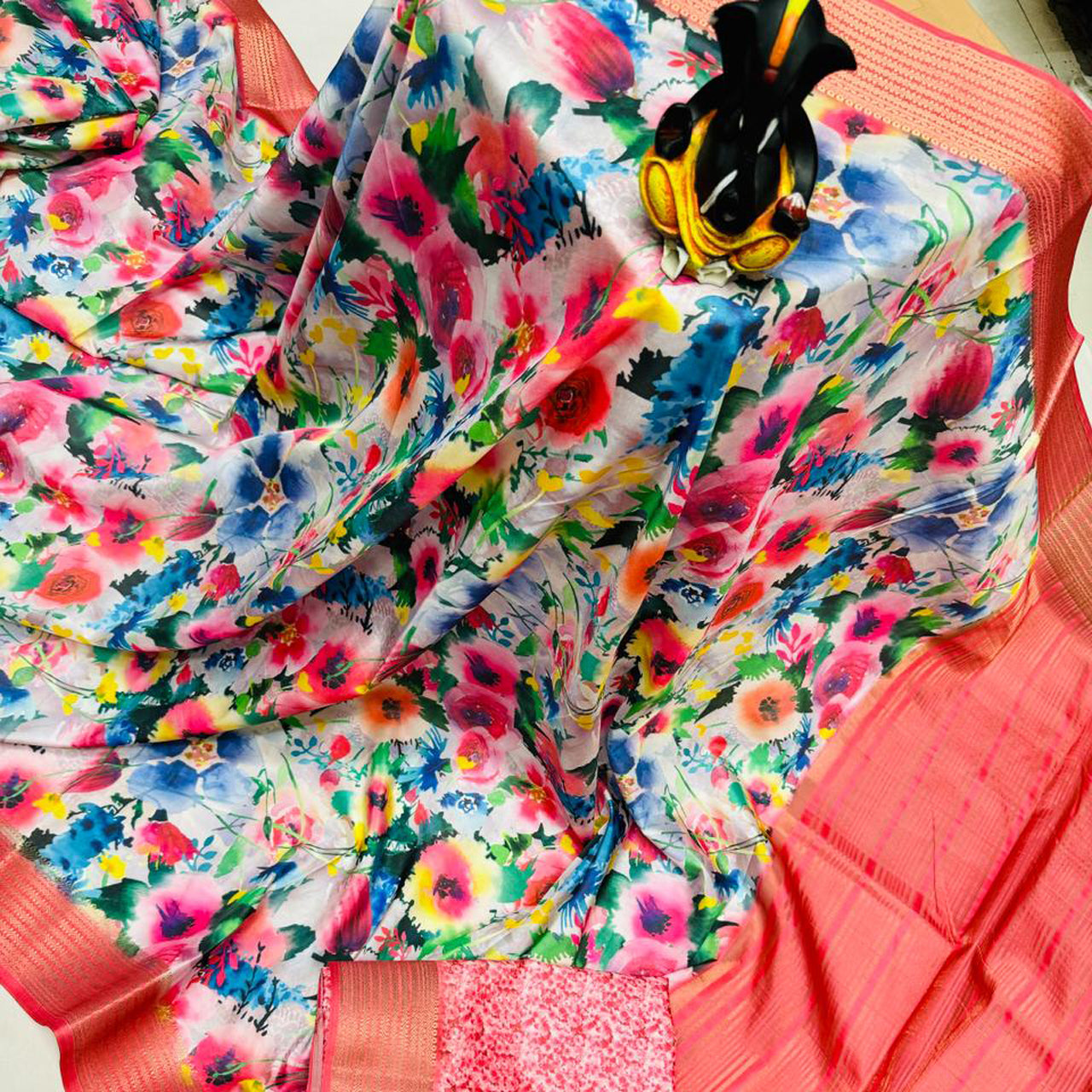


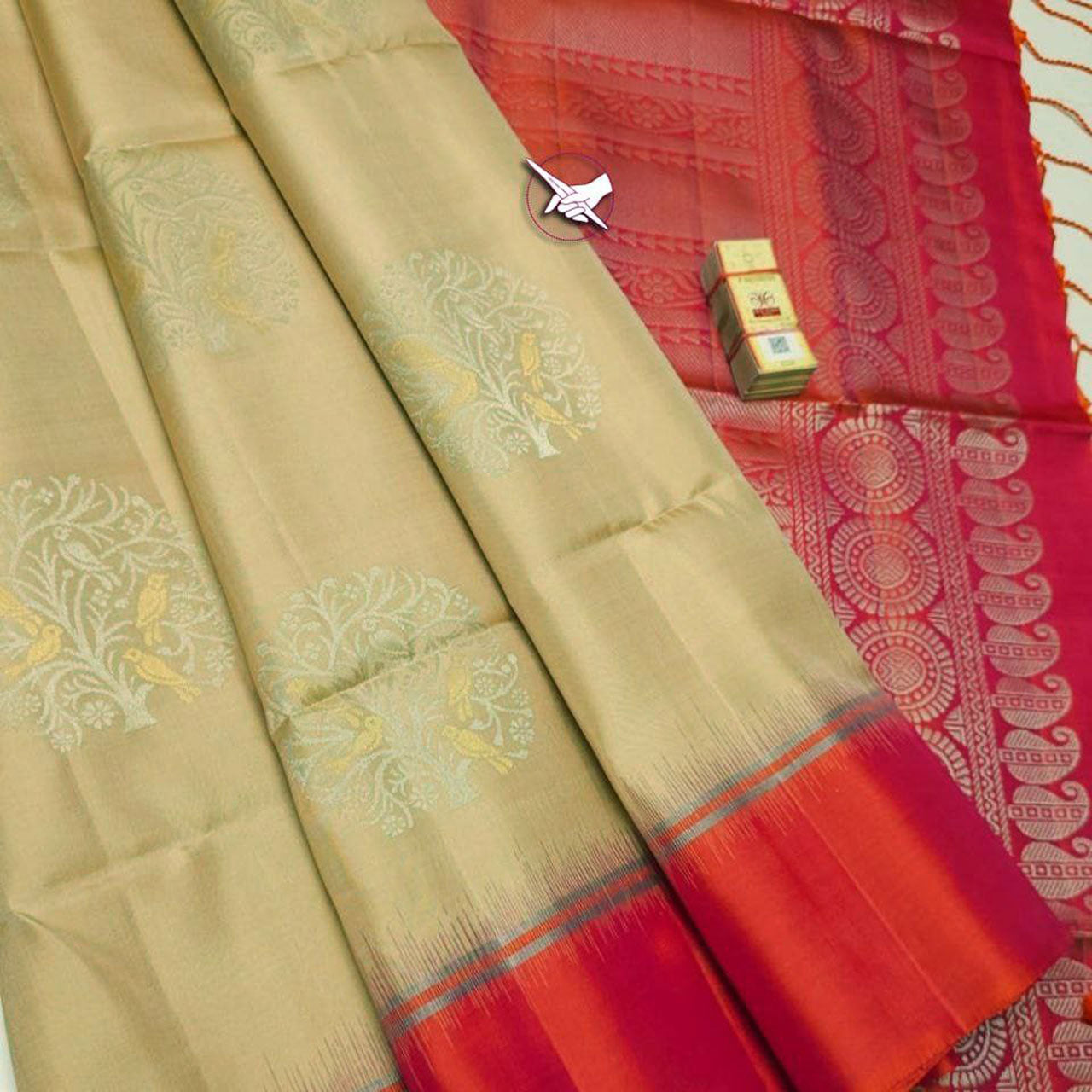


Handloom Sarees vs Powerloom Sarees: Understanding the Difference
When shopping for sarees, you've probably come across the terms handloom and powerloom. While both types of sarees may appear similar at first glance, they differ significantly in terms of craftsmanship, production methods, texture, durability, pricing, and overall value.
As awareness about sustainable fashion and artisan-made products grows, more women are becoming interested in understanding what truly sets handloom sarees apart from machine-made alternatives. Whether you're investing in a Tussar Silk saree, Banarasi saree, cotton saree, or linen saree, knowing the difference between handloom and powerloom can help you make an informed purchase.
In this detailed guide, we'll break down everything you need to know about handloom sarees vs powerloom sarees so you can confidently choose the right option for your wardrobe.
What Is a Handloom Saree?
A handloom saree is woven entirely by skilled artisans using traditional hand-operated looms. The weaving process involves human effort, craftsmanship, and years of expertise.
Unlike machine-made textiles, handloom weaving relies on the artisan's skill to create patterns, motifs, textures, and designs.
Key Characteristics of Handloom Sarees
- Handwoven by artisans
- Unique weaving patterns
- Slight natural irregularities
- Rich texture
- Superior craftsmanship
- Heritage value
- Sustainable production
Every handloom saree carries the personal touch of the weaver who created it.
What Is a Powerloom Saree?
A powerloom saree is produced using electrically operated machines that automate the weaving process.
Powerlooms can manufacture large quantities of fabric quickly and efficiently, making them ideal for mass production.
Key Characteristics of Powerloom Sarees
- Machine-made
- Faster production
- Uniform appearance
- Lower manufacturing cost
- Greater volume output
- Consistent patterns
Powerloom sarees are widely available and often dominate the mass-market segment.
Handloom Sarees vs Powerloom Sarees: Major Differences
Let's compare the two across several important factors.
1. Weaving Process
Handloom Sarees
Handloom sarees are woven manually by skilled artisans.
Each saree requires:
- Time
- Precision
- Craftsmanship
- Traditional weaving knowledge
Complex designs can take days or even weeks to complete.
Powerloom Sarees
Powerloom sarees are produced using automated machinery.
The process:
- Is faster
- Requires less manual labor
- Allows large-scale production
A powerloom can produce in hours what may take days on a handloom.
Winner
For craftsmanship and authenticity: Handloom
For speed and mass production: Powerloom
2. Texture and Feel
Handloom Sarees
One of the easiest ways to identify a handloom saree is through its texture.
Handloom fabrics typically offer:
- Rich depth
- Natural variations
- Soft character
- Authentic feel
The slight irregularities often add charm rather than detract from quality.
Powerloom Sarees
Powerloom fabrics generally feel:
- Uniform
- Smooth
- Consistent
While visually attractive, they may lack the distinctive texture associated with handcrafted textiles.
Winner
For texture and uniqueness: Handloom
3. Craftsmanship
Handloom Sarees
Handloom weaving reflects generations of artisan expertise.
Every motif, border, and pattern is created through skilled craftsmanship.
Examples include:
- Tussar Handloom Sarees
- Jamdani Sarees
- Chanderi Sarees
- Maheshwari Sarees
- Traditional Banarasi Handloom Sarees
Powerloom Sarees
Powerloom sarees replicate many traditional designs but rely on automated systems rather than manual artistry.
Winner
For artistic value: Handloom
4. Uniqueness
Handloom Sarees
No two handloom sarees are exactly identical.
Small variations in weaving make each piece unique.
This exclusivity appeals to women who appreciate individuality.
Powerloom Sarees
Powerloom sarees are designed for consistency.
Multiple sarees may appear nearly identical.
Winner
For uniqueness: Handloom
5. Durability
Handloom Sarees
High-quality handloom sarees often last for decades when properly maintained.
The slower weaving process frequently results in:
- Stronger construction
- Better longevity
- Greater resilience
Many handloom sarees become family heirlooms.
Powerloom Sarees
Durability varies depending on fabric quality and manufacturing standards.
While many powerloom sarees are durable, they may not always match the longevity of premium handwoven textiles.
Winner
For long-term value: Handloom
6. Pricing
Handloom Sarees
Handloom sarees generally cost more because of:
- Labor-intensive production
- Skilled craftsmanship
- Longer weaving time
- Limited production volume
Powerloom Sarees
Powerloom sarees are usually more affordable due to:
- Automation
- Faster production
- Lower labor costs
- Mass manufacturing
Winner
For affordability: Powerloom
For investment value: Handloom
7. Sustainability
Handloom Sarees
Handloom weaving is one of the most sustainable textile production methods.
Benefits include:
- Minimal electricity use
- Lower carbon footprint
- Artisan livelihood support
- Slow fashion principles
Powerloom Sarees
Powerloom production consumes electricity and often supports mass-production models.
While efficient, it generally has a larger environmental footprint.
Winner
For sustainability: Handloom
8. Cultural and Heritage Value
Handloom Sarees
Handloom weaving preserves centuries-old traditions.
Purchasing handloom sarees helps support:
- Artisan communities
- Traditional weaving techniques
- Cultural heritage
Powerloom Sarees
Powerloom production focuses more on efficiency than heritage preservation.
Winner
For cultural significance: Handloom
How to Identify a Genuine Handloom Saree
Many shoppers struggle to distinguish authentic handloom products from machine-made alternatives.
Here are some useful clues.
Look for Slight Irregularities
Handloom sarees often display:
- Minor weaving variations
- Small texture differences
- Natural imperfections
These are signs of craftsmanship, not defects.
Examine the Reverse Side
Handwoven motifs often appear slightly different on the back compared to machine-made designs.
Feel the Texture
Handloom fabrics usually feel more organic and textured.
Check for Authentic Certifications
Look for:
- Handloom Mark
- Silk Mark (for silk sarees)
- Government-recognized certifications
These help verify authenticity.
Popular Handloom Sarees in India
Some of India's most loved handloom sarees include:
Tussar Silk Sarees
Known for:
- Natural golden sheen
- Lightweight elegance
- Rich texture
Banarasi Handloom Sarees
Celebrated for:
- Intricate weaving
- Luxurious appearance
- Heritage value
Jamdani Sarees
Admired for:
- Delicate motifs
- Fine craftsmanship
- Artistic beauty
Chanderi Sarees
Popular for:
- Lightweight feel
- Elegant transparency
- Traditional appeal
Maheshwari Sarees
Known for:
- Distinctive borders
- Comfortable drape
- Timeless charm
When Should You Choose a Handloom Saree?
A handloom saree is ideal when you:
- Value craftsmanship
- Prefer unique pieces
- Want long-term durability
- Support artisans
- Appreciate sustainable fashion
- Seek timeless elegance
Handloom sarees are often considered wardrobe investments rather than impulse purchases.
When Should You Choose a Powerloom Saree?
A powerloom saree may be suitable if you:
- Need affordable options
- Want multiple styles on a budget
- Prefer uniform designs
- Shop frequently for trend-based fashion
Powerloom sarees offer convenience and accessibility.
Handloom vs Powerloom: Which One Is Better?
The answer depends on your priorities.
Choose Handloom Sarees if you want:
- Authentic craftsmanship
- Heritage value
- Sustainability
- Long-term investment
- Unique designs
Choose Powerloom Sarees if you want:
- Budget-friendly pricing
- Faster availability
- Consistent patterns
- Trend-focused shopping
For many saree enthusiasts, a balanced wardrobe includes both.
Frequently Asked Questions
Are handloom sarees better than powerloom sarees?
Handloom sarees generally offer superior craftsmanship, uniqueness, and cultural value, while powerloom sarees provide affordability and accessibility.
Why are handloom sarees expensive?
They require skilled labor, longer production times, and traditional weaving techniques that cannot be easily automated.
How can I identify a genuine handloom saree?
Look for slight weaving irregularities, authentic texture, certification marks, and handcrafted detailing.
Are handloom sarees durable?
Yes. High-quality handloom sarees can last for decades when properly maintained.
Is buying handloom sarees sustainable?
Absolutely. Handloom production supports artisans, consumes less energy, and promotes sustainable fashion practices.
Conclusion
Understanding the difference between handloom sarees and powerloom sarees helps you make smarter and more meaningful purchasing decisions. While powerloom sarees offer affordability and convenience, handloom sarees provide something truly special—craftsmanship, heritage, individuality, and timeless value.
Whether it's a luxurious Tussar Silk saree, a classic Banarasi weave, a delicate Jamdani, or a lightweight Chanderi, handloom textiles represent centuries of artistry and cultural tradition. Investing in handloom sarees not only enhances your wardrobe but also supports skilled artisans and preserves India's rich textile heritage for future generations.
The next time you shop for a saree, look beyond the design and consider the story woven into every thread.