





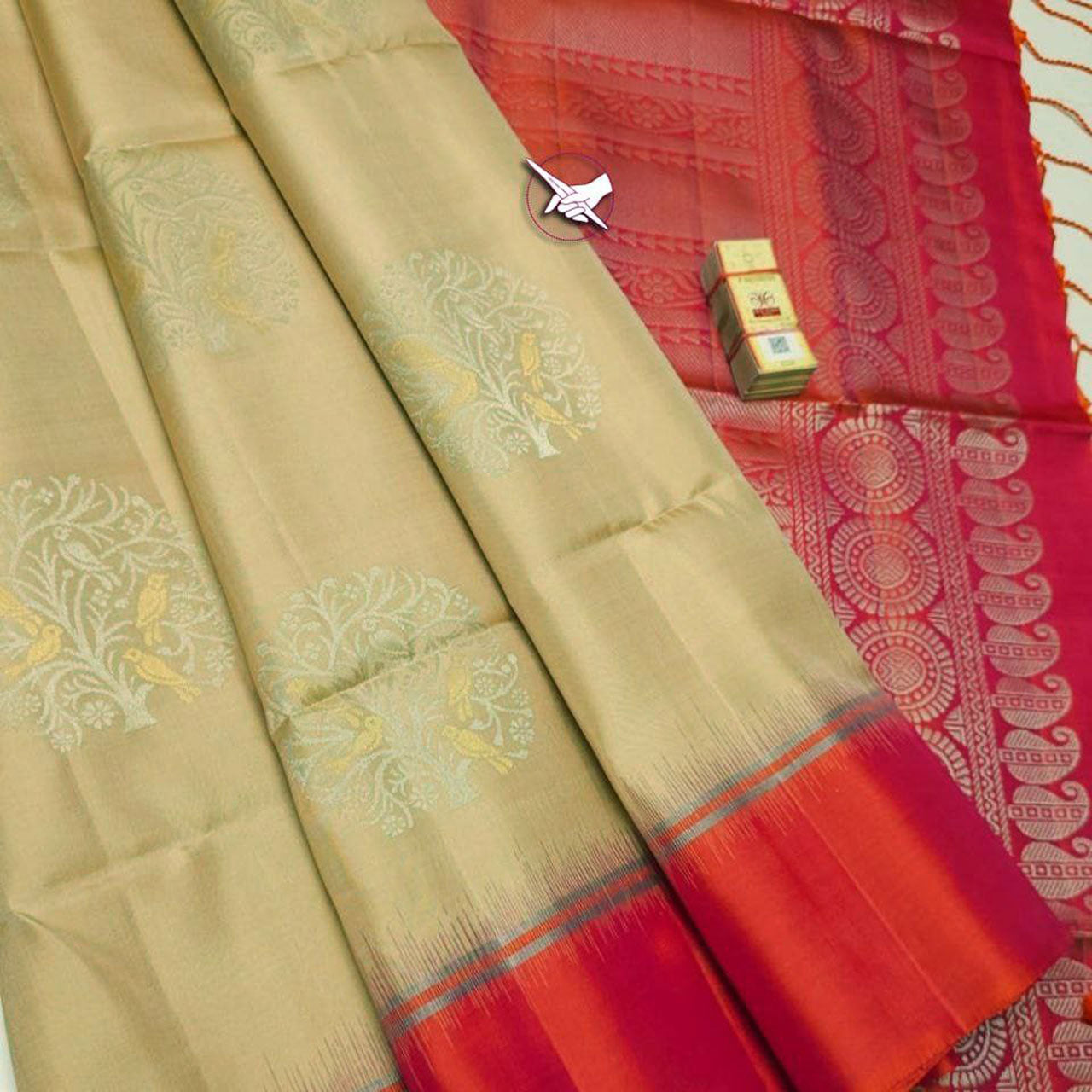


The Evolution of Printed Sarees: From Traditional Motifs to Modern Art
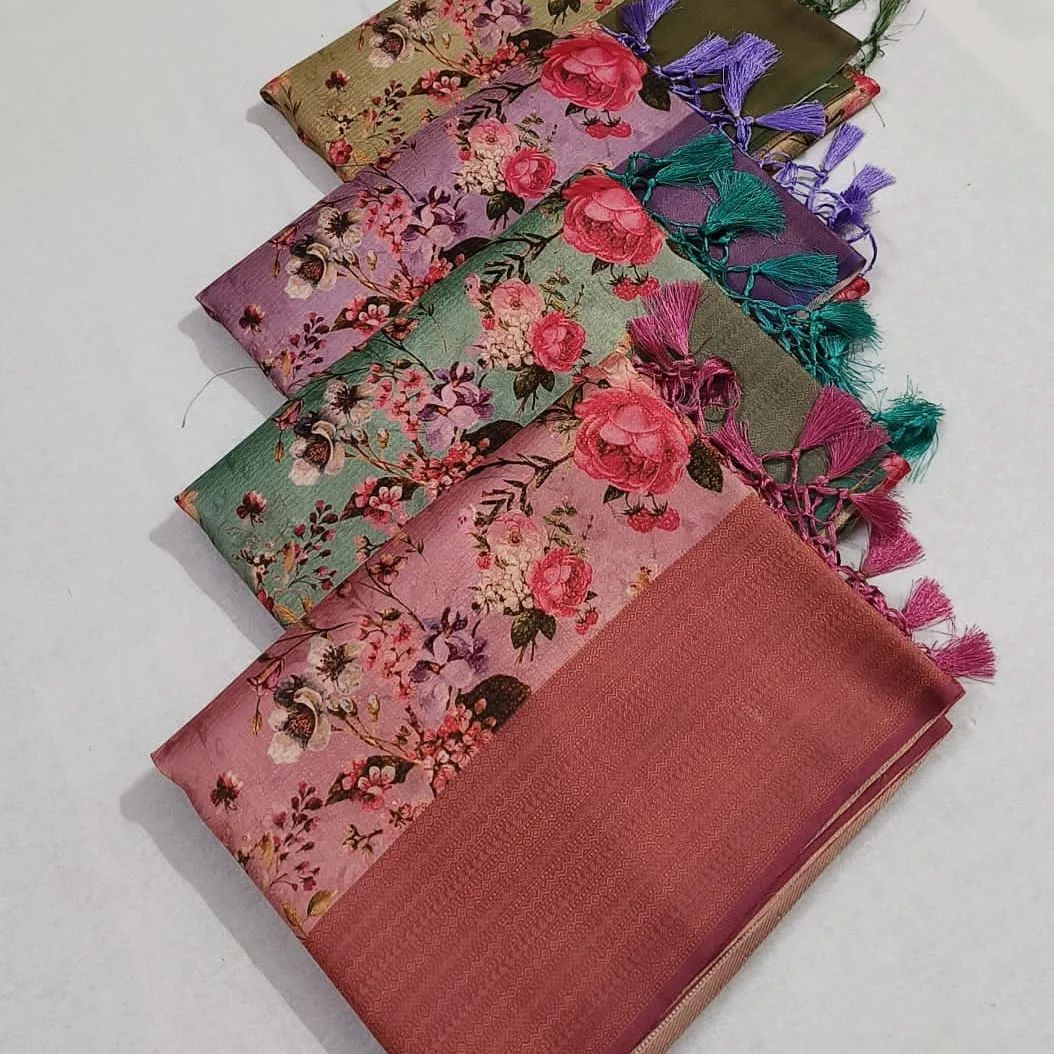
Printed sarees have become an essential part of Indian fashion, admired for their versatility, vibrant designs, and ability to blend tradition with contemporary style. Today, you can find everything from delicate floral prints and intricate Kalamkari artwork to abstract digital designs and artistic illustrations. However, the journey of printed sarees began centuries ago, long before modern printing machines and digital technology transformed textile design.
India's textile heritage has always been deeply connected with storytelling, culture, and craftsmanship. Early artisans used natural dyes and hand-carved wooden blocks to decorate fabrics with symbolic motifs inspired by religion, nature, and everyday life. Over time, advances in textile printing introduced screen printing, rotary printing, and eventually digital printing, allowing designers to create increasingly detailed and colorful sarees.
Understanding this evolution not only helps us appreciate printed sarees as fashion garments but also highlights the remarkable innovation that continues to shape India's textile industry.
The Origins of Printed Sarees
Long before industrial textile production, Indian artisans decorated fabrics entirely by hand.
Ancient printing traditions relied on:
- Hand-carved wooden blocks
- Natural vegetable dyes
- Mineral pigments
- Skilled artisan techniques
These handcrafted methods were practiced across various regions of India and became an important part of local textile traditions.
Each region developed distinctive motifs, color palettes, and printing styles that reflected its cultural identity.
Traditional Motifs That Defined Indian Textiles
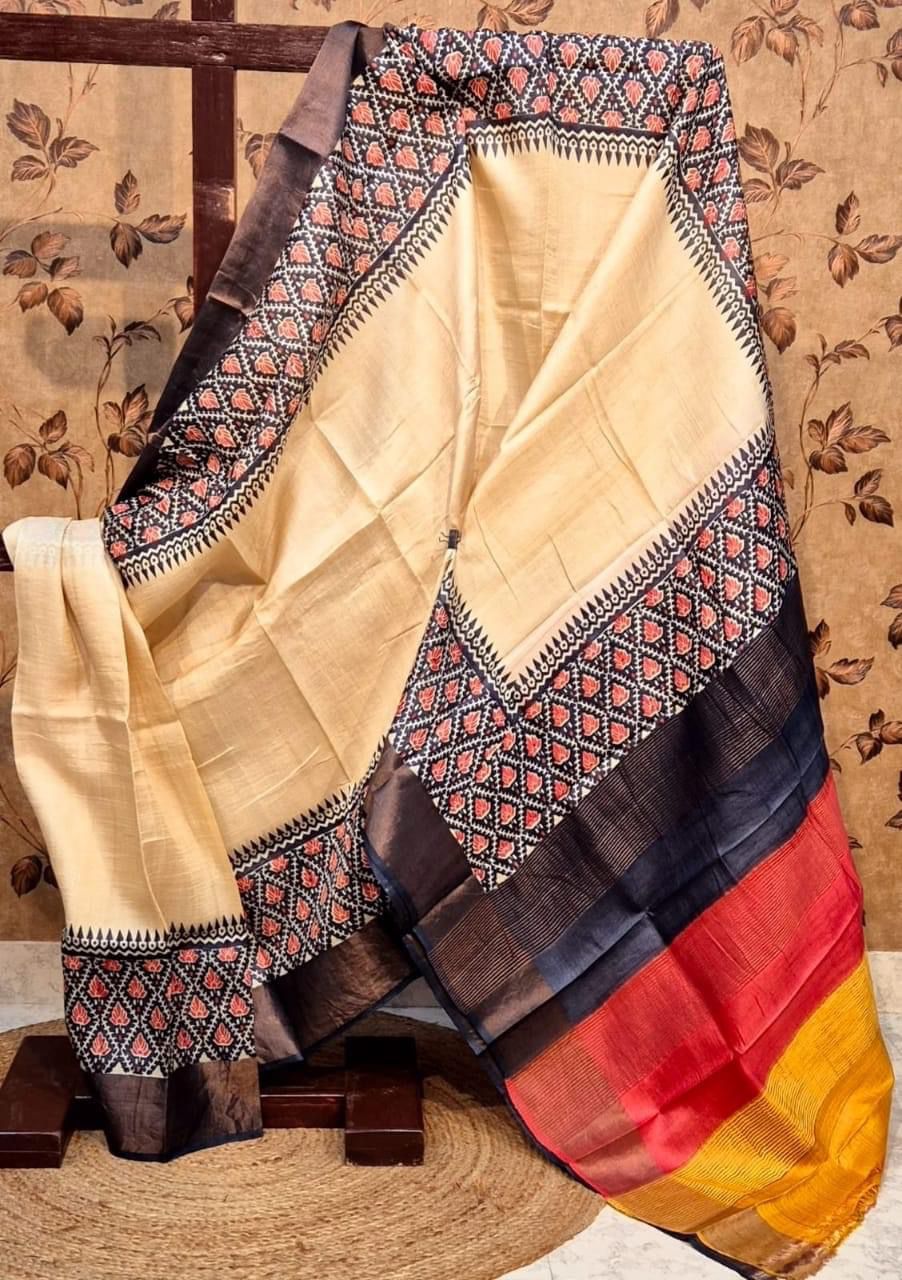
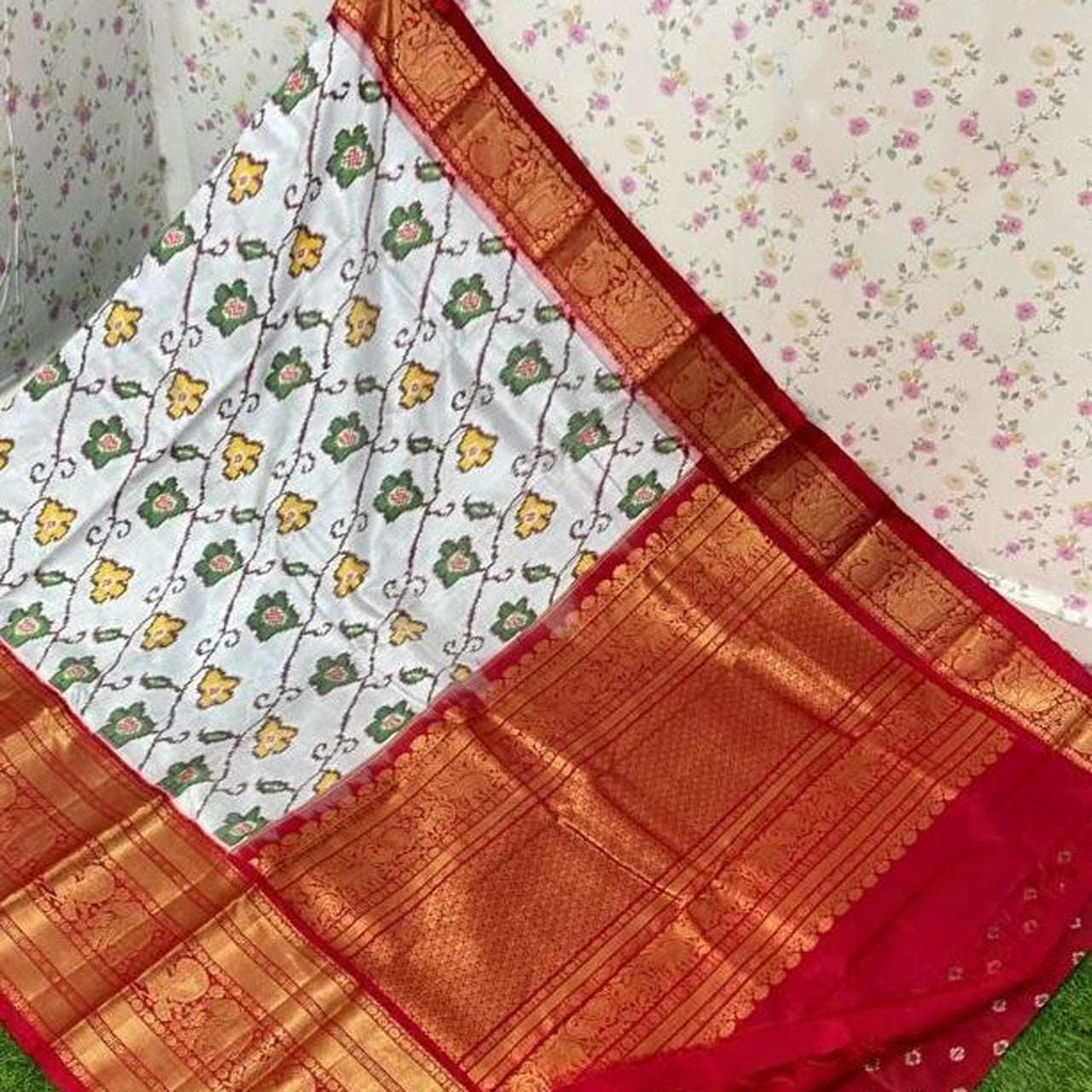
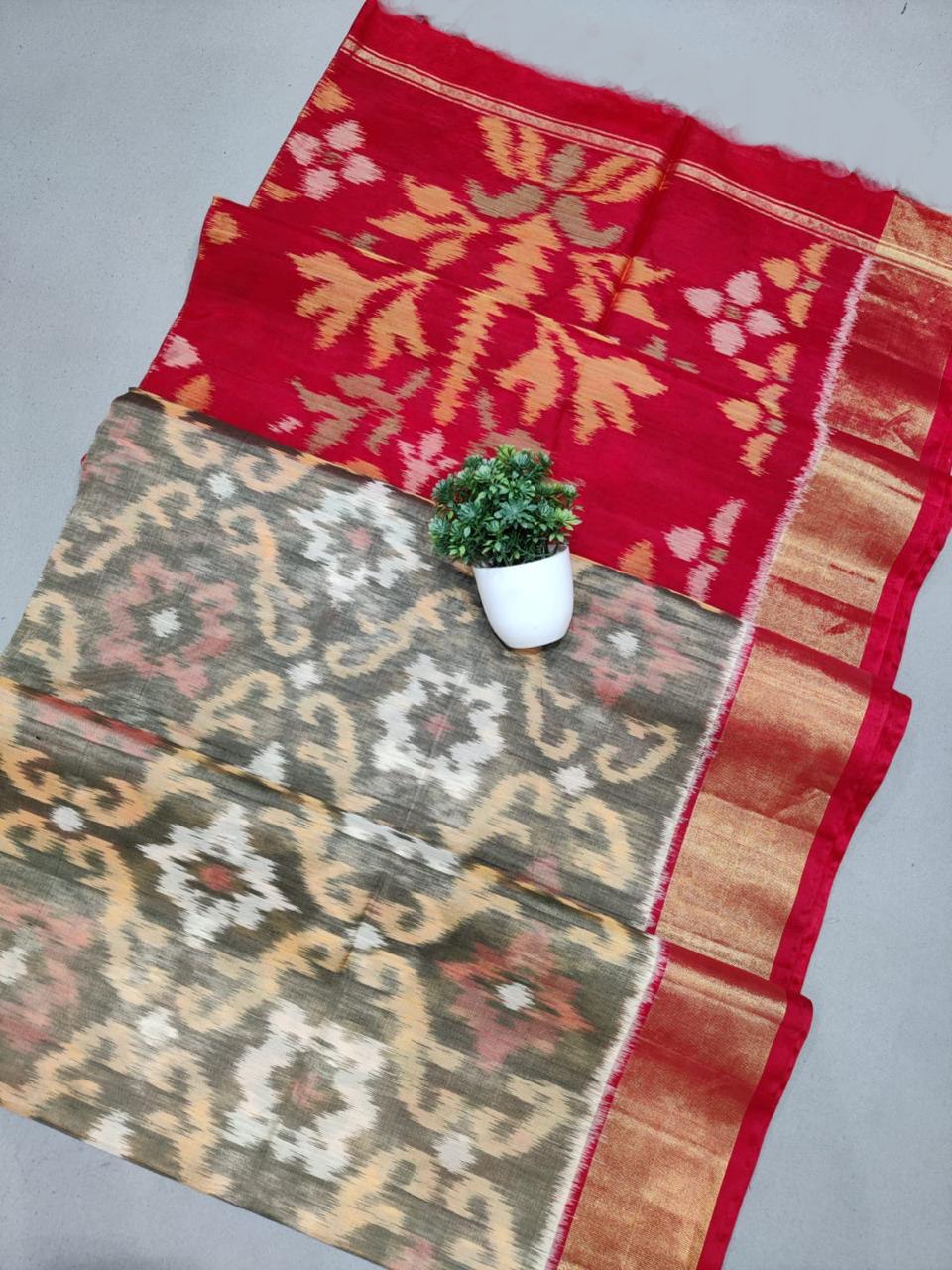
Early printed sarees featured motifs inspired by nature, mythology, architecture, and spirituality.
Some of the most enduring traditional designs include:
- Paisley (Mango Motif)
- Lotus Flowers
- Peacock Designs
- Vines and Creepers
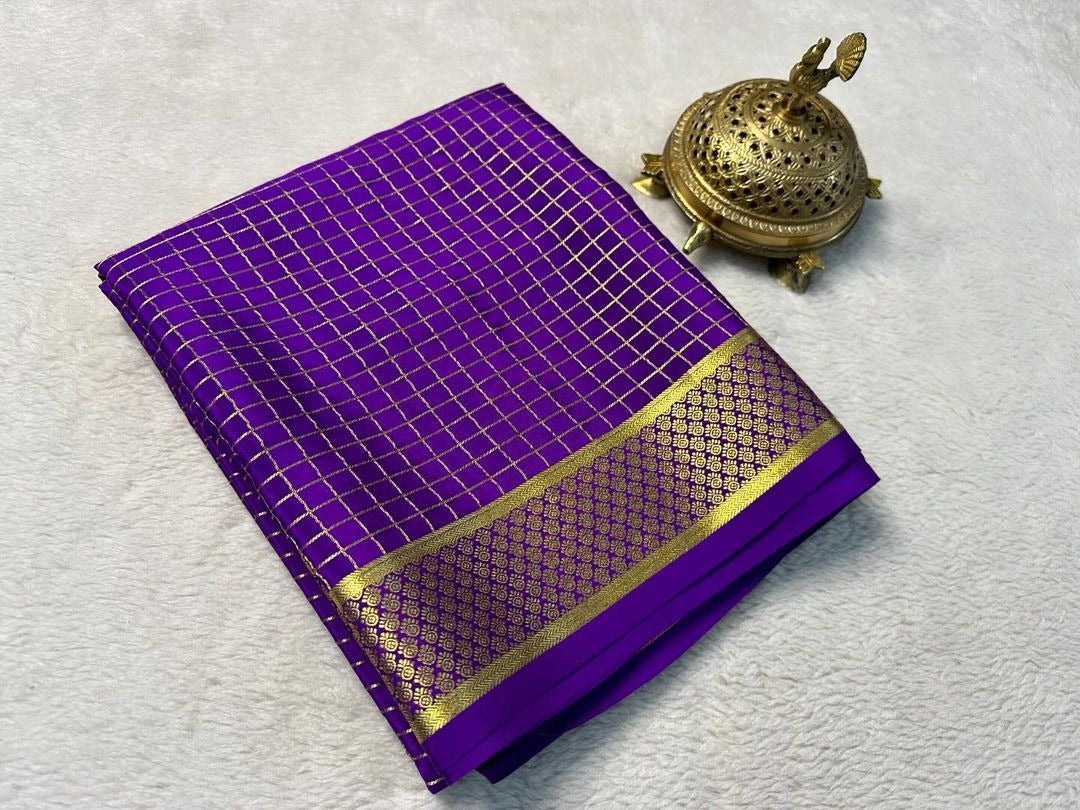
- Temple Borders
- Elephants
- Floral Butas
- Geometric Patterns
These timeless motifs continue to influence modern saree collections today.
The Beauty of Block Printing
Block printing remains one of India's most celebrated textile arts.
The process involves:
- Carving intricate designs onto wooden blocks
- Dipping the blocks into dye
- Carefully stamping each motif onto fabric by hand
Every impression reflects the artisan's precision, making each saree slightly unique.
Popular block-printing traditions include:
- Bagru
- Sanganeri
- Ajrakh-inspired block prints
- Dabu resist printing
These techniques are still valued for their handcrafted charm.
Natural Dyes to Modern Color Technology
Traditional artisans created colors using natural ingredients such as:
- Indigo
- Turmeric
- Madder root
- Pomegranate peel
- Iron solutions
These natural dyes produced earthy, elegant tones that became closely associated with Indian textiles.
Today, advanced textile color technology offers:
- Greater color consistency
- Wider color ranges
- Enhanced vibrancy
- Improved wash durability
Modern innovations have expanded creative possibilities while preserving traditional inspiration.
The Arrival of Screen Printing
As textile production increased, screen printing became one of the most widely adopted printing methods.
Screen printing offered several advantages:
- Faster production
- Consistent repeating patterns
- Bold color application
- High production efficiency
This method made beautifully printed sarees more accessible to a larger audience while maintaining attractive designs.
The Digital Printing Revolution
The biggest transformation in printed sarees came with digital textile printing.
Unlike traditional methods, digital printing transfers artwork directly from a computer onto fabric.
This breakthrough enabled designers to create:
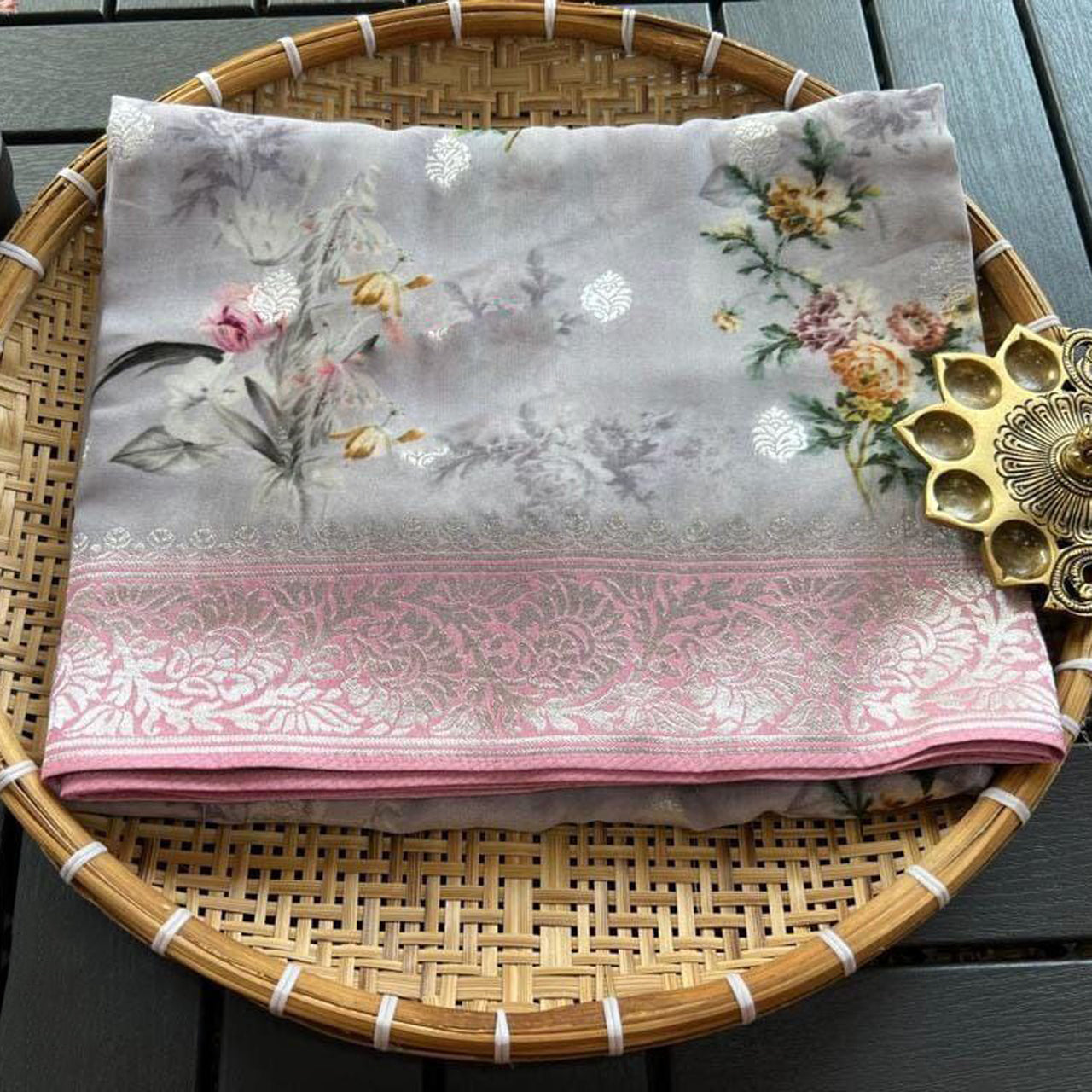
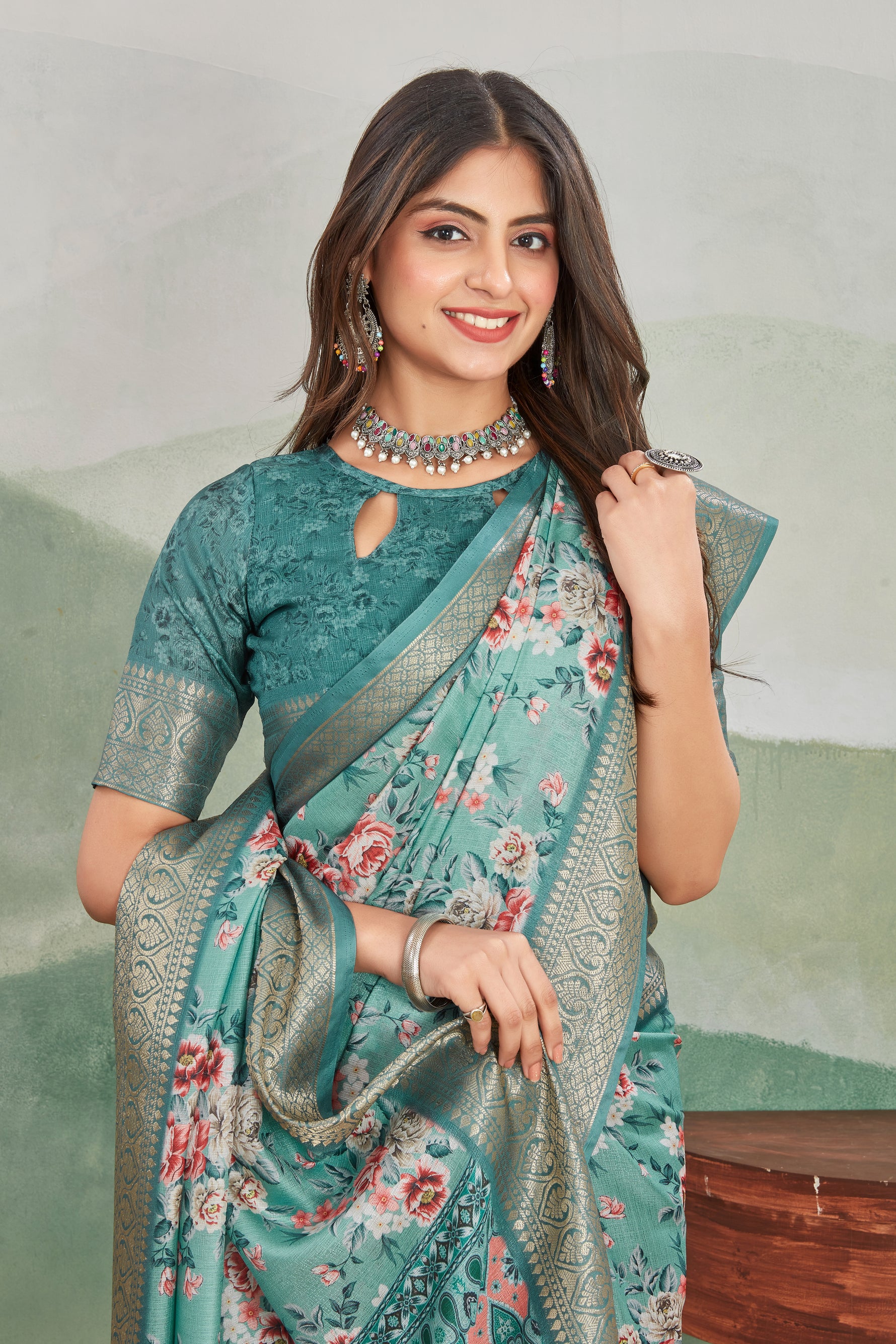
- Photorealistic floral artwork
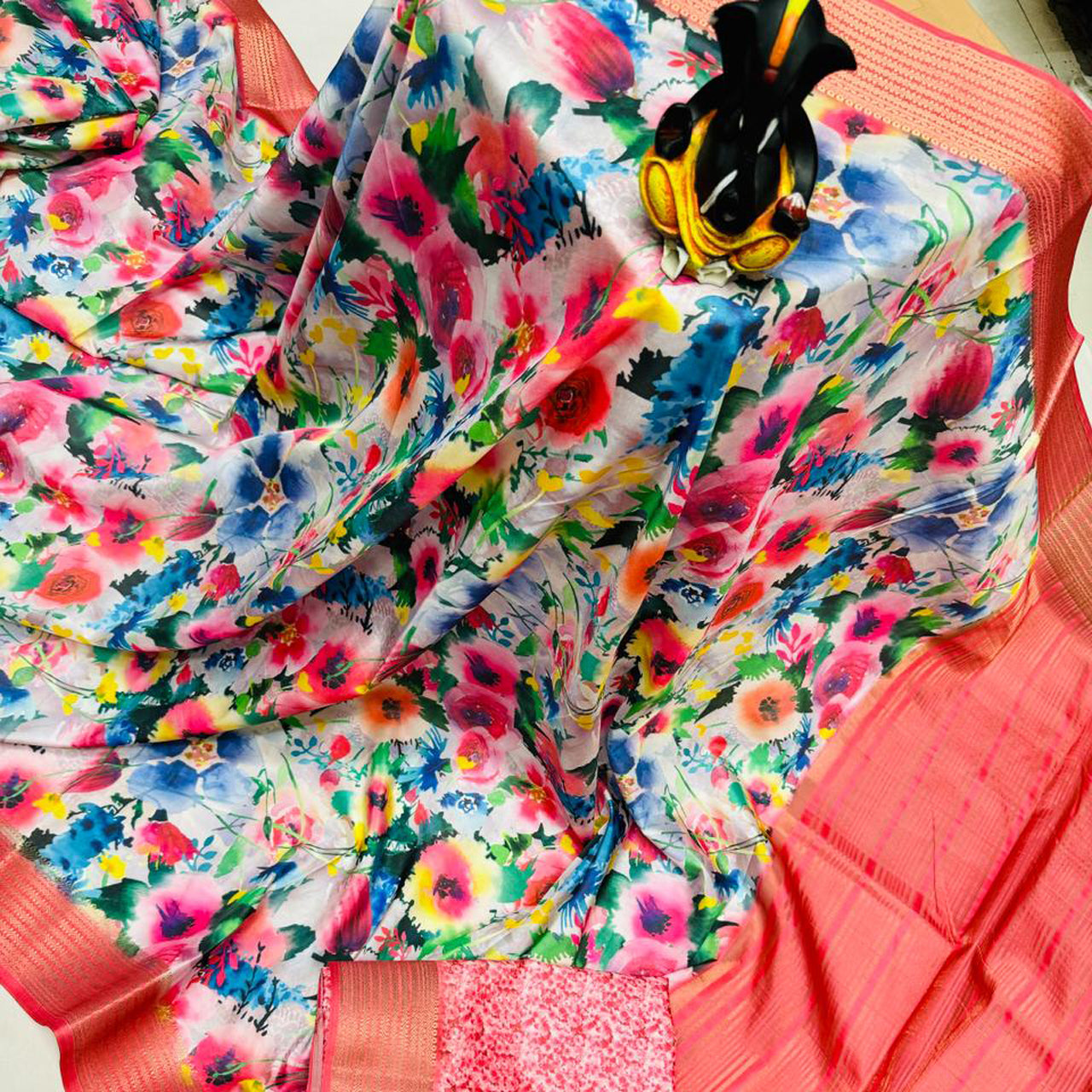
- Watercolor effects
- Fine artistic illustrations
- Landscape-inspired prints
- Contemporary abstract designs
- Highly detailed ethnic motifs
Digital printing has dramatically expanded the creative possibilities available to textile designers.
Traditional Inspiration Meets Modern Creativity
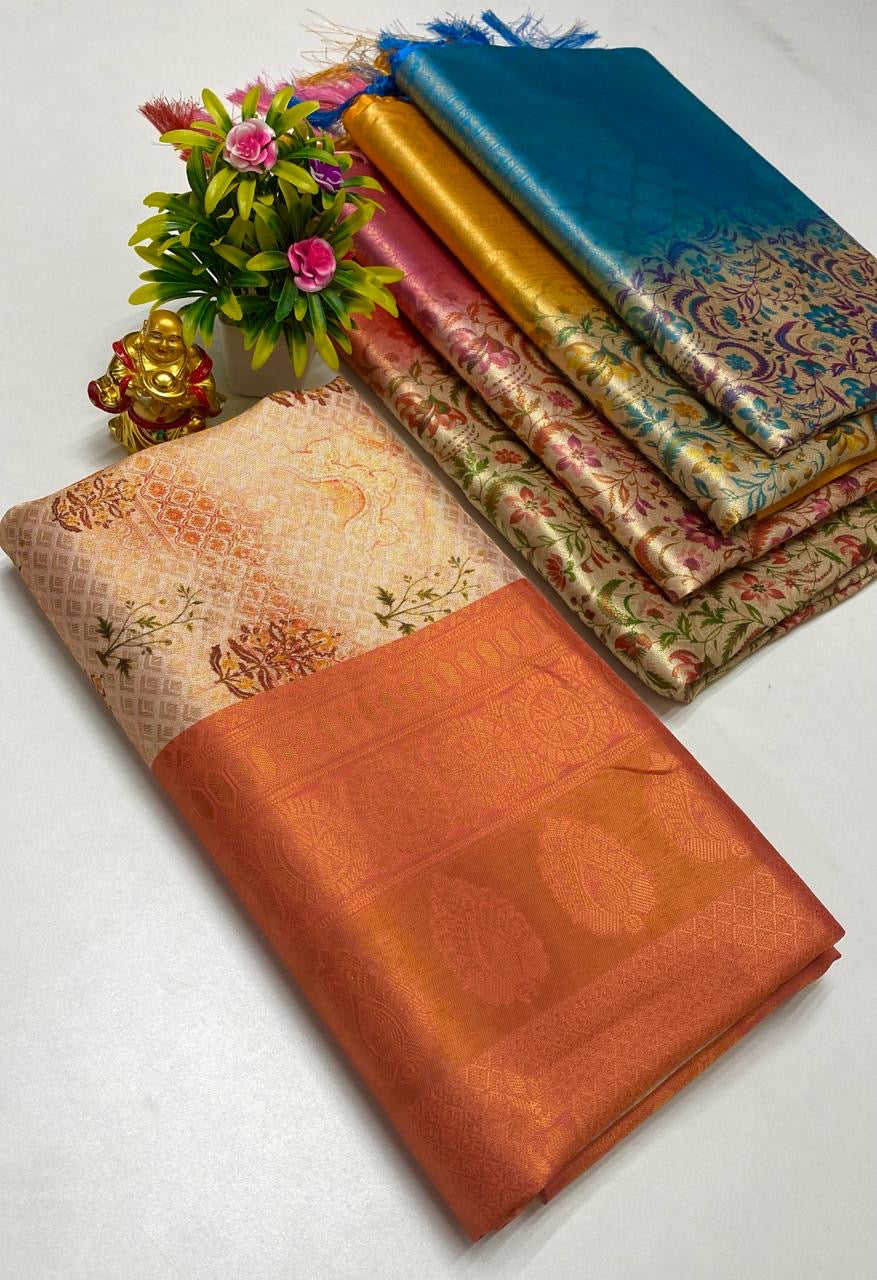
One of the most exciting developments in today's saree industry is the fusion of traditional motifs with contemporary design.
Modern collections often combine:
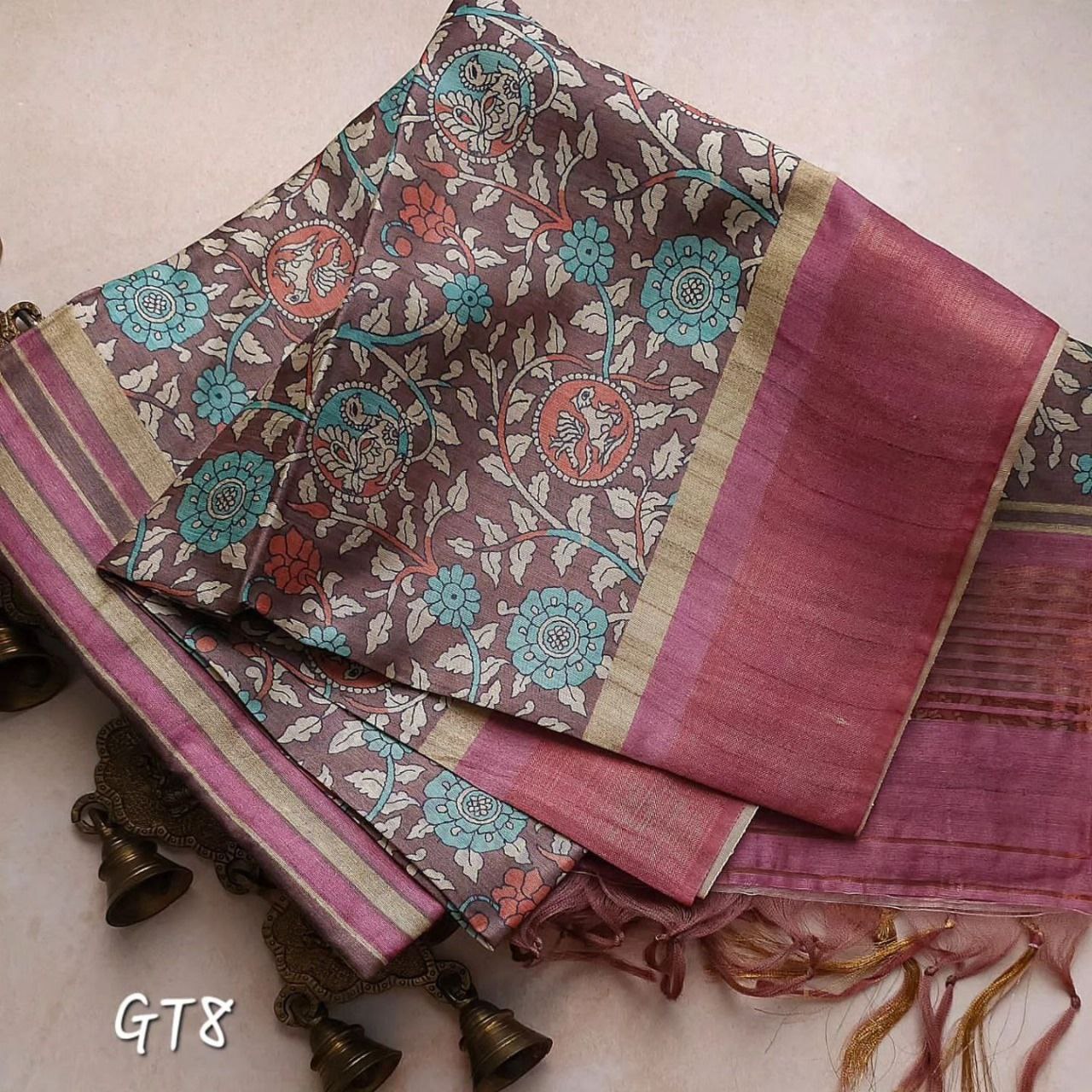
- Kalamkari-inspired artwork
- Paisley motifs
- Mandala patterns
- Floral vines
- Traditional borders
with:
- Minimalist layouts
- Bold color palettes
- Digital illustrations
- Modern fashion trends
This balance appeals to women who appreciate both heritage and innovation.
Printed Sarees for Every Lifestyle
Today's printed sarees are designed to suit a wide range of occasions.
Popular choices include:
Office Wear
Minimal geometric and floral prints.
Casual Wear
Lightweight cotton and linen prints.
Festive Celebrations
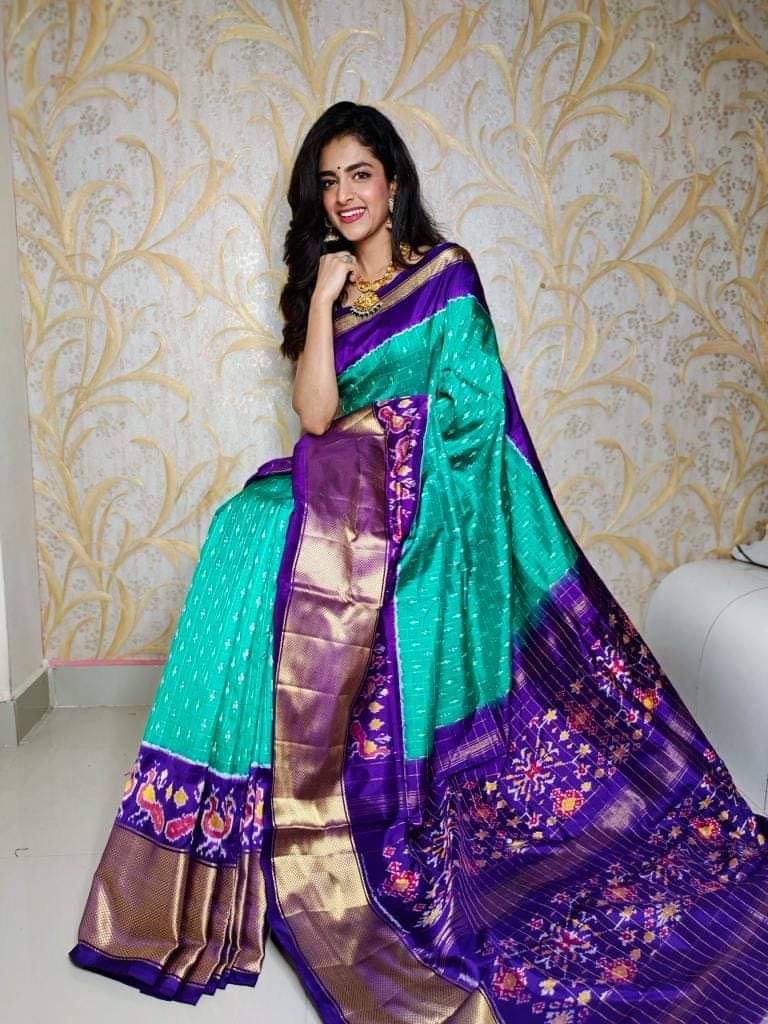
Elegant silk sarees with rich digital artwork.
Weddings
Designer printed silk featuring luxurious motifs.
Travel
Wrinkle-friendly georgette and chiffon prints.
This versatility has made printed sarees one of the most practical additions to a modern wardrobe.
The Role of Technology in Saree Design
Modern textile software allows designers to experiment with limitless creative possibilities.
They can now produce:
- Intricate repeating patterns
- Multi-layered artwork
- High-definition illustrations
- Customized collections
- Vibrant color gradients
Technology has accelerated innovation while preserving artistic expression.
Why Printed Sarees Continue to Evolve
Fashion constantly changes, and printed sarees evolve alongside it.
Current design trends include:
- Botanical illustrations
- Watercolor florals
- Abstract art
- Minimalist graphics
- Heritage-inspired contemporary prints
- Sustainable design concepts
Rather than replacing traditional designs, these trends expand the possibilities available to modern saree lovers.
Traditional Prints vs Modern Digital Prints
| Feature | Traditional Prints | Modern Digital Prints |
|---|---|---|
| Technique | Block or Screen Printing | Digital Textile Printing |
| Design Style | Heritage Motifs | Unlimited Artistic Designs |
| Detail Level | Bold and Decorative | Extremely Fine and Intricate |
| Color Range | Traditional Palettes | Extensive Color Spectrum |
| Artistic Appeal | Handmade Character | Contemporary Precision |
Both approaches contribute to the richness of today's saree collections.
How to Choose the Right Printed Saree
When selecting a printed saree, consider:
Fabric
Choose silk, cotton, linen, georgette, chiffon, or organza depending on the occasion.
Print Style
Select floral, ethnic, abstract, or contemporary artwork based on your personality.
Occasion
Opt for understated prints for office wear and more elaborate designs for weddings or festive celebrations.
Quality
Look for clear printing, premium fabrics, neat finishing, and trusted brands that provide detailed product information.
Frequently Asked Questions
What was the earliest method used to create printed sarees?
Traditional block printing using hand-carved wooden blocks and natural dyes is among the oldest textile printing techniques in India.
Why are digital printed sarees so popular today?
Digital printing allows highly detailed artwork, vibrant colors, smooth gradients, and greater creative flexibility.
Are traditional motifs still fashionable?
Yes. Paisley, floral, Kalamkari, Ajrakh-inspired, and temple motifs continue to influence contemporary saree collections.
Which is better: traditional prints or modern digital prints?
Both have unique appeal. Traditional prints celebrate heritage and craftsmanship, while digital prints offer exceptional artistic detail and modern aesthetics.
Can printed sarees be worn for weddings?
Absolutely. Premium printed silk sarees with sophisticated designs are increasingly popular for wedding functions, receptions, and festive occasions.
Conclusion
The story of printed sarees is one of continuous evolution, where centuries-old craftsmanship meets cutting-edge technology. From hand-carved wooden blocks and natural dyes to high-definition digital textile printing, every stage of this journey has enriched India's textile heritage while opening new possibilities for creativity.
Today's printed sarees beautifully combine the elegance of traditional motifs with the innovation of modern design, making them suitable for every generation and every occasion. Whether you admire the handcrafted charm of block prints or the intricate artistry of digital designs, each printed saree carries forward a legacy of imagination, craftsmanship, and cultural expression. As textile technology continues to advance, printed sarees will undoubtedly remain one of the most dynamic and celebrated forms of Indian fashion.