








Everything You Need to Know About Kalamkari Sarees | Complete Guide
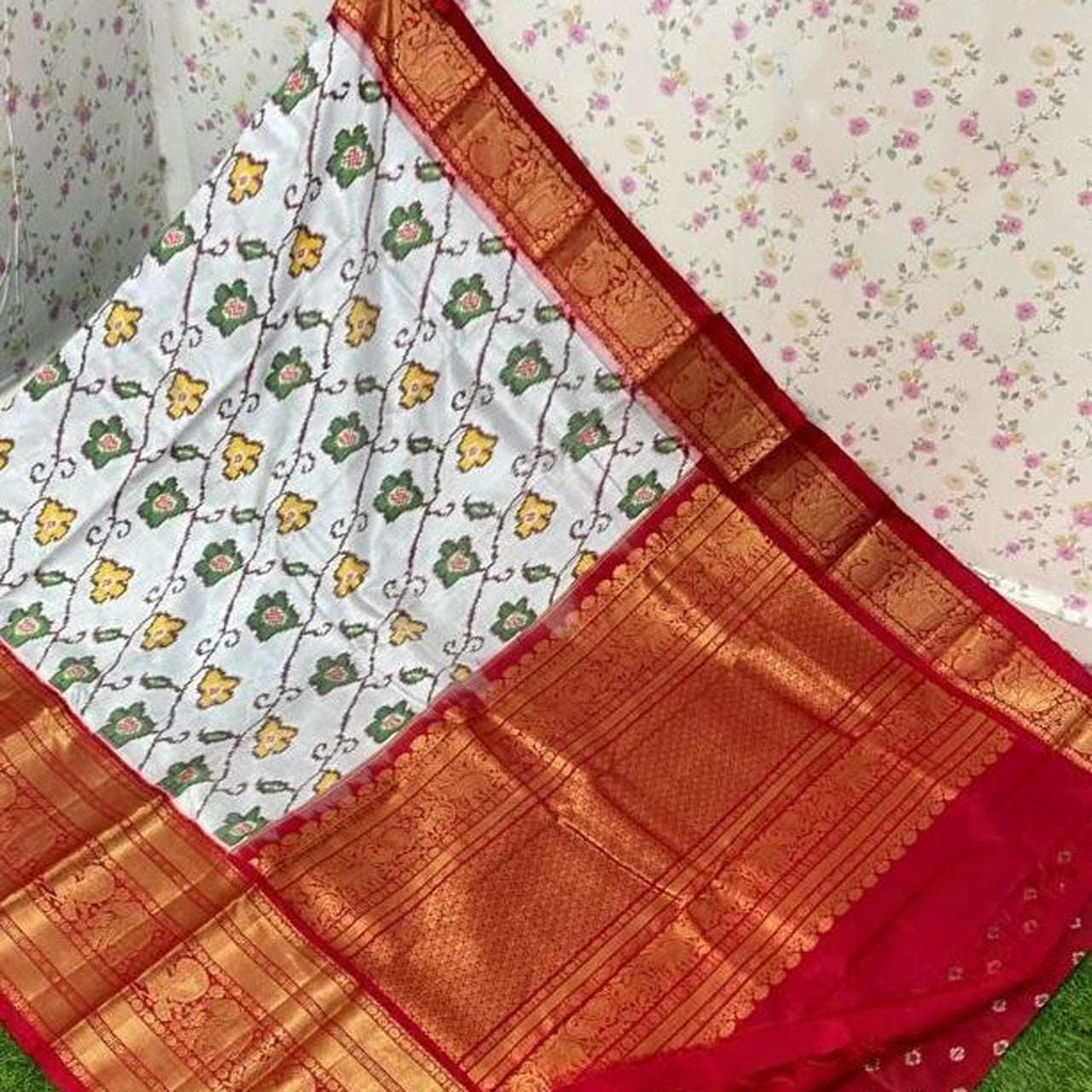
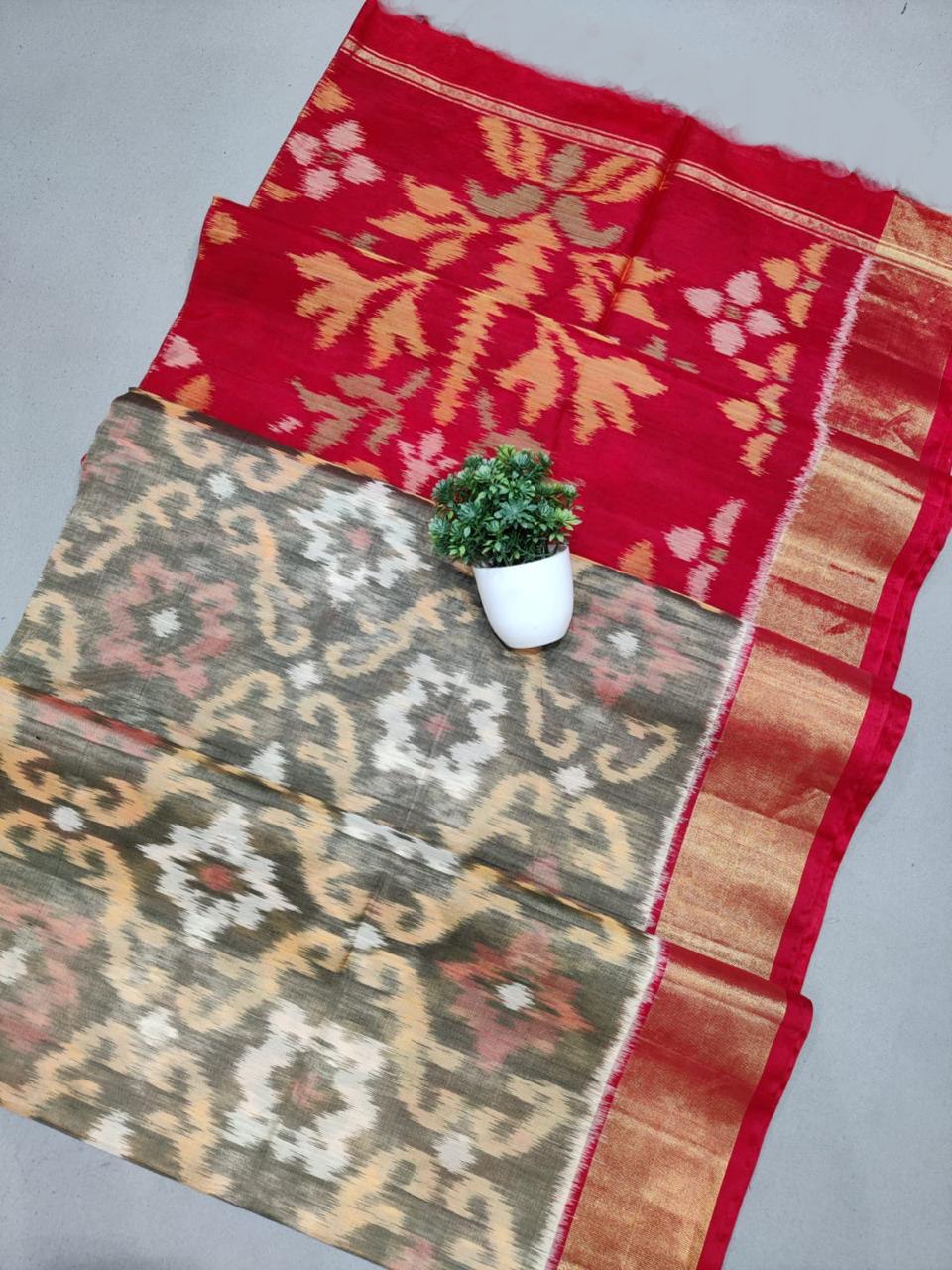
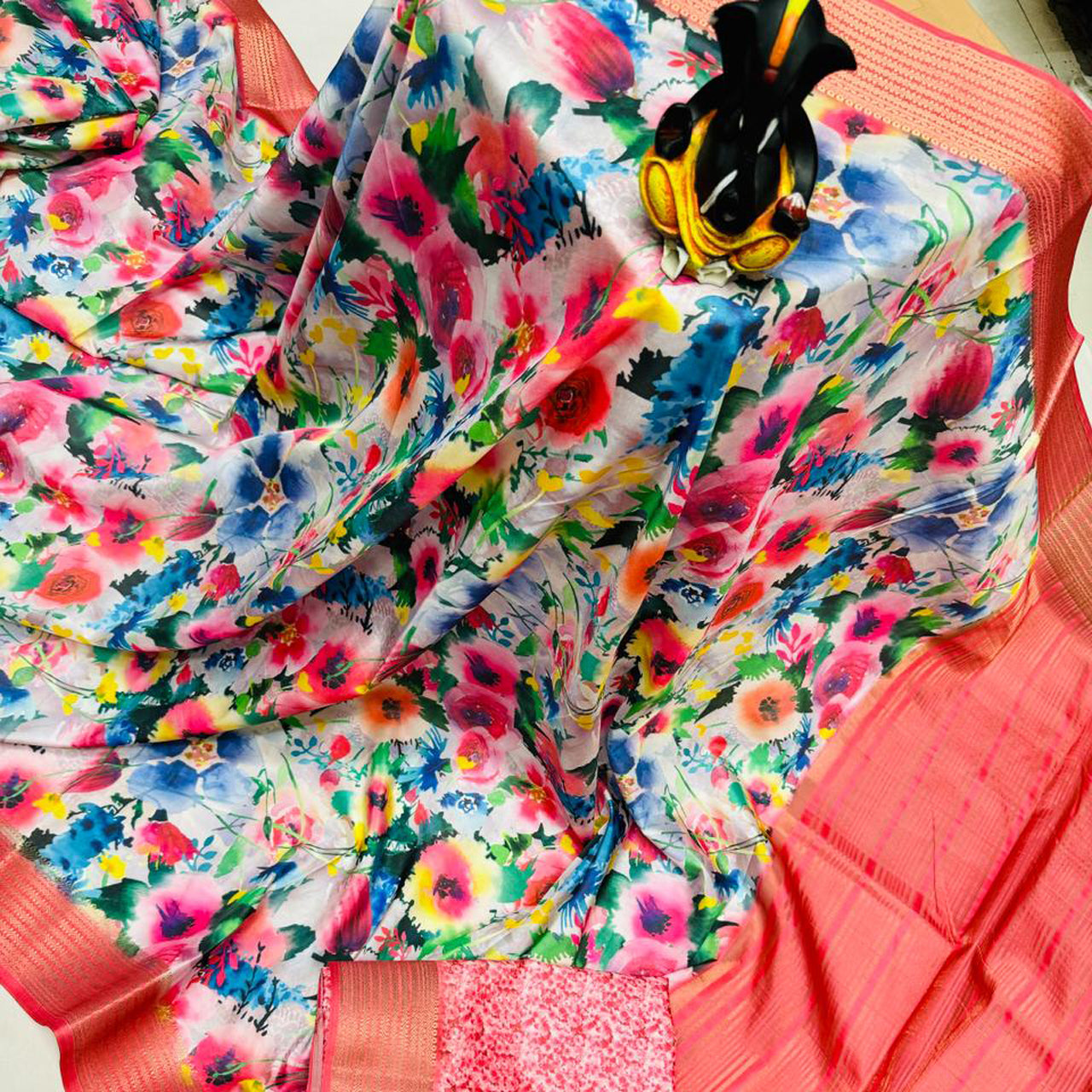
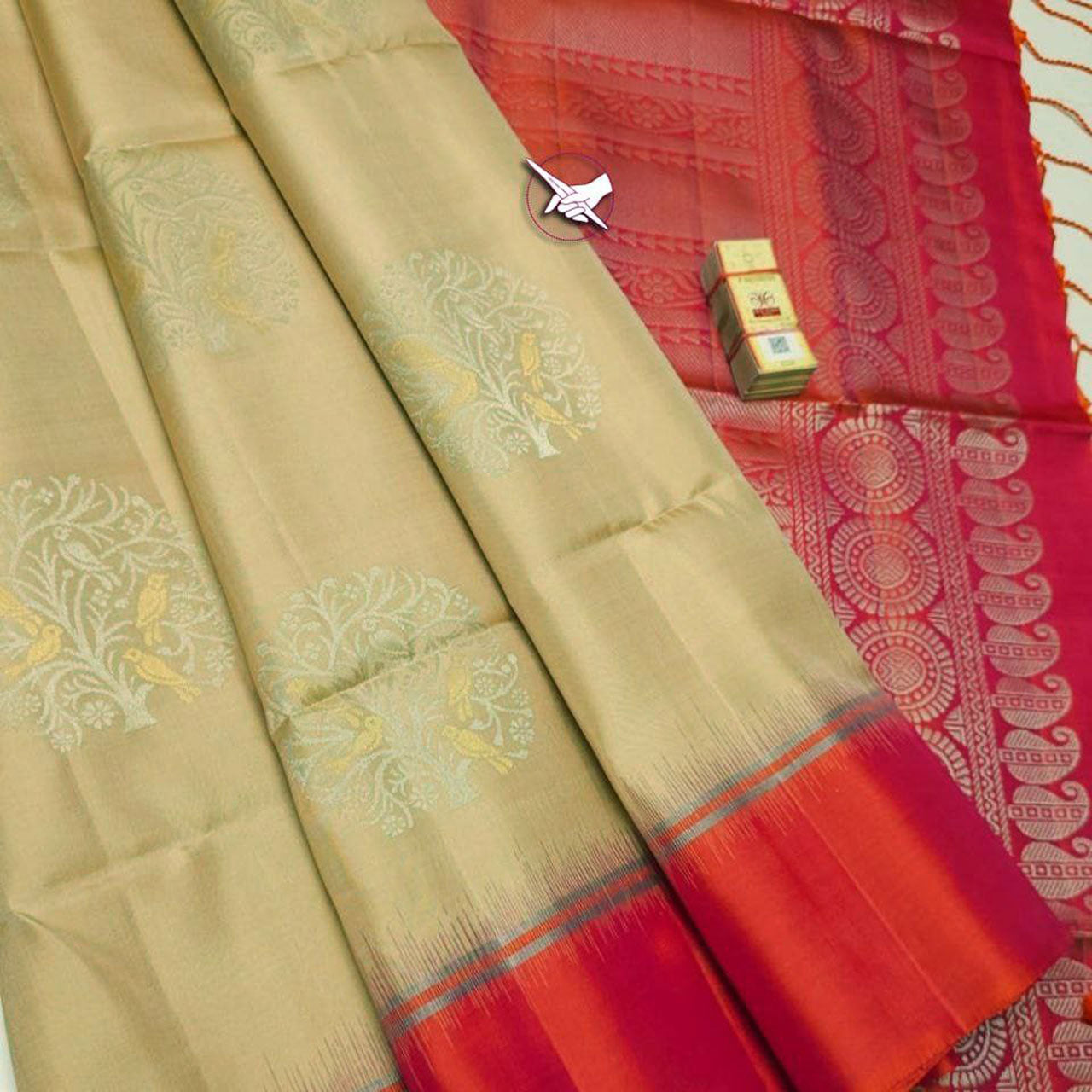
India's textile heritage is filled with extraordinary art forms, but few are as captivating as Kalamkari. Known for its intricate hand-painted and block-printed designs, Kalamkari is more than just a textile technique—it's a storytelling tradition that has been passed down through generations. When this centuries-old art is showcased on a saree, the result is a masterpiece that combines culture, craftsmanship, and timeless elegance.
Today, Kalamkari sarees are loved by women who appreciate authentic handcraftsmanship, artistic expression, and sustainable fashion. Whether worn at cultural events, festivals, weddings, office functions, or casual gatherings, these sarees stand out for their distinctive beauty and rich heritage.
In this comprehensive guide, you'll discover everything you need to know about Kalamkari sarees, including their history, types, motifs, weaving techniques, styling ideas, and care tips.
What Is a Kalamkari Saree?
The word "Kalamkari" comes from two Persian words:
- Kalam meaning pen
- Kari meaning craftsmanship or work
Together, Kalamkari translates to "pen work."
Traditionally, artisans use hand-drawn techniques or wooden block printing to create intricate designs on fabric using natural dyes. These artistic designs are then incorporated into sarees, producing unique garments that showcase exceptional creativity and craftsmanship.
Unlike machine-printed textiles, authentic Kalamkari sarees reflect the personal touch of skilled artisans, making every piece unique.
The History of Kalamkari Art
Kalamkari has a history that dates back more than 3,000 years.
Ancient storytellers and temple artists used Kalamkari paintings to illustrate scenes from:
- Hindu epics
- Mythological stories
- Religious scriptures
- Folklore traditions
Over time, this art form evolved into a respected textile tradition, particularly in the regions of Andhra Pradesh and Telangana.
Historically, Kalamkari fabrics were used for:
- Temple decorations
- Religious banners
- Wall hangings
- Royal garments
Today, the same artistic traditions continue to inspire modern Kalamkari sarees.
The Two Main Types of Kalamkari
There are two distinct styles of Kalamkari practiced in India.
1. Srikalahasti Kalamkari
This style is entirely hand-painted.
Characteristics
- Freehand drawing
- Intricate detailing
- Mythological themes
- Extensive artisan involvement
Each design is individually created, making every saree a one-of-a-kind work of art.
Common Themes
- Ramayana
- Mahabharata
- Krishna stories
- Temple motifs
- Nature-inspired artwork
2. Machilipatnam Kalamkari
This style uses hand-carved wooden blocks for printing.
Characteristics
- Repetitive patterns
- Decorative motifs
- Faster production process
- Consistent design execution
Popular Designs
- Floral motifs
- Paisleys
- Decorative borders
- Geometric patterns
Both styles are highly respected and valued in the world of Indian textiles.
What Makes Kalamkari Sarees Special?
Several qualities distinguish Kalamkari sarees from other traditional sarees.
Artistic Uniqueness
Every authentic Kalamkari saree reflects the creativity of the artisan.
No two hand-painted sarees are exactly alike.
Rich Storytelling Tradition
Many designs depict cultural narratives, religious stories, and historical themes.
This storytelling element adds depth and meaning to the garment.
Eco-Friendly Production
Traditional Kalamkari uses:
- Natural dyes
- Organic materials
- Sustainable processes
This makes Kalamkari an environmentally conscious fashion choice.
Timeless Appeal
The artistic nature of Kalamkari transcends seasonal trends, ensuring long-term relevance.
Popular Fabrics Used for Kalamkari Sarees
Kalamkari art can be applied to various fabrics.
Kalamkari Cotton Sarees
The most common and versatile variety.
Benefits:
- Lightweight
- Comfortable
- Breathable
- Suitable for daily wear
Kalamkari Silk Sarees
Offer a luxurious appearance while preserving artistic beauty.
Ideal for:
- Weddings
- Festivals
- Formal occasions
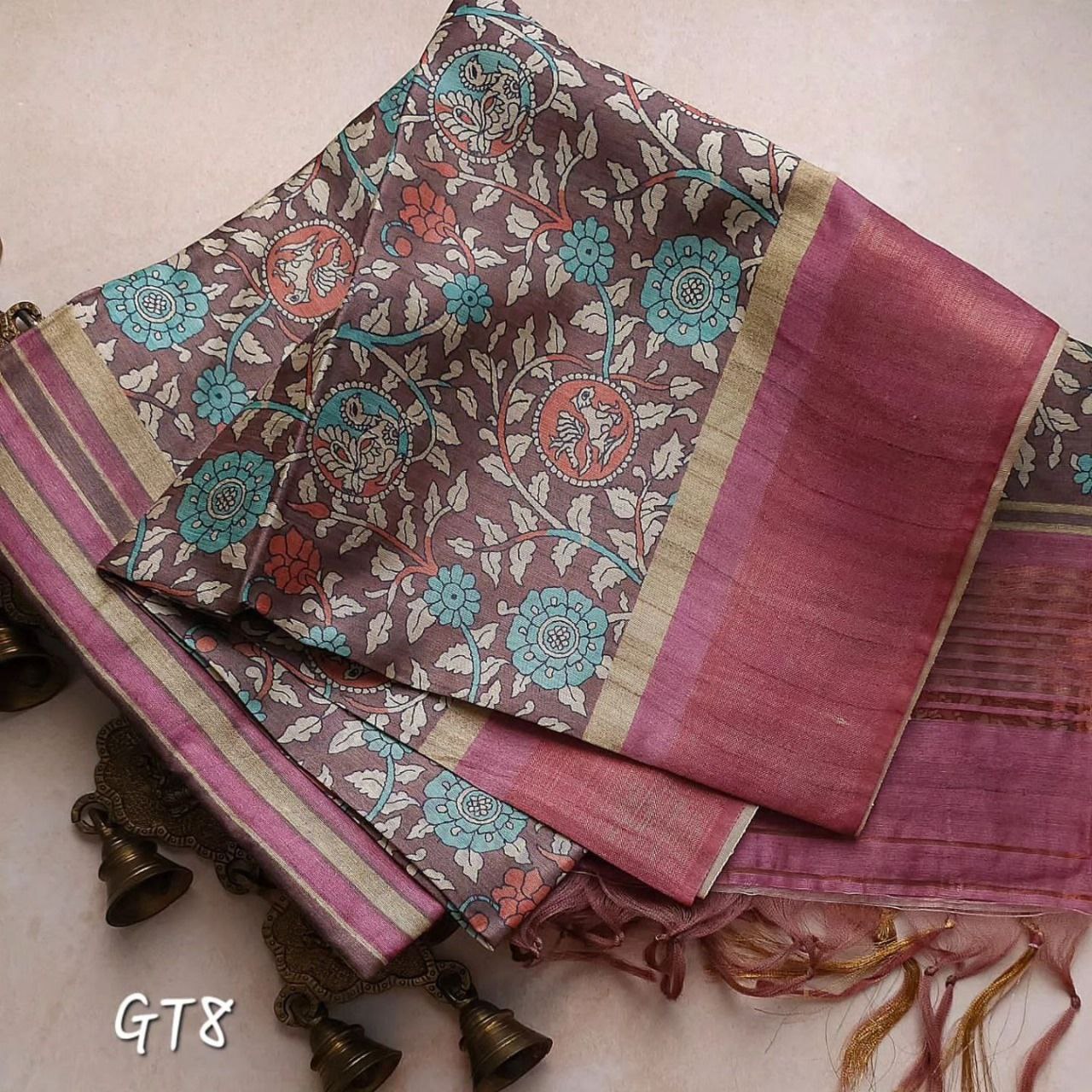
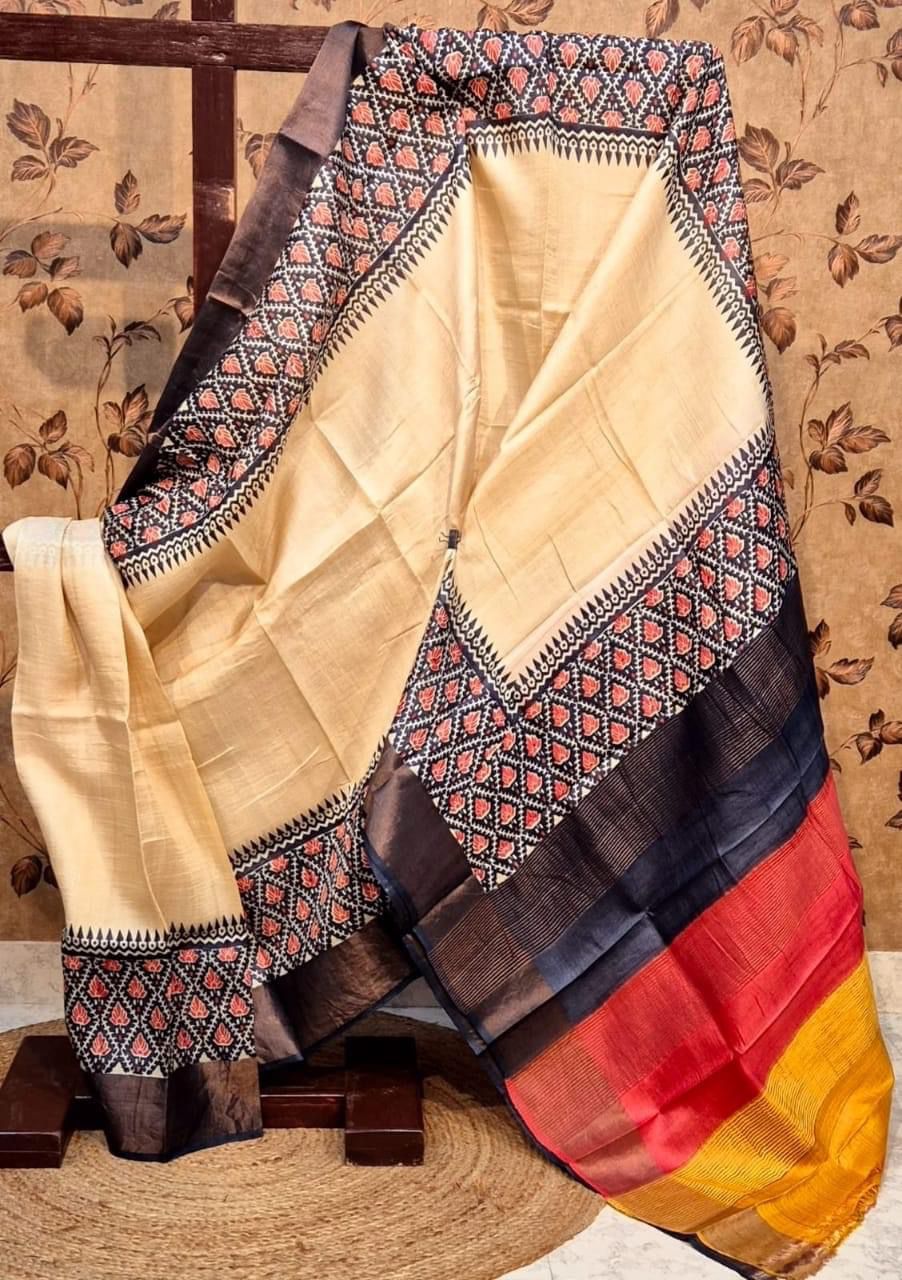
Kalamkari Tussar Silk Sarees
One of the most sought-after combinations.
The natural texture and golden sheen of Tussar silk enhance Kalamkari artwork beautifully.
Suitable for:
- Cultural events
- Festive celebrations
- Elegant social gatherings
Kalamkari Linen Sarees
Modern consumers increasingly appreciate linen Kalamkari sarees for their contemporary sophistication.
Iconic Kalamkari Motifs
Kalamkari sarees are celebrated for their rich visual language.
Peacock Motifs
Represent beauty, grace, and prosperity.
Tree of Life
One of the most recognizable Kalamkari symbols.
Represents:
- Growth
- Harmony
- Connection with nature
Lotus Designs
Symbolize purity and spiritual awakening.
Mythological Scenes
Stories featuring:
- Krishna
- Rama
- Shiva
- Goddess Durga
continue to inspire traditional Kalamkari artwork.
Floral Patterns
Elegant floral motifs remain highly popular in contemporary Kalamkari sarees.
Why Kalamkari Sarees Are Trending Today
The growing popularity of Kalamkari sarees reflects broader changes in fashion preferences.
Demand for Sustainable Fashion
Consumers increasingly value handmade and environmentally responsible products.
Appreciation for Artisanal Craftsmanship
People are seeking garments with authenticity and cultural significance.
Unique Personal Style
Kalamkari sarees offer individuality that mass-produced fashion often lacks.
Social Media Influence
Fashion creators frequently showcase Kalamkari sarees as examples of wearable art.
Best Occasions to Wear Kalamkari Sarees
The versatility of Kalamkari makes it suitable for numerous occasions.
Cultural Events
Perfect for:
- Art exhibitions
- Literary festivals
- Heritage celebrations
Festivals
Ideal for:
- Diwali
- Navratri
- Durga Puja
- Pongal
Office Wear
Subtle Kalamkari cotton sarees create an elegant professional look.
Weddings
Kalamkari silk and Tussar silk sarees make sophisticated choices for wedding guests.
Family Gatherings
Offer comfort and timeless elegance for intimate celebrations.
How to Style Kalamkari Sarees
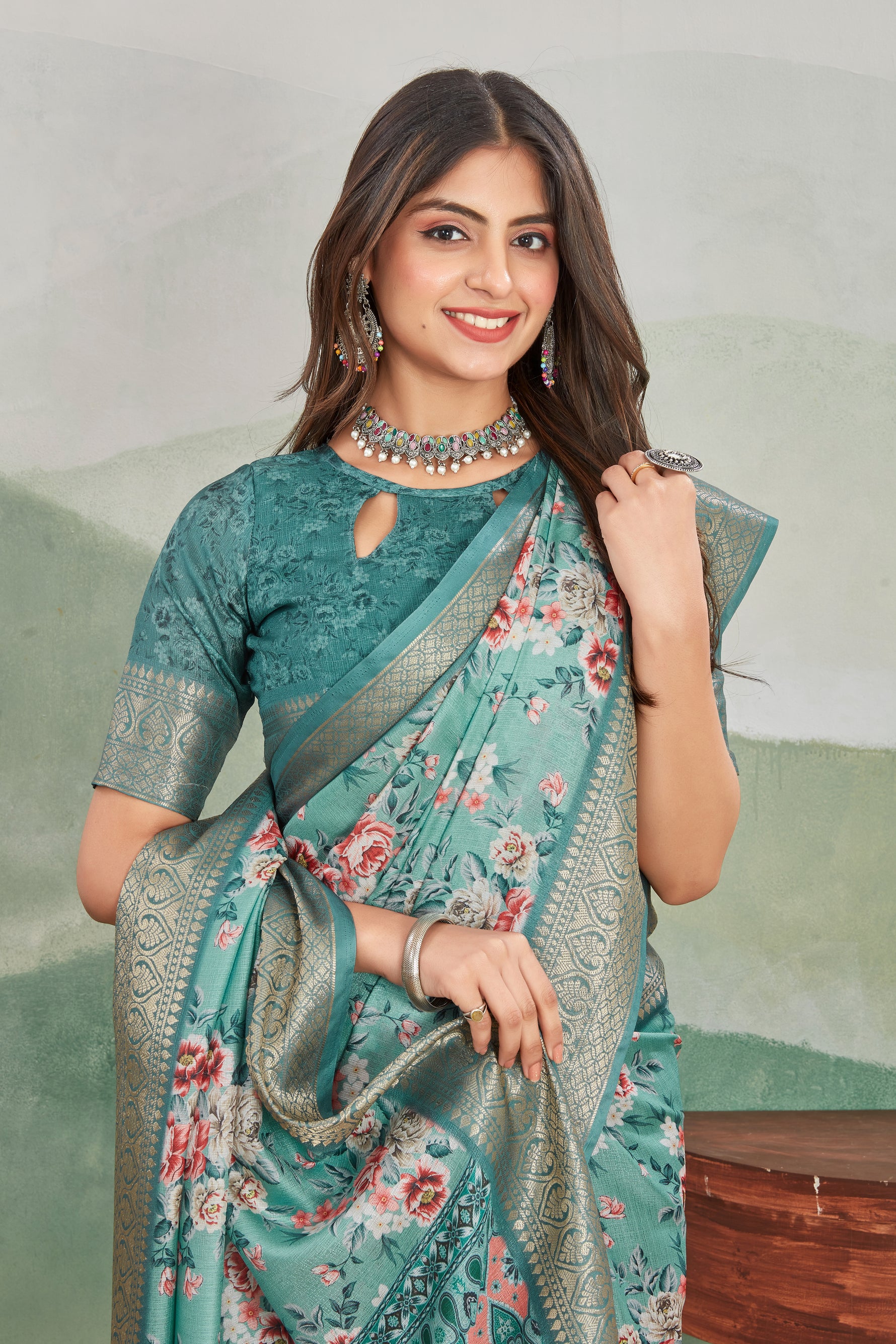
Thoughtful styling can enhance the beauty of Kalamkari artwork.
Choose Simple Blouses
Allow the saree to remain the focal point.
Popular options include:
- Solid-color blouses
- Boat neck designs
- Elbow-length sleeves
- High-neck blouses
Wear Handcrafted Jewelry
Ideal choices:
- Silver jewelry
- Oxidized accessories
- Terracotta jewelry
- Temple jewelry
These complement the artistic aesthetic of Kalamkari.
Keep Makeup Natural
Soft makeup enhances the saree without competing with its intricate designs.
Select Comfortable Footwear
Pair with:
- Juttis
- Kolhapuris
- Traditional sandals
How to Identify Authentic Kalamkari Sarees
As demand increases, imitations have become more common.
Look for these indicators:
Natural Imperfections
Handmade artwork often includes slight variations that indicate authenticity.
Natural Dye Appearance
Traditional dyes produce rich yet subtle color variations.
Detailed Artwork
Authentic Kalamkari designs display exceptional intricacy and precision.
Artisan Certification
Purchase from trusted sellers and recognized handloom brands whenever possible.
Fabric Quality
Authentic Kalamkari sarees are usually crafted on high-quality cotton, silk, or Tussar silk fabrics.
Caring for Kalamkari Sarees
Proper care helps preserve both the artwork and fabric.
Washing
- Prefer dry cleaning for silk varieties.
- Use gentle hand washing for cotton sarees.
Drying
- Avoid direct sunlight.
- Dry in shade.
Storage
- Store in breathable fabric covers.
- Keep away from excessive moisture.
Ironing
Use low to medium heat to protect delicate artwork.
Why Every Saree Lover Should Own a Kalamkari Saree
A Kalamkari saree offers a unique combination of:
- Heritage
- Artistry
- Sustainability
- Versatility
- Timeless beauty
Unlike trend-driven fashion pieces, Kalamkari sarees remain meaningful and stylish year after year.
They are not merely garments—they are wearable works of art that celebrate India's extraordinary artistic traditions.
Frequently Asked Questions
What is special about Kalamkari sarees?
Kalamkari sarees are known for their hand-painted or block-printed artwork, natural dyes, and rich cultural heritage.
Are Kalamkari sarees suitable for weddings?
Yes. Kalamkari silk and Kalamkari Tussar silk sarees are excellent choices for weddings and festive occasions.
What fabric is best for Kalamkari sarees?
Cotton, silk, Tussar silk, and linen are among the most popular fabrics used for Kalamkari designs.
Are Kalamkari sarees handmade?
Authentic Kalamkari sarees are either hand-painted or hand block-printed by skilled artisans.
How can I identify a genuine Kalamkari saree?
Look for detailed artwork, natural dye characteristics, artisan craftsmanship, and trusted sources.
Conclusion
Kalamkari Sarees represent one of India's most remarkable artistic traditions. Their intricate designs, rich storytelling heritage, eco-friendly production methods, and timeless elegance make them a treasured addition to any wardrobe.
Whether you choose a hand-painted Srikalahasti masterpiece, a beautifully block-printed Machilipatnam creation, or a luxurious Kalamkari Tussar silk saree, you're investing in a garment that reflects centuries of craftsmanship and cultural heritage.
In an era increasingly dominated by mass-produced fashion, Kalamkari sarees offer something truly special—authenticity, artistry, and a meaningful connection to India's rich textile legacy. For women who appreciate elegance with substance, a Kalamkari saree remains an enduring symbol of style and tradition.
- #Artisan Sarees
- #Cotton Kalamkari Sarees
- #Cultural Fashion
- #Handmade Sarees
- #handpainted Kalamkari sarees
- #Heritage Textiles
- #Indian Handloom
- #Kalamkari Art
- #Kalamkari art sarees
- #Kalamkari saree history
- #Kalamkari Sarees
- #Kalamkari silk sarees
- #Saree Styling Tips
- #Sustainable Fashion
- #traditional Indian sarees
- #Traditional Sarees
- #Tussar Silk Kalamkari
- #Women's Ethnic Wear
Share