

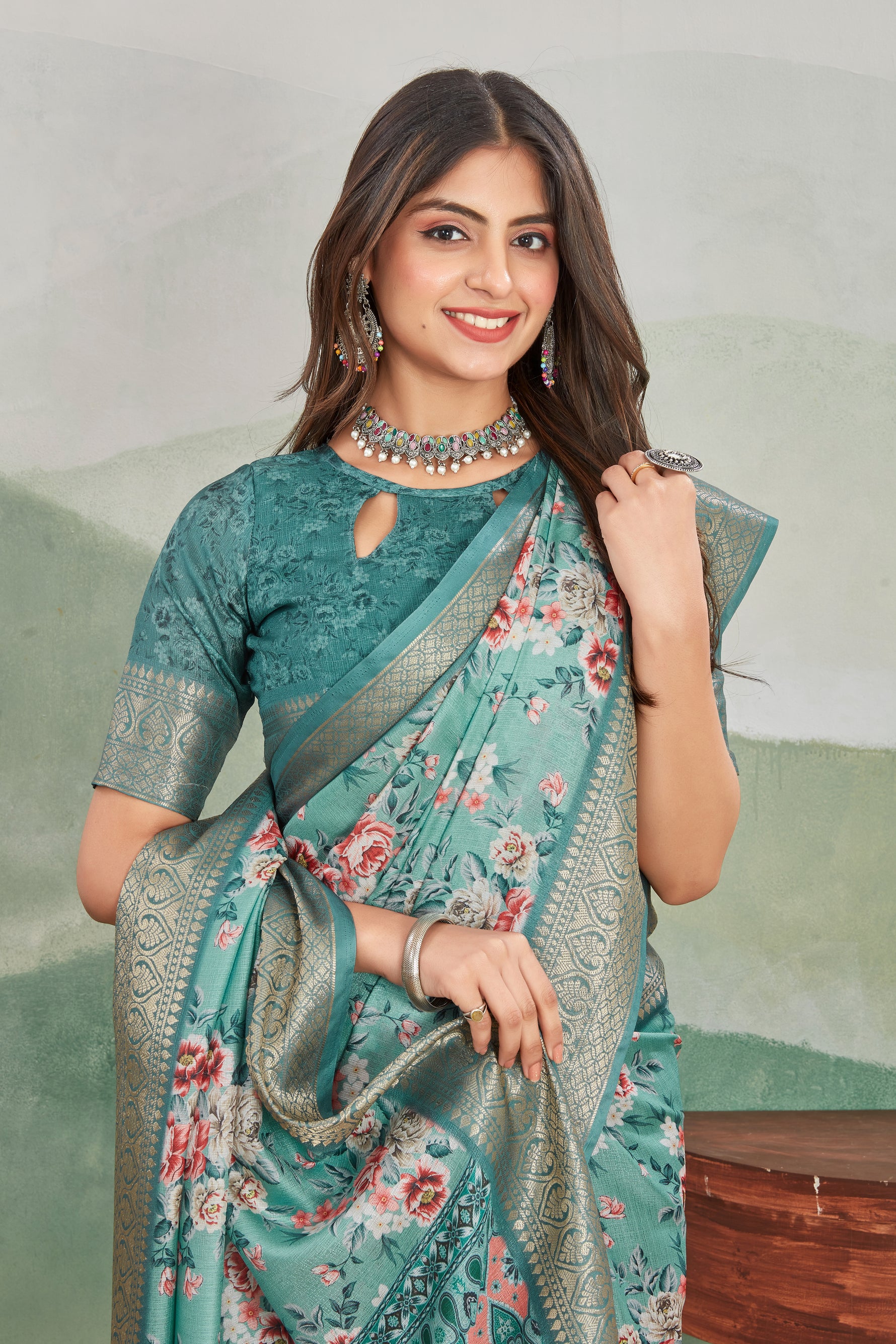

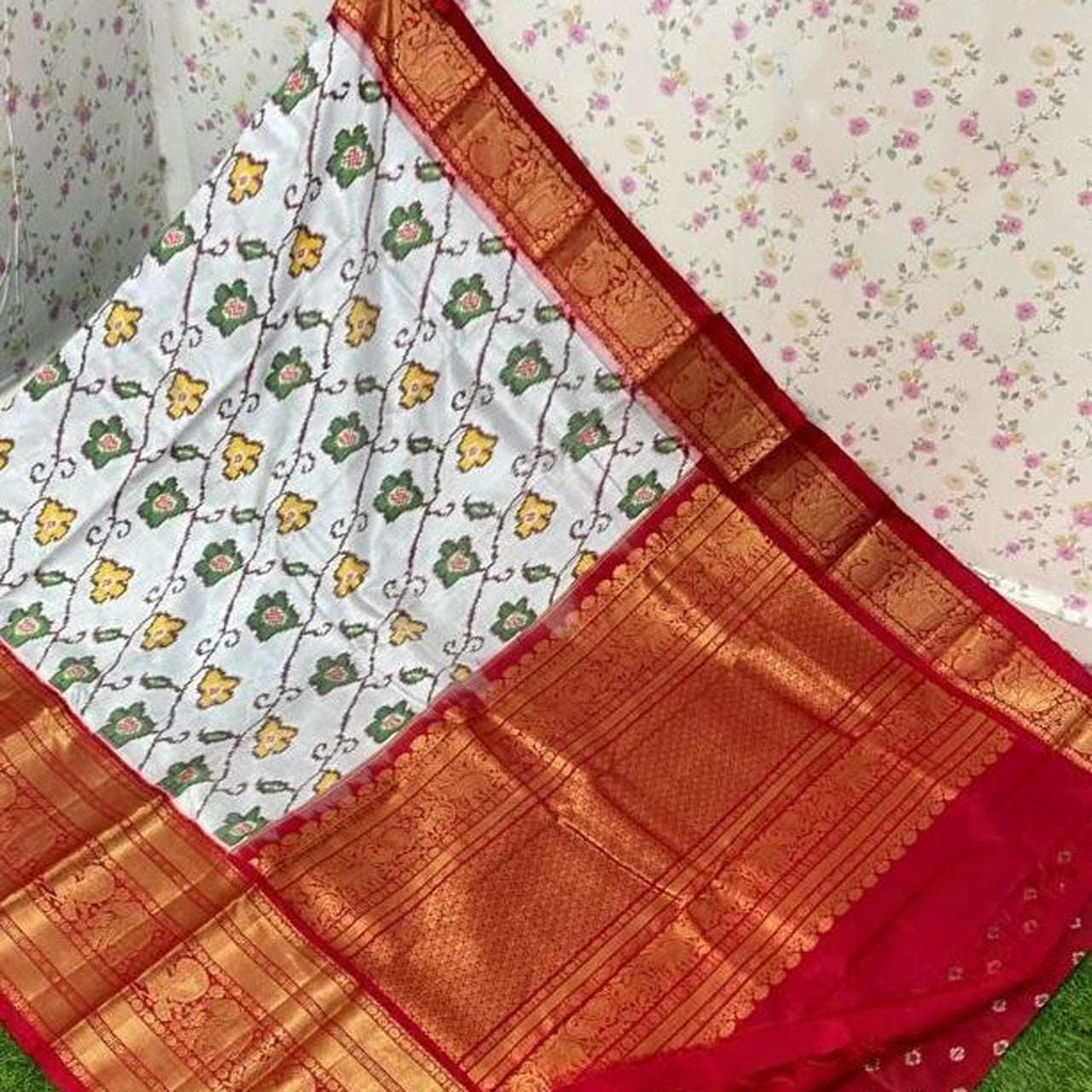
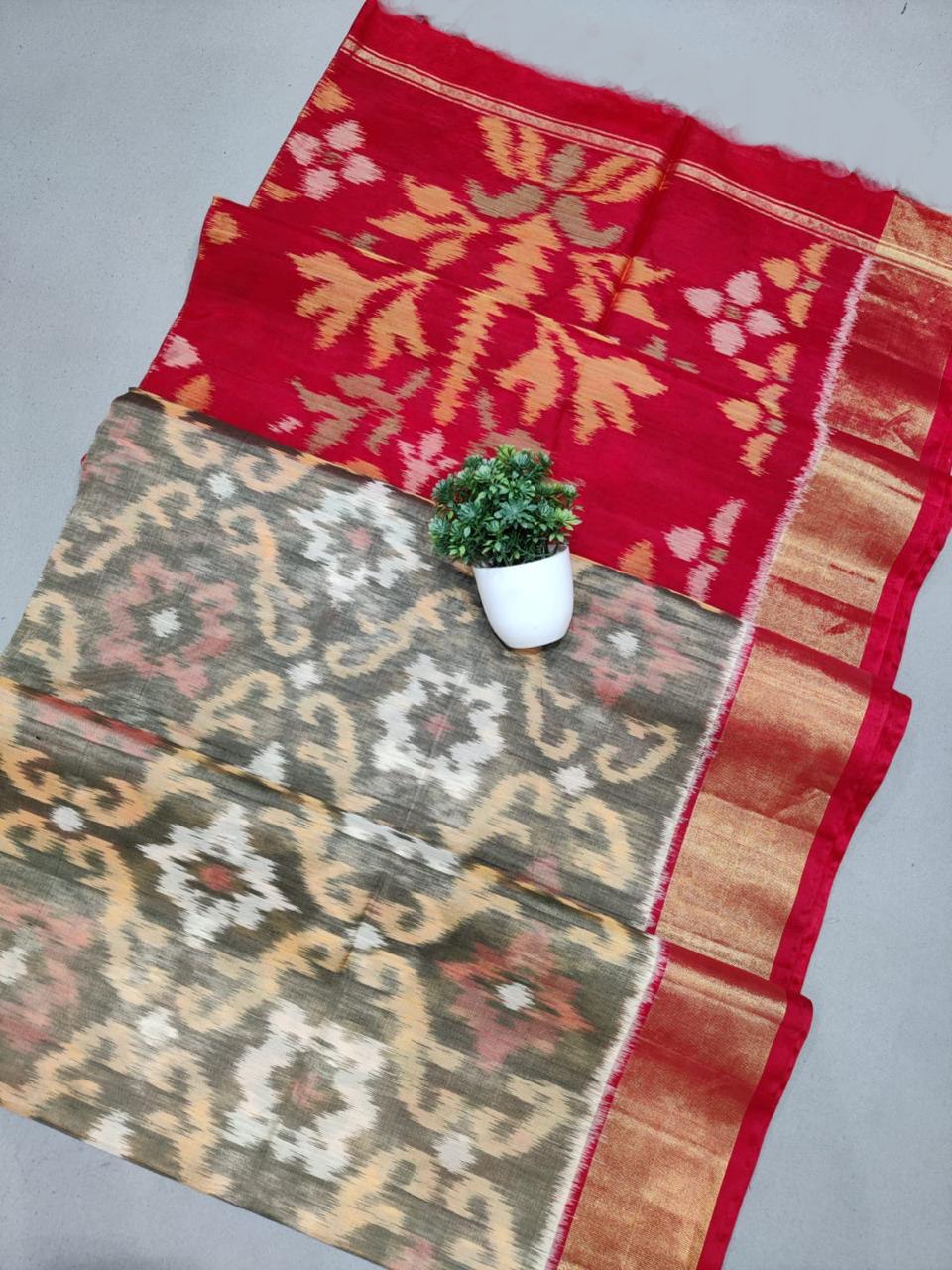

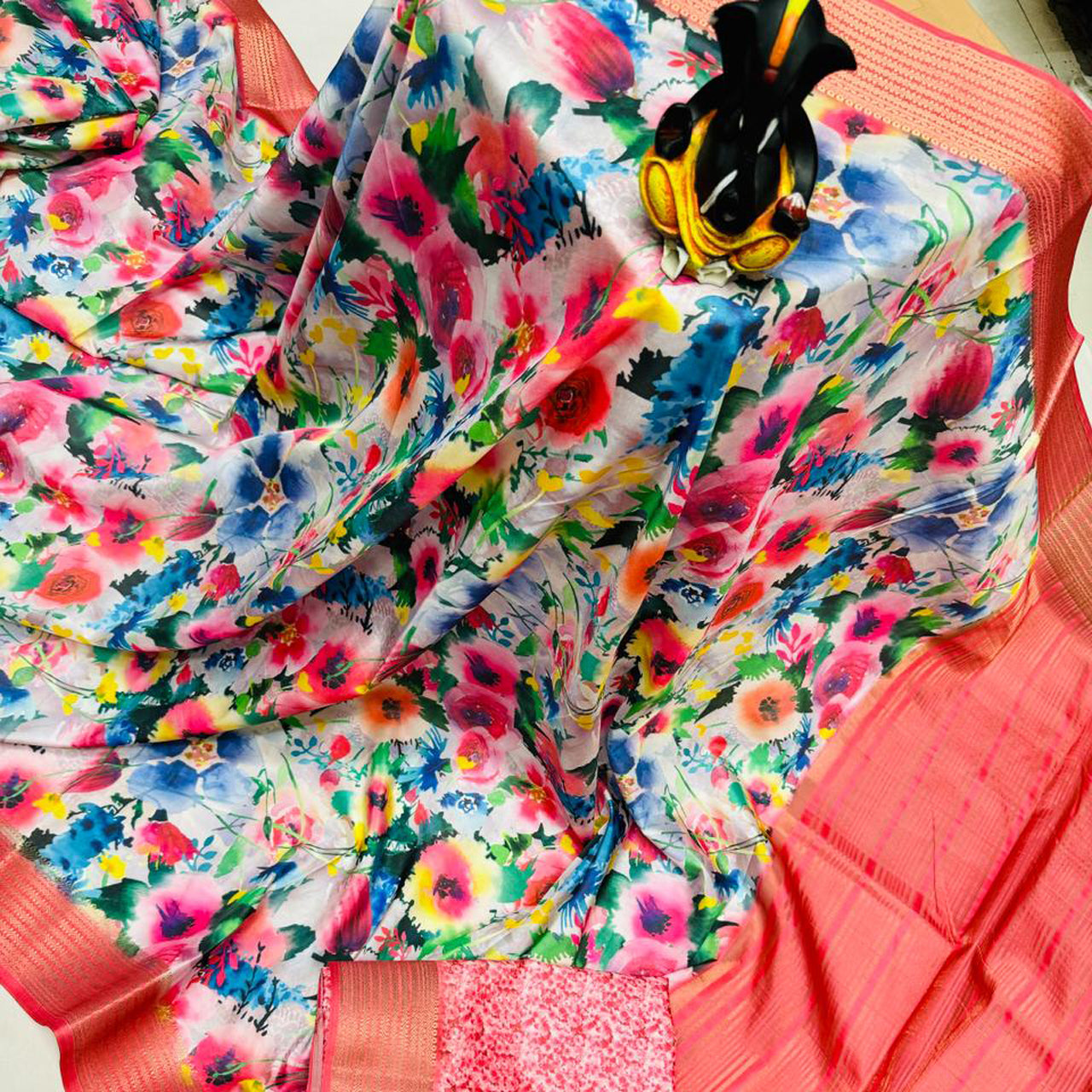


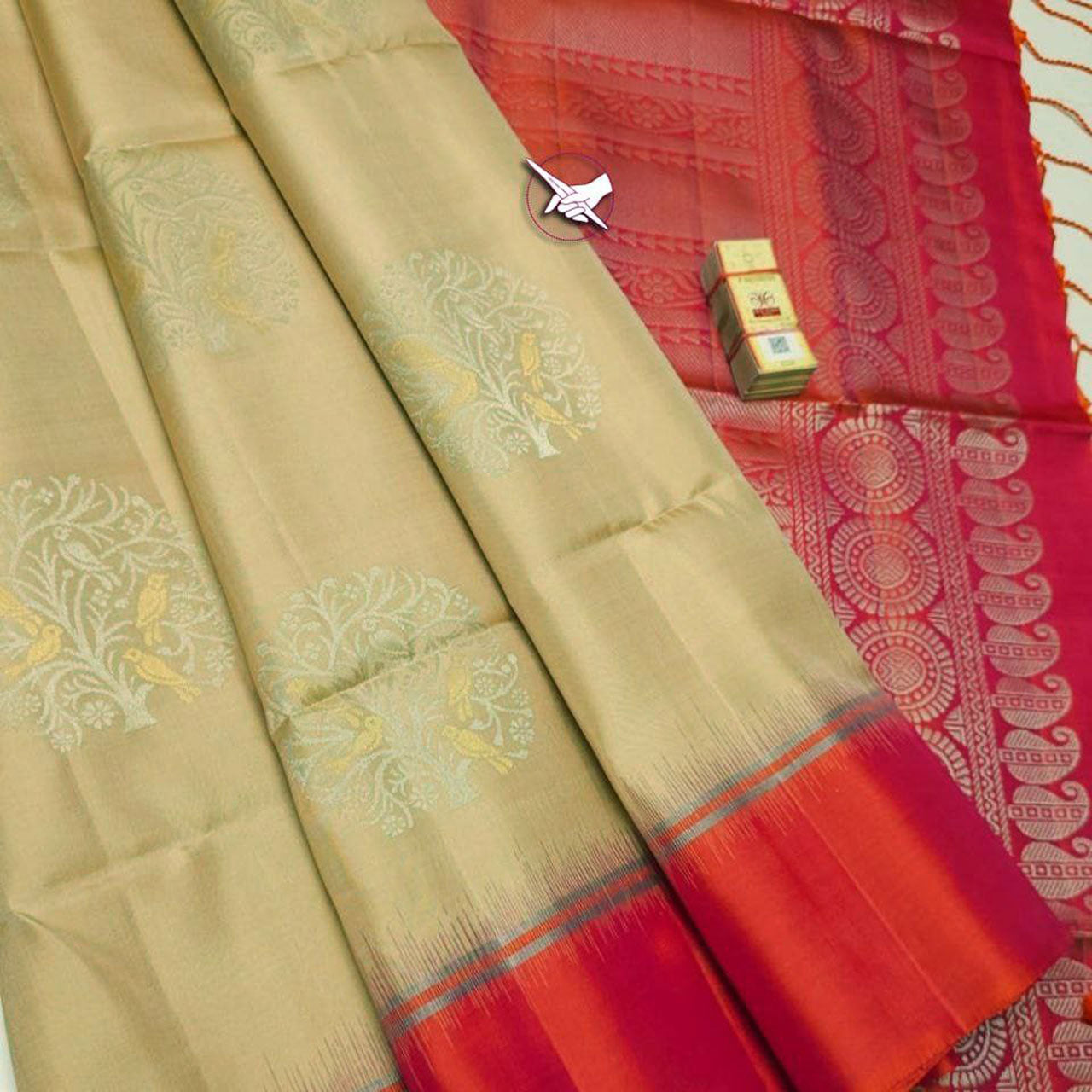


Can You Guess the Difference Between Pure and Artificial Silk?
At first glance, pure silk and artificial silk can look surprisingly similar. Both may have a glossy finish, elegant drape, and beautiful colors. This similarity often makes it difficult for shoppers—especially first-time buyers—to tell them apart.
However, beneath the surface, these two fabrics are very different. They differ in how they're made, how they feel, how long they last, how they age, and even how they perform in different climates.
Understanding these differences is essential whether you're shopping for a wedding saree, building a timeless collection, or investing in a premium silk garment. The goal isn't to suggest that one fabric is always better than the other—each has its own advantages depending on your budget, purpose, and preferences.
Let's explore the key differences between pure and artificial silk so you can shop with confidence.
What Is Pure Silk?
Pure silk is a natural fiber produced from the cocoons of silkworms. It has been valued for thousands of years because of its luxurious texture, strength, and natural sheen.
Popular types of pure silk used in Indian sarees include:
- Banarasi Silk
- Kanjivaram Silk
- Mysore Silk
- Tussar Silk
- Muga Silk
- Chanderi Silk (silk blends are also common)
Pure silk is prized for its elegance and long-lasting quality.
What Is Artificial Silk?
Artificial silk, often called art silk, is a fabric designed to resemble natural silk.
It may be made from materials such as:
- Polyester
- Nylon
- Rayon
- Viscose
- Other synthetic or semi-synthetic fibers
Art silk provides a silk-like appearance at a more affordable price, making it a popular choice for occasional wear and fashion-focused collections.
1. Texture: The First Clue
One of the easiest ways to notice the difference is by touch.
Pure Silk
- Soft and smooth
- Rich, luxurious feel
- Naturally warm to the touch
- Graceful fluid drape
Artificial Silk
- Often feels smoother but less organic
- May have a slightly slippery or stiffer finish
- Texture varies depending on the fiber used
The difference becomes more noticeable after wearing the fabric for several hours.
2. Shine: Natural vs High Gloss
Many buyers judge silk by its shine—but not all shine is the same.
Pure Silk
Produces a subtle, elegant sheen that changes beautifully under different lighting angles.
Artificial Silk
Often has a brighter, more uniform gloss that can appear more reflective.
Natural silk tends to display greater depth and richness in its appearance.
3. Durability
When properly cared for, pure silk is remarkably durable.
Pure Silk
- Can last for decades
- Often becomes a family heirloom
- Retains its elegance over time
Artificial Silk
- Suitable for regular fashion use
- Lifespan depends on fiber quality and construction
- May show signs of wear sooner than premium natural silk
4. Breathability and Comfort
Comfort is another important difference.
Pure Silk
- Naturally breathable
- Comfortable across different seasons
- Helps regulate temperature
- Feels gentle against the skin
Artificial Silk
Comfort varies depending on the material.
Some synthetic fabrics may trap more heat or feel less breathable during extended wear.
5. Price
One of the biggest differences is cost.
Pure Silk
Higher prices reflect:
- Natural raw material
- Skilled craftsmanship
- Time-intensive weaving
- Premium quality
Artificial Silk
Usually more affordable because production is faster and raw materials are less expensive.
Your choice should depend on how you plan to use the saree rather than price alone.
6. Craftsmanship
Many luxury pure silk sarees are handwoven by skilled artisans using traditional techniques.
Artificial silk sarees are often machine-made, although handcrafted versions also exist.
If you appreciate artisan craftsmanship and heritage weaving, checking the weaving method is just as important as understanding the fabric itself.
7. Longevity
A well-maintained pure silk saree can remain beautiful for generations.
Artificial silk is generally intended for everyday fashion and occasional use, though quality varies by manufacturer and construction.
Proper storage and care benefit both fabrics.
8. Occasion
Both fabrics have their place.
Pure Silk Is Popular For
- Weddings
- Religious ceremonies
- Festivals
- Family heirlooms
- Formal celebrations
Artificial Silk Is Commonly Chosen For
- Daily wear
- Casual functions
- Office events
- Budget-conscious shopping
- Trend-based fashion
The right choice depends on your priorities.
9. Maintenance
Pure Silk
Requires careful storage and is generally best maintained through professional dry cleaning.
Artificial Silk
Care instructions vary by fabric type, and some may be easier to maintain than natural silk.
Always follow the manufacturer's care recommendations.
Pure Silk vs Artificial Silk: Quick Comparison
| Feature | Pure Silk | Artificial Silk |
|---|---|---|
| Origin | Natural silk fiber | Synthetic or semi-synthetic fibers |
| Feel | Soft, luxurious, breathable | Smooth, varies by material |
| Shine | Elegant natural sheen | Brighter, more uniform gloss |
| Durability | Excellent with proper care | Depends on quality and fiber |
| Price | Premium | More affordable |
| Best For | Weddings, heirlooms, luxury wear | Everyday use, casual occasions |
| Lifespan | Often decades | Varies by construction and care |
How to Shop Smart
Before purchasing any silk saree:
Read the Product Description
Check the fiber composition and weaving details.
Buy from Trusted Sellers
Reputable brands provide transparent information about materials and craftsmanship.
Match the Fabric to the Occasion
Choose a fabric based on how often you'll wear it and the type of event.
Consider Long-Term Value
If you're buying a saree for milestone occasions or future generations, durability may matter as much as appearance.
Frequently Asked Questions
Is pure silk always better than artificial silk?
Not necessarily. Pure silk offers natural luxury, durability, and heritage craftsmanship, while artificial silk can be an affordable and practical option for everyday or occasional wear.
Why is pure silk more expensive?
Natural silk production, skilled weaving, premium materials, and longer manufacturing times contribute to its higher price.
Can artificial silk look like pure silk?
Yes. High-quality artificial silk can closely resemble pure silk visually, which is why reading product details and buying from trusted sellers is important.
Which fabric is better for weddings?
Pure silk is traditionally preferred for weddings because of its elegance, durability, and cultural significance.
How can I make a better buying decision?
Focus on fabric composition, weaving quality, intended use, seller transparency, and care requirements rather than appearance alone.
Conclusion
Pure silk and artificial silk may appear similar at first glance, but they offer different experiences in terms of texture, craftsmanship, durability, comfort, and long-term value. Pure silk represents centuries of tradition, natural beauty, and exceptional artistry, making it a favorite for weddings, heirloom collections, and special occasions. Artificial silk, meanwhile, provides an attractive and budget-friendly alternative for everyday fashion and occasional wear.
The best choice isn't about choosing the "better" fabric—it's about choosing the fabric that best matches your needs, budget, and expectations. By understanding these key differences, you can shop more confidently, appreciate the craftsmanship behind every saree, and invest in pieces that you'll truly enjoy wearing.