

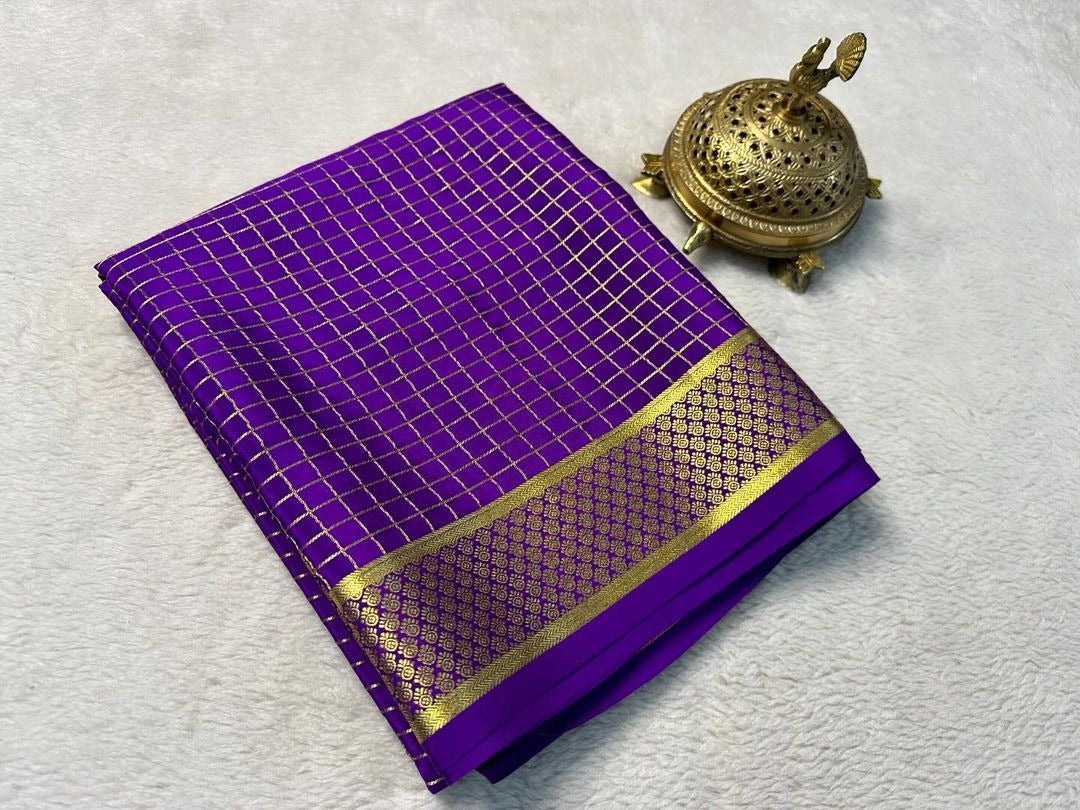
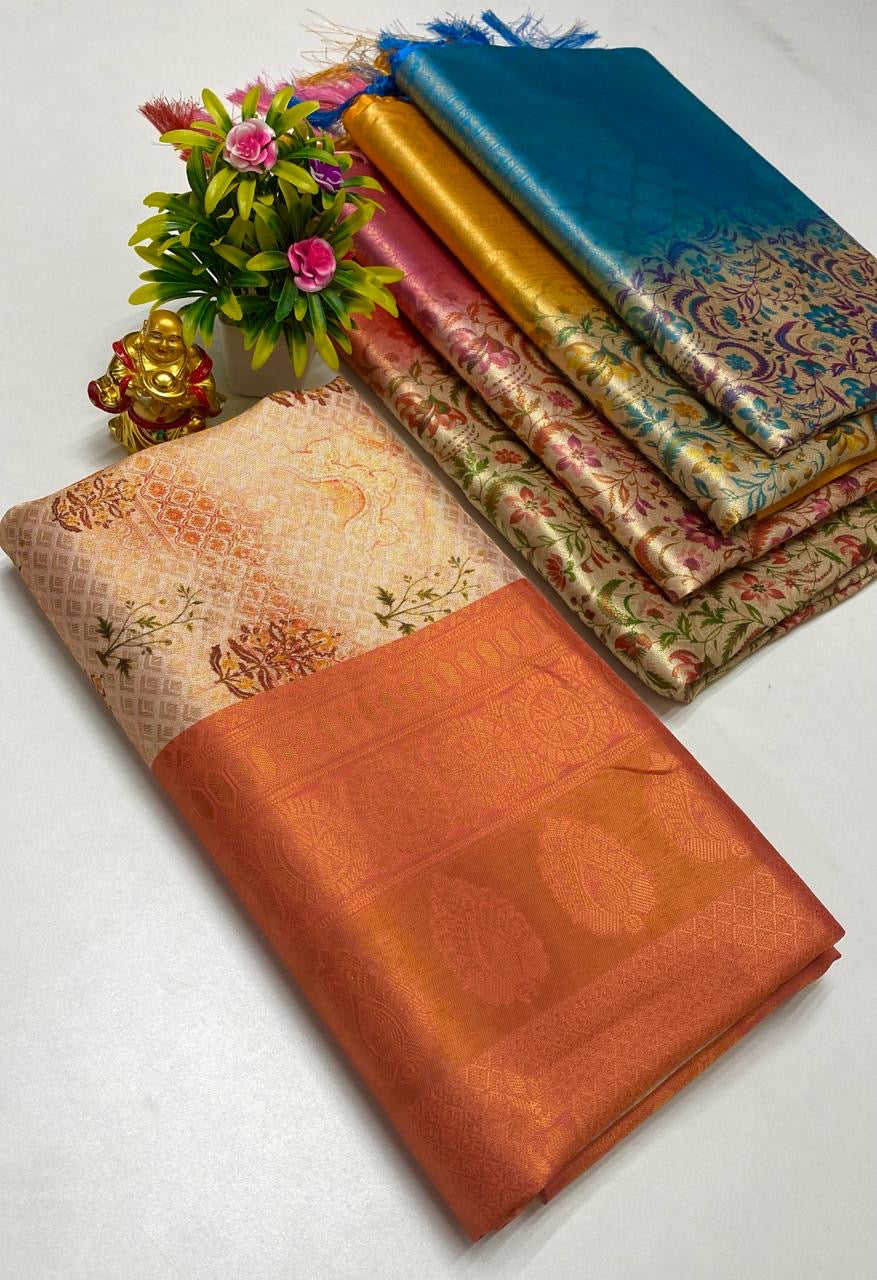




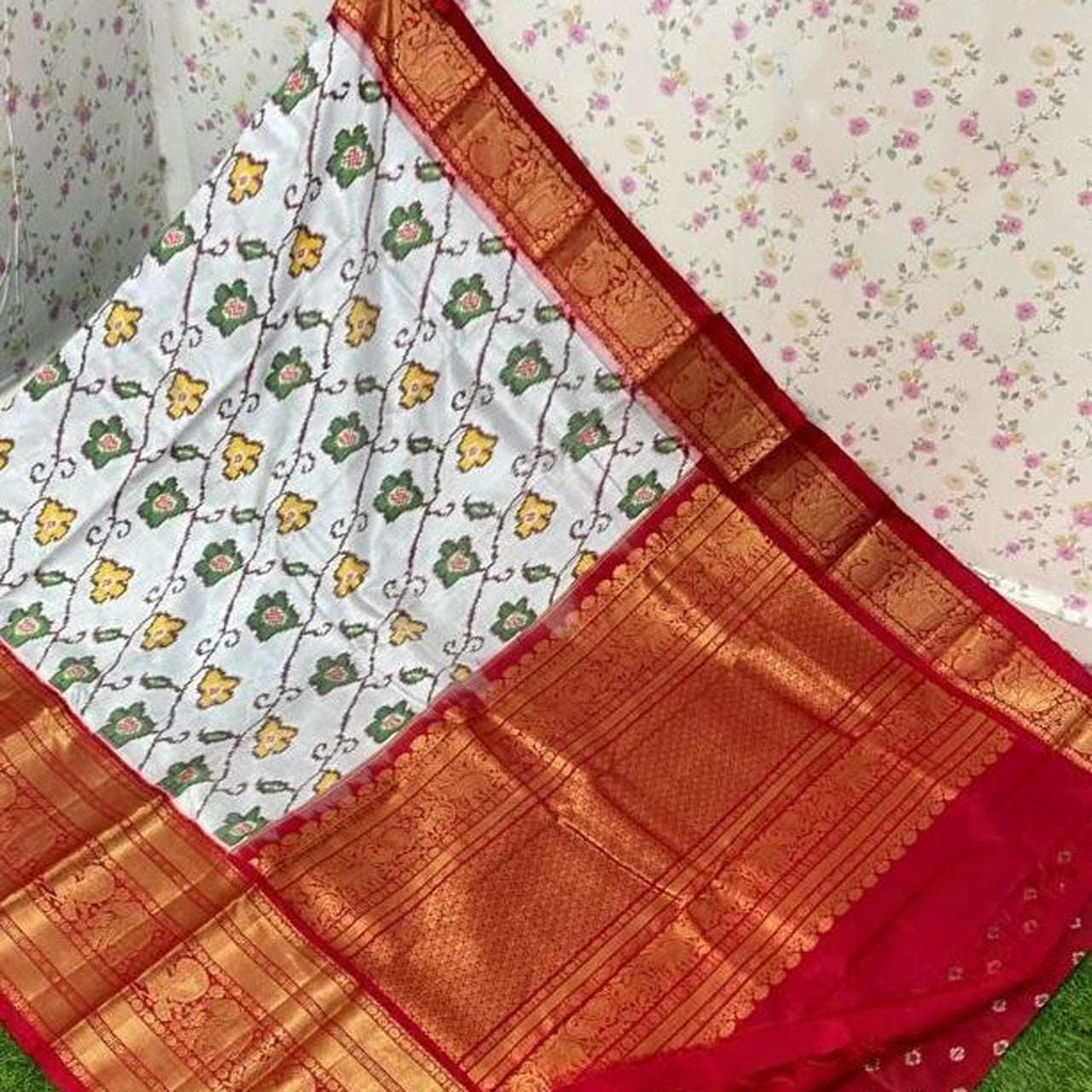
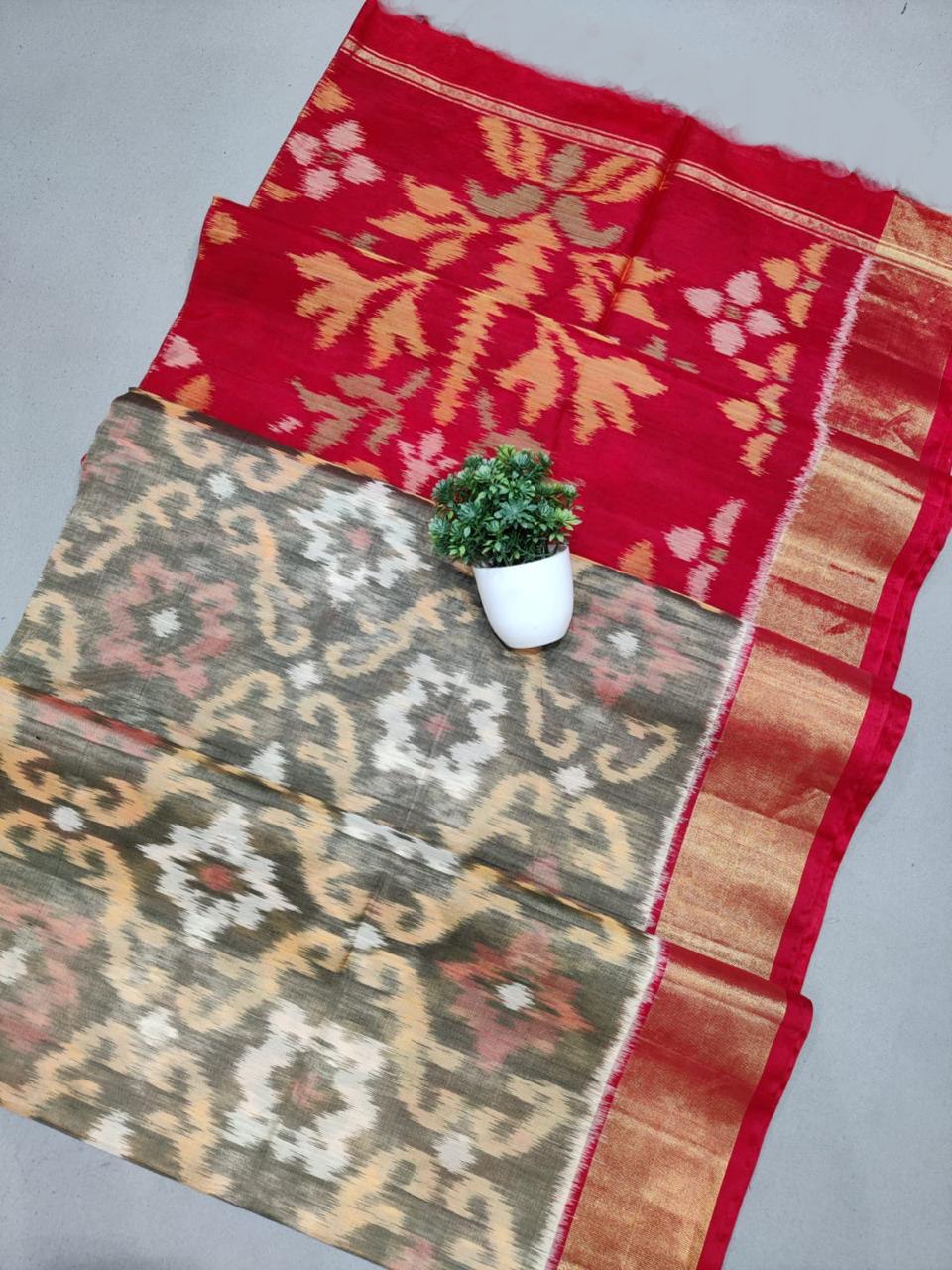





Complete Care Guide for Tussar Silk Sarees
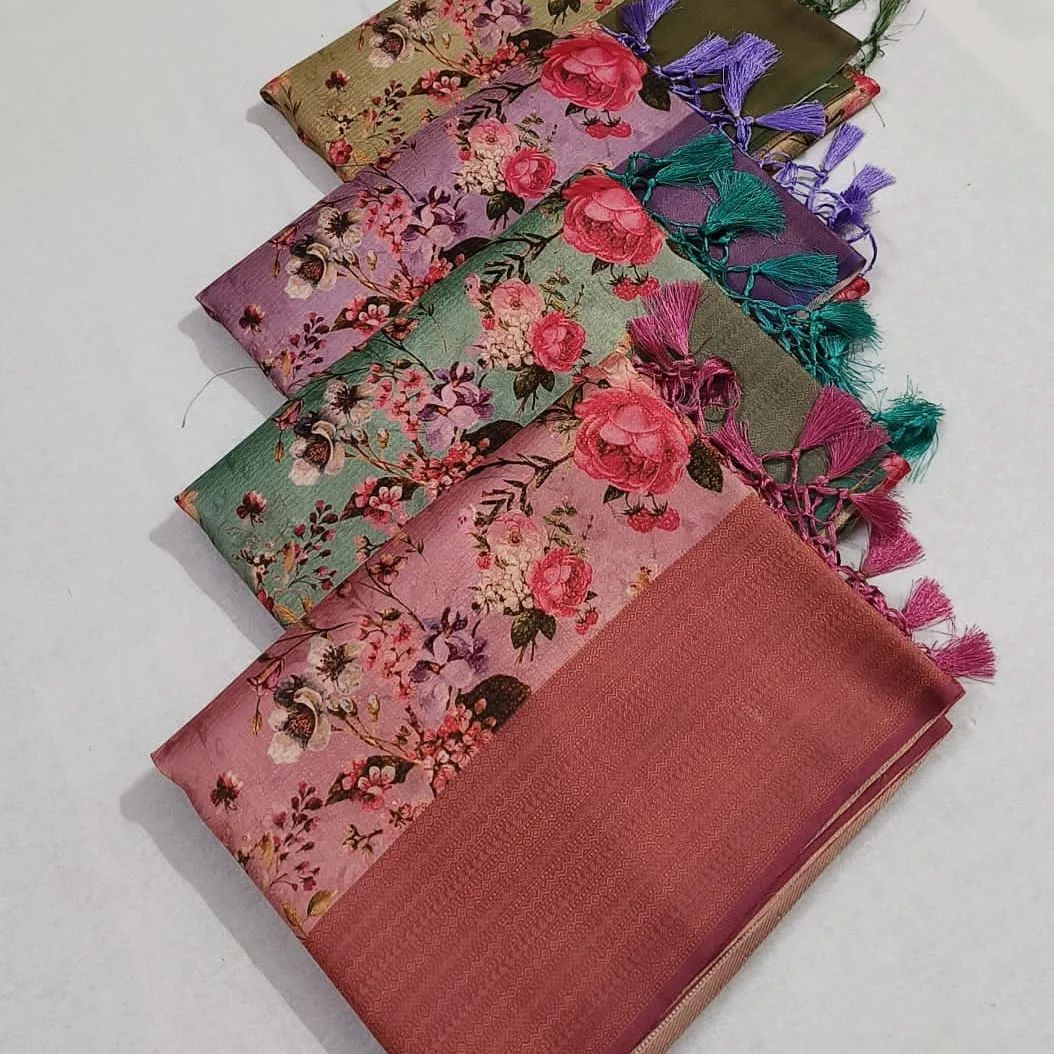
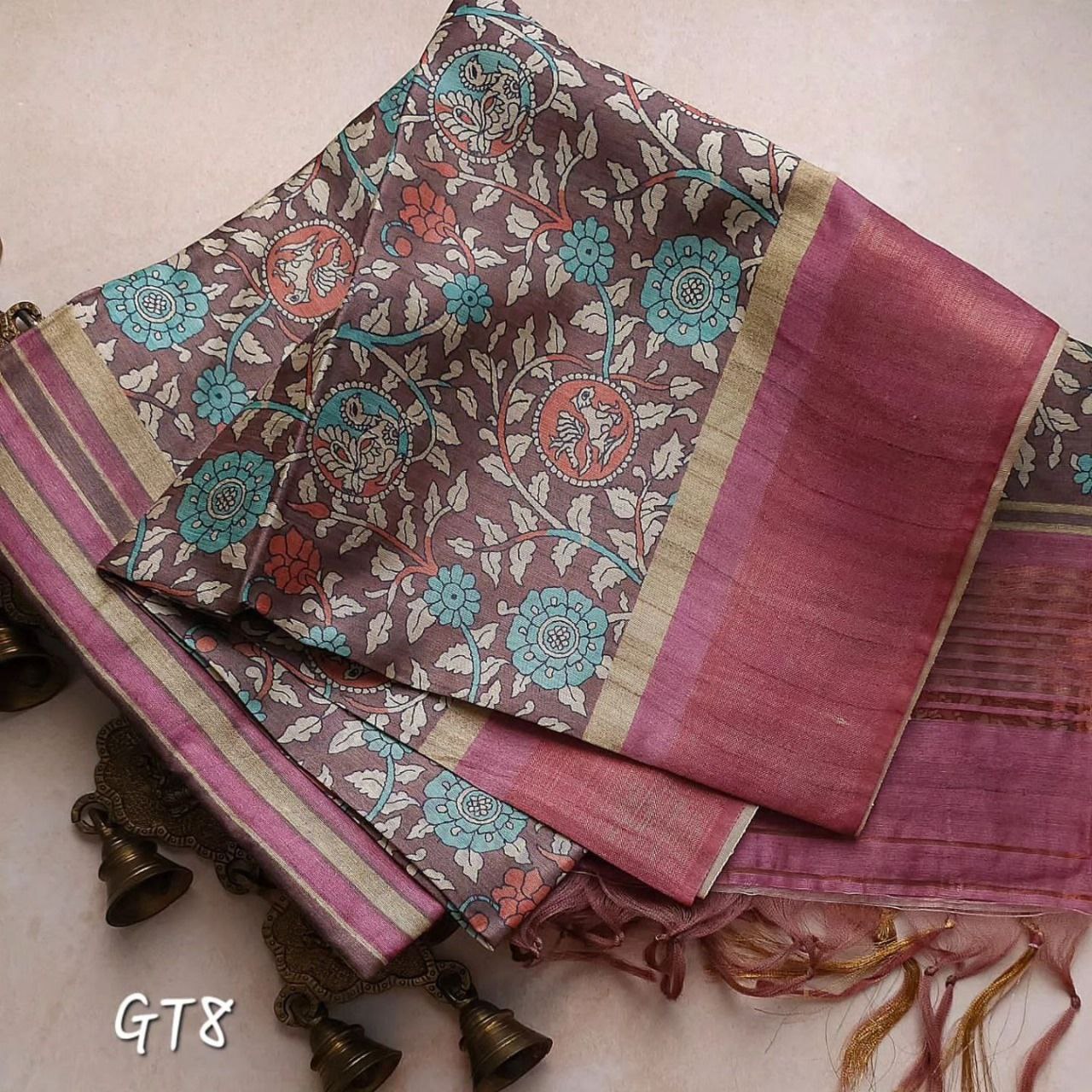
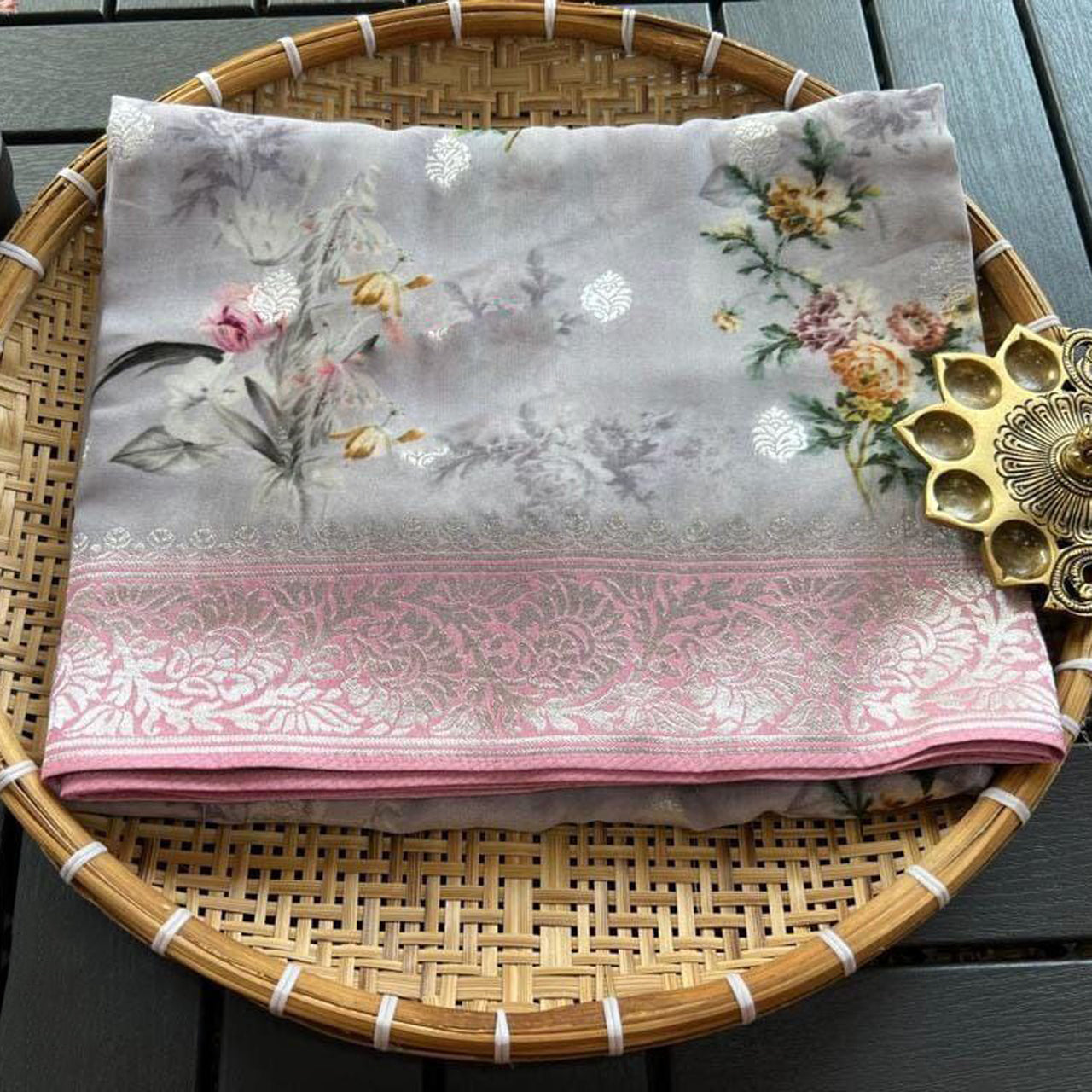
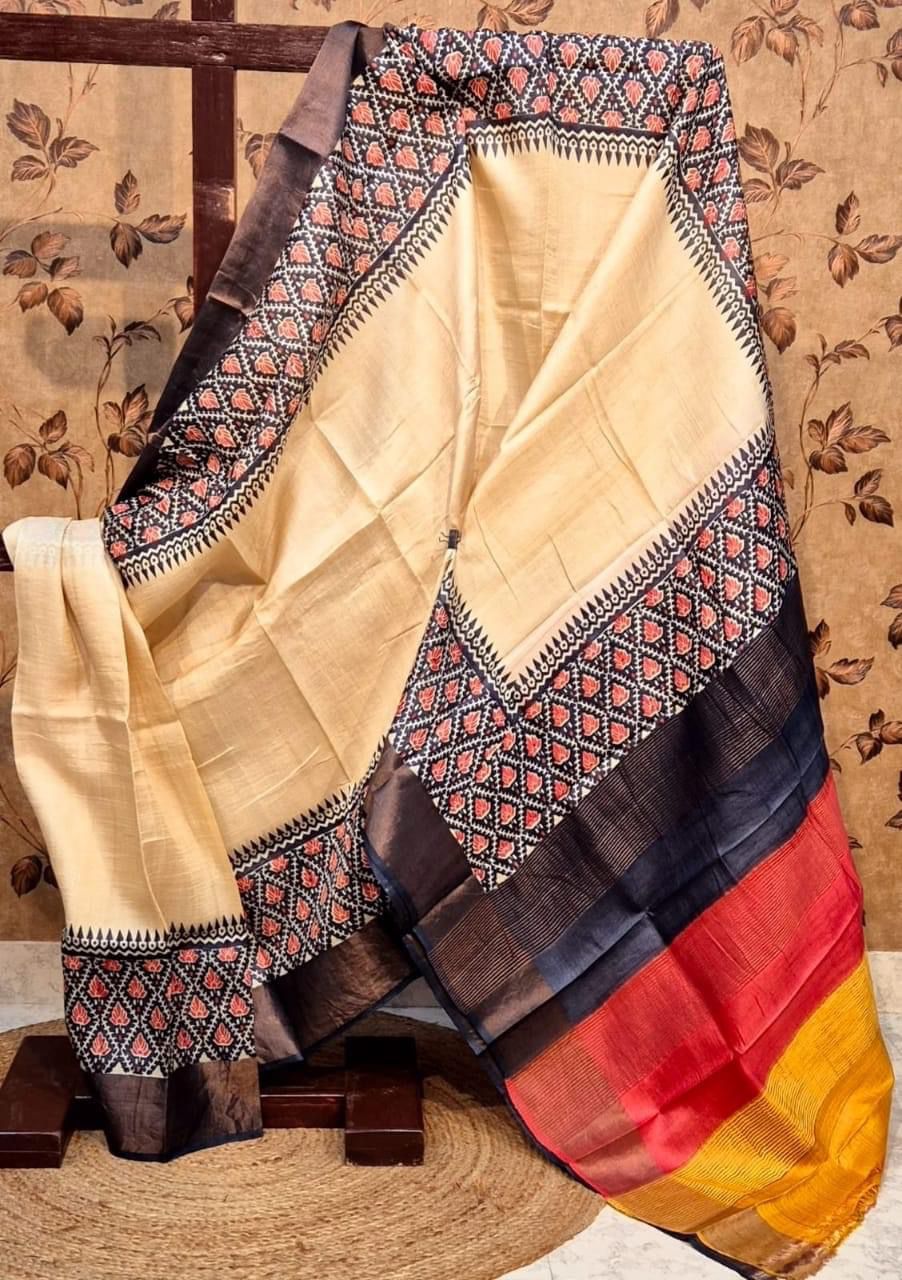
Tussar silk sarees are among the most treasured pieces in an Indian woman's wardrobe. Known for their natural golden sheen, rich texture, breathable feel, and timeless elegance, these sarees beautifully combine heritage craftsmanship with modern sophistication. Whether worn at festive celebrations, weddings, cultural events, or formal gatherings, a Tussar silk saree always makes a graceful statement.
However, owning a premium Tussar silk saree comes with the responsibility of proper care. Unlike synthetic fabrics or everyday cotton sarees, silk requires special attention to maintain its texture, color, and natural luster. Without proper maintenance, even the finest saree can lose its charm over time.
This complete care guide for Tussar silk sarees will help you understand how to wash, dry, iron, store, and protect your sarees so they remain beautiful for years to come.
Understanding the Delicate Nature of Tussar Silk
Before discussing care techniques, it is important to understand why Tussar silk requires special handling.
Tussar silk is produced from wild silkworms and is valued for its distinctive texture and natural appearance. Unlike heavily processed fabrics, Tussar silk retains an organic feel that contributes to its unique beauty.
The fabric is:
- Delicate and sensitive to harsh chemicals
- Vulnerable to excessive moisture
- Prone to color fading if exposed to direct sunlight
- Sensitive to high temperatures
- Naturally breathable but requires careful storage
Proper maintenance helps preserve these qualities and extends the lifespan of your saree.
Why Proper Care Matters
Many women invest significantly in premium silk sarees and expect them to last for decades. In many families, silk sarees are passed down through generations as treasured heirlooms.
Proper care helps:
- Maintain fabric strength
- Preserve natural shine
- Prevent discoloration
- Avoid permanent stains
- Protect intricate weaving
- Extend the saree's lifespan
A well-maintained Tussar silk saree can remain beautiful for many years with minimal signs of aging.
How to Wash a Tussar Silk Saree
One of the most common questions saree owners ask is whether Tussar silk can be washed at home.
Dry Cleaning Is the Safest Option
For expensive, handwoven, embroidered, or designer Tussar silk sarees, professional dry cleaning is highly recommended.
Dry cleaning:
- Protects delicate fibers
- Prevents color bleeding
- Preserves embroidery and embellishments
- Maintains fabric structure
For special occasion sarees, dry cleaning remains the safest and most reliable method.
Home Washing Guidelines
If the saree manufacturer specifically permits home washing, follow these precautions:
Use Cold Water
Always use cold or room-temperature water. Hot water can damage silk fibers and affect the fabric's natural sheen.
Choose Mild Detergent
Use a gentle silk-friendly detergent. Avoid harsh soaps, bleach, and chemical cleaners.
Wash Gently
Do not scrub, twist, or wring the fabric. Gently dip and rinse the saree instead.
Rinse Thoroughly
Ensure all detergent residue is removed because leftover detergent may weaken silk fibers over time.
Mistakes to Avoid While Washing
Many sarees become damaged because of common washing errors.
Avoid:
- Machine washing
- Using bleach
- Scrubbing stains aggressively
- Soaking for long periods
- Using hot water
- Mixing with colored garments
These practices can cause irreversible damage to delicate silk fibers.
How to Remove Stains from Tussar Silk Sarees
Stains should be treated as quickly as possible.
Food and Beverage Stains
Blot the stain gently using a clean cloth. Do not rub the affected area, as rubbing can spread the stain deeper into the fibers.
Oil-Based Stains
Apply a small amount of absorbent powder such as talcum powder to draw out excess oil before seeking professional cleaning.
Ink Stains
Avoid home remedies for ink stains. Professional dry cleaning is usually the safest option.
General Rule
Always test any cleaning method on a hidden section first or consult a professional cleaner.
Proper Drying Techniques
Drying silk correctly is just as important as washing it.
Avoid Direct Sunlight
Direct sunlight can fade colors and weaken silk fibers.
Instead:
- Dry indoors
- Choose a shaded area
- Ensure good air circulation
Never Use a Dryer
Machine dryers expose silk to excessive heat and movement, which can damage the fabric.
Lay Flat or Hang Carefully
Spread the saree on a clean towel or hang it carefully to maintain its shape during drying.
How to Iron a Tussar Silk Saree
Wrinkles are natural after washing or storage, but ironing silk requires extra care.
Use Low Heat Settings
Always select the silk setting on your iron.
High temperatures can:
- Burn fibers
- Create shiny marks
- Damage delicate weaving
Iron on the Reverse Side
Turn the saree inside out before ironing.
This helps protect:
- Surface texture
- Prints
- Embroidery
- Decorative details
Use a Protective Cloth
Place a thin cotton cloth between the iron and saree for added protection.
Steam with Caution
Steam irons can be effective but should not be held too close to the fabric.
Best Practices for Storing Tussar Silk Sarees
Proper storage plays a major role in preserving silk sarees.
Store in a Cool, Dry Place
Humidity can damage silk and encourage mold growth.
Choose a storage area that is:
- Clean
- Dry
- Well-ventilated
- Away from direct sunlight
Use Cotton or Muslin Covers
Avoid plastic covers because they trap moisture.
Instead, wrap sarees in:
- Cotton fabric
- Muslin cloth
- Breathable saree bags
These materials allow airflow while protecting the saree.
Fold Carefully
Frequent folding in the same position may weaken fabric along fold lines.
Refold sarees every few months to prevent permanent creases.
Separate Heavy Sarees
Store heavily embroidered sarees separately to avoid pulling or damaging delicate silk fabrics.
Protecting Tussar Silk from Insects
Natural fibers can attract insects if not stored properly.
Use Natural Repellents
Common options include:
- Neem leaves
- Cedar blocks
- Lavender sachets
These help deter insects without exposing silk to harsh chemicals.
Avoid Direct Contact
Place repellents near the saree rather than directly on the fabric.
How Often Should You Dry Clean a Tussar Silk Saree?
Dry cleaning after every wear is usually unnecessary unless the saree has visible stains or has been worn for an extended period.
General recommendations:
- Occasion wear: Dry clean after 2–3 uses
- Wedding sarees: Dry clean after each major event
- Lightly worn sarees: Air out before storing
Excessive dry cleaning can also affect fabric longevity, so balance is important.
Traveling with a Tussar Silk Saree
When carrying silk sarees during travel:
Use a Saree Bag
A dedicated saree bag protects against dust and friction.
Fold Carefully
Place tissue paper between folds to reduce creasing.
Avoid Overpacking
Heavy luggage pressure can create deep wrinkles that are difficult to remove.
Unpack Promptly
Remove the saree from your suitcase soon after reaching your destination.
Signs Your Saree Needs Professional Attention
Seek professional care if you notice:
- Persistent stains
- Fabric discoloration
- Loose threads
- Weaving damage
- Mildew odor
- Water marks
Timely intervention can prevent further deterioration.
Long-Term Preservation Tips
If you wish to preserve a treasured Tussar silk saree for decades:
- Store in breathable fabric wraps
- Refold periodically
- Keep away from sunlight
- Avoid excessive perfume contact
- Protect from moisture
- Handle with clean hands
- Inspect regularly for insects
These simple habits can significantly extend the life of your saree.
Frequently Asked Questions
Can Tussar silk sarees be washed at home?
Some Tussar silk sarees may be gently hand-washed, but professional dry cleaning is generally recommended for premium or handwoven pieces.
Is it safe to machine wash Tussar silk?
No. Machine washing can damage delicate silk fibers and affect the saree's texture and appearance.
How should I store a Tussar silk saree?
Wrap it in cotton or muslin fabric and store it in a cool, dry place away from direct sunlight.
Can I iron a Tussar silk saree at home?
Yes, but always use a low-heat setting and preferably iron on the reverse side with a protective cloth.
How long does a Tussar silk saree last?
With proper care and storage, a high-quality Tussar silk saree can remain beautiful for decades.
Conclusion
A Tussar silk saree is more than just a garment—it is a reflection of India's rich textile heritage and timeless craftsmanship. With its elegant texture, natural sheen, and versatile appeal, it deserves thoughtful care and maintenance.
By following proper washing, drying, ironing, and storage practices, you can preserve the beauty and durability of your saree for years to come. Whether you own a treasured heirloom or a newly purchased masterpiece, investing a little time in proper care will ensure that your Tussar silk saree continues to look stunning every time you wear it.
- #Complete Care Guide for Tussar Silk Sarees
- #handwoven silk saree care
- #how to store silk sarees
- #how to wash Tussar silk saree
- #luxury saree care
- #preserving silk sarees
- #silk fabric care
- #silk saree care instructions
- #silk saree care tips
- #silk saree storage guide
- #storing silk sarees
- #Tussar silk cleaning guide
- #Tussar silk maintenance
- #tussar silk maintenance tips
- #Tussar silk saree care
Share