





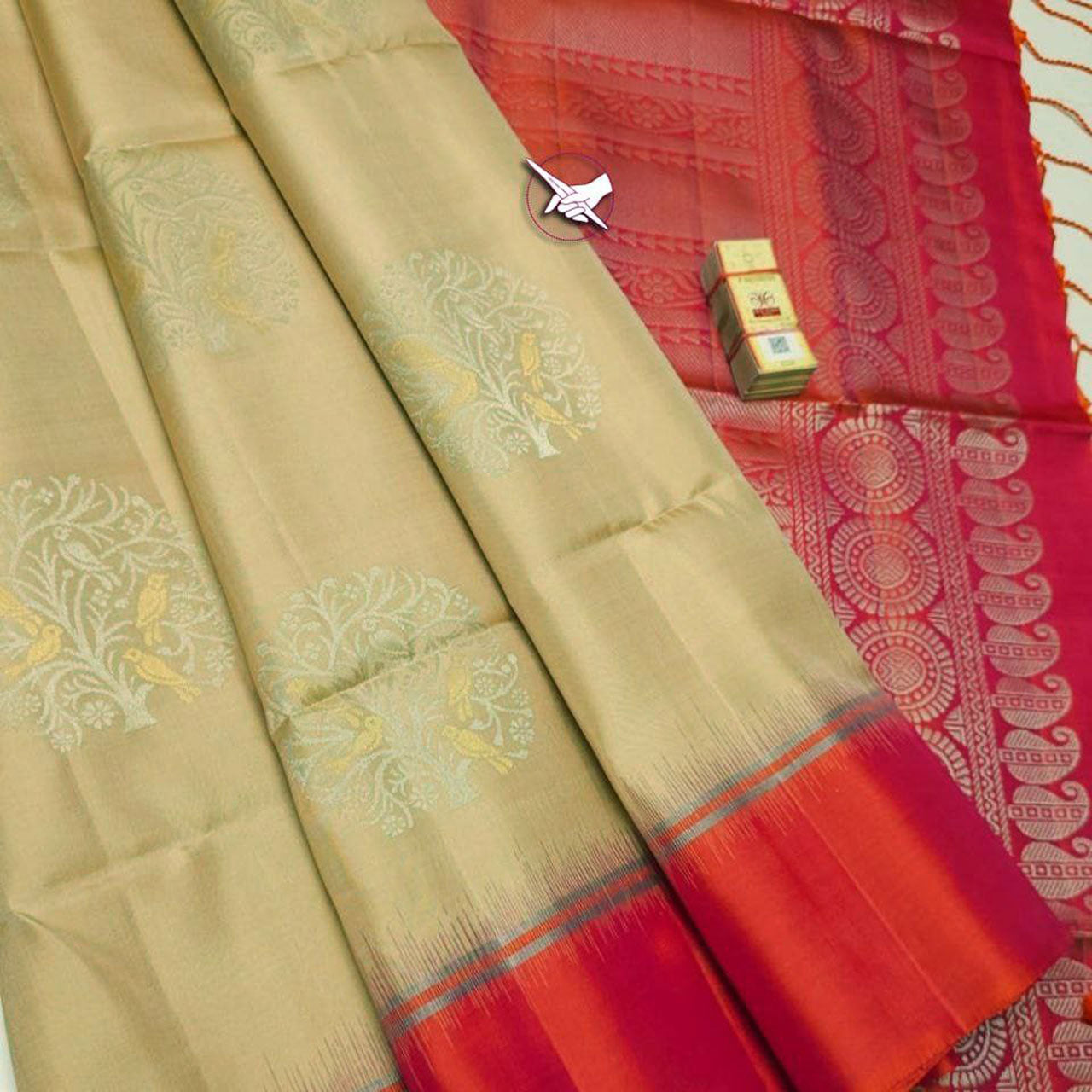


Can Traditional Sarees Become Sustainable Fashion? Here's the Truth
Sustainability has become one of the biggest conversations in the fashion industry. As people grow more conscious about environmental impact, many are choosing quality over quantity, investing in timeless clothing instead of fast fashion. In this shift toward mindful living, one traditional garment stands out as surprisingly modern—the Indian saree.
For centuries, sarees have been designed to last, repaired instead of discarded, and passed down from one generation to the next. Unlike many trend-driven garments, a well-crafted saree often remains stylish for decades. This naturally aligns with the principles of sustainable fashion.
But does that mean every saree is sustainable? The answer is more nuanced. While many traditional sarees are eco-friendly by design, others are produced using modern manufacturing methods that may not be as environmentally responsible.
Let's separate myths from facts and explore whether traditional sarees truly deserve their place in the sustainable fashion movement.
What Is Sustainable Fashion?
Sustainable fashion focuses on creating and using clothing in ways that reduce environmental impact while supporting ethical production.
It encourages:
- Long-lasting garments
- Responsible sourcing
- Reduced waste
- Fair wages for artisans
- Environmentally conscious materials
- Thoughtful purchasing instead of impulse buying
The goal is simple: buy better, use longer, and waste less.
Why Traditional Sarees Naturally Support Sustainability
Long before the phrase "sustainable fashion" became popular, many Indian weaving traditions already followed its core principles.
Traditional sarees often emphasize:
- Handmade craftsmanship
- Durable natural fibers
- Minimal waste during production
- Long product life
- Repairability
- Cultural preservation
These qualities make many sarees an excellent example of slow fashion.
Handloom Weaving Has a Smaller Environmental Footprint
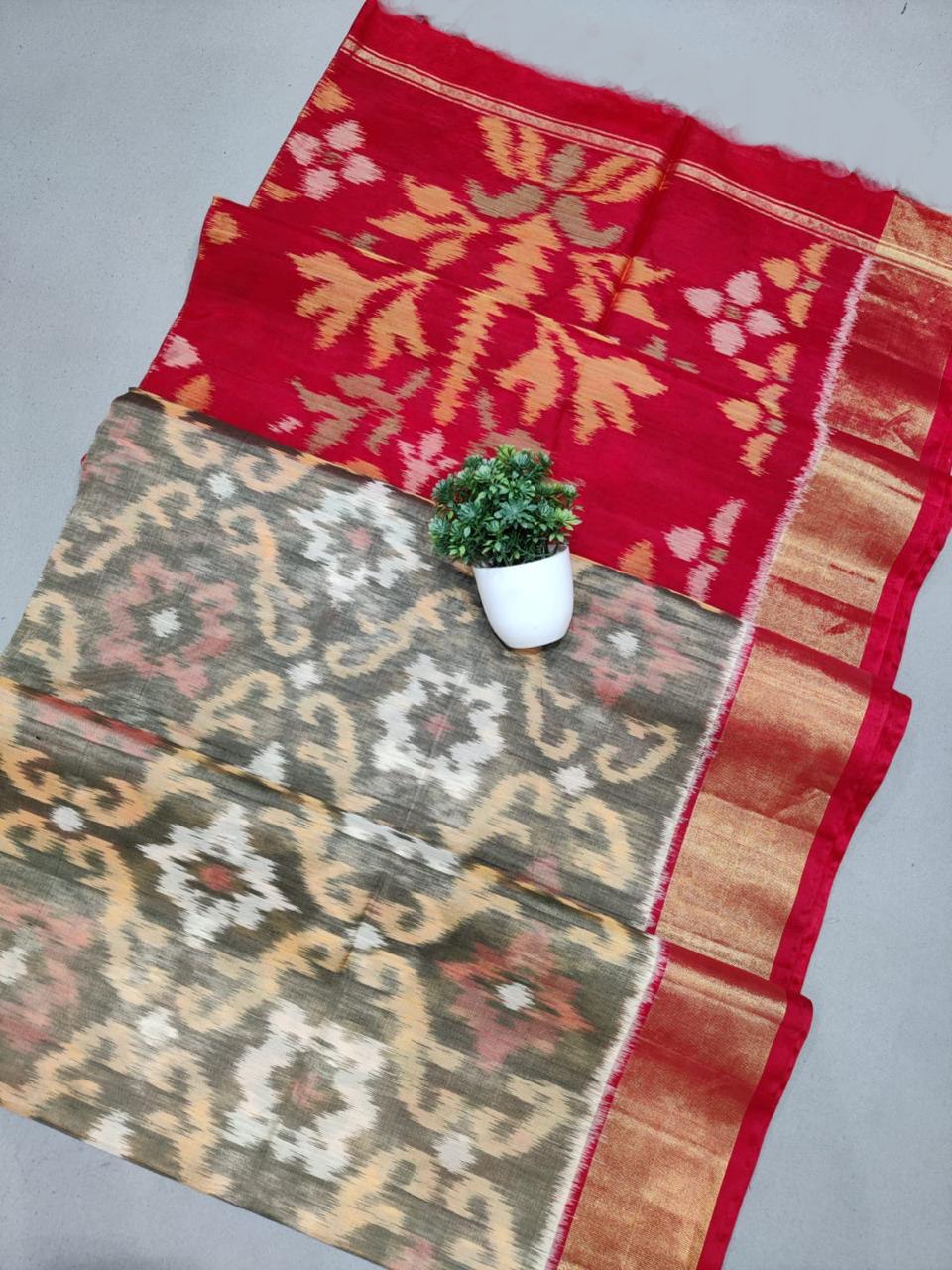
One of the biggest advantages of authentic handloom sarees is the weaving process itself.
Unlike power looms and large industrial machines, traditional handlooms operate primarily through human skill.
This means they generally require:
- Minimal electricity
- Fewer industrial resources
- Lower energy consumption
Choosing handwoven sarees can help support a lower-impact approach to textile production while preserving centuries-old craftsmanship.
Natural Fabrics Are Often More Eco-Friendly
Many traditional sarees are woven from natural fibers such as:
- Silk
- Cotton
- Linen
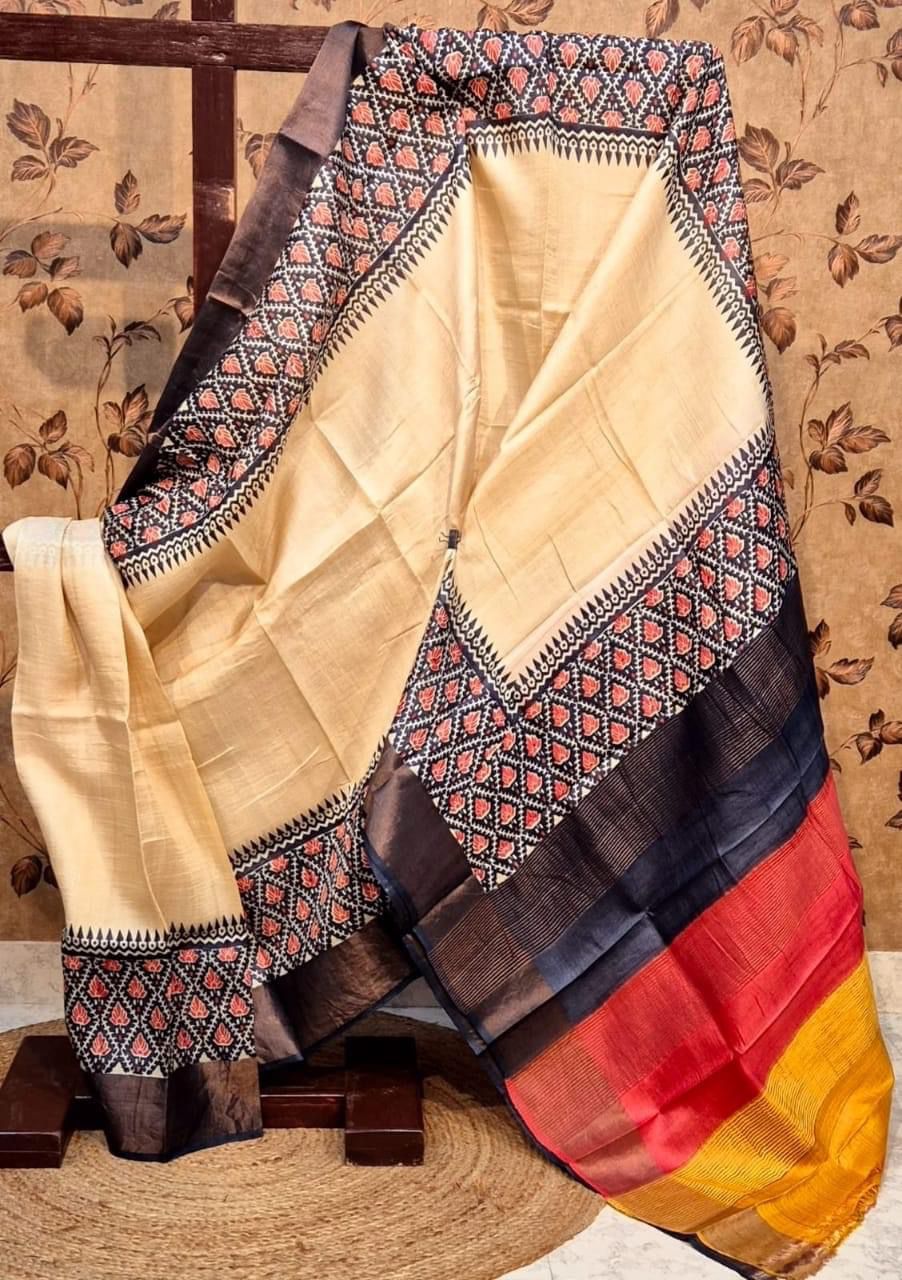
- Tussar Silk
- Khadi
Natural fibers are renewable and, under suitable conditions, biodegradable—unlike many synthetic materials that can remain in the environment for years.
They also tend to be breathable, durable, and comfortable, making them practical for long-term use.
Timeless Designs Reduce Fashion Waste
Fast fashion encourages consumers to replace clothing every season.
Traditional sarees are different.
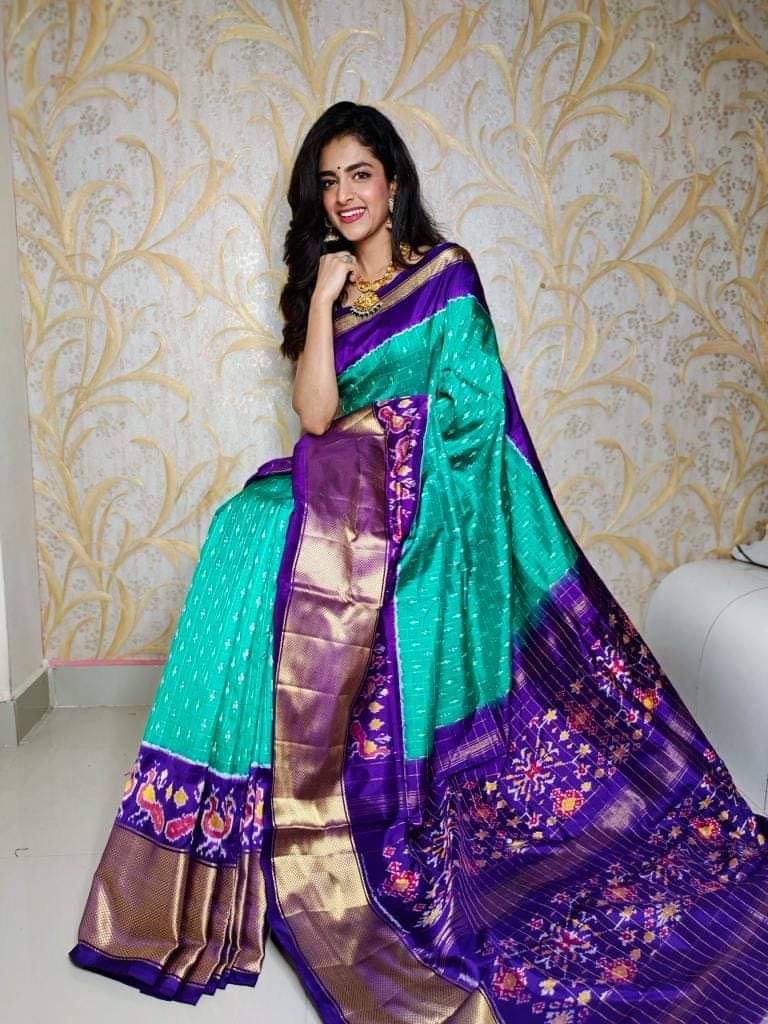
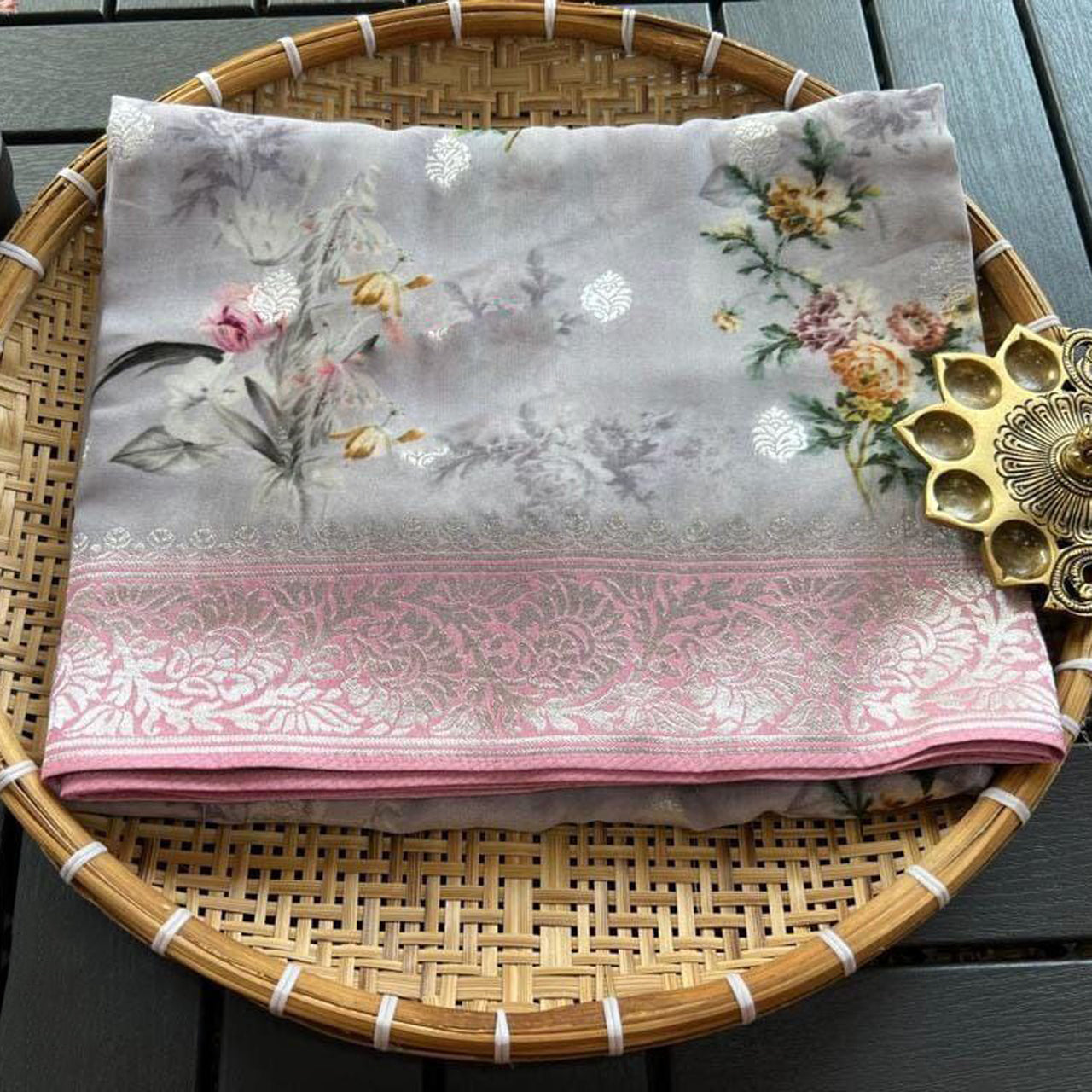
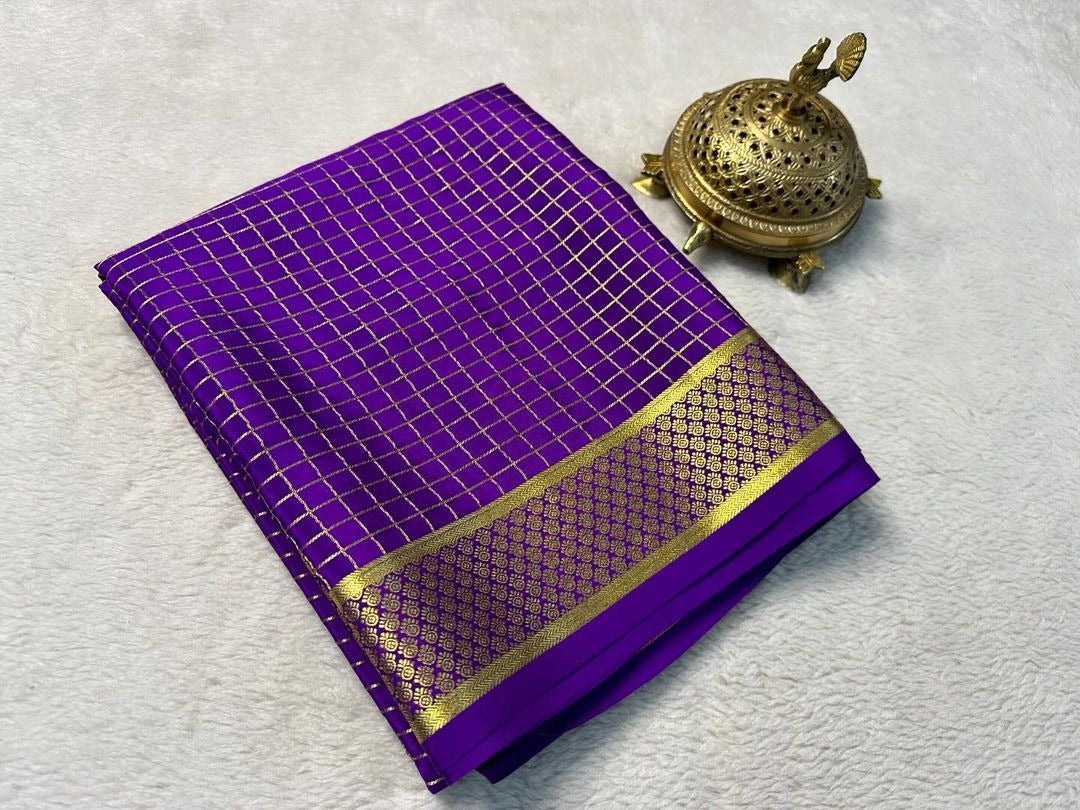
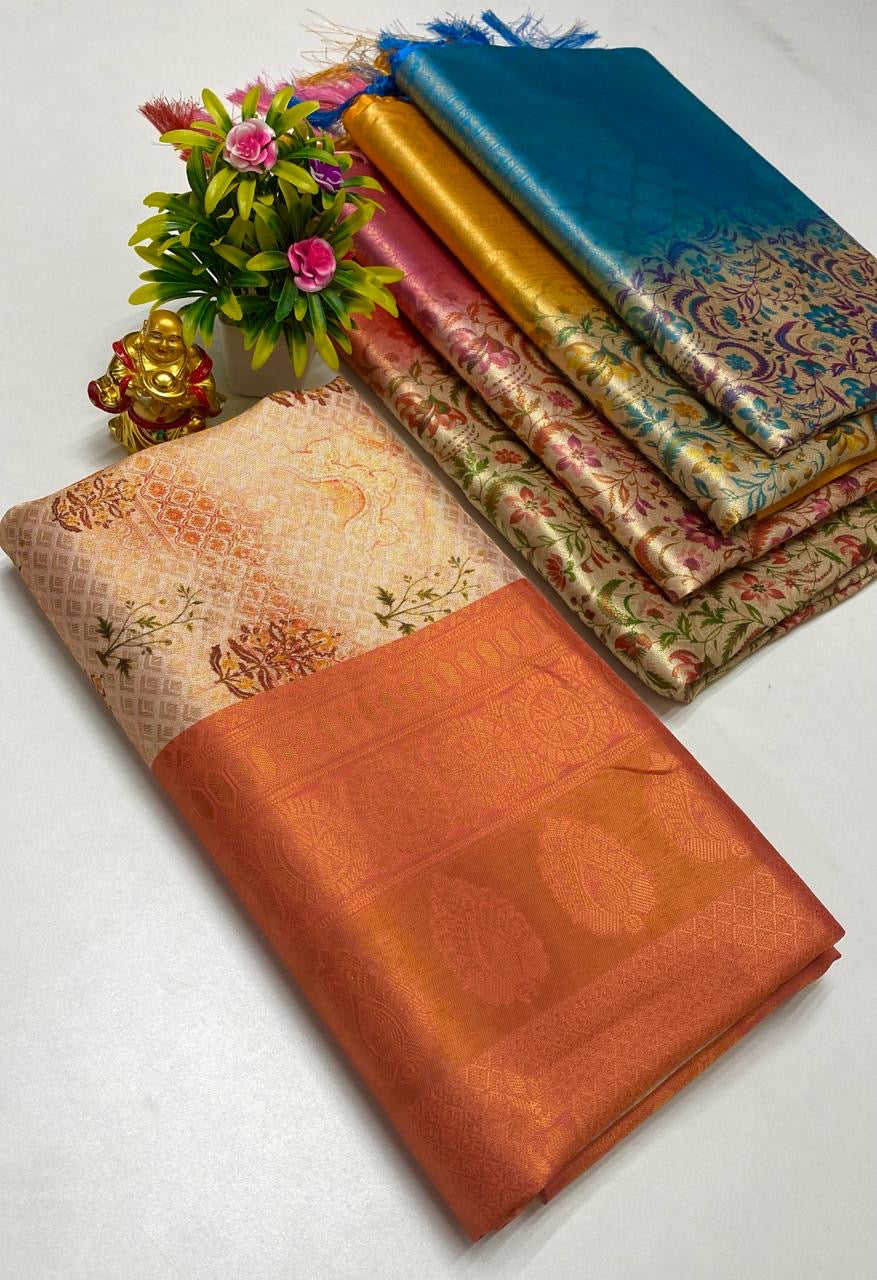
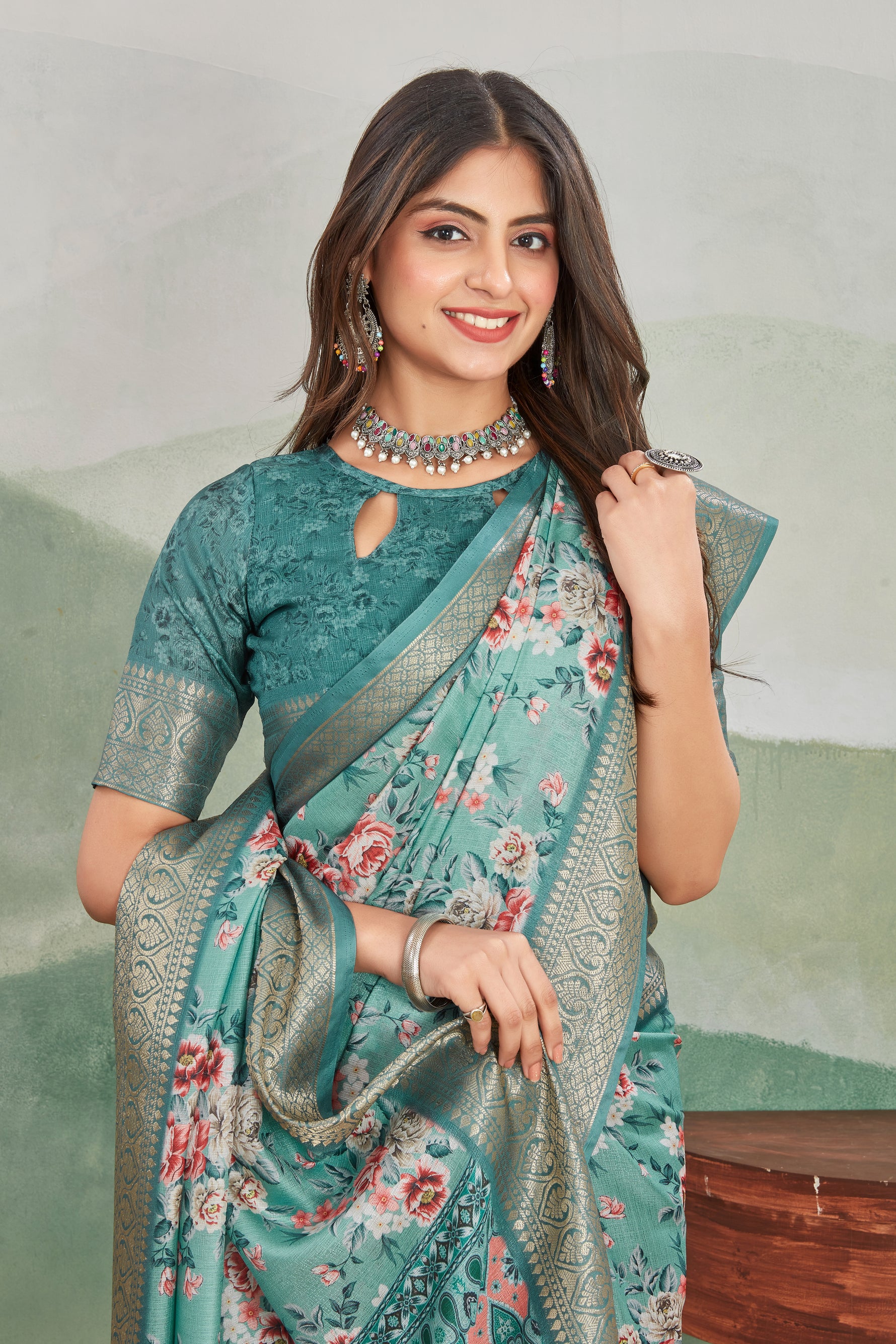
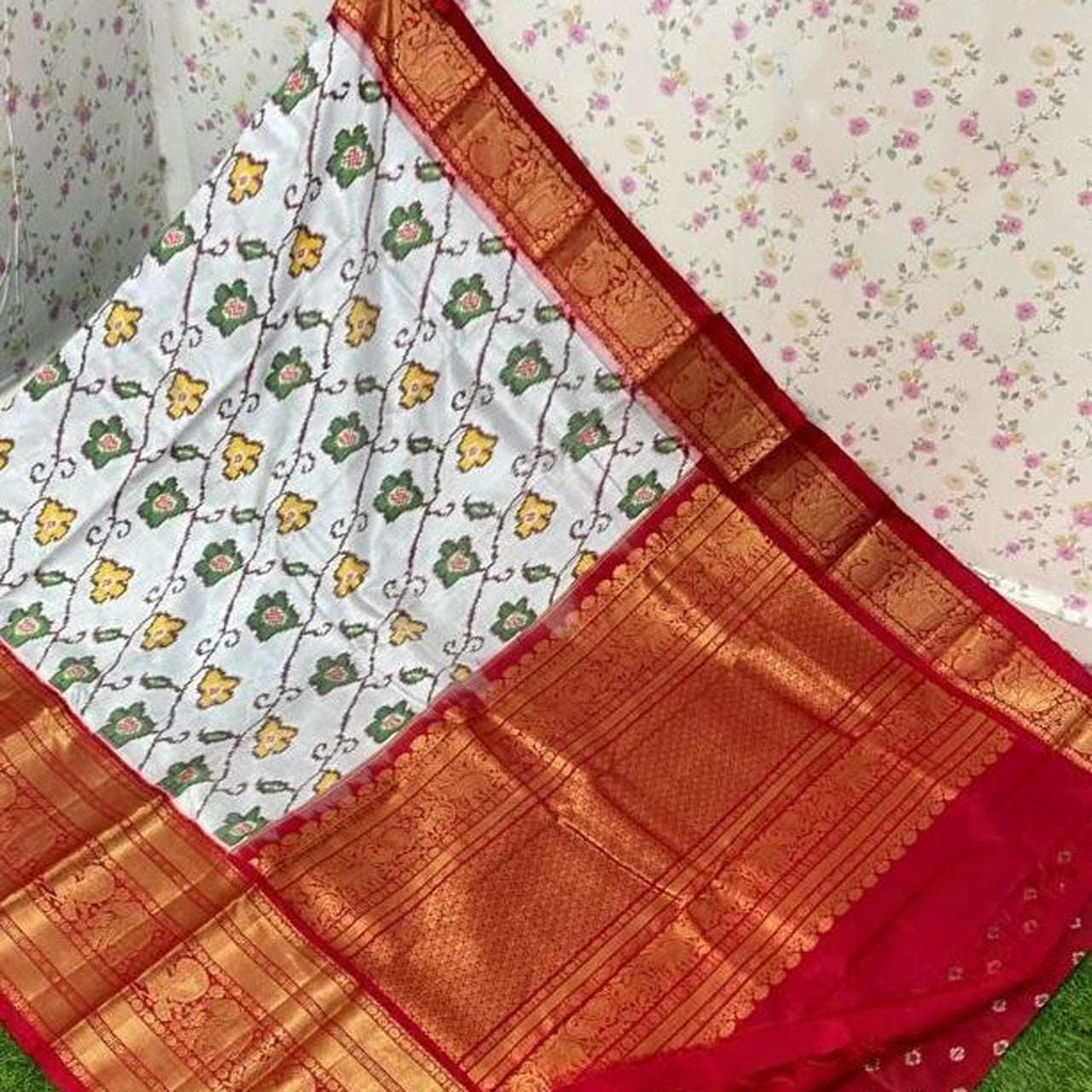
A classic Banarasi, Kanjivaram, Chanderi, or Maheshwari saree rarely goes out of style.
Because they remain fashionable for decades, people are less likely to discard them after only a few wears.
This significantly reduces textile waste.
One Saree Can Be Styled in Countless Ways
A single saree offers remarkable versatility.
By changing the:
- Blouse design
- Draping style
- Jewelry
- Belt
- Footwear
- Accessories
the same saree can create completely different looks.
This versatility encourages repeat wear instead of purchasing new outfits for every occasion.
Sarees Are Often Passed Down Through Generations
Unlike many garments with a short lifespan, silk sarees frequently become family heirlooms.
A beautifully maintained saree may be:
- Worn by mothers and daughters
- Gifted during weddings
- Restyled for modern occasions
- Preserved as a treasured memory
Extending a garment's life is one of the most effective ways to reduce its environmental impact.
Supporting Artisan Communities
Buying authentic handloom sarees supports thousands of weaving families across India.
These artisans preserve traditional techniques while earning livelihoods through their craftsmanship.
Choosing ethically sourced sarees helps sustain:
- Rural economies
- Traditional weaving skills
- Cultural heritage
- Small-scale production
Sustainability includes people as well as the planet.
Are All Sarees Sustainable?
Not necessarily.
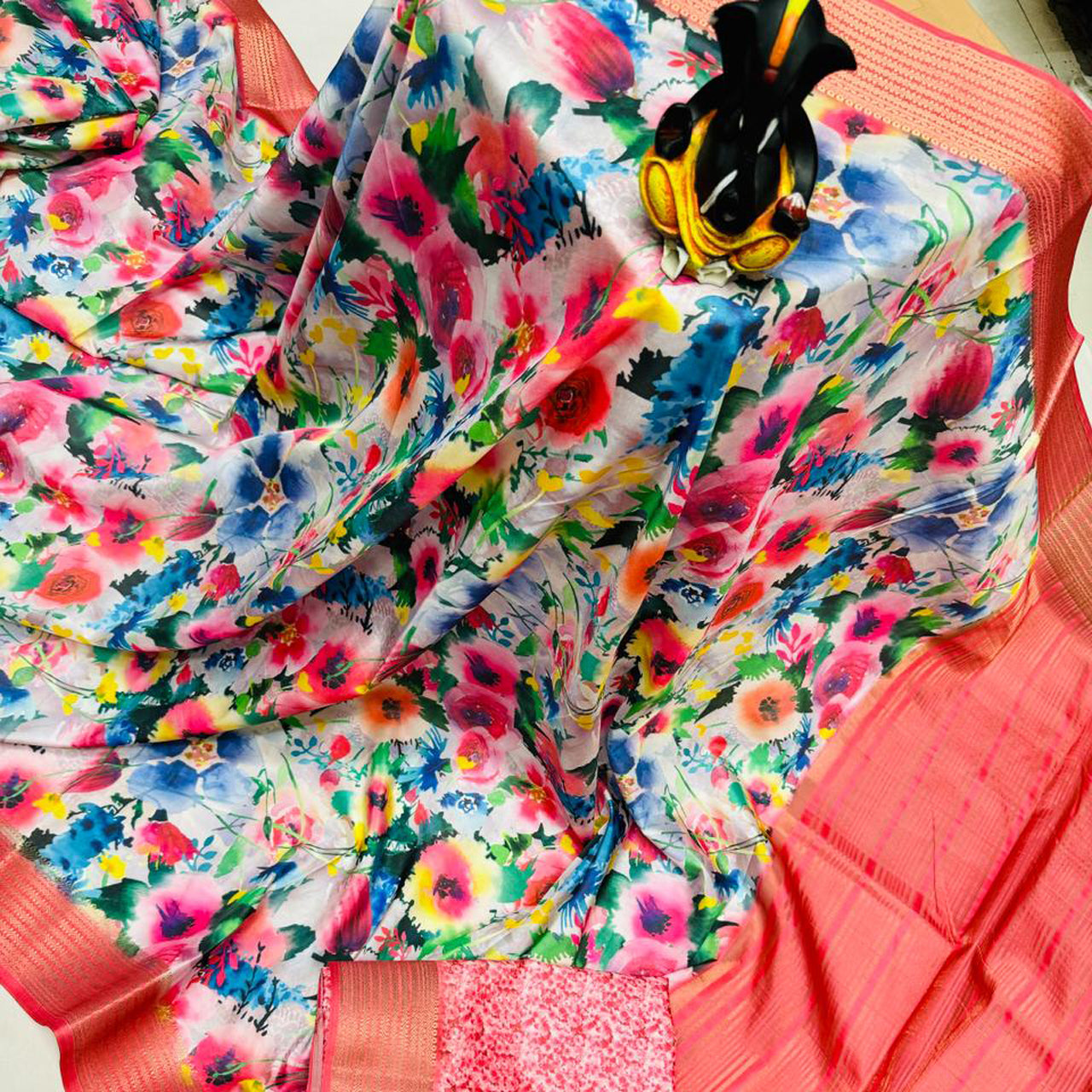
Some mass-produced sarees rely on:
- Synthetic fibers
- Chemical-intensive dyeing
- High-energy manufacturing
- Machine-made production
- Short product lifespans
While these options may be more affordable, they do not always offer the same environmental or social benefits as authentic handloom textiles.
Understanding how a saree is made is just as important as choosing its style.
Natural Dyes and Eco-Friendly Production
Many traditional artisan communities continue to use natural or low-impact dyes derived from:
- Indigo
- Turmeric
- Madder root
- Pomegranate rind
- Iron solutions
Although not every handloom saree uses natural dyes, these methods generally have a lower environmental impact than many conventional chemical dyeing processes.
Quality Over Quantity
One premium handwoven saree can often outlast several inexpensive, trend-based garments.
Rather than purchasing numerous lower-quality outfits, investing in a few well-made sarees encourages mindful consumption.
This approach aligns perfectly with the principles of sustainable fashion.
How to Buy More Sustainable Sarees
When shopping, consider these factors:
Choose Handloom Products
Handwoven sarees generally require less industrial processing and support artisan communities.
Prefer Natural Fibers
Silk, cotton, linen, and other natural fabrics are excellent long-term choices.
Buy from Trusted Brands
Look for transparency regarding weaving techniques, materials, and artisan partnerships.
Prioritize Quality
A durable saree worn for many years is often more sustainable than several short-lived alternatives.
Care for Your Sarees Properly
Proper storage, occasional airing, and careful cleaning extend their lifespan and reduce the need for replacement.
Sustainable Styling Tips
You can make your saree wardrobe even more sustainable by:
- Mixing one saree with different blouses
- Restyling heirloom sarees
- Choosing timeless colors
- Repairing minor damage instead of replacing the garment
- Sharing or gifting rarely worn sarees within the family
Small habits can make a meaningful difference over time.
Frequently Asked Questions
Are silk sarees sustainable?
High-quality silk sarees can be a sustainable choice when they are durable, worn for many years, and responsibly sourced.
Why are handloom sarees considered eco-friendly?
Handloom weaving generally uses less energy than industrial textile production and supports traditional artisan communities.
Can a saree be worn for many years?
Yes. With proper care, many silk and handloom sarees remain beautiful for decades and are often passed down through generations.
Are machine-made sarees less sustainable?
Not always, but they may involve higher energy use, synthetic materials, and shorter product lifespans compared to many traditional handloom sarees.
What is the most sustainable way to build a saree collection?
Focus on buying fewer, higher-quality sarees, caring for them well, and choosing timeless designs that you'll enjoy wearing for years.
Conclusion
Traditional sarees have always embodied many of the values now associated with sustainable fashion—quality craftsmanship, long-lasting materials, timeless design, and the ability to be cherished across generations. Long before sustainability became a global movement, Indian artisans were creating garments designed to endure rather than be replaced.
That said, sustainability depends on how a saree is made, purchased, and cared for. Choosing authentic handloom sarees, natural fabrics, ethical brands, and maintaining your collection responsibly can significantly reduce your fashion footprint while supporting skilled artisan communities.
In today's world of fast-changing trends, the traditional saree offers a refreshing alternative: a garment that celebrates heritage, minimizes waste, and proves that true style is not only beautiful but also built to last.