








Banarasi Sarees: History, Craftsmanship, and Styling Tips
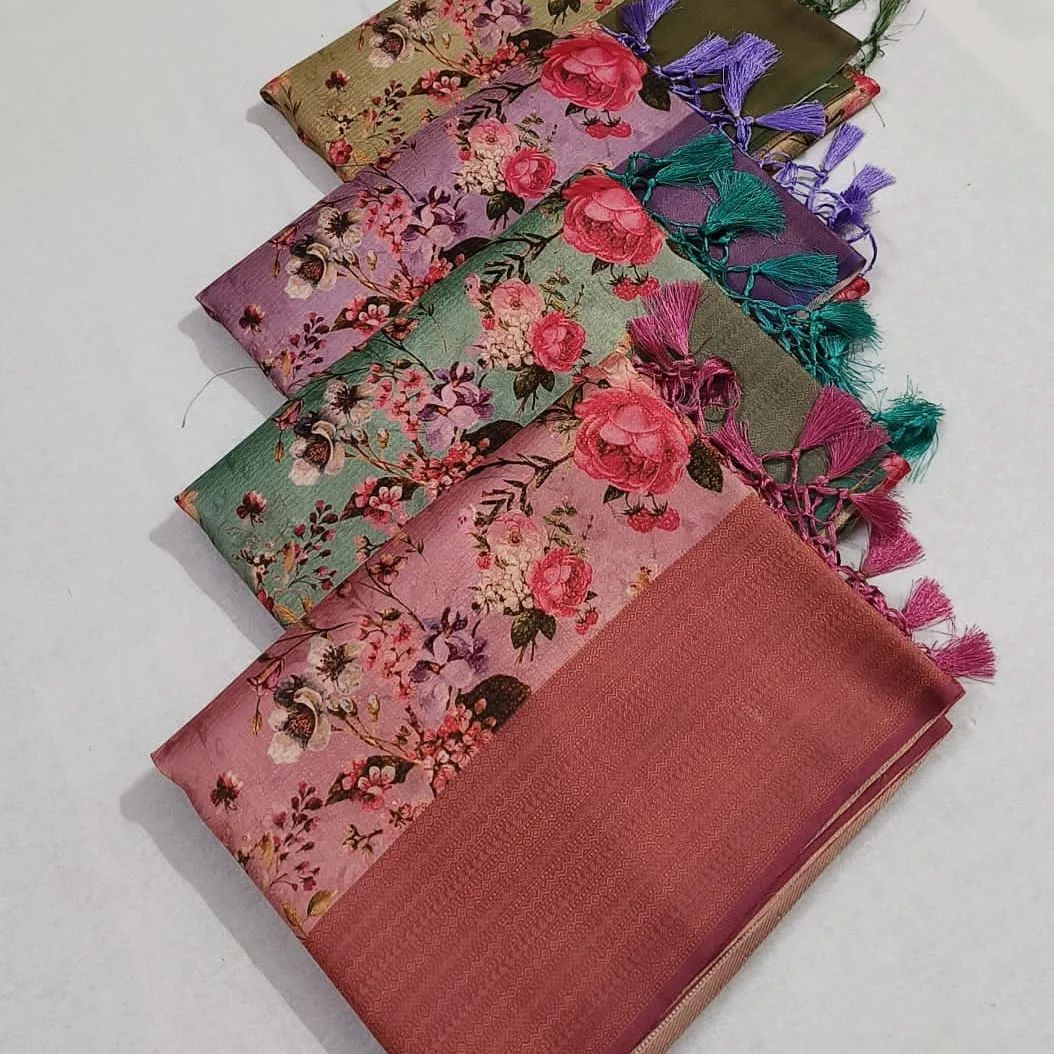
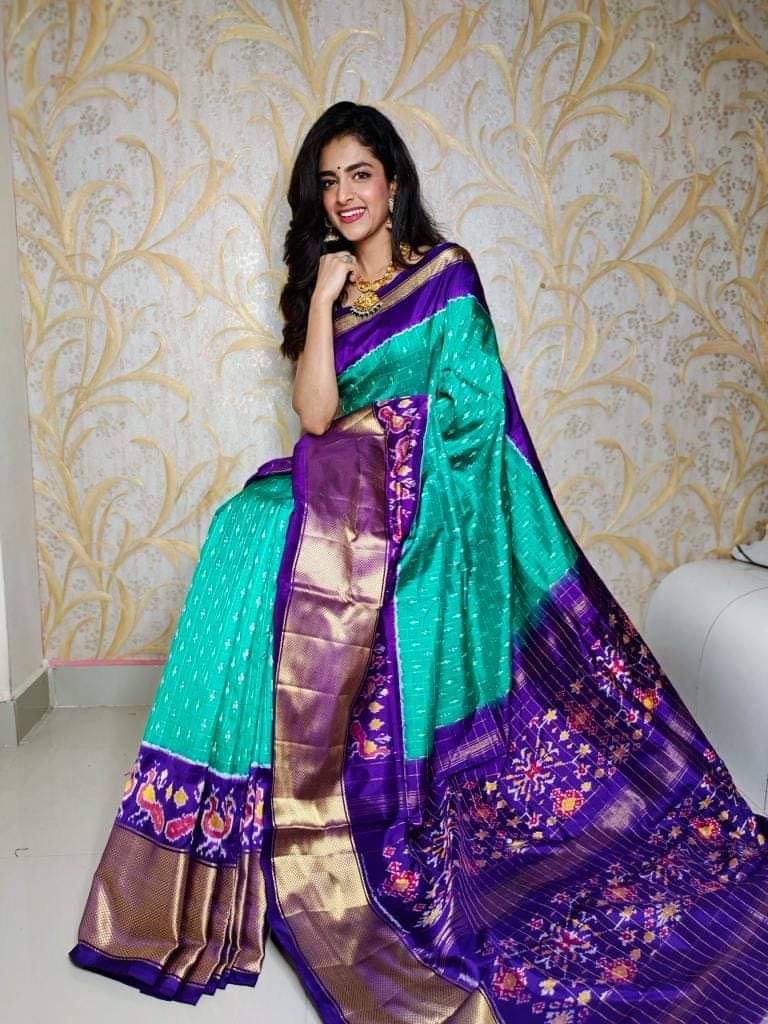
Few garments embody the grandeur of Indian textile heritage quite like the Banarasi saree. Renowned for its luxurious silk, intricate weaving, and exquisite zari work, the Banarasi saree has remained a symbol of elegance and prestige for centuries. From royal courts and wedding ceremonies to modern fashion runways, Banarasi sarees continue to captivate women with their timeless beauty and unmatched craftsmanship.
Today, owning a Banarasi saree is often considered a milestone in every Indian woman's wardrobe. Whether worn for weddings, festivals, cultural celebrations, or special occasions, these sarees effortlessly combine tradition, artistry, and sophistication.
In this comprehensive guide, we'll explore the fascinating history of Banarasi sarees, the craftsmanship behind their creation, and practical styling tips to help you wear them with confidence and grace.
The Rich History of Banarasi Sarees
The story of Banarasi sarees is deeply intertwined with the cultural and artistic heritage of the ancient city of Varanasi, one of the oldest continuously inhabited cities in the world.
Banarasi weaving flourished during the Mughal era when skilled artisans introduced Persian-inspired motifs, intricate floral patterns, and elaborate brocade weaving techniques into Indian textiles. Over time, these influences blended beautifully with traditional Indian designs, giving rise to the distinctive Banarasi saree we know today.
Historically, Banarasi silk was favored by royalty, aristocrats, and wealthy merchants. The luxurious fabrics and detailed zari work made them a status symbol associated with wealth, sophistication, and prestige.
Even today, Banarasi sarees remain among the most sought-after bridal and ceremonial garments in India.
What Makes Banarasi Sarees Special?
Banarasi sarees stand apart from other silk sarees because of their exceptional weaving techniques and intricate craftsmanship.
Luxurious Silk Fabric
Authentic Banarasi sarees are traditionally woven using premium silk yarns that provide:
- Rich texture
- Elegant drape
- Natural sheen
- Long-lasting durability
The luxurious silk forms the perfect foundation for elaborate designs.
Intricate Zari Work
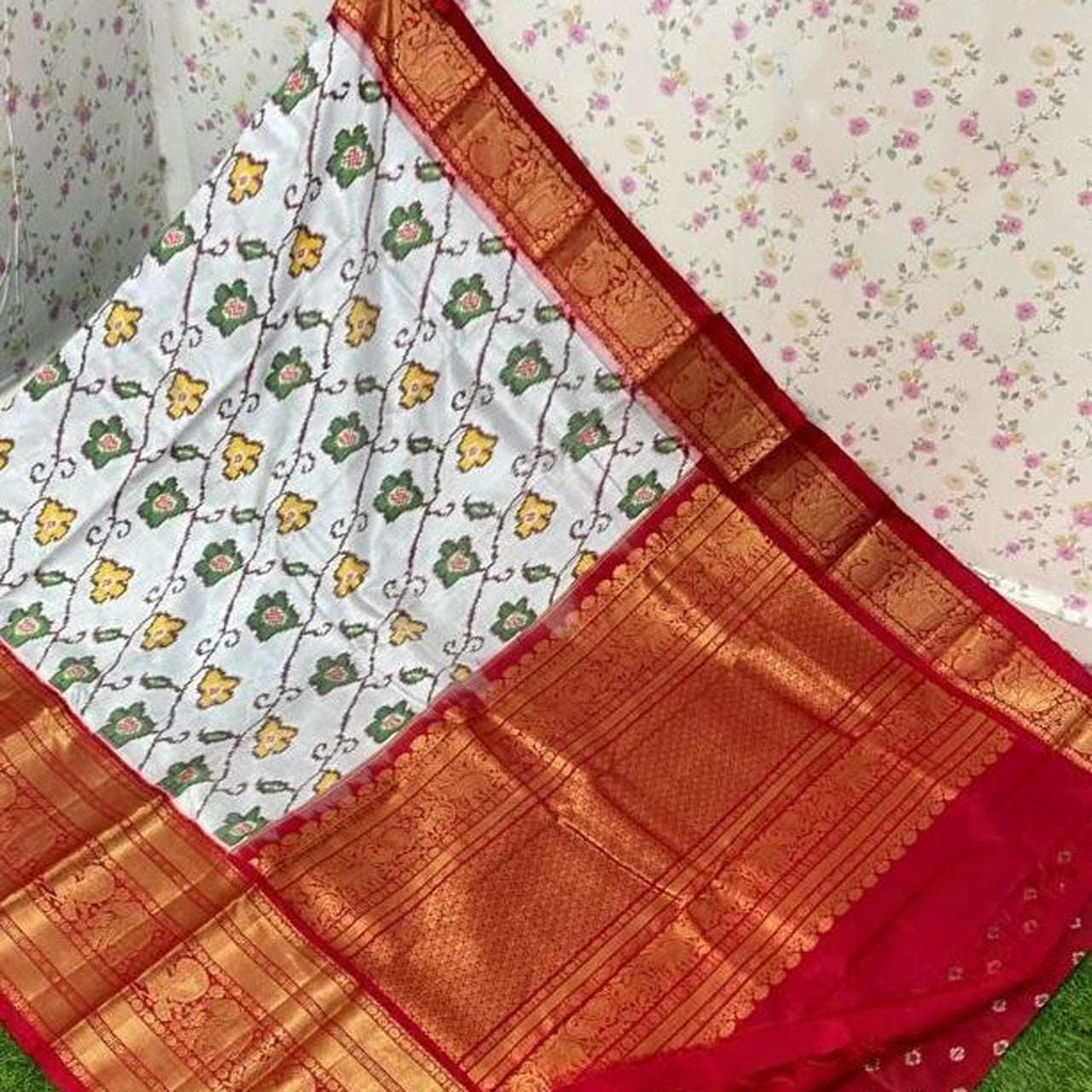
One of the defining characteristics of Banarasi sarees is their exquisite zari work.
Zari refers to metallic threads traditionally made using gold or silver-coated yarns. These threads are woven into the fabric to create intricate patterns and decorative motifs.
The shimmering zari work adds depth, richness, and royal elegance to the saree.
Detailed Handcraftsmanship
Creating a Banarasi saree is a labor-intensive process that often requires weeks or even months of skilled craftsmanship.
Each saree reflects:
- Artistic precision
- Traditional expertise
- Generational knowledge
- Exceptional attention to detail
This dedication contributes significantly to the value and beauty of Banarasi textiles.
Popular Types of Banarasi Sarees
Banarasi sarees come in several distinctive styles, each offering unique visual appeal.
1. Pure Silk Banarasi Sarees
These sarees feature luxurious silk fabric combined with traditional zari work.
Best for:
- Weddings
- Receptions
- Grand celebrations
2. Katan Banarasi Sarees
Katan silk is created using pure silk threads that are tightly woven together.
Features:
- Smooth texture
- Durable construction
- Elegant appearance
3. Organza Banarasi Sarees
Also known as Kora Banarasi sarees, these are lighter and more transparent.
Perfect for:
- Contemporary styling
- Daytime celebrations
- Modern fashion enthusiasts
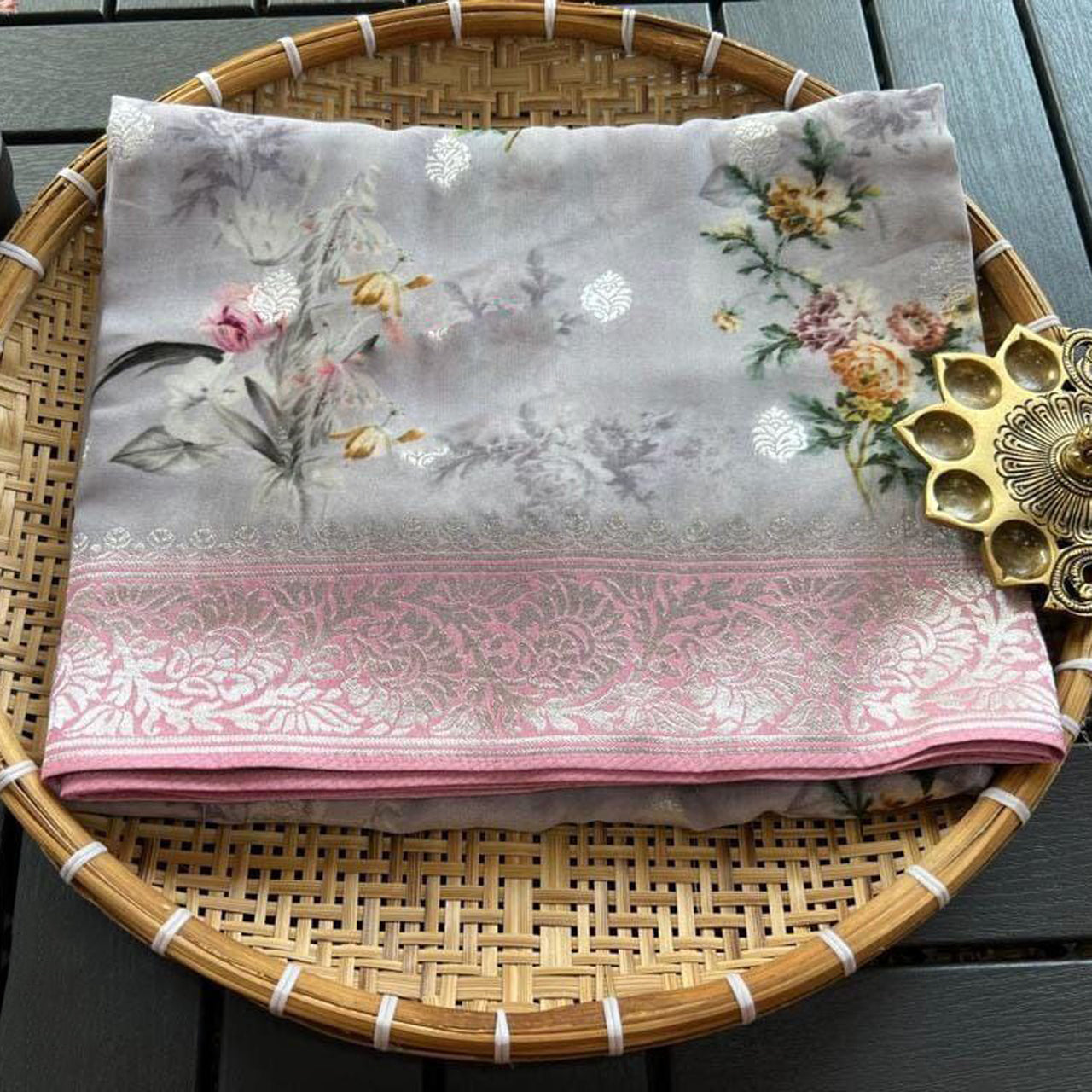
4. Georgette Banarasi Sarees
Combining Banarasi artistry with lightweight georgette fabric creates a more fluid and comfortable drape.
Ideal for:
- Parties
- Festive events
- Long celebrations
5. Shattir Banarasi Sarees
Known for innovative patterns and modern interpretations of traditional weaving.
Popular among younger saree enthusiasts seeking contemporary elegance.
Iconic Banarasi Motifs and Designs
The beauty of a Banarasi saree lies in its intricate patterns and symbolic motifs.
Floral Designs
Inspired by Mughal gardens, floral motifs remain among the most popular Banarasi patterns.
Jaal Work
A complex network of interconnected motifs woven across the saree.
Creates a luxurious and richly detailed appearance.
Butidar Motifs
Small decorative patterns scattered throughout the fabric.
These motifs often feature zari and silk thread combinations.
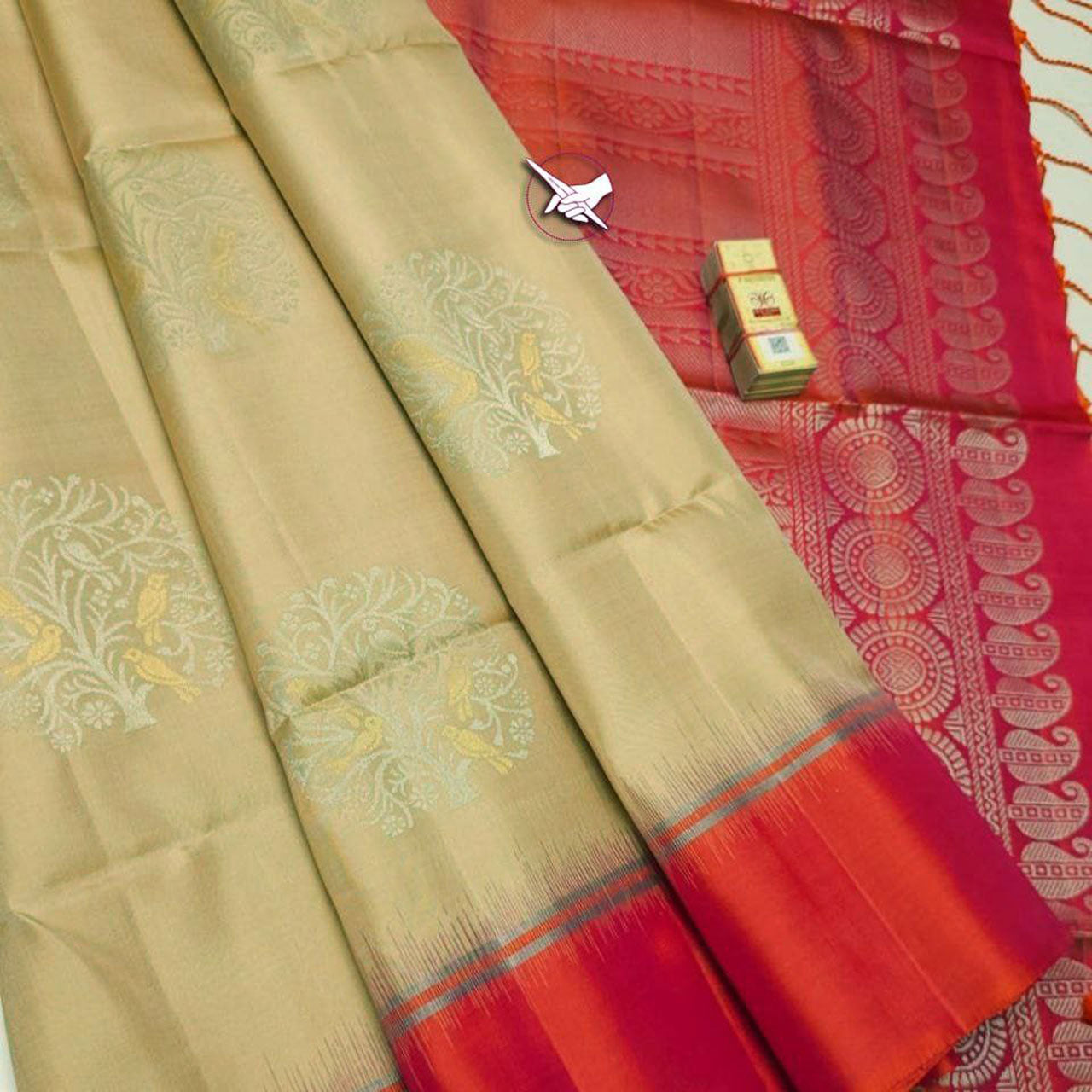
Paisley Designs
The timeless paisley motif continues to be a signature element of Banarasi weaving.
Temple and Traditional Motifs
Many Banarasi sarees incorporate cultural and spiritual symbolism inspired by Indian heritage.
Why Banarasi Sarees Are Popular for Weddings
Banarasi sarees have become synonymous with Indian bridal fashion.
Reasons include:
Regal Appearance
The rich silk and zari work create a luxurious bridal look.
Cultural Significance
Banarasi sarees are deeply rooted in Indian wedding traditions.
Timeless Appeal
Unlike trend-driven outfits, Banarasi sarees remain relevant across generations.
Heirloom Value
Many families preserve Banarasi sarees as treasured heirlooms.
This combination of beauty and heritage makes them a preferred wedding choice.
How to Identify an Authentic Banarasi Saree
With increasing demand, distinguishing genuine Banarasi sarees from imitations is important.
Check the Weaving Quality
Authentic Banarasi sarees display intricate and precise weaving patterns.
Examine the Reverse Side
Handwoven designs often reveal floating threads and detailed craftsmanship on the reverse side.
Look for Silk Mark Certification
Certification helps verify genuine silk content.
Evaluate the Zari Work
Authentic zari appears rich and integrated into the fabric rather than superficially applied.
Purchase from Trusted Sources
Always buy from reputable retailers and established handloom brands.
Styling Tips for Banarasi Sarees
While Banarasi sarees are naturally stunning, thoughtful styling can elevate their impact even further.
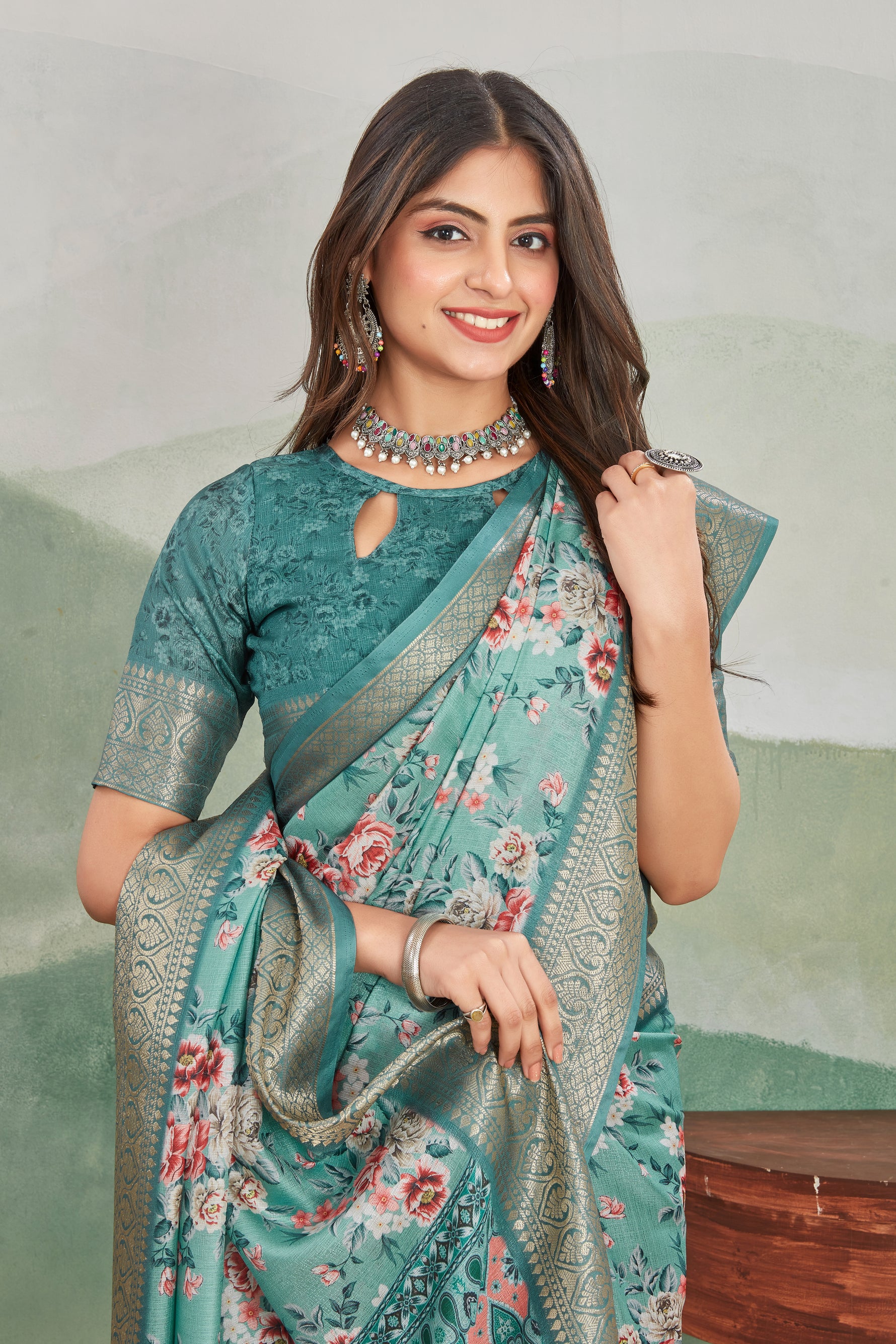
Choose a Well-Fitted Blouse
Popular options include:
- Boat neck blouses
- High-neck designs
- Elbow-length sleeves
- Contemporary structured blouses
A tailored blouse enhances the saree's elegance.
Balance Jewelry Carefully
Banarasi sarees already feature intricate detailing, so avoid excessive accessories.
Recommended jewelry:
- Kundan sets
- Temple jewelry
- Pearls
- Antique gold pieces
Choose one focal statement rather than multiple heavy pieces.
Select Appropriate Footwear
Elegant choices include:
- Embroidered juttis
- Block heels
- Traditional sandals
Comfort is especially important during long events.
Pay Attention to Draping
A neat drape highlights the beauty of the weaving and zari work.
Ensure:
- Clean pleats
- Proper pallu placement
- Comfortable movement
Best Occasions to Wear Banarasi Sarees
Banarasi sarees are versatile enough for numerous celebrations.
Weddings
Perhaps the most popular occasion.
Engagement Ceremonies
Perfect for creating a sophisticated appearance.
Festivals
Ideal for:
- Diwali
- Durga Puja
- Navratri
- Karva Chauth
Religious Functions
Their traditional appeal suits ceremonial occasions beautifully.
Cultural Events
A Banarasi saree reflects appreciation for India's textile heritage.
Banarasi Sarees in Modern Fashion
Today's designers are reinventing Banarasi sarees for contemporary audiences.
Emerging trends include:
- Lightweight Banarasi fabrics
- Pastel color palettes
- Fusion blouse designs
- Minimalist zari work
- Belted saree styling
These innovations make Banarasi sarees more versatile while preserving their traditional essence.
Caring for Your Banarasi Saree
Proper care helps maintain beauty and longevity.
Storage Tips
- Store in a muslin cloth
- Avoid direct sunlight
- Refold periodically
Cleaning
Prefer professional dry cleaning.
Avoid frequent washing to preserve silk quality and zari work.
Handling
Protect the saree from perfumes and harsh chemicals.
Good maintenance ensures decades of use.
Frequently Asked Questions
Why are Banarasi sarees famous?
They are celebrated for their luxurious silk, intricate zari work, and rich cultural heritage.
Are Banarasi sarees suitable for weddings?
Yes. Banarasi sarees are among the most popular wedding and bridal sarees in India.
How can I identify a pure Banarasi saree?
Look for detailed weaving, authentic zari work, Silk Mark certification, and purchase from trusted sellers.
Are Banarasi sarees expensive?
Prices vary based on silk quality, weaving complexity, and craftsmanship. Handwoven sarees generally command higher prices.
Can Banarasi sarees be styled in a modern way?
Absolutely. Contemporary blouses, minimalist jewelry, and innovative draping styles can create modern looks while preserving traditional elegance.
Conclusion
Banarasi sarees represent far more than beautiful garments—they are living expressions of India's artistic heritage, weaving traditions, and cultural identity. Their rich history, extraordinary craftsmanship, luxurious silk, and intricate zari work have ensured their place among the most treasured textiles in the world.
Whether you're purchasing your first Banarasi saree or adding another masterpiece to your collection, you're investing in a garment that combines timeless elegance with enduring value. From weddings and festivals to cultural celebrations and special occasions, a Banarasi saree never fails to make a statement of grace and sophistication.
As fashion continues to evolve, Banarasi sarees remain a shining example of how traditional craftsmanship can stay relevant, admired, and fashionable across generations.
- #Banarasi saree history
- #Banarasi saree styling tips
- #Banarasi Sarees
- #Banarasi silk sarees
- #Banarasi weaving
- #Banarasi Zari Work
- #Bridal Sarees
- #Ethnic Wear
- #Handwoven Sarees
- #Indian Handloom
- #Luxury Sarees
- #Saree Styling Tips
- #Silk Sarees
- #Traditional Silk Sarees
- #Wedding Sarees
- #Women's Fashion
Share