

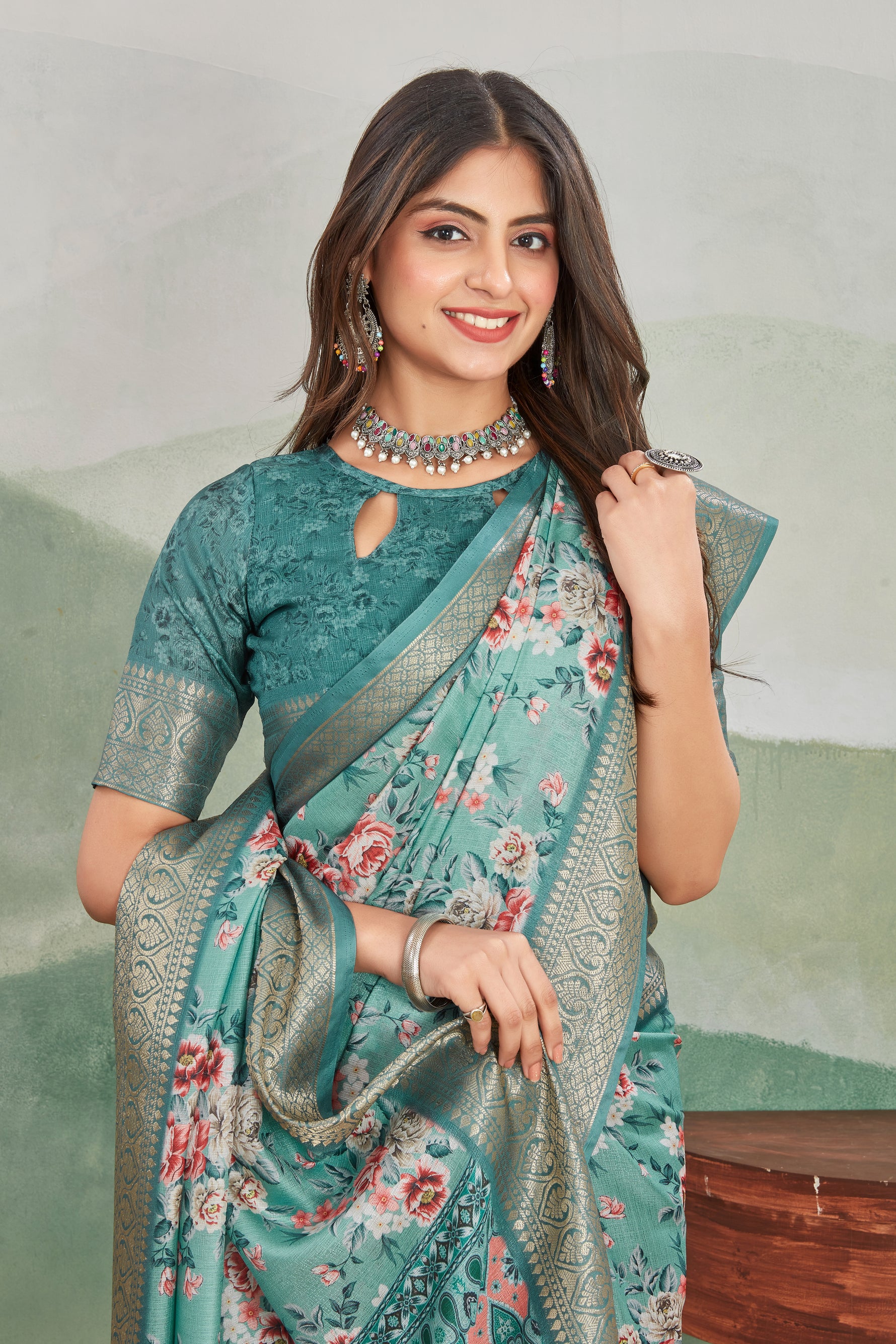

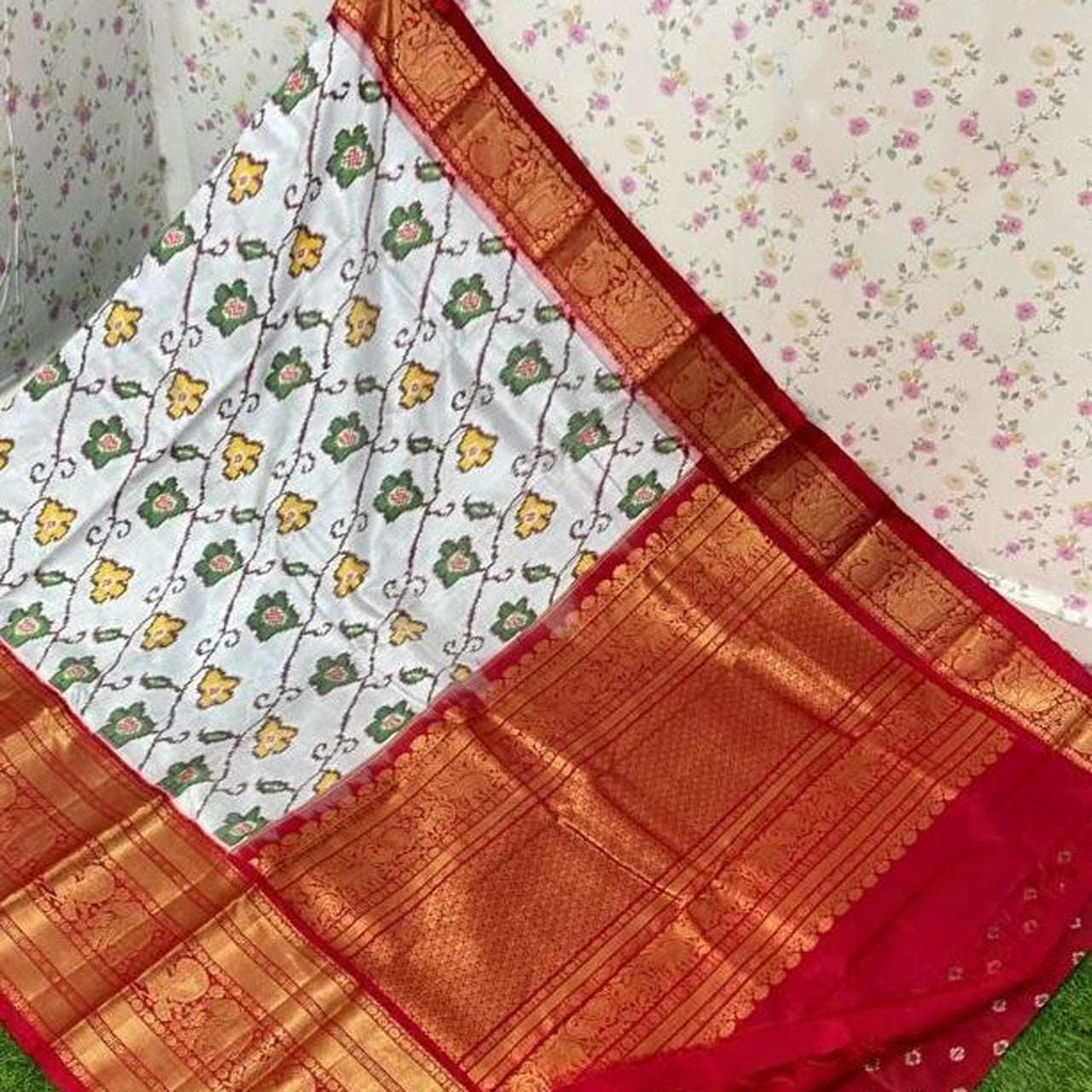
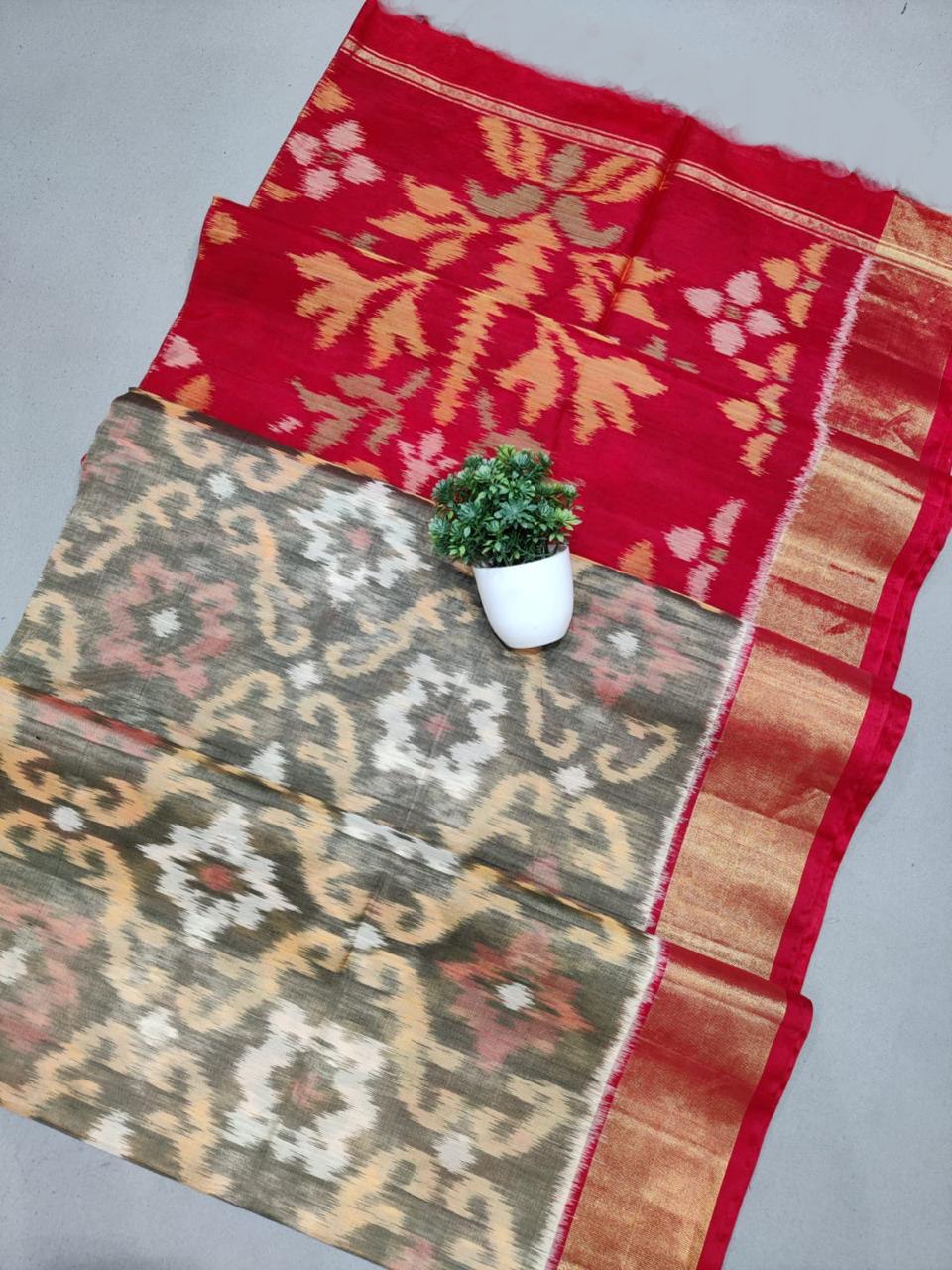

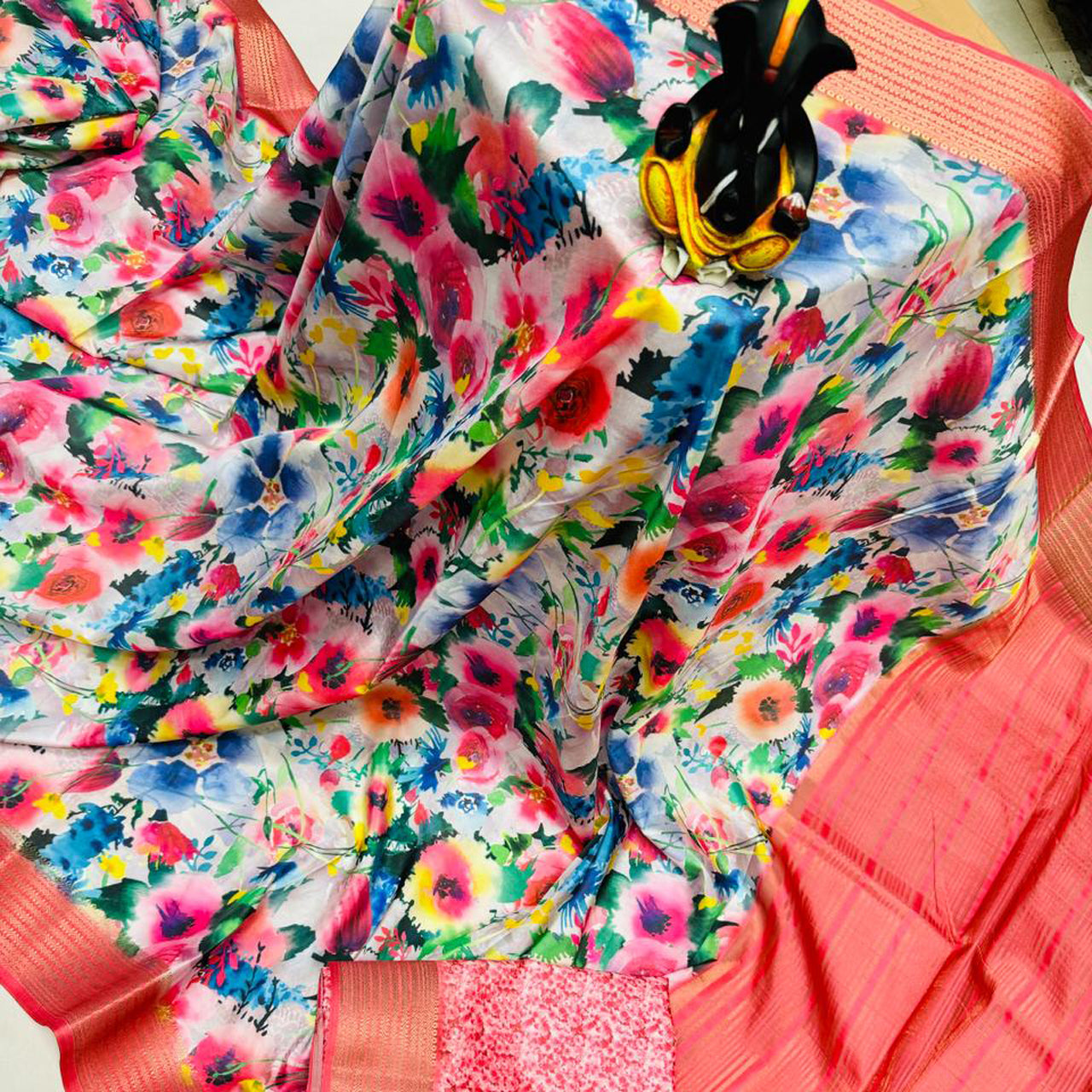


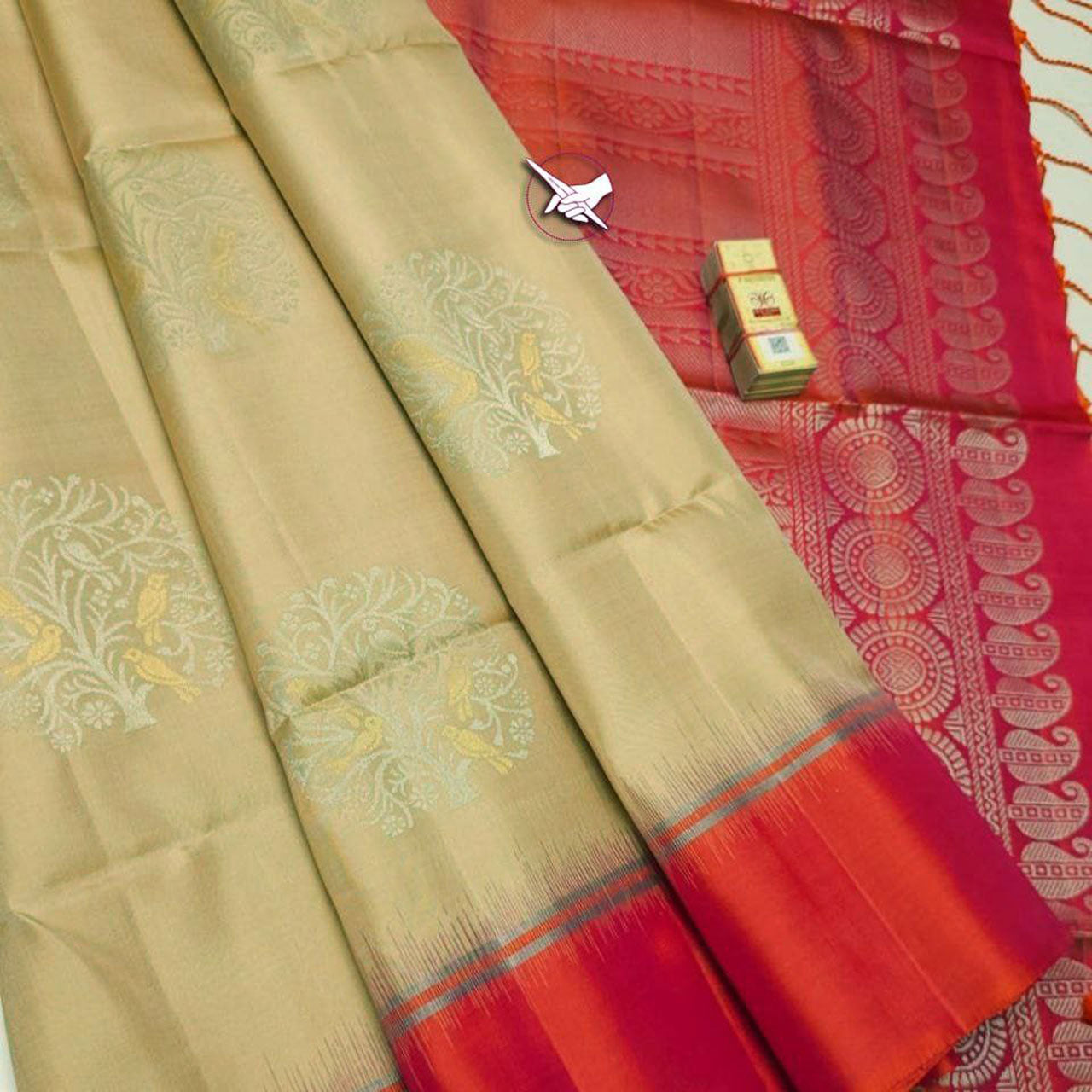


The Art of Ikat Weaving: Why Every Pattern Is a Technical Marvel
At first glance, an Ikat saree captivates with its striking geometric motifs, vibrant colors, and artistic symmetry. But what many people don't realize is that these stunning patterns are not printed onto the fabric or embroidered afterward—they are created long before the weaving even begins.
Ikat weaving is one of the world's most sophisticated textile techniques. It demands extraordinary precision, mathematical planning, and years of experience. Every thread is carefully dyed before it reaches the loom, and the final design only appears when thousands of individually prepared threads come together during weaving.
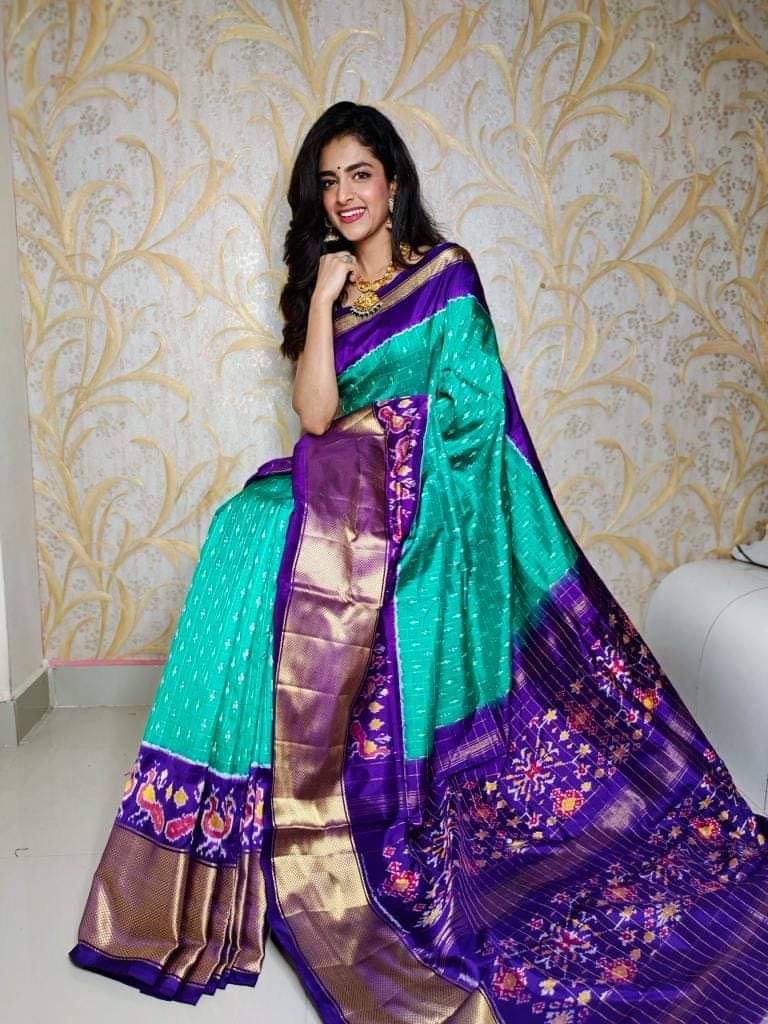
This remarkable process explains why authentic Ikat sarees are regarded as technical marvels as well as works of art. Whether it's the celebrated Patola of Gujarat or the elegant Sambalpuri Ikat of Odisha, every piece reflects centuries of craftsmanship and innovation.
Let's explore the fascinating world of Ikat weaving and discover why every pattern is truly extraordinary.
What Is Ikat Weaving?
Ikat is a resist-dyeing technique in which yarns are tied and dyed before they are woven into fabric.
Unlike printed textiles, the design is created by carefully coloring selected portions of the threads.
When these dyed threads are woven together, they gradually reveal intricate patterns.
This means the artisan must imagine the finished design long before weaving begins.
The Meaning Behind the Word "Ikat"
The word Ikat comes from the Indonesian word "mengikat," meaning "to tie" or "to bind."
The name reflects the technique itself.
Before dyeing, artisans tightly bind specific sections of the yarn to protect them from absorbing color.
The tied areas remain undyed while exposed sections take on vibrant colors.
This careful process is repeated multiple times to achieve increasingly complex designs.
Planning Begins Before a Single Thread Is Woven
One of the most remarkable aspects of Ikat weaving is that almost all of the design work happens before weaving starts.
Artisans carefully calculate:
- Pattern layout
- Color placement
- Thread sequence
- Dyeing order
- Alignment
Even a tiny mistake during preparation can affect the entire finished saree.
This level of planning requires exceptional experience and precision.
How Ikat Patterns Are Created
The weaving process involves several carefully coordinated stages.
Step 1: Designing the Pattern
The motif is planned in detail.
Step 2: Preparing the Yarn
Silk or cotton yarn is measured and arranged.
Step 3: Tying the Threads
Specific sections are tightly wrapped to resist dye.
Step 4: Dyeing
The exposed yarn absorbs color while tied sections remain protected.
Step 5: Repeating the Process
The threads are untied, retied, and dyed multiple times to create complex multicolored patterns.
Step 6: Weaving
Only after all dyeing is complete are the threads placed on the loom.
As weaving progresses, the carefully prepared colors align to reveal the final design.
Why Precision Is Everything
Unlike printed fabrics, Ikat offers no opportunity to correct mistakes after weaving begins.
Every thread must align perfectly.
If the dyed sections shift even slightly, the intended pattern may become distorted.
Master weavers rely on:
- Exceptional concentration
- Mathematical accuracy
- Deep experience
- Outstanding hand-eye coordination
This extraordinary precision is what makes Ikat weaving so technically impressive.
Types of Ikat Weaving
Not all Ikat techniques are the same.
Warp Ikat
Only the vertical (warp) threads are dyed before weaving.
Weft Ikat
Only the horizontal (weft) threads are dyed.
Double Ikat
Both warp and weft threads are dyed before weaving.
This is considered the most complex and technically demanding form of Ikat.
Very few weaving traditions in the world have mastered this technique.
Patola: India's Double Ikat Masterpiece
Among India's most celebrated textiles, the Patola Saree from Gujarat is renowned for its double Ikat weaving.
Every pattern requires extraordinary synchronization between dyed warp and weft threads.
Traditional Patola motifs include:
- Elephants
- Parrots
- Flowers
- Dancing figures
- Geometric forms
Because of the complexity involved, a single authentic Patola saree may take several months—and sometimes more than a year—to complete.
Sambalpuri Ikat: Odisha's Artistic Heritage
Odisha's Sambalpuri Ikat represents another remarkable weaving tradition.
It is admired for:
- Geometric precision
- Traditional motifs
- Rich colors
- Cultural symbolism
Popular designs include:
- Conch shells
- Temple wheels
- Flowers
- Birds
- Tribal-inspired patterns
Every saree reflects Odisha's vibrant textile heritage.
Why Every Ikat Saree Is Unique
Authentic handwoven Ikat sarees naturally display tiny variations.
These may include:
- Slight color shifts
- Soft pattern edges
- Minor alignment differences
Rather than flaws, these subtle characteristics are evidence of genuine handmade craftsmanship.
Machine-made textiles cannot replicate this organic beauty.
The Role of Natural Skill
Creating Ikat requires much more than technical knowledge.
Master artisans develop:
- Color intuition
- Visual memory
- Patience
- Timing
- Precision
- Artistic judgment
Many spend decades refining these skills.
Their expertise is the true foundation of every successful Ikat masterpiece.
Why Ikat Sarees Are Highly Valued
Authentic Ikat sarees are prized because they combine:
- Intricate preparation
- Time-intensive production
- Skilled craftsmanship
- Cultural heritage
- Artistic originality
Every finished saree represents hundreds of hours of dedicated work.
This explains why genuine handwoven Ikat often commands a premium price.
How to Identify an Authentic Ikat Saree
When shopping for Ikat, pay attention to these details:
Design on Both Sides
Because the pattern is woven into the fabric, it is usually visible on both sides.
Soft Pattern Edges
Handwoven Ikat often displays characteristic feathered edges where colors meet.
Rich Texture
Authentic Ikat has a distinctive woven feel rather than a printed surface.
Minor Variations
Small irregularities indicate genuine hand craftsmanship.
Trusted Sellers
Purchase from reputable retailers or artisan-focused brands that clearly explain the weaving technique.
Supporting India's Weaving Communities
Behind every Ikat saree is a community of highly skilled artisans.
Choosing authentic handwoven Ikat helps:
- Preserve centuries-old weaving traditions
- Support artisan livelihoods
- Encourage sustainable fashion
- Protect India's textile heritage
Every purchase contributes to keeping this remarkable craft alive for future generations.
Frequently Asked Questions
Why is Ikat weaving considered difficult?
Because the design is created by dyeing threads before weaving, requiring extraordinary planning and precise alignment.
What is Double Ikat?
Double Ikat is the most advanced form of Ikat, where both warp and weft threads are resist-dyed before weaving.
Which Indian saree is famous for Double Ikat?
The Patola Saree from Gujarat is India's most famous double Ikat tradition.
Why are authentic Ikat sarees expensive?
They require extensive manual preparation, multiple dyeing stages, exceptional craftsmanship, and considerable weaving time.
How can I identify a genuine Ikat saree?
Look for woven patterns visible on both sides, feathered motif edges, rich texture, slight handmade variations, and purchase from trusted sellers.
Conclusion
Ikat weaving is one of the finest examples of human creativity and technical excellence in textile art. Every pattern begins long before the loom is set in motion, demanding remarkable planning, patience, and precision from skilled artisans. From the intricate double Ikat Patola of Gujarat to the vibrant Sambalpuri Ikat of Odisha, each saree reflects centuries of innovation and dedication.
Far more than decorative fabric, an authentic Ikat saree represents mathematical accuracy, artistic imagination, and India's extraordinary weaving heritage. In a world increasingly shaped by automation, these handcrafted masterpieces remind us that some of the greatest achievements are still created by skilled hands, careful planning, and generations of inherited knowledge.
Owning an Ikat saree means wearing not only exceptional craftsmanship but also one of the world's most fascinating textile traditions.