
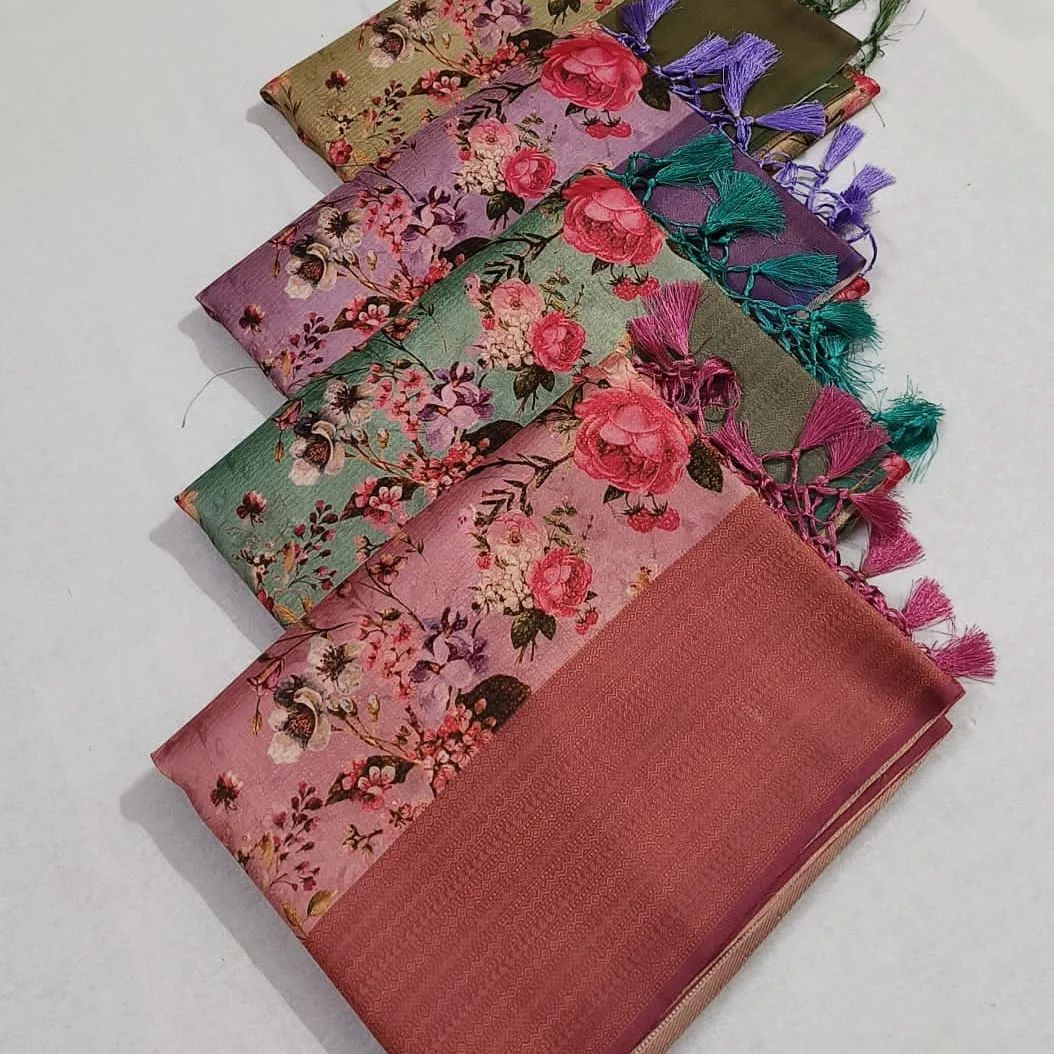

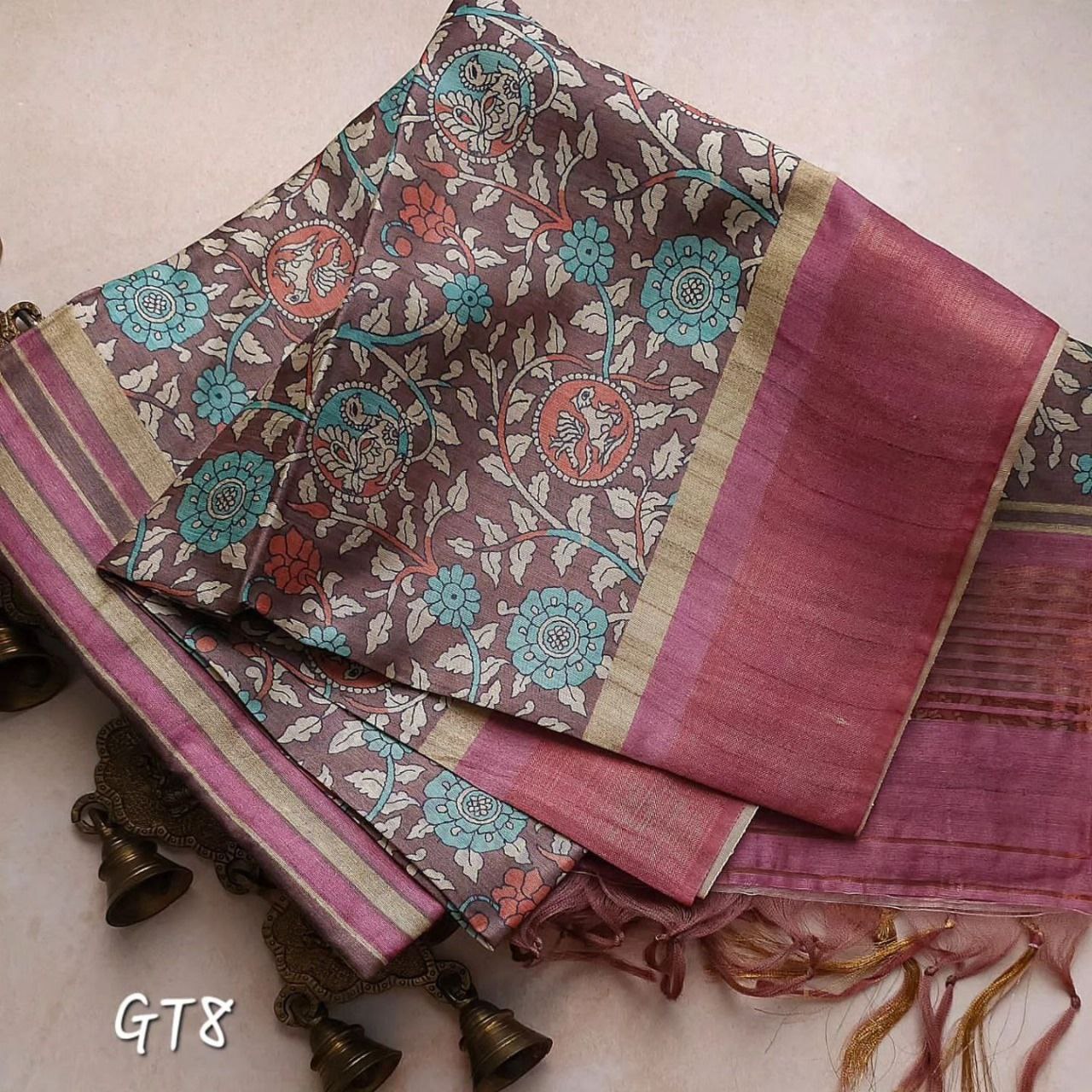
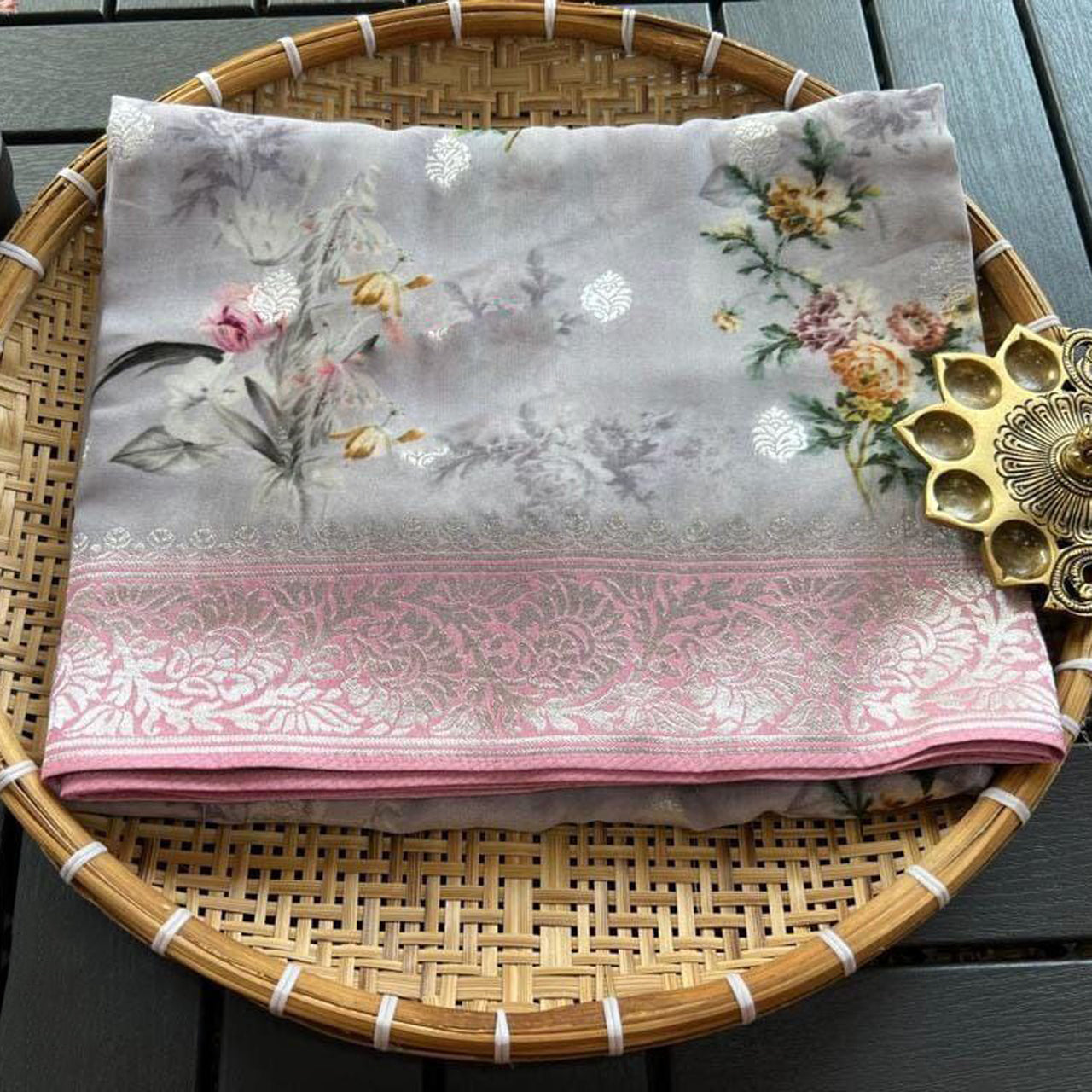
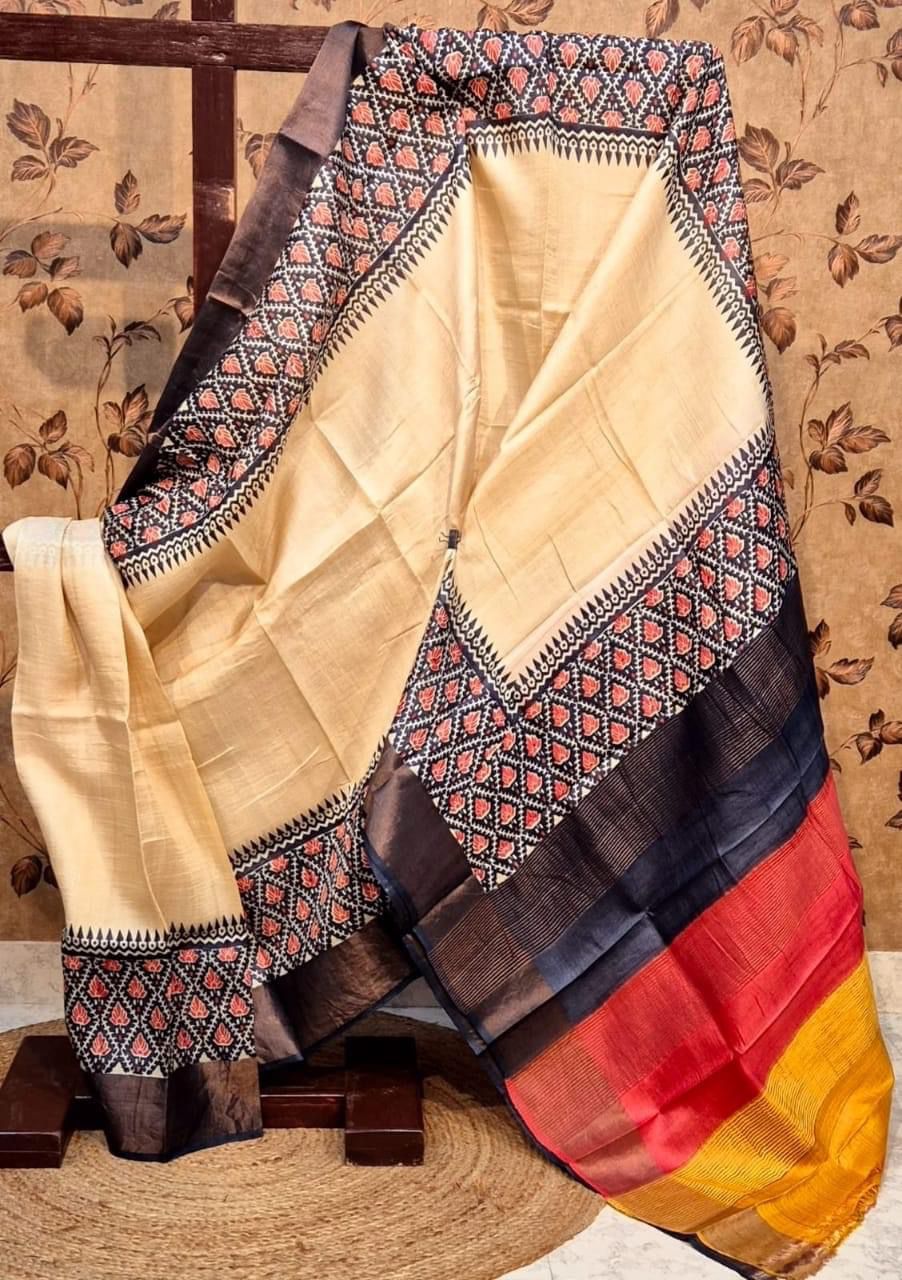





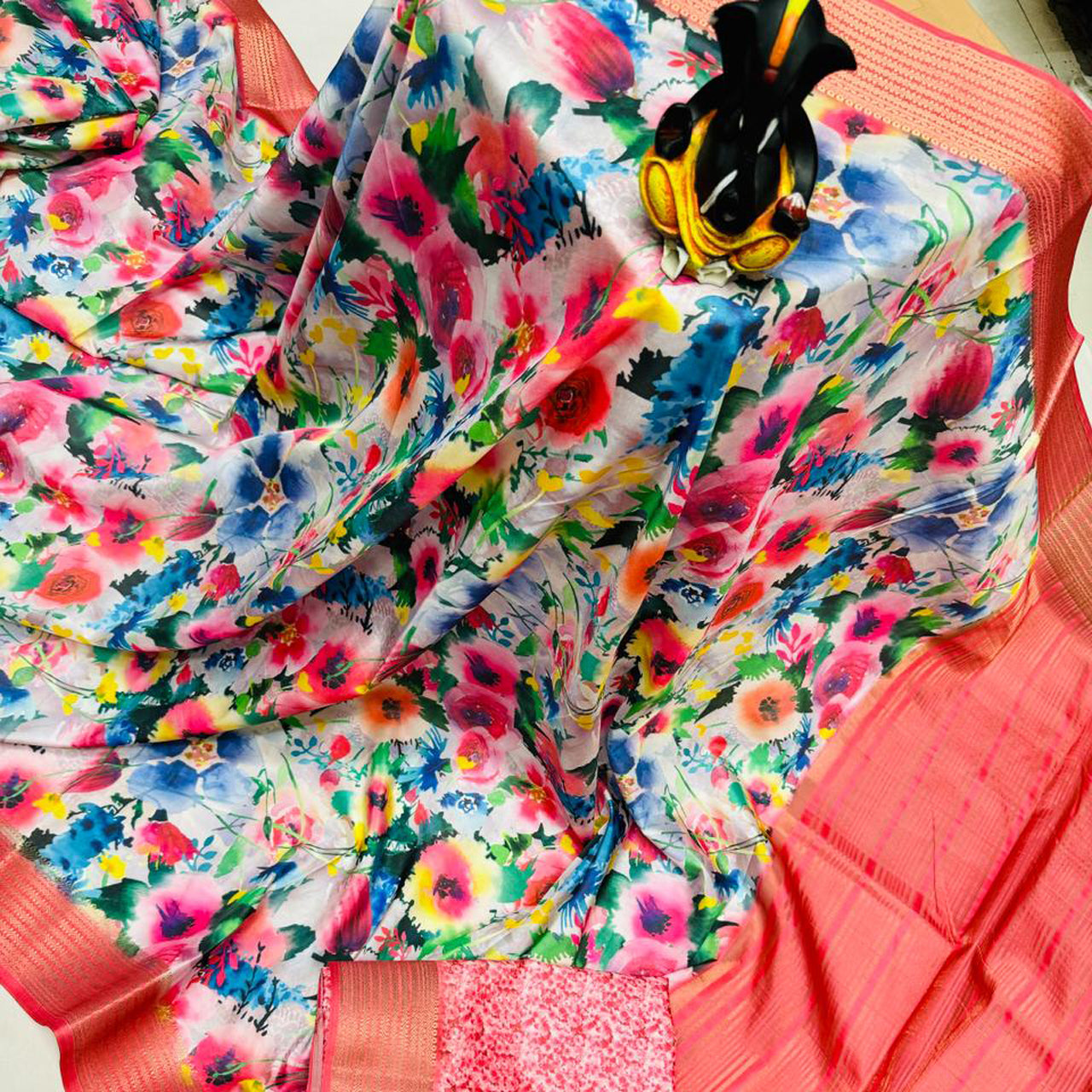


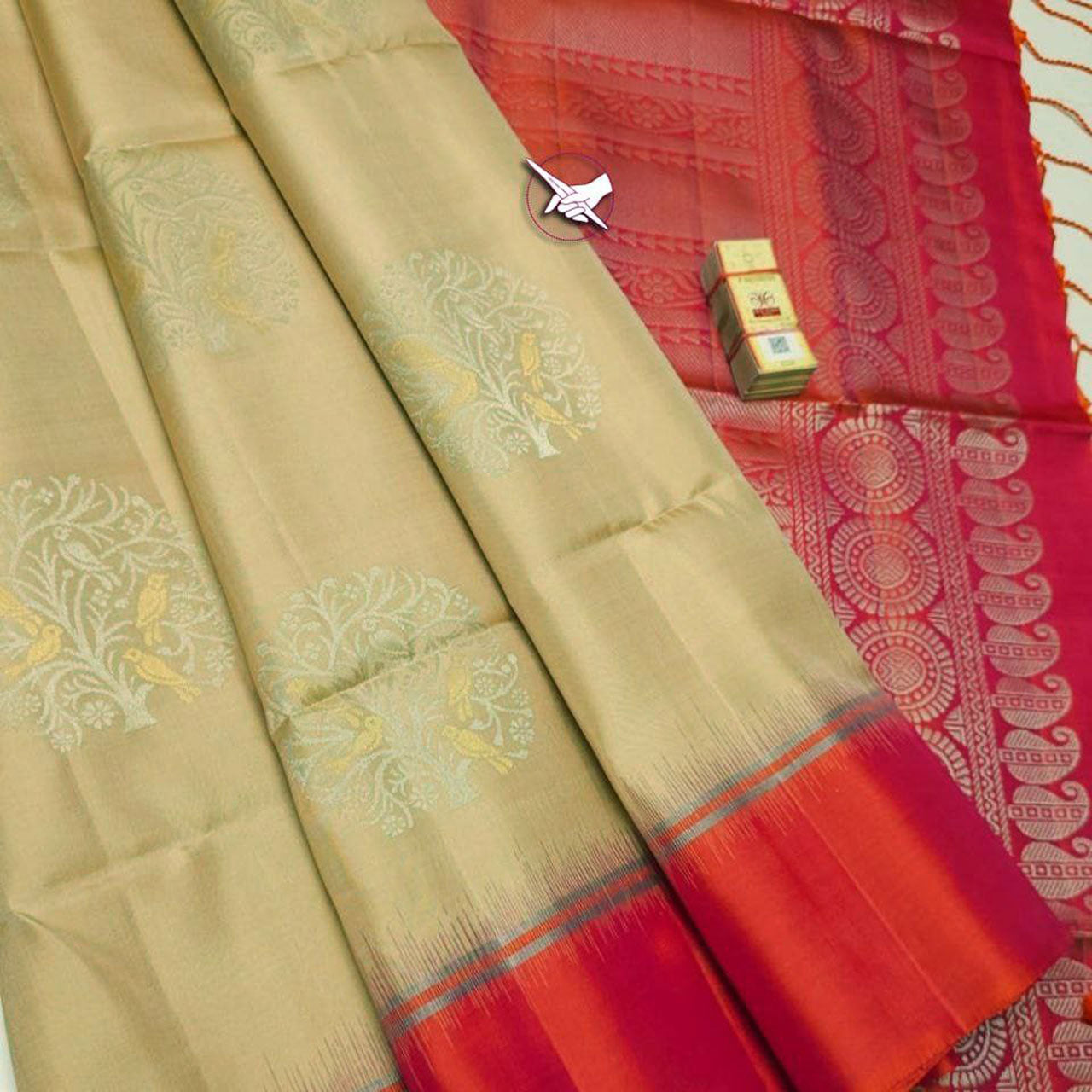


Are You Storing Your Silk Sarees Correctly? 12 Common Mistakes to Avoid
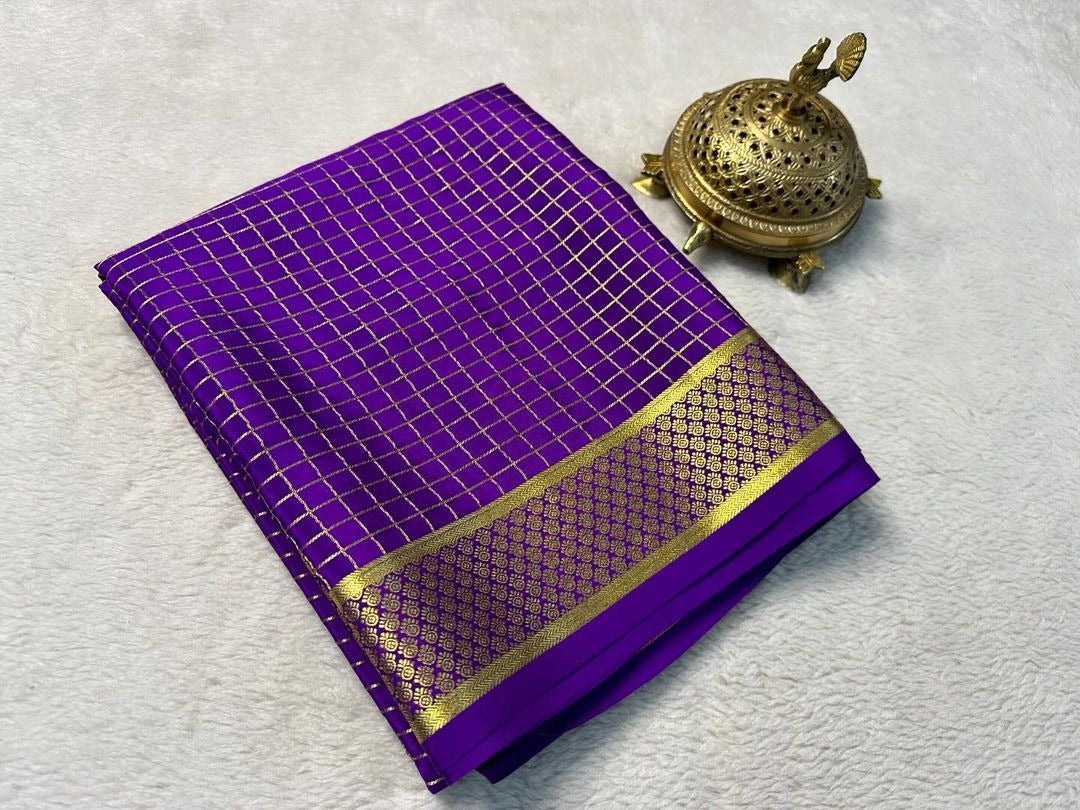
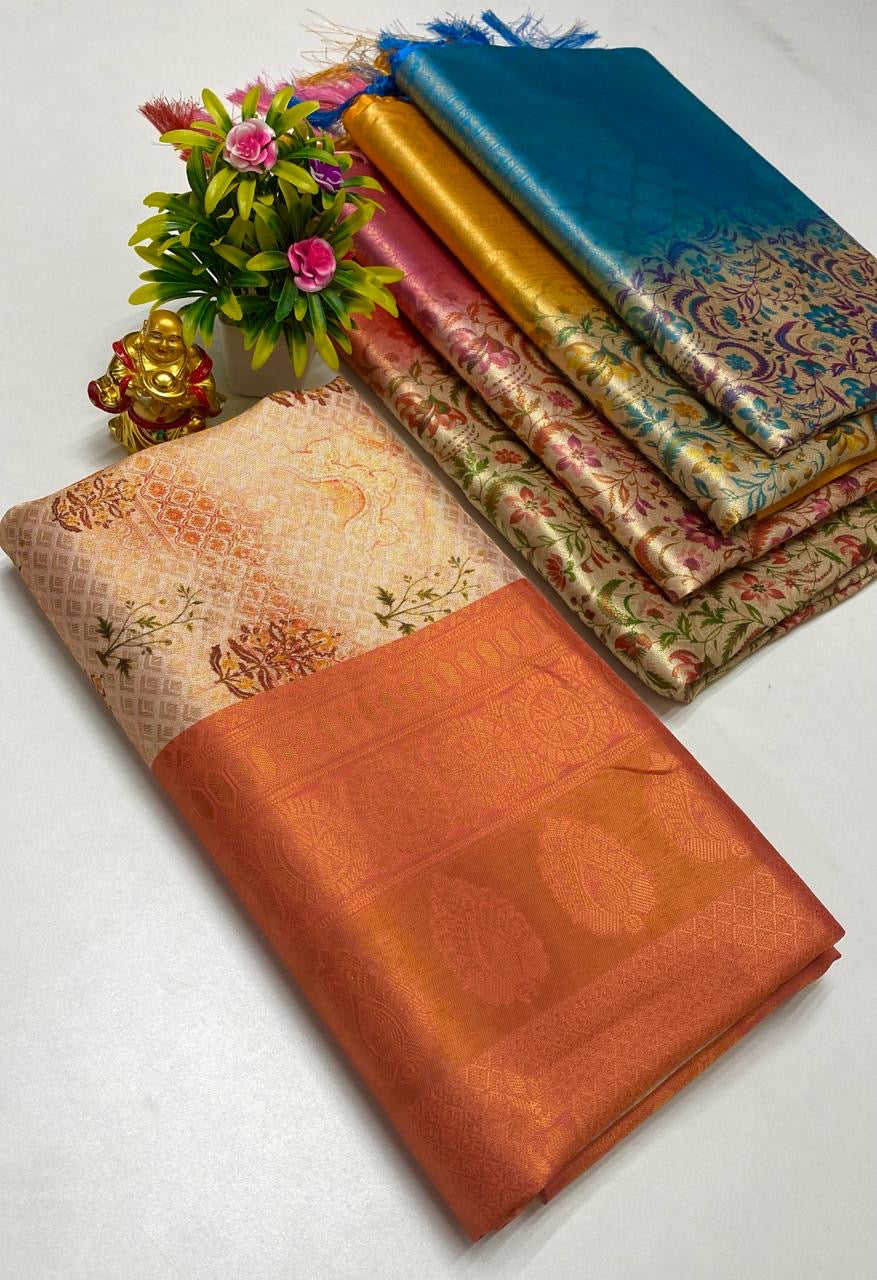
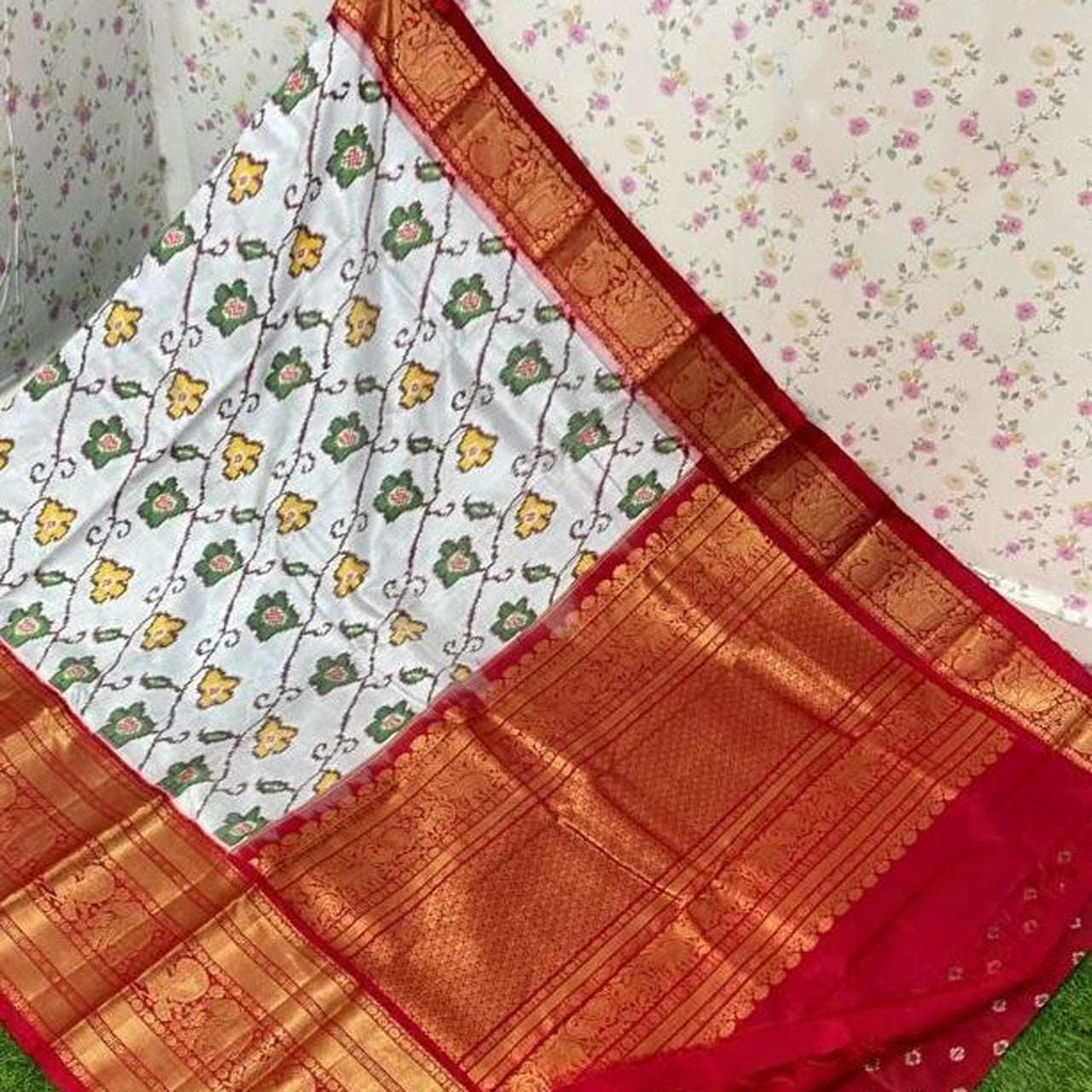
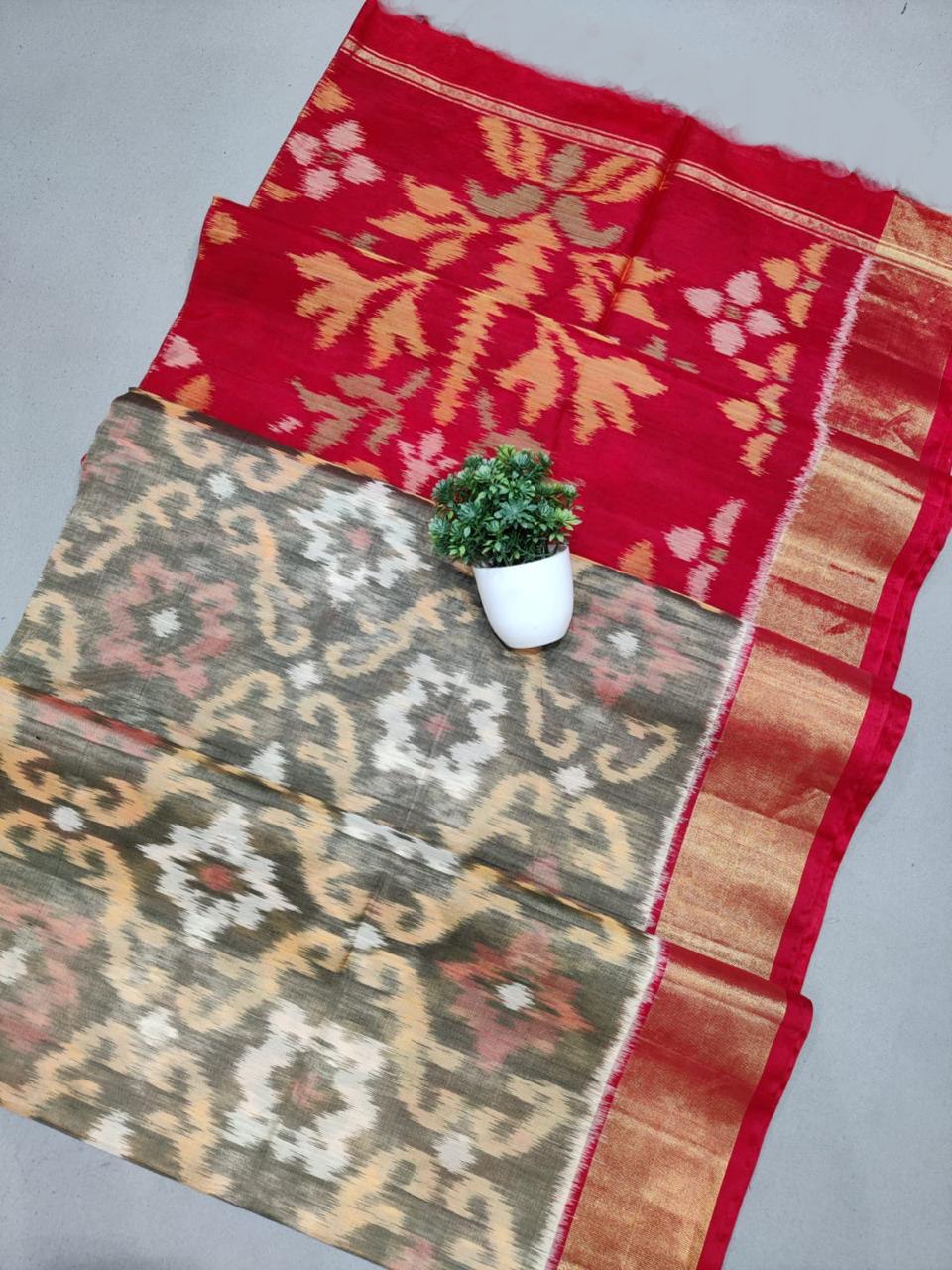
A beautiful silk saree is more than just a piece of clothing—it's an investment, a memory, and often a treasured family heirloom. Whether it's a luxurious Banarasi Silk Saree, an elegant Tussar Silk Saree, a timeless Kanjivaram, or a cherished Paithani, proper storage plays a crucial role in preserving its beauty for years, even generations.
Many people assume that simply folding a saree and placing it in a cupboard is enough. Unfortunately, improper storage can lead to faded colors, weakened fibers, permanent creases, moisture damage, fungal growth, tarnished zari, and even insect damage.
The good news is that most of these problems are completely preventable. With a few simple habits, you can keep your silk sarees looking as stunning as the day you bought them.
Let's look at the most common mistakes people make while storing silk sarees—and how to avoid them.
Why Proper Silk Saree Storage Matters
Silk is a natural protein fiber, making it luxurious but also delicate. Unlike synthetic fabrics, silk reacts to moisture, sunlight, dust, heat, and improper folding.
Proper storage helps:
- Preserve fabric strength
- Protect zari work
- Prevent color fading
- Reduce wrinkles
- Extend the saree's lifespan
- Maintain its luxurious appearance
Considering the value of premium silk sarees, a little extra care goes a long way.
Mistake 1: Storing Sarees in Plastic Covers
One of the biggest storage mistakes is keeping silk sarees in plastic bags or airtight covers.
Why It's Harmful
Plastic traps moisture and restricts airflow. Over time, this can cause:
- Dampness
- Mold and mildew
- Fabric discoloration
- Unpleasant odors
Better Alternative
Store silk sarees in breathable cotton or muslin fabric bags that allow air circulation while protecting them from dust.
Mistake 2: Never Refolding Your Sarees
Leaving a silk saree folded in the same position for years creates permanent crease lines.
Why This Happens
Continuous pressure weakens the silk fibers along the fold.
What You Should Do
Refold your silk sarees every three to six months using different fold lines. This distributes stress across the fabric and helps maintain its shape.
Mistake 3: Hanging Heavy Silk Sarees for Long Periods
Although hanging may seem convenient, it isn't ideal for heavy silk sarees.
Potential Problems
- Fabric stretching
- Distorted borders
- Stress on the pallu
- Misshapen folds
Best Practice
Fold heavy sarees neatly and store them flat instead of hanging them for extended periods.
Lightweight sarees may be hung occasionally on padded hangers if necessary.
Mistake 4: Exposing Sarees to Direct Sunlight
Sunlight can be one of silk's biggest enemies.
Effects of UV Exposure
- Color fading
- Fiber weakening
- Reduced fabric strength
- Loss of natural sheen
Always dry silk sarees in the shade and store them away from direct sunlight.
Mistake 5: Storing Unclean Sarees
After weddings or festivals, it's tempting to put the saree away immediately.
However, invisible residues such as:
- Perfume
- Sweat
- Makeup
- Food particles
can damage the fabric over time.
Best Practice
Ensure the saree is professionally dry cleaned or properly aired before long-term storage.
Mistake 6: Ignoring Moisture Levels
Humidity is a major threat to silk.
Excess moisture can lead to:
- Mold
- Mildew
- Fabric weakening
- Zari tarnishing
Store sarees in a cool, dry place with good ventilation.
Avoid damp cupboards or storage areas near bathrooms.
Mistake 7: Using Strong Mothballs Directly on Silk
Traditional mothballs can protect against insects, but placing them directly on silk isn't recommended.
Possible Issues
- Chemical stains
- Strong odors
- Fabric damage
Better Solution
Wrap moth repellents separately or use natural alternatives like dried neem leaves, lavender sachets, or cedar blocks without direct fabric contact.
Mistake 8: Overloading Your Wardrobe
Stuffing too many sarees into one shelf creates unnecessary pressure.
Consequences
- Wrinkles
- Crushed zari work
- Distorted embroidery
- Poor air circulation
Give each saree enough space to breathe.
An organized wardrobe also makes it easier to access your collection.
Mistake 9: Folding Zari Against Zari
Heavy zari work rubbing against itself can accelerate wear.
Expert Tip
Place soft cotton or acid-free tissue paper between folded layers, especially around heavily embellished borders and pallus.
This reduces friction and protects delicate weaving.
Mistake 10: Neglecting Periodic Airing
Silk benefits from occasional fresh air.
Every few months:
- Remove the sarees from storage.
- Unfold them.
- Let them air in a shaded, well-ventilated area.
- Refold them carefully.
Avoid prolonged outdoor exposure.
Mistake 11: Storing Sarees in Wooden Cabinets Without Protection
Some wooden wardrobes release natural oils or chemicals that may affect delicate fabrics over time.
Recommended Solution
Line shelves with clean cotton cloth or acid-free paper before placing silk sarees inside.
This provides an additional protective barrier.
Mistake 12: Forgetting to Inspect Your Collection
Many people store expensive sarees and don't check them for years.
Regular inspections help identify:
- Moisture issues
- Insect activity
- Loose threads
- Tarnished zari
- Early signs of damage
Early detection often prevents costly repairs.
Best Way to Store Different Types of Silk Sarees
Banarasi Silk Sarees
- Fold carefully.
- Protect intricate zari with cotton cloth.
- Refold every few months.
Tussar Silk Sarees
- Store in breathable fabric bags.
- Keep away from excessive humidity.
- Avoid prolonged compression.
Kanjivaram Sarees
- Fold neatly due to their heavier weight.
- Avoid hanging for long periods.
Organza Silk Sarees
- Handle gently.
- Store flat to prevent unnecessary creasing.
Seasonal Silk Saree Care Tips
During Monsoon
Humidity is highest during the rainy season.
Take extra care by:
- Airing sarees more frequently.
- Using moisture absorbers in wardrobes.
- Keeping storage spaces dry.
During Summer
Avoid excessive heat and direct sunlight.
Store sarees in cool indoor spaces whenever possible.
Signs Your Silk Saree Needs Immediate Attention
Watch for:
- Musty smell
- Yellowing fabric
- Tarnished zari
- Mold spots
- Permanent fold lines
- Loose weaving
Addressing these issues early helps preserve your saree.
Frequently Asked Questions
How often should I refold silk sarees?
Ideally every three to six months to prevent permanent creases and reduce stress on the fabric.
Can silk sarees be stored in plastic covers?
No. Breathable cotton or muslin bags are much better because they allow airflow.
Is it safe to hang silk sarees?
Lightweight silk sarees can be hung occasionally on padded hangers, but heavy silk sarees should generally be folded for long-term storage.
How can I protect zari work?
Separate zari folds with soft cotton cloth or acid-free tissue paper and avoid excessive friction.
Should silk sarees be dry cleaned before storage?
Yes. Cleaning removes sweat, oils, perfumes, and stains that could damage the fabric over time.
Conclusion
Silk sarees are timeless treasures that deserve thoughtful care. Whether you own a treasured Banarasi, a luxurious Kanjivaram, an elegant Tussar, or a cherished heirloom passed down through generations, proper storage is essential to preserving their beauty and value.
Simple practices such as using breathable fabric bags, refolding sarees regularly, protecting delicate zari, avoiding moisture, and inspecting your collection periodically can significantly extend the life of your sarees.
With just a little care, your favorite silk sarees can remain vibrant, graceful, and ready to wear for decades—becoming cherished pieces that future generations will also admire.
- #Banarasi silk care
- #handloom saree care
- #how to preserve silk sarees
- #how to store silk sarees
- #Kanjivaram saree care
- #luxury saree care
- #saree maintenance guide
- #saree storage tips
- #saree wardrobe organization
- #silk saree maintenance
- #silk saree storage
- #silk wardrobe organization
- #Tussar silk care
- #zari care
Share